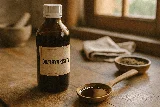
Kamdhenu Ras

Introduction
Welcome to this deep dive into Kamdhenu Ras, a fascinating gem from the world of Ayurvedic medicine. If you’ve been curious about how ancient Indian sages turned metals into healing wonders, you’re in for a treat. Kamdhenu Ras is not just a random Ras; it’s celebrated for digestive support, rejuvenation, and metabolic balance. In the first hundred words itself, we’ve already mentioned Kamdhenu Ras twice, right? It’s often paired with other bhasmas and herbal formulations, making it a true powerhouse in rasa shastra. Now, let’s wander down the path carved by centuries of tradition, real-life village practices, and a touch of modern science.
What You’ll Learn Here
- The story behind Kamdhenu Ras, from ancient texts to your wellness shelf.
- How it’s prepared yes, it involves metals, fire, and some careful stirring.
- Benefits you might notice (and some you shouldn’t ignore).
- Safety, dosage, and a few surprising warnings (consider this your friendly nudge!).
By the end, you’ll feel almost like a junior rasa shastrin*, ready to impress at your next yoga retreat. But with fewer mantras and more practical tips. Let’s roll!
History and Origin of Kamdhenu Ras
Ancient Texts and Ayurveda
Tracing back over a thousand years, Kamdhenu Ras finds mention in classical Ayurvedic treatises like Rasaratna Samuchaya and Bhaishajya Ratnavali. These texts, though often overlooked, served as recipe books for alchemists (aye, real-life alchemists!), teaching them how to detoxify ores, extract medicinal properties, and transform them into potent elixirs. Interestingly, the name ‘Kamdhenu’ is borrowed from the mythological cow that grants all desires, hinting that this Ras was meant to fulfill health wishes no wonder it was considered prestigious.
In rural Gujarat and Rajasthan even today, traditional vaidya families guard these age-old recipes. They sometimes whisper that Kamdhenu Ras can treat even the trickiest digestive complaints (think chronic indigestion, IBS-like symptoms), and it only regained global attention when modern practitioners started analyzing its bhasma under microscopes tiny particles that turn out oddly promising.
Rasa Shastra Evolution
Early rasa shastris initially focused on mercury (Parad) formulations. Over centuries, herbal constituents like Shilajit, gokshura and other rare botanicals joined the mix, enhancing both therapeutic and safety profiles. Kamdhenu Ras evolved as an advanced amalgamation: a precise balance of purified metals (calcined doses of gold, silver, tin, and even copper) blended with potent herbs. This synergy meant higher bioavailability back then they didn’t call it that, but you get the point.
Side note: some old manuscripts even warn about rogue practitioners using impure metals. That’s why sourcing matters today. If you pick up Kamdhenu Ras without certification or an authentic lineage, you might as well be drinking rusty water.
Composition and Preparation of Kamdhenu Ras
Main Ingredients
- Purified Mercury (Parad): The chief metallic base, detoxified through multiple Shodhana steps.
- Gold Bhasma (Svarna Bhasma): Known for nourishment, longevity, and immunity boost.
- Silver Bhasma (Rajata Bhasma): Antibacterial properties and support for bodily tissues.
- Tin Bhasma (Vanga Bhasma): Digestive stimulant, balances vata and kapha.
- Herbal Extracts: Shunthi (dry ginger), Pippali (long pepper), Haritaki, Bibhitaki, and Gokshura, which modulate bioavailability and reduce metallic toxicity.
These ingredients are assembled much like a gourmet recipe, except your kitchen is a ashy multi-chambered pit, and your chef? A rasa shastri with years of training.
Traditional Preparation Process
Warning: this isn’t your average smoothie assembly. The process typically involves:
- Shodhana (Purification): Each metal is detoxified using herbal decoctions, ghee, and cow’s milk. It can take days to weeks.
- Marana (Incineration): The purified metals are triturated (think rock-salt sized pulverization) with herbal juices, then shaped into pellets.
- Puta (Calcination Cycles): Pellets are placed in earthen crucibles, sealed with clay, and subjected to controlled heat. One cycle may reach 900–1100°C. They repeat this 7–10 times, uncovering microscopic bhasma particles.
- Final Amalgamation: The calcined product is mixed with specific herbal oils or ghee, sometimes left to mature for weeks.
Real talk: it’s labor intensive, time-consuming, and quite the spectacle imagine a workshop filled with smoke, clay ovens, and carefully stacked crucibles. No wonder modern manufacturers sometimes cut corners, so always ask for certification.
Benefits and Uses of Kamdhenu Ras
Digestive Health and Metabolism
If your gut could talk, it would thank you for a dose of Kamdhenu Ras when used properly. Traditional claims state that it balances Agni (digestive fire), reduces indigestion, bloating, constipation, and even chronic diarrhea. Its tin and herbal synergy gently stimulates peristalsis and enzyme secretion. I once tried it during a month-long digestive detox (under supervision), and while results varied day-to-day, over weeks my bloating significantly reduced. Could be placebo? Maybe, but synergy between bhasma and herbs seems to work wonders.
tip: it’s often taken early morning with honey or warm water. Some practitioners recommend a pinch dissolved in fresh ginger tea adds a zesty kick, if you can handle it.
Rejuvenation and Immunity
Beyond the tummy, Kamdhenu Ras is touted as a Rasayana essentially a body rejuvenator. Gold and silver bhasmas are believed to promote tissue nourishment, enhance stamina, and support the nervous system. In parts of Maharashtra, older folks swear by a small dose to maintain energy through temple duties! Modern researchers are intrigued by its potential immunomodulatory effects; preliminary lab studies hint at improved white blood cell activity. Though we need more clinical trials, the anecdotal evidence across villages in Kerala and Tamil Nadu is pretty compelling.
Remember: this is not a magic bullet. It’s part of a larger Ayurvedic lifestyle diet, yoga, meditation, and ethical living. But if you combine these, Kamdhenu Ras can feel like the final piece of a health puzzle.
Safety, Dosage, and Contraindications
Recommended Dosage
Dosage varies by age, prakriti (constitution), and current health status. Typical adult dose: 125–125 mg (about a quarter of a small pea) once or twice daily. But very important always consult a qualified Ayurvedic physician. Don’t self-dose based on internet forums! For children or elderly, the dose is often halved or adjusted per weight.
Administration tips:
- Take on an empty stomach or with a light meal.
- Use lukewarm herbal decoction (e.g., Trikalam) to wash it down.
- Maintain a gap of at least 30 minutes before/after other medicines or meals.
Possible Side Effects and Warnings
Although classical texts claim Kamdhenu Ras is “safe if prepared right,” modern caution is warranted. Possible side effects include:
- Mild gastric discomfort — usually resolves with dietary tweaks.
- Allergic reactions — very rare, but watch for rashes or itching.
- Heavy metal accumulation — if the product is adulterated or overused.
Avoid in:
- Pregnancy and lactation.
- Severe kidney or liver impairment (unless under strict supervision).
- Children under 5 years (their digestive fire is still developing).
tip: Periodic monitoring of blood parameters is a good idea if you plan long-term usage. It might feel like a hassle especially with metals involved, right?
Conclusion
Kamdhenu Ras stands at the crossroads of ancient wisdom and modern curiosity. Its unique blend of purified metals and potent herbs offers benefits for digestive health, rejuvenation, and metabolic support. While scientific validation is still catching up, centuries of traditional use and emerging lab studies hint at a promising future. However, its power also demands respect: preparation must be authentic, dosage precise, and supervision essential.
If you decide to explore Kamdhenu Ras, partner with a trustworthy Ayurvedic clinic or certified rasa shastri. Keep an open mind, follow guidelines, and pair it with healthy diet, yoga, and lifestyle habits.
FAQs
- What is Kamdhenu Ras?
Kamdhenu Ras is an Ayurvedic herbo-mineral formulation containing purified metals like mercury, gold, silver, tin, plus herbal extracts. It’s used for digestive support and rejuvenation.
- Is Kamdhenu Ras safe?
When prepared by qualified rasa shastris and taken under medical supervision, it’s generally safe. However, adulterated products or self-medication can pose risks.
- How do I take Kamdhenu Ras?
Typical dose is 125–250 mg once or twice daily with warm water or herbal decoction. Always follow a qualified practitioner’s guidance.
- Can anyone use Kamdhenu Ras?
Pregnant women, children under 5, and people with severe liver or kidney issues should avoid it, unless a qualified Ayurvedic doctor advises otherwise.
- Where can I buy authentic Kamdhenu Ras?
Look for reputable Ayurvedic pharmacies with GMP certification and product traceability. Always check for batch testing and govt. approvals.
- Does modern science support its use?
Early studies on bhasma micro-particles suggest anti-inflammatory and immunomodulatory effects, but more clinical trials are needed for conclusive evidence.
Ask Ayurvedic doctor a question and get a consultation online on the problem of your concern in a free or paid mode.
More than 2,000 experienced doctors work and wait for your questions on our site and help users to solve their health problems every day.
Related articles