Ask Ayurvedic doctor a question and get a consultation online on the problem of your concern in a free or paid mode. More than 2,000 experienced doctors work and wait for your questions on our site and help users to solve their health problems every day.


Body DetoxEar, Nose, and Throat DisordersGeriatrics & RejuvenationImmunodeficiencyInfertility TreatmentNutritionOrthopedic DisordersPediatricsRespiratory DisordersSexually Transmitted Diseases (STDs)Surgery RecoveryUrological DisordersVascular DisordersDental DisordersEndocrinological DisordersGastrointestinal DisordersYoga TherapyGeneral MedicineAllergic DisordersCardio DisordersGynecology and ObstetricsCosmetologySkin and Hair DisordersEye DisordersInfectious DiseasesMental DisordersNeurological DisordersOncologyPanchakarmaSexual Health & DisordersSports Medicine
Published on 12/20/24
(Updated on 08/09/26)
5,762
Best Ayurvedic Scar Removal Cream: Top Natural Solutions
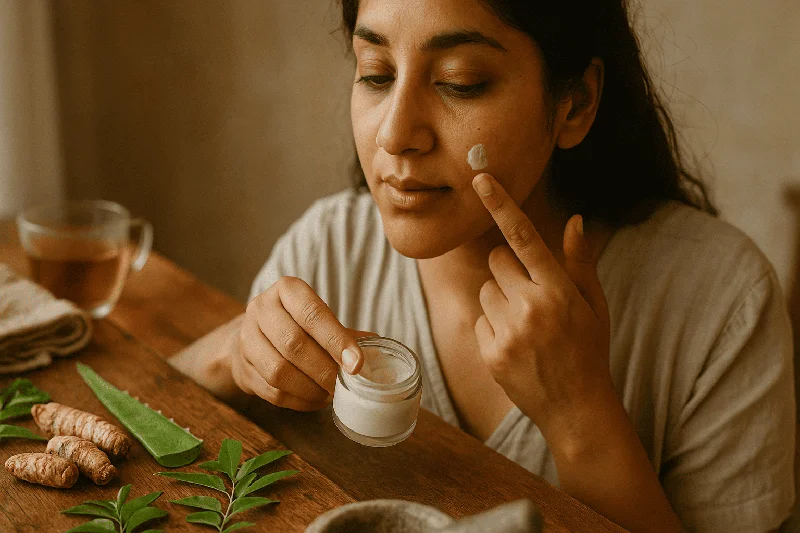
The best ayurvedic scar removal cream combines time-tested botanicals like Kumkumadi oil, Gotu Kola (Centella asiatica), turmeric (Haridra), and neem in formulations that stimulate collagen synthesis, accelerate cell regeneration, and reduce hyperpigmentation — without the harsh side effects of chemical alternatives. If you're searching for a natural way to fade acne scars, surgical marks, burn scars, or stretch marks, Ayurvedic creams offer a holistic approach grounded in thousands of years of traditional medicine and increasingly supported by modern clinical research.
But here's the thing — not every "ayurvedic" cream on the market delivers real results. In this comprehensive guide, we break down the science behind key ingredients, compare top products, explain how to choose the right cream for your skin type and dosha, and cover everything the other guides out there are missing.
Understanding Scars: Types, Stages, and When to Start Treatment
Before you pick up any scar removal cream, it's crucial to understand what you're actually dealing with. Scars form when the dermis (the deep, thick layer of skin) is damaged and the body produces collagen fibers to repair it. The resulting tissue has a different texture and quality than the surrounding skin.
Types of Scars Ayurvedic Creams Can Address
Not all scars are created equal, and different types respond differently to treatment:
| Scar Type | Description | Ayurvedic Treatability |
|---|---|---|
| Acne scars (atrophic) | Depressed pits from inflammatory acne — icepick, boxcar, rolling | Moderate to high (especially rolling and boxcar) |
| Hypertrophic scars | Raised, red scars that stay within wound boundaries | High — responds well to anti-inflammatory herbs |
| Keloid scars | Raised scars that grow beyond the original wound | Moderate — requires consistent, long-term application |
| Surgical scars | Linear scars from incisions | High, especially when treatment begins early |
| Burn scars | Contracture scars from thermal/chemical burns | Moderate — depends on burn depth |
| Stretch marks (Striae) | Caused by rapid skin stretching (pregnancy, growth spurts) | Moderate to high for newer stretch marks |
| Post-inflammatory hyperpigmentation | Dark marks left after acne or injury | Very high — Ayurvedic ingredients excel here |
Stages of Scar Formation and the Optimal Time to Begin Treatment
This is something almost no other guide mentions, but it's absolutley critical for getting results.
Scars go through distinct phases:
- 1.Inflammatory phase (Day 1–5): The wound is fresh.
- Don't apply scar cream on open wounds — wait until the wound has fully closed.
- 2.Proliferative phase (Day 5 – Week 6): New tissue forms. This is the golden window to start applying ayurvedic scar cream. Collagen is being laid down rapidly, and influencing this process early produces the best outcomes.
- 3.Remodeling phase (Week 6 – 2 years): Collagen reorganizes. The scar gradually matures. Treatment during this phase still works but requires more patience.
- 4.Mature scar (2+ years): The scar is fully formed. Old scars can still be improved with consistent ayurvedic treatment, but expect 6–12 months for visible changes.
Key takeaway: Start your ayurvedic scar cream as soon as the wound has closed — typically 1-2 weeks after injury. A 2013 study published in Advances in Wound Care confirmed that early intervention during the proliferative phase significantly improves long-term scar appearance.
Realistic Timeline: What Results to Expect and When
Here's an honest week-by-week breakdown that no competitor provides:
| Timeframe | What to Expect |
|---|---|
| Weeks 1–2 | Improved hydration, slight softening of scar tissue |
| Weeks 3–6 | Reduced redness, early fading of hyperpigmentation |
| Months 2–3 | Noticeable flattening of raised scars, significant color improvement |
| Months 3–6 | Major improvement in texture and tone for most scar types |
| Months 6–12 | Old/deep scars show meaningful fading; keloids continue improving |
Individual results vary based on scar type, depth, age, skin type, and consistency of application.
The Science Behind Ayurvedic Scar Removal Ingredients
What sets ayurvedic scar removal creams apart isn't just tradition — it's the fact that modern research increasingly validates these ancient ingredients. Let's do a deep dive into the heavy hitters.
Centella Asiatica (Gotu Kola / Mandukparni)
- Perhaps the single most powerful ayurvedic ingredient for scar treatment.
- Centella asiatica contains active compounds — asiaticoside, madecassoside, asiatic acid, and madecassic acid — that directly stimulate Type I collagen synthesis.
A landmark 2009 study in the International Journal of Lower Extremity Wounds found that asiaticoside increases collagen production by up to 50% in wound healing models and strengthens the tensile integrity of newly formed skin. Another study published in Phytomedicine (2012) demonstrated that Centella extract significantly reduced hypertrophic scars in a randomized controlled trial.
Mechanism: Stimulates fibroblast proliferation → increases collagen synthesis → improves wound tensile strength → regulates scar tissue formation.
Curcuma Longa (Turmeric / Haridra)
Turmeric's active compound, curcumin, is a potent anti-inflammatory and antioxidant. A 2016 systematic review in BioMed Research International analyzed 12 studies and concluded that curcumin significantly accelerates wound healing through multiple pathways: reducing oxidative stress, modulating TGF-β expression (a key factor in scar formation), and inhibiting excessive collagen deposition that leads to keloids.
Curcumin also inhibits melanin overproduction, which is why turmeric-based formulations are particularly effective against post-inflammatory hyperpigmentation — a major concern for Indian skin tones.
Azadirachta Indica (Neem)
Neem brings powerful antimicrobial and anti-inflammatory properties to scar formulations. Its antibacterial action prevents secondary infections during the healing process (a common cause of worsened scarring), while nimbidin and nimbin compounds reduce inflammation.
A 2013 study in Evidence-Based Complementary and Alternative Medicine showed that neem leaf extract accelerated wound closure by 43% compared to control groups.
Aloe Barbadensis (Aloe Vera / Kumari)
Aloe vera contains acemannan and other polysaccharides that stimulate macrophage activity, boost fibroblast growth, and increase collagen content at wound sites. A 2019 meta-analysis in the Iranian Journal of Medical Sciences covering 23 clinical trials confirmed aloe vera's statistically significant wound healing and scar-reducing properties.
Other Key Ingredients
- Kumkumadi Tailam (Saffron Oil blend): Traditional Ayurvedic formulation containing saffron, sandalwood, and lotus — specifically indicated for skin radiance and scar fading in classical texts like Ashtanga Hridaya
- Vitamin E (Tocopherol): Potent antioxidant that protects healing tissue from free radical damage
- Manjistha (Rubia cordifolia): Blood purifier in Ayurveda; a 2014 study in Pharmacognosy Reviews confirmed its anti-inflammatory and skin-brightening properties
- Bakuchi (Psoralea corylifolia): Contains psoralen compounds that stimulate melanocyte regulation — useful for both hyperpigmented and hypopigmented scars
How to Remove Scars From Face Permanently With Ayurveda
- Let's be upfront: the word "permanently" needs context.
- Very few treatments — ayurvedic or otherwise — can make a scar 100% invisible. But Ayurveda offers a multi-layered approach that can dramatically reduce scar visibility to the point where it's barely noticable.
Topical Application: How to Use Ayurvedic Scar Cream Correctly
The way you apply your cream matters almost as much as what's in it:
- Cleanse the scarred area with a gentle, pH-balanced cleanser (or a neem-based face wash)
- Pat dry — never rub scarred skin aggressively
- Apply a pea-sized amount of scar cream directly to the scar
- Massage gently in circular motions for 2–3 minutes.
- This isn't just about absorption — massage itself breaks down excess collagen fibers in raised scars
- Apply twice daily — morning and night for regular scars
- For keloids and fresh surgical scars: some Ayurvedic practitioners recommend application every 4–6 hours during the first month for optimal results
- Always apply sunscreen (SPF 30+) over the treated area during daytime — UV exposure darkens scars significantly
Important: For open or weeping wounds, do NOT apply scar cream. Wait until the wound has fully closed. If treating keloids, clean the area with a sterile saline-soaked cotton pad before each application.
The Role of Diet and Lifestyle in Scar Healing (Ayurvedic Perspective)
This is where Ayurveda fundamentally differs from Western dermatology. In Ayurvedic tradition, skin health (Twak) is governed by Bhrajaka Pitta — the sub-dosha responsible for skin metabolism. Scar healing isn't just about what you put ON your skin.
Foods that accelerate scar healing:
- Vitamin C-rich foods (amla/Indian gooseberry, citrus, guava) — essential for collagen synthesis
- Zinc-rich foods (pumpkin seeds, chickpeas, spinach) — supports cell division during repair
- Healthy fats (ghee, coconut oil, walnuts) — maintain skin barrier integrity
- Turmeric milk (Haldi doodh) — systemic anti-inflammatory support
- Leafy greens and beetroot — support blood purification (Rakta Shodhana)
Lifestyle practices:
- Adequate sleep (7-8 hours) — growth hormone peaks during deep sleep drive tissue repair
- Stress management through yoga/pranayama — chronic stress elevates cortisol, which impairs collagen production
- Hydration (8–10 glasses of warm water daily, as per Ayurvedic recommendation)
- Avoid smoking — it constricts blood vessels and severely impairs wound healing
DIY Ayurvedic Scar Remedies You Can Make at Home
While commercial creams offer standardized formulations, these home remedies can supplement your treatment:
Kumkumadi Scar-Fading Mask:
- 1 tsp Kumkumadi oil
- ½ tsp raw turmeric powder
- 1 tsp organic honey
- Mix and apply to scars for 20 minutes, 3x per week
Gotu Kola & Aloe Paste:
- 2 tsp fresh aloe vera gel
- 1 tsp Centella asiatica (Brahmi/Gotu Kola) powder
- ½ tsp sandalwood powder
- Apply overnight on scars, wash off in morning
Manjistha Brightening Serum:
- 2 tsp Manjistha powder steeped in 4 tsp rosehip oil for 7 days (strain before use)
- Apply 2–3 drops directly on hyperpigmented scars nightly
Note: Always do a patch test 24 hours before trying any DIY remedy. These are complementary to, not replacements for, a good ayurvedic scar cream.
Ayurvedic vs Chemical Scar Removal Creams: An Honest Comparison
Nobody else is giving you this comparison, but it's what you actually need to make an informed decision.
| Factor | Ayurvedic Creams | Chemical/Conventional Creams |
|---|---|---|
| Key active ingredients | Centella asiatica, turmeric, neem, aloe vera, Kumkumadi | Silicone gels, retinoids, hydroquinone, glycolic acid |
| Side effects | Minimal — rare mild irritation; safe for long-term use | Can cause peeling, redness, photosensitivity, rebound hyperpigmentation |
| Speed of results | Gradual (4–12 weeks for noticeable change) | Faster initial results (2-6 weeks), but may plateau |
| Long-term skin health | Improves overall skin quality, texture, and tone | May thin skin over time (retinoids), or cause dependency |
| Safe during pregnancy | Most formulations are pregnancy-safe (always check specific ingredients) | Many are contraindicated (retinoids, hydroquinone) |
| Suitable for sensitive skin | Generally yes | Frequently causes irritation |
| Cost (India market) | ₹150–₹800 for most products | ₹300–₹2,500+ |
| Holistic benefits | Anti-aging, moisturizing, anti-inflammatory beyond just scar treatment | Targeted scar treatment only |
| Evidence base | Growing; multiple RCTs for individual ingredients | Extensive clinical trials |
The verdict? For mild to moderate scarring, ayurvedic creams offer comparable efficacy with far fewer side effects. For severe keloids or deep atrophic scars, a combination approach — using ayurvedic creams alongside dermatological procedures (like microneedling or laser) — often yields the best results.
Choosing the Right Ayurvedic Scar Cream for Your Dosha and Skin Type
Scar Treatment by Dosha Type
In Ayurveda, your prakriti (constitution) affects how your skin scars and heals:
Vata Skin (Dry, thin, prone to dark scars):
- Scars tend to be dry, rough, and hyperpigmented
- Best ingredients: Aloe vera, ghee-based formulations, sesame oil, Shatavari
- Avoid: Drying or astringent formulations
Pitta Skin (Sensitive, warm, prone to red/inflamed scars):
- Scars tend to be red, inflamed, and sometimes hypertrophic
- Best ingredients: Sandalwood, Kumkumadi, neem, Manjistha, coconut-oil based creams
- Avoid: Turmeric in high concentrations (can aggravate pitta heat)
Kapha Skin (Oily, thick, prone to keloids):
- Scars tend to be raised, thick, and keloid-forming
- Best ingredients: Turmeric, Gotu Kola, neem, lighter oil bases (like jojoba)
- Avoid: Heavy, greasy formulations that clog pores
Can Ayurvedic Scar Creams Be Used on All Skin Types?
Yes — most well-formulated ayurvedic scar creams are suitable for all skin types, including sensitive, oily, dry, and combination skin.
However, this comes with caveats:
- Sensitive skin: Choose fragrance-free formulations. Look for aloe vera and chamomile as base ingredients
- Oily/acne-prone skin: Opt for non-comedogenic formulations. Avoid heavy coconut oil-based creams; prefer lighter gels
- Dry skin: Creams with ghee, shea butter, or sesame oil bases work best
- Pregnancy/postpartum stretch marks: Most ayurvedic formulations are safe, but avoid Bakuchi (Psoralea) during pregnancy as psoralen compounds are photosensitizing. Always consult your doctor
What to Look for When Buying an Ayurvedic Scar Cream
A quick checklist to avoid wasting money:
- ✅ Certified organic or GMP-manufactured (look for WHO-GMP, ISO 9001, FSSAI, or AYUSH certification)
- ✅ Centella asiatica or Gotu Kola listed in top 5 ingredients
- ✅ No parabens, sulfates, or artificial fragrances
- ✅ Clear ingredient list with both Sanskrit/Hindi and botanical names
- ✅ Positive reviews specifically mentioning scar improvement (not just general moisturizing)
- ✅ Cruelty-free and vegan (if this matters to you — many ayurvedic brands now carry these certifications)
- ❌ Avoid products with vague claims like "removes scars in 7 days" — thats simply not realistic
Comparison: Top Ayurvedic Scar Removal Creams in India (2025)
No other guide gives you a side-by-side comparison. Here's an objective breakdown of popular options available in the Indian market:
| Product | Key Ingredients | Best For | Price Range (approx.) | Certifications | Notable Feature |
|---|---|---|---|---|---|
| Agnijith Cream | Turmeric, Centella, proprietary herbal blend | Burn scars, surgical scars | ₹350–₹500 | Ayurvedic license | Specialized keloid/burn formulation |
| Vicco Turmeric Cream | Turmeric, sandalwood oil | Mild acne marks, hyperpigmentation | ₹80–₹180 | Well-established brand | Budget-friendly, widely available |
| Kumkumadi Tailam (various brands) | Saffron, sandalwood, lotus, vetiver | PIH, overall skin radiance + scar fading | ₹300–₹900 | Varies by brand | Traditional classical formulation |
| Afflatus Scar Removal Cream | Aloe vera, neem, turmeric, Vitamin E | All scar types, sensitive skin | ₹250–₹400 | WHO-GMP, ISO 9001, Halal, Organic | Multiple international certifications |
| Biotique Bio Dandelion | Dandelion, neem, Nutmeg | Acne scars, dark spots | ₹200–₹350 | — | Lightweight, non-greasy formula |
Prices are approximate and may vary by retailer. Always buy from authorized sellers to avoid counterfeit products. Disclaimer: This comparison is for informational purposes only. We recommend consulting a qualified Ayurvedic practitioner to determine the best product for your specific condition.
Don't wait or self medicate. Start chat with Doctor NOW
Side Effects, Precautions, and Safety Considerations
Ayurvedic scar removal creams are generally safe, but "natural" doesn't automatically mean "risk-free."
Potential Side Effects
- Allergic contact dermatitis: Some individuals may react to specific botanicals. Neem and turmeric can occasionally cause irritation in people with plant allergies
- Photosensitivity: Ingredients like Bakuchi (Psoralea corylifolia) increase sun sensitivity. Always use sunscreen
- Staining: Turmeric-heavy formulations can temporarily stain light-coloured skin or fabrics
- Initial purging: Some users report mild breakouts in the first week as the skin adjusts — this typically resolves within 7-10 days
Essential Precautions
- Always perform a patch test — apply a small amount behind your ear or inner forearm, wait 24 hours
- Never apply on open, bleeding, or infected wounds
- Discontinue use if you experience persistent redness, swelling, or itching
- Consult a dermatologist before using on children under 6 years
- For severe scarring (deep keloids, widespread burn scars), use ayurvedic creams as part of a comprehensive treatment plan rather than the sole intervention
- Store in a cool, dry place — ayurvedic formulations without synthetic preservatives can degrade faster in heat
> Expert insight: "Ayurvedic scar management works best as part of a comprehensive approach — combining topical herbal applications with internal rasayana (rejuvenation) therapies and appropriate ahara-vihara (diet and lifestyle) modifications. Patience is key, as natural healing respects the body's own timeline." — Perspective commonly shared by BAMS-qualified Ayurvedic dermatology practitioners
Frequently Asked Questions
Which Ayurvedic cream is best for scars?
There's no single "best" cream for everyone — it depends on your scar type, skin type, and dosha. For acne scars and hyperpigmentation, Kumkumadi-based formulations tend to excel. For burn and surgical scars, Centella asiatica (Gotu Kola)-heavy creams like Agnijith show strong results. For an all-around option, look for a cream that combines Centella, turmeric, aloe vera, and neem.
How long does it take to see results with Ayurvedic scar removal creams?
- Most users notice initial improvement (reduced redness, better hydration) within 2-3 weeks. Significant visible fading typically occurs at the 6–12 week mark with consistent twice-daily application. Older, deeper scars may take 4-6 months or longer.
- The key is consistency — sporadic use won't deliver results.
Can Ayurvedic scar removal creams replace medical treatments for severe scarring?
For mild to moderate scars, ayurvedic creams can be a standalone solution. However, for severe keloids, deep ice-pick acne scars, or extensive burn contractures, they work best as a complementary therapy alongside medical interventions like laser therapy, microneedling, or corticosteroid injections. Always consult a qualified healthcare provider for severe scarring.
Are Ayurvedic scar creams safe during pregnancy?
Most ayurvedic scar creams are considered safe during pregnancy and are commonly used for stretch mark prevention. However, avoid formulations containing Bakuchi (Psoralea corylifolia), camphor in high concentrations, or any ingredient you're unsure about. Consult your obstetrician or Ayurvedic physician before starting any new topical product during pregnancy.
Can I use Ayurvedic scar removal creams alongside other skincare products?
Yes, but with some precautions. Avoid layering with products containing retinol, AHA/BHA acids, or benzoyl peroxide immediately after applying your ayurvedic cream — wait at least 30 minutes between applications to prevent irritation. Ayurvedic creams generally pair well with gentle moisturizers, hyaluronic acid serums, and sunscreen.
Do Ayurvedic scar removal creams contain animal-derived ingredients?
Many traditional Ayurvedic formulations are vegetarian, but some may contain ghee (clarified butter), honey, or beeswax. If you're looking for strictly vegan options, check the label carefully. Several modern Ayurvedic brands now offer vegan-certified scar creams that replace animal-derived ingredients with plant-based alternatives.
Is it necessary to continue using the cream once the scar fades?
Once your scar has faded to your satisfaction, you can gradually reduce application from twice daily to once daily, then to a few times per week, before discontinuing. Abruptly stopping isn't harmful, but a gradual taper helps maintain results. Many users continue using their ayurvedic cream as a general skin-nourishing product even after scars have faded — these formulas often double as excellent anti-aging and skin-brightening treatments.
How to remove scars naturally fast?
The fastest natural approach combines: (1) twice-daily application of an ayurvedic scar cream with Centella asiatica and turmeric, (2) weekly exfoliation with a gentle natural scrub to remove dead skin cells, (3) daily gentle massage on the scar for 3-5 minutes to break down collagen adhesions, (4) a nutrient-rich diet high in vitamin C, zinc, and omega-3 fatty acids, and (5) strict sun protection. Starting treatment during the early proliferative phase of healing (within 2 weeks of wound closure) significantly accelerates results.
Final Thoughts: Your Path to Naturally Healed Skin
- Ayurvedic scar removal creams represent a genuine, science-backed approach to reducing scars naturally.
- The key ingredients — Centella asiatica, turmeric, neem, aloe vera, and traditional formulations like Kumkumadi — have centuries of traditional use AND growing clinical evidence supporting their efficacy.
But remember: consistency beats intensity. Applying a good ayurvedic cream twice daily for 3 months will always outperform applying a "miracle" product sporadically. Combine your topical treatment with proper nutrition, adequate sleep, sun protection, and patience.
Your next step: Identify your scar type and dosha using the guides above, choose an appropriate cream from our comparison table, and commit to a consistent 90-day routine. If you have severe scarring or aren't seeing improvement after 3 months of consistent use, consult a qualified Ayurvedic dermatology practitioner (or a BAMS/MD Ayurveda doctor) for a personalized treatment plan that may include internal medicines and Panchakarma therapies alongside topical care.
Your skin has remarkable healing ability. Give it the right tools, and the results will follow.
Scientific Sources
- Polycystic ovaries and herbal remedies: A systematic review — Manouchehri A et al., 2023, JBRA assisted reproduction
- Aloe Vera — 2012
- Aloe-emodin: A review of its pharmacology, toxicity, and pharmacokinetics — Dong X et al., 2020, Phytotherapy research : PTR
- Aloe Vera Gel and Rind-Derived Nanoparticles Mitigate Skin Photoaging via Activation of Nrf2/ARE Pathway — Sun Z et al., 2025, International journal of nanomedicine
- Is it safe to consume traditional medicinal plants during pregnancy? — Bernstein N et al., 2021, Phytotherapy research : PTR
- Ulcerative colitis: molecular insights and intervention therapy — Liang Y et al., 2024, Molecular biomedicine
- Turmeric and Curcumin: From Traditional to Modern Medicine — Akaberi M et al., 2021, Advances in experimental medicine and biology
- Curcumin (Turmeric) and cancer — Unlu A et al., 2016, Journal of B.U.ON. : official journal of the Balkan Union of Oncology
- The Essential Medicinal Chemistry of Curcumin — Nelson KM et al., 2017, Journal of medicinal chemistry
- Neuroprotective Herbs for the Management of Alzheimer's Disease — Gregory J et al., 2021, Biomolecules
- Rosemary and neem: an insight into their combined anti-dandruff and anti-hair loss efficacy — Hashem MM et al., 2024, Scientific reports
- Bangladeshi medicinal plant dataset — Borkatulla B et al., 2023, Data in brief
- Phytotherapy in periodontics as an effective and sustainable supplemental treatment: a narrative review — Gawish AS et al., 2024, Journal of periodontal & implant science
- Formulation and Evaluation of Turmeric- and Neem-Based Topical Nanoemulgel against Microbial Infection — Giri S et al., 2024, Gels (Basel, Switzerland)
- Medicinal plants with traditional use: Ethnobotany in the Indian subcontinent — Rupani R et al., 2018, Clinics in dermatology
Questions from users
What are the benefits of using Kumkumadi oil for acne scars?
Client_b44f11
3 days ago
Kumkumadi oil is reputed for its potential benefits in reducing acne scars and hyperpigmentation. This herbal formulation, typically featuring saffron as a key ingredient, is believed to improve skin texture and even out skin tone. To maximize benefits, apply the oil consistently and choose formulations specifically for acne-prone skin — those that are non-comedogenic and light in texture. It's important to note that results can vary, and it may take several months of regular usage to see noticeable improvements. If you have severe scarring, consider consulting a dermatologist for comprehensive treatment options.
How does neem leaf extract enhance wound healing in scars?
Client_3d7446
8 days ago
Neem leaf extract enhances wound healing in scars mainly through its antibacterial and anti-inflammatory properties. Its antibacterial action helps prevent secondary infections, which can worsen scars, while compounds like nimbidin and nimbin reduce inflammation. A study in 2013 found that neem leaf extract accelerated wound closure by 43%. For best results, use neem after ensuring the wound is completely closed as improper use can cause irritation. If your scar shows redness, swelling, or does not improve over time, consult a doctor.
What ingredients should I look for in Ayurvedic scar removal creams?
Client_51f24f
13 days ago
Look for Ayurvedic scar removal creams containing turmeric, neem, sandalwood, and aloe vera, as these ingredients are traditionally known for their anti-inflammatory and skin-healing properties. Regular use, generally twice daily, is advised for noticeable improvements over three months. While these creams are primarily safe, watch for any allergic reactions like contact dermatitis. Discontinue use and consult a dermatologist if severe skin irritation occurs. If significant improvement is not seen after three months, or if scarring is severe, consider consulting a qualified Ayurvedic or dermatology practitioner for a personalized treatment recommendation.
Can I use Ayurvedic scar creams after surgery for healing?
Client_947a54
18 days ago
You can use Ayurvedic scar creams after surgery, but only once the wound has fully closed. Ingredients like Centella Asiatica, known as Gotu Kola, may be beneficial for scar healing due to their ability to stimulate collagen production and enhance skin integrity. However, consult your healthcare provider before starting any new treatment to ensure it won’t interfere with your post-surgery recovery. Monitor your skin for any signs of irritation or adverse reactions and see a doctor if you experience persistent redness, swelling, or discomfort.
Is it safe to use Ayurvedic scar removal creams during pregnancy?
Client_644616
28 days ago
It is generally advised to consult with a healthcare professional before using Ayurvedic scar removal creams during pregnancy, especially since pregnant individuals may have heightened sensitivities. While many Ayurvedic creams with ingredients like Centella asiatica, turmeric, and neem are considered gentle, some contain substances such as Bakuchi or high concentrations of camphor that could pose risks. Always review the cream's ingredient list and consult your doctor to ensure it aligns with your pregnancy safety requirements.
How long does it take to see results from Ayurvedic scar removal creams?
Client_e360f1
38 days ago
Results from Ayurvedic scar removal creams can vary, but typically expect to see noticeable changes over a period of 4-6 weeks with consistent daily use. Older or deeper scars may require 4-6 months or longer for visible improvement. Key ingredients like turmeric, Centella, and aloe vera work by enhancing collagen synthesis and improving skin texture, but the effectiveness greatly depends on the severity of the scar and the formulation's ingredients. If scars are severe or do not improve, consider consulting a dermatologist for alternative treatments.
What are the key factors to consider when choosing a scar removal cream?
Client_91f886
48 days ago
When choosing a scar removal cream, key factors include the type of scar, your skin type, and the cream's active ingredients. Look for ingredients like silicone, which helps flatten and smooth scars, and onion extract (Allium cepa), known for reducing redness and improving overall appearance. Vitamin E and aloe vera can aid in moisturizing and reducing inflammation. Results often take several weeks to months, depending on the severity of the scar. If your scar is not improving or is causing discomfort, consider consulting with a dermatologist.
What precautions should I take when using Ayurvedic scar removal creams?
Client_78f8ac
57 days ago
When using Ayurvedic scar removal creams, follow these precautions for safety and effectiveness. Conduct a patch test on a small skin area to ensure no allergic reaction, especially for sensitive skin types. Avoid applying the cream on open wounds; only use it on fully healed skin. Expect noticeable improvements, such as reduced redness and better hydration, typically within 2-3 weeks. Watch for irritation or skin changes and discontinue use if they occur. Consult a doctor if you are pregnant or have underlying skin conditions before starting new products.
What is the best way to prepare my skin before applying Ayurvedic scar removal creams?
Client_bf90b0
67 days ago
Before applying ayurvedic scar removal creams, gently cleanse your skin with warm water to open pores, promoting better absorption. Using a mild, herbal cleanser is ideal. You might like to do a light exfoliation once a week to clear dead cells, but don’t overdo it. Always test a small patch first to check for any reactions.
What are some lifestyle changes that can improve the effectiveness of Ayurvedic scar removal creams?
Client_2d7d36
76 days ago
Consistent use of the cream, eating a dosha-balancing diet (like avoiding excess sweet or sour foods if you have pitta issues), and staying hydrated helps. Regular meditation or yoga helps reduce stress which can enhance healing. Protecting scars from the sun is crucial, so wear sunscreen! Also, try dry brushing gently to stimulate circulation in the scar area.
Related articles

Skin and Hair Disorders
Lomasathana Thailam: Ayurvedic Medicine for Unwanted Hair
Discover how Ayurveda addresses unwanted hair through Lomasathana Thailam and other natural solutions. Learn benefits, usage tips, and insights based on traditional Ayurvedic wisdom.
10,121

Skin and Hair Disorders
Why White Hair Happens — And How Ayurveda Looks at It
Yep, we’re going there. White hair. Those stubborn little strands that show up uninvited, sometimes way too early, and totally ignore how old you feel. While some folks wear them like a badge of wisdom (hello, silver foxes), for others, spotting that firs
4,140

Skin and Hair Disorders
How to Treat Dry Skin on Face at Home with Ayurvedic Remedies
Learn how to treat dry skin on the face using natural home remedies and Ayurvedic solutions. Discover oils, masks, and creams to restore moisture and glow
4,244
Skin and Hair Disorders
Yashad Bhasma Uses for Skin – Ayurvedic Remedy for Skin Health and Rejuvenation
Discover the benefits and uses of Yashad Bhasma, an Ayurvedic zinc-based formulation, renowned for its ability to treat skin conditions like acne, pigmentation, and aging signs.
5,018
Skin and Hair Disorders
Udwarthana: Ayurvedic Body Scrub for Toned and Glowing Skin
Discover Udwartana, an Ayurvedic dry powder massage technique. Learn about its benefits, uses, methods, and how it supports detoxification, weight management, and skin rejuvenation using ancient wisdom.
2,867

Skin and Hair Disorders
Patanjali Tejus Tailum
Exploration of Patanjali Tejus Tailum
3,525

Skin and Hair Disorders
Will Aloe Vera Remove Tan? Ayurvedic Guide and Benefits
Will aloe vera remove tan? Learn how aloe vera helps with tan removal, face care, and skin brightening. Discover Ayurvedic methods to remove tan naturally
8,068

Skin and Hair Disorders
Utsadana – Ayurvedic Therapeutic Massage for Detoxification and Vitality
Learn about Utsadana, an Ayurvedic therapeutic massage that promotes detoxification, relieves stress, and rejuvenates the body through a combination of herbal pastes and oils.
3,643

Skin and Hair Disorders
How to Remove Egg Smell from Hair
Discover how to remove egg smell from hair naturally and fast. Learn tips, rinses, and remedies to get rid of odor after washing and prevent it next time
8,984

Skin and Hair Disorders
How to Reduce Dryness of Hair with Natural Remedies
Discover how to reduce dryness of hair with home remedies, natural oils, and Ayurvedic tips. Learn effective hair dryness treatments and restore soft strands
4,094
Related consultations on the topic
Legal
Additional Documents
© 2024 Ask Ayurveda. All rights reserved.