Shaddharana Tablets for Weight Loss: Ayurvedic Slimming Solution
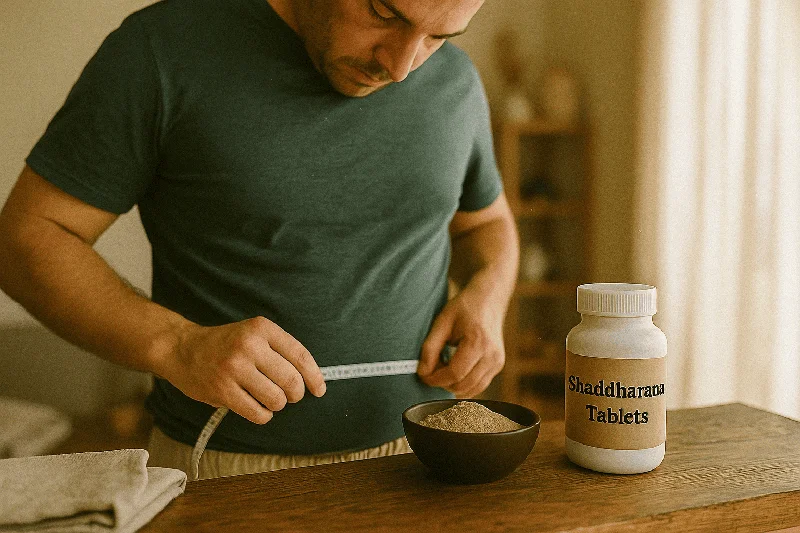
Shaddharana Tablets are a classical Ayurvedic formulation primarily used to pacify aggravated Vata dosha, relieve joint pain, support healthy digestion, and address inflammatory conditions. Rooted in ancient texts like Bhavaprakasha Nighantu and Ashtanga Hridaya, this polyherbal medicine has been trusted by Ayurvedic practitioners for centuries. Whether you're dealing with rheumatoid arthritis, digestive discomfort, metabolic imbalance, or exploring Ayurvedic weight management — this guide covers everything you need to know, including what competitors don't tell you: scientific evidence, drug interactions, how to pick a quality product, and condition-specific treatment durations.
What Are Shaddharana Tablets?
Shaddharana (sometimes spelled Shaddharanam or Shaddaranam) literally translates to "six substances" in Sanskrit. The name itself reveals the core identity of this formulation — it is built around six principal herbs, each selected for its synergistic contribution to balancing the body's internal environment.
Definition & Ayurvedic Classification
In the Ayurvedic pharmacopeia, Shaddharana is classified as a Gulika/Vati (tablet) preparation that falls under the broader category of Churna-based medicines. Its primary therapeutic action is Vata-shamana (pacification of Vata dosha), with secondary benefits on Pitta and Kapha.
The formulation is categorized as:
- Rasa (Taste): Predominantly Tikta (bitter) and Katu (pungent)
- Virya (Potency): Ushna (hot)
- Vipaka (Post-digestive effect): Katu (pungent)
This pharmacological profile makes it especially effective for conditions where Vata accumulates — think stiff joints, erratic digestion, bloating, and nerve-related discomfort.
Historical Background & Classical References
The Shaddharana formulation finds mention in several classical Ayurvedic texts. The Ashtanga Hridaya by Vagbhata references the combination of these six herbs for Vata disorders and digestive ailments. Bhavaprakasha, composed by Bhavamishra in the 16th century, provides detailed preparation methods and indications.
A notable Sanskrit verse from the classical reference describes:
> "Shaddharanam vataharanam, deepanam pachanam param"
> (Shaddharana is the supreme remedy for Vata, kindling digestive fire and promoting digestion)
- The formulation has also been historically linked to Panchakarma therapy, where it's used as a preparatory or follow-up medicine to enhance detoxification outcomes.
- This isn't just an ancient curiosity — practitioners across Kerala, Tamil Nadu, and Karnataka continue to prescribe it daily.
Forms: Choornam vs Tablets vs Gulika — What's the Difference?
This is something no other guide properly explains. Shaddharana is available in three primary forms, and choosing the right one matters.
| Feature | Choornam (Powder) | Tablets (Vati) | Gulika (Pills) |
|---|---|---|---|
| Bioavailability | Highest — direct absorption | Moderate — requires disintegration | Moderate to High |
| Convenience | Low — needs measuring, mixing | High — easy to carry, fixed dose | High |
| Taste | Intensely bitter | Masked by compression | Partially masked |
| Shelf Life | 2 years (if stored properly) | 3-5 years | 3-5 years |
| Best For | Patients who can tolerate taste; faster action needed | Daily use, travel, long-term courses | Traditional preparation preference |
| Adjuvant Flexibility | Can be mixed with ghee, warm water, honey | Taken with warm water | Taken with warm water or buttermilk |
Bottom line: If you want fast action and don't mind the bitter taste, go with Choornam. For daily convenience and consistent dosing, tablets are your best bet. Gulika is the traditional form preferred by classical Ayurvedic pharmacies like Kottakkal Arya Vaidya Sala.
Key Ingredients & Their Roles
The "six substances" in Shaddharana each serve a distinct pharmacological purpose. What's remarkable is that modern research has begun validating what Ayurvedic texts described centuries ago. Let's break down each ingredient with both traditional and contemporary perspectives.
Chitraka (Plumbago zeylanica) — Digestive Fire Stimulant
Chitraka is the formulation's primary Agni deepaka (digestive fire enhancer). It contains the bioactive compound plumbagin, which has demonstrated significant anti-obesity and hypolipidemic effects. A 2012 study published in Pharmaceutical Biology showed that plumbagin reduced body weight gain in high-fat-diet-induced obese rats by up to 30%.
In Ayurvedic terms, Chitraka burns through Ama (metabolic toxins) and reignites sluggish digestion — the root cause of many Vata and Kapha disorders.
Indrayava / Kutaja (Holarrhena antidysenterica) — Detoxifier & Gut Healer
Kutaja seeds (Indrayava) are renowned for their anti-diarrheal and antimicrobial properties. The alkaloid conessine found in Kutaja has been shown to inhibit intestinal motility and reduce inflammation in the gut lining. A study in the Journal of Ethnopharmacology (2014) confirmed its efficacy against multiple strains of E. coli and Shigella — validating its traditional use in dysentery and chronic diarrhea.
Kutki (Picrorhiza kurroa) — Liver Protectant & Metabolic Regulator
Kutki is arguably the most pharmacologically studied ingredient in this formulation. The iridoid glycosides picrosides I and II exhibit potent hepatoprotective activity. A 2016 review in Phytomedicine reported that Picrorhiza kurroa demonstrated liver-protective effects comparable to silymarin (milk thistle) in multiple animal models.
This ingredient is critical for metabolic conditions — it supports bile production, enhances fat metabolism, and protects liver cells from oxidative damage.
Haritaki / Abhaya (Terminalia chebula) — Tridosha Balancer
Called the "King of Medicines" in Tibetan medicine, Haritaki is one of the three fruits in the famous Triphala formulation. It uniquely balances all three doshas. Research published in the Journal of Clinical Biochemistry and Nutrition (2019) demonstrated that Terminalia chebula extract possesses significant antioxidant activity, with ORAC values exceeding those of many common fruits.
Its chebulic acid and chebulagic acid have shown COX-2 inhibitory activity — meaning it works through the same anti-inflammatory pathway as modern NSAIDs like ibuprofen, but without the gastric side effects.
Ativisha (Aconitum heterophyllum) — Anti-inflammatory & Immunomodulator
Ativisha is a potent anti-inflammatory herb with a particular affinity for the digestive and musculoskeletal systems. Unlike its toxic cousin Aconitum napellus (monkshood), Aconitum heterophyllum is non-toxic and safe for therapeutic use. A 2017 study in BMC Complementary and Alternative Medicine showed its immunomodulatory potential, with significant stimulation of macrophage activity.
Patha (Cissampelos pareira) — Anti-rheumatic & Wound Healer
Patha rounds out the formulation with its anti-rheumatic and diuretic properties. The alkaloid hayatinine found in this plant exhibits analgesic effects. Its inclusion supports the formula's overall action on joint pain and inflammation while also promoting healthy urinary function — important for detoxification.
Benefits and Uses of Shaddharana Tablets
Joint Pain, Arthritis & Musculoskeletal Conditions
This is perhaps the most well-established indication for Shaddharana Tablets. The combination of Ativisha's anti-inflammatory action, Haritaki's COX-2 inhibition, and Chitraka's circulation-enhancing properties creates a synergistic effect on inflamed joints.
Practitioners commonly prescribe Shaddharana for:
- Rheumatoid arthritis (Amavata) — especially when accompanied by morning stiffness
- Osteoarthritis — particularly Vata-predominant presentations with crackling joints
- Generalized joint pain and muscular rigidity
- Sciatica and low back pain when Vata is the primary aggravated dosha
The mechanism works on two levels. Ayurvedically, it clears Ama from the joints and pacifies Vata. Pharmacologically, ingredients like Haritaki and Ativisha inhibit pro-inflammatory cytokines (TNF-alpha, IL-6) and suppress COX-2 enzyme activity — essentially targeting the same pathways as conventional anti-inflammatory drugs.
Digestive Disorders: Gas, Bloating, Constipation & Diarrhea
Shaddharana is a powerful deepana-pachana formulation — it kindles digestive fire and ensures proper digestion.
Patients with the following conditions often find relief:
- Chronic indigestion (Ajirna)
- Flatulence and abdominal bloating
- Alternating constipation and diarrhea (a hallmark of IBS-like Vata imbalance)
- Loss of appetite
- Intestinal spasms
Chitraka and Kutki work together to stimulate gastric secretions and bile flow, while Kutaja addresses any underlying intestinal infection or inflammation. It's actually quite a thoughtful formulation for the gut.
Shaddharana Tablets for Weight Loss
Here's where things get interesting — and where honesty matters. Shaddharana Tablets are not a direct fat-burning supplement. However, they support weight loss through several indirect but powerful mechanisms:
- 1.Metabolic correction: Kutki enhances liver function and fat metabolism
- 2.Digestive optimization: Chitraka prevents formation of Ama, which Ayurveda considers a primary cause of Meda dhatu (fat tissue) accumulation
- 3.Cholesterol management: Haritaki has demonstrated hypolipidemic properties in a 2015 study published in the International Journal of Green Pharmacy, showing reduction in LDL cholesterol and triglycerides
- 4.Appetite regulation: By correcting digestive fire, the formulation helps normalize appetite rather than artificially suppressing it
Realistic expectation: Don't expect dramatic weight loss from Shaddharana alone. It works best as part of a comprehensive approach including dietary changes, physical activity, and possibly other Ayurvedic formulations like Triphala Guggulu or Medohar Guggulu.
Metabolic Conditions: Diabetes & Dyslipidemia
Kerala Ayurveda practitioners have traditionally used Shaddharana for Prameha (metabolic disorders including diabetes). Kutki's effect on liver function, combined with Haritaki's ability to regulate blood sugar (a 2018 study in Diabetes, Metabolic Syndrome and Obesity showed a 15-20% reduction in fasting blood glucose in animal models), makes this formulation relevant for pre-diabetic conditions and mild type-2 diabetes as adjunctive therapy.
Skin Conditions & Detoxification
The connection between gut health and skin is well-established in both Ayurveda and modern dermatology (the "gut-skin axis"). By improving digestion and liver function, Shaddharana indirectly supports clearer skin. Patients with chronic urticaria, mild eczema, and acne linked to digestive imbalance have reported improvement — though this is not its primary indication.
Dosage & How to Take Shaddharana Tablets
Standard Recommended Dosage
| Patient Group | Dosage | Frequency | Adjuvant (Anupana) |
|---|---|---|---|
| Adults | 1-2 tablets | Twice daily, after meals | Warm water |
| Elderly (65+) | 1 tablet | Twice daily, after meals | Warm water or lukewarm milk |
| Adolescents (12-18) | 1 tablet | Once or twice daily | Warm water |
| Children (below 12) | Not generally recommended | — | Consult physician |
Important: The above dosages are general guidelines. Your Ayurvedic practitioner may adjust the dose based on your Prakriti (constitution), severity of symptoms, and concurrent medications.
Best Adjuvants (Anupana) for Specific Conditions
The adjuvant you take with Shaddharana can significantly influence its therapeutic action:
- For joint pain: Take with warm water and a small spoon of castor oil at bedtime
- For digestive issues: Take with warm water or buttermilk
- For metabolic support: Take with warm water and a pinch of Trikatu (black pepper, long pepper, ginger)
- For detoxification: Take with warm water and honey (do not heat the honey)
How Long Should You Take It? Condition-Specific Durations
This is a critical gap that no other source addresses properly.
Here are practitioner-recommended timelines:
- Rheumatoid arthritis / chronic joint pain: 3-6 months, with periodic assessment every 6-8 weeks
- Digestive disorders (IBS, chronic indigestion): 4-8 weeks, often with noticeable improvement by week 2-3
- Weight management support: 3-4 months as part of a broader protocol
- Pre-diabetic metabolic support: 3-6 months with regular blood sugar monitoring
- Post-Panchakarma maintenance: 4-6 weeks
A general rule in Ayurveda is to reassess after every 3 months of continuous use. Never self-prescribe indefinitely.
Side Effects, Contraindications & Drug Interactions
Known Side Effects
Shaddharana Tablets are generally well-tolerated when taken in recommended doses.
However, some individuals may experience:
- Mild gastric irritation — particularly if taken on an empty stomach (the Ushna virya of Chitraka can aggravate sensitive stomachs)
- Loose stools — usually in the first few days, which typically self-resolves
- Increased body heat — the formulation's hot potency may cause discomfort in Pitta-predominant individuals
Contraindications
Do not take Shaddharana Tablets if you have:
- Pregnancy or breastfeeding — Chitraka (Plumbago zeylanica) has uterine stimulant properties
- Hyperacidity or peptic ulcers — the hot potency can worsen acid-related conditions
- Severe liver disease — while Kutki is hepatoprotective, severely compromised liver function requires medical supervision
- Chronic kidney disease — some ingredients may affect renal clearance
- Children under 5 years — safety data is insufficient
Drug Interactions — What Nobody Else Tells You
This is a significant gap in existing literature. Based on pharmacological profiles of the ingredients, be cautious with:
| Conventional Drug | Potential Interaction | Risk Level |
|---|---|---|
| Anticoagulants (Warfarin, Aspirin) | Haritaki and Patha may enhance anticoagulant effects | Moderate — monitor INR |
| Anti-diabetic drugs (Metformin, Glimepiride) | Additive blood sugar lowering effect | Moderate — monitor blood glucose |
| NSAIDs (Ibuprofen, Diclofenac) | Combined COX inhibition may increase GI bleeding risk | Low to Moderate |
| Immunosuppressants | Ativisha's immunomodulatory action may interfere | Low — inform your doctor |
| Hepatotoxic drugs (Paracetamol in high doses) | Altered liver metabolism | Low — but worth monitoring |
- Always inform both your Ayurvedic practitioner and allopathic doctor about all medications you're taking.
- This isn't optional — it's essential for your safety.
How to Choose a Quality Shaddharana Product
With dozens of manufacturers producing Shaddharana Tablets, quality varies dramatically.
Here's your checklist for selecting a reliable product:
Quality Criteria Checklist
- 1.GMP Certification: Look for manufacturers certified under WHO-GMP or Ayush Ministry GMP standards. This ensures standardized manufacturing processes.
- 2.Heavy Metal Testing: Reputable brands test for lead, mercury, arsenic, and cadmium. Ask for or check if the Certificate of Analysis (CoA) is available. This is non-negotiable.
- 3.Ingredient Sourcing: Companies like Kottakkal Arya Vaidya Sala and AVP Ayurveda source herbs from controlled farms or verified wild-harvested sources. AVP notably grinds their formulations for over 400 hours — a traditional process that enhances bioavailability and potency.
- 4.Label Transparency: The label should clearly list all six ingredients with botanical names and proportions. Avoid products with vague "proprietary blend" labels.
- 5.Expiry Date & Batch Number: Always check. Tablets typically have a 3-5 year shelf life; powders have about 2 years.
- 6.FSSAI License Number: For products sold in India, this is a regulatory requirement.
Manufacturer Comparison Table
| Manufacturer | Product Name | Quantity | Approx. Price (₹) | Form | GMP Certified |
|---|---|---|---|---|---|
| Kottakkal Arya Vaidya Sala | Shaddharanachurnam Tablet | 100 tabs | ₹140-165 | Tablet | Yes |
| AVP Ayurveda | Shaddharanam Gulika | 100 tabs | ₹120-150 | Gulika | Yes (WHO-GMP) |
| Kerala Ayurveda | Shaddharana Choornam Tablets | 50 tabs | ₹155-180 | Tablet | Yes |
| AVN Ayurveda | Shaddharana Tablet | 100 tabs | ₹100-130 | Tablet | Yes |
| Vaidyaratnam | Shaddaranam Gulika | 100 tabs | ₹110-140 | Gulika | Yes |
Prices are approximate and may vary by retailer and region.
Mechanism of Action: Ayurvedic & Modern Perspectives
The Ayurvedic Framework (Dosha-Based)
According to Ayurvedic theory, most chronic diseases originate from Mandagni (weak digestive fire) leading to Ama (undigested metabolic toxins). This Ama circulates through Srotas (body channels) and deposits in vulnerable areas — joints, liver, adipose tissue.
Shaddharana works through a three-step process:
- 1.Deepana — Kindles Agni (Chitraka, Kutki)
- 2.Pachana — Digests existing Ama (Haritaki, Ativisha)
- 3.Vata Shamana — Pacifies aggravated Vata (all six ingredients synergistically)
The Modern Pharmacological Explanation
For those who prefer a molecular-level understanding:
- Anti-inflammatory pathway: Chebulagic acid (from Haritaki) and atisine (from Ativisha) inhibit COX-2 and 5-LOX enzymes, reducing prostaglandin and leukotriene synthesis — the same mechanism targeted by drugs like celecoxib
- Antioxidant activity: Multiple ingredients contribute to scavenging free radicals. Terminalia chebula alone has shown DPPH radical scavenging activity of over 85% at 100 µg/mL concentrations (reported in Food Chemistry, 2013)
- Hepatoprotective action: Picrosides from Kutki stabilize hepatocyte membranes and promote regeneration of liver cells
- Gut microbiome modulation: Emerging research suggests that polyherbal formulations like Shaddharana may positively influence gut microbiota composition, though specific studies on this formulation are still needed
Ayurvedic Diet & Lifestyle Tips During Shaddharana Course
Taking Shaddharana without addressing diet and lifestyle is like filling a leaky bucket.
Here's a practical guide for maximizing results:
Foods to Favor
- Warm, cooked meals — soups, stews, kichadi (moong dal + rice)
- Digestive spices — cumin, coriander, fennel, fresh ginger, turmeric
- Healthy fats — ghee (clarified butter), sesame oil
- Bitter greens — methi (fenugreek leaves), bitter gourd in moderation
- Warm water or herbal teas throughout the day
Foods to Avoid
- Cold, raw foods and iced beverages (they suppress Agni)
- Processed foods, refined sugar, and excessive dairy
- Heavy, fried, or overly oily meals
- Incompatible food combinations (e.g., milk with sour fruits, fish with dairy)
- Eating late at night — try to have dinner before 7:30 PM
Complementary Lifestyle Practices
- Yoga asanas: Pawanmuktasana (wind-relieving pose), Ardha Matsyendrasana (seated spinal twist), and Vajrasana (thunderbolt pose, especially after meals)
- Pranayama: Kapalabhati (10 minutes morning) for metabolic stimulation
- Oil massage (Abhyanga): Weekly self-massage with warm sesame oil before bathing — profoundly Vata-pacifying
- Sleep hygiene: Aim for consistent sleep by 10 PM. Disturbed sleep aggravates Vata more than almost anything else
Frequently Asked Questions (FAQ)
What is the use of Shaddharana Tablet?
Shaddharana Tablet is primarily used to pacify Vata dosha, relieve joint pain and stiffness associated with arthritis, improve digestion, reduce bloating and gas, and support metabolic function. It also has applications in managing mild inflammatory conditions and supporting detoxification.
What is Shaddharana DS Tablet?
- Shaddharana DS (Double Strength) contains a higher concentration of the active ingredients per tablet. It is typically prescribed for more severe Vata disorders or when a standard dose has proved insufficient.
- Always use DS variants only under medical supervision — doubling the active compounds also increases the risk of side effects.
Can Shaddharana Tablets help with piles?
While Shaddharana is not a first-line treatment for piles (hemorrhoids), it can provide supportive benefits. By improving digestion and preventing constipation (a major aggravating factor for piles), it addresses one of the root causes. For piles specifically, formulations like Arshoghni Vati or Kankayan Vati may be more appropriate — but your practitioner might combine them with Shaddharana for comprehensive Vata management.
Is Shaddharana safe for long-term use?
When taken in recommended doses under professional guidance, Shaddharana is generally safe for courses lasting 3-6 months. However, continuous use beyond 6 months should be reassessed by your practitioner. Periodic liver and kidney function tests are advisable for extended use.
Can I take Shaddharana with allopathic medicines?
Possibly, but with caution. As outlined in the drug interactions section above, Shaddharana can interact with anticoagulants, anti-diabetic drugs, and NSAIDs. Maintain a minimum 2-hour gap between Ayurvedic and allopathic medications, and always keep both your doctors informed.
What is the difference between Shaddharana and Rasnadi Kashayam for joint pain?
Shaddharana works primarily by correcting Agni and clearing Ama from joints — making it ideal for joint pain with digestive symptoms. Rasnadi Kashayam is a liquid decoction with a more direct anti-inflammatory and analgesic action on the joints themselves. Practitioners often use them together for comprehensive arthritis management.
Is Shaddharana effective for weight loss without exercise?
Honestly, no single medication — Ayurvedic or otherwise — produces meaningful, sustainable weight loss without physical activity and dietary changes. Shaddharana supports weight management by optimizing metabolism and digestion, but expecting it to work in isolation is unrealistic.
Conclusion: Is Shaddharana Right for You?
Shaddharana Tablets represent one of Ayurveda's most elegantly designed formulations — six herbs working in concert to address the interconnected problems of poor digestion, Vata aggravation, inflammation, and metabolic imbalance. The science is catching up to what practitioners have known for centuries: these ingredients contain potent bioactive compounds that target real physiological pathways.
But here's the thing — Ayurvedic medicine works best when personalized. Your Prakriti, current imbalances, diet, lifestyle, and coexisting conditions all influence whether Shaddharana is the right fit for you.
What to do next:
- Consult a qualified Ayurvedic practitioner for a proper Prakriti and Vikriti assessment
- If prescribed Shaddharana, choose a GMP-certified product from a reputable manufacturer
- Follow the dietary and lifestyle guidelines outlined above
- Track your symptoms weekly — note changes in digestion, joint comfort, energy levels, and weight
- Schedule follow-up assessments every 6-8 weeks
- Don't treat Ayurvedic medicine as a shortcut.
- Treat it as a system — one that, when followed properly, can deliver profound and lasting results.
Disclaimer: This article is for educational purposes only and should not replace professional medical advice. Always consult a qualified Ayurvedic practitioner or healthcare provider before starting any new supplement or medication.
Scientific Sources
- Neuroprotective potential of phytochemicals — Kumar GP et al., 2012, Pharmacognosy reviews
- Nootropic herbs (Medhya Rasayana) in Ayurveda: An update — Kulkarni R et al., 2012, Pharmacognosy reviews
- Alteration of Community Metabolism by Prebiotics and Medicinal Herbs — Peterson CT et al., 2023, Microorganisms
- Exploration of phytoconstituents of Medhya Rasayana herbs to identify potential inhibitors for cerebroside sulfotransferase through high-throughput screening — Singh N et al., 2024, Frontiers in molecular biosciences
- Indian Ayurvedic medicine: Overview and application to brain cancer — Newton HB, 2024, Journal of Ayurveda and integrative medicine
- Advancing the one health approach through integration of Ayush systems: Opportunities and way forward — Kumar S et al., 2023, Journal of family medicine and primary care
- Complementary and Alternative Medicines in Oral Health Care: An Integrative Review — Abuzenada BM et al., 2021, Journal of pharmacy & bioallied sciences
- Nano-ayurvedic medicine and its potential in cancer treatment — Lopus M, 2023, Journal of integrative medicine
- Chyawanprash: A Traditional Indian Bioactive Health Supplement — Sharma R et al., 2019, Biomolecules
- A Systematic Review and Meta-Analysis of Ayurvedic Herbal Preparations for Hypercholesterolemia — Gyawali D et al., 2021, Medicina (Kaunas, Lithuania)
- Study design of herbal medicine clinical trials: a descriptive analysis of published studies investigating the effects of herbal medicinal products on human participants — Koonrungsesomboon N et al., 2024, BMC complementary medicine and therapies
- Terminalia bellirica (Gaertn.) roxb. (Bahera) in health and disease: A systematic and comprehensive review — Gupta A et al., 2020, Phytomedicine : international journal of phytotherapy and phytopharmacology
- A review on corona virus and treatment approaches with Allium sativam — Pandey RK et al., 2021, Future journal of pharmaceutical sciences
- Ayurveda and botanical drugs for epilepsy: Current evidence and future prospects — Sriranjini SJ et al., 2015, Epilepsy & behavior : E&B
- Studies on the Determination of Antioxidant Activity and Phenolic Content of Plant Products in India (2000-2017) — Sharma RK et al., 2019, Journal of AOAC International
- Ayurveda and Yoga in Cardiovascular Diseases — Mamtani R et al., 2004, Cardiology in review
- The "jīvanīya class of herbs" (Shi Tian Yao) in the Bower Manuscript (Bao Wei Er Xie Ben)(https://pubmed.ncbi.nlm.nih.gov/35570341/) — Shi SY et al., 2022, Zhonghua yi shi za zhi (Beijing, China : 1980)
- Natural Medicines for Psychotic Disorders: A Systematic Review — Hoenders HJR et al., 2018, The Journal of nervous and mental disease
- Exploring Ayurveda's Potential in Parkinson's Disease: A Comprehensive Narrative — Chikkanna U et al., 2025, Cureus
- Determination of Antimicrobial Potential of Five Herbs used in Ayurveda Practices against Candida albicans, Candida parapsilosis and Methicillin Resistant Staphylococcus aureus — Gunasekara T et al., 2017, Ancient science of life
Ask Ayurvedic doctor a question and get a consultation online on the problem of your concern in a free or paid mode.
More than 2,000 experienced doctors work and wait for your questions on our site and help users to solve their health problems every day.
Related articles