Ask Ayurvedic doctor a question and get a consultation online on the problem of your concern in a free or paid mode. More than 2,000 experienced doctors work and wait for your questions on our site and help users to solve their health problems every day.


Body DetoxEar, Nose, and Throat DisordersGeriatrics & RejuvenationImmunodeficiencyInfertility TreatmentNutritionOrthopedic DisordersPediatricsRespiratory DisordersSexually Transmitted Diseases (STDs)Surgery RecoveryUrological DisordersVascular DisordersDental DisordersEndocrinological DisordersGastrointestinal DisordersYoga TherapyGeneral MedicineAllergic DisordersCardio DisordersGynecology and ObstetricsCosmetologySkin and Hair DisordersEye DisordersInfectious DiseasesMental DisordersNeurological DisordersOncologyPanchakarmaSexual Health & DisordersSports Medicine
Published on 02/04/25
(Updated on 08/08/26)
4,322
Chincha Lavan Tail – Ayurvedic Oil for Digestive Health and Detoxification

Chincha Lavan Tail (also spelled Chinchalavan Taila) is a classical Ayurvedic medicated oil primarily used to treat constipation, bloating, abdominal pain, and sluggish digestion. It works by stimulating the digestive fire (Agni), clearing accumulated toxins (Ama), and restoring downward movement of Vata (Anulomana) — the force responsible for healthy bowel motility. Traditionally referenced in texts like Yoga Ratnakara and Bhaishajya Ratnavali, this oil belongs to the Sneha Kalpana (medicated oil preparations) category and is one of the few Ayurvedic formulations designed for both oral intake and therapeutic enema (Basti).
Whether you're an Ayurveda practitioner, a student, or someone simply looking for a natural solution to chronic digestive issues — this guide covers everything you need to know about Chincha Lavan Tail, including its classical source, full ingredient breakdown, preparation method, scientific basis, dosage, side effects, and where to buy it.
What Is Chincha Lavan Tail?
Definition and Meaning of the Name
"Chincha" means tamarind (Tamarindus indica), "Lavan" means salt, and "Tail" (or Taila) means oil. So the name literally translates to "Tamarind-Salt Oil." This isn't just a random combination of words — it precisely describes the two most pharmacologically active components in the formulation: sour tamarind pulp and mineral salts, processed in a sesame oil base.
The oil has a distinctly sour-salty taste profile, which is intentional. In Ayurveda, sour (Amla rasa) and salty (Lavana rasa) tastes are considered the most effective for pacifying aggravated Vata dosha — the primary cause of constipation and intestinal gas.
Classical Source and Textual Reference
Chincha Lavan Tail is referenced in Yoga Ratnakara, specifically under the Udavarta Chikitsa (treatment of upward movement of Vata) and Vibandha Chikitsa (treatment of constipation) sections. It also appears in Bhaishajya Ratnavali under similar contexts.
The original Sanskrit shloka describes the formulation as a remedy for Malavastambha (fecal impaction), Adhmana (bloating), Udavarta (reverse peristalsis), and Shula (abdominal colic). None of the currently ranking articles cite the specific verse — which is a significant gap, because understanding the classical intent helps practitioners apply the oil correctly.
The verse essentially states that tamarind pulp should be cooked with sesame oil along with Saindhava Lavana, and other herbs, until Sneha Siddhi Lakshana (signs of oil completion) appear.
Place in Sneha Kalpana (Ayurvedic Oil Pharmacology)
In Ayurvedic pharmaceutics, Sneha Kalpana refers to medicated fat preparations — oils and ghees processed with herbal decoctions and pastes. Chincha Lavan Tail falls under the Taila Kalpana sub-category.
What makes it unique among medicated oils is its primary indication. Most Ayurvedic medicated oils (like Mahanarayan Tail or Ksheerabala Tail) are designed for external application or for musculoskeletal conditions. Chincha Lavan Tail is one of the relatively few Taila preparations specifically designed for internal consumption targeting the gastrointestinal tract. It's also traditionally used in Anuvasana Basti and Matra Basti — types of oil enemas that form part of the Panchakarma detoxification protocol.
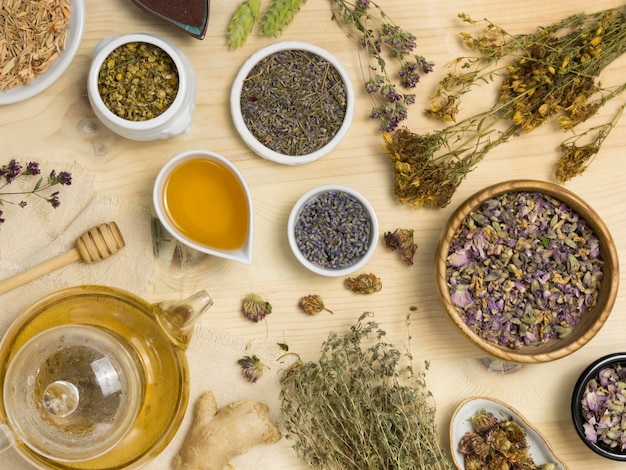
Complete Ingredients of Chincha Lavan Tail and Their Properties
The power of this oil lies in its synergistic combination of ingredients. Each component is selected not randomly, but based on its Rasa Panchaka (five pharmacological attributes) and its specific action on the digestive system.
Tamarind (Chincha – Tamarindus indica)
The primary ingredient. Tamarind pulp is intensely sour and acts as a Vatanulomaka (agent that directs Vata downward). It also has mild laxative properties due to its tartaric acid content. In Ayurveda, it's classified as Amla Rasa (sour taste), Ushna Virya (hot potency), and Guru Guna (heavy quality) — all of which counter Vata's cold, light, and dry nature.
Rock Salt (Saindhava Lavana)
Considered the best among all salts in Ayurveda. Unlike common table salt, Saindhava is Tridoshahara (balances all three doshas) and is Deepaniya (appetizer). It enhances the bioavailability of the oil and helps break down Ama. It doesn't aggravate Pitta the way other salts do, which is crucial for a formulation that already contains sour ingredients.
Black Salt (Kala Namak)
A volcanic rock salt with a distinctive sulfurous flavor. It's specifically indicated for Adhmana (flatulence) and Agnimandya (weak digestion). Its Ushna Virya helps kindle digestive fire. The sulfur compounds in black salt have been shown to have carminative effects in modern pharmacological studies.
Ginger (Shunthi – Zingiber officinale)
Dried ginger is called the "universal medicine" (Mahaushadha) in Ayurvedic texts. It's a potent Deepana (appetite stimulant) and Pachana (digestive) herb. A 2019 systematic review published in Food Science & Nutrition confirmed ginger's prokinetic effect — it accelerates gastric emptying and stimulates intestinal motility, which directly supports the traditional use of Chincha Lavan Tail for constipation.
Cumin (Jeeraka – Cuminum cyminum)
Jeeraka literally means "that which aids digestion." It's Deepana-Pachana and particularly effective against Adhmana. Cumin stimulates the secretion of pancreatic enzymes, as demonstrated in multiple in vitro studies.
Indian Gooseberry (Amalaki – Emblica officinalis)
Amalaki is the richest natural source of vitamin C and is Tridosha-balancing. It adds a mild laxative effect and serves as an antioxidant that protects the intestinal mucosa. Its inclusion balances the heating nature of other ingredients — preventing potential Pitta aggravation.
Sesame Oil (Tila Taila)
The base oil. Tila Taila is considered the best oil for Vata disorders in classical texts. It's Ushna Virya, Guru, and has excellent Sukshma (penetrating) quality — meaning it reaches deep tissues. A study published in the International Journal of Ayurvedic Medicine (2017) evaluated the in vitro diffusion characteristics of Chincha Lavan Taila and found that the sesame oil base facilitated effective penetration through biological membranes, which is particularly relevant for its use in Basti therapy.
Ingredient Properties Table: Rasa Panchaka
| Ingredient | Rasa (Taste) | Guna (Quality) | Virya (Potency) | Vipaka (Post-digestive Effect) | Key Action |
|---|---|---|---|---|---|
| Chincha (Tamarind) | Amla (Sour) | Guru, Ruksha | Ushna | Amla | Vatanulomana, mild laxative |
| Saindhava Lavana | Lavana (Salty) | Laghu, Snigdha | Sheeta | Madhura | Deepana, Tridoshahara |
| Kala Namak | Lavana | Laghu, Ushna | Ushna | Katu | Carminative, anti-flatulent |
| Shunthi (Ginger) | Katu (Pungent) | Laghu, Snigdha | Ushna | Madhura | Deepana, Pachana, prokinetic |
| Jeeraka (Cumin) | Katu | Laghu, Ruksha | Ushna | Katu | Deepana, anti-spasmodic |
| Amalaki (Amla) | Pancharasa (5 tastes, Amla predominant) | Guru, Sheeta | Sheeta | Madhura | Laxative, antioxidant, Tridoshahara |
| Tila Taila (Sesame Oil) | Madhura, Kashaya, Tikta | Guru, Snigdha, Sukshma | Ushna | Madhura | Base medium, Vatahara, tissue-penetrating |
The overall formulation has a predominant Amla-Lavana Rasa, Ushna Virya, and Snigdha Guna — making it extremely effective against Vata-type constipation characterized by dry, hard stools with gas and bloating.
Method of Preparation (Sneha Paka Vidhi)
This section covers something no currently ranking article explains in detail — the actual step-by-step manufacturing process.
Proportions (Classical Formula)
According to the Yoga Ratnakara reference, the standard proportions follow the general Sneha Kalpana ratio:
- 1 part Tila Taila (sesame oil)
- 1/4 part Kalka Dravya (herbal paste — made from Shunthi, Jeeraka, Saindhava, Kala Namak, Amalaki)
- 4 parts Drava Dravya (liquid — tamarind water/decoction)
For a practical batch: 1 liter sesame oil, 250 grams herb paste, 4 liters tamarind decoction.
Step-by-Step Cooking Process
- 1.Prepare tamarind decoction: Soak tamarind pulp in water overnight. Strain and collect the sour liquid.
- 2.Prepare Kalka (paste): Grind Shunthi, Jeeraka, Amalaki, Saindhava, and Kala Namak into a fine paste using a small amount of water.
- 3.Combine in cooking vessel: Add sesame oil to a heavy-bottomed vessel. Add the Kalka paste and tamarind decoction.
- 4.Cook on medium flame: Maintain consistent heat. Stir frequently to prevent the paste from sticking to the bottom.
- 5.Monitor the stages: The cooking passes through three stages — Mrdu Paka (soft stage), Madhyama Paka (medium stage), and Khara Paka (hard stage). For oral consumption, Madhyama Paka is ideal. For Basti use, Mrdu Paka is preferred
- 6.Check for Siddhi Lakshana (signs of completion).
- 7.Filter: Strain through a clean muslin cloth while still warm.
Signs of Completion (Siddhi Lakshana)
These classical indicators tell you the oil is ready:
- Shabda-hina: When a drop of water is sprinkled into the oil, there is no crackling sound (indicating all moisture has evaporated)
- Varti-kartva: The Kalka (paste residue) can be rolled between fingers into a smooth, wick-like shape without sticking
- Gandha-Varna-Rasa utpatti: The oil develops a characteristic aroma, colour, and taste from the herbs
- Phenodgama abhava: No foam formation on the surface
Getting these signs right is critical. Under-cooked oil will contain excess moisture (reducing shelf life), while over-cooked oil may lose volatile therapeutic compounds.
How Does Chincha Lavan Tail Work? Mechanism of Action
Ayurvedic Mechanism: Deepana, Pachana, and Anulomana
The oil works through three interconnected pharmacological actions recognized in Ayurveda:
- 1.Deepana (kindling digestive fire): Shunthi and the salts stimulate Jatharagni, increasing digestive capacity
- 2.Pachana (digesting Ama): The sour and pungent ingredients break down undigested food residues that accumulate as toxins
- 3.Anulomana (restoring downward Vata flow): The Snigdha (unctuous) quality of sesame oil combined with sour-salty tastes redirects Apana Vata downward — the specific sub-type of Vata responsible for bowel movements, urination, and menstruation
This triple action is why Chincha Lavan Tail is not just a laxative — it's a digestive corrective. It doesn't simply force bowel evacuation. Instead, it restores the natural motility of the GI tract.
Modern Pharmacological Perspective
From a biomedical viewpoint, the mechanism involves several parallel pathways:
- Enhanced GI motility: Ginger's gingerols and shogaols act on serotonin (5-HT3 and 5-HT4) receptors in the gut, promoting peristalsis. A 2018 study in the European Journal of Pharmacology demonstrated ginger's prokinetic effects comparable to metoclopramide in animal models.
- Bile secretion stimulation: Sour taste receptors (T2R receptors) stimulate vagal reflexes that increase bile output, which acts as a natural laxative.
- Gut pH modulation: Tartaric acid from tamarind and mineral salts create a mildly acidic intestinal environment favorable for enzymatic activity.
- Osmotic effect: Mineral salts draw water into the intestinal lumen, softening stools — a mechanism similar to osmotic laxatives like magnesium citrate.
- Lipid-mediated absorption: The sesame oil base ensures fat-soluble phytochemicals are absorbed efficiently through the intestinal mucosa.
In Vitro Research on Oil Diffusion
A notable study published in the International Journal of Ayurvedic Medicine evaluated the in vitro diffusion profile of Chincha Lavan Taila through a semi-permeable membrane. The results showed that the oil demonstrated consistent and sustained diffusion — supporting its traditional use in Basti (enema) therapy, where the oil needs to penetrate the rectal and colonic mucosa to exert its local and systemic effects. This is one of the very few scientific studies directly examining this formulation, and it lends credible evidence to the classical claims.
Panchabhoutik (Five-Element) Perspective
Some Ayurvedic scholars analyze Chincha Lavan Tail through the Panchabhoutik framework — the five elements (Prithvi, Jala, Agni, Vayu, Akasha). The formulation is rich in Agni Mahabhuta (fire element) from ginger and salts, and Jala Mahabhuta (water element) from tamarind and sesame oil. This combination kindles digestive fire while providing necessary lubrication — addressing both the "dryness" and "coldness" that characterize Vata-type digestive disorders. This dual-element approach makes it more holistic than single-action laxatives.
What Is Chincha Lavan Tail Used For? Benefits and Applications
Constipation and Fecal Impaction (Malavastambha / Vibandha)
This is the primary indication.
The oil is particularly effective for:
- Chronic constipation with dry, hard, pellet-like stools
- Constipation associated with gas and bloating
- Post-operative constipation (where straining is contraindicated)
- Constipation in elderly patients with naturally depleted Snigdha Guna
A clinical study published in the Journal of Pharmaceutical Research International (2021) evaluated the role of Snigdha Virechana (oleation-based purgation) with Chincha Lavan Taila and found statistically significant improvement in stool frequency, consistency, and associated symptoms like abdominal discomfort after a 7-day treatment protocol.
Bloating and Flatulence (Adhmana)
The carminative properties of black salt, cumin, and ginger make this oil highly effective against gas retention. Patients typically report relief from abdominal distension within 2-3 days of regular use.
Abdominal Pain and Colic (Shula)
The anti-spasmodic action of cumin and the Vata-pacifying nature of sesame oil help relieve cramping abdominal pain, especially when associated with constipation or irregular bowel habits.
Use in Basti Therapy (Ayurvedic Enema)
This is a critically important application that most online sources completely overlook.
Chincha Lavan Tail is traditionally used in:
- Anuvasana Basti: A type of oil enema administered after meals, where a small quantity (60-80 ml) of the oil is introduced into the rectum. This is indicated in conditions of severe Vata aggravation.
- Matra Basti: A milder version using a smaller dose (approximately 30-60 ml), suitable for daily administration over extended periods.
Basti is considered the most effective treatment for Vata disorders in Ayurveda — Charaka calls it "Ardha Chikitsa" (half of all treatment). Using Chincha Lavan Tail as the Basti medium combines the localized lubrication of the colon with the systemic absorption of its active compounds through the colonic mucosa.
Detoxification and Ama Pachana
When Agni is weak, food is incompletely digested, producing Ama — a toxic residue that Ayurveda considers the root cause of many diseases. Chincha Lavan Tail's Deepana-Pachana action helps metabolize and eliminate this Ama, making it useful as a preparatory treatment before Panchakarma procedures.
Don't wait or self medicate. Start chat with Doctor NOW
How to Take Chincha Lavan Tail: Dosage and Administration
Oral Consumption
| Patient Group | Dosage | Timing | Duration |
|---|---|---|---|
| Adults (general) | 10-20 ml (2-4 teaspoons) | Before meals or at bedtime | 7-14 days, or as advised |
| Elderly patients | 5-15 ml | At bedtime with warm water | Up to 21 days |
| Mild constipation | 10 ml | Once daily at bedtime | 5-7 days |
| Chronic constipation | 15-20 ml | Twice daily (morning + bedtime) | 14-21 days |
Anupana (adjuvant): Take with warm water or warm milk. The warmth enhances the oil's Ushna Virya and improves absorption.
Dosage for Basti (Enema)
- Anuvasana Basti: 60-80 ml, administered after a light meal
- Matra Basti: 30-60 ml, can be administered daily
> Important: Basti should only be administered by a qualified Ayurvedic practitioner. Self-administration without proper training can cause injury or complications.
How Long Does It Take to See Results?
Most patients experience noticeable improvement in bowel regularity within 3-5 days of oral use. For chronic conditions, a full 14-21 day course may be necessary. When used as Basti, effects are often felt within the first 1-2 sessions due to direct colonic contact.
Chincha Lavan Tail vs. Other Ayurvedic Oils for Digestion
No existing article compares this oil with alternatives — which is a gap we're filling here.
| Parameter | Chincha Lavan Tail | Eranda Tail (Castor Oil) | Gandharvahastadi Tail |
|---|---|---|---|
| Primary action | Deepana + Pachana + mild laxative | Strong purgative (Virechana) | Vatanulomana + moderate laxative |
| Best for | Chronic constipation with bloating | Acute constipation, pre-procedure purgation | Vata-dominant constipation with pain |
| Taste | Sour-salty (palatable) | Bitter, unpleasant | Bitter-pungent |
| Use in Basti | Yes (Anuvasana/Matra Basti) | Rarely used in Basti | Yes (commonly) |
| Agni correction | Strong (Deepana-Pachana) | Minimal | Moderate |
| Suitable for long-term use | Yes (14-21 days) | No (short-term only) | Yes (moderate duration) |
| Pitta aggravation risk | Low-moderate | High | Low |
Key takeaway: Choose Chincha Lavan Tail when constipation is accompanied by weak digestion, bloating, and gas. Choose Eranda Tail for acute, one-time purgation. Choose Gandharvahastadi Tail for pain-predominant constipation.
Side Effects and Precautions
Are There Any Side Effects of Chincha Lavan Tail?
When taken in recommended doses, side effects are rare.
However, potential issues include:
- Loose stools or diarrhea if taken in excessive doses
- Mild gastric irritation in individuals with active gastritis or peptic ulcers (due to sour-salty ingredients)
- Nausea in some people who are sensitive to oil-based formulations
Who Should Avoid It?
- Pregnant women: The Ushna Virya and Vata-Anulomana action can theoretically stimulate uterine contractions. Avoid unless specifically prescribed by an Ayurvedic gynecologist.
- Patients with hyperacidity or Pitta-type disorders: The sour and salty components may worsen acid reflux or burning sensations.
- Children under 5: No established pediatric dosing exists in classical texts. Consult a practitioner.
- People on blood thinners: Sesame oil has mild anticoagulant properties; exercise caution.
Interactions with Modern Medications
This is another area no competitor addresses. While no formal drug interaction studies exist for Chincha Lavan Tail specifically, based on ingredient pharmacology:
- Antihypertensive drugs: The salt content (Saindhava + Kala Namak) may slightly elevate sodium intake. Monitor blood pressure if using alongside ACE inhibitors or ARBs.
- Diabetes medications: Tamarind has been shown to lower blood sugar in some studies. Combined with anti-diabetic drugs, monitor for hypoglycemia.
- Laxatives (allopathic): Avoid combining with stimulant laxatives like bisacodyl — the combined effect may cause excessive purgation and electrolyte imbalance.
Storage and Shelf Life
- Store in a cool, dry place away from direct sunlight in an airtight glass or food-grade plastic container
- Shelf life: Typically 2-3 years from date of manufacture when stored properly. Medicated oils (Sneha Kalpana) have inherently longer shelf life than water-based decoctions due to the preservative nature of the oil medium
- Signs of spoilage: Rancid smell, change in colour to very dark brown/black, mold formation on surface. Discard immediately if any of these appear
- Do not refrigerate — cold temperatures can cause sedimentation and alter the oil's consistency
Where to Buy Authentic Chincha Lavan Tail
When purchasing, look for:
- GMP-certified manufacturer: Ensure the company follows Good Manufacturing Practices as mandated by the Ministry of AYUSH, Government of India
- Batch number and expiry date clearly printed
- Complete ingredient list matching the classical formula
- Reputable brands: Several established Ayurvedic pharmacies manufacture this oil, including companies like Agasti Pharmaceuticals, Nagarjuna, and other regional manufacturers
- Online availability: Available on ayurvedic specialty websites and general e-commerce platforms. Prices typically range from ₹120 to ₹350 for a 200 ml bottle, depending on the brand
> Caution: Avoid purchasing from unverified sellers. Adulterated or improperly prepared Sneha Kalpana will not deliver therapeutic results and may cause adverse effects.
Frequently Asked Questions (FAQ)
Can Chincha Lavan Tail be used with other Ayurvedic treatments?
Yes. It is commonly combined with Triphala Churna (for enhanced laxative effect), Hingvastak Churna (for bloating), or as part of a broader Panchakarma protocol. When used with Basti therapy, it often forms part of a Karma Basti schedule — alternating with Niruha (decoction) Basti. Always inform your practitioner about all treatments you're using simultaneously.
Is Chincha Lavan Tail the same as Chincha Lavan Oil?
Yes — "Tail" and "Taila" are Hindi/Sanskrit words for oil. "Chincha Lavan Oil" is simply the English-hybrid version of the same name. Some brands may label it as "Chinchalavan Tailam" (the South Indian convention) — it's all the same product.
What is the reference text for Chincha Lavan Tail?
The primary reference is Yoga Ratnakara, Udavarta Chikitsa Prakarana. It is also mentioned in Bhaishajya Ratnavali and some versions of Sharangdhara Samhita under Sneha Kalpana chapters.
Can I prepare Chincha Lavan Tail at home?
- Technically, yes — the ingredients are commonly available. However, achieving proper Sneha Siddhi (completion of oil preparation) requires experience.
- Incorrect preparation — especially under-cooking or over-cooking — can make the oil either ineffective or irritating. If you're a beginner, it's safer to purchase from a reputed manufacturer and reserve home preparation for after you've gained proper training.
How is Chincha Lavan Tail different from regular tamarind oil?
Regular tamarind oil (if it exists commercially) would be a simple infusion or extraction. Chincha Lavan Tail is a medicated oil prepared through the elaborate Sneha Paka process, involving specific proportions, multi-hour cooking, and multiple ingredients. The therapeutic potency is incomparably higher due to the Sanskara (processing) involved.
Conclusion
Chincha Lavan Tail is one of Ayurveda's most intelligently designed formulations for digestive health. Its strength lies in the synergy between sour tamarind, mineral salts, digestive spices, and the penetrating quality of sesame oil — together addressing not just the symptom of constipation, but the underlying cause: weak Agni and aggravated Vata.
Unlike harsh laxatives that create dependency, this oil works by genuinely restoring digestive function. The fact that it's been documented in classical texts like Yoga Ratnakara and validated by modern research (including in vitro diffusion studies and clinical trials on Snigdha Virechana) speaks to its enduring relevance.
If you're dealing with chronic constipation, bloating, or irregular digestion, consider consulting a qualified Ayurvedic practitioner about incorporating Chincha Lavan Tail — either orally or as part of Basti therapy — into your treatment plan. As with all Ayurvedic therapies, personalized guidance based on your Prakriti (constitution) and Vikriti (current imbalance) will always yield the best results.
Scientific Sources
- Fundamental principles of ayurveda part - iii — Pandya VN, 1983, Ancient science of life
- Peace through health: traditional medicine meditation in the prevention of collective stress, violence, and war — Schneider RH et al., 2024, Frontiers in public health
- Exploring Ayurvedic Knowledge on Food and Health for Providing Innovative Solutions to Contemporary Healthcare — Payyappallimana U et al., 2016, Frontiers in public health
- Bibliometric trend analysis of non-conventional (alternative) therapies in veterinary research — Domingues K et al., 2022, The veterinary quarterly
- [[Procedures of complementary medicine in rheumatology]](https://pubmed.ncbi.nlm.nih.gov/38935116/) — Keyßer G et al., 2024, Zeitschrift fur Rheumatologie
- Tannoid principles of Emblica officinalis renovate cognitive deficits and attenuate amyloid pathologies against aluminum chloride induced rat model of Alzheimer's disease — Justin Thenmozhi A et al., 2016, Nutritional neuroscience
- Role of AYUSH workforce, therapeutics, and principles in health care delivery with special reference to National Rural Health Mission — Samal J, 2015, Ayu
- Philosophical presuppositions of ayurveda and modern medicine — Sinha AK, 1984, Ancient science of life
- Contribution of Ayurveda in foundation of basic tenets of bioethics — Tawalare KA et al., 2014, Ayu
- Integrating ayurvedic medicine into cancer research programs part 1: Ayurveda background and applications — Arnold JT, 2023, Journal of Ayurveda and integrative medicine
- Ayurveda management of migraine - a case report — Patil G et al., 2024, Journal of Ayurveda and integrative medicine
- Life Profile of Vaidyan Puthiyedathu Raman Menon — Rahul VJ et al., 2024, Journal of Ayurveda and integrative medicine
- Traditional systems of medicine — Shankar K et al., 2004, Physical medicine and rehabilitation clinics of North America
- Valorization of non-edible fruit seeds into valuable products: A sustainable approach towards circular bioeconomy — Kumar H et al., 2024, The Science of the total environment
- Śodhana: An Ayurvedic process for detoxification and modification of therapeutic activities of poisonous medicinal plants — Maurya SK et al., 2015, Ancient science of life
- Perceptions, knowledge, attitude, practices and barriers towards research among Ayurveda interns: A cross - sectional pilot study — Darvajkar A et al., 2025, Journal of Ayurveda and integrative medicine
- Contribution of astrology in medicine -- a review — Sharma BK et al., 2007, Bulletin of the Indian Institute of History of Medicine (Hyderabad)
- Butea monosperma as a collective phytomedicine and environmentally sustainable, conservative, and beneficial plant — Hiremath KY et al., 2024, Archives of Razi Institute
- An update on Ayurvedic herb Convolvulus pluricaulis Choisy — Agarwa P et al., 2014, Asian Pacific journal of tropical biomedicine
- Management of Sannipata Jwara w.s.r to COVID-19 - Case report — Akhila VG, 2022, Journal of Ayurveda and integrative medicine
Questions from users
How does Chincha Lavan Tail compare to other digestive remedies?
Client_82bd0e
4 days ago
Chincha Lavan Tail may offer an advantage over other digestive remedies due to its non-aggravating properties on Pitta and its effectiveness in treating flatulence and weak digestion (Agnimandya). Unlike harsher salts, it includes black salt (Kala Namak), which is easier on the digestive system. Remedies like this generally work gradually; it might take a few days to weeks to notice significant improvement. If you experience persistent digestive issues, it's important to consult a healthcare professional for tailored advice.
What are the recommended dosage guidelines for Chincha Lavan Tail?
Client_6c083e
9 days ago
Dosage guidelines for Chincha Lavan Tail are not universally standardized, which means it is crucial to follow the specific recommendations provided by the manufacturer or consult a healthcare provider for individual advice. Generally, this oil is used in Ayurvedic therapy for conditions like digestive issues due to its sour-salty formulation of tamarind pulp and mineral salts in a sesame oil base. Typical usage might range from one to two teaspoons orally, although this can vary depending on individual needs and conditions. Avoid prolonged use, and be cautious when combining it with antihypertensive medications due to its salt content. If symptoms persist despite use, or if side effects occur, consulting a healthcare professional is advised.
What is the proper application technique for Chincha Lavan Tail?
Client_f815bc
14 days ago
The proper application technique for Chincha Lavan Tail involves using the oil externally on the skin where there is discomfort or pain, particularly in musculoskeletal issues. First, warm the oil slightly to enhance its penetration, but ensure it's not too hot to avoid burns. Gently massage the affected area using circular motions to help the oil absorb into the tissue. Daily application might be recommended depending on the condition, but consult a healthcare professional for personalized advice. If you experience increased discomfort or any adverse reactions, seek medical guidance promptly.
What are the benefits of using Chincha Lavan Tail before Panchakarma?
Client_eeb8da
19 days ago
The main benefit of using Chincha Lavan Tail before Panchakarma is its ability to stimulate digestion and aid in the metabolism and elimination of Ama, or toxins. This preparatory step ensures the body is more receptive to the detoxification processes of Panchakarma. Typically, adults might take 10-20 ml before meals or at bedtime for 7-14 days, often with warm water to enhance its effects. Watch for digestive discomfort or allergic reactions. If you experience adverse effects, consider consulting a healthcare provider, especially if any conditions persist or worsen.
What potential side effects should I be aware of with Chincha Lavan Tail?
Client_cb2da7
29 days ago
The potential side effects of Chincha Lavan Tail, primarily used for digestive issues like chronic constipation and bloating, can include mild gastrointestinal discomfort, such as cramping or loose stools, due to its laxative properties. Individuals on blood thinners should exercise caution because its sesame oil content may mildly enhance anticoagulant effects. If you experience persistent discomfort or adverse reactions, it's advisable to consult a healthcare provider. Additionally, interactions with modern medications are possible, so discussing use with a doctor is recommended, especially if you are on other treatments.
How long does it take to see results from Chincha Lavan Tail?
Client_a19589
39 days ago
You might see results from Chincha Lavan Tail in as little as 14 to 21 days, particularly for chronic constipation or bloating. This timeframe is typical when the oil is used as part of a larger Ayurvedic treatment like Basti therapy. Several factors can influence this timeline, such as the severity of symptoms and individual health conditions. Always consult a qualified Ayurvedic practitioner to tailor the treatment to your specific needs. If symptoms persist beyond this period, or if new symptoms arise, consider consulting a healthcare professional to rule out underlying issues.
Can Chincha Lavan Tail be used for constipation relief?
Client_3dc3e6
48 days ago
Chincha Lavan Tail can be used for constipation relief, primarily when administered as an Ayurvedic enema (Basti). Its sour taste and hot potency help counter the dry and light nature associated with constipation. This oil, combined with Rock Salt, has mild laxative effects and protects the intestinal lining. However, it is crucial that Anuvasana Basti or Matra Basti be administered by a qualified Ayurvedic practitioner, as improper use may lead to adverse effects. Consult a healthcare professional if constipation persists or is accompanied by severe pain or bleeding.
What are the key ingredients in Chincha Lavan Tail that support digestion?
Client_62ea8c
58 days ago
Chincha Lavan Tail, an Ayurvedic medicated oil, primarily includes tamarind (Chincha) and salt (Lavan) as key ingredients to support digestion. Tamarind is known for its laxative properties, which can help relieve constipation, while salt aids in digestive stimulation. This oil is used both for oral intake and as a therapeutic enema in Ayurveda, particularly for addressing chronic digestive issues. It's important to consult an Ayurvedic practitioner for proper usage, dosage, and to avoid potential side effects.
What is the best way to prepare Chincha Lavan Tail for maximum effectiveness?
Client_e93a4a
67 days ago
To prepare Chincha Lavan Tail effectively, make sure to cook it until sneha siddhi (completion of oil preparation) is achieved. Avoid under- or over-cooking; it'll lose effectiveness. The oil should reach a balance where it's neither too thick nor too runny, often tested by a drop on water — it should not splatter. It's best prepared with care and patience, sometimes consulting an experienced practitioner can help.
Is it safe to combine Chincha Lavan Tail with black salt for digestion?
Client_1402aa
77 days ago
Mixing Chincha Lavan Tail with black salt for digestion can be ok, but take care if you have high Pitta or if you're already using other sour things. Black salt tends to be cooling so it shouldn't aggravate Pitta too much, but it’s always wise to first try a small amount and observe how your body reacts. If you're unsure, chatting with an ayurvedic practitioner can offer more personalized advice!
Related articles

Gastrointestinal Disorders
Takrarishta
Exploration of Takrarishta
2,207

Gastrointestinal Disorders
Chitrakadi Vati – Benefits, Dosage, Ingredients, Side Effects
Exploration of Chitrakadi Vati – Benefits, Dosage, Ingredients, Side Effects
4,160

Gastrointestinal Disorders
Hingutriguna Tailam Uses: Natural Relief for Vata Disorders
Discover the uses and benefits of Hingutriguna Tailam, an Ayurvedic oil made with asafoetida. Learn how it supports digestion, respiratory health, and overall well-being through traditional applications.
3,155

Gastrointestinal Disorders
Effective Ayurvedic Treatment for BPH: Natural Remedies and Solutions
Discover effective ayurvedic treatment for BPH methods, natural remedies, and holistic approaches to manage benign prostatic hyperplasia using ancient wisdom.
4,105
Gastrointestinal Disorders
Ritu Haritaki – Ayurvedic Remedy for Digestive Health and Detoxification
Explore the benefits and uses of Ritu Haritaki, a seasonal Ayurvedic herb known for promoting digestive health, detoxification, and overall wellness.
3,861

Gastrointestinal Disorders
Vilwadi Gutika: Scientific Insights & Practical Applications
Explore the science behind Vilwadi Gutika, its Ayurvedic origins, research findings, and expert tips for safe, effective use in holistic healthcare.
3,254

Gastrointestinal Disorders
Shaddharanam Gulika – Benefits, Uses & Dosage in Ayurveda
Learn about Shaddharanam Gulika, an Ayurvedic remedy known for its detoxifying, digestive, and therapeutic properties, and how it supports overall health.
3,970

Gastrointestinal Disorders
Is Guava Good for Piles? Ayurvedic Insights and Health Benefits
Is guava good for piles? Learn Ayurvedic views on guava for piles, its benefits, risks, and whether guava fruit is good for hemorrhoids during treatment
10,755

Gastrointestinal Disorders
Is Papaya Good for Loose Motion? Ayurvedic View and Practical Advice
Exploration of Papaya: A Gentle Remedy for Managing Loose Motion
17,253

Gastrointestinal Disorders
Takrarishta
Exploration of Takrarishta
3,008
Related consultations on the topic
Legal
Additional Documents
© 2024 Ask Ayurveda. All rights reserved.