Ask Ayurvedic doctor a question and get a consultation online on the problem of your concern in a free or paid mode. More than 2,000 experienced doctors work and wait for your questions on our site and help users to solve their health problems every day.


Body DetoxEar, Nose, and Throat DisordersGeriatrics & RejuvenationImmunodeficiencyInfertility TreatmentNutritionOrthopedic DisordersPediatricsRespiratory DisordersSexually Transmitted Diseases (STDs)Surgery RecoveryUrological DisordersVascular DisordersDental DisordersEndocrinological DisordersGastrointestinal DisordersYoga TherapyGeneral MedicineAllergic DisordersCardio DisordersGynecology and ObstetricsCosmetologySkin and Hair DisordersEye DisordersInfectious DiseasesMental DisordersNeurological DisordersOncologyPanchakarmaSexual Health & DisordersSports Medicine
Published on 12/24/24
(Updated on 08/09/26)
5,090
Best Ayurvedic Medicines to Boost Hemoglobin Naturally
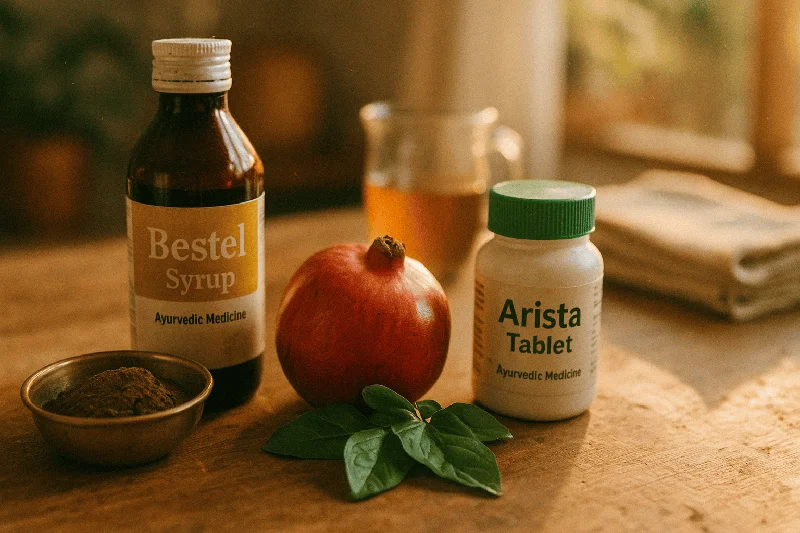
Low hemoglobin is one of the most common health concerns in India — and Ayurveda has been treating it for thousands of years under the name Pandu Roga. The best ayurvedic medicine for hemoglobin depends on the root cause, but Punarnavadi Mandura, Lohasava, Dhatri Lauha, and Navayasa Lauha are among the most clinically validated formulations that increase hemoglobin naturally by improving iron absorption, strengthening Rakta Dhatu (blood tissue), and correcting digestive fire (Agni).
In this comprehensive guide, you'll find not just a list of herbs — but WHO-based hemoglobin norms, a comparison table of classical ayurvedic formulas, a realistic 30/60/90-day plan, safety warnings most websites skip, and the actual science behind each remedy. Whether you're mildly anemic or supporting someone with chronic low Hb, this article covers everything you need.
Understanding Low Hemoglobin: Normal Ranges, Types of Anemia & the Ayurvedic View
Before jumping into remedies, you need to know where you stand. Most articles about ayurvedic medicine for hemoglobin never mention specific numbers — which makes it hard to judge severity or track progress.
Normal Hemoglobin Levels by Age and Gender (WHO Standards)
| Group | Normal Hb (g/dL) | Mild Anemia | Moderate Anemia | Severe Anemia |
|---|---|---|---|---|
| Adult Men | 13.0–17.5 | 11.0–12.9 | 8.0–10.9 | Below 8.0 |
| Adult Women (non-pregnant) | 12.0–15.5 | 11.0–11.9 | 8.0–10.9 | Below 8.0 |
| Pregnant Women | 11.0–14.0 | 10.0–10.9 | 7.0–9.9 | Below 7.0 |
| Children (5–11 yrs) | 11.5–15.5 | 11.0–11.4 | 8.0–10.9 | Below 8.0 |
| Infants (6–59 months) | 11.0–14.0 | 10.0–10.9 | 7.0–9.9 | Below 7.0 |
Why this matters: Ayurvedic treatment works best for mild-to-moderate iron deficiency anemia (IDA). If your Hb is below 7 g/dL, you likely need medical intervention first — possibly even a blood transfusion — before complementing with Ayurveda.
Types of Anemia: Which Ones Respond to Ayurvedic Treatment?
Not all anemia is the same. This is a critical distinction most ayurvedic health blogs completely ignore.
- Iron Deficiency Anemia (IDA) — The most common type in India. Highly responsive to ayurvedic treatment. Classical formulas like Punarnavadi Mandura are specifically designed for this.
- Vitamin B12 Deficiency Anemia — Common in vegetarians. Ayurveda can help through dietary correction and digestive strengthening, but supplementation may still be needed.
- Folate Deficiency Anemia — Responds well to ayurvedic dietary interventions (green leafy vegetables, Amla, Moringa).
- Hemolytic Anemia — Red blood cells are destroyed faster than produced. Ayurvedic support is adjunctive only; requires specialist care.
- Sickle Cell Anemia / Thalassemia — Genetic conditions. Ayurveda can support quality of life but cannot cure the underlying genetic defect.
- Anemia of Chronic Disease — Secondary to conditions like kidney disease or cancer. Ayurveda plays a supportive role alongside primary treatment.
Bottom line: If you have iron deficiency anemia, folate deficiency, or B12 deficiency with mild-to-moderate severity, ayurvedic medicine for hemoglobin can be remarkably effective — often matching or exceeding conventional iron supplements with fewer side effects like constipation and nausea.
How Ayurveda Explains Low Hemoglobin (Pandu Roga)
In Ayurvedic pathology, anemia is classified as Pandu Roga — literally meaning "pallor disease." The classical texts Charaka Samhita and Sushruta Samhita describe it as primarily a Pitta dosha disorder that also involves Vata and Kapha.
Here's the Ayurvedic pathogenesis (Samprapti) in simplified terms:
- Weakened Agni (digestive fire) → poor digestion and nutrient absorption
- Accumulation of Ama (toxins) → blocks nutrient channels (Srotas)
- Vitiated Pitta → impairs the formation of Rasa Dhatu (plasma tissue) and then Rakta Dhatu (blood tissue)
- Depleted Rakta Dhatu → reduced hemoglobin, pale complexion, fatigue
The beauty of the ayurvedic approach is that it doesn't just "add iron." It fixes the entire chain — from digestion to tissue formation. That's why the results tend to be more sustainable.
Best Ayurvedic Herbs to Increase Hemoglobin Naturally
These individual herbs form the building blocks of most classical formulations. Each has modern research backing its role in blood health.
Ashwagandha (Withania somnifera)
A 2020 study published in the Journal of Ethnopharmacology demonstrated that Ashwagandha root extract significantly increased hemoglobin levels in subjects over 12 weeks. It works by stimulating erythropoiesis (red blood cell production) and improving iron metabolism. Ashwagandha also reduces cortisol, which indirectly supports better nutrient absorption.
Typical dosage: 300–600 mg standardized root extract, twice daily after meals.
Amla (Emblica officinalis / Indian Gooseberry)
Amla is one of the richest natural sources of Vitamin C — critical because Vitamin C enhances non-heme iron absorption by up to 6x. A single Amla fruit contains approximately 600–700 mg of Vitamin C. Beyond that, Amla is a potent Rasayana (rejuvenative) that strengthens Rasa and Rakta Dhatu directly.
How to use: 1–2 fresh Amla daily, or 3–6 grams of Amla powder (Churna) mixed with honey.
Moringa (Moringa oleifera / Drumstick Leaves)
Moringa leaves contain 28 mg of iron per 100 grams — that's more than spinach. A 2016 clinical trial in The Journal of Nutrition found that Moringa leaf powder supplementation significantly improved hemoglobin levels in anemic women over 3 months. It also provides folate and Vitamin A, both essential for healthy red blood cell production.
Practical tip: Add 1–2 teaspoons of dried Moringa leaf powder to your dal, roti dough, or morning smoothie daily.
Punarnava (Boerhavia diffusa)
Punarnava literally means "that which renews." It's a powerful blood purifier and mild diuretic that supports the liver — the organ responsible for iron storage and recycling old red blood cells. Punarnava is a key ingredient in Punarnavadi Mandura, one of the most studied ayurvedic formulations for anemia.
Triphala
The combination of Haritaki, Bibhitaki, and Amalaki, Triphala improves gut health and enhances iron absorption. A 2017 study in Pharmacognosy Research confirmed its antioxidant and bioavailability-enhancing properties. Its Deepana-Pachana (appetizing and digestive) action directly addresses the root cause of Pandu Roga — weak Agni.
Pippali (Piper longum / Long Pepper)
Pippali is classified as a bioavailability enhancer in Ayurveda. It increases the absorption of iron and other minerals from the gut, similar to how black pepper (Piperine) works. It's often combined with iron-containing formulas specifically for this reason.
Classical Ayurvedic Formulations for Hemoglobin: A Comparative Guide
- This is where Ayurveda really shines.
- These aren't just herbs — they're precisely designed formulations refined over centuries.
Comparison Table: Top Ayurvedic Medicines for Hemoglobin
| Formulation | Key Ingredients | Primary Action | Best For | Typical Dosage | Form |
|---|---|---|---|---|---|
| Punarnavadi Mandura | Punarnava, Mandura Bhasma, Triphala, Trikatu, Vidanga | Iron supplementation + liver support + detox | IDA, general anemia, edema with anemia | 250–500 mg, 2x daily with buttermilk | Tablet/Vati |
| Lohasava | Lauha (iron), Triphala, Chitraka, Dhataki, jaggery | Iron fortification through fermented (Asava) preparation | Chronic anemia, weak digestion | 15–30 ml with equal water, after meals | Liquid (Asava) |
| Navayasa Lauha | Lauha Bhasma, Triphala, Trikatu, Vidanga, Chitraka | Enhances iron absorption + Agni stimulation | IDA with poor appetite | 250–500 mg, 2x daily with honey or ghee | Powder/Tablet |
| Dhatri Lauha | Amla, Lauha Bhasma, Yashtimadhu | Gentle iron with Pitta-pacifying action | Pitta-type anemia, gastritis with anemia | 250 mg, 2x daily with honey | Tablet |
| Draksharishta | Draksha (grapes), Dhataki, spices | Blood nourishment + mild hematinic | Mild anemia, debility, post-illness recovery | 15–25 ml with equal water, after meals | Liquid (Arishta) |
| Dadimadi Ghrita | Dadima (pomegranate), ghee, Pippali | Pitta pacification + Rakta Dhatu nourishment | Anemia in pregnancy, Pitta-dominant anemia | 1–2 tsp with warm water/milk | Ghrita (Medicated Ghee) |
| Mahatiktaka Ghrita | Bitter herbs in ghee base | Deep liver detox + Pitta balancing | Anemia due to liver dysfunction or chronic Pitta vitiation | 1 tsp, as directed by physician | Ghrita |
| Sarva-Jvara-Hara Lauha | Lauha Bhasma, multiple herbs | Iron + immune support | Anemia secondary to chronic fevers | As prescribed | Powder |
Understanding Bhasma Preparations (Mandura Bhasma & Lauha Bhasma)
Many people worry when they hear that ayurvedic iron formulas contain "metal preparations." That's a valid concern, so let me explain.
Bhasma refers to specially processed metal or mineral ash. Mandura Bhasma (iron rust ash) and Lauha Bhasma (iron ash) undergo a rigorous process called Shodhana (purification) followed by Marana (calcination) — involving repeated cycles of heating and quenching with herbal juices.
This process:
- Converts metallic iron into bioavailable nanoparticles
- Removes toxic impurities
- Makes the iron absorbable at the intestinal level without causing constipation
A 2018 study published in the Journal of Ayurveda and Integrative Medicine confirmed that properly prepared Mandura Bhasma particles are in the nanometer range (50–100 nm) and show significantly better bioavailability than conventional ferrous sulfate.
Safety note: Always purchase Bhasma-containing formulations from reputable manufacturers (those with GMP certification and AYUSH license). Improperly prepared Bhasma can contain toxic levels of heavy metals. Never attempt to prepare Bhasma at home.
How to Treat Anemia in Ayurveda: The Multi-Stage Protocol
Authentic ayurvedic treatment of Pandu Roga follows a systematic protocol — not just popping herbal pills. Here's the classical approach as described in Charaka Samhita, adapted for practical use.
Stage 1: Nidana Parivarjana (Remove the Cause)
Identify and eliminate factors causing low hemoglobin:
- Excessive consumption of salty, sour, and spicy foods (vitiates Pitta)
- Chronic stress and sleep deprivation
- Excessive tea/coffee consumption with meals (tannins block iron absorption)
- Underlying conditions like heavy menstrual bleeding, hemorrhoids, or parasitic infections
Stage 2: Deepana-Pachana (Kindle Digestive Fire & Clear Toxins)
Before giving iron-rich formulas, the digestive system must be prepared. If Agni is weak, even the best iron supplement won't be absorbed properly.
- Trikatu Churna (black pepper + long pepper + ginger): ½ teaspoon with warm water before meals for 7–10 days
- Chitrakadi Vati: 1–2 tablets before meals
- Light, warm, easily digestible food during this phase
Stage 3: Shodhana (Detoxification through Panchakarma)
For moderate anemia or chronic cases, Panchakarma therapies can dramatically improve outcomes:
- Virechana (therapeutic purgation) — The primary Shodhana for Pandu Roga. Eliminates excess Pitta and clears the Rakta Dhatu channels. Usually performed with Trivrit Lehya or Eranda Taila under supervision.
- Snehana (oleation) — Internal administration of medicated ghee (like Mahatiktaka Ghrita) for 3–7 days before Virechana.
- Swedana (sudation) — Herbal steam therapy to open channels and facilitate toxin elimination.
Important: Panchakarma should only be done under a qualified Ayurvedic physician's supervision. It's not appropriate for severely anemic patients (Hb below 8 g/dL) or during pregnancy.
Stage 4: Shamana Chikitsa (Pacification Therapy)
This is where the iron-containing formulas are introduced — Punarnavadi Mandura, Lohasava, Navayasa Lauha, etc.
The specific choice depends on:
- Your Prakriti (constitution)
- The dominant dosha involved
- Severity of anemia
- Associated symptoms
Stage 5: Rasayana (Rejuvenation)
Once hemoglobin levels stabilize, Rasayana therapy strengthens the tissues long-term:
- Chyawanprash (1–2 teaspoons daily)
- Ashwagandha Lehya
- Shatavari Kalpa (especially for women)
Iron-Rich Ayurvedic Diet Plan (Pathya Ahara) to Increase Hemoglobin
- Diet is arguably more important than any medicine in Ayurveda.
- Here's what to eat and avoid — with actual quantities, not just vague suggestions.
Foods That Increase Hemoglobin (Include Daily)
Iron-Rich Foods:
- Dark jaggery (Gur): 10–15 grams daily — contains 11 mg iron per 100g
- Black sesame seeds (Til): 1 tablespoon, roasted — 14.6 mg iron per 100g
- Green leafy vegetables: 2 servings (amaranth leaves, spinach, fenugreek leaves)
- Beetroot: 1 medium beetroot, raw or cooked
- Pomegranate: 1 cup seeds daily — also a classical Ayurvedic recommendation
- Dates and raisins: 5–6 soaked dates + 1 tablespoon raisins overnight, consume in morning
- Moong dal, masoor dal, chana: 1–2 servings daily
- Moringa leaves: Add 2 teaspoons of dried powder to dal or roti dough
Vitamin C-Rich Foods (for iron absorption):
- Amla: 1–2 daily (fresh, juice, or powder)
- Lemon juice: Squeeze over iron-rich foods
- Guava, orange, papaya: 1 serving daily
Vitamin B12 & Folate Sources:
- Curd/yogurt, buttermilk, paneer
- Sprouted legumes (moong, chana)
- Fortified foods if strictly vegetarian
Foods to Avoid or Limit
- Tea and coffee with meals — Wait at least 1 hour after eating. Tannins reduce iron absorption by up to 60%.
- Excess dairy with iron-rich meals — Calcium competes with iron for absorption.
- Processed and packaged foods — High in phosphates that bind iron.
- Excessive raw foods — According to Ayurveda, raw food weakens Agni.
- Sour and fermented foods in excess — Can aggravate Pitta in Pitta-type anemia.
Simple Home Remedies with Exact Recipes
Recipe 1: Iron-Boosting Morning Drink
Soak 5 black raisins + 3 dates + 5 black sesame seeds in half a cup of water overnight. In the morning, blend everything together, add juice of half a lemon. Drink on empty stomach. Continue for 60 days.
Recipe 2: Moringa-Jaggery Laddoo
- Mix 1 cup Moringa leaf powder + ½ cup roasted black sesame powder + ¼ cup crushed jaggery + 2 tablespoons ghee. Roll into small balls (laddoos).
- Eat 1–2 daily as a mid-morning snack.
- Shelf life: 10 days in refrigerator.
Recipe 3: Amla-Honey Tonic
Mix 2 tablespoons fresh Amla juice + 1 tablespoon raw honey + pinch of Trikatu Churna. Take twice daily, 30 minutes before meals. The Trikatu enhances absorption of all nutrients.
Recipe 4: Beetroot-Pomegranate Kanji
Blend 1 medium beetroot + 1 cup pomegranate seeds + ½ inch ginger + 1 cup water. Strain and drink fresh. Do not store. Take daily mid-morning.
Don't wait or self medicate. Start chat with Doctor NOW
Yoga, Pranayama & Lifestyle Changes for Blood Health
Specific Pranayama Practices
- Anulom Vilom (Alternate Nostril Breathing): 10–15 minutes daily. Balances Vata-Pitta, improves oxygenation and circulation.
- Kapalabhati: 3 rounds of 30 strokes. Stimulates liver function and supports detoxification. Avoid during pregnancy or heavy menstruation.
- Ujjayi Pranayama: 5–10 minutes. Calms the nervous system and improves oxygen utilization.
Recommended Yoga Asanas
- Surya Namaskar: 5–12 rounds (start slow if energy is low)
- Sarvangasana (Shoulder Stand): Stimulates thyroid and improves blood circulation to upper body
- Trikonasana (Triangle Pose): Opens chest, aids digestion, stimulates abdominal organs
- Paschimottanasana (Seated Forward Bend): Massages abdominal organs, supports liver and spleen function
- Shavasana: End every practice with 10 minutes of deep rest — essential for tissue repair
Lifestyle Modifications
- Sleep by 10 PM — Pitta time (10 PM–2 AM) is when the body performs maximum tissue repair and blood formation.
- Manage stress — Chronic stress elevates cortisol, which suppresses erythropoiesis. Regular meditation, even 10 minutes daily, makes a measurable difference.
- Avoid excessive physical exertion when hemoglobin is below 10 g/dL. Gentle walking and yoga are preferable to intense exercise.
- Cook in iron cast vessels — This is actually a well-studied intervention. A 2019 study in PLOS ONE showed that cooking in iron pots increased dietary iron content by 16%.
Realistic 30/60/90-Day Plan to Increase Hemoglobin with Ayurveda
No other website gives you a concrete timeline. Here it is, based on clinical experience and published studies.
Days 1–30: Foundation Phase
| Action | Details |
|---|---|
| Deepana-Pachana | Trikatu Churna ½ tsp before meals (first 10 days only) |
| Start primary formula | Punarnavadi Mandura 250 mg, 2x daily with buttermilk |
| Diet | Implement iron-rich diet plan above strictly |
| Home remedy | Iron-boosting morning drink daily |
| Lifestyle | Sleep by 10 PM, reduce tea/coffee |
| Pranayama | Anulom Vilom 10 min daily |
| Expected Hb increase | 0.5–1.0 g/dL |
Days 31–60: Building Phase
| Action | Details |
|---|---|
| Continue formula | Increase to Punarnavadi Mandura 500 mg, 2x daily if tolerated |
| Add Lohasava | 15 ml with equal water after lunch and dinner |
| Diet | Add Moringa-Jaggery Laddoo, continue all iron-rich foods |
| Yoga | Add Surya Namaskar (5 rounds) + Sarvangasana |
| Rasayana | Start Chyawanprash 1 tsp daily |
| Expected Hb increase | 1.0–1.5 g/dL (cumulative from baseline) |
Days 61–90: Optimization Phase
| Action | Details |
|---|---|
| Continue formulas | Same as Days 31–60 |
| Diet | Well-established by now — maintain consistency |
| Exercise | Gradually increase activity as energy improves |
| Retest | Get CBC done at Day 75–90 |
| Expected Hb increase | 1.5–2.5 g/dL (cumulative from baseline) |
Clinical reference: A systematic review published in AYU Journal (2017) examining 10 clinical trials found that ayurvedic formulations (primarily Punarnavadi Mandura and Dhatri Lauha) increased hemoglobin by 1.5–3.0 g/dL over 60–90 days in patients with mild-to-moderate IDA — comparable to conventional iron supplementation but with significantly fewer gastrointestinal side effects.
Ayurvedic Medicine for Hemoglobin in Special Populations
Ayurvedic Medicine to Increase Hemoglobin in Pregnancy
Anemia during pregnancy is extremely common in India — affecting nearly 50% of pregnant women according to NFHS-5 data. Ayurvedic options that are generally considered safe during pregnancy include:
- Dhatri Lauha — Gentle, Pitta-pacifying, contains Amla as base
- Dadimadi Ghrita — Pomegranate-based medicated ghee, nourishing and safe
- Draksharishta — Mild grape-based tonic (note: contains minimal self-generated alcohol from fermentation — discuss with your doctor)
- Dietary measures — Jaggery, dates, raisins, pomegranate, Amla, beetroot
⚠️ Avoid during pregnancy: Virechana, Kapalabhati, strong Bhasma preparations without physician guidance, and any formula containing Aloe vera (Kumari) or strong purgatives.
For Children
- Lohasava in reduced doses (5–10 ml based on age)
- Chyawanprash (½–1 tsp daily)
- Dietary focus: jaggery with sesame seeds, Moringa-enriched foods, Amla murabba
- Deworming first — parasitic infection is a major cause of childhood anemia in India
For Elderly Patients
- Navayasa Lauha with honey — supports weak Agni common in elderly
- Ashwagandha as Rasayana — also supports muscle strength and cognitive function
- Smaller, more frequent meals to maximize absorption
Side Effects, Safety & When Ayurvedic Medicine Is Not Enough
This is the section most ayurvedic websites dangerously skip.
Potential Side Effects of Ayurvedic Iron Formulas
- Constipation — Less common than with allopathic iron, but possible with Bhasma preparations. Counter with Triphala at bedtime.
- Gastric irritation — Especially if taken on empty stomach. Always take with food or buttermilk.
- Metallic taste — Temporary, with Lohasava or Bhasma preparations.
- Darkening of stools — Normal with iron-containing formulas. Not a cause for concern.
Interactions with Allopathic Iron Supplements
Do not take ayurvedic iron formulas and allopathic iron tablets simultaneously without medical supervision. This can lead to iron overload, which damages the liver, heart, and pancreas. If you're transitioning from allopathic to ayurvedic treatment, work with a doctor to taper appropriately.
Also be aware:
- Antacids reduce absorption of both ayurvedic and allopathic iron
- Thyroid medications (Levothyroxine) should be taken 4 hours apart from iron preparations
- Antibiotics (tetracyclines, fluoroquinolones) interact with iron — maintain 2-hour gap
Red Flags: When to See a Doctor Immediately
🚨 Seek immediate medical attention if you experience:
- Hemoglobin below 7 g/dL — may need blood transfusion
- Rapid heartbeat or chest pain at rest
- Severe shortness of breath
- Fainting or confusion
- Blood in stool or very dark/tarry stools (could indicate GI bleeding)
- Hemoglobin not improving after 90 days of consistent ayurvedic treatment
- Anemia during pregnancy with Hb below 8 g/dL
- Signs of jaundice (yellowing of eyes/skin) — could indicate hemolytic anemia
Ayurveda is powerful, but it has its limits. Severe anemia, aplastic anemia, sickle cell disease, and thalassemia major require conventional medical management — with Ayurveda playing a supportive, complementary role.
Frequently Asked Questions
Which ayurvedic medicine is best for hemoglobin?
Punarnavadi Mandura is the most widely recommended and clinically studied ayurvedic medicine for increasing hemoglobin. It was even included in the ASHA health worker kits under India's National Rural Health Mission (NRHM) for managing anemia at the community level. For milder cases or as an adjunct, Lohasava (15–30 ml after meals) is an excellent liquid option that's easy to take and well-absorbed.
What is the fastest way to increase hemoglobin?
The fastest natural approach combines ayurvedic iron formulas with an optimized diet. Taking Punarnavadi Mandura alongside Vitamin C–rich foods (Amla, lemon), cooking in iron pots, and consuming jaggery-sesame combinations can raise Hb by 0.5–1.0 g/dL in the first month. For truly urgent situations (Hb below 7), intravenous iron or blood transfusion through conventional medicine is fastest — Ayurveda is better suited for sustained, long-term correction.
How long does it take for ayurvedic medicine to increase hemoglobin?
- Based on published clinical trials, most patients see a measurable increase (0.5–1.0 g/dL) within 30 days, with significant improvement (1.5–3.0 g/dL) by 60–90 days.
- Factors affecting speed include: severity of deficiency, digestive strength, dietary compliance, and whether the root cause has been addressed.
- Some people respond faster, some slower — patience and consistancy are key.
Can I take ayurvedic and allopathic iron medicines together?
Generally, no — not without medical supervision. Taking both can lead to excessive iron intake and potential iron toxicity. If you want to switch from ferrous sulfate/ferrous fumarate to an ayurvedic alternative, consult a qualified doctor who can monitor your levels and manage the transition safely.
Is Ayurvedic treatment effective for high hemoglobin?
Interestingly, yes — but through a different mechanism. High hemoglobin (polycythemia) involves excess Pitta and Rakta Dhatu. Ayurvedic management includes Raktamokshana (therapeutic bloodletting), Pitta-pacifying diet, Virechana, and cooling herbs like Guduchi and Sariva. However, high hemoglobin can indicate serious conditions (polycythemia vera, chronic hypoxia) that require thorough medical evaluation first.
Are there any good Ayurvedic iron tablets available in India?
Yes. Several reputable brands manufacture classical formulations with AYUSH licensing and GMP certification. Look for Punarnavadi Mandura, Navayasa Lauha, or Dhatri Lauha from established manufacturers. Always check for the AYUSH manufacturing license number on the packaging. Avoid unbranded or loose preparations from unverified sources.
Conclusion: Your Path to Healthy Hemoglobin, Naturally
Ayurvedic medicine for hemoglobin isn't just about taking an iron pill wrapped in herbs. It's a systematic, root-cause approach that strengthens your digestion, clears toxins, nourishes your blood tissue, and rebuilds your vitality from within.
Here's what to do next:
- 1.Get tested — Know your current hemoglobin level and the type of anemia
- 2.Consult a qualified Ayurvedic physician — Personalized treatment based on your Prakriti and condition severity makes a huge difference
- 3.Start with diet and lifestyle changes today — You don't need a prescription to eat dates, sesame seeds, and Amla
- 4.Follow the 90-day plan with discipline and patience
- 5.Retest at Day 90 — Track your progress with actual numbers
Thousands of years of Ayurvedic wisdom, now supported by modern clinical evidence, shows that natural hemoglobin restoration is not only possible — it's sustainable, gentle on your body, and addresses the root cause rather than just the symptom.
Your blood carries life to every cell. Give it the nourishment it deserves.
Scientific Sources
- BHUx: a patented polyherbal formulation to prevent hyperlipidemia and atherosclerosis — Tripathi YB, 2009, Recent patents on inflammation & allergy drug discovery
- Use of Ayurvedic diagnostic criteria in Ayurvedic clinical trials: a literature review focused on research methods — Brar BS et al., 2012, Journal of alternative and complementary medicine (New York, N.Y.)
- Therapeutic potential of Terminalia arjuna in cardiovascular disorders — Maulik SK et al., 2012, American journal of cardiovascular drugs : drugs, devices, and other interventions
- Integrating modern dermatology and Ayurveda in the treatment of vitiligo and lymphedema in India — Narahari SR et al., 2011, International journal of dermatology
- Some thoughts on the undergraduate Ayurveda curriculum — Chandra S, 2023, Indian journal of medical ethics
- Clinical evaluation of spermatogenic activity of processed Shilajit in oligospermia — Biswas TK et al., 2010, Andrologia
- Efficacy and safety of ayurvedic intervention (Sarpgandha Mishran) vs amlodipine for Stage-I primary hypertension- study protocol for a prospective Double-Dummy, Double-Blind, placebo-controlled Randomized Clinical Trial — Yadav B et al., 2025, BMC complementary medicine and therapies
- Nyctanthes arbor-tristis Linn--a critical ethnopharmacological review — Agrawal J et al., 2013, Journal of ethnopharmacology
- Methodological implications of nonlinear dynamical systems models for whole systems of complementary and alternative medicine — Bell IR et al., 2012, Forschende Komplementarmedizin (2006)
- Healthcare and disease management in Ayurveda — Mishra L et al., 2001, Alternative therapies in health and medicine
- Chyawanprash: A review of therapeutic benefits as in authoritative texts and documented clinical literature — Narayana DB et al., 2017, Journal of ethnopharmacology
- Clinical evaluation of AYUSH-SL in patients receiving mass drug administration for treatment of chronic inflammatory lymphedema: A doubleblind placebo-controlled multicentric study — Mitra A et al., 2025, Journal of vector borne diseases
- Exploring scientific validation of Triphala Rasayana in ayurveda as a source of rejuvenation for contemporary healthcare: An update — Ahmed S et al., 2021, Journal of ethnopharmacology
- An open-label, single dose, safety and pharmacokinetic study of Withania somnifera root extract in healthy volunteers — Sharma E et al., 2025, Drug metabolism and personalized therapy
- Withania somnifera (L.) Dunal whole-plant extract demonstrates acceptable non-clinical safety in rat 28-day subacute toxicity evaluation under GLP-compliance — Balkrishna A et al., 2022, Scientific reports
- Ayurveda metallic-mineral 'Bhasma'-associated severe liver injury — Philips CA et al., 2018, BMJ case reports
- A systematic review of the clinical use of Withania somnifera (Ashwagandha) to ameliorate cognitive dysfunction — Ng QX et al., 2020, Phytotherapy research : PTR
- Exploring the Role of “Brahmi” (Bacopa monnieri and Centella asiatica) in Brain Function and Therapy — Shinomol GK et al., 2011, Recent patents on endocrine, metabolic & immune drug discovery
- Therapeutic Uses of Triphala in Ayurvedic Medicine — Peterson CT et al., 2017, Journal of alternative and complementary medicine (New York, N.Y.)
- Recommendations of the committee on complementary medicine and nutrition in ayurvedic medicine, homeopathy, nutrition and Mediterranean diet(https://pubmed.ncbi.nlm.nih.gov/37212842/) — Keyßer G et al., 2023, Zeitschrift fur Rheumatologie
Questions from users
What are effective natural remedies to boost hemoglobin levels quickly?
Client_c768e7
3 days ago
To quickly boost hemoglobin levels naturally, consume iron-rich foods like fortified cereals, legumes, and dark leafy greens alongside vitamin C-rich foods like amla, which enhances iron absorption. Consider iron supplements like Lohasava, but consult a healthcare provider. Hemoglobin levels typically increase over weeks; significant improvements might require 2-3 months. Watch for gastric irritation from iron supplements and avoid excessive physical exertion if hemoglobin is below 10 g/dL. If symptoms persist or worsen, see a doctor. Ayurveda suggests Moringa and jaggery combinations, but effectiveness varies.
How to incorporate Ashwagandha into my diet for anemia?
Client_fe7654
8 days ago
To incorporate Ashwagandha for anemia, consider taking it in the form of a standardized root extract or powder, as suggested by research published in the Journal of Ethnopharmacology. Typically, it may be taken in doses of 300-500 mg of extract per day, with improvements in hemoglobin observed over about 12 weeks. However, it's essential to consult a healthcare provider before beginning supplementation, especially if you have a condition such as severe anemia, sickle cell disease, or thalassemia, which require professional medical management. Always use Ashwagandha under guided supervision and as part of a broader treatment plan.
What are the signs of high hemoglobin levels in the body?
Client_34d291
13 days ago
High hemoglobin levels, also known as polycythemia, can cause symptoms like fatigue, dizziness, headache, and a ruddy complexion. Itching, especially after a warm shower, and a feeling of fullness in the upper left abdomen due to an enlarged spleen may also occur. If you suspect high hemoglobin, it's essential to see a doctor for blood tests. Causes may include smoking, living at high altitudes, or disorders like polycythemia vera. Treatment depends on the underlying cause, which a healthcare provider can determine through proper evaluation and testing.
What lifestyle changes can enhance the effects of Ayurvedic treatments for low hemoglobin?
Client_75f15a
18 days ago
To enhance the effects of Ayurvedic treatments for low hemoglobin, individuals can make several lifestyle changes. A nutrient-rich diet that includes iron-rich foods like spinach, lentils, and beetroot-pomegranate juice can support hemoglobin levels. Regular exercise, particularly practices like Anulom Vilom pranayama, improves blood circulation and optimizes oxygen use. It's crucial to maintain hydration and manage stress, as these can impact overall blood health. Monitor symptoms like chronic fatigue or unusual bruising and consult a doctor if they persist, as they may require additional medical intervention. Ayurveda offers complementary strategies, but lifestyle changes are vital for comprehensive management.
What foods should I avoid to improve hemoglobin levels in Ayurveda?
Client_e108d9
28 days ago
To improve hemoglobin levels, avoid foods rich in calcium such as dairy products and foods high in oxalates like spinach, which can hinder iron absorption. Limit intake of tannin-containing items like tea and coffee, and reduce high-fiber and phytate-rich foods such as whole grains and certain legumes, especially around meal times. Though Ayurvedic remedies like Moringa leaf powder can help, genetic conditions like sickle cell anemia and thalassemia require specialized medical supervision. Seek professional medical advice for personalized care.
What are the benefits of Amla juice for hemoglobin health?
Client_e39546
38 days ago
Amla juice is known to potentially benefit hemoglobin health due to its high vitamin C content, which can enhance iron absorption. Regular intake of amla juice may improve hemoglobin levels by assisting iron bioavailability. You might notice improvements over several weeks, though this can vary. It's important to monitor iron levels and not rely solely on natural remedies for managing anemia. If you're experiencing symptoms like fatigue or weakness, consult a healthcare professional to rule out serious issues and consider incorporating other treatments.
How to choose the right Ayurvedic practitioner for anemia treatment?
Client_07e1cf
48 days ago
When choosing an Ayurvedic practitioner for anemia treatment, prioritize practitioners who offer an adjunctive approach alongside conventional medical care. Confirm their credentials and ensure they have a valid AYUSH license, indicating legitimate practice. Be wary of practitioners who claim to cure anemia solely with Ayurvedic remedies, especially for genetic conditions like sickle cell anemia or thalassemia, which require medical intervention. Always seek a comprehensive assessment from a healthcare provider if anemia is suspected, as it can have various causes.
How long does it take to see results from Ayurvedic treatments for low hemoglobin?
Client_665299
57 days ago
Seeing results from Ayurvedic treatments for low hemoglobin can vary greatly depending on factors such as the underlying cause of the deficiency, adherence to treatment, and individual response. Generally, it may take several weeks to a few months to notice an improvement in hemoglobin levels. Ayurveda emphasizes identifying and removing lifestyle factors that contribute to low hemoglobin, such as excessive consumption of tannin-rich beverages and chronic stress, before administering treatments. Ayurvedic herbs such as Ashwagandha and Punarnava are often used to support iron absorption and boost hemoglobin levels. However, it's crucial to monitor your hemoglobin levels regularly and consult with a healthcare provider to ensure that no serious medical condition is overlooked and that your treatment plan is effective.
Is it safe to do intense exercise with low hemoglobin levels?
Client_ad3986
67 days ago
With low hemoglobin levels, especially below 10 g/dL, it's best to avoid intense exercise. You might not get enough oxygen to your muscles, which can lead to fatigue or dizziness. Gentle activities like walking or yoga are safer and more supportive for your body until those Hb levels improve. Always best to listen to your body and maybe talk to a healthcare pro too.
Can I use Moringa leaf powder to help with anemia alongside other treatments?
Client_d4bbf5
76 days ago
Yes, you can use Moringa leaf powder alongside other treatments for anemia. It’s been shown to help improve hemoglobin levels. Just make sure to also consult with your Ayurvedic practitioner to tailor it for your specific needs. Including practices like Snehana and cooking in iron pots could be helpful additions. Talk to your doc!
Related articles

General Medicine
Guggulu Shodhana – Ayurvedic Detoxification & Purification Therapy
Discover how guggulu shodhana eliminates toxins, reduces inflammation, and promotes overall metabolic health.
3,544

General Medicine
Explaining Dosha Prakriti in Ayurveda
Ayurveda is an ancient Indian system of medicine that emphasizes the importance of balance and harmony in all aspects of life.
3,504
General Medicine
Cardocalm – Ayurvedic Formula for Heart Health & Calm
Discover CardoCalm, a natural supplement for heart health. Learn about its benefits, usage, dosage, potential side effects, and scientific insights for cardiovascular support.
4,297

General Medicine
Best Supplements for Fatty Liver (And Which to Avoid)
Silymarin, omega-3, vitamin D, berberine and Ayurvedic herbs like kutki, plus the supplements that worsen fatty liver and how to sequence them safely.
142

General Medicine
Is Chlamydia Curable? Ayurvedic Perspective and Natural Healing
Is chlamydia curable? Explore natural remedies, Ayurvedic insights, and treatments for chlamydia, including oral infections, to support full healing and balance
3,292
General Medicine
Ayurvedic Treatments for Interstitial Lung Disease
Discover Ayurvedic treatments for interstitial lung disease, their benefits, proper dosage, and scientific evidence. Learn how Ayurveda supports respiratory health.
4,301
General Medicine
Manibhadra Gulam: Benefits, Dosage & Scientific Insights
Explore the benefits, proper dosage, usage guidelines, and scientific research behind Manibhadra Gulam, a potent herb with diverse health advantages.
4,657

General Medicine
Kumarayasava – Uses, Dose, Side Effects, Ingredients
Exploration of Kumarayasava – Uses, Dose, Side Effects, Ingredients
1,539

General Medicine
Rudraksha: The Mystical Bead with Spiritual and Medicinal Power
Rudraksha: The Mystical Bead with Spiritual and Medicinal Power
3,759
General Medicine
How to Check for a Blood Clot in Your Leg: Signs, Tests & Tips
Discover how to check for a blood clot in your leg. Learn common signs, early symptoms, risk factors, Ayurvedic insights, and when to seek urgent care
2,934
Related consultations on the topic
Legal
Additional Documents
© 2024 Ask Ayurveda. All rights reserved.