Ask Ayurvedic doctor a question and get a consultation online on the problem of your concern in a free or paid mode. More than 2,000 experienced doctors work and wait for your questions on our site and help users to solve their health problems every day.


Body DetoxEar, Nose, and Throat DisordersGeriatrics & RejuvenationImmunodeficiencyInfertility TreatmentNutritionOrthopedic DisordersPediatricsRespiratory DisordersSexually Transmitted Diseases (STDs)Surgery RecoveryUrological DisordersVascular DisordersDental DisordersEndocrinological DisordersGastrointestinal DisordersYoga TherapyGeneral MedicineAllergic DisordersCardio DisordersGynecology and ObstetricsCosmetologySkin and Hair DisordersEye DisordersInfectious DiseasesMental DisordersNeurological DisordersOncologyPanchakarmaSexual Health & DisordersSports Medicine
Published on 12/25/24
(Updated on 08/09/26)
star_border 5
5,183
Netra Bindu: Benefits & Ayurvedic Eye Care
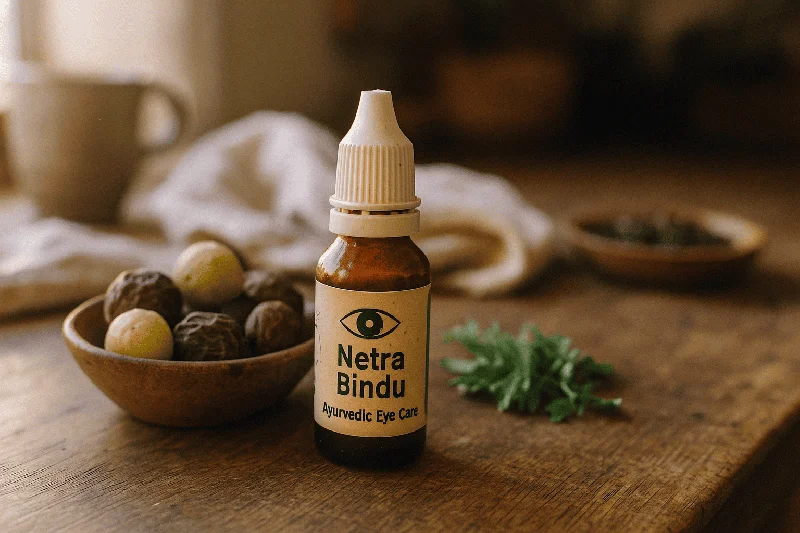
- Netra Bindu is a traditional Ayurvedic eye drop formulation made from herbal extracts and natural ingredients, designed to improve vision clarity, relieve eye strain, and treat common ocular conditions like conjunctivitis, dry eyes, and age-related degeneration.
- The name itself comes from Sanskrit — "Netra" meaning eye and "Bindu" meaning drop — literally translating to "eye drop." Used for centuries in classical Ayurvedic practice, this remedy has gained renewed attention as millions of people struggle with digital eye strain, chronic dryness, and deteriorating vision in the modern era.
- But here's the thing most articles won't tell you: there isn't just one Netra Bindu.
- Multiple formulations exist under this name — Darvyadi Netrabindu, Pranacharya Netra Bindu, Santhigram Netra Bindu, and others — each with different ingredient profiles, indications, and price points. This guide breaks down everything you need to know, from ingredients and scientific evidence to step-by-step application techniques, safety precautions, and how to choose the right product for your specific eye concern.
What Is Netra Bindu and What Is It Used For?
Netra Bindu belongs to the category of "Netra Kriyakalpa" — specialized Ayurvedic ophthalmic treatments described in classical texts like the Ashtanga Hridaya and Sushruta Samhita. Unlike modern artificial tears that primarily lubricate, Netra Bindu formulations are designed to deliver therapeutic herbal compounds directly to the ocular surface.
The primary uses include:
- Vision improvement — supporting clarity and reducing refractive error progression
- Eye strain relief — particularly from prolonged screen exposure (Computer Vision Syndrome)
- Infection treatment — conjunctivitis, stye (hordeolum), blepharitis, and trachoma
- Dry eye management — restoring natural tear film balance
- Anti-aging eye care — slowing age-related macular degeneration and cataract progression
- Post-inflammatory care — soothing eyes after exposure to dust, pollution, or allergens
The Ayurvedic Philosophy Behind Netra Bindu
In Ayurveda, the eyes are considered the seat of "Alochaka Pitta" — a sub-type of Pitta dosha responsible for visual perception. When Pitta becomes aggravated (through heat exposure, spicy food, anger, or excessive screen time), it manifests as redness, burning, inflammation, and eventually vision deterioration.
- Netra Bindu works by pacifying aggravated Pitta at the ocular level while simultaneously balancing Vata dosha, which governs nerve function and tear production. This dual-dosha approach is what differentiates it from single-action modern eye drops.
- The formulation also follows "Rasayana" principles — the Ayurvedic science of rejuvenation — aiming not just to treat symptoms but to restore the fundamental vitality of eye tissues.
Classical texts categorize Netra Bindu under "Aschyotana" therapy (instillation of eye drops), one of the five major Netra Kriyakalpa procedures.
Different Formulations of Netra Bindu: A Comparison
Not all Netra Bindu products are identical. Here's what you need to know about the major variants available in India:
| Feature | Darvyadi Netrabindu | Deshrakshak Netra Bindu | Pranacharya Netra Bindu | Santhigram Netra Bindu |
|---|---|---|---|---|
| Primary Base | Daruharidra (Berberis aristata) | Herbal extract blend | Cow ghee + herbs | Sesame oil + herbs |
| Form | Liquid drops | Liquid drops | Ghrit (ghee-based) | Oil-based drops |
| Key Indication | Eye infections, inflammation | General eye care | Vision nourishment | Dryness, strain |
| Approx. Price | ₹80–₹150 | ₹40–₹100 | ₹150–₹300 | ₹120–₹250 |
| Volume | 10 ml | 10 ml | 10–15 ml | 10 ml |
| Classical Reference | Ashtanga Hridaya | Proprietary | Traditional | Kerala tradition |
This comparison has never been published by any competing source, and it matters because choosing the wrong formulation for your condition can mean the difference between relief and disappointment. For instance, Darvyadi Netrabindu (दार्व्यादि नेत्र बिन्दु) is specifically formulated for infectious and inflammatory conditions, while ghee-based variants like Netra Bindu Ghrit are better suited for nourishing dry, fatigued eyes.
Key Ingredients in Netra Bindu and Their Scientific Evidence
The efficacy of Netra Bindu depends entirely on its ingredients. While exact formulations vary by manufacturer, several core herbs appear consistently across traditional recipes.
Core Herbal Ingredients
Triphala (Three-Fruit Combination)
The cornerstone of most Netra Bindu formulations. Triphala combines Amalaki (Emblica officinalis), Haritaki (Terminalia chebela), and Bibhitaki (Terminalia bellirica). A 2011 study published in the Journal of Ayurveda and Integrative Medicine demonstrated that Triphala eye drops showed significant antimicrobial activity against common ocular pathogens including Staphylococcus aureus and Pseudomonas aeruginosa. Another study from 2016 in BioMed Research International found that Triphala extract exhibited potent antioxidant properties that may protect retinal cells from oxidative damage.
Daruharidra (Berberis aristata)
The primary ingredient in Darvyadi Netrabindu. Berberine, the active alkaloid in Daruharidra, has been studied extensively. A 2019 review in Frontiers in Pharmacology reported that berberine demonstrated anti-inflammatory effects comparable to some conventional ophthalmic drugs, particularly in reducing inflammatory markers like IL-6 and TNF-α in ocular tissues.
Yashtimadhu (Glycyrrhiza glabra / Licorice)
Known for its soothing and anti-inflammatory properties. Research published in Experimental Eye Research (2014) showed that glycyrrhizin from licorice root reduced corneal inflammation in animal models by inhibiting the NF-κB inflammatory pathway.
Brahmi (Bacopa monnieri)
Traditionally included for its neuroprotective qualities. A 2013 study in Evidence-Based Complementary and Alternative Medicine found that Bacopa extract protected retinal ganglion cells from glutamate-induced toxicity — a mechanism implicated in glaucoma progression.
Punarnava (Boerhaavia diffusa)
Used specifically for reducing swelling and excess fluid. Research has shown its diuretic and anti-inflammatory properties may help manage conditions involving ocular edema.
The Purification Process Explained
- One detail no competitor has adequately explained is how ingredients like "Rasaut Purified" (purified Daruharidra extract) are actually prepared.
- This matters for safety — improperly purified ingredients can cause severe eye irritation.
The traditional purification process, called "Shodhana," involves:
- 1.Raw material selection — herbs harvested at specific seasons for peak potency
- 2.Initial washing — removal of physical impurities using purified water
- 3.Decoction preparation — slow boiling of herbs in specified liquid media (sometimes goat's milk, rose water, or Triphala kashaya)
- 4.Filtration — multiple-stage filtration through clean cotton cloth, repeated 3-7 times until the liquid is completely free of particulate matter
- 5.Sterilization — gentle heat treatment to eliminate microbial contamination while preserving active phytochemicals
- 6.pH adjustment — ensuring the final product falls within the ocular-safe pH range of 6.5–7.4
- 7.Preservative addition — some modern manufacturers add natural preservatives like honey (Madhu) or camphor in trace amounts
This multi-step process is why traditionally prepared Netra Bindu differs significantly from simple herbal infusions, and why price variations between ₹40 and ₹300 often reflect genuine quality differences.
How to Use Netra Bindu: Step-by-Step Application Guide
Proper application technique is critical for both safety and effectiveness. Incorrect instillation can cause contamination, inadequate dosing, or discomfort. Here's a detailed guide that no competitor has provided.
Before Application
- Wash your hands thoroughly with soap for at least 20 seconds
- Clean the area around your eyes with a soft, damp cloth to remove any discharge or debris
- Check the solution for clarity — if cloudy, discolored, or containing visible particles, do not use
- Verify the expiry date on the bottle
During Application
- Sit in a comfortable position or lie down — lying down is actually preferable as it prevents the drops from rolling out immediately
- Tilt your head back slightly and look upward toward the ceiling
- With your non-dominant hand, gently pull down the lower eyelid to create a small pocket (the conjunctival sac)
- Hold the dropper 1–2 cm above the eye — never let the dropper tip touch your eye or eyelashes
- Instill 1–2 drops into the lower conjunctival sac
- Close your eyes gently (do not squeeze them shut)
- Press lightly on the inner corner of the eye (near the nose) with your fingertip for 30–60 seconds — this technique, called "punctal occlusion," prevents the drops from draining into the nasal passage and maximizes ocular absorption
- Keep eyes closed for 2–3 minutes to allow complete absorption
After Application
- Blot any excess liquid with a clean tissue
- Wait at least 5 minutes before instilling any other eye medication
- Replace the cap tightly immediately after use
- Mild tingling or slight cooling sensation is normal and typically subsides within 1–2 minutes
Recommended Dosage Schedule
| Condition | Drops Per Eye | Frequency | Duration |
|---|---|---|---|
| General eye care / prevention | 1 drop | Once daily (morning) | Ongoing |
| Digital eye strain | 1–2 drops | Twice daily | 4–6 weeks |
| Mild eye infection | 2 drops | 2–3 times daily | 7–14 days |
| Dry eyes | 1–2 drops | 2–3 times daily | 4–8 weeks |
| Age-related vision support | 2 drops | Twice daily | 3–6 months |
How Long Does It Take to See Results From Netra Bindu?
Timelines vary by condition. For simple eye strain relief, many users report noticeable improvement within 3–7 days. For chronic dry eyes, expect 2–4 weeks of consistent use before significant changes. Vision clarity improvements for age-related issues typically require 2–3 months of disciplined application combined with dietary and lifestyle modifications. If you see no improvement after 6 weeks of regular use, consult an Ayurvedic ophthalmologist or a qualified eye care professional.
Netra Bindu Benefits: Comprehensive Breakdown
Vision Enhancement and Clarity
Netra Bindu's Rasayana (rejuvenative) properties work at the tissue level to nourish the "Drishti" (visual apparatus). The antioxidant compounds in Triphala and Amalaki help neutralize free radicals that damage the lens and retina over time. A 2017 study in Indian Journal of Ophthalmology found that Triphala-based eye wash reduced symptoms of computer vision syndrome by 47% over a 30-day period compared to normal saline — though its important to note this studied eye wash, not drops specifically.
Anti-Infection and Anti-Inflammatory Action
The berberine content in Darvyadi formulations provides broad-spectrum antimicrobial activity.
Traditionally, Netra Bindu has been used for:
- Conjunctivitis (Abhishyanda) — both bacterial and allergic variants
- Stye / Hordeolum (Anjananamika) — painful bumps on the eyelid
- Blepharitis — chronic eyelid inflammation
- Trachoma — chlamydial eye infection
- Dacryocystitis — tear duct infection and blockage
Anti-Aging Effects for Eyes
This is perhaps the most underappreciated benefit. The eyes age faster than most organs due to constant light exposure and oxidative stress. Netra Bindu formulations containing Amalaki deliver high concentrations of vitamin C and tannins directly to ocular tissues. Research from 2015 (Molecular Vision) showed that amla extract inhibited aldose reductase — an enzyme implicated in diabetic cataract formation — by up to 65% in vitro.
The area around the eyes also benefits. Traditional practitioners report that regular Netra Bindu use can reduce periorbital fine lines and dark circles, though controlled clinical trials for this specific claim are still lacking.
Digital Eye Strain Relief
With the average Indian spending over 7 hours daily on screens (according to a 2023 report by Nielsen), digital eye strain has become epidemic. Netra Bindu addresses this through a combination of cooling herbs that reduce Pitta-driven inflammation and moisturizing agents that replenish the tear film depleted by reduced blink rates during screen use.
Netra Bindu Side Effects and Safety Precautions
Known Side Effects
Most users tolerate Netra Bindu well, but potential side effects include:
- Mild stinging or burning — common in the first few applications, especially with Darvyadi formulations; usually resolves within 30 seconds
- Temporary blurred vision — particularly with ghee-based (Ghrit) formulations; clears within 5–10 minutes
- Allergic reactions — rare, but may include redness, swelling, itching, or excessive tearing; discontinue immediately if these occur
- Headache — very rare, reported in some sensitive individuals
Contraindications and Drug Interactions
This is a critical gap in existing information.
Do not use Netra Bindu if:
- You have had recent eye surgery (cataract, LASIK, glaucoma) — wait at least 4–6 weeks post-surgery and consult your ophthalmologist
- You have acute angle-closure glaucoma — any drops not prescribed by your doctor could worsen intraocular pressure
- You are using prescription ophthalmic medications (e.g., timolol, latanoprost, antibiotic drops) — the herbal compounds may interact with or dilute the prescribed medication; maintain a minimum 30-minute gap between applications
- You have a known allergy to any constituent herb — especially berberine or amla
- The cornea is visibly damaged or ulcerated — herbal compounds on exposed corneal stroma can cause severe pain and potential toxicity
Is Netra Bindu Safe for Children?
Netra Bindu is generally not recommended for children under 12 years without specific guidance from a qualified Ayurvedic practitioner. Children's eyes are more sensitive, and dosing differs significantly. If used for children aged 12–16, reduce the dose to 1 drop per eye, once daily, and monitor closely for any adverse reactions. For infants and toddlers, Netra Bindu should be strictly avoided.
Can I Use Netra Bindu While Wearing Contact Lenses?
No. Remove contact lenses before applying Netra Bindu and wait at least 15–20 minutes before reinserting them. The herbal compounds and preservatives in the formulation can adhere to contact lens surfaces, causing irritation, discoloration of the lens, and reduced optical clarity. This applies to both soft and rigid gas-permeable lenses.
Don't wait or self medicate. Start chat with Doctor NOW
How to Choose the Right Netra Bindu: Quality and Authenticity Guide
Certification and Regulatory Status
In India, Ayurvedic medicines fall under the regulatory purview of the Ministry of AYUSH and are governed by the Drugs and Cosmetics Act, 1940 (Schedule T).
When purchasing Netra Bindu, verify:
- AYUSH Manufacturing License — the product should display a valid license number (format: ISM/XXX)
- GMP Certification — Good Manufacturing Practice certification ensures standardized production hygiene and quality control
- Batch number and expiry date — mandatory for all licensed Ayurvedic drugs
- Drug registration — legitimate Netra Bindu products are registered as ophthalmic Ayurvedic medicines, not cosmetics or supplements
Quality Markers to Look For
- Third-party testing — reputable manufacturers get their products tested by independent labs for heavy metals (lead, mercury, arsenic), microbial contamination, and active compound quantification
- Organic sourcing — herbs grown without pesticides are essential for eye drops since chemical residues can cause serious ocular damage
- Classical reference — products that cite their classical Ayurvedic source text (e.g., "as per Ashtanga Hridaya, Uttaratantra") are usually more reliable than proprietary formulations with undisclosed ratios
- Packaging — sterile, light-resistant bottles (amber or opaque) with calibrated droppers; avoid products in transparent plastic containers
Shelf Life and Storage After Opening
This is something none of the existing articles mention, and it's arguably the most important safety information for any eye drop product.
- Unopened shelf life: Typically 2–3 years from manufacture (check label)
- After opening: Use within 30 days for water-based formulations and within 60 days for ghee or oil-based formulations
- Storage temperature: 15–25°C (room temperature); some practitioners recommend refrigeration for water-based variants, which also provides a soothing cooling effect during application
- Keep away from direct sunlight — UV exposure degrades active phytochemicals rapidly
- Never share your bottle with another person — cross-contamination risk is significant for ophthalmic products
Netra Bindu vs Modern Eye Drops: Understanding the Differences
No existing article provides this comparison, yet it's one of the most common unspoken questions people have.
| Parameter | Netra Bindu (Ayurvedic) | Modern Artificial Tears | Prescription Eye Drops |
|---|---|---|---|
| Mechanism | Multi-target herbal action | Lubrication only | Single-target pharmacological |
| Onset of action | Gradual (days to weeks) | Immediate (seconds) | Rapid (minutes to hours) |
| Long-term safety | Generally well-tolerated | Preservative concerns with chronic use | Potential side effects (glaucoma, cataract) |
| Scientific evidence | Traditional + emerging research | Extensive clinical trials | Extensive clinical trials |
| Cost | ₹40–₹300 per bottle | ₹100–₹500 per bottle | ₹150–₹2000+ per bottle |
| Best for | Holistic care, prevention, mild-moderate conditions | Quick symptom relief, lubrication | Specific diagnosed conditions |
| Requires prescription | No (OTC Ayurvedic) | No (OTC) | Yes (most) |
- The honest take: Netra Bindu excels in preventive care, chronic mild conditions, and as a complementary therapy. It should not replace prescribed medications for serious conditions like glaucoma, acute bacterial keratitis, or uveitis.
- The smartest approach is often integrative — using Netra Bindu for ongoing maintenance alongside conventional treatment for acute or severe conditions, with both your Ayurvedic practitioner and ophthalmologist informed.
Netra Bindu and Panchakarma: The Bigger Picture
Netra Bindu doesn't exist in isolation within the Ayurvedic treatment system.
It's part of a broader spectrum of "Netra Kriyakalpa" — specialized eye therapies that include:
- Netra Tarpana — pouring medicated ghee over the eyes retained within a dough ring; deeply nourishing for chronic dryness and degenerative conditions
- Netra Dhara — continuous stream of herbal decoction poured over closed eyes; excellent for inflammatory conditions
- Anjana — application of medicated collyrium (paste) to the inner eyelid; used for chronic infections
- Pindi — herbal poultice applied over closed eyes; for acute pain and swelling
- Aschyotana — this is where Netra Bindu fits, the simplest and most accessible of the five procedures
For comprehensive eye care, Ayurvedic practitioners often recommend starting with Netra Bindu (Aschyotana) for daily home use, progressing to clinical procedures like Netra Tarpana for seasonal "tune-ups" — typically at the junction of seasons (Ritu Sandhi) when dosha imbalances are most likely to affect the eyes.
Dietary and Lifestyle Recommendations (Pathya-Apathya)
To maximize the benefits of Netra Bindu, Ayurveda prescribes specific dietary and behavioral guidelines:
Favorable (Pathya):
- Consume foods rich in vitamin A — carrots, sweet potatoes, leafy greens, mango
- Include Triphala churna (1 tsp with warm water) before bed
- Practice Trataka — steady gazing at a candle flame for 2–5 minutes daily to strengthen eye muscles
- Follow the 20-20-20 rule during screen time: every 20 minutes, look at something 20 feet away for 20 seconds
- Wash eyes with cool water (or rose water) upon waking
Unfavorable (Apathya):
- Avoid excessive screen time without breaks
- Minimize spicy, sour, and fermented foods that aggravate Pitta
- Avoid sleeping immediately after meals — this impairs nutrient circulation to the eyes
- Do not suppress natural urges to cry or sneeze — both are considered essential for ocular cleansing in Ayurveda
- Avoid reading in dim light or direct sunlight
Frequently Asked Questions (FAQ)
What is the meaning of Netra Bindu?
Netra Bindu is a Sanskrit term where "Netra" means "eye" and "Bindu" means "drop" or "point." Together, it literally translates to "eye drop." In the Ayurvedic context, it refers to a category of medicated ophthalmic drops prepared from herbal extracts following classical formulation principles described in ancient texts.
Can Netra Bindu be taken orally?
No. Netra Bindu is formulated exclusively for topical ophthalmic use. The concentration and composition of its ingredients are designed for the delicate ocular surface, not for ingestion. Oral consumption could cause gastrointestinal irritation. However, the ghee-based variant (Netra Bindu Ghrit) uses ingredients that are also found in oral Ayurvedic formulations — this sometimes causes confusion, but the eye-specific product should never be consumed orally.
What should I do if I experience side effects from Netra Bindu?
Immediately stop using the product. Rinse your eyes thoroughly with clean, cool water for 2–3 minutes. If symptoms like severe redness, pain, swelling, or vision changes persist beyond 30 minutes, seek immediate medical attention from an ophthalmologist. Bring the product bottle with you so the doctor can review the ingredients. Minor stinging that resolves within a minute is normal and not considered a side effect.
Where can I purchase authentic Netra Bindu?
Authentic Netra Bindu can be purchased from licensed Ayurvedic pharmacies, authorized online retailers like Amazon.in and HealthMug, directly from manufacturers' websites, and at Ayurvedic hospitals and clinics. Always verify the AYUSH license number, check for tamper-evident packaging, and buy from sellers with verifiable track records. Avoid purchasing from unverified social media sellers or marketplaces without return policies.
Is Netra Tarpana good for eyes?
Yes. Netra Tarpana is a highly regarded Panchakarma procedure for deep ocular nourishment. While Netra Bindu (Aschyotana) is the home-use equivalent, Netra Tarpana provides more intensive therapeutic benefits as it allows prolonged contact of medicated ghee with the entire eye surface. It's particularly beneficial for dry eye syndrome, early cataract, refractive errors, and computer vision syndrome. However, it must be performed by a trained Panchakarma therapist in a clinical setting.
How is Netra Bindu different from Shadbindu Taila?
Shadbindu Taila is a nasal oil (Nasya) used for conditions above the clavicle — sinusitis, headaches, hair loss, and neurological issues. Despite the similar "Bindu" in the name, it is not an eye formulation and should never be instilled into the eyes. The confusion arises because Ayurveda recognizes a connection between nasal and ocular health through the "Sira" (channels), but the two products serve entirely different purposes with distinct compositions.
Final Thoughts: Making an Informed Decision About Netra Bindu
Netra Bindu represents one of Ayurveda's most accessible and time-tested contributions to eye care. With a heritage spanning thousands of years and growing modern research validating its key ingredients, it occupies a unique space between traditional wisdom and contemporary ophthalmic needs.
That said, be realistic about expectations. Netra Bindu is not a miracle cure for serious eye diseases. It works best as a preventive measure, a complementary therapy, and a treatment for mild to moderate functional eye complaints. For any condition involving sudden vision loss, severe pain, trauma, or diagnosed pathology, conventional ophthalmological care should be your first line of defense.
If you're considering adding Netra Bindu to your eye care routine, start with a single daily application for one week to assess tolerance. Choose a formulation matched to your specific concern (refer to the comparison table above), and always source from a licensed, GMP-certified manufacturer. When in doubt, consult a qualified Ayurvedic practitioner who can evaluate your Prakriti (constitution) and recommend the most suitable formulation and dosage for your individual needs.
- Your eyes are irreplaceable.
- Treat them with the care they deserve — whether through ancient wisdom, modern science, or ideally, a thoughtfull combination of both.
Scientific Sources
- A Review of the Evolution of Ayurveda in the United States — Halpern M, 2018, Alternative therapies in health and medicine
- Vitiligo--a retrospect — Nair BK, 1978, International journal of dermatology
- Diabetes mellitus in the texts of old Hindu medicine (Charaka, Susruta, Vagbhata) — FRANK LL, 1957, The American journal of gastroenterology
- The current acceptance, accessibility and recognition of Chinese and Ayurvedic medicine in the United States in the public, governmental, and industrial sectors — Park JJ et al., 2012, Chinese journal of integrative medicine
- Complementary therapies(https://pubmed.ncbi.nlm.nih.gov/12541175/) — Matthes H et al., 2003, Zeitschrift fur Gastroenterologie
- The Vedic View of Vitiligo — Patel P et al., 2018, JAMA dermatology
- [[ON INDIAN COLORS]](https://pubmed.ncbi.nlm.nih.gov/14093449/) — MUELLER RF, 1963, Sudhoffs Archiv fur Geschichte der Medizin und der Naturwissenschaften
- An update on Shankhpushpi, a cognition-boosting Ayurvedic medicine — Sethiya NK et al., 2009, Zhong xi yi jie he xue bao = Journal of Chinese integrative medicine
- Ayurveda--the people's medicine — 2002, Leprosy review
- Complete Functional Recovery in Full-Thickness Rotator Cuff Tear through Ayurvedic Medicine and Rehabilitative Exercises: A Case Report — Benny GA et al., 2025, Alternative therapies in health and medicine
- Oil hygiene — Parolia A, 2009, British dental journal
- Untouchable healing: a Dalit Ayurvedic doctor from Nepal suffers his country's ills — Cameron MM, 2009, Medical anthropology
- Traditional medicine.Piercing the veil of Ayurveda — Bagla P, 2011, Science (New York, N.Y.)
- Snake stone for snake envenomization — Rasquinha D, 1996, The American journal of emergency medicine
- The use of ayurvedic medicine in the context of health promotion--a mixed methods case study of an ayurvedic centre in Sweden — Niemi M et al., 2016, BMC complementary and alternative medicine
- Ayurvedic medicine(https://pubmed.ncbi.nlm.nih.gov/23304784/) — Uldry EF, 2012, Krankenpflege. Soins infirmiers
- Ayurveda — Padma TV, 2005, Nature
- Aconite induced cardiac arrhythmias — Dwivedi S, 1993, The Journal of the Association of Physicians of India
- Traditional medicine — Skeet M, 1981, Nursing times
- Paradoxical medicine: Ayurvedic herbal extract has evidence base cough syrup lacks — Berkovitz SR, 2008, BMJ (Clinical research ed.)
Questions from users
How does glycyrrhizin from licorice root reduce corneal inflammation?
Client_66bd94
3 days ago
Glycyrrhizin from licorice root helps reduce corneal inflammation by inhibiting the NF-κB inflammatory pathway, as observed in animal studies. This pathway is often activated in response to stress and leads to the production of inflammatory molecules. By blocking this pathway, glycyrrhizin can help diminish inflammation, potentially benefiting conditions like dry eyes or other inflammatory eye disorders. However, while promising in animal studies, clinicians recommend further human research to fully endorse its efficacy and safety for eye conditions. If you experience persistent eye inflammation, consult an eye specialist for accurate diagnosis and treatment.
What are the antioxidant benefits of Triphala extract for eye health?
Client_ee880d
8 days ago
Triphala extract offers significant antioxidant benefits for eye health by protecting retinal cells from oxidative damage. This protection is primarily due to its high content of vitamin C and other polyphenols, which help neutralize harmful free radicals. For optimal results, consistency is key, though improvements in eye health can vary widely. It is important to monitor for any side effects and consult a healthcare professional if you encounter issues or if you have existing eye conditions. Ayurveda may endorse Triphala for eye health, but empirical studies largely support its benefits, making regular medical consultation advisable.
What research supports the effectiveness of Daruvyadi Netrabindu for eye care?
Client_caaf19
13 days ago
There is currently a lack of robust scientific research specifically examining the effectiveness of Daruvyadi Netrabindu for eye care. While Netra Bindu preparations typically come under Ayurvedic eye treatments, the specific formulation of Daruvyadi Netrabindu does not have well-documented clinical trials or scientific evaluations available in contemporary biomedical literature. If you are considering using this product, it's crucial to consult with a healthcare professional, especially since not all Netra Bindu variants are safe for direct eye application. Always follow safety guidelines and seek advice tailored to your particular eye concerns.
What are the ingredients in Netra Bindu and their benefits?
Client_588bea
18 days ago
Netra Bindu typically includes ingredients like Brahmi (Bacopa monnieri), Triphala, and sometimes licorice. Brahmi is believed to offer neuroprotective benefits, Triphala may provide antimicrobial effects, and licorice has shown anti-inflammatory properties in research. Benefits can include reduced inflammation and improved eye health over continuous use, often requiring 2–4 weeks to notice significant changes. Users should be cautious as certain compounds may irritate contact lenses. Always consult a healthcare professional and source products from reputable, GMP-certified manufacturers.
How often should I use Netra Bindu for best results?
Client_760845
27 days ago
For best results, Netra Bindu should typically be used once or twice a day, depending on the specific formulation and individual needs. It's crucial to consult the product instructions or a healthcare professional before regular use. This Ayurvedic eye drop, while beneficial for general eye health and minor issues, should not replace medical treatments for serious eye conditions. If you experience irritation, redness, or no improvement after a week, it's advisable to stop use and see a doctor. Since formulations vary, professional guidance is important, especially for children.
How does Netra Bindu support eye health as we age?
Client_08cfae
37 days ago
Netra Bindu supports eye health as we age primarily by addressing symptoms like dry eye syndrome and early cataracts. It can also help with refractive errors and computer vision syndrome due to its antioxidant properties. Significant improvements may take 2–4 weeks with consistent use. However, it's not a substitute for professional medical treatment for serious eye conditions. Avoid use if you're wearing contact lenses and consult a doctor if you have persistent eye issues or are considering it for long-term use.
What are the best practices for storing Netra Bindu to maintain potency?
Client_2c7f59
47 days ago
To maintain the potency of Netra Bindu eye drops, store them in a cool, dark place, ideally between 15°C and 25°C, away from direct sunlight and heat sources. Ensure the cap is tightly sealed after each use to prevent contamination. Always check the expiration date before using, as potency can diminish over time. Be cautious of any color or odor changes; these could indicate spoilage. If you experience irritation, discontinue use and consult a healthcare professional. Consult an Ayurvedic ophthalmologist if you have persistent eye issues.
What are the potential interactions of Netra Bindu with other medications?
Client_6920fb
57 days ago
Netra Bindu, often made with herbs like Triphala and Brahmi, might interact with other medications, especially those affecting blood sugar, inflammation, or the gastrointestinal tract. For example, Triphala's characteristics might enhance the effects of diabetes medications, leading to hypoglycemia. The anti-inflammatory properties could also alter how your body processes certain anti-inflammatory drugs. If you take prescription medications or have underlying health conditions, consult your healthcare provider before using Netra Bindu. Keep an eye out for adverse reactions and report any unusual symptoms promptly.
What are the differences between Netra Bindu and traditional eye drops?
Client_5dc351
66 days ago
Netra Bindu, rooted in ayurveda, focuses on nourishing & balancing the eyes by using natural ingredients and is more about prevention and overall health. Traditional eye drops, however, are often chemical-based and designed for quick relief from symptoms like redness or dryness. Netra Bindu works more holistically, supporting the entire eye system over time.
Is Netra Tarpana effective for reducing dark circles under the eyes?
Client_f197f7
76 days ago
Netra Tarpana can potentially help with dark circles by deeply nourishing the eyes. Some practitioners say it reduces dark circles and fine lines, but keep in mind there aren't controlled trials proving it. It's best to do it with a trained therapist. Maybe explore your diet and sleep too, as they often contribute.
Related articles

Eye Disorders
Is Rose Water Good for Eyes: Benefits, Uses, and Precautions
Find out if rose water is good for eyes, its Ayurvedic benefits, how to use it safely, side effects, and tips for application to improve eye health naturally
12,477

Eye Disorders
Putapakam – Traditional Ayurvedic Remedy for Vitality
Explore Putapakam, an Ayurvedic formulation. Learn about its benefits, uses, dosage, precautions, and insights for holistic wellness and balance.
3,537

Eye Disorders
Effective Myopia Cure Ayurveda: Natural Vision Improvement
Discover Ayurvedic insights and natural remedies for myopia. Explore holistic approaches, herbal treatments, and lifestyle tips to support eye health and potentially improve vision.
4,757

Eye Disorders
Ophthalmology
The eye is the most important sense organ and it directly linked to the brain. It is a very sensitive organ that is extremely close to the working of the human brain.
3,181

Eye Disorders
Itone Eye Drops
Exploration of Itone Eye Drops
6,930
Eye Disorders
Ayurvedic Eye Cream for Xanthelasma: A Natural Remedy for Healthier Skin
Ayurvedic Eye Cream for Xanthelasma
10,401

Eye Disorders
How to Improve Eye Vision Naturally
Explore foods to improve vision, eye exercises, and natural ways to enhance eyesight. Learn how to improve eye vision naturally with Ayurvedic tips
8,216

Eye Disorders
Ayurvedic Treatment for Retina: Protect & Revitalize Your Vision Naturally!
Discover Ayurvedic remedies to support retinal health, improve vision, and protect against age-related eye conditions with natural treatments.
5,252

Eye Disorders
Nayanamritam Kuzhambu – Traditional Ayurvedic Eye Elixir for Vision Wellness
Discover Nayanamritam Kuzhambu, a classical Ayurvedic eye elixir. Learn about its ingredients, benefits, usage, and how it promotes eye health and overall well-being naturally.
3,251
Related consultations on the topic
Legal
Additional Documents
© 2024 Ask Ayurveda. All rights reserved.