Ask Ayurvedic doctor a question and get a consultation online on the problem of your concern in a free or paid mode. More than 2,000 experienced doctors work and wait for your questions on our site and help users to solve their health problems every day.


Body DetoxEar, Nose, and Throat DisordersGeriatrics & RejuvenationImmunodeficiencyInfertility TreatmentNutritionOrthopedic DisordersPediatricsRespiratory DisordersSexually Transmitted Diseases (STDs)Surgery RecoveryUrological DisordersVascular DisordersDental DisordersEndocrinological DisordersGastrointestinal DisordersYoga TherapyGeneral MedicineAllergic DisordersCardio DisordersGynecology and ObstetricsCosmetologySkin and Hair DisordersEye DisordersInfectious DiseasesMental DisordersNeurological DisordersOncologyPanchakarmaSexual Health & DisordersSports Medicine
Published on 12/25/24
(Updated on 08/09/26)
5,368
Musta Churna: Benefits & Ayurvedic Uses
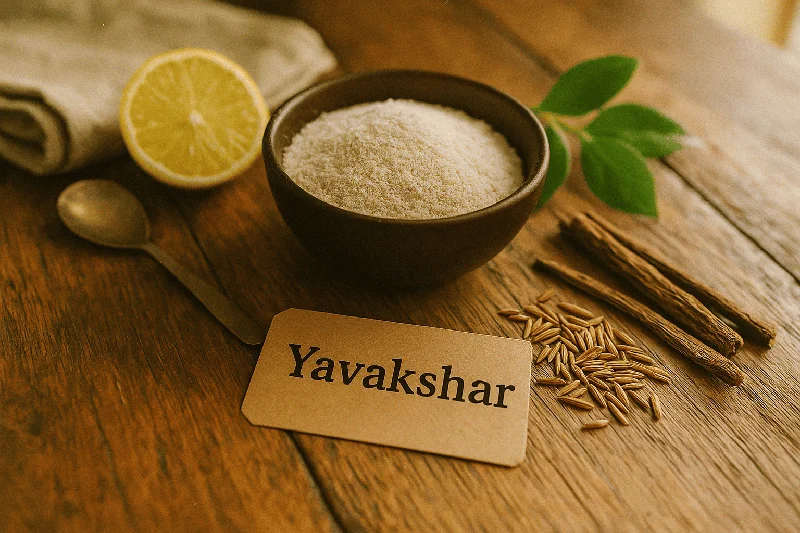
Musta Churna is an Ayurvedic herbal powder made from the dried rhizomes (underground tubers) of Cyperus rotundus Linn., a perennial plant belonging to the Cyperaceae family. Known commonly as Nagarmotha in Hindi and Nut Grass in English, this churna has been used for centuries in traditional Indian medicine to treat digestive disorders, reduce fever, manage menstrual irregularities, and combat inflammation. It balances Kapha and Pitta doshas, possesses a cooling potency (Sheeta Veerya), and is considered one of the most versatile single-herb formulations in the entire Ayurvedic pharmacopoeia.
Whether you're dealing with chronic indigestion, looking for natural menstrual support, or simply exploring Ayurvedic remedies for overall wellness — this guide covers everything you need to know about Musta Churna, including aspects that most resources online completely miss.
What Is Musta Churna and What Is It Made Of?
Musta Churna is a fine herbal powder (churna) prepared from the tuberous rhizomes of Cyperus rotundus, a plant that grows abundantly across India, particularly in tropical and subtropical regions. The rhizomes are harvested, cleaned, dried under shade, and then ground into a fine powder to produce the churna.
Botanical Profile and Plant Identity
| Parameter | Details |
|---|---|
| Botanical Name | Cyperus rotundus Linn. |
| Family | Cyperaceae (Sedge family) |
| Part Used | Rhizomes / Tubers (Moolam) |
| Common Names | Nagarmotha (Hindi), Musta / Mustaka (Sanskrit), Nut Grass (English), Korai Kizhangu (Tamil), Tunga Musthe (Kannada), Muthanga (Malayalam), Tungamustalu (Telugu), Sued Kufi (Arabic), Motha (Marathi) |
| Habitat | Found across India, Sri Lanka, Southeast Asia, and parts of Africa |
Ayurvedic Properties (Rasa Panchaka)
Understanding the Ayurvedic pharmacological profile of Musta is essential for practitioners and enthusiasts alike:
| Ayurvedic Property | Value |
|---|---|
| Rasa (Taste) | Tikta (Bitter), Katu (Pungent), Kashaya (Astringent) |
| Guna (Quality) | Laghu (Light), Ruksha (Dry) |
| Veerya (Potency) | Sheeta (Cooling) |
| Vipaka (Post-digestive effect) | Katu (Pungent) |
| Dosha Karma | Balances Kapha and Pitta |
| Prabhava (Special action) | Deepana (Appetizer), Pachana (Digestive) |
The classical Ayurvedic text Charaka Samhita (Sutrasthana) classifies Musta under multiple therapeutic groups, including Lekhaniya (scraping/anti-obesity), Trishnanigrahana (thirst-relieving), and Kandughna (anti-pruritic). This multi-category classification is rare and speaks to the herb's remarkable versatility.
Key Active Compounds
Modern phytochemical analysis has identified several bioactive compounds in Cyperus rotundus rhizomes:
- Cyperene and Cyperotundone — sesquiterpenes responsible for anti-inflammatory activity
- Alpha-cyperone — contributes to analgesic and antipyretic effects
- Flavonoids (including quercetin and luteolin) — potent antioxidants
- Tannins — astringent compounds supporting anti-diarrheal action
- Saponins — contribute to immune-modulating properties
- Essential oils — responsible for the characteristic earthy aroma
A 2013 study published in the Journal of Pharmacy and Pharmacology confirmed significant anti-inflammatory and analgesic activities of Cyperus rotundus extracts in animal models, with the sesquiterpene fraction showing the most pronounced effects. Another study in Fitoterapia (2011) demonstrated notable antimicrobial activity against both gram-positive and gram-negative bacteria.
What Are the Benefits of Musta Churna?
The health benefits of Musta Churna span across digestive, reproductive, urinary, and immune systems. Here's a detailed breakdown, backed by both traditional Ayurvedic knowledge and modern research.
Digestive Health and Gut Support
This is perhaps the most well-documented benefit of Musta Churna. In Ayurveda, Musta is classified as one of the best Deepana-Pachana herbs — meaning it both kindles digestive fire (Agni) and helps digest accumulated toxins (Ama).
Musta Churna is traditionally prescribed for:
- Chronic diarrhea and dysentery — the astringent (Kashaya) taste and Grahi property help bind stools
- Indigestion and bloating — improves Agni without aggravating Pitta due to its cooling potency
- Loss of appetite — stimulates hunger naturally
- Irritable bowel syndrome (IBS) — the anti-spasmodic action of cyperotundone helps reduce abdominal cramping
- Intestinal worms — the Krimighna (anthelmintic) property makes it effective against parasitic infestations
A practical home remedy: Mix 3 grams of Musta Churna with a glass of warm buttermilk (Takra) and consume before lunch. This is a classic Ayurvedic digestive tonic mentioned in several traditional texts.
Anti-Inflammatory and Pain-Relieving Properties
The sesquiterpene compounds in Musta — particularly cyperene, cyperotundone, and alpha-cyperone — exibit significant anti-inflammatory activity. Research suggests these compounds work by inhibiting pro-inflammatory cytokines (TNF-alpha and IL-6) and blocking the COX-2 enzyme pathway, similar in mechanism (though milder) to conventional NSAIDs.
A 2015 study in Pharmacognosy Reviews reported that Cyperus rotundus extracts showed comparable anti-inflammatory activity to indomethacin in carrageenan-induced paw edema models, with approximately 42% inhibition of inflammation at standardized doses.
This makes Musta Churna potentially useful for:
- Joint inflammation and mild arthritis
- Inflammatory bowel conditions
- General body aches associated with fever
Menstrual Health and Women's Wellness
Musta holds a special place in Ayurvedic gynecology.
It is classified under Artavajanana — herbs that regulate menstrual flow — and is frequently prescribed in conditions like:
- Dysmenorrhea (painful periods) — the antispasmodic and cooling properties help alleviate cramps
- Irregular menstruation — helps establish a regular cycle by balancing Vata and Pitta in the reproductive system
- Postpartum care — traditionally given to new mothers to support uterine recovery and improve lactation
- Leucorrhea — the astringent properties help manage excessive vaginal discharge
External Application for Lactation
A lesser-known traditional practice involves making a paste of Musta Churna with water or coconut oil and applying it topically on the breasts to improve milk flow in lactating mothers. This is documented in classical texts but rarely mentioned in modern resources.
Fever Reduction (Antipyretic Action)
Musta is one of the primary Jvarghna (fever-destroying) herbs in Ayurveda. Its Sheeta Veerya (cooling potency) makes it particularly effective in Pitta-type fevers characterized by high temperature, burning sensation, and excessive thirst.
Traditional preparation: 3-5 grams of Musta Churna boiled in 200 ml of water, reduced to 50 ml, filtered and consumed twice daily during fever episodes.
Urinary Health and UTI Management
Musta Churna acts as a mild diuretic (Mutrala) and possesses antimicrobial properties that make it valuable for urinary tract health.
It is traditionally used for:
- Burning sensation during urination (Mutrakrichra)
- Urinary tract infections (UTIs)
- Kidney stone prevention — by promoting healthy urinary flow
- Bladder inflammation
Can Musta Churna Help with Urinary Tract Infections?
- Yes.
- The antimicrobial compounds in Cyperus rotundus — particularly the flavonoids and essential oils — have demonstrated activity against E. coli, the most common causative organism in UTIs. While Musta Churna should not replace antibiotics in severe infections, it can serve as a supportive therapy and preventive measure for recurrent UTIs when taken under professional guidance.
Skin Health and Detoxification
The Tikta (bitter) rasa and cooling nature of Musta make it beneficial for Pitta-related skin conditions. It supports liver function (Yakrit) by aiding in toxin elimination, which in turn improves skin clarity.
Uses include:
- Eczema and dermatitis — both internal consumption and external application as a dusting powder
- Acne and pimples related to Pitta aggravation
- Itchy skin (Kandu) — Musta is classified under Kandughna (anti-pruritic) group in Charaka Samhita
Immune System Support and Antioxidant Activity
The flavonoids (quercetin, luteolin) and other polyphenols in Musta exhibit free radical-neutralizing activity. A 2017 study published in Biomedicine & Pharmacotherapy found that Cyperus rotundus extract demonstrated immunomodulatory effects by enhancing macrophage activity and modulating T-cell responses in experimental models.
Musta Churna for Men's Health
While most resources focus exclusively on women's health benefits, Musta Churna offers notable advantages for men as well — an area that's rarely discussed:
- Prostate support — the anti-inflammatory and diuretic properties may help manage benign prostatic hyperplasia (BPH) symptoms like frequent urination
- Urinary tract health — equally beneficial for men with UTIs or urinary discomfort
- Digestive issues common in men — particularly helpful for those with sedentary lifestyles leading to sluggish digestion
- Metabolic support — the Lekhaniya (scraping) action may aid in healthy weight management
Note that clinical evidence specifically for men's health applications is limited, and more research is needed.
How to Take Musta Churna: Dosage & Administration
Getting the dosage right is crucial for experiencing benefits without adverse effects.
Standard Adult Dosage
| Form | Dosage | Frequency | Anupana (Vehicle) |
|---|---|---|---|
| Churna (powder) | 3–6 grams | Twice daily | Warm water, honey, or buttermilk |
| Decoction (Kashaya) | 50–100 ml | Twice daily | Plain or with honey |
| With honey | 3 grams churna + 1 tsp honey | Twice daily, before meals | For digestive issues |
| With warm water | 3-5 grams in 200 ml | Twice daily | For fever and UTI |
Best time to take: Generally 30 minutes before meals for digestive benefits, or as directed by an Ayurvedic practitioner.
Dosage for Children
This is a topic most resources simply skip over. Here are general guidelines based on traditional Ayurvedic pediatric dosing principles:
| Age Group | Recommended Dose | Notes |
|---|---|---|
| 1–5 years | 500 mg – 1 gram | Mixed with honey or warm milk |
| 6–12 years | 1–2 grams | With warm water or honey |
| 12–16 years | 2–3 grams | Standard adult preparation |
Important: Always consult a qualified Ayurvedic pediatrician before giving Musta Churna to children. The doses above are general guidelines, and individual constitution (Prakriti) and condition must be considered.
How Long Does It Take to See Results?
Results vary based on the condition being treated:
- Digestive issues (bloating, indigestion): Often noticeable within 3–7 days
- Menstrual irregularity: Typically requires 2–3 menstrual cycles (2-3 months) for significant improvement
- Chronic inflammation: 4–8 weeks of consistent use
- Fever: Acute relief often within 24-48 hours when combined with appropriate rest and diet
- Urinary complaints: 1–2 weeks for symptomatic relief
Duration of Course & Safety of Long-Term Use
This is another critical gap in existing resources. Here's what traditional practice and modern understanding suggest:
- Short-term use (up to 2 months): Generally considered safe for most adults
- Medium-term use (2-4 months): Safe under practitioner supervision; periodic assessment recommended
- Long-term use (beyond 4 months): Take a 2-week break after every 3 months of continuous use. This prevents over-drying effects (due to Ruksha guna) and ensures digestive fire doesn't become imbalanced
- Maximum continuous duration: Most Ayurvedic practitioners recommend not exceeding 6 months without a break and clinical reassessment
How to Make Musta Churna at Home: Step-by-Step Guide
- While commercially available Musta Churna is convenient, making it at home ensures freshness and purity.
- Here's a complete process that no competitor currently covers:
Step 1: Sourcing and Harvesting
- Obtain fresh Cyperus rotundus rhizomes from a reliable herbal supplier or harvest from chemical-free areas
- The best time to harvest is during autumn (post-monsoon), when the active compound concentration peaks
- Look for firm, aromatic rhizomes with a characteristic earthy smell
Step 2: Cleaning
- Wash the rhizomes thoroughly under running water to remove soil and debris
- Remove any fibrous roots and damaged portions
- Soak in clean water for 30 minutes, then scrub gently with a soft brush
Step 3: Drying
- Cut the cleaned rhizomes into small pieces (approximately 1-2 cm)
- Spread on a clean cloth or bamboo tray
- Shade-dry for 5-7 days — avoid direct sunlight as it can degrade the volatile oils
- The rhizomes are ready when they snap cleanly and feel completely dry (moisture content below 10%)
Step 4: Grinding
- Use a clean, dry mixer-grinder or traditional stone mortar (Khalwa Yantra)
- Grind in short pulses to prevent heat buildup which can destroy active compounds
- Sieve through a fine mesh (80-100 mesh) to get uniform powder
- The final powder should be light brown to golden-brown in color with a mild, aromatic odor
Step 5: Storage
- Store in an airtight glass jar away from direct sunlight and moisture
- Label with the preparation date
- Shelf life: 6–12 months when stored properly
- Discard if the powder develops any off-smell, discoloration, or moisture clumps
Musta Churna vs. Other Ayurvedic Churnas for Digestion
- One question that comes up frequenly is how Musta Churna compares to other popular digestive churnas.
- Here's a comparison that you won't find anywhere else:
| Parameter | Musta Churna | Triphala Churna | Trikatu Churna | Hingvastak Churna |
|---|---|---|---|---|
| Primary Action | Deepana-Pachana (Appetizer + Digestant) | Mild laxative + Rejuvenative | Strong digestive stimulant | Carminative + Anti-bloating |
| Veerya (Potency) | Sheeta (Cooling) | Sheeta (Cooling) | Ushna (Heating) | Ushna (Heating) |
| Best For | Diarrhea, IBS, Pitta-type indigestion | Constipation, detox, eye health | Cold digestion, Kapha conditions, obesity | Gas, bloating, loss of appetite |
| Dosha Balance | Kapha-Pitta ↓ | Tridosha balance | Kapha-Vata ↓ (may ↑ Pitta) | Vata-Kapha ↓ |
| Safe in Pitta? | ✅ Yes, excellent | ✅ Yes | ❌ May aggravate | ⚠️ Use cautiously |
| Anti-diarrheal? | ✅ Strong | ❌ No (mildly laxative) | ❌ No | ⚠️ Mild |
| Anti-inflammatory? | ✅ Strong | ✅ Moderate | ❌ Minimal | ❌ Minimal |
| Menstrual Support? | ✅ Yes | ❌ No specific action | ❌ No | ❌ No |
Key takeaway: Musta Churna is uniquely suited for people with Pitta constitution or Pitta-aggravated digestive issues because of its cooling potency. If you have a cold, sluggish digestion with Kapha dominance, Trikatu may be more appropriate.
Don't wait or self medicate. Start chat with Doctor NOW
Side Effects, Contraindications & Safety Precautions
Musta Churna is generally considered safe when taken in recommended doses. However, awareness of potential side effects and contraindications is essential.
Known Side Effects
- Constipation — the Ruksha (dry) and Grahi (absorbent) properties can lead to dry stools, especially in Vata-dominant individuals or when taken in excess
- Excessive dryness — prolonged use without adequate hydration may cause dry mouth, dry skin
- Hypoglycemia risk — Cyperus rotundus has shown blood sugar-lowering effects in animal studies (a 2014 study in Pharmaceutical Biology reported significant hypoglycemic activity). Diabetics on medication should monitor blood sugar closely
Contraindications
| Condition | Risk Level | Recommendation |
|---|---|---|
| Pregnancy | ⚠️ Caution | Avoid unless specifically prescribed by an Ayurvedic gynecologist due to potential uterine stimulating effects |
| Severe constipation | ❌ Avoid | Grahi property will worsen the condition |
| Vata disorders with dryness | ⚠️ Caution | Use only in combination with Snigdha (unctuous) herbs or ghee |
| Hypotension | ⚠️ Caution | May further lower blood pressure in sensitive individuals |
| Autoimmune disorders | ⚠️ Caution | Immunomodulatory effects may interfere with immunosuppressive therapy |
| Pre-surgery | ❌ Avoid | Discontinue 2 weeks before scheduled surgery due to potential antiplatelet activity |
| Breastfeeding | ✅ Generally safe | Traditionally used to improve lactation, but consult a practitioner |
Drug Interactions
Musta Churna may interact with:
- Antidiabetic medications — may potentiate hypoglycemic effects
- Anticoagulants/Antiplatelet drugs — Cyperus rotundus has shown antiplatelet activity in a study published in Thrombosis Research (2012); use caution with warfarin, aspirin, or clopidogrel
- Antihypertensive drugs — additive blood pressure-lowering effects possible
- Homeopathic medicines — generally compatible; maintain a 30-minute gap between intake
- Vitamin supplements — generally safe to combine; take at different times for optimal absorption
Diet Recommendations While Taking Musta Churna (Pathya-Apathya)
No competitor currently covers this topic, yet diet plays a crucial role in Ayurvedic treatment efficacy.
Foods to Favour (Pathya)
- Light, warm, freshly cooked meals
- Buttermilk, light soups, and moong dal
- Ginger, cumin, and coriander as spices
- Room-temperature or warm water
- Rice, roti, and easily digestible grains
- Seasonal fruits (pomegranate, apple, papaya)
Foods to Avoid (Apathya)
- Heavy, fried, and oily foods — they counteract the Laghu (light) quality of Musta
- Cold beverages, ice cream, and refrigerated foods
- Excessive raw salads (Vata-aggravating)
- Processed and packaged foods with preservatives
- Excessive spicy food (if treating Pitta conditions)
- Alcohol — it weakens digestive fire and reduces herbal efficacy
Seasonal Considerations for Use
Musta Churna's cooling nature makes it particularly suitable during:
- Summer (Grishma Ritu) — excellent, as it naturally counteracts Pitta aggravation
- Monsoon (Varsha Ritu) — ideal for digestive issues that commonly arise during rainy season
- Autumn (Sharad Ritu) — beneficial for Pitta pacification
- Winter (Hemanta/Shishira Ritu) — use with warming adjuvants like ginger or honey to counterbalance the cold
How to Choose Quality Musta Churna
When purchasing Musta Churna commercially, look for these quality indicators:
- Single-ingredient formulation — pure Cyperus rotundus without fillers
- Organic certification — ensures no pesticide residue
- GMP certification — Good Manufacturing Practices compliance
- Color and aroma — should be light brown with a subtle, pleasant earthy smell. Avoid powders that are too dark or smell musty (indicating poor storage)
- Mesh size — fine, uniform powder indicates proper processing
- Batch number and expiry date — always check; shelf life is typically 2 years for commercial products
- Third-party testing — for heavy metals (especially lead and mercury), microbial contamination, and aflatoxins
Reputable Ayurvedic pharmacies like Kottakkal Arya Vaidya Sala, Dhootapapeshwar, and other GMP-certified manufacturers are generally reliable sources.
Useful Home Remedies with Musta Churna
Here are some time-tested preparations for specific conditions:
For Diarrhea: Mix 3 grams Musta Churna + 1 gram dry ginger powder (Shunthi) with 1 teaspoon honey. Take twice daily after meals. For Intestinal Worms: Combine 3 grams Musta Churna with 1 teaspoon of papaya seed powder and warm water. Take on an empty stomach for 7 days. For Menstrual Cramps: Boil 5 grams Musta Churna in 200 ml water, reduce to 50 ml. Add a pinch of jaggery. Consume twice daily starting 3 days before expected menstruation. For Skin Itching (External): Make a paste of Musta Churna with rose water and apply to affected areas. Leave for 20 minutes, then wash off. For Fever: Combine 3 grams Musta Churna with 2 grams Guduchi (Giloy) powder in warm water. Take twice daily untill fever subsides.
Frequently Asked Questions (FAQ)
What is the other name of Musta Churna?
Musta Churna goes by many names depending on the language and region. In Sanskrit, it is called Mustaka, Bhadramusta, or Jalada. In Hindi, it's Nagarmotha or Motha. The English name is Nut Grass powder. Other names include Korai Kizhangu (Tamil), Tungamustalu (Telugu), and Tunga Musthe (Kannada). The Arabic name is Sued Kufi.
Can Musta Churna be taken with other Ayurvedic supplements?
Yes, Musta Churna is generally compatible with most Ayurvedic supplements and formulations. It is commonly combined with Kutaja (for diarrhea), Ashoka (for menstrual disorders), Guduchi (for fever and immunity), and Triphala (for digestive regulation). However, avoid combining it with strongly heating (Ushna) herbs in large doses if you have a Pitta constitution. Always consult a practitioner for personalized combinations.
Is Musta Churna safe for children?
Musta Churna is traditionally considered safe for children, but at reduced doses. For children aged 1-5, doses of 500 mg to 1 gram are typical. For ages 6-12, 1-2 grams is standard. It's commonly given to children for digestive issues, fever, and worm infestations. Always mix with honey or warm milk for palatability, and consult an Ayurvedic pediatrician before starting.
What should I do if I miss a dose of Musta Churna?
- Simply take the next scheduled dose at its regular time. Do not double the dose to compensate. Musta Churna works cumulatively over time, so missing an occasional dose will not significantly impact results.
- Consistency matters more than perfection — aim for regular daily intake rather than stressing over a missed dose.
Where can I purchase authentic Musta Churna?
Authentic Musta Churna is available at licensed Ayurvedic pharmacies, reputable online Ayurvedic stores, and directly from GMP-certified manufacturers. Look for established brands with proper labeling, batch numbers, and expiry dates. Online platforms like Amazon and specialized Ayurvedic e-commerce sites carry verified products. Always check for organic and GMP certifications before purchasing.
What is the price range of Musta Churna?
Musta Churna is one of the most affordable Ayurvedic formulations. Prices typically range from ₹80–₹200 for a 100-gram pack, depending on the brand, organic certification, and packaging. Premium organic variants may cost ₹250–₹400 for the same quantity. Given its low cost and versatile benefits, it offers excellent value for money.
Final Thoughts: Is Musta Churna Right for You?
Musta Churna stands out as one of Ayurveda's most versatile and accessible herbal remedies. Its unique combination of cooling potency with digestive-stimulating action makes it suitable for a wide range of conditions — something few single herbs can claim. From digestive support to menstrual health, from fever management to skin care, this humble churna delivers consistent results when used correctly.
If you're considering adding Musta Churna to your wellness routine, start with the lower end of the dosage range, observe your body's response for a week, and gradually adjust. And while this guide provides comprehensive information, remember that Ayurveda is fundamentaly a personalized system of medicine. Consulting with a qualified Ayurvedic practitioner who can assess your Prakriti (constitution), Vikriti (current imbalance), and Agni (digestive capacity) will always yield the best results.
Disclaimer: This article is for informational purposes only and does not constitute medical advice. Always consult a qualified healthcare professional before starting any herbal supplement, especially if you are pregnant, nursing, on medication, or have a pre-existing medical condition.
Scientific Sources
- The political economy of the introduction of Western medicine in India and preexisting health practices — Banerji D, 2009, International journal of health services : planning, administration, evaluation
- Evaluating Ayurveda — Bodeker G, 2001, Journal of alternative and complementary medicine (New York, N.Y.)
- Terminalia arjuna — 1999, Alternative medicine review : a journal of clinical therapeutic
- Ayurvedic medicine and Chinese traditional medicine: first molecular bases(https://pubmed.ncbi.nlm.nih.gov/18334184/) — Labie D, 2008, Medecine sciences : M/S
- Ayurvedic medicine and primary health care — Fendall NR, 1981, Tropical doctor
- Family planning and indigenous medicine practitioners — Neumann AK et al., 1973, Social science & medicine
- Principle of Hot (Ushna) and Cold (Sheeta) and Its Clinical Application in Ayurvedic Medicine — Rastogi S et al., 2021, Advances in experimental medicine and biology
- Ayurvedic medicine.Conceptual and philosophical aspects]](https://pubmed.ncbi.nlm.nih.gov/3293188/) — Peny JM et al., 1988, La Revue du praticien
- Vitiligo--a retrospect — Nair BK, 1978, International journal of dermatology
- Outcomes from a Whole-Systems Ayurvedic Medicine and Yoga Therapy Treatment for Obesity Pilot Study — Rioux J et al., 2019, Journal of alternative and complementary medicine (New York, N.Y.)
- Ayurvedic medicine. Core concept, therapeutic principles, and current relevance — Chopra A et al., 2002, The Medical clinics of North America
- Ayurvedic medicine for rheumatoid arthritis — Basnyat S et al., 2014, Current rheumatology reports
- Reflections from the Far East — Stevensen C, 1998, Complementary therapies in nursing & midwifery
- BAD SCIENCE: Oil pulling — King A, 2018, British dental journal
- Factors that influence patients in Sri Lanka in their choice between Ayurvedic and Western medicine — Glynn JR et al., 1985, British medical journal (Clinical research ed.)
- Ayurveda for Modern Obstetrics — Pisani-Conway C, 2021, Clinical obstetrics and gynecology
- Confused mystification of Ayurvedic concepts — Krishna GL, 2025, Indian journal of medical ethics
- Origin of spectacles in India — Agarwal RK, 1971, The British journal of ophthalmology
- Traditional medicine — Skeet M, 1981, Nursing times
- A Review of the Evolution of Ayurveda in the United States — Halpern M, 2018, Alternative therapies in health and medicine
Questions from users
How much Musta Churna should I take daily for best results?
Client_62a45e
5 days ago
The typical dosage of Musta Churna for adults is about 1-2 teaspoons daily, divided into two doses, taken with warm water. However, individual needs can vary, so consulting a healthcare professional, especially if you have underlying conditions or are pregnant, is advisable for personalized guidance. You'll generally start to notice the benefits over a few weeks of consistent use. Be sure to source Musta Churna from reputable suppliers to ensure authenticity and quality. If experiencing any adverse reactions, discontinue use and consult a healthcare provider.
How long does it take to see results from Musta Churna?
Client_6f6b01
10 days ago
You may start to see results from Musta Churna within a few weeks, though it can vary depending on factors like age, specific skin conditions, and overall health. It supports liver function and can improve skin issues such as eczema, dermatitis, and acne. Typical doses for children are 500 mg to 2 grams, taken twice daily. Always consult with a healthcare provider if symptoms persist or worsen, if side effects like digestive issues occur, or if you're using it alongside other medications. For children, an Ayurvedic pediatrician’s guidance is advised.
How does Musta Churna support digestive health in children?
Client_37fa05
15 days ago
Musta Churna supports digestive health in children primarily by addressing common issues such as indigestion, fever, and worm infestations. It can act as a mild digestive aid due to its natural properties derived from Cyperus rotundus, promoting appetite and easing stomach discomfort. When combined with other natural remedies like papaya seed powder, it may help manage intestinal worms, although it should not replace medical treatments when these are necessary. If digestive symptoms persist or worsen, consult a pediatrician for a full evaluation and tailored advice.
How to identify high-quality Musta Churna products?
Client_fc76a4
20 days ago
To identify high-quality Musta Churna, look for a product that is light in color and free from any musty odors, which may indicate poor storage conditions. The powder should have a fine and uniform texture, suggesting proper processing. Always check for a batch number and expiry date, ensuring a shelf life of approximately two years. Third-party testing for contaminants like heavy metals and microbial contamination is crucial. Reliable sources include GMP-certified manufacturers such as Kottakkal Arya Vaidya Sala and Dhootapapeshwar. If you're unsure, consult a healthcare professional for guidance.
What health conditions can benefit from Musta Churna use?
Client_e1c32a
29 days ago
Musta Churna, made from the tuberous rhizomes of *Cyperus rotundus*, is often used to aid digestion, alleviate menstrual discomfort, reduce fever, and assist in managing worm infestations. Its natural cooling properties can be beneficial for conditions related to excess heat in the body, such as inflammation or indigestion. Benefits may vary, so it is advisable to consult a healthcare provider for persistent symptoms or serious health concerns.
How can Musta Churna be used in weight management?
Client_47ed2d
39 days ago
Musta Churna, known as Cyperus rotundus, may support weight management due to its potential ability to boost metabolism and aid in digestion. To use it for weight management, typically, 1-2 grams of Musta Churna is taken with warm water once or twice daily, but precise dosages should follow expert advice due to individual variability. It's crucial to combine its use with a balanced diet and regular exercise for effective results. Consulting with a healthcare provider is important, especially if you have underlying health conditions or are on medication. Storage conditions should be considered, ensuring the churna is not expired or contaminated.
How does Musta Churna compare to other herbal remedies for menstrual cramps?
Client_00ae77
49 days ago
Musta Churna, derived from the rhizome of Cyperus rotundus, is often used in Ayurveda as an herbal remedy for menstrual cramps. It is typically boiled and consumed starting three days before menstruation. When comparing Musta Churna to other herbal treatments, it is unique in its dual role for digestive health and menstrual relief. Another commonly used remedy is ginger tea, which acts as an anti-inflammatory and can provide quick relief. As with any remedy, efficacy varies by individual. If cramps are severe or persistent, consulting a healthcare professional is advisable.
How does Musta Churna interact with common over-the-counter medications?
Client_ae8fee
59 days ago
Musta Churna, or Nut Grass powder, may interact with common over-the-counter medications, particularly those affecting digestion or fever, such as antacids or pain relievers. While specific interactions are not well-documented in modern medicine, the herb's potential antipyretic and digestive effects might alter how these medications work. If you regularly use OTC drugs like ibuprofen or antacids, monitoring for any unusual symptoms such as digestive discomfort or altered medication efficacy is wise. If you experience any adverse effects, or before starting any new herbal regimen, consult with a healthcare provider to prevent potential interactions.
Can I use Musta Churna as a natural remedy for upset stomach?
Client_1b7187
68 days ago
Yes, Musta Churna can be gentle on the stomach and help with digestive issues! It's great for balancing Pitta, so if your upset stomach is related to that, it might offer some relief. Just make sure to stick to the right amount, maybe 1-2 grams, and mixing it with warm water or milk can be soothing too. But hey, if you’re not sure, it's wise to chat with an Ayurvedic practitioner to get advice for your specific balance and needs.
What is the best way to store Musta Churna to maintain its potency?
Client_645dfd
78 days ago
To maintain Musta Churna's potency, keep it in an airtight container stored in a cool, dry place. Moisture and heat can reduce its effectiveness. Avoid direct sunlight, and ensure it’s away from strong odors that could interact with it. A kitchen cupboard is usually a great spot unless it gets too warm. 😊
Related articles

Gastrointestinal Disorders
Arsh Kuthar Ras – Benefits, Dosage, Ingredients, Side Effects
Exploration of Arsh Kuthar Ras – Benefits, Dosage, Ingredients, Side Effects
3,698

Gastrointestinal Disorders
How to Reduce Bile Naturally: Ayurvedic Remedies and Home Treatments
Exploration of Natural Remedies and Lifestyle Changes to Manage Bile Reflux
6,453

Gastrointestinal Disorders
What Causes Diarrhea: Ayurvedic Insights, Types, and Treatments
What causes diarrhea? Learn about types, Ayurvedic causes, natural remedies, and how to stop diarrhea fast. Discover herbal treatments and diet tips
3,044

Gastrointestinal Disorders
Ayurvedic Relief for Acid Reflux
Acid reflux is a common condition characterized by symptoms that can significantly affect daily life.
3,234
Gastrointestinal Disorders
Amavatari Kashayam: Benefits & Ayurvedic Uses
Discover the benefits, proper dosage, uses, and scientific research behind Amavatari Kashayam, a potent Ayurvedic herbal decoction for health.
2,914

Gastrointestinal Disorders
Hinguvachaadi Gulika
Exploration of Hinguvachaadi Gulika
2,143

Gastrointestinal Disorders
Yavakshar Uses: Benefits, Dosage & Science-Backed Insights
Explore the benefits, proper dosage, uses, and scientific research behind Yavakshar, a potent Ayurvedic formulation for holistic health and wellness.
6,369

Gastrointestinal Disorders
Chitrakadi Vati – Benefits, Dosage, Ingredients, Side Effects
Exploration of Chitrakadi Vati – Benefits, Dosage, Ingredients, Side Effects
4,169

Gastrointestinal Disorders
Chitrakasavam Uses: A Comprehensive Ayurvedic Guide
Discover the top Chitrakasavam uses for digestive health and metabolism, backed by Ayurvedic tradition and scientific insights. Learn safety tips and FAQs.
3,017

Gastrointestinal Disorders
Kamdhenu Ras
Exploration of Kamdhenu Ras
2,973
Related consultations on the topic
Legal
Additional Documents
© 2024 Ask Ayurveda. All rights reserved.