Ask Ayurvedic doctor a question and get a consultation online on the problem of your concern in a free or paid mode. More than 2,000 experienced doctors work and wait for your questions on our site and help users to solve their health problems every day.


Body DetoxEar, Nose, and Throat DisordersGeriatrics & RejuvenationImmunodeficiencyInfertility TreatmentNutritionOrthopedic DisordersPediatricsRespiratory DisordersSexually Transmitted Diseases (STDs)Surgery RecoveryUrological DisordersVascular DisordersDental DisordersEndocrinological DisordersGastrointestinal DisordersYoga TherapyGeneral MedicineAllergic DisordersCardio DisordersGynecology and ObstetricsCosmetologySkin and Hair DisordersEye DisordersInfectious DiseasesMental DisordersNeurological DisordersOncologyPanchakarmaSexual Health & DisordersSports Medicine
Published on 12/27/24
(Updated on 08/09/26)
4,930
Kapikachu Choornam: Benefits, Dosage & Scientific Insights
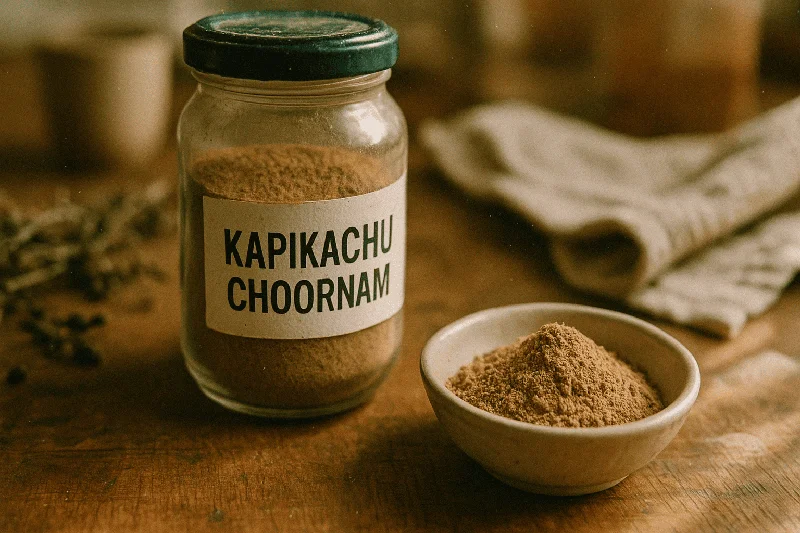
Kapikachu Choornam is a classical Ayurvedic herbal powder made primarily from the seeds of Mucuna pruriens (Kapikacchu), a tropical legume naturally rich in L-DOPA — the direct precursor to the neurotransmitter dopamine. Used for centuries to boost vitality, support neurological health, and enhance reproductive function, this churna remains one of Ayurveda's most evidence-backed formulations. Whether you're exploring it for Parkinson's management, male fertility, stress relief, or general rejuvenation, this guide covers everything — from classical Ayurvedic references and precise dosage protocols to modern clinical trials and head-to-head comparisons with synthetic Levodopa.
What Is Kapikachu Choornam?
Kapikachu Choornam (also spelled Kapikacchu Churna) is a fine herbal powder prepared from the dried, processed seeds of Mucuna pruriens, commonly known as velvet bean or cowhage. In Kerala Ayurvedic tradition, it is referenced in the classical text Sahasrayogam and manufactured by established pharmacies like Vaidyaratnam and Kottakkal.
The name "Kapikacchu" itself is Sanskrit — Kapi means monkey, and kacchu means itching. This refers to the plant's hairy seed pods, which cause intense itching on contact. But once the seeds are properly processed and powdered, the resulting choornam is entirely safe for internal use.
Unlike many multi-herb formulations, Kapikachu Choornam is relatively simple in composition, which makes its effects more predictable and its mechanism easier to study scientifically.
Key Ingredient — Mucuna pruriens (Kapikacchu)
The star ingredient is Mucuna pruriens, a climbing legume native to tropical regions of India, Africa, and the Caribbean.
The seeds contain:
- L-DOPA (Levodopa): 3.6–6% of seed dry weight — the compound responsible for most of its neurological and hormonal effects
- Proteins: approximately 20–29% crude protein content
- Fatty acids: including linoleic acid and oleic acid
- Minerals: iron, manganese, zinc, phosphorus, magnesium
- Other bioactives: serotonin, nicotine (trace amounts), bufotenine, beta-carboline alkaloids, tannins, and flavonoids
This rich phytochemical profile is what makes Kapikachu far more than just a "natural Levodopa source." The synergy between these compounds contributes to antioxidant, anti-inflammatory, and adaptogenic effects that isolated L-DOPA simply cannot replicate.
Ayurvedic Properties (Rasa, Guna, Vipaka, Veerya)
| Property | Value |
|---|---|
| Rasa (Taste) | Madhura (Sweet), Tikta (Bitter) |
| Guna (Quality) | Guru (Heavy), Snigdha (Unctuous) |
| Veerya (Potency) | Ushna (Hot) |
| Vipaka (Post-digestive effect) | Madhura (Sweet) |
| Prabhava (Special action) | Vrishya (Aphrodisiac), Balya (Strength-promoting) |
Effect on Doshas (Vata, Pitta, Kapha)
Kapikachu Choornam primarily pacifies Vata dosha due to its sweet taste, heavy quality, and hot potency. Its unctuous nature nourishes the tissues and calms the nervous system — both Vata-dominant functions.
It also balances Kapha to some extent through its bitter taste component. However, because of its heavy and unctuous qualities, excessive use in Kapha-dominant individuals may increase congestion. People with a strong Pitta constitution should use it cautiously, as its Ushna Veerya can aggravate Pitta in some cases.
Historical & Classical Significance in Ayurveda
References in Charaka Samhita and Sushruta Samhita
Kapikacchu appears in multiple classical Ayurvedic texts:
- Charaka Samhita classifies it under the Balya group (strength-promoting herbs) and Madhura Skandha (sweet-tasting drug group)
- Sushruta Samhita places it in the Vidarigandhadhi gana
- Bhavaprakasha Nighantu describes it extensively as a Vajikara (aphrodisiac) and Rasayana (rejuvenative)
The herb goes by numerous Sanskrit synonyms, each revealing a different aspect of its nature: Atmagupta (self-protected, referring to the itchy pod covering), Markati (related to monkeys), Kapikacchu, Vanari, and Prostaparni.
Traditional Uses Across Indian Medicine Systems
Beyond classical Ayurveda, Mucuna pruriens has been used in Siddha medicine (where it's known as Poonaikkaali) and in various tribal medicinal traditions across India for treating snake bites, intestinal parasites, and nervous disorders. This cross-system validation is rare and speaks to the plant's genuine therapeutic versatiliy.
How Does Kapikachu Choornam Work? The L-DOPA Connection
The primary mechanism of action revolves around L-DOPA (3,4-dihydroxy-L-phenylalanine), which crosses the blood-brain barrier and gets converted into dopamine by the enzyme aromatic L-amino acid decarboxylase.
Dopamine is critical for:
- Motor control — deficiency causes Parkinsonian symptoms
- Mood regulation — low levels are linked to depression and anhedonia
- Motivation and reward — drives goal-directed behavior
- Hormonal regulation — dopamine inhibits prolactin, thereby supporting testosterone production and reproductive function
- Sleep-wake cycles — influences circadian rhythm
But here's what makes Kapikachu different from synthetic Levodopa: the whole-plant matrix contains additional compounds like antioxidants, anti-inflammatory agents, and neuroprotective flavonoids that appear to modulate how L-DOPA is absorbed and utilized. A 2004 study published in the Journal of Alternative and Complementary Medicine by Katzenschlager et al. found that Mucuna pruriens seed powder produced faster onset of action and longer duration of effect compared to standard synthetic Levodopa in Parkinson's patients — with fewer dyskinesias.
Natural L-DOPA vs Synthetic Levodopa: A Direct Comparison
No competitor has laid this out clearly, so here's a practical comparison:
| Parameter | Kapikachu (Natural L-DOPA) | Synthetic Levodopa (Sinemet etc.) |
|---|---|---|
| L-DOPA Content | 3.6–6% of seed weight | Standardized exact dose |
| Bioavailability | Potentially higher due to co-occurring compounds (Katzenschlager et al., 2004) | Requires carbidopa to prevent peripheral metabolism |
| Onset of Action | Faster (avg. 34.6 min vs 68.4 min in one clinical study) | Slower without adjuncts |
| Duration of Effect | Longer "on" time without dyskinesia | Shorter, higher peak-trough fluctuation |
| Side Effects | Milder nausea, fewer dyskinesias in studies | Dyskinesia, nausea, "on-off" phenomenon common |
| Additional Benefits | Antioxidant, adaptogenic, hormonal support | Purely dopaminergic |
| Cost (India) | ₹80–200 per 100g (~2 month supply) | ₹150–500/month depending on dose |
| Standardization | Variable unless tested; depends on manufacturer | Precisely standardized |
| Regulatory Status | Ayurvedic medicine; AYUSH regulated | Prescription pharmaceutical |
Important caveat: Natural L-DOPA from Mucuna should not be considered a direct replacement for prescribed Levodopa in diagnosed Parkinson's patients without neurologist supervision. The lack of precise standardization means dose consistency can vary between batches.
Kapikachu Choornam Benefits: Evidence-Based Analysis
Neurological Health & Parkinson's Disease Support
The most researched benefit. A landmark 2017 study in the Journal of Neurology (Cilia et al.) compared Mucuna pruriens powder with synthetic Levodopa/carbidopa in 18 Parkinson's patients in a randomized, double-blind crossover trial. Results showed that high-dose Mucuna (17.5 mg/kg of L-DOPA equivalent) produced comparable motor improvements with a significantly better tolerability profile.
Another study published in Phytotherapy Research (2012) demonstrated that Mucuna seed extract reduced neurodegeneration in MPTP-induced Parkinson's models in rats, showing neuroprotective effects beyond simple dopamine replacement.
Male Reproductive Health & Fertility
A 2009 study by Ahmad et al. in Fertility and Sterility examined 75 men undergoing infertility screening and 75 healthy controls. Treatment with Mucuna pruriens seed powder (5g/day for 3 months) resulted in:
- Significant increase in sperm count and motility
- Improved semen quality parameters
- Reduced lipid peroxide levels in seminal plasma
- Elevated dopamine, adrenaline, and noradrenaline levels
- Increased testosterone in infertile men to near-normal levels
The mechanism involves dopamine-mediated suppression of prolactin. Elevated prolactin is a known suppressor of GnRH, which in turn reduces testosterone. By normalizing dopamine, Kapikachu indirectly restores the HPG (hypothalamic-pituitary-gonadal) axis.
Benefits for Women — An Overlooked Area
Most resources barely mention women.
Here's what the evidence actually shows:
- PCOS (Polycystic Ovary Syndrome): Elevated prolactin can contribute to anovulation in PCOS. Mucuna's dopaminergic action may help normalize prolactin levels, potentially supporting regular ovulation. However, dedicated RCTs in PCOS women are still lacking.
- Stress and cortisol: A 2008 study (Shukla et al., Evidence-Based Complementary and Alternative Medicine) showed that Mucuna significantly reduced cortisol levels in stressed infertile men. While this study was male-focused, cortisol regulation is equally relevant for women dealing with stress-related hormonal imbalances.
- Iron supplementation: The seeds' significant iron content (up to 13.6 mg per 100g in some analyses) could support women at risk of iron deficiency anemia.
Caution: Women who are pregnant, breastfeeding, or on hormonal contraceptives should avoid Kapikachu Choornam unless specifically advised by a qualified Ayurvedic practioner.
Muscle Building, Sports Performance & Bodybuilding
Kapikachu has gained popularity in fitness communities, and for good reason:
- Testosterone boost: The reduction in prolactin and cortisol, combined with improved dopamine, creates a hormonal environment conducive to muscle growth. Shukla et al. (2009) reported a significant increase in testosterone levels.
- Growth Hormone: Dopamine stimulates growth hormone release from the pituitary gland. A study in the Journal of Sports Science & Medicine (2008) noted increased GH levels after Mucuna supplementation.
- Recovery: The anti-inflammatory and antioxidant properties may reduce exercise-induced oxidative stress.
Suggested Protocol for Athletic Use
| Parameter | Recommendation |
|---|---|
| Dosage | 3–5g of choornam per day |
| Timing | 30–45 minutes before workout or before bed (GH peaks during sleep) |
| Cycle | 8 weeks on, 2–4 weeks off to prevent dopamine receptor downregulation |
| Stack with | Ashwagandha Churna for synergistic testosterone and cortisol effects |
| Medium | Warm milk with honey, or blended into a protein shake |
Stress, Anxiety, Sleep & Cortisol Reduction
This is an area competitors mention in passing but don't substantiate.
The data is actually quite compelling:
- The 2008 Shukla et al. study found that Mucuna pruriens treatment significantly reduced psychological stress markers and lowered serum cortisol across all studied groups.
- Dopamine's role in the reward system means improved motivation and mood, which indirectly addresses anxiety and mild depressive symptoms.
- L-DOPA is also a precursor in the melanin synthesis pathway and influences melatonin regulation, potentially supporting better sleep architecture.
However, people with diagnosed anxiety disorders — especially those on SSRIs, SNRIs, or MAO inhibitors — must consult their doctor before using Kapikachu, as dopaminergic interactions can be unpredictable.
Digestive & Immune Support
Traditional Ayurvedic texts describe Kapikachu as Deepana (appetite-stimulating) and Krimighna (anti-parasitic). Modern research has shown antimicrobial activity against several bacterial and fungal strains. The high protein and mineral content also supports general nutritional status, which is fundamental to immune resilience.
How to Use Kapikachu Choornam: Dosage & Administration
Standard Dosage Guidelines
| Age Group | Dosage | Frequency | Medium |
|---|---|---|---|
| Adults (general wellness) | 3–5g (½ to 1 teaspoon) | 1–2 times daily | Warm milk, honey, or ghee |
| Adults (therapeutic, under guidance) | 5–10g | 1–2 times daily | As prescribed |
| Elderly (60+) | 2–3g | Once daily | Warm milk with a pinch of cardamom |
| Adolescents (15-18) | 1–3g | Once daily | With milk or honey |
| Children below 15 | Not generally recommended | — | — |
Best time to take: Before meals or at bedtime. For reproductive health, bedtime with warm milk is traditional. For energy and mood, morning on an empty stomach works well.
Traditional Home Remedies with Kapikachu
These are time-tested classical applications from texts like Bhavaprakasha:
For Sexual Debility & Low Libido
Mix 5g Kapikachu Choornam with warm milk and 1 teaspoon of ghee. Add a pinch of nutmeg. Take at bedtime for 40–60 days.
For Body Pain & Vata Disorders
Combine 3g Kapikachu with 3g Ashwagandha Churna in warm milk. Twice daily for 30 days.
For Nervousness & Irritability
Mix 3g Kapikachu Choornam with equal parts Brahmi Churna. Take with honey twice daily.
For Age-Related Weakness (Geriatric Tonic)
Prepare a paste of 5g Kapikachu with ghee and sugar. Take once daily with warm milk. This acts as a rasayana (rejuvenative).
For Healthy Weight Gain
Mix 5g Kapikachu Choornam with 5g Shatavari Churna in warm milk with jaggery. Take twice daily after meals.
How Long Does It Take to Show Effects?
Set realistic expectations:
- Energy and mood improvement: 1–2 weeks
- Reproductive and hormonal effects: 4–8 weeks of consistent use
- Neurological benefits (Parkinson's): Initial motor improvements may appear within days (as seen in clinical trials), but sustained benefits require ongoing, monitored use
- Muscle and fitness benefits: 6–8 weeks minimum
Don't wait or self medicate. Start chat with Doctor NOW
Side Effects and Safety Precautions
Common Side Effects
- Most people tolerate Kapikachu Choornam well at recommended doses.
- However, possible side effects include:
- Mild nausea (especially on empty stomach at higher doses)
- Gastric burning or heartburn
- Constipation in some individuals
- Headache
- Insomnia (if taken late and dose is too high)
These typically resolve by reducing the dose or taking it with food.
Serious Contraindications & Drug Interactions
This is critical information that most resources skim over:
| Condition/Medication | Risk | Recommendation |
|---|---|---|
| MAO inhibitors (phenelzine, tranylcypromine) | Hypertensive crisis — L-DOPA + MAO inhibitor can cause dangerous blood pressure spikes | Absolutely avoid |
| Antipsychotics (haloperidol, risperidone) | Dopamine agonism opposes antipsychotic dopamine-blocking action | Avoid without psychiatrist approval |
| Schizophrenia/Psychosis | Increased dopamine can worsen psychotic symptoms | Contraindicated |
| Cardiovascular disease | L-DOPA can cause hypotension or cardiac arrhythmias at high doses | Use only under medical supervision |
| Diabetes medications | Mucuna may lower blood sugar, compounding hypoglycemic drug effects | Monitor glucose closely |
| Pregnancy & Breastfeeding | Insufficient safety data; L-DOPA crosses placenta | Avoid |
| Pre-surgery | May interact with anesthesia and affect blood pressure | Stop 2 weeks before surgery |
| Liver or kidney disease | Altered metabolism of L-DOPA | Medical supervision required |
Compatibility with Other Systems of Medicine
Kapikachu Choornam is generally compatible with homeopathic remedies, as they operate on different pharmacological principles. When combining with other Ayurvedic formulations, there's usually good synergy — common pairings include Ashwagandha, Shatavari, and Gokshura. However, combining with allopathic dopaminergic drugs requires careful dose adjustment by a qualified physician.
Choornam vs Tablets vs Extract vs Capsules: Which Form Is Best?
| Form | L-DOPA Content | Absorption | Flexibility | Best For |
|---|---|---|---|---|
| Choornam (Powder) | Natural (3.6–6%) | Good; whole-plant matrix aids bioavailability | Dose easily adjustable | Traditional use, home remedies, those comfortable with powder |
| Tablets | Standardized | Moderate | Fixed dose | Convenience, travel |
| Standardized Extract | High (15–50% L-DOPA) | Very high | Potent; small dose needed | Targeted therapeutic use (e.g., Parkinson's support) |
| Capsules | Varies | Good | Fixed dose, no taste | Those who dislike the earthy taste |
Our recommendation: For general wellness and traditional Ayurvedic use, choornam is preferred because you can adjust the dose, combine it with anupanas (vehicles like milk, ghee, honey), and benefit from the full spectrum of compounds. Standardized extracts are better suited for specific clinical applications under practitioner guidance.
Storage, Shelf Life & Quality Standards
How to Store Kapikachu Choornam
- Keep in an airtight, food-grade container (glass or BPA-free plastic)
- Store in a cool, dry place away from direct sunlight
- Avoid moisture — never use a wet spoon to scoop the powder
- Shelf life: typically 2–3 years from manufacturing date when stored properly (check manufacturer's label)
- Discard if you notice any change in color, smell, or clumping due to moisture
Certifications to Look For
When purchasing, verify these quality markers:
- AYUSH license — mandatory for Ayurvedic manufacturers in India
- GMP (Good Manufacturing Practices) certification
- FSSAI registration for food safety compliance
- Organic certification (India Organic / USDA Organic) if you prefer organic sourcing
- Heavy metal testing — reputable brands test for lead, mercury, arsenic, and cadmium
- L-DOPA content verification — some premium brands state the L-DOPA percentage on the label
Ayurvedic Formulations Containing Mucuna pruriens
For those who want Mucuna as part of a broader formulation, classical preparations include:
- Mushalyadi Churna
- Vanari Gutika
- Manmath Ras
- Mashabaladi Kashaya
- Kapikachu Rasayana
Nutritional Profile of Mucuna pruriens Seeds
No competitor provides this level of detail. Per 100g of processed seeds (approximate values based on published analyses):
| Nutrient | Amount |
|---|---|
| Protein | 20–29g |
| Carbohydrates | 50–60g |
| Fat | 6–10g |
| Fiber | 8–12g |
| Iron | 10–14 mg |
| Phosphorus | 300–400 mg |
| Magnesium | 150–200 mg |
| Zinc | 3–7 mg |
| Potassium | 800–1100 mg |
| L-DOPA | 3,600–6,000 mg |
| Vitamin B1 (Thiamine) | 0.4–0.6 mg |
| Vitamin B3 (Niacin) | 1.5–2.5 mg |
This makes Mucuna seeds nutritionally comparable to other legumes like lentils, with the remarkable addition of therapeutic levels of L-DOPA.
Frequently Asked Questions (FAQ)
What is Kapikachhu used for?
Kapikachhu (Kapikachu) is primarily used for neurological support (especially Parkinson's disease symptoms), enhancing male fertility and sexual health, reducing stress and cortisol, boosting muscle strength and energy, and as a general rejuvenative tonic in Ayurveda.
Is Kapikachu Choornam good for muscles?
- Yes. Through its effects on testosterone, growth hormone, and cortisol, Kapikachu Choornam supports muscle recovery and growth.
- It's not a steroid — it works by optimizing your natural hormonal environment. Best results come when combined with consistent resistance training and adequate protein intake.
Is it safe for long-term use?
At standard doses (3–5g/day), Kapikachu Choornam is generally safe for periods of 3–6 months. For continuous long-term use beyond 6 months, cycling (8 weeks on, 2–4 weeks off) is advisable to prevent potential dopamine receptor desensitization. Always consult an Ayurvedic practitioner for personalized guidance.
Can I take Kapikachu Choornam with Ashwagandha?
- Yes, this is actually a classical combination. Ashwagandha complements Kapikachu by providing GABAergic calming effects while Kapikachu provides dopaminergic stimulation.
- Together they support both relaxation and vitality — a balanced approach for stress, energy, and hormonal health.
What is the difference between Kapikachu Choornam and Kapikachhu Tablet?
The active ingredient is the same — Mucuna pruriens. The choornam is the traditional powder form that allows flexible dosing and combination with various anupanas. Tablets are compressed for convenience but offer less flexibility. Choornam is generally considered more bioavailable in traditional Ayurvedic practice because the vehicle (milk, ghee, honey) enhances absorption.
What exactly is Parkinsonism, and how does Ayurveda approach its treatment?
- Parkinsonism refers to a group of neurological conditions characterized by tremor, rigidity, and slowness of movement, caused by reduced dopamine in the brain.
- In Ayurveda, this is correlated with Kampa Vata — a Vata disorder affecting the nervous system. Kapikachu Choornam is one of the primary herbs used alongside Panchakarma therapies (especially Basti and Nasya) and other nervine tonics like Brahmi and Ashwagandha.
Can women take Kapikachu Choornam?
Women can take it under practitioner supervision for specific indications like elevated prolactin, low energy, or stress-related hormonal imbalances. It should be avoided during pregnancy, breastfeeding, and by women on hormonal medications unless cleared by a doctor.
Final Thoughts: Is Kapikachu Choornam Right for You?
Kapikachu Choornam stands at a rare intersection — an ancient Ayurvedic remedy with genuinely strong modern scientific validation. Its rich L-DOPA content, combined with a synergistic blend of proteins, minerals, and bioactive compounds, makes it far more than a one-trick supplement.
That said, it's not a casual herb. The dopaminergic activity means it interacts with brain chemistry in meaningful ways, and it demands respect — proper dosing, awareness of contraindications, and ideally guidance from a qualified Ayurvedic physician.
Start low (3g/day), observe your body's response for a week, and increase gradually. Combine with appropriate anupanas. Cycle your usage. And if you're managing a serious condition like Parkinson's disease, work with both your neurologist and Ayurvedic practitioner to integrate Kapikachu safely into your treatment plan. This article is for informational purposes only and does not replace professional medical advice. Always consult a qualified healthcare practitioner before starting any new supplement, especially if you are on medication or have pre-existing health conditons.
Scientific Sources
- The Role of Ayurveda in Chronic Disease Management: A Review of Clinical Evidence — Karambhe AD et al., 2026, Cureus
- Ayurveda and Epigenetics — Sharma H et al., 2020, Medicina (Kaunas, Lithuania)
- Polycystic Ovary Syndrome: A Disorder of Reproductive Age, Its Pathogenesis, and a Discussion on the Emerging Role of Herbal Remedies — Zeng LH et al., 2022, Frontiers in pharmacology
- Complete Resolution of Plantar Psoriasis With Ayurveda, A Case Report — Borse S et al., 2024, Alternative therapies in health and medicine
- Lifestyle - A Common Denominator for the Onset and Management of Migraine Headache: Complementing Traditional Approaches with Scientific Evidence — Vasudha MS et al., 2019, International journal of yoga
- Development process of a clinical guideline to manage type 2 diabetes in adults by Ayurvedic practitioners — Chattopadhyay K et al., 2023, Frontiers in medicine
- A comprehensive yoga programme for weight reduction in children & adolescents with obesity: A randomized controlled trial — Jain V et al., 2022, The Indian journal of medical research
- Ayurveda for Modern Obstetrics — Pisani-Conway C, 2021, Clinical obstetrics and gynecology
- Green jackfruit flour ameliorates MASH and development of HCC via the AMPK and MAPK signaling pathways in experimental model systems — Suresh D et al., 2025, Scientific reports
- Updates in Parkinson's Disease Integrative Therapies: an Evidence-Based Review — Kola S et al., 2023, Current neurology and neuroscience reports
- A 4-Month Whole-Systems Ayurvedic Medicine Nutrition and Lifestyle Intervention Is Feasible and Acceptable for Breast Cancer Survivors: Results of a Single-Arm Pilot Clinical Trial — Dhruva A et al., 2020, Global advances in health and medicine
- Management of Pandu (Iron Deficiency Anaemia) through Ayurveda — Davkare M et al., 2025, Journal of pharmacy & bioallied sciences
- Estimation of prakriti (body constitution) in women of Eastern Maharashtra tribal belt of central India featuring early and premature menopause — Tawalare K et al., 2024, Journal of family medicine and primary care
- Aloe vera in diabetic dyslipidemia: Improving blood glucose and lipoprotein levels in pre-clinical and clinical studies — Deora N et al., 2022, Journal of Ayurveda and integrative medicine
- Effect of an Innovative Online Ayurveda Program for Detox and Lifestyle on Mental and Physical Health in Home-Based Adults: A Pilot Study — Luhaste V et al., 2025, Journal of integrative and complementary medicine
- Navigating Careers in Ayurveda: A Comprehensive Needs Assessment for Introducing a Career Guidance Module — Telang-Chaudhari S et al., 2024, Cureus
- A Scoping Review of Ayurveda Studies in Women with Polycystic Ovary Syndrome — Rao VS et al., 2023, Journal of integrative and complementary medicine
- MANAGING ARTHRITIS PAIN: MEDICATIONS AND LIFESTYLE CHANGES — Goyal B et al., 2023, Georgian medical news
- Reversal of type 2 diabetes mellitus through integrated Ayurveda dietary protocol - A case report — Kumari S et al., 2024, Journal of Ayurveda and integrative medicine
- Advancing the one health approach through integration of Ayush systems: Opportunities and way forward — Kumar S et al., 2023, Journal of family medicine and primary care
Questions from users
What are the traditional uses of Kapikachu in Ayurvedic medicine?
Client_fb260a
3 days ago
Kapikachu, or Mucuna pruriens, is traditionally used in Ayurvedic medicine primarily for its neuroprotective properties due to its high L-DOPA content. It is often used as a rejuvenative (rasayana), supporting nervous system health and mental well-being. Kapikachu is also employed to promote healthy weight gain and as a tonic for age-related weakness. Cycles of use are typically recommended for optimal effectiveness. Despite its benefits, potential side effects like nausea highlight the importance of consulting a healthcare provider before use, especially if you’re on medications or have health concerns.
How does Kapikachu Choornam interact with other natural remedies?
Client_c1ea98
8 days ago
Kapikachu Choornam, made from Mucuna pruriens, interacts well with other natural remedies, often creating synergistic effects. For example, when combined with Ashwagandha, it provides both dopaminergic stimulation and calming GABAergic effects. This combination can enhance relaxation, vitality, and hormonal health. Typical use involves taking Kapikachu Choornam twice daily for about 30 days. Observe for any unusual symptoms; consult a doctor if concerned about interactions with medications or specific health conditions. Prior to starting Kapikachu with any supplements, especially those affecting hormones or the nervous system, professional medical advice ensures safe integration.
What are the potential side effects of taking Kapikachu Choornam?
Client_050a7c
13 days ago
Kapikachu Choornam, containing L-DOPA, can cause side effects such as nausea, headaches, or dizziness due to its impact on dopamine levels. Other potential effects include insomnia, hypertension, and changes in mood or gastrointestinal issues. These side effects typically occur when the choornam affects dopamine regulation too aggressively or when dosages are not consistent. Monitor for any significant or persistent symptoms and consult a doctor for dosing guidance or if you experience severe reactions. It's particularly important for those with pre-existing health conditions or those taking medications to consult a healthcare provider before use.
How does Kapikachu Choornam affect women's reproductive health?
Client_4c4961
18 days ago
Kapikachu Choornam, made from Mucuna pruriens, can positively influence women's reproductive health primarily by modulating hormone levels. Its dopaminergic effect may help regulate prolactin levels, which could support regular ovulation and potentially improve fertility. Effects vary per individual, but some may experience benefits within a few months. Watch for any side effects like gastrointestinal discomfort. Consultation with a healthcare provider is recommended, especially if experiencing menstrual irregularities or if considering it for fertility concerns.
How does Mucuna pruriens seed powder impact testosterone levels in men?
Client_4f6bd9
27 days ago
Mucuna pruriens seed powder may help increase testosterone levels in men, especially those experiencing infertility. Studies indicate that consuming 5 grams daily for 3 months can enhance sperm count and motility, improve semen quality, and elevate testosterone to near-normal levels in infertile men. This occurs through dopamine-mediated suppression of prolactin, which can indirectly boost testosterone. Look out for potential side effects like gastrointestinal issues. Consult a healthcare provider before starting, especially if managing conditions like Parkinson's disease.
What nutrients are found in Kapikachu Choornam that support male fertility?
Client_de9c3a
37 days ago
Kapikachu Choornam, derived from the plant Mucuna pruriens, contains L-DOPA, a precursor to dopamine, which supports male fertility by increasing testosterone levels. This boost in testosterone can enhance sperm quality and overall reproductive health. Additionally, Mucuna pruriens may help improve semen quality by increasing sperm count and motility. For those considering supplementation, it's important to monitor for any adverse effects and consult a doctor, especially if there are existing health conditions or fertility issues, to ensure the supplement is appropriate for individual needs.
What are the benefits of taking Kapikachu Choornam for hormonal balance?
Client_09143b
47 days ago
Kapikachu Choornam, made from Mucuna pruriens seeds, may support hormonal balance by increasing dopamine levels, which in turn can stimulate the release of growth hormones. This can potentially enhance reproductive health and improve mood. While traditional use suggests consuming it at bedtime with warm milk for 40–60 days for optimal results, individual responses can vary. If considering Kapikachu for hormonal balance, consult with a healthcare provider to ensure it aligns with your specific health needs and conditions, especially if you are on other medications or have pre-existing health issues.
How does Kapikachu Choornam support muscle strength and recovery?
Client_bcfefc
57 days ago
Kapikachu Choornam, derived from the seeds of the Mucuna pruriens plant, can support muscle strength and recovery primarily due to its high L-DOPA content, which helps increase dopamine levels in the body. This can lead to improved muscle function and potentially better recovery times. Typically, users may notice effects within a few weeks, but individual responses can vary. It is important to cycle its use as long-term continuous consumption may lead to dopamine receptor desensitization. For those experiencing persistent muscle weakness or recovery issues, consulting a doctor before starting any supplement regimen is advisable.
Can Kapikachu Choornam help improve mood and mental clarity?
Client_af649a
66 days ago
Kapikachu Choornam, made from Mucuna Pruriens, can help with mood and mental clarity due to its natural levodopa, which boosts dopamine in the brain. It might assist with mental sharpness, but it's also important to balance your diet and lifestyle to support Vata and Pitta doshas for best results.
Can Kapikachu Choornam help improve sleep quality and reduce insomnia symptoms?
Client_e326a8
76 days ago
Kapikachu Choornam, because it's rich in L-DOPA, could help with sleep since L-DOPA aids melatonin regulation, aiding sleep architecture. However, for insomnia, it's best consider your dosha balance and other lifestyle factors as well. Always check with your doc, especially if you're on meds, before trying somethng new. 💤
Related articles
Gastrointestinal Disorders
Tulasi Kantakari: Uses, Benefits, and Ayurvedic Applications
Discover the benefits, proper dosage, uses, and scientific evidence behind Tulasi Kantakari, a potent Ayurvedic herb for holistic health and wellness.
3,211

Gastrointestinal Disorders
Gulma Chikitsa: Ayurvedic Approach to Abdominal Distention and Discomfort
Explore Gulma Chikitsa, an Ayurvedic approach to treating Gulma conditions. Learn about its causes, herbal remedies, dietary guidelines, and holistic therapies for effective management.
3,910

Gastrointestinal Disorders
Ayurvedic Treatment For Digestive Problems
As people get busy with their work-life one of the first things that they tend to forget is the importance of digestion.
2,954

Gastrointestinal Disorders
Kolakulathadi Choornam Benefits, Ingredients, Side Effects
Exploration of Kolakulathadi Choornam Benefits, Ingredients, Side Effects
2,116
Gastrointestinal Disorders
Lashuna Rasayana – Ayurvedic Rejuvenative Tonic for Overall Health
Discover Lashuna Rasayana, an Ayurvedic formulation based on garlic known for its rejuvenative and immune-boosting properties. Learn about its benefits, usage guidelines, and precautions for holistic well-being.
3,712

Gastrointestinal Disorders
Swarn Sutshekhar Ras: Benefits, Dosage & Uses Explained
Explore Swarn Sutshekhar Ras benefits, uses, dosage, and precautions. Learn about its Ayurvedic significance and evidence-based applications for health and vitality.
4,173

Gastrointestinal Disorders
Punarnavashtak Kwath Churna: Benefits, Dosage & Scientific Insights
Explore the benefits, proper dosage, uses, and scientific research behind Punarnavashtak Kwath Churna, a potent Ayurvedic herbal formulation.
5,487

Gastrointestinal Disorders
Bahusalagulam: Ayurvedic Medicine for Detoxification and Immunity
Discover the uses, benefits, proper dosage, and scientific research behind Bahusalagulam, a potent Ayurvedic formulation for digestive health and metabolic support.
3,662

Gastrointestinal Disorders
Effective Ayurvedic Treatment for BPH: Natural Remedies and Solutions
Discover effective ayurvedic treatment for BPH methods, natural remedies, and holistic approaches to manage benign prostatic hyperplasia using ancient wisdom.
4,103

Gastrointestinal Disorders
Anuloma Churna Uses – Ayurvedic Powder for Digestive Health & Detoxification
Explore the benefits of Anuloma Churna, a traditional Ayurvedic powder formulated to support digestion, relieve constipation, and promote detoxification for overall well-being.
4,142
Related consultations on the topic
Legal
Additional Documents
© 2024 Ask Ayurveda. All rights reserved.