Amorex Tablet: Ayurvedic Benefits and How It Supports Well-being
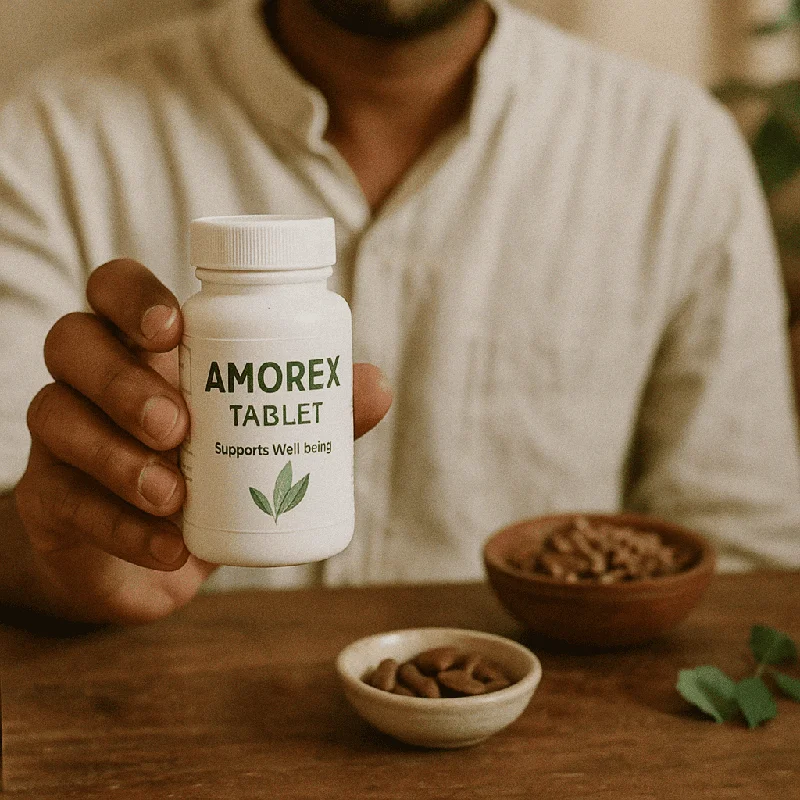
Amorex Tablet is a proprietary Ayurvedic formulation manufactured by Ayurchem Products, primarily used to treat secondary amenorrhea (absence of menstrual periods) and other menstrual irregularities in women. It combines traditional herbs like Karpasa, Citraka, Kanyasara, and mineral preparations such as Kasis Bhasma to restore normal menstrual flow, balance hormones naturally, and support overall reproductive health. Unlike synthetic hormonal therapies, Amorex works through a multi-herb synergy rooted in classical Ayurvedic principles — and in this guide, we'll cover everything you need to know before using it.
- If you've been searching for clear, accurate, and evidence-backed information about this tablet, you're in the right place.
- There's a surprising amount of misinformation online — including at least one prominent website that incorrectly describes Amorex as containing Megestrol Acetate and Oxandrolone (synthetic steroidal compounds). That's completely wrong. Amorex Tablet is a 100% herbal Ayurvedic product, and we'll set the record straight below.
What Is Amorex Tablet?
Amorex Tablet is a proprietary Ayurvedic medicine classified under uterine stimulants and emmenagogues — substances that promote or regulate menstrual flow. It's manufactured by Ayurchem Products, a GMP-certified pharmaceutical company based in India that specializes in classical and proprietary Ayurvedic formulations.
The tablet is specifically formulated for women experiencing menstrual cycle disruptions, with secondary amenorrhea being its primary indication. Secondary amenorrhea refers to the absence of menstruation for three or more consecutive months in a woman who previously had regular periods. This condition can result from stress, hormonal imbalance, PCOS, sudden weight changes, or other underlying health factors.
Manufacturer Profile: Ayurchem Products
Ayurchem Products operates under a GMP (Good Manufacturing Practices) license issued as per Schedule T of the Drugs & Cosmetics Act, 1940 — which is the regulatory standard for Ayurvedic, Siddha, and Unani medicines in India. The company manufactures a range of classical and proprietary Ayurvedic formulations, and Amorex is among their well-known products in the gynecological category.
While detailed public information about Ayurchem's founding year and full product portfolio is somewhat limited compared to larger companies like Dabur or Baidyanath, their GMP certification confirms adherence to standardized manufacturing protocols including raw material testing, in-process quality checks, and batch-wise consistency.
Form, Packaging & Storage
There's some confusion online — a few sources refer to "Amorex Capsule" while others say "Amorex Tablet." The product manufactured by Ayurchem Products is available in tablet form. It typically comes in blister packs or bottles containing 30 or 60 tablets, depending on the retailer.
| Detail | Specification |
|---|---|
| Form | Tablet (not capsule) |
| Typical Pack Sizes | 30 tablets / 60 tablets |
| Manufacturer | Ayurchem Products |
| Category | Proprietary Ayurvedic Medicine |
| Storage | Cool, dry place away from direct sunlight |
| Shelf Life | Typically 3 years from manufacture date (check packaging) |
Store your tablets in a cool, dry place below 30°C, away from direct sunlight and moisture. Always check the expiry date printed on the packaging before use.
Complete Composition of Amorex Tablet: What's Inside?
Understanding what goes into Amorex is critical — especially since one popular website incorrectly lists synthetic ingredients. Here's the actual, verified composition of Amorex Tablet based on its product labeling.
Primary Herbal Ingredients
Karpasa (Gossypium herbaceum) — Cotton Plant
Karpasa, or the cotton root bark, has been used in Ayurveda as a uterine stimulant and emmenagogue for centuries. A study published in the Journal of Ethnopharmacology (2012) confirmed that Gossypium herbaceum root extract demonstrates significant uterotonic activity, meaning it stimulates uterine contractions and promotes menstrual flow. In Amorex, Karpasa serves as one of the primary active ingredients for restoring menstruation.
Citraka (Plumbago zeylanica) — Leadwort
Citraka is a powerful Ayurvedic herb known for its deepana (appetizing) and pachana (digestive) properties. But beyond digestion, Citraka is valued in gynecology for its ability to stimulate Agni (metabolic fire) in the pelvic region. Research published in Phytomedicine (2009) has shown that plumbagin — the key bioactive compound in Citraka — exhibits anti-inflammatory and hormone-modulating effects. It helps clear obstructions in the reproductive channels (Artavavaha Srotas in Ayurvedic terminology).
Gajar (Daucus carota) — Wild Carrot
Wild carrot seeds have a long history of use as a reproductive remedy across multiple traditional medicine systems. A 2003 review in the Journal of Ethnopharmacology documented that Daucus carota seed extract influences estrogenic activity and has been traditionally used to regulate menstrual cycles. In Amorex, Gajar contributes phytoestrogens and antioxidants that support hormonal equilibrium.
Kanyasara (Aloe barbadensis) — Aloe Vera
Aloe vera is one of the most well-researched plants in Ayurveda. Kumari (as it's known in Sanskrit) acts as a natural purgative and blood purifier. Its relevance in Amorex relates to its ability to clear toxins (Ama) from the reproductive system and promote healthy endometrial lining. A 2014 study in BMC Complementary Medicine and Therapies noted that Aloe vera extracts demonstrate phytoestrogenic activity, which can support menstrual regularity.
Ishvari (Aristolochia indica) — Indian Birthwort
- Ishvari has been used in classical Ayurvedic gynecological formulations for centuries. It's traditionally indicated for amenorrhea and dysmenorrhea. The plant contains aristolochic acids and other bioactive compounds that stimulate uterine function.
- Important note: Aristolochia species require careful processing (shodhana) to minimize potential nephrotoxicity — this is why Amorex should only be taken under medical supervision and not self-prescribed.
Shuddha Hingu (Ferula foetida) — Purified Asafoetida
Asafoetida is commonly known as "Hing" in Indian kitchens, but its purified medicinal form (Shuddha Hingu) has potent antispasmodic and carminative properties. It helps relieve uterine spasms, reduces bloating associated with menstrual irregularities, and supports smooth muscle relaxation. Research in the Iranian Journal of Pharmaceutical Research (2015) confirmed its antispasmodic effects on smooth muscle tissue.
Bol (Commiphora myrrha) — Myrrh
Myrrh has been used across Ayurveda, Traditional Chinese Medicine, and ancient Egyptian medicine for reproductive health. It has anti-inflammatory and circulation-enhancing properties. In Amorex, Bol helps improve blood circulation to the pelvic area and supports the body's natural inflammation response during menstruation.
Mineral & Processed Ingredients
Shudha Tankan (Purified Borax)
Tankan Bhasma is a classical Ayurvedic mineral preparation used as a uterine cleanser and emmenagogue. After purification (shodhana), it becomes safe for internal use and acts to clear kapha-related obstructions in the reproductive tract.
Kasis Bhasma (Purified Iron Vitriol)
Kasis Bhasma provides bioavailable iron and acts as a hematinic — it helps address iron deficiency that often accompanies or contributes to menstrual irregularities. Women with amenorrhea frequently present with low hemoglobin levels, making this ingredient particularly relevant.
Supporting Ingredients
| Ingredient | Latin/Common Name | Primary Action |
|---|---|---|
| Satapatrika | Ruta graveolens (Rue) | Emmenagogue, antispasmodic |
| Jatamansi | Nardostachys jatamansi | Nervine tonic, stress reducer |
| Kalonji | Nigella sativa (Black Seed) | Hormonal balance, anti-inflammatory |
Jatamansi is especially noteworthy here — a 2018 study in Evidence-Based Complementary and Alternative Medicine showed that Nardostachys jatamansi significantly reduces cortisol levels and modulates the hypothalamic-pituitary-adrenal (HPA) axis. Since stress is one of the most common causes of secondary amenorrhea, this ingredient addresses the root cause rather than just the symptom.
How Does Amorex Tablet Work? Mechanism of Action
Metabolic and Circulatory Action
Amorex works through multiple pharmacological pathways simultaneously. The emmenagogue herbs (Karpasa, Ishvari, Satapatrika) directly stimulate uterine smooth muscle contractions and increase blood flow to the pelvic region. This combination creates a physiological environment conducive to resuming menstrual flow.
The digestive-metabolic herbs (Citraka, Shuddha Hingu) address what Ayurveda calls "Agni mandya" — weakened digestive and metabolic fire. When Agni is low, toxins (Ama) accumulate and obstruct various channels including reproductive channels. By strengthening Agni, these herbs indirectly support reproductive function.
Hormonal Balancing Pathway
Several ingredients in Amorex — particularly Gajar, Kanyasara, and Kalonji — contain phytoestrogens. These plant-based compounds interact with estrogen receptors in the body, providing a mild estrogenic stimulus that can help restart the menstrual cycle without the strong side effects associated with synthetic hormone therapy.
Jatamansi contributes by reducing stress hormones. Elevated cortisol directly suppresses GnRH (gonadotropin-releasing hormone), which in turn reduces FSH and LH — the hormones responsible for triggering ovulation and menstruation. By lowering cortisol, Jatamansi helps restore the natural hormonal cascade.
Ayurvedic Perspective: Dosha Balancing
From a classical Ayurvedic standpoint, amenorrhea is primarily a Vata-Kapha disorder. Excess Vata causes dryness and constriction in the reproductive channels, while excess Kapha creates obstruction and stagnation.
Amorex Tablet primarily pacifies Vata dosha through its warming, stimulating herbs (Citraka, Hingu, Ishvari) and reduces Kapha through its channel-clearing ingredients (Tankan, Kasis Bhasma, Bol). The formulation has a predominantly Ushna Virya (hot potency), which counteracts the cold, stagnant qualities of Vata-Kapha imbalance in the Artavavaha Srotas (menstrual channels).
Primary Uses of Amorex Tablet for Periods and Women's Health
Secondary Amenorrhea (Absence of Periods)
This is the flagship indication for Amorex. Secondary amenorrhea affects an estimated 3-5% of women of reproductive age globally, according to data from the American Society for Reproductive Medicine. While these statistics are from Western medical literature, the condition is widely prevalent in India as well, often linked to stress, PCOS, thyroid disorders, and nutritional deficiencies.
Amorex addresses secondary amenorrhea by:
- Stimulating uterine contractions to initiate menstrual flow
- Improving blood supply to the endometrium
- Balancing estrogen and progesterone through phytoestrogenic activity
- Reducing stress-related hormonal suppression
Oligomenorrhea (Infrequent Periods)
Women experiencing cycles longer than 35 days — known as oligomenorrhea — may also benefit from Amorex. The herbs help regulate the cycle length by supporting consistent ovulation and ensuring adequate endometrial development.
Dysmenorrhea (Painful Periods)
The antispasmodic properties of Shuddha Hingu, Bol, and Satapatrika help reduce uterine cramps and lower abdominal pain during menstruation. While Amorex is not primarily marketed as a pain reliever, women using it for cycle regulation often report reduced menstrual pain as a secondary benefit.
Hypomenorrhea (Scanty Periods)
When menstrual flow is abnormally light, it can indicate poor endometrial development or insufficient blood supply to the uterus. Amorex's circulation-enhancing and uterine-stimulating properties help normalize flow volume.
Amorex Tablet Dosage: How to Take It Properly
Standard Dosage Guidelines
| Patient Category | Dosage | Frequency | Duration |
|---|---|---|---|
| Adult women (general) | 1-2 tablets | Twice daily | As directed by physician |
| Severe amenorrhea cases | 2 tablets | Twice daily | Up to 2-3 months |
| Maintenance / mild irregularity | 1 tablet | Twice daily | 1-2 months |
How to take: Swallow with warm water or warm milk, preferably after meals. Some practitioners recommend starting the tablets from the expected date of menstruation and continuing for 7-10 days if prescribed for amenorrhea specifically.
How Long Does It Take for Amorex Tablet to Show Effects?
Most women begin to notice changes within 2-4 weeks of regular use, though the full therapeutic effect typically requires 2-3 months of consistent use. Ayurvedic medicines generally work through gradual correction rather than immediate symptom suppression — patience and consistency are key.
Is Amorex Safe for Children and Adolescents?
Amorex Tablet is not recommended for children. For adolescent girls experiencing primary amenorrhea (never having had a period), the underlying cause must be investigated through proper medical evaluation before any medication is considered. Amorex is indicated for secondary amenorrhea in adult women, and its use in adolescents should only occur under strict medical supervision.
Side Effects, Precautions & Contraindications
Potential Side Effects
- Amorex Tablet is generally well-tolerated when taken as directed.
- However, some women may experience:
- Mild gastric irritation or acidity (due to the Ushna Virya nature of several ingredients)
- Loose stools or increased bowel movements (particularly from Aloe vera content)
- Slight increase in menstrual flow — this is often the intended effect, but excessive flow should be reported to a doctor
- Allergic reactions in rare cases (rash, itching), especially in individuals sensitive to specific herbal ingredients
Detailed Contraindications
This is an area where every other website falls short.
Here are the specific contraindications:
| Contraindication | Reason |
|---|---|
| Pregnancy | Uterine stimulants can cause contractions leading to miscarriage |
| Breastfeeding | Insufficient safety data; some ingredients may pass into breast milk |
| Known kidney disease | Aristolochia indica (even after shodhana) requires caution in renal patients |
| Heavy menstrual bleeding (menorrhagia) | Emmenagogue action may worsen existing heavy bleeding |
| Uterine fibroids or endometriosis | Increased pelvic blood flow may aggravate these conditions |
| Blood clotting disorders | Some ingredients affect platelet aggregation |
| Concurrent use of hormonal contraceptives | May interfere with contraceptive efficacy |
Can Amorex Be Taken With Other Medications?
Drug-herb interactions are a legitimate concern that no other source adequately addresses.
Here are the key considerations:
- Anticoagulants (Warfarin, Aspirin): Myrrh and several other ingredients have blood-thinning properties. Concurrent use may increase bleeding risk.
- Synthetic hormonal therapy (HRT, oral contraceptives): Phytoestrogens in Amorex may interfere with or potentiate the effects of synthetic hormones.
- Antidiabetic medications: Some ingredients may lower blood sugar, potentially causing hypoglycemia when combined with diabetes drugs.
- Iron supplements: Kasis Bhasma already provides iron; additional supplementation may lead to iron overload.
Always inform your Ayurvedic practitioner about any allopathic or other medications you're currently taking.
Amorex Tablet vs Similar Ayurvedic Medicines: A Comparison
No other source provides this comparison, but it's incredibly helpful for women trying to decide between options.
| Feature | Amorex (Ayurchem) | Evecare (Himalaya) | M2 Tone (Charak) | Rajah Pravartini Vati (Classical) |
|---|---|---|---|---|
| Type | Proprietary | Proprietary | Proprietary | Classical formulation |
| Primary Indication | Secondary amenorrhea | Irregular periods, PMS | Menstrual irregularities | Amenorrhea, dysmenorrhea |
| Key Ingredients | Karpasa, Citraka, Ishvari | Ashoka, Lodhra, Shatavari | Ashoka, Lodhra, Kachnar | Tankan, Kaseesa, Hingu |
| Contains Minerals | Yes (Kasis Bhasma, Tankan) | No (purely herbal) | No | Yes |
| Dosha Focus | Vata-Kapha | Pitta-Kapha | Pitta-Vata | Vata-Kapha |
| Availability | Moderate | Widely available | Widely available | Available through Ayurvedic pharmacies |
| Approximate Price | ₹80-150 per pack | ₹200-280 per bottle | ₹175-220 per bottle | ₹60-100 per pack |
Key takeaway: Amorex is more closely aligned with classical Rajah Pravartini Vati in its composition philosophy (mineral-herbal combination, Ushna Virya), while Evecare and M2 Tone take a gentler, predominantly herbal approach. The choice depends on the severity of the condition and the practitioner's assessment.
Amorex Tablet Price: Where to Buy
- Amorex Tablet pricing varies depending on the platform and pack size.
- Here is a comparative overview:
| Platform | Pack Size | Approximate Price (₹) | Notes |
|---|---|---|---|
| 1mg | 30 tablets | ₹80-100 | Prescription may be required |
| PharmEasy | 30 tablets | ₹85-110 | Occasional discounts |
| Amazon India | 30 tablets | ₹90-130 | Check seller authenticity |
| Local Ayurvedic pharmacy | 30/60 tablets | ₹80-150 | Best for verifying authenticity |
| Ayurchem direct / authorized distributors | Varies | Contact manufacturer | Bulk orders |
Pro tip: Always purchase from authorized retailers or licensed pharmacies. Verify the batch number, manufacturing date, and expiry date on the packaging. Counterfeit Ayurvedic products are a real concern in India's market.
Diet, Lifestyle & Yoga Recommendations While Taking Amorex
Dietary Guidance
For best results with Amorex Tablet, consider these dietary adjustments:
- Include: Warm, cooked foods; sesame seeds (rich in phytoestrogens); jaggery; ghee; fenugreek seeds; turmeric milk
- Avoid: Excessive raw/cold foods; processed foods; excessive caffeine; refined sugar
- Hydration: Drink warm water throughout the day — cold water can aggravate Vata dosha
Are There Any Dietary Restrictions While Using Amorex?
There are no strict dietary restrictions, but avoiding cold, heavy, and Kapha-aggravating foods (ice cream, yogurt at night, fried foods) will complement the tablet's Vata-Kapha pacifying action. Also limit sour and fermented foods if you experience acidity as a side effect.
Lifestyle Practices
- Maintain a consistent sleep schedule (aim for 10 PM to 6 AM)
- Reduce excessive physical or emotional stress
- Avoid strenuous exercise during the expected menstruation window
- Practice Abhyanga (self-oil massage with warm sesame oil) on the lower abdomen
Yoga Asanas for Menstrual Health
- Baddha Konasana (Butterfly Pose) — improves blood circulation to the pelvic region
- Supta Baddha Konasana (Reclined Butterfly) — gently opens the hips and relaxes the uterus
- Bhujangasana (Cobra Pose) — stimulates abdominal organs
- Malasana (Garland Pose) — stretches pelvic floor muscles
- Pranayama: Nadi Shodhana (alternate nostril breathing) — balances the nervous system and reduces cortisol
Clinical Evidence and Research Gaps: An Honest Assessment
Let's be transparent about something: there are no published randomized controlled trials (RCTs) specifically on Amorex Tablet as a formulation. This is a common limitation across most proprietary Ayurvedic products — not unique to Amorex.
However, individual ingredients in Amorex have substantial research backing:
- Gossypium herbaceum — uterotonic activity confirmed in animal models (J. Ethnopharmacology, 2012)
- Plumbagin from Citraka — anti-inflammatory and hormone-modulating effects (Phytomedicine, 2009)
- Nardostachys jatamansi — cortisol reduction and HPA axis modulation (Evid Based Complement Alternat Med, 2018)
- Aloe barbadensis — phytoestrogenic activity (BMC Complement Med Ther, 2014)
- Nigella sativa — comprehensive review of benefits for PCOS and menstrual irregularities (J. Pharmacopuncture, 2019)
The gap between individual ingredient research and whole-formulation clinical trials is something the Ayurvedic pharmaceutical industry needs to address. Until then, clinical experience from practitioners and patient-reported outcomes remain the primary evidence base for Amorex's efficacy.
Frequently Asked Questions (FAQ)
What is Amorex used for?
Amorex Tablet is primarily used for treating secondary amenorrhea (missed periods) and other menstrual irregularities including oligomenorrhea, hypomenorrhea, and dysmenorrhea. It works as a natural emmenagogue to restore regular menstrual flow.
Can Amorex Tablet help with weight gain?
No. There is a common misconception online due to an incorrectly written article that confuses Amorex (Ayurvedic) with a different product containing appetite stimulants. Amorex by Ayurchem Products is a gynecological formulation and is not designed for weight gain or appetite stimulation.
How does Amorex work?
Amorex works through a combination of uterine stimulation (emmenagogue herbs), hormonal balancing (phytoestrogens), stress reduction (Jatamansi), and channel-clearing action (mineral bhasmas). It addresses amenorrhea at multiple levels simultaneously.
Did you know there's misinformation about Amorex online?
Yes. At least one prominent health website describes Amorex as containing Megestrol Acetate, Oxandrolone, and Caffeine. This is factually incorrect. The real Amorex Tablet by Ayurchem Products is a 100% Ayurvedic herbal-mineral formulation with no synthetic or steroidal ingredients.
Why choose Ayurchem's Amorex over other brands?
Ayurchem Products is a GMP-certified manufacturer, and Amorex's formulation uniquely combines both herbal emmenagogues and mineral bhasmas — a classical Ayurvedic approach that many modern proprietary formulations have moved away from. The inclusion of Kasis Bhasma (for iron supplementation) and Tankan (for channel-clearing) makes it particularly suitable for amenorrhea with associated anemia.
Is there a difference between "Amorex Tablet" and "Amarex Tablet"?
"Amarex" appears to be a common misspelling of "Amorex." The correct product name is Amorex Tablet by Ayurchem Products. If you encounter a product spelled "Amarex," verify the manufacturer to ensure you're getting the right medication.
Can I take Amorex during pregnancy?
Absolutely not. Amorex contains potent uterine stimulants that can cause contractions and potentially lead to miscarriage. Discontinue use immediately if you suspect pregnancy and consult your doctor.
Final Thoughts: Is Amorex Tablet Right for You?
- Amorex Tablet occupies a specific and valuable niche in Ayurvedic gynecological care.
- It's not a general wellness supplement — it's a targeted formulation for menstrual irregularities, particularly secondary amenorrhea. Its strength lies in the classical Ayurvedic approach of combining herbal emmenagogues with mineral bhasmas, addressing both the symptom (absent periods) and the underlying imbalances (Vata-Kapha aggravation, Agni mandya, Srotas blockage).
- That said, self-medication is never advisable.
- Amenorrhea can have serious underlying causes — including thyroid disorders, pituitary tumors, premature ovarian failure, or pregnancy — that require proper medical evaluation before starting any treatment.
What you should do:
- Consult a qualified Ayurvedic practitioner or gynecologist to determine the cause of your menstrual irregularity
- Get basic blood work done (thyroid panel, FSH, LH, prolactin, hemoglobin)
- If Amorex is prescribed, follow the dosage and duration exactly as directed
- Combine with recommended dietary and lifestyle modifications for best results
- Report any unusual symptoms or side effects to your practitioner immediately
Your menstrual health is a window into your overall well-being. Don't ignore irregularities, and don't rely solely on internet information — including this article — for medical decisions. Use it as a starting point for an informed conversation with your healthcare provider.
Scientific Sources
- Addressing cancer anorexia-cachexia in older patients: Potential therapeutic strategies and molecular pathways — Ispoglou T et al., 2024, Clinical nutrition (Edinburgh, Scotland)
- The Problem of Appetite Loss After Major Abdominal Surgery: A Systematic Review — Wagner M et al., 2022, Annals of surgery
- Effect and Mechanism of Herbal Medicines on Cisplatin-Induced Anorexia — Min D et al., 2022, Pharmaceuticals (Basel, Switzerland)
- Palonosetron Plus Megestrol Acetate Versus Palonosetron Plus Dexamethasone in Preventing Moderately Emetogenic Chemotherapy-induced Nausea and Vomiting: A Randomized, Multicenter, Crossover Trial — Li Q et al., 2025, Journal of pain and symptom management
- The management strategies of cancer-associated anorexia: a critical appraisal of systematic reviews — Zhang F et al., 2018, BMC complementary and alternative medicine
- MiRAGE-DTI: A novel approach for drug-target interaction prediction by integrating drug and target similarity metrics — Hassanali Aragh A et al., 2025, Computers in biology and medicine
- Manhole Sampling at Gyms and Sports Centers in Denmark: A Pilot Study Using Wastewater Analysis as a Tool for Monitoring the Use of Performance-Enhancing Drugs — Heinsvig PJ et al., 2026, Drug testing and analysis
- Changing trends in anabolic-androgenic steroid use within Scottish prisons: Detection, prevalence, and quantitation — Norman C et al., 2025, Drug testing and analysis
- Plant-derived nootropics and human cognition: A systematic review — Lorca C et al., 2023, Critical reviews in food science and nutrition
- Herbal medicine for sports: a review — Sellami M et al., 2018, Journal of the International Society of Sports Nutrition
- The Safety of Ingested Caffeine: A Comprehensive Review — Temple JL et al., 2017, Frontiers in psychiatry
- Benign Prostatic Hyperplasia: Rapid Evidence Review — Arnold MJ et al., 2023, American family physician
- Interactions between herbal medicines and prescribed drugs: an updated systematic review — Izzo AA et al., 2009, Drugs
Ask Ayurvedic doctor a question and get a consultation online on the problem of your concern in a free or paid mode.
More than 2,000 experienced doctors work and wait for your questions on our site and help users to solve their health problems every day.
Related articles