Darunaka Thailam: Ayurvedic Dandruff & Scalp Relief – Benefits, Usage & Insights
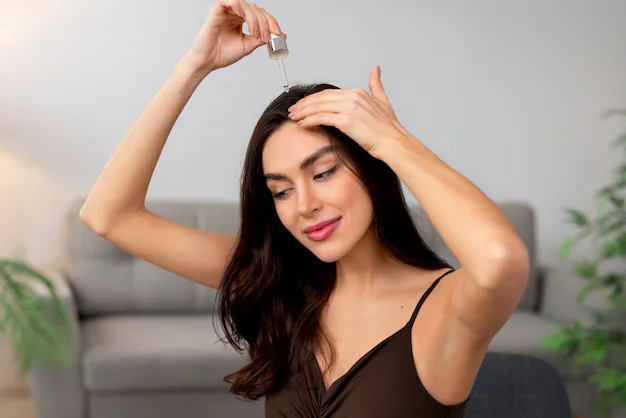
Darunaka Thailam is a classical Ayurvedic medicated oil specifically formulated to treat dandruff (known as Darunaka in Ayurveda), scalp irritation, itching, and hair fall. Prepared by processing herbal juices and pastes in a coconut oil base following the traditional Taila Paka Vidhi method, this oil has been used for centuries to restore scalp health naturally. If you're dealing with stubborn flakes, an itchy scalp, or thinning hair — and you want a time-tested herbal solution — this guide covers everything you need to know about Darunaka Thailam, from its classical origins and full ingredient breakdown to scientific mechanisms, usage instructions, and realistic timelines for results.
What Is Darunaka Thailam and Why Does Ayurveda Value It?
- Darunaka Thailam is more than just an anti-dandruff hair oil.
- In Ayurvedic medicine, it's classified as a Taila Kalpana — a medicated oil preparation designed for external therapeutic use. The word Darunaka itself is the Ayurvedic term for dandruff and seborrheic dermatitis, conditions characterized by flaking, scaling, and itching of the scalp.
Classical Textual Source of the Formulation
One detail consistently missed by other sources online is the exact classical reference for this formulation. Darunaka Thailam's recipe is documented in the Sahasrayogam, specifically in the Taila Prakarana (oil preparations section). The Sahasrayogam is a compilation text from the Kerala Ayurvedic tradition, believed to have been composed between the 14th and 17th centuries, containing thousands of formulations. Some practitioners also trace related formulations to references in the Ashtanga Hridayam by Vagbhata, particularly the chapters dealing with Shiroroga (diseases of the head).
This classical grounding matters — it means the formulation isn't a modern invention but a recipe refined through generations of clinical use by Ayurvedic physicians.
Dosha Analysis: How Darunaka Thailam Works According to Ayurveda
According to Ayurvedic pathology, dandruff (Darunaka) primarily involves vitiation of Vata and Kapha doshas, with secondary involvement of Pitta in inflammatory cases.
Here's the detailed dosha-dushya analysis:
| Parameter | Details |
|---|---|
| Dosha Predominance | Vata-Kapha (primarily), Pitta (in inflammatory dandruff) |
| Dushya (Tissues affected) | Rasa, Rakta, Mamsa, Asthi, Majja |
| Srotas (Channels involved) | Rasavaha, Raktavaha |
| Roga Marga | Bahya (external pathway) |
| Adhisthana (Site) | Scalp skin and hair roots |
Darunaka Thailam works by pacifying aggravated Vata (which causes dryness and flaking) and Kapha (which causes excess oiliness and sticky scales), while its Pitta-balancing herbs address redness and inflammation. The oil base itself is Snigdha (unctuous) and counters Vata's dry quality directly.
What Are the Ingredients in Darunaka Thailam?
- The strength of Darunaka Thailam lies in its carefully selected combination of herbs.
- Each ingredient serves a specific therapeutic purpose — not just in Ayurvedic terms, but also from a modern pharmacological perspective.
Complete Ingredient List with Ayurvedic and Scientific Actions
| Ingredient (Sanskrit) | Botanical Name | Ayurvedic Action | Key Phytochemicals |
|---|---|---|---|
| Nimba | Azadirachta indica (Neem) | Kushtaghna (anti-dermatosis), Krimighna (antimicrobial) | Azadirachtin, nimbin, nimbidin |
| Guduchi | Tinospora cordifolia | Rasayana (rejuvenative), Tridoshahara | Berberine, tinosporin, giloin |
| Vasa | Adhatoda vasica | Pitta-shamaka, Raktashodhaka (blood purifier) | Vasicine, vasicinone |
| Tulasi | Ocimum sanctum | Krimighna, Kandughna (anti-pruritic) | Eugenol, rosmarinic acid, ursolic acid |
| Jatamansi | Nardostachys jatamansi | Medhya (brain tonic), Keshya (hair promoter) | Jatamansone, nardosinone |
| Haridra | Curcuma longa (Turmeric) | Kusthaghna, Varnya (complexion enhancer) | Curcumin, demethoxycurcumin |
| Daruharidra | Berberis aristata | Shothaghna (anti-inflammatory), Lekhaniya | Berberine, palmatine |
| Karanja | Pongamia pinnata | Kushtaghna, Krimighna | Karanjin, pongamol |
| Narikela Taila (base) | Cocos nucifera (Coconut oil) | Snigdha, Keshya, cooling | Lauric acid, capric acid, caprylic acid |
Pharmacological Breakdown of Key Compounds
This is where things get interesting — and where most sources fall short.
Let me break down the science behind the star ingredients:
Azadirachtin (from Neem): A tetranortriterpenoid compound that demonstrates potent antifungal activity against Malassezia species — the yeast-like fungus directly responsible for dandruff. A 2013 study published in the Journal of Ethnopharmacology confirmed that neem leaf extracts showed significant inhibition of Malassezia furfur at concentrations as low as 2.5 mg/mL. Eugenol (from Tulasi): This phenylpropanoid has documented antifungal, anti-inflammatory, and analgesic properties. Research published in Molecules (2012) demonstrated its ability to disrupt fungal cell membranes, making it particularly effective against scalp-dwelling microbes. Jatamansone (from Jatamansi): A sesquiterpene that promotes hair growth by extending the anagen (growth) phase of the hair cycle. A 2019 study in Evidence-Based Complementary and Alternative Medicine showed jatamansi extract increased hair growth by approximately 30% in animal models compared to controls. Curcumin (from Haridra): One of the most studied anti-inflammatory compounds in the world. It inhibits NF-κB and COX-2 pathways, directly reducing scalp inflammation, redness, and itching. Over 3,000 studies have been published on curcumin's anti-inflammatory mechanisms. Lauric acid (from Coconut oil): The predominant fatty acid in coconut oil, accounting for roughly 49% of its composition. Lauric acid has been shown to have the strongest bactericidal activity among all medium-chain fatty acids against gram-positive organisms (study published in Journal of Investigative Dermatology, 2014).
How to Use Darunaka Thailam for Best Results
Proper application technique is crucial. Just slathering the oil on your hair won't give you optimal results.
Here's the detailed method:
Step-by-Step Application Guide
- 1.Warm the oil slightly — Place 2-3 tablespoons (approximately 15-20 mL) in a small bowl. Warm it by placing the bowl in hot water for 2-3 minutes. Never microwave or directly heat the oil as this degrades the active phytochemicals.
- 2.Part your hair into sections — Use a comb to create sections, exposing the scalp directly.
- 3.Apply to the scalp — Using your fingertips (not nails), apply the oil directly onto the scalp along each parting. Focus on areas with the most flaking or irritation.
- 4.Massage gently — Spend 5-10 minutes massaging in circular motions. This improves blood circulation to the hair follicles and helps the oil penetrate deeper into the skin layers.
- 5.Leave it on — For standard results, leave for 30-45 minutes. For deeper treatment, leave for 1-2 hours.
- 6.Wash off — Use a mild herbal shampoo. You may need to shampoo twice to fully remove the oil.
How Often Should I Use Darunaka Thailam?
For active dandruff, apply 3-4 times per week for the first 2-4 weeks. Once symptoms improve significantly, reduce to 2 times per week as maintenance. For prevention, once a week application is generally sufficient.
Can I Leave Darunaka Thailam on Overnight?
Yes, you can — and in many cases, overnight application provides better results, especially for chronic or severe dandruff. However, use a towel on your pillow to avoid stains, and be aware that prolonged application may feel heavy for those with naturally oily hair. If you have a sensitive scalp, start with shorter durations first to ensure there's no irritation before attempting an overnight treatment.
Using Darunaka Thailam in Ayurvedic Procedures
In clinical Ayurvedic settings, Darunaka Thailam is used in formal Panchakarma procedures:
- Shiro Abhyanga — Therapeutic head massage using this oil as the primary medium
- Shiro Dhara — Continuous streaming of the medicated oil over the forehead and scalp (typically performed by trained practitioners)
- Shiro Pichu — A cotton pad soaked in the oil is placed on the vertex of the head for extended periods
These procedures enhance the oil's efficacy significantly compared to simple home application.
Benefits of Darunaka Thailam: What It Actually Does
Anti-Dandruff and Antifungal Action
The primary benefit — and the reason this oil exists. The combination of neem, tulasi, and karanja creates a multi-target antifungal environment on the scalp. Unlike single-agent antifungal shampoos (like ketoconazole), this oil attacks Malassezia through multiple mechanisms simultaneously, which makes resistance development less likely.
Scalp Inflammation and Itch Relief
Curcumin, berberine, and vasicinone collectively provide anti-inflammatory action across different inflammatory pathways. Users typically notice itch reduction within the first 3-5 applications. The cooling nature of the coconut oil base provides additional soothing relief.
Hair Fall Reduction and Strengthening
Dandruff-related hair fall is one of the most common causes of diffuse thinning. By addressing the root cause (pun intended), Darunaka Thailam indirectly reduces hair shedding. Additionally, jatamansi and guduchi actively promote hair follicle nourishment. Guduchi's rasayana properties help strengthen the hair shaft from the root.
Sebum Regulation
This might seem counterintuitive — applying oil to regulate oiliness? — but the herbal processing transforms the coconut oil base into a medicated preparation that actually helps normalize sebaceous gland activity. The astringent herbs like haridra and daruharidra help balance excessive sebum production that feeds Malassezia overgrowth.
Side Effects of Darunaka Thailam and Safety Precautions
Darunaka Thailam is generally well-tolerated when used as directed. It's an external-use-only preparation.
That said, here are important precautions:
Potential Side Effects
- Allergic reactions — Rare, but possible, especially in individuals sensitive to neem or turmeric.
- Always perform a patch test: apply a small amount behind the ear, wait 24 hours, and check for redness, swelling, or itching.
- Temporary staining — The turmeric content may cause slight yellowish staining of light-colored hair or fabrics.
- Heaviness — Some users with fine hair report a heavy feeling if too much oil is used or if it's not washed out thoroughly.
Drug Interactions and Contraindications
No significant interactions with topical allopathic treatments have been documented. However, if you're using medicated anti-dandruff shampoos (containing ketoconazole, selenium sulfide, or zinc pyrithione), space out the application — use Darunaka Thailam on days you don't use the medicated shampoo.
Pregnant and breastfeeding women should consult an Ayurvedic physician before use. While external application is generally considered safe, certain herbs in the formulation (particularly neem) warrant caution during pregnancy.
Is Darunaka Thailam Safe for Sensitive Scalp?
- Generally, yes. The coconut oil base is inherently soothing, and the anti-inflammatory herbs actually help calm sensitive skin. However, if you have open wounds, active scalp psoriasis lesions, or severe eczema, consult a dermatologist or Ayurvedic doctor before application.
- Start with diluted applications — mix with plain coconut oil in a 1:1 ratio for the first few uses.
Method of Preparation: How Darunaka Thailam Is Made
Understanding how this oil is prepared helps appreciate its quality — and spot authentic products. The preparation follows the classical Taila Paka Vidhi described in Ayurvedic pharmaceutical texts (Bhaishajya Kalpana).
The Traditional Taila Paka Process
Step 1 — Juice extraction (Swarasa): Fresh leaves of nimba (neem), guduchi, and vasa are crushed and their juice is extracted. This forms the liquid medium (Drava Dravya). Step 2 — Paste preparation (Kalka): Tulasi, jatamansi, haridra, daruharidra, and karanja are ground into a fine paste. This paste constitutes the Kalka Dravya, typically used in 1/4th proportion to the oil.
- Step 3 — Oil processing (Paka): Coconut oil (the Sneha Dravya) is heated gently. The herbal juices (4 parts) and the paste (1/4 part) are added to 1 part oil.
- The classical ratio is: Oil 1 : Kalka 1/4 : Liquid 4.
- Step 4 — Controlled heating: The mixture is heated on a mild flame (Mridu Agni) with continuous stirring.
- This process takes several hours — sometimes 6-8 hours for proper extraction.
- The oil passes through three stages:
| Stage | Sanskrit Name | Signs | Temperature Range |
|---|---|---|---|
| Initial | Mridu Paka | Kalka is still soft, moisture present | 60-80°C |
| Middle | Madhyama Paka | Kalka can be rolled into a wick (Varti), no crackling sound when oil is dropped in fire | 80-100°C |
| Final | Khara Paka | Kalka becomes hard and brittle | 100-110°C |
For Darunaka Thailam, Madhyama Paka (middle stage) is the ideal endpoint. The oil is then filtered through a clean cloth while still warm and stored in glass or food-grade containers away from direct sunlight.
Darunaka Thailam vs Similar Ayurvedic Hair Oils: A Comparison
- No other source provides a direct comparison of Darunaka Thailam with its Ayurvedic alternatives.
- Here's how it stacks up:
| Feature | Darunaka Thailam | Durdurapathradi Keram | Malathyadi Tailam | Nilibhringadi Keram | Bhringamalakadi Tailam |
|---|---|---|---|---|---|
| Primary indication | Dandruff, scalp itching | Dandruff, hair fall | Scalp infections, lice | Hair fall, premature graying | Hair growth, premature graying |
| Base oil | Coconut oil | Coconut oil | Sesame oil | Coconut oil | Sesame/Coconut oil |
| Anti-dandruff potency | ★★★★★ | ★★★★ | ★★★ | ★★ | ★★ |
| Hair growth effect | ★★★ | ★★★ | ★★ | ★★★★★ | ★★★★★ |
| Anti-inflammatory | ★★★★★ | ★★★ | ★★★★ | ★★★ | ★★★ |
| Best for | Active dandruff & flaking | Mild dandruff with hair fall | Scalp infections | Hair fall & premature graying | Overall hair health |
| Classical source | Sahasrayogam | Sahasrayogam | Sahasrayogam | Sahasrayogam | Ashtanga Hridayam |
Key takeaway: If your primary concern is dandruff, Darunaka Thailam is the most targeted formulation. If you have dandruff plus significant hair fall, combining with Nilibhringadi Keram (alternating days) can be effective — though consult a practitioner first.
Results Timeline: When Can You Expect Improvement?
This is something nobody else tells you clearly. Based on classical Ayurvedic treatment protocols and practitioner observations:
| Timeframe | Expected Changes |
|---|---|
| Week 1 (3-4 applications) | Reduced itching, scalp feels less dry/irritated |
| Week 2-3 | Visible reduction in flaking (approximately 40-50% improvement) |
| Week 4-6 | Significant dandruff control (70-80% improvement), reduced hair fall |
| Week 8-12 | Near-complete resolution for most cases, healthier scalp skin |
| Ongoing (1x/week) | Maintenance and prevention of recurrence |
Important caveat: These timelines apply to common dandruff (Pityriasis simplex capitis). Seborrheic dermatitis or scalp psoriasis may require longer treatment and combination with internal Ayurvedic medicines.
Diet and Lifestyle Recommendations While Using Darunaka Thailam
Ayurveda emphasizes that external treatment alone is insufficient for lasting results. Your diet and habits play a significant role.
Foods to Avoid
- Excessively salty, sour, and spicy foods (they aggravate Pitta and worsen scalp inflammation)
- Fermented foods and vinegar-based dressings
- Excessive dairy, especially yogurt at night (Dahi increases Kapha)
- Refined sugar and processed foods
- Very cold beverages and ice cream
Foods to Include
- Bitter vegetables like bitter gourd (Karela), drumstick leaves
- Fresh amla (Indian gooseberry) — one of the best internal remedies for hair and skin health
- Green leafy vegetables, especially spinach and fenugreek (Methi)
- Adequate water intake (8-10 glasses daily)
Hygiene Practices
- Never share combs, towels, or pillowcases with others
- Wash pillowcases at least twice a week during active treatment
- Avoid scratching the scalp with nails — use fingertips only
- Keep the scalp clean but don't over-wash (excessive shampooing strips natural oils and worsens Vata)
Yoga and Pranayama as Complementary Therapy
Stress is a well-documented trigger for dandruff flare-ups.
The following practices help:
Nadi Shodhana Pranayama (Alternate Nostril Breathing):
- Sit comfortably with spine erect
- Close right nostril with right thumb, inhale through left nostril for 4 counts
- Close both nostrils, hold for 4 counts
- Release right nostril, exhale for 8 counts
- Inhale through right nostril for 4 counts
- Close both, hold for 4 counts
- Release left, exhale for 8 counts
- This completes one cycle. Practice 10-15 cycles daily
This practice balances the autonomic nervous system, reduces cortisol levels, and has been shown in a 2013 study (International Journal of Yoga) to significantly reduce perceived stress — which in turn helps manage stress-related scalp conditions.
Where to Buy Authentic Darunaka Thailam
Vaidyaratnam Oushadhasala is the most well-known and widely available manufacturer of Darunaka Thailam. Founded in 1941 in Ollur, Thrissur (Kerala), Vaidyaratnam is a GMP-certified facility with a strong reputation for classical Ayurvedic formulations.
Tips for Ensuring Authenticity
- Buy from authorized retailers or the manufacturer's official website
- Check for a valid manufacturing date and batch number on the label
- Authentic Darunaka Thailam should have a characteristic greenish-brown color and a distinctly herbal aroma (predominantly neem)
- Avoid products that list synthetic preservatives, mineral oil, or artificial fragrances — these are not part of the classical formulation
- Look for the AYUSH license number on the packaging
Frequently Asked Questions About Darunaka Thailam
Can I Use Darunaka Thailam on All Hair Types?
Yes. Whether you have oily, dry, curly, straight, thick, or fine hair, Darunaka Thailam can be used safely. For oily hair types, use a smaller quantity (about 10 mL) and don't leave it on for more than 30 minutes to avoid excessive greasiness. For dry hair, a generous application with longer retention time works better.
Will Darunaka Thailam Make My Hair Greasy?
It can if over-applied. Use the recommended quantity (15-20 mL for medium-length hair) and wash thoroughly afterward. Using a shikakai-based or mild herbal shampoo helps remove the oil without stripping your hair. Two rounds of shampooing usually does the trick.
How Does Darunaka Thailam Help with Dandruff Compared to Regular Anti-Dandruff Shampoos?
Most commercial anti-dandruff shampoos contain a single antifungal agent (ketoconazole, zinc pyrithione, etc.) and are wash-off products with minimal contact time. Darunaka Thailam provides multiple antifungal, anti-inflammatory, and scalp-nourishing compounds that remain in contact with the scalp for an extended period. Additionally, shampoos can be drying (worsening Vata imbalance), while the oil format actively moisturizes. The downside? It requires more effort than just shampooing. But the results tend to be more sustainable and long-lasting.
What Are the Symptoms of Darunaka (Dandruff) in Ayurveda?
Ayurvedic texts describe Darunaka with these characteristic symptoms: Kandu (itching), Kesha Chyuti (hair fall), Twak Sputana (flaking/scaling of scalp skin), Rookshata (dryness), and Swapa (altered sensation on the scalp). When you notice these signs, early intervention with Darunaka Thailam combined with dietary modifications gives the fastest results.
How to Remove Dandruff Quickly Naturally Besides Using Darunaka Thailam?
While Darunaka Thailam is the targeted Ayurvedic approach, you can complement it with: rinsing hair with diluted neem water after shampooing, applying fresh aloe vera gel to the scalp for 20 minutes before washing, consuming amla juice daily (20 mL on an empty stomach), and using a final rinse of diluted apple cider vinegar (1 tablespoon in 1 cup of water) to restore scalp pH.
Final Thoughts: Is Darunaka Thailam Worth It?
- Darunaka Thailam represents one of Ayurveda's most targeted formulations for scalp health.
- It's not a magic overnight fix — nothing truly effective is. But with consistent use over 4-8 weeks, most people see significant improvement in dandruff, itching, and overall scalp condition.
What sets it apart from commercial products is the multi-dimensional approach: antifungal, anti-inflammatory, nourishing, and dosha-balancing — all in one preparation. The fact that this formulation has survived centuries of clinical use in Kerala's Ayurvedic tradition speaks to its efficacy.
If you're tired of cycling through anti-dandruff shampoos that provide temporary relief at best, Darunaka Thailam offers a fundamentally different approach. Combine it with the dietary and lifestyle changes outlined above, and you're addressing dandruff at its root cause — not just masking the symptoms.
Consult a qualified Ayurvedic physician for personalized guidance, especially if you have severe or persistent scalp conditions that haven't responded to self-treatment. Disclaimer: This article is for informational and educational purposes only and is not intended to replace professional medical advice, diagnosis, or treatment. Always consult a qualified Ayurvedic practitioner or healthcare provider before starting any new treatment regimen.
Scientific Sources
- Exploring the Chemical and Biological Potential of Jamun (Syzygium cumini (L.) Skeels) Leaves: A Comprehensive Review — Kumari N et al., 2023, Chemistry & biodiversity
- Alkaloidal Phytoconstituents for Diabetes Management: Exploring the Unrevealed Potential — Behl T et al., 2022, Molecules (Basel, Switzerland)
- Withania Somnifera (Ashwagandha) and Withaferin A: Potential in Integrative Oncology — Dutta R et al., 2019, International journal of molecular sciences
- Ayurveda therapy in the management of epilepsy — Adiga SH et al., 2024, Epilepsy & behavior : E&B
- Bone Health and Natural Products- An Insight — Suvarna V et al., 2018, Frontiers in pharmacology
- Integrating modern dermatology and Ayurveda in the treatment of vitiligo and lymphedema in India — Narahari SR et al., 2011, International journal of dermatology
- Insights into the potential benefits of triphala polyphenols toward the promotion of resilience against stress-induced depression and cognitive impairment — Wang W et al., 2023, Current research in food science
- Legal status of ayurveda in the healthcare system — Pashkov VМ et al., 2025, Polski merkuriusz lekarski : organ Polskiego Towarzystwa Lekarskiego
- Safety of 12-Months Administration of Ashwagandha (Withania somnifera) Standardized Root Extract in Healthy Adults: A Prospective, Observational Study — Salve J et al., 2025, Phytotherapy research : PTR
- Integrative medicine for musculoskeletal pains - A proposed model based on clinical experience — Shete K et al., 2024, Journal of Ayurveda and integrative medicine
- Polycystic Ovary Syndrome: A Disorder of Reproductive Age, Its Pathogenesis, and a Discussion on the Emerging Role of Herbal Remedies — Zeng LH et al., 2022, Frontiers in pharmacology
- Enhancing healthspan with Ashwagandha (Withania somnifera): a comprehensive review of its multifaceted geroprotective benefits — Vittal M et al., 2025, Biogerontology
- Role of Cultural Resources in Mental Health: An Existential Perspective — Shukla S, 2022, Frontiers in psychology
- Ayurvedic treatment in the rehabilitation of ischemic stroke patients in India: A randomized controlled trial (RESTORE) — Sylaja PN et al., 2025, International journal of stroke : official journal of the International Stroke Society
- Efficacy and Safety of Shatavari Root Extract for the Management of Menopausal Symptoms: A Double-Blind, Multicenter, Randomized Controlled Trial — Gudise VS et al., 2024, Cureus
- Ayurvedic drug discovery — Balachandran P et al., 2007, Expert opinion on drug discovery
- Interlinking diabetes and Alzheimer's disease: A pathway through medicinal plant-based treatments — Pattanaik SK et al., 2025, Journal of ethnopharmacology
- Scientific evaluation of Ayurvedic drugs - the use of N-of-1 clinical trials — Chatterjee A et al., 2024, Indian journal of medical ethics
- An update on Ayurvedic herb Convolvulus pluricaulis Choisy — Agarwa P et al., 2014, Asian Pacific journal of tropical biomedicine
- Shahatra (F.parviflora Lam)- a comprehensive review of its ethnopharmacology, phytochemistry and pharmacology — Jamaldeen FN et al., 2022, Journal of ethnopharmacology
Ask Ayurvedic doctor a question and get a consultation online on the problem of your concern in a free or paid mode.
More than 2,000 experienced doctors work and wait for your questions on our site and help users to solve their health problems every day.
Related articles