
Ask Ayurvedic doctor a question and get a consultation online on the problem of your concern in a free or paid mode. More than 2,000 experienced doctors work and wait for your questions on our site and help users to solve their health problems every day.


Body DetoxEar, Nose, and Throat DisordersGeriatrics & RejuvenationImmunodeficiencyInfertility TreatmentNutritionOrthopedic DisordersPediatricsRespiratory DisordersSexually Transmitted Diseases (STDs)Surgery RecoveryUrological DisordersVascular DisordersDental DisordersEndocrinological DisordersGastrointestinal DisordersYoga TherapyGeneral MedicineAllergic DisordersCardio DisordersGynecology and ObstetricsCosmetologySkin and Hair DisordersEye DisordersInfectious DiseasesMental DisordersNeurological DisordersOncologyPanchakarmaSexual Health & DisordersSports Medicine
Published on 02/10/25
(Updated on 08/15/26)
star_border 5
3,442
Dementia Treatment in Ayurveda – Holistic Approach to Cognitive Health
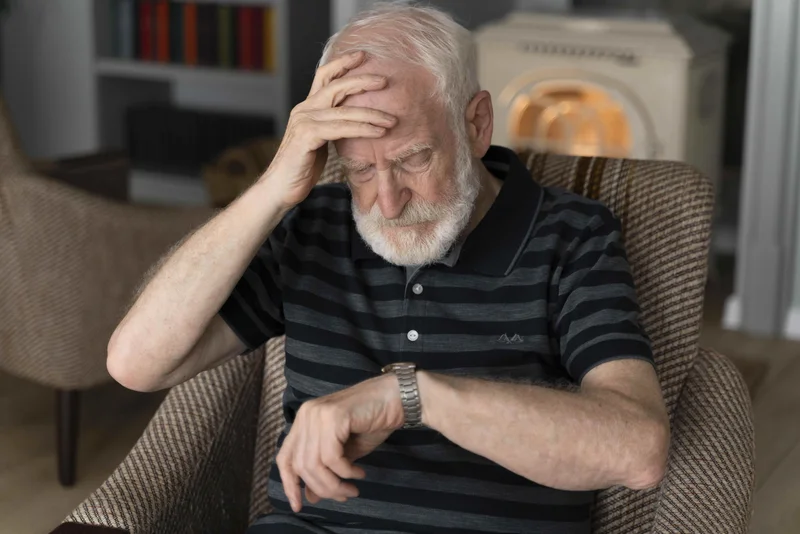
Dementia treatment in Ayurveda focuses on restoring the balance of Vata dosha — particularly Prana Vata, which governs cognitive function — through a combination of medhya rasayana herbs, Panchakarma therapies, sattvic diet, yoga, and lifestyle modifications. While Ayurveda cannot fully reverse dementia, growing clinical evidence suggests it can slow cognitive decline, improve memory, reduce behavioral symptoms, and significantly enhance quality of life when used as a complementary approach alongside conventional care.
This guide covers everything you need to know: from the Ayurvedic understanding of dementia to specific herbs with dosages, stage-wise treatment protocols, clinical research findings, caregiver recommendations, and honest answers about what Ayurveda can — and cannot — do for dementia patients.
What Is Dementia?
Dementia is not a single disease. It's an umbrella term for a group of neurological conditions characterized by progressive decline in memory, reasoning, communication, and the ability to perform everyday activities. According to the World Health Organization, over 55 million people worldwide live with dementia, and roughly 10 million new cases are diagnosed each year.
Types of Dementia
| Type | Prevalence | Key Features |
|---|---|---|
| Alzheimer's Disease | 60–70% of all cases | Amyloid plaques and tau tangles; gradual memory loss starting with recent events |
| Vascular Dementia | ~15–20% | Caused by reduced blood flow to the brain (stroke, small vessel disease); step-wise decline |
| Lewy Body Dementia | ~10–15% | Abnormal protein deposits (Lewy bodies); visual hallucinations, movement issues |
| Frontotemporal Dementia | ~5–10% | Affects frontal and temporal lobes; personality changes, language difficulties |
| Mixed Dementia | Common in elderly | Combination of two or more types, often Alzheimer's + vascular |
Stages of Dementia: Early, Middle, and Late
Understanding stages is critical because the Ayurvedic approach differs significantly at each stage — something no other guide currently addresses in detail.
Early Stage (Mild): Occasional forgetfulness, difficulty finding words, mild confusion about time or place. Person remains largely independent. Middle Stage (Moderate): Significant memory gaps, confusion about recent events, trouble with daily tasks (cooking, managing finances), personality changes, wandering, sleep disturbances. Late Stage (Severe): Near-total memory loss, inability to recognize family members, complete dependence for personal care, difficulty swallowing, loss of motor control.
Common Causes and Risk Factors
- Age — the single greatest risk factor (risk doubles every five years after age 65)
- Genetics — APOE ε4 gene variant increases Alzheimer's risk 3–15 fold
- Neurodegenerative processes — accumulation of beta-amyloid (Aβ) plaques, tau protein tangles, and neuronal loss
- Vascular factors — hypertension, diabetes, high cholesterol, atherosclerosis
- Traumatic brain injury — repeated head trauma increases long-term risk
- Lifestyle — physical inactivity, social isolation, smoking, excessive alcohol consumption, poor diet
- Other — depression, low educational attainment, hearing loss
Key Symptoms at Each Stage
Early symptoms often get dismissed as "normal aging." Watch for: repeating the same questions, misplacing objects in unusual places, getting lost in familiar areas, difficulty with complex tasks, and subtle mood changes. In middle stages, symptoms escalate to include sundowning (increased agitation in evenings), sleep-wake cycle disruptions, wandering behavior, and difficulty recognizing faces. Late-stage symptoms include severe communication impairment, incontinence, and complete loss of independent function.
Ayurvedic Understanding of Dementia (Smritibhramsha)
Ayurveda described cognitive decline thousands of years before modern neuroscience. The condition is referenced as Smritibhramsha (loss of memory), Buddhi hrasa (diminished intellect), and Manas dosha (mental disorder) in classical texts like the Charaka Samhita, Sushruta Samhita, and Ashtanga Hridaya.
Dementia as a Vata Disorder — Prana Vata Imbalance
- In Ayurvedic pathology, dementia is primarily a Vata-predominant disorder.
- Specifically, it involves vitiation of Prana Vata — the subdosha that governs brain function, sensory perception, memory, and cognitive processes — and Sadhaka Pitta, which influences emotional processing and intellectual discrimination.
As a person ages, Vata naturally increases. This leads to dryness (shoshana) and degeneration (kshaya) of brain tissue (majja dhatu). When compounded by poor diet, stress, or pre-existing doshic imbalance, this Vata aggravation accelerates cognitive decline.
The classical Ayurvedic pathogenesis involves:
- Vata aggravation → degeneration of nerve tissue
- Ama accumulation → toxins blocking microchannels (srotas) of the mind
- Ojas depletion → weakened vitality and immunity of brain cells
- Majja dhatu kshaya → deterioration of the nervous system
Concept of Medha, Smriti, and Dhi in Ayurveda
Ayurveda describes three pillars of cognitive function:
- Dhi (acquisition/learning power) — the ability to grasp new information
- Dhriti (retention) — the capacity to hold and process information
- Smriti (recall/memory) — the ability to retrieve stored information
Dementia, from the Ayurvedic perspective, involves progressive impairment of all three. Treatment aims to restore and strengthen each of these faculties.
Rasayana — The Ayurvedic Science of Rejuvenation
Rasayana is Ayurveda's rejuvenation branch.
Medhya Rasayana — brain-specific rejuvenators — form the backbone of Ayurvedic dementia treatment.
Charaka Samhita specifically names four Medhya Rasayanas:
- 1.Mandukaparni (Centella asiatica / Gotu Kola) — fresh juice
- 2.Yashthimadhu (Glycyrrhiza glabra / Licorice) — root powder with milk
- 3.Guduchi (Tinospora cordifolia) — fresh stem juice
- 4.Shankhapushpi (Convolvulus pluricaulis) — whole plant paste
These aren't just folklore — modern pharmacological studies have validated their neuroprotective, antioxidant, and anti-inflammatory mechanisms.
Ayurvedic Herbs for Dementia Treatment: Mechanisms and Evidence
Ashwagandha (Withania somnifera)
Ashwagandha is arguably the most well-researched Ayurvedic herb for neurodegeneration.
Its active compounds — withanolides (particularly withaferin A and withanone) — have demonstrated multiple neuroprotective mechanisms:
- Amyloid-beta inhibition: A 2018 study published in Evidence-Based Complementary and Alternative Medicine showed withanolides inhibit Aβ plaque formation and promote amyloid clearance.
- Acetylcholinesterase inhibition: Similar mechanism to conventional drugs like Donepezil, but with fewer side effects
- Antioxidant activity: Reduces oxidative stress in neural tissue
- Neuronal regeneration: Promotes axonal and dendritic outgrowth in damaged neurons
A 2017 randomized, double-blind, placebo-controlled study (published in the Journal of Dietary Supplements) with 50 adults showed that 300 mg of Ashwagandha root extract twice daily for 8 weeks significantly improved immediate and general memory, executive function, sustained attention, and information-processing speed compared to placebo.
Brahmi (Bacopa monnieri) — Neuroprotective Powerhouse
Brahmi's active compounds — bacosides A and B — are among the most extensively studied natural nootropics.
Key mechanisms include:
- Enhancement of nerve impulse transmission
- Repair of damaged neurons through upregulation of tryptophan hydroxylase (TPH2) and serotonin transporter (SERT)
- Antioxidant protection of neural tissue
- Modulation of acetylcholine, serotonin, and dopamine systems
A landmark 2014 meta-analysis of 9 RCTs (published in the Journal of Ethnopharmacology) confirmed that Bacopa monnieri significantly improves attention, cognitive processing, and working memory with chronic use (minimum 12 weeks).
Turmeric (Curcuma longa) — Beyond Anti-Inflammation
Curcumin, the primary bioactive compound in turmeric, crosses the blood-brain barrier and has shown remarkable activity against multiple dementia pathways:
- Inhibits Aβ40 and Aβ42 aggregation
- Reduces tau phosphorylation
- Decreases neuroinflammation via NF-κB pathway inhibition
- Chelates iron and copper (metals implicated in amyloid formation)
The main challenge with curcumin is low bioavailability. Ayurveda has historically combined turmeric with Trikatu (black pepper, long pepper, ginger) — and modern science confirmed that piperine from black pepper increases curcumin bioavailability by 2,000%.
Other Important Ayurvedic Herbs
| Herb | Active Compounds | Primary Action | Classical Form |
|---|---|---|---|
| Shankhapushpi (Convolvulus pluricaulis) | Shankhapushpine, convolamine | Anxiolytic, memory enhancement, AChE inhibition | Swarasa (juice) or churna |
| Gotu Kola (Centella asiatica) | Asiaticoside, brahmoside | Promotes nerve growth factor (NGF), improves cerebral circulation | Swarasa or capsule |
| Jyotishmati (Celastrus paniculatus) | Celapanin, celapanigin | Enhances memory, antioxidant, improves cerebral blood flow | Oil (5–15 drops) |
| Guggulu (Commiphora wightii) | Guggulsterones | Anti-inflammatory, lipid-lowering, neuroprotective | Guggulu tablets |
| Vacha (Acorus calamus) | β-asarone | Enhances speech and memory, clears mental ama | Churna with honey |
Landmark Research: Lasunadya Ghrita and Amyloid Inhibition
A significant breakthrough was reported by the Department of Science & Technology (DST), Government of India: the classical Ayurvedic formulation Lasunadya Ghrita (LG), a garlic-based ghee preparation, demonstrated potent inhibition of Aβ40 and Aβ42 amyloid aggregation in laboratory studies. This is the same pathological process targeted by the latest FDA-approved anti-Alzheimer's drug Lecanemab — but through a multi-target, natural-compound approach rather than a single-mechanism monoclonal antibody.
Panchakarma Therapies for Dementia
Panchakarma — Ayurveda's five-fold detoxification system — plays a central role in dementia management by removing accumulated ama (toxins), restoring doshic balance, and enhancing the penetration and efficacy of herbal medicines.
Key Panchakarma Procedures
Nasya (Nasal Administration): Medicated oils or ghee (such as Anu Taila or Brahmi Ghrita) are instilled through the nostrils. Since the nasal passage provides direct access to the brain, Nasya is considered the most important Panchakarma therapy for neurological conditions. Typically administered for 7–14 days consecutively. Shirodhara: A continuous, gentle stream of warm medicated oil poured on the forehead (Ajna/third eye area) for 30–45 minutes. Profoundly calming for agitated Vata, reduces anxiety, improves sleep quality, and enhances mental clarity. Studies have shown Shirodhara reduces cortisol levels and modulates autonomic nervous function.
- Shirobasti: Warm medicated oil is retained on the head using a leather cap for 30–45 minutes.
- More intensive than Shirodhara — used in moderate to severe cases.
Abhyanga (Full Body Oil Massage): Uses warm sesame-based medicated oils to pacify Vata, improve circulation, and nourish the nervous system. Daily Abhyanga is recommended as a lifelong practice. Basti (Medicated Enema): Considered the prime treatment for Vata disorders. Specific formulations like Dashamoola basti or medicated oil basti help normalize Vata throughout the body, including the nervous system. Virechana (Purgation): Removes excess Pitta and clears obstructed channels (srotas), improving the transport of nutrients to brain tissue.
Specialized External Therapies
- Siropichu: Medicated cotton pad soaked in warm oil placed on the crown of the head — gentle yet effective for mild cases
- Thalam: Herbal paste application on the vertex point — used specifically for insomnia and agitation in dementia patients
Stage-Wise Ayurvedic Treatment Protocol for Dementia
This is a critical gap in existing literature. No other guide provides differentiated treatment recommendations by stage.
Early Stage Protocol
Goals: Slow progression, strengthen cognitive reserve, address root Vata imbalance.
| Intervention | Details | Duration |
|---|---|---|
| Medhya Rasayanas | Brahmi (300–500 mg standardized extract, twice daily) + Ashwagandha (300–600 mg, twice daily) with warm milk | Continuous, minimum 12 weeks |
| Brahmi Ghrita | 1–2 teaspoons on empty stomach, morning | 3-month courses with 1-month breaks |
| Nasya | Anu Taila, 2–4 drops each nostril, daily | Daily for 14 days per month |
| Shirodhara | Weekly sessions with Ksheerabala Taila | 7 sessions per course, repeat quarterly |
| Diet | Sattvic diet with emphasis on ghee, almonds, walnuts (details below) | Ongoing |
| Yoga & Pranayama | Specific practices (detailed below) | Daily, 30–45 minutes |
| Daily Abhyanga | Self-massage with warm sesame oil before bath | Daily |
Middle Stage Protocol
Goals: Manage behavioral symptoms, maintain remaining function, improve sleep, reduce caregiver burden.
All early-stage interventions continue, with additions:
- Increase Ashwagandha to 600 mg twice daily
- Add Jyotishmati oil: 10–15 drops with warm milk for enhanced cerebral circulation
- Shirobasti: Weekly sessions (more intensive than Shirodhara)
- Basti (Anuvasana with Dashamoola taila): Courses of 8–16 sessions to manage severe Vata aggravation
- Shankhapushpi Churna: 3–6 grams daily in divided doses for anxiety and sleep disturbance
- Saraswatarishta: 15–20 ml twice daily after meals with equal water
Late Stage Protocol
Goals: Comfort care, reduce agitation, support nutrition, maintain dignity.
- Simplified oral regimen: Focus on easily administered forms — Brahmi Ghrita, Saraswatarishta (liquid formulations easier to swallow)
- Continue Abhyanga daily — even passive massage provides neurological input and comfort
- Nasya with gentle oils — if patient tolerates
- Siropichu or Thalam — non-invasive head therapies for calmness
- Dietary modifications — soft, warm, easily digestible sattvic foods; medicated gruels (peya, yavagu)
> Important: All dosages should be individualized by a qualified Ayurvedic practitioner based on the patient's prakriti (constitution), vikriti (current imbalance), agni (digestive capacity), and concurrent medications. The dosages listed here are general guidelines from classical and contemporary Ayurvedic practice.
Don't wait or self medicate. Start chat with Doctor NOW
Sattvic Diet Plan for Dementia: What to Eat and What to Avoid
- Ayurveda considers ahara (diet) the first pillar of treatment.
- Every competing guide mentions "dietary modifications" — none provide a practical plan.
Foods to Include
- Ghee (Clarified Butter): 2–3 teaspoons daily — the single most important brain food in Ayurveda. Ghee nourishes majja dhatu (nerve tissue), improves ojas, and serves as a carrier (anupana) for brain-supportive herbs
- Almonds: 5–7 soaked and peeled almonds daily — rich in vitamin E and healthy fats
- Walnuts: 4–5 daily — omega-3 fatty acids support neuronal membrane integrity
- Warm Milk (organic, preferably A2): With turmeric and a pinch of black pepper before bed
- Fresh Fruits: Pomegranate (improves blood flow), blueberries, amla (Indian gooseberry — richest natural source of vitamin C)
- Whole Grains: Old rice (purana shali), wheat, barley — easily digestible and Vata-pacifying
- Spices: Turmeric, cumin, coriander, fennel, small amounts of ginger, Trikatu
- Green Leafy Vegetables: Cooked (not raw) — spinach, moringa (drumstick leaves)
- Sesame Seeds and Oil: Excellent Vata pacifier
Foods to Avoid
- Processed foods, refined sugar, and artificial additives
- Excessive caffeine and stimulants
- Cold, raw foods and iced beverages (aggravate Vata)
- Leftover/stale food (increases tamas, dulls cognition)
- Excessive spicy, sour, or fermented foods
- Alcohol (directly neurotoxic)
- Red meat and heavy, difficult-to-digest foods
Yoga, Pranayama, and Meditation for Cognitive Health
No dementia treatment guide comprehensively covers the yogic component of Ayurvedic treatment — yet classical Ayurveda considers these inseparable from herbal therapy.
Specific Asanas for Brain Health
- Padahastasana (Standing Forward Bend): Increases blood flow to the brain
- Sarvangasana (Shoulder Stand): Improves cerebral circulation; perform only under supervision for elderly
- Bhujangasana (Cobra Pose): Stimulates nervous system, reduces stress
- Vajrasana (Thunderbolt Pose): Only asana safe immediately after meals; improves digestion and nutrient absorption
- Shavasana (Corpse Pose): Deep relaxation, reduces cortisol, calms Vata
Pranayama Practices
- Nadi Shodhana (Alternate Nostril Breathing): Balances left and right brain hemispheres; 10–15 minutes daily
- Bhramari (Bee Breath): The humming vibration stimulates the cerebral cortex; shown to increase nitric oxide production, improving cerebral blood flow. A 2018 study showed Bhramari improved attention and cognitive function in elderly participants
- Anulom Vilom: Simple, safe Vata-pacifying practice; 10 minutes morning and evening
Meditation and Pratyahara
- Trataka (Candle Gazing): Improves concentration and memory; classical pratyahara technique
- Om Chanting Meditation: 10–15 minutes daily — studies show it activates the limbic system and deactivates the default mode network, improving cognitive function
- Guided Visualization: Especially useful for middle-stage patients who may not be able to practice independently
> For caregivers: even gentle hand-guided breathing exercises and listening to chanted mantras provide measurable benefit in late-stage patients.
Can Ayurveda Cure Dementia? An Honest Assessment
This is the question every patient and family wants answered — and most guides avoid.
The honest answer: No, Ayurveda cannot cure dementia. No medical system currently can. Dementia involves irreversible neuronal death, and once neurons are lost, they cannot be fully regenerated. However, Ayurveda can meaningfully:
- Slow the rate of cognitive decline, especially when started in early stages
- Improve memory, attention, and daily functioning
- Reduce behavioral and psychological symptoms (agitation, anxiety, depression, sleep disturbance)
- Enhance quality of life for both patient and caregiver
- Potentially delay the transition between stages
Integrating Ayurveda with Conventional Medicine
Many patients take conventional medications like Donepezil (Aricept), Rivastigmine, Galantamine, or Memantine. Can Ayurvedic herbs be safely combined?
General safety considerations:
- Ashwagandha and Brahmi have been used alongside cholinesterase inhibitors in clinical practice without reported serious interactions — but always inform both your Ayurvedic and allopathic doctors
- Turmeric may interact with blood thinners (Warfarin, Aspirin) — monitor INR levels
- Brahmi may potentiate the effects of sedative medications — dose adjustment may be needed
- Never discontinue prescribed medications to start Ayurvedic treatment
- Panchakarma procedures should be coordinated with the treating neurologist
The ideal approach is integrative — using Ayurveda as a complementary system alongside conventional care, not as a replacement.
Caregiver Guide: Ayurvedic Principles for Dementia Care
Caregivers are the unsung heroes of dementia management — and they're largely ignored in treatment guides. Here is Ayurvedic wisdom applied to daily caregiving.
Daily Routine (Dinacharya) for the Patient
- Wake at a consistent time (ideally before 7 AM)
- Gentle Abhyanga (oil massage) before bath — even 10 minutes of foot and scalp massage with warm sesame oil can reduce agitation
- Warm, freshly prepared meals at regular times
- Afternoon rest (not more than 30 minutes — excessive sleep increases Kapha and dullness)
- Evening wind-down routine: soft music, dim lighting, warm milk with nutmeg
- Sleep by 9–10 PM — this is crucial for Vata management
Managing Circadian Rhythm Disruption and Sundowning
Dementia patients frequently experience disrupted sleep-wake cycles and sundowning (increased confusion/agitation in late afternoon and evening).
Ayurvedic strategies include:
- Morning sunlight exposure for 20–30 minutes — resets circadian rhythm
- Avoid daytime sleeping beyond brief naps
- Warm oil foot massage (Padabhyanga) with Ksheerabala Taila before bed
- Brahmi or Shankhapushpi milk in the evening
- Minimize sensory overload in evenings — reduce noise, bright lights, and screen time
Caregiver Self-Care
Ayurveda recognizes that the caregiver's health directly impacts patient outcomes.
Burnout is real, and common.
Caregivers should:
- Practice 10 minutes of Pranayama daily (Nadi Shodhana is ideal)
- Take Ashwagandha (300 mg twice daily) for stress resilience
- Maintain their own Dinacharya as much as possible
- Seek respite care — this is not a sign of weakness
Contraindications and Safety Precautions
- Vacha (Acorus calamus): β-asarone content may be hepatotoxic in high doses; use only under professional guidance and for limited duration
- Panchakarma is contraindicated in very frail, severely debilitated late-stage patients
- Nasya should not be administered during acute respiratory infection, immediately after meals, or to patients who cannot control swallowing
- Virechana and Vamana are not recommended for patients over 80 or those with severe weakness
- Pregnancy/lactation: Many medhya herbs are not studied for safety in these populations
- Always disclose all supplements and herbs to every healthcare provider involved
Clinical Evidence: Key Studies at a Glance
| Study / Source | Herb/Formulation | Key Finding | Year |
|---|---|---|---|
| Journal of Dietary Supplements (RCT, n=50) | Ashwagandha root extract 600 mg/day | Significant improvement in memory and cognitive function vs. placebo | 2017 |
| Meta-analysis, J Ethnopharmacology (9 RCTs) | Bacopa monnieri | Improved attention, cognitive processing, working memory | 2014 |
| DST, Government of India | Lasunadya Ghrita | Inhibited Aβ40 and Aβ42 amyloid aggregation | 2019 |
| Evidence-Based Complementary and Alternative Medicine | Ashwagandha withanolides | Amyloid-beta clearance and neuronal regeneration | 2018 |
| Annals of Neurosciences | Brahmi Ghrita (classical formulation) | Improved MMSE scores in mild-moderate Alzheimer's patients | 2016 |
| PMC/NIH review article (PMC5976976) | Multiple Ayurvedic herbs | Comprehensive mechanistic review of anti-dementia actions | 2018 |
Frequently Asked Questions
What are three treatments for dementia?
The three main conventional treatments are cholinesterase inhibitors (Donepezil, Rivastigmine, Galantamine) for mild-to-moderate stages, NMDA receptor antagonists (Memantine) for moderate-to-severe stages, and non-pharmacological interventions (cognitive stimulation therapy, physical exercise, occupational therapy). In Ayurveda, the three pillars of treatment are medhya rasayana herbs, Panchakarma detoxification therapies, and lifestyle/dietary modifications including yoga and pranayama.
Can someone recover from dementia?
Full recovery from degenerative dementia (such as Alzheimer's) is not currently possible with any medical system. However, some causes of dementia-like symptoms are reversible — including vitamin B12 deficiency, thyroid disorders, normal pressure hydrocephalus, and medication side effects. For degenerative dementias, both conventional and Ayurvedic treatments aim to slow progression and improve quality of life rather than cure the condition.
Which Ayurvedic medicine is best for brain memory?
Brahmi (Bacopa monnieri) is consistently the most recommended and most researched Ayurvedic herb for memory. Classical Ayurvedic formulations like Brahmi Ghrita and Saraswatarishta combine multiple medhya herbs for synergistic effects. For a comprehensive approach, most Ayurvedic practitioners recommend Brahmi + Ashwagandha together, as they work through complementary mechanisms.
What are the early signs of dementia?
The earliest signs include frequently forgetting recent conversations, misplacing belongings in unusual places (keys in the refrigerator, for example), difficulty finding the right word during conversation, trouble following a recipe or managing finances, getting confused about dates or seasons, and subtle personality changes like increased irritability or withdrawal from social activities.
How long does Ayurvedic treatment for dementia take to show results?
- Most patients and families begin noticing improvements in sleep quality and behavioral symptoms within 4–6 weeks. Measurable cognitive improvements typically require 12–16 weeks of consistent treatment.
- Panchakarma benefits may be experienced sooner — many patients show improvement in alertness and orientation within 1–2 weeks of Shirodhara or Nasya therapy. Ayurvedic treatment for dementia is a long-term commitment, not a quick fix.
Is Panchakarma safe for elderly dementia patients?
Gentle Panchakarma procedures like Shirodhara, Abhyanga, Nasya, and Siropichu are generally safe for elderly patients when performed by experienced practitioners. More intensive procedures like Virechana and Vamana require careful assessment of the patient's bala (strength), agni (digestive capacity), and overall condition. A qualified Ayurvedic physician will always perform a thorough evaluation before recommending any Panchakarma protocol.
Conclusion: A Path Forward for Patients and Families
Dementia treatment in Ayurveda offers a comprehensive, multi-dimensional approach that addresses not just the symptoms but the underlying doshic imbalances driving cognitive decline. From clinically validated herbs like Ashwagandha and Brahmi, to time-tested Panchakarma therapies, to practical dietary and lifestyle interventions — Ayurveda provides tools that complement modern medicine and fill gaps that conventional treatment alone cannot address.
- The key is early intervention, consistent practice, and honest expectations. Start with a qualified Ayurvedic practitioner who can assess your or your loved one's unique constitution and create an individualized treatment plan. Inform your neurologist about any Ayurvedic treatments.
- And remember — supporting the caregiver is just as important as treating the patient.
If you or a loved one is dealing with dementia, consult with an experienced Ayurvedic doctor to develop a personalized treatment plan that works alongside your current care. Early action makes the biggest difference.
Scientific Sources
- Depression and Its Phytopharmacotherapy-A Narrative Review — Dobrek L et al., 2023, International journal of molecular sciences
- Neuroprotective Herbs for the Management of Alzheimer's Disease — Gregory J et al., 2021, Biomolecules
- Pharmacological attributes of Bacopa monnieri extract: Current updates and clinical manifestation — Fatima U et al., 2022, Frontiers in nutrition
- Meta-analysis of randomized controlled trials on cognitive effects of Bacopa monnieri extract — Kongkeaw C et al., 2014, Journal of ethnopharmacology
- Bacopa monnieri — Walker EA et al., 2026
- Herb-drug interactions — Fugh-Berman A, 2000, Lancet (London, England)
- Preliminary physico-chemical profile of Brahmi Ghrita — Yadav KD et al., 2013, Ayu
- Ayurvedic Herbal Therapies: A Review of Treatment and Management of Dementia — Srivastava V et al., 2022, Current Alzheimer research
- Nootropic efficacy of Satvavajaya Chikitsa and Ayurvedic drug therapy: A comparative clinical exposition — Amin H et al., 2015, International journal of yoga
- Convolvulus pluricaulis (Shankhapushpi) ameliorates human microtubule-associated protein tau (hMAPτ) induced neurotoxicity in Alzheimer's disease Drosophila model — Kizhakke P A et al., 2019, Journal of chemical neuroanatomy
- Centella asiatica — 2012
- Gotu Kola (Centella asiatica): Nutritional Properties and Plausible Health Benefits — Chandrika UG et al., 2015, Advances in food and nutrition research
- Augmenting turmeric, galingale, gotu kola extracts, and black sesame as prebiotics by probiotics — Ranmeechai N et al., 2026, Veterinary world
- Herbal Therapeutics for Alzheimer's Disease: Ancient Indian Medicine System from the Modern Viewpoint — Kushwah S et al., 2023, Current neuropharmacology
- Can Ashwagandha Benefit the Endocrine System?-A Review — Wiciński M et al., 2023, International journal of molecular sciences
- Pharmacological evaluation of Ashwagandha highlighting its healthcare claims, safety, and toxicity aspects — Mandlik Ingawale DS et al., 2021, Journal of dietary supplements
- Clinician guidelines for the treatment of psychiatric disorders with nutraceuticals and phytoceuticals: The World Federation of Societies of Biological Psychiatry (WFSBP) and Canadian Network for Mood and Anxiety Treatments (CANMAT) Taskforce — Sarris J et al., 2022, The world journal of biological psychiatry : the official journal of the World Federation of Societies of Biological Psychiatry
- Effects of Withania somnifera (Ashwagandha) on Stress and the Stress- Related Neuropsychiatric Disorders Anxiety, Depression, and Insomnia — Speers AB et al., 2021, Current neuropharmacology
- Plant-derived nootropics and human cognition: A systematic review — Lorca C et al., 2023, Critical reviews in food science and nutrition
Questions from users
How long does it take to see results from Ayurvedic treatments for dementia?
Client_ca6b44
21 days ago
The time it takes to see results from Ayurvedic treatments for dementia can vary widely and is difficult to predict with precision. Typically, patients may start to notice changes within a few weeks to a couple of months of consistent treatment, though this varies based on the individual's condition, age, and overall health. Ayurvedic treatments such as Dashamoola basti or Virechana aim to balance bodily functions, but dementia is generally progressive, so these treatments are supportive rather than curative. Continuous monitoring by healthcare professionals is essential. If symptoms worsen or fail to improve, consult a neurologist for comprehensive management options.
What Ayurvedic herbs are effective for improving cognitive function?
Client_f07705
31 days ago
Brahmi (Bacopa monnieri) is the most recommended Ayurvedic herb for enhancing cognitive function and memory. Research shows Brahmi may support memory retention, reduce anxiety, and improve attention. The effects of Brahmi may take several weeks to become noticeable, with typical doses ranging from 300 to 450 mg of extract per day. While generally considered safe, potential side effects can include gastrointestinal issues. Always consult a healthcare provider before starting any new supplement, especially if you take other medications or have pre-existing health conditions.
What are the best Ayurvedic practices to support dementia caregivers' well-being?
Client_9b1d14
41 days ago
To support dementia caregivers' well-being, it's essential to focus on stress management, adequate rest, and self-care. Practices such as regular physical exercise, mindfulness meditation, and ensuring a balanced, nutritious diet can reduce caregiver burnout and enhance their overall health. While Ayurveda offers dietary advice and herbal supplements like Brahmi to support mental clarity and stress relief, caregivers should primarily consult healthcare professionals for tailored advice. Seek medical advice if caregiver stress becomes overwhelming or if there are noticeable health declines.
How can dietary changes enhance the benefits of Ayurvedic treatment for dementia?
Client_b6027b
50 days ago
Dietary changes can support Ayurvedic treatment for dementia by ensuring nutrient adequacy and reducing inflammation. Incorporating foods high in omega-3 fatty acids, like fish and flaxseeds, can potentially improve cognitive function. Ensuring sufficient intake of vitamins like B12 is crucial, as deficiencies can exacerbate dementia symptoms. Hydration and a diet rich in antioxidants—found in fruits and vegetables—are beneficial. Monitoring changes in symptoms or cognitive function is important, and any worsening should prompt consultation with a healthcare provider. Always coordinate with your neurologist when integrating Ayurvedic methods.
How can caregivers implement Ayurvedic principles to manage dementia symptoms effectively?
Client_3c6c55
60 days ago
To manage dementia symptoms effectively, caregivers can incorporate Ayurvedic principles as a complementary approach to conventional care. Focus on soothing practices that reduce anxiety and agitation, such as routine massage with warm oils like sesame or coconut, which may promote relaxation and improve sleep. Certain herbs, such as Ashwagandha and Brahmi, are traditionally believed to support cognitive function and can be considered under professional guidance. However, always consult a healthcare provider to tailor treatments to individual needs, ensuring safety and avoiding potential interactions with prescribed medications. If any new symptoms appear or existing symptoms worsen, seeing a doctor is essential.
Is it safe to try Shirodhara for managing stress in dementia caregivers?
Client_184068
70 days ago
Yes, Shirodhara can be quite soothing and is generally safe for stress relief, even for dementia caregivers. Just chat with a qualified Ayurvedic doctor first. Let 'em guide you on how to integrate it safely with any other treatments. And yeah, always keep your neurologist in the loop too!
What is the role of ghee in Ayurvedic treatment for cognitive health?
Client_77f77c
79 days ago
Ghee plays a big role in Ayurvedic treatments for cognitive health. It's like the ultimate brain food, nourishing your mind and balancing Vata which often leads to anxiety, and restlessness. It also enhances mental clarity! It’s often used in formulations like Brahmi Ghrita for even better results. Just remember, moderation is key.
What lifestyle changes can support the effectiveness of Ayurvedic treatments for dementia?
Client_53d79f
91 days ago
To support Ayurvedic treatments for dementia, try incorporating lifestyle changes like maintaining a routine with regular sleep times, engaging in calming activities like meditation or gentle yoga, and focusing on a dosha-balancing diet. Enhance your digestive fire with warm, cooked meals and stay hydrated. Every person is different, so these changes should match your own constitution and needs.
Can Ayurvedic treatments help reduce anxiety in dementia patients?
Client_f9463f
100 days ago
Yes, Ayurvedic treatments might help reduce anxiety in dementia patients. Calming herbs like Brahmi and Ashwagandha can support a more relaxed mind. Techniques like Shirodhara, which involve gently pouring oil over the forehead, also help soothe anxiety by calming the nervous system. Always good to consult an Ayurvedic practitioner to tailer treatments for specific needs, though!
Is it safe to use Ayurvedic remedies for dementia alongside other herbal supplements?
Client_c1a1c8
110 days ago
It's generally safe to combine Ayurvedic remedies with other herbal supplements, but make sure to consult a good Ayurvedic practitioner! They can help you figure out any interactions, cuz everyone's body reacts differently. Balancing the doshas and understanding your prakriti is key. Better safe than sorry, right? 😊
Related articles

Mental Disorders
Kalyanaka Ghrita for Sleep: Ayurvedic Insights for Restful Nights
Explore how Kalyanaka Ghrita aids sleep, backed by research and Ayurvedic wisdom. Learn evidence-based tips, usage, and safety considerations.
5,278

Mental Disorders
Hamsapathyadi Kashayam: Ayurvedic Cognitive Boost
Discover the uses, benefits, proper dosage, and scientific research behind Hamsapathyadi Kashayam, a potent Ayurvedic decoction for respiratory and cognitive health.
2,984

Mental Disorders
ADHD Treatment in Ayurveda – Natural Ayurvedic Approaches for Managing ADHD Symptoms
Discover the Ayurvedic treatments for ADHD, focusing on natural remedies, herbal solutions, and lifestyle changes to help manage symptoms and enhance focus, behavior, and emotional balance.
5,222

Mental Disorders
Adhipati Marma: A Comprehensive Guide to the Science and Practice
Uncover the origins, scientific insights, and practical healthcare applications of Adhipati Marma for a holistic approach to mind-body wellness.
5,832

Mental Disorders
Ayurvedic Medicine for OCD – Holistic Approach for Mental Clarity and Emotional Balance
Discover Ayurvedic medicine for OCD, a holistic approach that uses natural herbal formulations, detoxification therapies, and lifestyle modifications to promote mental clarity, balance, and emotional well-being.
4,255

Mental Disorders
Stress Management: Techniques and Tips to Help You Cope
Stress is a common experience that everyone goes through at some point in their lives.
2,951
Mental Disorders
How to Manage Stress with Ayurveda
Everybody has dealt with stress in one way or another daily.
2,969

Mental Disorders
How Ayurveda Helps in Improving Mental Health?
Our mental health plays an important role in how well we can lead our lives. It plays an important role in building a successful and fulfilling life.
226,624

Mental Disorders
Psychological Illnesses
Mental illness is a condition that affects an individual’s thinking, feelings, mood, and behavior. They can be occasional or long-term (chronic).
3,176

Mental Disorders
Brahmi Drakshadi Kashayam: Improve Mental Clarity with Brahmi Drakshadi Kashayam
Explore Brahmi Drakshadi Kashayam, its benefits, proper dosage, uses, and the scientific evidence supporting this Ayurvedic remedy for cognitive health, stress relief, and overall well-being.
3,419
Related consultations on the topic
Legal
Additional Documents
© 2024 Ask Ayurveda. All rights reserved.