Ask Ayurvedic doctor a question and get a consultation online on the problem of your concern in a free or paid mode. More than 2,000 experienced doctors work and wait for your questions on our site and help users to solve their health problems every day.


Body DetoxEar, Nose, and Throat DisordersGeriatrics & RejuvenationImmunodeficiencyInfertility TreatmentNutritionOrthopedic DisordersPediatricsRespiratory DisordersSexually Transmitted Diseases (STDs)Surgery RecoveryUrological DisordersVascular DisordersDental DisordersEndocrinological DisordersGastrointestinal DisordersYoga TherapyGeneral MedicineAllergic DisordersCardio DisordersGynecology and ObstetricsCosmetologySkin and Hair DisordersEye DisordersInfectious DiseasesMental DisordersNeurological DisordersOncologyPanchakarmaSexual Health & DisordersSports Medicine
Published on 02/12/25
(Updated on 08/08/26)
4,610
Narasimha Rasayanam for Hair Growth – Natural Ayurvedic Solution for Stronger, Healthier Hair
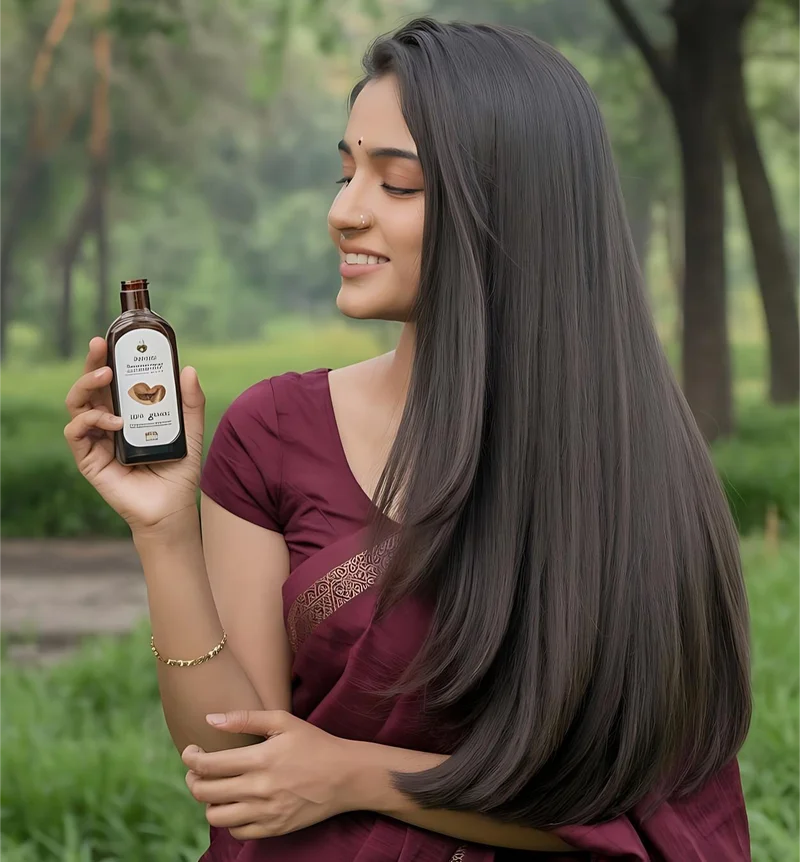
Narasimha Rasayanam is a classical Ayurvedic rejuvenative formulation (Rasayana) that directly targets hair loss, premature greying, and weak hair follicles by nourishing the body from within. Unlike topical oils that only address surface symptoms, this herbal jam works at the root level — balancing doshas, enriching blood tissue (Rakta Dhatu), and extending the active growth phase (anagen) of the hair cycle. If you are dealing with thinning hair, excessive shedding, or early greying, Narasimha Rasayanam offers one of the most comprehensive internal solutions in Ayurveda.
In this guide, we break down exactly how it works, what's inside it, how to use it properly, when to expect results, and who should avoid it — covering everything the top Ayurvedic sources either miss or only partially address.
What Is Narasimha Rasayanam and Why Is It Named After Lord Narasimha?
- Narasimha Rasayanam is a semi-solid Ayurvedic preparation (Avaleha/Lehyam) described in classical texts like the Ashtanga Hridayam and Bhaishajya Ratnavali.
- It belongs to the category of Rasayana Chikitsa — the branch of Ayurveda focused on rejuvenation, longevity, and tissue regeneration.
The name itself carries deep cultural significance. "Narasimha" refers to the half-man, half-lion avatar of Lord Vishnu, symbolizing extraordinary strength, vitality, and power. The formulation is said to bestow lion-like strength to the body, hair and immune system — hence the name. In traditional Ayurvedic practice, it has been prescribed for centuries under two primary classical indications: Khalitya (hair loss/baldness) and Palitya (premature greying).
How Is It Different from Ordinary Hair Supplements?
Most modern hair supplements provide isolated nutrients — biotin, zinc, or iron in synthetic form. Narasimha Rasayanam takes a fundamentally different approach. It is a polyherbal formulation with a ghee-honey-milk base that acts as a bioenhancer, improving nutrient absorption at the cellular level. The formulation doesn't just supply nutrients; it corrects the metabolic and doshic imbalances that cause hair problems in the first place.
The base ingredients — ghee (Ghrita), honey (Madhu), and milk (Ksheera) — serve as Anupana (carrier substances) that help deliver active herbal compounds deep into the Dhatus (body tissues), particularly Asthi Dhatu (bone tissue) and its Upadhatu, which is Kesha (hair) according to Ayurvedic physiology.
Narasimha Rasayanam and Its Role in Panchakarma
In clinical Ayurvedic practice, Narasimha Rasayanam is frequently used as part of Panchakarma protocols. Specifically, it is administered during the post-purification phase (Paschat Karma) as a rejuvenative therapy. After the body has been detoxified through procedures like Virechana (purgation) or Basti (medicated enema), Rasayana formulations like Narasimha Rasayanam are given to rebuild tissues — including hair — from the ground up.
This is why many Ayurvedic physicians report better results when patients undergo a basic Panchakarma detox before starting long-term Rasayana therapy. The cleansed channels (Srotas) allow deeper herb penetration and faster results.
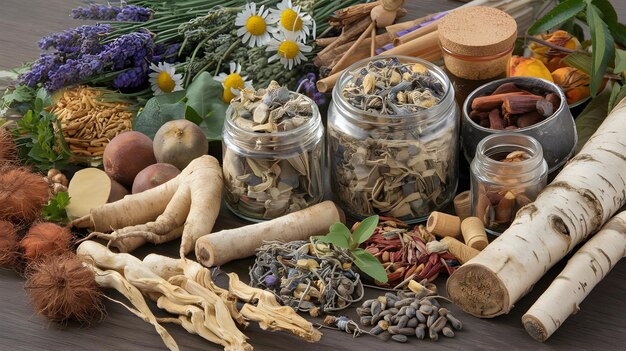
Key Ingredients in Narasimha Rasayanam and Their Hair Growth Properties
- What makes this formulation remarkably effective is the synergy between its ingredients.
- Each herb targets a different aspect of hair health — from follicle nourishment to DHT regulation to scalp blood circulation.
| Ingredient | Latin Name | Primary Action on Hair |
|---|---|---|
| Bhringaraj | Eclipta prostrata | Activates dormant follicles, extends anagen phase |
| Amalaki | Emblica officinalis | Rich in Vitamin C, strengthens hair shaft |
| Haritaki | Terminalia chebula | Detoxifies blood, improves nutrient delivery to scalp |
| Bibhitaki | Terminalia bellirica | Reduces Kapha-related scalp congestion |
| Khadira | Acacia catechu | Purifies blood (Rakta Shodhana), treats scalp infections |
| Asana/Bijasara | Pterocarpus marsupium | Anti-inflammatory, supports tissue regeneration |
| Bhallataka | Semecarpus anacardium | Powerful Rasayana, stimulates immune and hair regrowth |
| Chitraka | Plumbago zeylanica | Enhances Agni (digestive fire), improves nutrient assimilation |
| Shilajit | Mineral pitch | Source of fulvic acid; enhances cellular uptake of iron and zinc |
| Ghrita (Ghee) | Clarified butter | Lipophilic carrier, penetrates cell membranes |
| Madhu (Honey) | Raw honey | Yogavahi — carries herbs into deeper tissues |
The Triphala Synergy
Three of the ingredients — Amalaki, Haritaki, and Bibhitaki — form the legendary Triphala combination. Individually, each addresses a specific dosha (Amalaki for Pitta, Haritaki for Vata, Bibhitaki for Kapha). Together, they create a tridoshic balancing effect that is foundational for healthy hair growth. A study published in the Journal of Ayurveda and Integrative Medicine (2012) demonstrated that Triphala possesses significant antioxidant activity, which protects hair follicle stem cells from oxidative damage.
Bhringaraj: The "King of Hair"
Bhringaraj deserves special attention here. Known as "Kesharaj" (king of hair) in Sanskrit, this herb has been studied more extensively than most Ayurvedic hair remedies. Research published in the Archives of Dermatological Research (2009) showed that Eclipta prostrata extract promoted hair growth in mice models more effectively than the standard hair loss drug minoxidil at 2% concentration. The mechanism appears to involve stimulation of dermal papilla cells and extension of the anagen (growth) phase of the hair cycle.
Fulvic Acid from Shilajit: The Absorption Multiplier
- One ingredient that most sources overlook is Shilajit's fulvic acid content.
- Fulvic acid is a natural chelator — it binds to minerals like iron, zinc, and selenium and carries them directly into cells. This is critical because many people with hair loss have adequate dietary mineral intake but poor cellular absorption. Sitaram Ayurveda's laboratory analysis of their Narasimha Rasayanam revealed a notable nutritional profile: Iron at 2847 mg/kg, Biotin at 277 mg/100g, Vitamin C at 381 mg/100g, Protein at 7.93 g/100g, Zinc at 72.11 mg/kg, and Selenium at 0.344 mg/kg. These aren't added synthetically — they come naturally from the herbal composition itself, which makes them considerably more bioavailable.
How Does Narasimha Rasayanam Actually Work on Hair Follicles?
This is where most Ayurvedic articles fall short. They tell you it "nourishes hair" without explaining the actual mechanism. Let's fix that.
The Hair Growth Cycle: Anagen, Catagen, and Telogen
Every hair follicle cycles through three phases:
- Anagen (Growth Phase): Lasts 2–7 years. The longer this phase, the longer your hair grows.
- Catagen (Transition Phase): Lasts about 2–3 weeks. Hair detaches from blood supply.
- Telogen (Resting/Shedding Phase): Lasts about 3 months. Hair falls out and cycle restarts.
In people with hair loss, too many follicles prematurely shift from anagen to telogen. The result? Excessive shedding and progressively thinner regrowth.
How Each Mechanism Connects
- 1.DHT Modulation:In androgenetic alopecia (the most common type of hair loss in both men and women), the hormone dihydrotestosterone (DHT) miniaturizes hair follicles. Bhringaraj and Bhallataka contain phytochemicals that appear to inhibit 5-alpha reductase — the enzyme that converts testosterone to DHT. While human clinical trials specific to Narasimha Rasayanam are still needed, in vitro studies on individual ingredients show promising anti-androgenic activity.
- 2.Scalp Microcirculation: Chitraka (Plumbago zeylanica) is a potent Agni-deepana herb that improves peripheral blood circulation, including to the scalp. Better blood flow means more oxygen and nutrients reaching the dermal papilla — the "command center" of each hair follicle.
- 3.Rakta Dhatu Purification: In Ayurvedic pathology, most hair problems originate from vitiated Rakta Dhatu (blood tissue) and Pitta dosha. Khadira and the Triphala trio act as Rakta Shodhana (blood purifiers), removing metabolic toxins (Ama) that block nutrient delivery to hair roots.
- 4.Dosha Balancing:The formulation simultaneously pacifies all three doshas — Vata (which causes dryness and brittleness), Pitta (which causes premature greying and inflammation), and Kapha (which causes oiliness, dandruff, and follicle blockage). This tridoshic action is why it works for such a wide range of hair complaints.
How to Use Narasimha Rasayanam for Hair Growth
Standard Dosage Guidelines
| Age Group | Dosage | Frequency | Anupana (Carrier) |
|---|---|---|---|
| Adults (18+) | 5–15 grams | Twice daily | Warm milk or warm water |
| Children (5–17) | 3–10 grams | Once or twice daily | Warm milk |
| Elderly (60+) | 5–10 grams | Twice daily | Warm milk |
Best time to take it: On an empty stomach, ideally 30 minutes before breakfast and 30 minutes before dinner. Taking it with warm milk enhances the Rasayana (rejuvenative) effect because milk acts as a secondary carrier substance.
Can You Take It with Other Medications?
If you are currently on allopathic medications — particularly blood thinners, immunosuppressants, or diabetes drugs — maintain a gap of at least 2 hours between your allopathic medicine and Narasimha Rasayanam. Always consult your Ayurvedic physician before combining therapies, as Bhallataka (a key ingredient) can interact with certain pharmaceutical compounds.
Tablet Form: A Sugar-Free Alternative
For people with diabetes or hyperglycemia, the traditional ghee-honey-sugar base of Rasayanam can be problematic. Some manufacturers (notably Sitaram Ayurveda) offer Narasimha Tablets — a sugar-free, ghee-free compressed form that retains the herbal actives without the caloric or glycemic load. This makes the formulation accessible to a much wider population, though the traditional Lehyam form is generally considered more potent due to its superior bioavailability.
Narasimha Rasayanam for Women: Specific Benefits and Precautions
Women experience hair loss differently than men — hormonal fluctuations during menstruation, pregnancy, postpartum, PCOS, and menopause all trigger distinct patterns of thinning.
PCOS-Related Hair Loss
- Polycystic Ovary Syndrome often elevates androgens in women, causing thinning at the crown and temples. Narasimha Rasayanam's potential DHT-modulating properties, combined with its Pitta-pacifying action, make it a relevant adjunct therapy.
- However, it should be used alongside proper PCOS management — not as a standalone solution.
Postpartum Hair Shedding
The dramatic hair fall that many women experience 3–6 months after delivery is called telogen effluvium. The body shifts a large number of follicles into telogen simultaneously. Narasimha Rasayanam can help accelerate the return to normal anagen cycling, though its safety during breastfeeding should be confirmed with a qualified Ayurvedic practitioner.
Can Women Use It During Pregnancy?
No. Narasimha Rasayanam contains Bhallataka (Semecarpus anacardium), which is classified as a Tikshna (sharp/potent) herb. It is generally contraindicated during pregnancy. Resume use only after delivery and after consulting your doctor.
Don't wait or self medicate. Start chat with Doctor NOW
Timeline: When to Expect Results from Narasimha Rasayanam
One of the biggest frustrations with hair growth treatments — Ayurvedic or otherwise — is not knowing what to expect and when. Here's a realistic, phase-by-phase timeline based on clinical observations and available data:
| Timeframe | What to Expect |
|---|---|
| Week 1–2 | Improved digestion, increased energy. No visible hair changes yet. |
| Week 3–4 | Reduced hair fall during washing and brushing. Scalp feels less dry or oily (depending on your dosha). |
| Month 1–2 | Noticeably less hair on pillow and comb. Existing hair feels thicker at the root. Early signs of baby hair at hairline in some individuals. |
| Month 2–3 | Approximately 95% reduction in hair fall reported in clinical observations (Sitaram Ayurveda data). Skin improvement often noticed as a side benefit. |
| Month 3–4 | New growth becomes visible — fine vellus hairs transitioning to thicker terminal hairs. Reduced greying in some cases. |
| Month 4–6 | Significant improvement in hair density. 95% of users reported noticeable new growth in clinical assessments. Beard growth improvement in men with patchy beards. |
| Month 6+ | Sustained results with continued use. Many practitioners recommend a maintenance dose for long-term benefits. |
Important caveat: These timelines assume consistent daily use, proper dosage, and supportive diet and lifestyle. Individual results vary based on the severity and root cause of hair loss.
Narasimha Rasayanam vs Other Ayurvedic Hair Remedies: Which Should You Choose?
This comparison is something no other guide currently provides, and it's perhaps the most practical question someone researching Ayurvedic hair treatments will have.
| Feature | Narasimha Rasayanam | Bhringarajasava | Neelibhringadi Keram | Mahabhringaraj Oil |
|---|---|---|---|---|
| Type | Internal (Lehyam) | Internal (Arishta) | External (Oil) | External (Oil) |
| Primary Action | Systemic rejuvenation + hair growth | Liver detox + hair growth | Topical scalp nourishment | Topical follicle stimulation |
| Best For | Chronic hair loss, greying, overall debility | Hair loss linked to poor digestion/liver | Premature greying, dandruff | Acute hair fall, dry scalp |
| Dosha Balance | Tridoshic (Vata, Pitta, Kapha) | Primarily Pitta-Kapha | Primarily Pitta | Primarily Vata-Pitta |
| Additional Benefits | Immunity, libido, skin, energy | Appetite, liver function | Cooling, headache relief | Stress relief, sleep quality |
| Time to Results | 4–12 weeks | 6–12 weeks | 4–8 weeks (topical only) | 4–8 weeks (topical only) |
| Can Be Combined? | Yes — works synergistically with external oils | Yes | Yes | Yes |
The ideal approach: Use Narasimha Rasayanam internally AND a quality Ayurvedic hair oil (like Neelibhringadi Keram or Mahabhringaraj Oil) externally. Internal plus external therapy gives significantly faster and more sustainable results than either alone.

Diet and Lifestyle Practices That Maximize Results
Taking Narasimha Rasayanam without addressing diet and lifestyle is like planting seeds in poor soil. Ayurveda emphasizes that Ahara (diet) and Vihara (lifestyle) are as important as Aushadha (medicine).
Foods That Enhance Hair Growth While on Narasimha Rasayanam
- Include: Sesame seeds, amla juice, coconut, leafy greens (especially curry leaves), ghee, almonds, walnuts, whole milk, dates, and iron-rich foods like pomegranate and beetroot.
- Avoid: Excessive salt, refined sugar, deep-fried foods, excessive caffeine, alcohol, and very spicy food — all of which aggravate Pitta and accelerate hair damage.
Lifestyle Recommendations (Vihara)
- Sleep by 10 PM. Hair follicle repair happens most actively during deep sleep between 10 PM and 2 AM (Pitta Kala).
- Manage stress. Chronic stress elevates cortisol, which pushes follicles into premature telogen. Practices like Nasya (nasal oil application), Shirodhara, or even simple Pranayama help enormously.
- Oil your scalp weekly. Warm oil application (Murdha Taila) with coconut or sesame oil improves circulation and provides direct nourishment to follicles.
- Avoid washing hair with very hot water. This strips natural oils and damages the cuticle layer.
Side Effects of Narasimha Rasayanam and Who Should Avoid It
When prepared correctly and taken at recommended doses, Narasimha Rasayanam is generally safe for most adults. But there are important exceptions.
Possible Side Effects
- Mild gastric warmth: Due to Chitraka and Bhallataka, some people experience warmth in the stomach initially. This usually subsides within a few days.
- Loose stools: If taken in excess, the Tikshna (sharp) herbs can cause loose motions.
- Allergic reactions: Rare, but individuals with nut allergies should exercise caution due to Bhallataka (marking nut).
Who Should Not Take Narasimha Rasayanam?
- Pregnant women (Bhallataka is contraindicated)
- Children under 5 years of age
- People with active gastric ulcers or hyperacidity (Amlapitta)
- Individuals with known allergy to Semecarpus anacardium
- Those on blood-thinning medications without medical supervision
Is Narasimha Rasayanam Safe for Daily Use?
Yes — for most healthy adults, daily use for 3 to 6 months is the standard recommendation. Some Ayurvedic physicians prescribe it for up to 12 months in cases of severe hair loss or debility. However, periodic breaks (such as 1 month off after every 3 months of use) are sometimes recommended to prevent the body from developing tolerance. Always follow your practitioner's specific guidance.
Benefits of Narasimha Rasayanam Beyond Hair Growth
While this guide focuses on hair, it would be incomplete without acknowledging the broader therapeutic scope of this Rasayana. Many users initially take it for hair and end up continuing for the other benefits.
- Immunity Enhancement: The formulation strengthens Ojas (vital essence), which is the Ayurvedic equivalent of immunological resilience. Clinical reports suggest 95% of users noticed improved energy and reduced frequency of infections.
- Skin Health: Improved Rakta Dhatu quality reflects directly on the skin — clearer complexion, reduced acne, and better wound healing.
- Libido and Reproductive Health: Classified as a Vajikara (aphrodisiac) Rasayana, it supports healthy testosterone levels and reproductive tissue nourishment in both men and women.
- Digestive Strength: Chitraka and the Triphala combination optimize Agni (digestive fire), improving nutrient extraction from food.
- Anti-aging and Rejuvenation: As a true Rasayana, it slows cellular aging — which is why traditional texts describe it as promoting Vayasthapana (age-defying) effects.
- Beard Growth in Men: Kerala Ayurveda specifically notes its benefits for men struggling with patchy or slow beard growth — an effect related to improved androgenic balance and follicle stimulation in facial hair zones.
Frequently Asked Questions (FAQ)
Which Rasayana is best for hair growth?
Narasimha Rasayanam is widely considered the best Rasayana specifically formulated for hair growth and hair-related issues (Khalitya and Palitya). Other Rasayanas like Chyawanprash focus more on immunity, while Brahma Rasayanam targets cognitive function. For hair specifically, Narasimha Rasayanam has the most targeted ingredient profile.
Which Ayurveda is best for hair growth overall?
- For a comprehensive approach, combine Narasimha Rasayanam (internal) with Neelibhringadi Keram or Mahabhringaraj Oil (external), along with Nasya therapy using Anu Taila.
- This three-pronged approach — internal Rasayana, external oil, and nasal administration — addresses hair growth from every angle Ayurveda recognizes.
Can Narasimha Rasayanam help with premature greying?
- Yes. Premature greying (Palitya) is one of the two classical primary indications for this formulation.
- The Pitta-pacifying herbs — especially Amalaki and Bhringaraj — help restore melanocyte function in hair follicles, though results for greying typically take longer (4–6 months) than for hair fall reduction.
Is Narasimha Rasayanam effective for boosting immunity?
Absolutely. The Rasayana category of Ayurvedic formulations is fundamentally about building Ojas and Bala (strength). Users commonly report fewer colds, faster recovery from illness, and higher overall vitality within the first month of use.
Can Narasimha Rasayanam be used for weight gain?
While not primarily a weight-gain formulation, it does improve Agni and nutrient assimilation, which can help underweight individuals absorb more nutrition from their food. The ghee and milk base also provide healthy calories. It is sometimes prescribed alongside weight-gain protocols for emaciated (Dhatukshaya) patients.
Which brand of Narasimha Rasayanam should I choose — Kottakkal, Kerala Ayurveda, or others?
- Kottakkal Arya Vaidya Sala and Kerala Ayurveda are both highly reputed manufacturers with GMP-certified facilities. Pankajakasthuri and Sitaram Ayurveda also produce quality versions.
- The key factor isn't just the brand — it's ensuring the product follows classical formulation standards and uses properly processed Bhallataka (which requires Shodhana/purification to remove toxicity).
Conclusion: Is Narasimha Rasayanam Worth Trying for Hair Growth?
If you're looking for a genuine, time-tested Ayurvedic solution for hair loss — not a quick fix, but a deep, systemic approach that addresses root causes — Narasimha Rasayanam is one of the strongest options available. It works from inside out, tackling doshic imbalance, poor nutrition delivery, follicle dormancy, and hormonal factors simultaneously.
Start with the recommended dosage of 5–10 grams twice daily with warm milk. Pair it with a Pitta-pacifying diet, weekly scalp oiling, and stress management. Give it at least 3 months of consistent use before judging results. And always consult a qualified Ayurvedic physician who can assess your Prakriti (constitution) and customize the approach for your specific situation.
Your hair didn't thin overnight, and it won't recover overnight either. But with patience and the right Rasayana, the results can be genuinely transformative.
Consult a certified Ayurvedic practitioner before starting any new herbal formulation, especially if you have pre-existing health conditions or are on medication.
Scientific Sources
- Can Ashwagandha Benefit the Endocrine System?-A Review — Wiciński M et al., 2023, International journal of molecular sciences
- Pharmacological evaluation of Ashwagandha highlighting its healthcare claims, safety, and toxicity aspects — Mandlik Ingawale DS et al., 2021, Journal of dietary supplements
- Clinician guidelines for the treatment of psychiatric disorders with nutraceuticals and phytoceuticals: The World Federation of Societies of Biological Psychiatry (WFSBP) and Canadian Network for Mood and Anxiety Treatments (CANMAT) Taskforce — Sarris J et al., 2022, The world journal of biological psychiatry : the official journal of the World Federation of Societies of Biological Psychiatry
- Effects of Withania somnifera (Ashwagandha) on Stress and the Stress- Related Neuropsychiatric Disorders Anxiety, Depression, and Insomnia — Speers AB et al., 2021, Current neuropharmacology
- Plant-derived nootropics and human cognition: A systematic review — Lorca C et al., 2023, Critical reviews in food science and nutrition
Questions from users
How can I properly apply warm oil for scalp health?
Client_551d3e
4 days ago
To properly apply warm oil for scalp health, start by gently warming coconut or sesame oil until it is comfortably warm, but not hot. Part your hair into sections and apply the oil directly to the scalp using your fingertips, massaging gently to improve circulation and nourish hair follicles. Leave the oil on for at least 30 minutes before washing it off with a mild shampoo, avoiding very hot water that can strip natural oils. This treatment can be done weekly. If you experience any irritation or scalp issues, consult a healthcare professional.
Why is postpartum hair shedding common after delivery?
Client_45cbb6
9 days ago
Postpartum hair shedding is common due to a condition known as telogen effluvium, which typically occurs 3–6 months after delivery. During pregnancy, elevated estrogen levels prolong the growth phase of hair, resulting in less shedding. After childbirth, as hormone levels normalize, a larger number of hair follicles enter the resting phase simultaneously, leading to noticeable hair loss. This shedding phase is temporary and usually resolves within a few months. However, if excessive hair loss persists beyond a year, it is advisable to see a doctor, as this may indicate anemia, thyroid issues, or other underlying conditions.
How does Narasimha Rasayanam impact immune system health?
Client_26bccd
14 days ago
Narasimha Rasayanam may support immune system health through its nutrient-rich formulation, which often includes ingredients like Shilajit. Shilajit contains fulvic acid, known for enhancing nutrient absorption, including essential minerals like zinc and selenium that are vital for immune function. While some Ayurvedic texts suggest it bolsters bodily strength, these claims need more scientific validation. If considering it for immune support, consult a healthcare professional, especially if you have underlying health conditions.
What diet changes can enhance the effects of Narasimha Rasayanam?
Client_54d770
19 days ago
To enhance the effects of Narasimha Rasayanam, focus on a balanced diet rich in nutrients that support overall health and vitality. Include foods rich in proteins like lentils, beans, and lean meats to support tissue repair and development. Add antioxidants from fruits and vegetables like berries, spinach, and broccoli to combat oxidative stress. Healthy fats from sources like nuts, seeds, and fish can aid absorption of essential nutrients. Stay hydrated and minimize processed foods. If you experience adverse effects or have health concerns, consult a healthcare professional.
What are the key ingredients in Narasimha Rasayanam for hair growth?
Client_19a51a
29 days ago
Narasimha Rasayanam is an Ayurvedic formulation primarily used for improving hair health, addressing hair loss, and combating premature greying. Key ingredients in Narasimha Rasayanam typically include herbs like Amalaki (Indian gooseberry), Haritaki, and Bibhitaki, which collectively nourish the hair and scalp. Other potential ingredients can include Eclipta prostrata, known for enhancing hair growth, and other herbal components that balance hair-supportive nutrients. Keep in mind that results can take at least 3 months, and if no improvement is seen, consulting with a healthcare professional is advisable.
How long can I safely use Narasimha Rasayanam?
Client_ad55b7
39 days ago
You can safely use Narasimha Rasayanam daily for 3 to 6 months if you are a healthy adult. This traditional formulation is generally not recommended for pregnant women, children under 5, people with active gastric ulcers, or those with a known allergy to Semecarpus anacardium. Loose stools and other mild side effects may occur if taken in excess, so it is important to adhere to recommended doses. Discontinue use if any allergic reactions occur and consult a healthcare provider if you're taking blood-thinning medications. Always consult a doctor for personalized advice.
What precautions should be taken before using Narasimha Rasayanam?
Client_68920e
48 days ago
Before using Narasimha Rasayanam, it is important to consult a healthcare provider, especially if you have any pre-existing health conditions. Individuals with nut allergies, particularly to Bhallataka (marking nut), should avoid this supplement to prevent allergic reactions. Pregnant women, children under the age of 5, and those with active gastric ulcers or hyperacidity should avoid it as well. If you are on blood-thinning medications, use only under medical supervision. While Narasimha Rasayanam is typically safe for healthy adults for a period of 3 to 6 months, if any adverse effects such as loose stools or allergic reactions occur, discontinue use and seek medical advice.
How does Narasimha Rasayanam support hair follicle strength and vitality?
Client_ca130d
58 days ago
Narasimha Rasayanam is believed to support hair follicle strength by nourishing the body from within, particularly through improved digestion and energy levels. In the initial weeks of use, you might notice less dryness or oiliness on the scalp, which could be beneficial for hair health. Over one to two months, users often report reduced hair shedding. It's important to note that periodic breaks from using Narasimha Rasayanam are sometimes suggested to prevent tolerance. If hair concerns persist despite supplementation, consulting a healthcare professional is recommended for personalized advice.
Can Narasimha Rasayanam help with premature greying of hair?
Client_bbfa65
67 days ago
Yes, Narasimha Rasayanam might help with premature greying of hair. It's designed to balance the tridoshas and rejuvenate from within, which could support hair health and combat greying. Just remember each person reacts differently, so it's good to consult with your Ayurvedic practitioner for personalized advice!
Can I use Narasimha Rasayanam to support overall wellness in addition to hair growth?
Client_734248
77 days ago
Yes, you can definitely use Narasimha Rasayanam to support overall wellness! It's not just for hair growth. This Ayurvedic formula enhances strength, energy, and even digestion. Just make sure to take periodic breaks to prevent tolerance, like taking a month off after every 3 months of use. Always check with an Ayurvedic practitioner for personal guidance though—everyone's different!
Related articles
Skin and Hair Disorders
Palitya – Ayurvedic Perspective on Premature Graying of Hair
Discover the Ayurvedic approach to treating Palitya, a condition referring to premature graying of hair before age 35. Learn how natural remedies restore melanin production and hair vitality.
3,567
Skin and Hair Disorders
Panchavalkala Kashaya – Traditional Ayurvedic Herbal Decoction for Wound Healing & Skin Health
Discover the benefits of Panchavalkala Kashaya, a time-tested Ayurvedic herbal decoction renowned for its wound healing, anti-inflammatory properties, and promotion of healthy skin.
3,631
Skin and Hair Disorders
Psoria Oil Uses – Ayurvedic Remedy for Psoriasis & Skin Health
Discover the benefits and uses of Psoria Oil, a traditional Ayurvedic remedy for psoriasis and skin disorders. Learn how Psoria Oil can soothe inflammation, rejuvenate skin, and promote overall healing.
3,445
Skin and Hair Disorders
Marichadi Taila: Benefits, Dosage & Science-Backed Insights
Discover the benefits, proper dosage, side effects, and scientific research behind Marichadi Taila, an Ayurvedic oil for skin health, joint pain, and respiratory wellness.
4,336

Skin and Hair Disorders
Which Oil Is Good for Dandruff: Ayurvedic Oils and Remedies
Which oil is good for dandruff? Learn the best oils for dandruff and hair fall. Discover Ayurvedic hair oil remedies and essential oils for scalp health
9,117

Skin and Hair Disorders
Neelibhringadi Oil Benefits, How To Use, Ingredients, Side Effects
Exploration of Neelibhringadi Oil Benefits, How To Use, Ingredients, Side Effects
5,101

Skin and Hair Disorders
How to Make Almond Oil at Home for Hair, Face, and Skin
Learn how to make almond oil at home using simple tools and raw almonds. Perfect for hair, face, and skin care routines. Try this pure natural DIY method today
11,282

Skin and Hair Disorders
Panchendriya Vardhan Oil: Benefits, Dosage & Ayurvedic Insights
Discover the benefits, proper dosage, uses, and Ayurvedic foundations of Panchendriya Vardhan Oil, a traditional herbal oil for promoting hair growth and scalp health.
4,239

Skin and Hair Disorders
What Happens If You Use Anti-Aging Products at a Young Age?
Is it safe to use anti-aging products at a young age? Learn about side effects, ideal age to start, and Ayurvedic views on skin rejuvenation and prevention
3,328

Skin and Hair Disorders
Tuvaraka Taila – Ayurvedic Oil for Skin & Joint Health
Explore the benefits and uses of Tuvaraka Taila, an Ayurvedic herbal oil for skin health, joint pain relief, and holistic healing using ancient wisdom.
2,836
Related consultations on the topic
Legal
Additional Documents
© 2024 Ask Ayurveda. All rights reserved.