Ask Ayurvedic doctor a question and get a consultation online on the problem of your concern in a free or paid mode. More than 2,000 experienced doctors work and wait for your questions on our site and help users to solve their health problems every day.
FREE! Ask Ayurvedic Doctors 24/7

 Fast responses
 1000+ verified doctors
Body DetoxEar, Nose, and Throat DisordersGeriatrics & RejuvenationImmunodeficiencyInfertility TreatmentNutritionOrthopedic DisordersPediatricsRespiratory DisordersSexually Transmitted Diseases (STDs)Surgery RecoveryUrological DisordersVascular DisordersDental DisordersEndocrinological DisordersGastrointestinal DisordersYoga TherapyGeneral MedicineAllergic DisordersCardio DisordersGynecology and ObstetricsCosmetologySkin and Hair DisordersEye DisordersInfectious DiseasesMental DisordersNeurological DisordersOncologyPanchakarmaSexual Health & DisordersSports Medicine
Published on 11/06/24
(Updated on 07/05/26)
6,078
Rasayan Churna: Joint Pain Insights

Rasayan Churna is a classical Ayurvedic rejuvenation formula composed of three powerful herbs — Amalaki (Amla), Guduchi (Giloy), and Gokshura — blended in equal proportions. Rooted in the ancient science of Rasayana therapy described in texts like Charaka Samhita and Ashtanga Hridaya, this churna is designed to boost immunity, restore vitality, improve digestion, and promote cellular rejuvenation. Whether you're exploring Ayurvedic remedies for the first time or looking for a time-tested rasayana formulation, this guide covers everything you need to know — from its deep philosophical roots to practical dosage advice, safety concerns, and how it compares to similar formulas like Triphala Churna.
What Is Rasayan Churna in Ayurveda?
- Rasayan Churna is not just another herbal powder.
- It belongs to the Rasayana branch of Ayurveda — one of the eight classical specializations (Ashtanga Ayurveda) — dedicated entirely to rejuvenation and longevity.
- The word "Rasayana" itself comes from two Sanskrit roots: Rasa (essence/vital fluid) and Ayana (pathway), meaning "the path of essence." In practical terms, Rasayana therapy aims to nourish the body's deepest tissues (dhatus), strengthen immunity (Vyadhikshamatva), and slow down the aging process.
The Classical Roots: Charaka Samhita & Ashtanga Hridaya
The concept of Rasayana is elaborated extensively in Charaka Samhita (Chikitsa Sthana, Chapter 1), where Acharya Charaka classifies Rasayana into two main types:
- Kutipraveshika Rasayana — An intensive, indoor rejuvenation therapy where the individual stays in a specially constructed hut (kuti) and undergoes a rigorous regimen. This is the more potent but less practical method.
- Vatatapika Rasayana — A milder, outdoor approach suitable for daily life, where rasayana herbs are consumed while continuing normal activities.
Rasayan Churna falls under the Vatatapika category, making it accessible to anyone without requiring hospitalization or isolation.
Ashtanga Hridaya (Chapter 39, Sutra 159) further emphasizes the concept of Achar Rasayana — the idea that ethical conduct, truthfulness, compassion, and a balanced lifestyle amplify the effects of rasayana herbs. In other words, taking Rasayan Churna while maintaining unhealthy habits will diminish its potential. The medicine works best when your lifestyle supports it.
How It Differs From Triphala Churna
This is a question that comes up constantly, and honestly, the confusion is understandable. Both are Ayurvedic churnas with three ingredients. But they're fundamentally different formulations serving different primary purposes.
| Feature | Rasayan Churna | Triphala Churna |
|---|---|---|
| Ingredients | Amalaki, Guduchi, Gokshura | Amalaki, Haritaki, Bibhitaki |
| Primary Focus | Rejuvenation & immunity | Digestion & detoxification |
| Rasayana Effect | Strong (all 3 are rasayana herbs) | Moderate (mainly through Amalaki) |
| Effect on Urinary System | Significant (via Gokshura) | Mild |
| Effect on Bowel Movements | Mild | Strong (natural laxative) |
| Dosha Balance | Tridoshahara (balances all three) | Tridoshahara (balances all three) |
| Best For | Long-term vitality, immunity, anti-aging | Digestive cleansing, constipation, detox |
Amalaki is the only shared ingredient. The therapeutic direction of each formula is quite distinct.
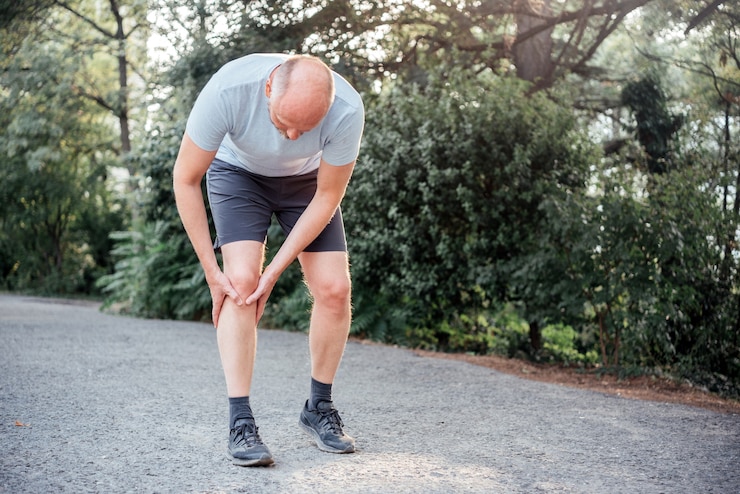
Rasayan Churna Ingredients: The Synergy of Three Herbs
- Each ingredient in Rasayan Churna constitutes exactly 33.33% of the formula.
- This equal-proportion blending isn't arbitrary — it's designed to create a balanced effect across all three doshas (Vata, Pitta, Kapha) and the three gunas of the mind (Sattva, Rajas, Tamas).
Amalaki (Emblica officinalis) — The Pitta Balancer
Amalaki, commonly known as Indian Gooseberry or Amla, is arguably the most important single herb in Ayurveda. It contains one of the highest natural concentrations of Vitamin C among fruits — studies indicate approximately 600-700 mg per 100g of fresh fruit (Pharmacognosy Reviews, 2012). What makes Amla's Vitamin C remarkable is its heat-stability; the tannins in amla form a matrix that protects ascorbic acid from degradation even during processing.
In the context of Rasayan Churna, Amalaki primarily:
- Balances Pitta dosha
- Promotes Sattva guna (mental clarity and purity)
- Acts on the liver as the primary target organ
- Supports collagen synthesis, benefiting skin elasticity and hair strength
- Provides powerful antioxidant protection (a 2011 study in the European Journal of Cancer Prevention demonstrated significant free radical scavenging activity)
Quality selection tip from classical texts: The best Amalaki for rasayana preparation should have a copper-like hue and ideally be harvested during the months of Maha-Phagan (approximately February-March in the Gregorian calendar), when its rasayana potency is considered highest.
Guduchi (Tinospora cordifolia) — The Vata Balancer
Guduchi, popularly known as Giloy or "Amrita" (the divine nectar), is classified as one of the most potent immunomodulatory herbs in Ayurveda. A 2015 study published in the Journal of Ethnopharmacology confirmed its immunostimulatory effects, showing significant increases in macrophage activation and antibody production in animal models.
Within Rasayan Churna, Guduchi:
- Balances Vata dosha
- Counters Tamas guna (mental lethargy, dullness)
- Targets the heart as the primary organ
- Helps manage chronic fevers, inflammatory conditions, and metabolic disorders
- Supports healthy blood glucose levels (a 2008 study in the Indian Journal of Pharmacology showed hypoglycemic activity comparable to glibenclamide in diabetic rat models)
Warning About the Toxic Look-Alike
- This is something most commercial products and blogs don't mention.
- Tinospora cordifolia has a dangerous look-alike — Tinospora crispa — which is toxic and should never be used. The distinguishing feature is in the bark thickness and stem texture. Authentic Guduchi stem bark has clearly visible lenticels and a characteristic corky texture. If you're sourcing raw herbs for home preparation, ensure proper botanical identification.
Gokshura — The Kapha Balancer (And the Controversy)
Here's where things get interesting, and somewhat controversial. There are actually two plants commonly referred to as "Gokshura" in Ayurvedic practice:
- 1.Tribulus terrestris (Chhota/Small Gokshura) — more commonly available commercially
- 2.Pedalium murex (Bada/Large Gokshura) — less common but arguably more appropriate for rasayana formulations
Several traditional Ayurvedic scholars argue that Pedalium murex is the correct Gokshura for Rasayan Churna, because its rejuvenative and aphrodisiac properties are stronger, while Tribulus terrestris is more suited for urinary tract disorders (Mutravaha Srotas). The commercial market predominantly uses Tribulus terrestris due to easier availability and lower cost — something worth being aware of when choosing your product.
In Rasayan Churna, Gokshura:
- Balances Kapha dosha
- Counters Rajas guna (mental agitation, restlessness)
- Targets the kidneys as the primary organ
- Supports reproductive health and vitality
- Acts as a natural adaptogen, helping the body cope with stress
Phytochemical Profile: What's Actually Inside?
- No competitor has provided a consolidated phytochemical overview for consumers.
- Here's what the combined formula delivers:
| Phytochemical Class | Primary Source | Key Compounds | Health Relevance |
|---|---|---|---|
| Vitamin C & Tannins | Amalaki | Ascorbic acid, Gallic acid, Ellagic acid | Antioxidant, immune support |
| Alkaloids | Guduchi | Berberine, Palmatine, Tinosporin | Anti-inflammatory, immunomodulatory |
| Terpenoids | Guduchi | Tinosporide, Columbin | Hepatoprotective, antipyretic |
| Saponins | Gokshura | Protodioscin, Terrestrosin | Hormonal support, adaptogenic |
| Flavonoids | All three | Quercetin, Kaempferol | Cardioprotective, anti-inflammatory |
| Polysaccharides | Guduchi, Amalaki | Arabinogalactan | Immunostimulatory |
What Are the Benefits of Rasayan Churna?
The benefits of Rasayan Churna extend across multiple body systems, which is precisely what makes it a "rasayana" — a holistic rejuvenator rather than a single-target remedy. Let's break them down systematically.
Immunity Enhancement (Vyadhikshamatva)
This is the headline benefit. All three ingredients are independently classified as immunomodulators, meaning the combination delivers a compounded immune-boosting effect. A 2016 review in Journal of Ayurveda and Integrative Medicine noted that Guduchi alone can stimulate both innate and adaptive immunity. Combined with the vitamin C from Amalaki and the adaptogenic saponins from Gokshura, the formula creates what Ayurveda calls "Ojas" — the subtle essence of vitality and immune resilience.
Energy, Vitality, and Anti-Aging
Rasayan Churna addresses fatigue at its root by nourishing all seven dhatus (tissue layers) sequentially — from Rasa (plasma) through Shukra (reproductive tissue). Users commonly report improved stamina and reduced fatigue within 4-6 weeks of consistent use. The anti-aging effect isn't cosmetic alone; it operates at the cellular level through antioxidant protection and tissue nourishment.
Digestive Support
While not primarily a digestive formula (that would be Triphala), Rasayan Churna does support healthy digestion through Amalaki's Amla-rasa (sour taste) which stimulates Agni (digestive fire), and Guduchi's ability to reduce Ama (metabolic toxins). This is relevant for overall health since Ayurveda considers impaired digestion the root cause of most diseases.
Skin, Hair, and Beauty Benefits
Amalaki is a natural collagen promoter. A 2012 study in Phytotherapy Research showed that Emblica officinalis extract significantly increased type I collagen synthesis in human skin fibroblasts. Combined with Guduchi's blood-purifying properties and Gokshura's hormonal balancing action, Rasayan Churna can help with:
- Improved skin elasticity and reduced fine lines
- Strengthened hair follicles and reduced hair fall
- Prevention of premature greying
- Better complexion through blood purification
Benefits for Different People
- Nobody else has segmented this information by audience.
- Here's a practical breakdown:
For Elderly Individuals
Focus: Joint support, cognitive clarity, immune defense. Rasayan Churna's Vata-balancing properties make it particularly valuable for seniors, as aging is fundamentally a Vata-dominant process. Start with lower doses (1/4 teaspoon) and gradually increase.
For Students and Knowledge Workers
Focus: Mental clarity, memory, stress management. Guduchi is classified as a Medhya Rasayana (brain tonic). Combined with the Sattva-enhancing properties of Amalaki, this churna supports sustained mental performance during intense study or work periods.
For Athletes and Active Individuals
Focus: Recovery, stamina, muscle nourishment. Gokshura's adaptogenic and anabolic-supportive properties help with post-workout recovery, while Amalaki's antioxidants combat exercise-induced oxidative stress.
For Women's Health
Focus: Hormonal balance, skin health, reproductive wellness. However, pregnant and breastfeeding women should avoid this supplement unless specifically prescribed by a qualified Ayurvedic practitioner.
How to Use Rasayan Churna: Dosage and Administration
Standard Dosage
The general recommended dosage for adults is:
- Amount: 3-6 grams (approximately ½ to 1 teaspoon) per day
- Frequency: 1-2 times daily
- Medium (Anupana): Warm water, milk, or honey depending on the desired effect
- Timing: Preferably on an empty stomach, 30 minutes before meals, or as directed by an Ayurvedic physician
| Anupana (Medium) | Best For | Dosha Focus |
|---|---|---|
| Warm water | General detox, digestive support | Kapha |
| Warm milk | Nourishment, strength building, sleep | Vata |
| Honey | Weight management, Kapha conditions | Kapha |
| Ghee | Deep tissue nourishment, Vata conditions | Vata, Pitta |
Seasonal Adjustments for Dosage
This is an area no competitor has covered comprehensively. Ayurveda emphasizes Ritucharya (seasonal regimen), and rasayana intake should ideally be adjusted accordingly:
- Hemanta & Shishira (Early & Late Winter — Nov to Feb): Best time to begin rasayana therapy. Full dose recommended. Digestive fire is naturally strongest.
- Vasanta (Spring — Mar to Apr): Moderate dose. Body is naturally detoxifying accumulated Kapha.
- Grishma (Summer — May to Jun): Reduce dose slightly. Take with cooling anupana like milk. Avoid honey as anupana in summer.
- Varsha (Monsoon — Jul to Sep): Continue moderate dose. Agni is weakest; ensure digestion can handle the churna.
- Sharad (Autumn — Oct to Nov): Good time for rasayana. Pitta is naturally aggravated, and Amalaki in the formula helps balance it.
Pre-Cleansing Before Starting Rasayana (Purva Karma)
Classical Ayurvedic texts strongly recommend that the body be cleansed before starting any rasayana therapy. This is something modern commercial products conveniently skip mentioning. Without prior cleansing, the rasayana herbs cannot penetrate deeply into the tissues because the channels (srotas) are blocked with Ama.
A simplified pre-cleansing protocol includes:
- 1.Snehana-Svedana (oleation and sudation) — consuming ghee in graduated doses for 3-5 days, followed by steam therapy
- 2.A cleansing decoction — traditionally made from Haritaki, Saindhava (rock salt), Amla, Guda (jaggery), Vacha, Vavidang, Haldi, black pepper, and ginger — taken for 3-7 days before commencing the rasayana course
- Light, easy-to-digest diet during the transition period
If full Panchakarma isn't feasible, even a 3-day kitchari cleanse with digestive spices can help prepare the body.
Side Effects of Rasayan Churna and Safety Information
Rasayan Churna is generally considered safe for most adults when taken in recommended doses. However, "natural" does not automatically mean "without risk." Here are the safety considerations that no competitor has adequately addressed.
Can Rasayan Churna Be Taken During Pregnancy and Breastfeeding?
No, it is not recommended during pregnancy and breastfeeding unless explicitly prescribed by a qualified Ayurvedic doctor. Gokshura has potential hormonal effects, and Guduchi's immunostimulatory action may not be appropriate during pregnancy when the immune system naturally modulates to support the fetus.
Drug Interactions to Be Aware Of
- This is perhaps the most critical gap in existing online content about Rasayan Churna.
- Here are documented and theoretical interactions:
| Medication Class | Interaction Risk | Mechanism | Recommendation |
|---|---|---|---|
| Antidiabetic drugs (Metformin, Glibenclamide, Insulin) | Moderate-High | Amalaki and Guduchi both lower blood sugar; combined with medication, hypoglycemia risk increases | Monitor blood glucose closely; dose adjustment may be needed |
| Anticoagulants (Warfarin, Aspirin) | Moderate | Amalaki's high Vitamin C can affect warfarin metabolism; Guduchi has anti-platelet properties | Consult doctor before combining |
| Immunosuppressants (post-transplant drugs, autoimmune medications) | High | Guduchi stimulates the immune system, directly counteracting immunosuppressive therapy | Avoid combination |
| Antihypertensives | Low-Moderate | Gokshura has mild diuretic properties that may potentiate blood pressure-lowering effects | Monitor blood pressure |
| Lithium | Moderate | Gokshura's diuretic effect may alter lithium clearance, potentially increasing lithium levels | Consult psychiatrist |
General Safety Guidelines
- Store in a cool, dry place away from direct sunlight and moisture
- Keep the container tightly sealed after each use
- Do not exceed recommended dosage without professional guidance
- Discontinue use and consult a doctor if you experience any adverse reactions
- Not recommended for children under 12 without medical supervision
Don't wait or self medicate. Start chat with Doctor NOW
How Rasayan Churna Is Made: Traditional vs. Modern Processing
The Bhavana (Levigation) Process
- A 2018 study published in the Journal of Ayurveda and Integrative Medicine (available via PubMed/PMC) investigated the effect of Bhavana (levigation) on Rasayan Churna's stability and shelf life.
- The study compared:
- Regular Rasayan Churna (RC): Simply mixing powdered herbs
- Bhavita Rasayan Churna (BRC): Herbs processed with triple levigation using a decoction (Kwatha) of the same three ingredients
Results showed that Bhavita RC demonstrated superior stability in accelerated shelf-life studies, with better retention of physicochemical parameters over time. The levigation process essentially concentrates active compounds and creates a more homogeneous, stable formulation. The extrapolated shelf life of Bhavita RC was significantly longer than the standard version.
- Hand-Ground vs Machine-Ground: Does It Matter?
Yes, actually. Traditional Ayurvedic pharmacology warns against using modern pulverizers that generate excessive heat during grinding. The friction heat from high-speed automated grinding can degrade heat-sensitive compounds — particularly the Vitamin C in Amalaki and certain alkaloids in Guduchi.
The ideal method is grinding with a stone mortar and pestle (Khalva Yantra), which keeps temperatures low and preserves the full spectrum of active constituents. Realistically, most commercial products use machine grinding for scale. If buying commercial Rasayan Churna, look for brands that mention low-temperature processing or traditional preparation methods.
Comparing Rasayan Churna Products: A Buyer's Guide
- No existing resource offers a side-by-side comparison of commercially available Rasayan Churna products.
- Here's what to consider:
| Factor | Budget Options | Mid-Range Options | Premium/Traditional |
|---|---|---|---|
| Price Range (approx.) | ₹80–150 for 60g | ₹200–400 for 100g | ₹500–1000+ for 100g |
| Gokshura Type | Usually Tribulus terrestris | Varies; check label | More likely Pedalium murex |
| Processing | Machine ground | Machine ground, some with Bhavana | Hand-ground or low-temperature |
| Bhavana (Levigation) | Rarely | Sometimes | Often included |
| Raw Material Quality | Standard grade | Tested for purity | Source-verified, seasonal harvest |
| Packaging | Plastic container | Plastic or glass | Glass jar, airtight seal |
| Certifications | Basic FSSAI | GMP, FSSAI | GMP, FSSAI, organic certifications |
Pro tip: Read the ingredients list carefully. Some products marketed as "Rasayan Churna" add extra herbs or fillers, deviating from the classical three-herb formula. A genuine Rasayan Churna should contain only Amalaki, Guduchi, and Gokshura in equal parts.
Clinical Evidence: What Does Modern Research Say?
While large-scale randomized controlled trials specifically on the three-herb Rasayan Churna combination are limited, there is substantial research on each individual ingredient:
- Amalaki: A 2019 double-blind, placebo-controlled trial published in BMC Complementary Medicine and Therapies involving 98 participants showed that Amla extract supplementation significantly reduced CRP levels (a marker of systemic inflammation) and improved antioxidant status after 12 weeks.
- Guduchi: A 2020 review in Phytomedicine analyzed 47 preclinical and 12 clinical studies, concluding that Tinospora cordifolia demonstrates consistent immunomodulatory, anti-inflammatory, and hepatoprotective effects. Notably, during the COVID-19 pandemic, India's Ministry of AYUSH recommended Guduchi as part of preventive health protocols.
- Gokshura: A 2014 systematic review in Journal of Dietary Supplements evaluated Tribulus terrestris studies and found evidence supporting its role in improving urinary function and reproductive health, though the authors noted that more rigorous clinical trials are needed.
The synergistic effect of combining all three herbs — while well-established in classical Ayurvedic literature — still awaits robust modern clinical validation. This is an honest assessment. The individual ingredient research, however, strongly supports the theoretical framework.
Frequently Asked Questions (FAQ)
What is Rasanjana in Ayurveda, and is it the same as Rasayan Churna?
No, Rasanjana and Rasayan Churna are completely different. Rasanjana is an aqueous extract of Daruharidra (Berberis aristata) used primarily in eye disorders (Netra Roga) and wound healing. The similarity in name causes confusion, but they have different ingredients, preparation methods, and therapeutic applications.
Is Rasayan Churna good for gas and digestive problems?
While Rasayan Churna is not primarily a digestive remedy (unlike Hingvastak Churna or Lavanbhaskar Churna which are specifically for gas), it does support overall digestive health through Amalaki's Deepana (appetite-stimulating) property. For acute gas and bloating, a dedicated digestive formula would be more appropriate. Rasayan Churna works better as a long-term tonic that gradually strengthens digestion.
How long does it take for Rasayan Churna to show results?
Most practitioners suggest a minimum of 6-8 weeks of consistent daily use before evaluating results. Rasayana therapy is fundamentally a slow, deep-acting process — it nourishes tissues sequentially, and the full benefits unfold over 3-6 months. Expecting overnight results from a rasayana is missing the point entirely.
Can diabetics take Rasayan Churna?
Rasayan Churna may actually be beneficial for diabetics due to the hypoglycemic properties of both Amalaki and Guduchi. However, if you're on antidiabetic medication, there's a real risk of hypoglycemia (excessively low blood sugar) from the combined effect. Always consult your doctor and monitor blood sugar levels more frequently if you decide to add Rasayan Churna to your regimen.
Can Rasayan Churna be taken with other Ayurvedic medicines?
Generally yes, but it depends on the specific combination. Rasayan Churna pairs well with Ashwagandha Churna (for enhanced adaptogenic effects), Shatavari (for women's health), and Chyawanprash (for amplified rasayana benefits). Avoid combining it with strong Shodhana (purgative) formulations without professional guidance.
Is it safe to prepare Rasayan Churna at home?
- Yes, home preparation is actually preferred by traditionalists because you control the quality of ingredients and the grinding method.
- The process is straightforward: obtain equal quantities of dried Amalaki fruit pulp, Guduchi stem, and Gokshura fruit/root. Grind each separately to a fine powder using a mortar and pestle, then mix thoroughly. For enhanced potency, perform Bhavana (levigation) by adding a decoction of the same three herbs to the mixed powder, grinding it into a paste, and drying it — repeating this process three times. Store in an airtight glass container.
What is the shelf life of Rasayan Churna?
According to Ayurvedic pharmaceutical standards (Sharangadhara Samhita), churnas (powders) have a general shelf life of 2 months when stored properly. However, the 2018 accelerated stability study on Bhavita Rasayan Churna demonstrated that levigated formulations retain their properties for significantly longer — potentially up to 6 months or more. Commercial products with modern packaging and preservative-free processing typically list 2-3 years shelf life, though traditionally prepared churnas are considered most potent when fresh.
Final Thoughts: Is Rasayan Churna Right for You?
Rasayan Churna represents one of Ayurveda's most elegant formulations — just three herbs, in equal proportion, yet covering all three doshas, all three mental gunas, and three major organ systems (liver, heart, kidneys). Its simplicity is its strength.
That said, it's not a magic pill. Rasayana therapy works best within the larger framework of Ayurvedic living — proper diet (Ahara), lifestyle (Vihara), ethical conduct (Achar Rasayana), and ideally, periodic cleansing (Shodhana). Taking Rasayan Churna while eating processed foods and sleeping at irregular hours is like watering a plant with one hand and pouring salt on the soil with the other.
If you're genuinely interested in experiencing the benefits of this classical formula, start with a consultation with a qualified Ayurvedic practitioner (BAMS or MD Ayurveda) who can assess your Prakriti (constitution), current imbalances, and any potential contraindications. Then commit to at least 3 months of consistent use alongside supportive lifestyle practices.
Your body took years to arrive at its current state. Give it a reasonable timeline to restore itself.
Disclaimer: This article is for informational and educational purposes only and is not intended as medical advice. Always consult a qualified healthcare practitioner before starting any new supplement or herbal regimen, especially if you have pre-existing health conditions or are taking prescription medications.
Scientific Sources
- The healing Buddha — Hill RB, 2004, Journal of medical biography
- Complete healing of a Dooshivishajanya non-healing wound with Jalaukavacharana - A case report — Balakrishnan P et al., 2025, Journal of Ayurveda and integrative medicine
- Ayurveda-modern medicine interface: A critical appraisal of studies of Ayurvedic medicines to treat osteoarthritis and rheumatoid arthritis — Chopra A et al., 2010, Journal of Ayurveda and integrative medicine
- A Comprehensive Analysis of Therapeutic Potential of Medicinal Plant Extracts to Treat Ethanol-Induced Gastric Ulcer — Paulraj RS et al., 2026, Biomedicines
- Rational use of Ashwagandha in Ayurveda (Traditional Indian Medicine) for health and healing — Joshi VK et al., 2021, Journal of ethnopharmacology
- Vedic principles of therapy — Boyer RW, 2012, Explore (New York, N.Y.)
- Antiviral Activity of Svarnvir-IV Tablet Assayed for Activity Against SARS-CoV-2 In Vitro — Reddy KR et al., 2023, Cureus
- Unveiling the Healing Potential of Marsilea minuta Linn. (Sunishannaka): An Integrative Overview of Phytochemistry, Therapeutic Value, and Toxicological Aspects — Singh S et al., 2026, Chemistry & biodiversity
- Phytochemical constituents, distributions and traditional usages of Arnebia euchroma: A review — Kumar A et al., 2021, Journal of ethnopharmacology
- Traditional and ayurvedic herbalism, homeopathy--the alternative therapeutic methods in dentistry.Review(https://pubmed.ncbi.nlm.nih.gov/23421114/) — Wyganowska-Swiatkowska M et al., 2012, Przeglad lekarski
- Therapeutic properties and pharmacological activities of asiaticoside and madecassoside: A review — Bandopadhyay S et al., 2023, Journal of cellular and molecular medicine
- The development of Terminalia chebula Retz. (Combretaceae) in clinical research — Bag A et al., 2013, Asian Pacific journal of tropical biomedicine
- Untouchable healing: a Dalit Ayurvedic doctor from Nepal suffers his country's ills — Cameron MM, 2009, Medical anthropology
- A comprehensive review of the phytochemistry, pharmacology, pharmacokinetics, and green nanotechnological significance of Boerhavia diffusa Linn — Patel N et al., 2025, Fitoterapia
- Review of grey literature on Ayurveda wound healing formulations and procedures - A systematic review — Dudhamal TS, 2023, Journal of Ayurveda and integrative medicine
- Management of non-healing lesion from surgical treatment of necrotizing fasciitis through Ayurveda- a case report — Kuchewar V, 2022, Journal of Ayurveda and integrative medicine
- Scientific basis for the use of Indian ayurvedic medicinal plants in the treatment of neurodegenerative disorders: ashwagandha — Ven Murthy MR et al., 2010, Central nervous system agents in medicinal chemistry
- Bomohs, doctors and sinsehs--medical pluralism in Malaysia — Heggenhougen HK, 1980, Social science & medicine. Medical anthropology
- Drimia indica: A Plant Used in Traditional Medicine and Its Potential for Clinical Uses — Aswal S et al., 2019, Medicina (Kaunas, Lithuania)
- A Comprehensive Review on Physiological Effects of Curcumin — Ahsan R et al., 2020, Drug research
Questions from users
What is the role of phytochemicals in traditional medicine practices like Ayurveda?
Sage
8 days ago
Phytochemicals play a big part in Ayurveda by boosting the body's natural healing abilities. They help balance doshas (vata, pitta, kapha), enhance agni (digestive fire), and nourish dhatus (tissues). They're key in traditional remedies for detoxifying, improving immunity, and supporting overall health. So, imagine them as nature's support crew for well-being!
Can I take Guduchi during summer for detoxifying purposes?
Henry
17 days ago
Yes, you can take Guduchi during summer for detoxifying, but you might wanna reduce the dose a bit. Summer's heat can impact your body's balance, and Guduchi is cooling, so just be mindful of your body's reactions. It's good to listen to your body cues, as every individual's constitution's unique.
What is Guduchi and how does it support immunity in the body?
Asher
26 days ago
Guduchi, also known as Tinospora Cordifolia, is an amazing herb in Ayurveda classified as a Medhya Rasayana, which means brain tonic. It's known for boosting both innate and adaptive immunity. It helps your body naturally detoxify and balances Kapha. Keep in mind it's not an overnight solution but with time and the right lifestyle, it can really support your immunity.
Can I use Rasayan Churna to boost my immune system naturally?
Quinn
35 days ago
Yes, you can use Rasayan Churna to boost your immune system naturally! The herbs like Amalaki and Guduchi in it are known for their rejuvenative and immune-enhancing properties. Just remember it's not a direct substitute for a healthy diet and lifestyle. If you're dealing with specific health issues, consulting an Ayurvedic practitioner is always a good idea.
What is the best way to use Rasayan Churna for quick relief from joint pain?
Violet
46 days ago
To get quick relief from joint pain using Rasayan Churna, try starting with a small dose—typically a teaspoon mixed with warm water, twice a day, after meals. Remember though, it's not a magical instant fix; it works best by balancing your doshas and strengthening agni over time. Pair it with a vata-pacifying diet like warm, moist foods, and gentle exercises. Also, reducing stress through yoga or meditation can play a big role too!
What lifestyle habits can I adopt to improve my overall joint health naturally?
Christian
56 days ago
For better joint health naturally, try eating warm, cooked meals with healthy fats like ghee or olive oil to balance Vata. Stretching and gentle exercises, like yoga, can help reduce tension and improve flexibility. Also, including herbs like Ashwagandha can support your system. Remember to stay hydrated and keep your stress low, maybe add meditation!
What is curcumin and how does it help reduce inflammation in the body?
Summer
66 days ago
Ah, so curcumin is that awesome compound found in turmeric. It's known for its anti-inflammatory powers. It helps reduce swelling by modulating the body's inflammatory response. Great for people with joint issues. It doesn't just mask the pain, it helps address the root cause by soothing that inflammation. Fun fact—not only joints, but curcumin benefits digestion too by balancing your agni or digestive fire. Just remember, it works best when combined with black pepper or a healthy fat to enhance absorption!
What are the benefits of yoga and Tai Chi for improving joint health?
Lucy
75 days ago
Yoga and Tai Chi are great for joint health! They help keep joints flexible and reduce stiffness. Movements in both are gentle and controlled, boosting circulation around the joints and nourishing the tissues. It also calms the mind, reducing stress that can worsen joint pain. Try to find a class or a community to enjoy these benefits together!
What is Rasayan Churna and how does it promote overall wellness?
Zuri
85 days ago
Rasayan Churna is a blend of Ayurvedic herbs known to help balance the body and promote overall wellness. It contains herbs like Ashwagandha and Turmeric, which are great for calming the mind and reducing inflammation, especially in joints. This makes it really helpful for enhancing flexibility and joint health, giving a more holistic approach to wellbeing!
Is it safe to use Rasayan Churna for long-term joint pain management?
Samuel
94 days ago
Rasayan Churna can be used for joint pain, but it's good to keep a few things in mind. Everyone's body is different, so it's best to consult an Ayurvedic practitioner who can guide you based on your prakriti (constitution) and specific dosha imbalances. Long-term use should be monitored to ensure it's benefiting rather than causing any imbalance. Also, make sure your agni (digestive fire) remains strong, as a weak digestive system can affect how well your body reacts to the herbs!
Related articles

Orthopedic Disorders
Rasnasaptak Kashayam Tablet (Kadha)
Exploration of Rasnasaptak Kashayam Tablet (Kadha)
1,757
Orthopedic Disorders
Kokilakshakam Kashayam Uses and Health Benefits Explained
Discover the evidence-based uses of Kokilakshakam Kashayam in Ayurveda for arthritis, muscle pain, and inflammation. Backed by scientific research.
2,989

Orthopedic Disorders
Amavata Lakshana: A Comprehensive Overview
Discover amavata lakshana, its Ayurvedic background, modern scientific insights, and practical strategies for managing joint pain and inflammation.
2,390

Orthopedic Disorders
Sunarin Capsules – Benefits, Dosage, Ingredients, Side Effects
Exploration of Sunarin Capsules – Benefits, Dosage, Ingredients, Side Effects
3,980

Orthopedic Disorders
Spinal Cord Injury Treatment in Ayurveda: Natural Healing & Recovery
Explore Ayurvedic approaches to spinal cord injury treatment, including holistic therapies, herbal support, rehabilitation methods, and safety considerations for optimal recovery.
3,198

Orthopedic Disorders
Effective Ayurvedic Treatment for Disc Bulge: Heal Naturally
Explore the best Ayurvedic treatments for disc bulge, including herbal remedies, therapies, and lifestyle changes supported by scientific research to alleviate back pain and improve spinal health.
4,244

Orthopedic Disorders
Vatarakta Treatment in Ayurveda – Holistic Approach for Joint & Blood Disorders
Discover the Ayurvedic approach to treating Vatarakta, a condition marked by joint pain, inflammation, and blood imbalances. Learn about herbal therapies, detoxification, and lifestyle changes for effective management.
2,476

Orthopedic Disorders
Rasnairandadi Kashayam – Benefits, Dosage, Ingredients and Side Effects
Exploration of Rasnairandadi Kashayam – Benefits, Dosage, Ingredients and Side Effects
1,915

Orthopedic Disorders
Rasnairandadi Kashayam: Benefits, Dosage, Ingredients, Side Effects
Exploration of Rasnairandadi Kashayam: Benefits, Dosage, Ingredients, Side Effects
1,953
Orthopedic Disorders
Pravala Panchamrita Rasa – Ayurvedic Formulation for Rejuvenation and Balance
Discover Pravala Panchamrita Rasa, a traditional Ayurvedic medicine combining calcined coral and a blend of five potent ingredients for detoxification, rejuvenation, and overall wellness. Learn about its benefits, usage guidelines, and precautions.
2,556
Related consultations on the topic
Legal
Additional Documents
© 2024 Ask Ayurveda. All rights reserved.