Ask Ayurvedic doctor a question and get a consultation online on the problem of your concern in a free or paid mode. More than 2,000 experienced doctors work and wait for your questions on our site and help users to solve their health problems every day.
FREE! Ask Ayurvedic Doctors 24/7

 Fast responses
 1000+ verified doctors
Body DetoxEar, Nose, and Throat DisordersGeriatrics & RejuvenationImmunodeficiencyInfertility TreatmentNutritionOrthopedic DisordersPediatricsRespiratory DisordersSexually Transmitted Diseases (STDs)Surgery RecoveryUrological DisordersVascular DisordersDental DisordersEndocrinological DisordersGastrointestinal DisordersYoga TherapyGeneral MedicineAllergic DisordersCardio DisordersGynecology and ObstetricsCosmetologySkin and Hair DisordersEye DisordersInfectious DiseasesMental DisordersNeurological DisordersOncologyPanchakarmaSexual Health & DisordersSports Medicine
Published on 07/01/25
(Updated on 07/05/26)
4,068
What Is Marma Chikitsa in Ayurveda: Points, Healing, and Benefits

In a world brimming with modern medical interventions, many of us are quietly turning back to ancient wisdom for gentler, more holistic healing methods. One such gem is Marma Chikitsa. So, what is Marma Chikitsa? And why is it getting so much buzz lately in wellness spaces?
Marma Chikitsa in Ayurveda is an age-old technique rooted deeply in the Vedic sciences, focusing on energy points across the body to promote balance, health, and rejuvenation. From back pain to emotional stress, Marma therapy is believed to help in ways that are both subtle and deeply profound. This article dives into Ayurveda Marma Chikitsa, exploring its meaning, how it works, key points, and real-world benefits. Whether you're curious about alternative therapies or just looking for natural ways to ease discomfort, you might just find this fascinating. Let’s dive in!
Marma Chikitsa Meaning and Its Roots in Vedic Healing
So, let’s start at the beginning. What is Marma Chikitsa, really?
In simple Marma Chikitsa in English, it translates to “energy point treatment” or “vital spot therapy.” The word “Marma” refers to hidden, vital energy points in the body, while “Chikitsa” means treatment or therapy. These points are where muscles, veins, ligaments, bones, and joints intersect — forming potent healing spots when stimulated correctly.
This concept isn’t new. In fact, it’s thousands of years old. Vedic Marma Chikitsa dates back to ancient Sanskrit texts like the Sushruta Samhita. Originally used on warriors to both harm and heal, this therapy evolved into a sophisticated healing system — one that doesn't just treat the body, but touches the mind and spirit too.
The system is deeply intertwined with Ayurveda, India’s traditional medicine system. Practitioners believe that blocked or unbalanced prana (life force energy) leads to illness, and by manipulating marma points, one can restore that flow. Kind of like acupuncture, but without needles and a very different philosophical base.
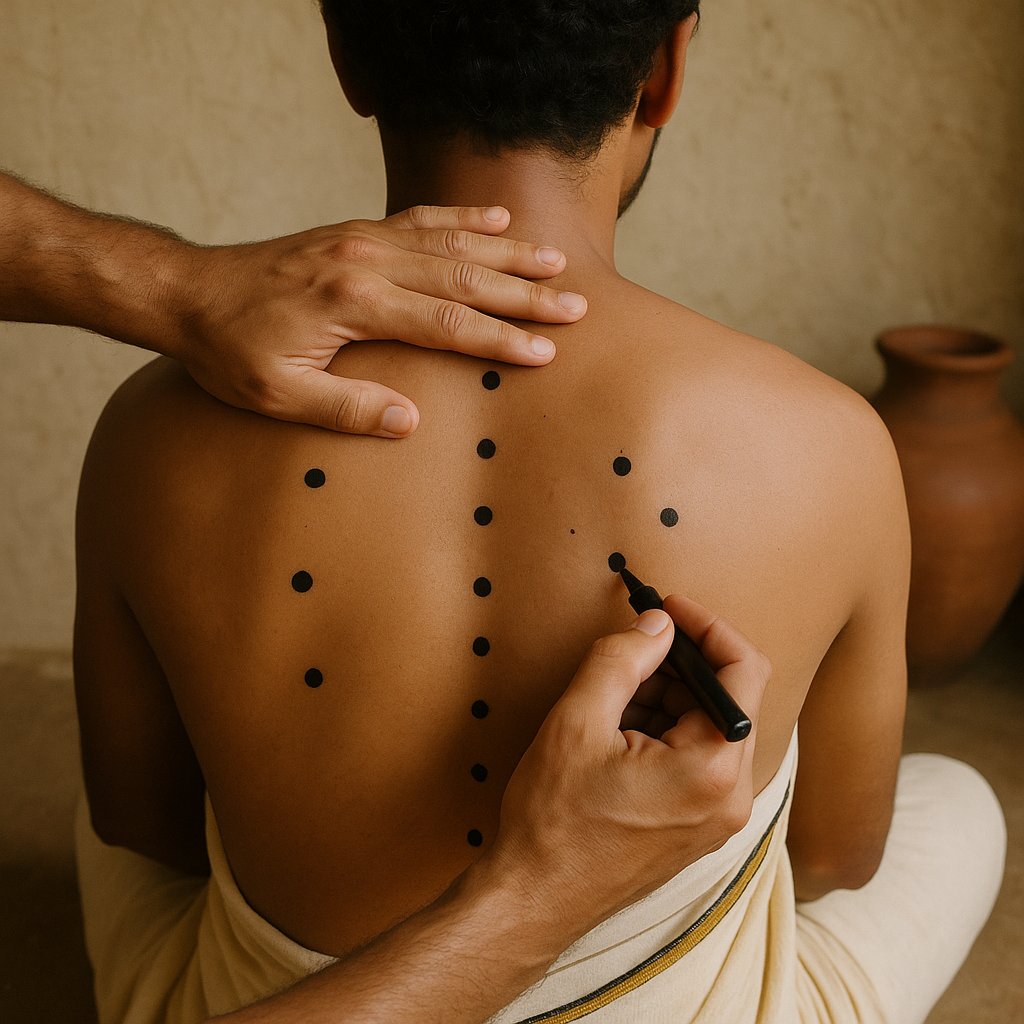
How Marma Chikitsa Works: Energy Points and Techniques
Marma Chikitsa is not just random pressure-point pressing — it’s precise, intentional, and deeply intuitive. Each point has a function, a name, and a purpose within the body's energetic and anatomical map.
Important Marma Points in the Body
There are 107 major marma points in the human body (some count the mind as the 108th). These are categorized based on their locations — like head, chest, arms, and legs — and their elemental properties (earth, water, fire, air, ether). Some key examples include:
-
Sthapani Marma (forehead) – helps calm the mind
-
Hridaya Marma (heart region) – vital for circulation and emotions
-
Kurcha Marma (wrist/ankle area) – supports joint mobility and nerve function
Interestingly, many of these points overlap with the body's lymph nodes, nerve junctions, and muscle insertions — modern science may be just catching up!
Vedic Approach to Marma Activation
Marma Chikitsa in Ayurveda involves more than physical touch. Therapists may use gentle pressure, essential oils, warm herbal pastes, and even focused intention to stimulate the points.
Sometimes, chanting or breathing techniques accompany the therapy — all aiming to balance doshas (Vata, Pitta, Kapha) and encourage the flow of prana. It’s not uncommon for people to feel sleepy, emotional, or extremely relaxed after a session. (Or all three. I once dozed off mid-treatment. Whoops.)
The practitioner's hands act as healing tools, subtly awakening stuck energies. It’s precise — too much pressure can do more harm than good, especially on vulnerable points.
Benefits of Marma Chikitsa for Body and Mind
This isn’t just woo-woo stuff (although some skeptics might think so at first glance). The benefits of Marma Chikitsa are increasingly appreciated in integrative health circles:
-
✅ Pain Relief – Especially Marma Chikitsa for back pain and Marma Chikitsa for knee pain, where chronic tension or inflammation responds well to localized point activation.
-
✅ Improved Circulation – Stimulating energy points boosts blood flow and lymphatic drainage.
-
✅ Mental Clarity & Emotional Balance – Many find relief from anxiety, stress, and even depressive symptoms.
-
✅ Boosts Immunity – By strengthening internal systems and removing energetic blockages, the body can better defend itself.
-
✅ Detoxification – Helps eliminate toxins (ama) from the tissues.
In a study published by Ayurvedic journals (yes, they exist), patients undergoing regular Marma therapy showed notable improvements in mobility and mood within just a few weeks. Anecdotal? Maybe. But compelling? Definitely.
And one more thing... unlike some intense treatments, Marma is non-invasive. It can be performed seated or lying down, fully clothed, and adapted for nearly all age groups. Well, unless you're in the middle of a cold or recovering from surgery — then it’s best to wait.
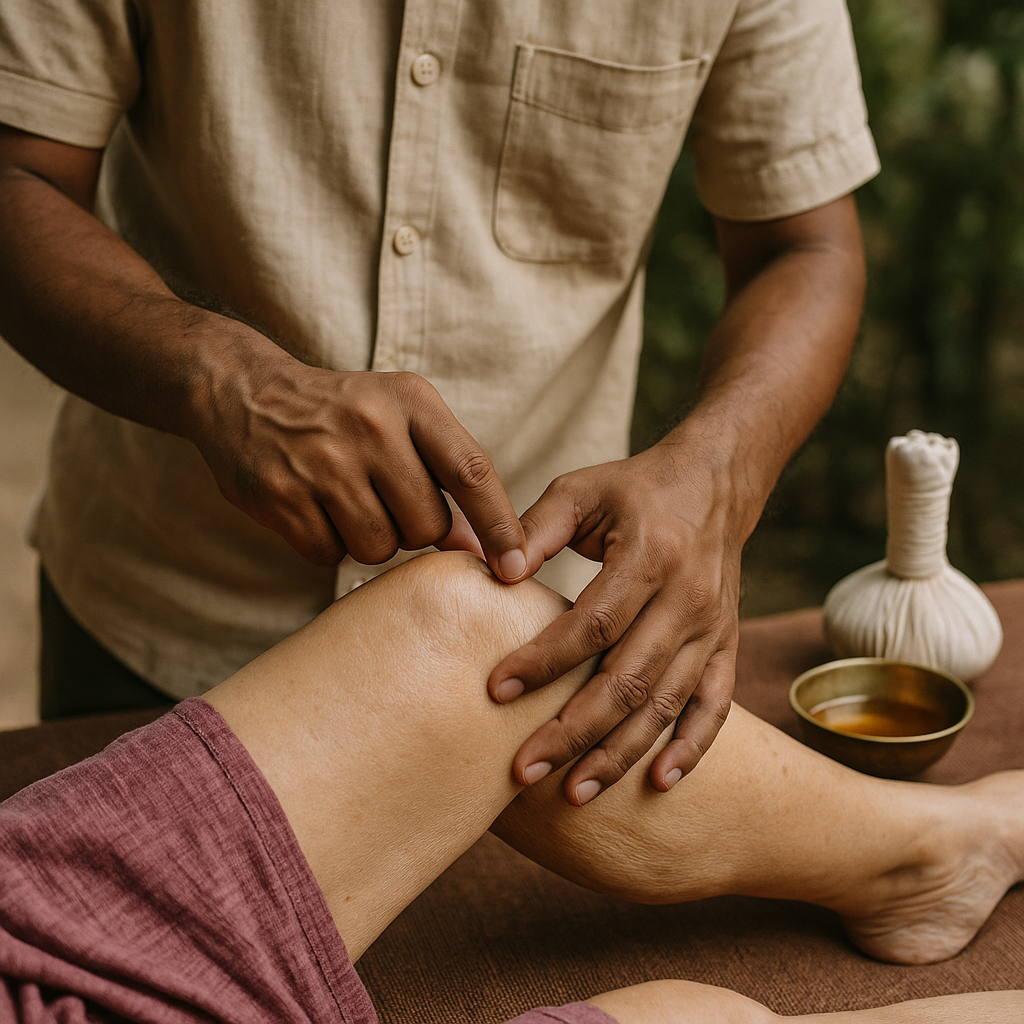
When and How Marma Therapy Is Applied in Ayurveda
Unlike some treatments you’d just drop in for when something hurts, Marma Chikitsa in Ayurveda is often used both preventively and curatively. That means — yup — you can benefit from it even if nothing’s “wrong.”
So when is it actually applied?
Let’s say you’re dealing with chronic joint pain, like knee stiffness that doesn’t quit. Or that nagging back pain from too much screen time. In these cases, Marma Chikitsa for knee pain and Marma Chikitsa for back pain can be super effective. By targeting specific marma points, the therapy helps reduce inflammation, increase circulation, and realign energy flow to support healing.
But it’s not just for pain relief.
Marma therapy is also used for:
-
Post-illness recovery (like after a viral infection or injury)
-
Sleep disorders
-
Fatigue and burnout (that “running on empty” feeling)
-
Hormonal imbalances
-
And even emotional trauma (yes, the body holds memories too)
How Sessions Typically Work
A typical session starts with a quick consultation — an Ayurvedic practitioner might assess your dosha type, ask about your lifestyle, digestion, sleep patterns, and overall vibe (that’s not the technical term, but you get it).
Then, you'll lie down in a quiet room, usually dimly lit, often with some soft mantra music playing in the background. The therapist will gently stimulate a series of marma chikitsa points using fingers, sometimes tools or herbal oils, depending on your imbalance.
Each session can last between 30 to 60 minutes. There may be warmth, tingling, or a slight emotional release. Some folks cry. Others just nap. There’s no “right” response, which is kind of beautiful, honestly.
The number of sessions needed varies. Some people feel relief after just one. Others may need a few rounds to feel the deeper shifts. But unlike popping a pill, this form of healing requires a bit of patience — and an open mind.
Oh! And don’t eat a heavy meal right before. You’ll regret it, trust me.
Conclusion
So, what is Marma Chikitsa? It’s more than just an ancient bodywork technique — it’s a full-spectrum, energy-aligned therapy that taps into the intelligence of the body and the wisdom of Ayurveda. Whether you're new to holistic healing or already on your journey, exploring Ayurveda Marma Chikitsa might just change how you think about health and vitality.
It’s not magic — though it might feel like it.
By connecting to these powerful marma points, people are finding relief from physical pain, emotional clutter, and energetic fatigue in ways modern medicine often can’t quite reach.
Feeling curious now? Maybe even inspired?
Don't wait or self medicate. Start chat with Doctor NOW
FAQs
What is the cost of marma therapy?
Costs vary depending on where you live and who you’re seeing. In India, sessions might start around ₹500–1500. In the U.S. or Europe, they can range from $40 to $120 per session. Some practitioners offer packages too.
What are the three types of Chikitsa?
In Ayurveda, the three main types of Chikitsa are:
-
Daivavyapashraya Chikitsa – spiritual or divine therapy
-
Yuktivyapashraya Chikitsa – logical, medicinal treatment (like herbs, diet)
-
Sattvavajaya Chikitsa – psychological or mind-control therapy
Marma Chikitsa falls under Yuktivyapashraya, but also overlaps with the other two — which is why it’s so holistic.
What are the side effects of marma therapy?
Usually, there are no harsh side effects if done correctly. Some people feel tired, emotional, or lightheaded afterward — it’s the body adjusting. But if the wrong point is pressed too hard or by someone untrained, it can cause pain or worsen symptoms. Always go to a skilled practitioner!
Ready to experience this ancient healing art yourself?
🌿 Book a Marma session near you or talk to a qualified Ayurvedic practitioner to see if it’s right for you.
And hey, if you found this helpful — share it with a friend who’s into wellness. Or that coworker who keeps complaining about back pain. They’ll thank you later.
Questions from users
How is Marma Chikitsa different from traditional physical therapy?
Victoria
7 days ago
Marma Chikitsa is like this special subtle touch therapy from Ayurveda. Unlike traditional physical therapy, which is more about physical manipulations and exercises, Marma focuses on vital energy points in the body. They're like energy and healing centers! It's about balancing energy and promoting natural healing, rather than just focusing on the muscles and joints.
Can Marma Chikitsa help with healing after an injury?
Sebastian
16 days ago
Sure! Marma Chikitsa can definitely assist with healing after an injury. It works by activating blocked energies, which can help balance your doshas, support tissue recovery, and enhance agni. The practitioner uses their hands to trigger the marma points, promoting circulation and healing. Just keep in mind, results can vary, so it's good to try a few sessions to see how it works for you.
What happens if a Marma point is pressed incorrectly during treatment?
Addison
26 days ago
If a marma point's pressed incorrectly, it can cause discomfort or amplified symptoms instead of relief. The body's energy flow might get disrupted if not handled well. Always go to a trained practitioner who can accurately identify & work with marma points, keeping everything balanced and gentle.
Can Marma Chikitsa help with emotional release during treatment sessions?
Hunter
34 days ago
Yes, Marma Chikitsa can help with emotional release. While the therapist applies gentle pressure or uses oils, it might trigger emotions that have been stuck. It's all about balancing doshas and letting prana flow, which can sometimes lead to tears or a sense of relief. So, feeling something emotional during the session is a good sign that it's working!
What should I do if I feel discomfort during a Marma Chikitsa session?
Leo
44 days ago
If you feel discomfort during a Marma Chikitsa session, speak up right away to your practitioner. They can adjust their technique or pressure. Discomfort might mean energy is shifting, but you should never feel pain. After all, it's meant to balance your body, not to stress it out, right? Trust your instincts!
Can Marma Chikitsa help improve sleep quality and how does it work for that?
Nevaah
53 days ago
Yep, Marma Chikitsa can help improve sleep quality! It works by balancing prana (life force energy) and calming the nervous system, leading to better relaxation. During a session, apllying pressure to specific marma points can make you feel more relaxed or even sleepy. This can totally help you drift off to sleep easier. Try a session and see how it makes you feel!
What is the role of patience in experiencing the benefits of Marma Chikitsa?
Shelby
63 days ago
Patience can be really important in Marma Chikitsa. Some people might feel relief right away, but others could need a few more sessions to notice deeper benefits. It’s all about allowing your body some time to respond to the healing. It's not an instant fix like medicine, but over time it can bring balance and well-being.
Is it safe to have Marma Chikitsa after eating a light meal?
Hudson
73 days ago
Having Marma Chikitsa after a light meal is generally okay, but it's best to allow some digestion time, like an hour or so. This helps keep your body's focus on the treatment, not digesting. If you feel uncomfortable, wait a bit longer. Always listen to your body! Maybe have a chat with your practitioner about timing too.
What is the history behind Marma Chikitsa and its development in traditional medicine?
Lindsey
82 days ago
Marma Chikitsa's roots go way back to ancient times in Ayurveda and martial arts, particularly Kalari. It revolves around the vital points, or marmas, where tissues intersect, playing a role in body-mind health. The practice evolved through observation and experience over centuries, blending physical and energy-based healing. It’s a fascinating mix!
Can Marma Chikitsa be used for relieving stress and anxiety?
Sydney
92 days ago
Yeah, Marma Chikitsa can definitely help with stress and anxiety! It's all about balancing energy and releasing blocked emotions gently. By stimulating specific marma points, it can calm the nervous system and bring a sense of relaxation. So if you're feeling overwhelmed, it might be worth giving it a try!
Related articles
Orthopedic Disorders
Calcaneal Spur Ayurvedic Treatment: Natural Relief for Heel Pain
Explore effective Ayurvedic treatments for calcaneal spur, including natural remedies, lifestyle changes, and scientific evidence to alleviate heel pain.
3,183
Orthopedic Disorders
Marma Gulika Uses: A Comprehensive Ayurvedic Overview
Discover marma gulika uses, its Ayurvedic origins, and current research. Learn about benefits, precautions, and expert advice for safe practice.
2,828

Orthopedic Disorders
How to Dissolve Bone Spurs Naturally: Ayurvedic and Holistic Approach
How to dissolve bone spurs naturally? Explore Ayurvedic and holistic remedies, diet, oils, and lifestyle changes to get rid of bone spurs and support joints
6,034

Orthopedic Disorders
How to Massage Feet to Relieve Pain: Ayurvedic Steps and Oils
Learn how to massage feet to relieve pain using Ayurvedic oils and pressure points. Simple at-home techniques to relax legs, reduce fatigue, and ease tension
4,601

Orthopedic Disorders
Kasisadi Tailam Benefits, How To Use, Ingredients, Side Effects
Exploration of Kasisadi Tailam Benefits, How To Use, Ingredients, Side Effects
1,899

Orthopedic Disorders
Viscovas Capsule – Uses, Dose, Ingredients and Side Effects
Exploration of Viscovas Capsule – Uses, Dose, Ingredients and Side Effects
2,475
Orthopedic Disorders
Katigraha in Ayurveda – Natural Relief for Lower Back Pain
Discover Ayurvedic insights and natural remedies for Katigraha. Learn how traditional treatments, herbal therapies, and lifestyle adjustments can ease lower back pain and improve mobility.
3,053
Orthopedic Disorders
Ayurvedic Foot Drop Treatment: Natural Mobility Solutions
Explore Ayurvedic treatments for foot drop, including Panchakarma, herbal oils, and nerve-strengthening remedies for improved mobility and nerve repair.
2,838
Orthopedic Disorders
Pippalyadi Taila – Ayurvedic Oil Benefits, Uses & Applications
Discover Pippalyadi Taila, an Ayurvedic herbal oil. Learn about its traditional uses, benefits for digestion, pain relief, and overall wellness, along with dosage guidelines and precautions.
2,444

Orthopedic Disorders
How to Cure Stiff Neck: Natural Remedies and Ayurvedic Tips
Learn how to cure stiff neck naturally with home remedies, yoga, massage and exercises. Find Ayurvedic solutions for lasting neck relief and flexibility
2,731
Related consultations on the topic
Legal
Additional Documents
© 2024 Ask Ayurveda. All rights reserved.