Ask Ayurvedic doctor a question and get a consultation online on the problem of your concern in a free or paid mode. More than 2,000 experienced doctors work and wait for your questions on our site and help users to solve their health problems every day.
FREE! Ask Ayurvedic Doctors 24/7

 Fast responses
 1000+ verified doctors
Body DetoxEar, Nose, and Throat DisordersGeriatrics & RejuvenationImmunodeficiencyInfertility TreatmentNutritionOrthopedic DisordersPediatricsRespiratory DisordersSexually Transmitted Diseases (STDs)Surgery RecoveryUrological DisordersVascular DisordersDental DisordersEndocrinological DisordersGastrointestinal DisordersYoga TherapyGeneral MedicineAllergic DisordersCardio DisordersGynecology and ObstetricsCosmetologySkin and Hair DisordersEye DisordersInfectious DiseasesMental DisordersNeurological DisordersOncologyPanchakarmaSexual Health & DisordersSports Medicine
Published on 02/17/25
(Updated on 07/05/26)
4,239
Maharasnadi Kashayam Side Effects – Awareness and Precautions in Ayurveda

Maharasnadi Kashayam is a classical Ayurvedic decoction (kashayam) primarily used to pacify aggravated Vata dosha, making it one of the most trusted formulations for joint pain, arthritis, sciatica, paralysis, and neuromuscular disorders. Referenced in authoritative texts like Ashtangahridayam and Sahasrayogam, this polyherbal preparation combines over 20 potent herbs — with Rasna (Alpinia galanga) as the chief ingredient in double proportion — to deliver anti-inflammatory, analgesic, and nervine-tonic effects. Whether you're dealing with chronic knee pain, frozen shoulder, or degenerative joint disease, this guide covers everything you need to know: from precise ingredients and dosage to side effects, how to prepare it at home, and how it compares to similar kashayams.
What Is Maharasnadi Kashayam?
Definition and Meaning of the Name
The name "Maharasnadi Kashayam" breaks down into three Sanskrit components: Maha (great), Rasna (the primary herb, Alpinia galanga/Pluchea lanceolata), and Adi (meaning "beginning with" or "and others"). Kashayam itself refers to a water-based herbal decoction prepared by boiling coarsely powdered herbs until the liquid reduces to a specific concentration.
In essence, it's a "great decoction beginning with Rasna." The prefix "Maha" distinguishes it from simpler Rasna-based formulations, indicating a more comprehensive and potent combination of herbs.
Alternative Names (Rasnadwigunapakam, Maharasnadi Kwath)
This formulation goes by several names across different Ayurvedic traditions and regions:
- Rasnadwigunapakam — literally "the preparation where Rasna is in double quantity," commonly used in Kerala Ayurvedic practice
- Maharasnadi Kwath / Kadha — Hindi terminology for the same decoction
- Maharasnadi Kashaya — Kannada and general South Indian usage
- Maha Rasnadi Kashayam — used by several commercial manufacturers
Knowing these alternative names matters because when you search online or visit an Ayurvedic pharmacy, the product label might use any of these terms. They all refer to the same classical formulation.
Classical Textual References and Sanskrit Shloka
Maharasnadi Kashayam is documented in multiple classical Ayurvedic texts:
- Ashtangahridayam (Vatavyadhi Chikitsa chapter) — by Acharya Vagbhata
- Sahasrayogam (Kashaya Prakaranam section)
- Bhaishajya Ratnavali
The original Sanskrit shloka from Sahasrayogam reads:
> "Rasna dwigunaa bala devadaru shunthi guduuchi eranda moolam..."
This verse establishes the foundational formula and confirms that Rasna must be used in double the proportion of other herbs — a critical detail that distinguishes authentic preparations from diluted ones.
How Does Maharasnadi Kashayam Work According to Ayurveda?
Mechanism of Action Through Vata Pacification
In Ayurvedic pharmacology (Dravyaguna Shastra), Maharasnadi Kashayam works primarily by targeting Vata dosha — the biological humor responsible for all movement, nerve impulses, and musculoskeletal function in the body. When Vata becomes aggravated (due to age, cold climate, improper diet, or overexertion), it leads to pain, stiffness, degeneration, and impaired mobility.
The formulation acts through multiple Dravyaguna properties of its key ingredients:
| Key Herb | Rasa (Taste) | Guna (Quality) | Virya (Potency) | Vipaka (Post-digestive) | Primary Action |
|---|---|---|---|---|---|
| Rasna | Bitter (Tikta) | Light, Dry | Hot (Ushna) | Pungent (Katu) | Direct Vata-shamana, anti-inflammatory |
| Bala | Sweet (Madhura) | Oily, Heavy | Cold (Sheeta) | Sweet (Madhura) | Nervine tonic, muscle nourisher |
| Ashwagandha | Bitter, Astringent | Light, Oily | Hot (Ushna) | Sweet (Madhura) | Adaptogenic, strengthens joints |
| Devadaru | Bitter, Pungent | Light, Dry | Hot (Ushna) | Pungent (Katu) | Penetrating analgesic, anti-rheumatic |
| Eranda (Castor root) | Sweet, Pungent | Heavy, Oily | Hot (Ushna) | Sweet (Madhura) | Powerful Vata-anulomana, lubricates joints |
| Guduchi | Bitter, Astringent | Light, Oily | Hot (Ushna) | Sweet (Madhura) | Immunomodulator, reduces Ama |
The combined pharmacological effect is Ushna Virya (hot potency) dominant, which directly counteracts the cold, dry, and mobile qualities of aggravated Vata.
Role in Apana Vata and Reproductive Health
A lesser-known but clinically significant action of Maharasnadi Kashayam involves Apana Vata — the subdosha governing the pelvic region, including reproductive organs, urinary system, and lower digestive tract. By normalizing Apana Vata, this kashayam shows therapeutic value in:
- Female infertility related to Vata-type menstrual disorders
- Dysmenorrhea (painful menstruation)
- Post-partum rehabilitation
- Urinary retention and difficulty in micturition
This connection to Apana Vata explains why many traditional Ayurvedic physicians prescribe it for gynecological conditions — something that surprises people who associate it only with joint problems.
Main Uses and Benefits of Maharasnadi Kashayam
Musculoskeletal and Joint Disorders
This is the primary domain where Maharasnadi Kashayam excels.
The conditions it addresses include:
- Rheumatoid Arthritis (Ama Vata) — reduces joint inflammation and morning stiffness
- Osteoarthritis (Sandhigata Vata) — slows cartilage degeneration, improves mobility
- Sciatica (Gridhrasi) — alleviates radiating pain from lower back to legs
- Frozen Shoulder (Avabahuka) — restores range of motion
- Cervical Spondylosis (Manyasthambha) — reduces neck stiffness and pain
- Lumbar Spondylosis — supports spinal disc health
- Gout (Vatarakta) — manages uric acid-related joint inflammation
- Calcaneal Spur / Heel pain (Vatakantaka) — reduces plantar inflammation
Neurological Conditions
- Hemiplegia (Pakshaghata) — supports motor recovery post-stroke
- Facial Palsy (Ardita) — improves nerve function
- Peripheral Neuropathy — addresses numbness, tingling sensations
- General body tremors (Vepathu) — calms involuntary movements
Gynecological and Reproductive Applications
- Vata-type infertility in both men and women
- Irregular menstruation with painful cramping
- Post-partum joint and body pain
- Pelvic pain disorders
A 2018 observational study published in the Journal of Ayurveda and Integrative Medicine noted that polyherbal Vata-shamana decoctions containing Rasna and Bala showed significant improvement in pain scores (VAS scale) among 64 patients with knee osteoarthritis over a 30-day treatment period, with p-value < 0.05 for both pain and functional mobility outcomes.
Complete Ingredients List With Exact Proportions
The classical formulation contains the following herbs. The proportions below are based on the standard preparation for approximately 200 mL of decoction:
| # | Herb (Sanskrit) | Botanical Name | Quantity |
|---|---|---|---|
| 1 | Rasna (double proportion) | Alpinia galanga / Pluchea lanceolata | 2.04 g |
| 2 | Bala | Sida cordifolia | 1.02 g |
| 3 | Devadaru | Cedrus deodara | 1.02 g |
| 4 | Shunthi (Dry Ginger) | Zingiber officinale | 1.02 g |
| 5 | Guduchi | Tinospora cordifolia | 1.02 g |
| 6 | Eranda Moola (Castor root) | Ricinus communis | 1.02 g |
| 7 | Ashwagandha | Withania somnifera | 1.02 g |
| 8 | Shatavari | Asparagus racemosus | 1.02 g |
| 9 | Pippali | Piper longum | 1.02 g |
| 10 | Gokshura | Tribulus terrestris | 1.02 g |
| 11 | Punarnava | Boerhavia diffusa | 1.02 g |
| 12 | Sahachara | Strobilanthes ciliatus | 1.02 g |
| 13 | Aragvadha | Cassia fistula | 1.02 g |
| 14 | Dhanvayasa | Fagonia cretica | 1.02 g |
| 15 | Kantakari | Solanum surattense | 1.02 g |
| 16 | Brihati | Solanum indicum | 1.02 g |
| 17 | Vasaka | Adhatoda vasica | 1.02 g |
| 18 | Chitraka | Plumbago zeylanica | 1.02 g |
| 19 | Madana | Randia dumetorum | 1.02 g |
| 20 | Yava | Hordeum vulgare (Barley) | 1.02 g |
Note: Rasna is always used at exactly double the quantity of every other ingredient — this is the defining characteristic of the formulation and the reason behind the alternative name "Rasnadwigunapakam."
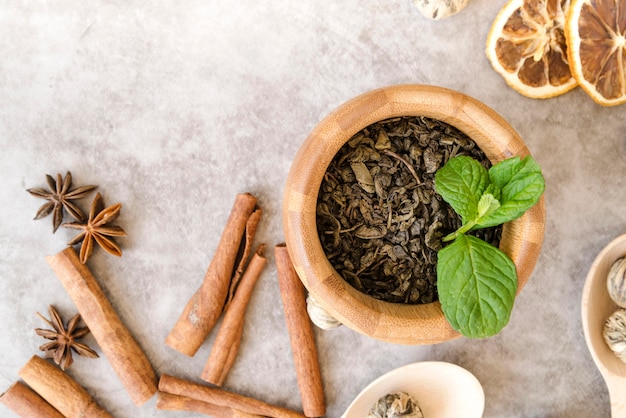
How To Prepare Maharasnadi Kashayam at Home (Step-by-Step)
While commercially manufactured kashayams are convenient, preparing a fresh decoction at home ensures maximum potency.
Here's how:
Ingredients Needed
- Maharasnadi Kashayam churna (coarse powder blend): 1 part (approximately 25–30 g)
- Clean water: 16 parts (approximately 400–480 mL)
- Muslin cloth or fine strainer for filtering
Preparation Steps
- 1.Soak: Add the coarse herb powder to a wide-mouthed stainless steel or clay vessel. Pour 16 parts of water over it. Let it soak for 2–4 hours (or overnight for best extraction).
- 2.Boil: Place the vessel on medium heat. Bring to a gentle boil, then reduce to low flame.
- 3.Reduce: Continue simmering on low heat, stirring occasionally, until the liquid reduces to 1/4th of the original volume (some texts say 1/8th for stronger preparations). This typically takes 45–90 minutes depending on flame intensity.
- 4.Strain: While still warm, filter through a double-layered muslin cloth. Squeeze the cloth to extract remaining liquid.
- 5.Serve: Consume warm on an empty stomach, ideally 30 minutes before meals.
Pro tip: The decoction should have a brownish color and a distinctly bitter-astringent taste. If it tastes very mild, the reduction may not have been sufficient. A freshly prepared kashayam is always more potent than stored commercial versions — but admittedly, not everyone has the time or access to raw herbs.
Don't wait or self medicate. Start chat with Doctor NOW
Dosage: How Much and When To Take
Recommended Dosage by Age and Body Weight
No single dosage fits everyone. Here's a practical guide thats more detailed than what you'll find elsewhere:
| Age / Category | Dosage Per Dose | Frequency | Timing |
|---|---|---|---|
| Adults (18–60 yrs, 50–80 kg) | 15–25 mL | Twice daily | 30 min before meals |
| Elderly (60+ yrs) | 10–15 mL | Twice daily | Before meals, with warm water |
| Adolescents (12–17 yrs) | 5–10 mL | Once or twice daily | Only under physician guidance |
| Children (below 12 yrs) | Generally not recommended | — | Consult Ayurvedic physician |
| Obese patients (>90 kg) | 20–30 mL | Twice daily | Before meals |
Anupana (Adjuvant/Vehicle): The kashayam should be mixed with an equal quantity of warm water. For specific conditions, different anupanas enhance the formulation's targeted action:
| Condition | Recommended Anupana | Rationale |
|---|---|---|
| Osteoarthritis | Warm water + 1 tsp castor oil | Enhances Vata pacification and joint lubrication |
| Rheumatoid Arthritis | Warm water (plain) | Avoids oil when Ama (toxins) is present |
| Sciatica | Warm water + pinch of Shunthi powder | Deepens penetrating analgesic effect |
| Infertility (female) | Warm milk | Nourishes reproductive tissues (Shukra dhatu) |
| Post-partum pain | Warm water + ghee (1 tsp) | Supports tissue repair and Vata balance |
How Long Does It Take To Show Results?
This is a question nobody seems to answer clearly.
Based on classical guidelines and clinical practice:
- Acute pain conditions: Noticeable relief in 5–7 days
- Chronic osteoarthritis: Significant improvement in 4–6 weeks
- Sciatica: 3–4 weeks for moderate cases, 8–12 weeks for severe
- Degenerative conditions: Minimum 3-month course, often with periodic breaks (e.g., 45 days on, 15 days off)
- Neurological conditions (paralysis): 3–6 months as part of comprehensive Panchakarma protocol
- A typical treatment course runs 30–90 days. Your physician may advise repeating courses with gaps.
- Don't expect overnight results — Ayurvedic kashayams work by addressing root causes, not just masking symptoms.
Comparing Maharasnadi Kashayam With Similar Formulations
One of the biggest confusions patients face is choosing between similar-sounding kashayams.
Here's a straightforward comparison:
| Feature | Maharasnadi Kashayam | Rasnasaptakam Kashayam | Rasnaerandadi Kashayam | Dhanwantaram Kashayam |
|---|---|---|---|---|
| Primary Herbs | Rasna (double) + 19 herbs | Rasna + 6 herbs only | Rasna + Eranda + 10 herbs | Bala + 27 herbs |
| Best For | Chronic Vata disorders, arthritis, paralysis | Acute inflammatory joint pain | Rheumatic conditions with constipation | Post-partum care, Vata disorders in women |
| Potency | Very strong (Tikshna) | Moderate | Strong | Moderate-to-strong |
| Ama Pachana | Moderate | Mild | Strong (due to Eranda) | Mild |
| Use in Paralysis | Yes — primary choice | Limited | Limited | Yes — secondary choice |
| Gynecological Use | Yes (via Apana Vata) | Rarely | Rarely | Yes — primary choice |
| Classical Text | Ashtangahridayam, Sahasrayogam | Ashtangahridayam | Ashtangahridayam | Ashtangahridayam |
When to choose what: If you have chronic, multi-joint arthritis with neurological involvement, Maharasnadi Kashayam is typically the first choice. For simpler acute joint inflammation, Rasnasaptakam may suffice. For Vata conditions with significant constipation, Rasnaerandadi adds stronger purgative action. And for post-partum or primarily female reproductive Vata issues, Dhanwantaram is often preferred.
Kashayam vs Tablet vs Churna: Which Form Should You Choose?
This is a gap that noone in the existing literature adequately addresses.
Maharasnadi is available in three forms:
Kashayam (Liquid Decoction)
- Bioavailability: Highest — liquid form allows rapid absorption
- Potency: Strongest
- Taste: Very bitter, which itself has therepeutic value (Tikta rasa stimulates liver function)
- Shelf life: Fresh preparation — use within 12 hours; commercial bottled — 2–3 years unopened, use within 3 months after opening
- Best for: Severe or chronic conditions requiring maximum therapeutic action
Kashaya Gulika / Tablet
- Bioavailability: Moderate — takes longer to dissolve and absorb
- Potency: Moderate (concentrated but lower than fresh kashayam)
- Taste: Minimal bitterness since it's swallowed whole
- Shelf life: 3–5 years
- Best for: Travelers, patients who cannot tolerate bitter taste, maintenance therapy
Churna (Powder Form)
- Bioavailability: Variable — depends on preparation method
- Potency: Can be high if freshly decocted at home
- Taste: Bitter when mixed with water
- Shelf life: 1–2 years if stored airtight
- Best for: Home preparation enthusiasts, cost-conscious patients, those wanting maximum freshness
Bottom line: For serious therapeutic outcomes, liquid kashayam remains the gold standard. Tablets are a practical compromise for long-term maintenance or mild conditions.

Integration With Panchakarma Protocols
Maharasnadi Kashayam is rarely used in isolation for severe conditions. In traditional Ayurvedic hospitals (especially in Kerala), it forms part of a comprehensive Panchakarma treatment protocol:
Typical Panchakarma Protocol for Osteoarthritis
- 1.Deepana-Pachana (Days 1–3): Digestive preparation with herbs like Chitrakadi Vati
- 2.Abhyanga (Days 4–14): Full-body warm oil massage with Dhanwantaram Tailam or Kottamchukkadi Tailam
- 3.Swedana / Kizhi (Days 4–14): Herbal bolus fomentation (Podikkizhi or Elakizhi)
- 4.Maharasnadi Kashayam: Administered internally throughout the treatment, twice daily before meals
- 5.Vasti (Medicated Enema) (Days 8–14): Alternating Anuvasana (oil enema) and Niruha (decoction enema) — Maharasnadi Kashayam itself is sometimes used as the kashaya vasti
- 6.Post-treatment Rasayana: Continued oral kashayam for 30–45 days after discharge
This integrated approach yields far superior results compared to taking the kashayam alone. A 2020 pilot study at an Ayurvedic teaching hospital in Kerala demonstrated that patients receiving the combined protocol (Abhyanga + Kizhi + Vasti + internal kashayam) showed 67% improvement in WOMAC scores versus 34% improvement in the kashayam-only group over 21 days.
Side Effects, Precautions, and Safety Profile
Known Side Effects
Maharasnadi Kashayam is generally well-tolerated when taken in prescribed doses.
However, possible side effects include:
- Gastric irritation: Burning sensation, acidity, or nausea — especially if taken on a completely empty stomach without adequate water
- Loose stools: Some patients experience mild diarrhea in the first 2–3 days due to the Ushna Virya (hot potency) herbs
- Heartburn: Particularly in individuals with Pitta-predominant constitution
- Allergic reactions: Rare, but possible if allergic to any specific ingredient
Contraindications
- Pregnancy: Strictly avoid — several ingredients have Garbhashaya Sankochaka (uterine stimulant) properties
- Active peptic ulcer or gastritis: The bitter and hot-potency herbs can aggravate existing GI inflammation
- High Pitta conditions: Acute febrile illness, excessive bleeding disorders
- Severe dehydration: The decoction has mild diuretic action
Drug Interactions With Modern Medicines
This is something most sources completely overlook. If you're taking any of the following, consult both your Ayurvedic and allopathic doctor:
- Anti-coagulants (Warfarin, Aspirin): Some ingredients like Guduchi may potentiate blood-thinning effects
- Anti-diabetic medications: Herbs like Guduchi and Shunthi have hypoglycemic properties, which could cause additive blood sugar lowering
- Anti-hypertensives: Punarnava has mild diuretic and hypotensive action
- NSAIDs (Ibuprofen, Diclofenac): Combined use with kashayam may increase GI irritation risk
General rule: Maintain a minimum 30-minute gap between Maharasnadi Kashayam and any allopathic medication.
Seasonal Considerations (Ritucharya) and Storage
Best Seasons for Use
According to Ayurvedic Ritucharya principles:
- Varsha Ritu (Monsoon, July–September): MOST effective season — Vata naturally aggravates during monsoon; the kashayam directly counteracts this
- Hemanta & Shishira Ritu (Winter, November–February): Highly effective — cold weather increases Vata
- Grishma Ritu (Summer, May–June): Use with CAUTION — Pitta increases naturally; the Ushna Virya herbs may cause overheating. Reduce dose or add cooling anupana (like ghee)
- Sharad Ritu (Autumn, September–October): Moderate use — Pitta is still elevated post-summer
Storage Guidelines
| Type | Storage Condition | Shelf Life |
|---|---|---|
| Home-prepared kashayam | Refrigerate, consume within 12 hours | Same day |
| Commercial bottled kashayam (unopened) | Cool, dry place away from sunlight | 2–3 years (check label) |
| Commercial bottled (opened) | Refrigerate, keep lid tightly closed | 2–3 months |
| Kashaya churna (powder) | Airtight container, cool, dry place | 1–2 years |
| Kashaya gulika (tablets) | Room temperature, airtight | 3–5 years |
Pathya: Recommended Diet During Treatment
What you eat while taking Maharasnadi Kashayam significantly impacts its effectiveness. Classical texts prescribe specific dietary guidelines (Pathya-Apathya):
Foods to Favor (Pathya)
- Warm, freshly cooked meals — avoid cold, leftover, or refrigerated food
- Ghee, sesame oil, and castor oil in cooking
- Wheat, old rice (Purana Shali), and barley
- Moong dal (green gram) — light and easy to digest
- Garlic, ginger, cumin, ajwain — natural Vata-pacifying spices
- Warm milk (at bedtime)
- Warm soups and stews
Foods to Avoid (Apathya)
- Cold drinks, ice cream, cold salads
- Fermented foods in excess (yogurt at night, idli batter left too long)
- Excessive caffeine and carbonated beverages
- Alcohol — directly antagonizes the kashayam's action
- Rajma, chana, urad dal — heavy legumes that aggravate Vata
- Raw vegetables in excess — difficult to digest for Vata types
Compatibility note: Vegetarian diets are generally more compatible with kashayam therapy. Non-vegetarian food is not strictly prohibited but should be limited to easily digestible options like fish soup or chicken broth. Avoid red meat and fried non-veg preparations during the treatment period.
Maharasnadi Kashayam Price and Availability
This formulation is widely available across India from multiple licensed Ayurvedic manufacturers.
Typical pricing (as of 2024–2025):
- 200 mL bottle: ₹90–₹180
- 450 mL bottle: ₹160–₹320
- Kashaya Gulika (100 tablets): ₹120–₹250
Available at: Ayurvedic pharmacies, online platforms (Amazon, 1mg, Flipkart), brand-specific stores (Kottakkal Arya Vaidya Sala, AVP, Vaidyaratnam, Nagarjuna, SNA Oushadhasala).
Always check for the AYUSH license number and manufacturing date on the label to ensure authenticity.
Frequently Asked Questions (FAQ)
Is Maharasnadi Kashayam safe for daily use?
Yes, it can be taken daily for the duration prescribed by your Ayurvedic physician, typically 30–90 days. Long-term use beyond 3 months should be done under medical supervision with periodic breaks to prevent Pitta aggravation.
Is Maharasnadi Kashayam only for internal use?
Primarily, yes — it is an internal medicine taken orally. However, in some Panchakarma protocols it is also used as a Kashaya Vasti (decoction enema) for direct colonic administration, which is considered highly effective for lower-body Vata disorders.
Can elderly people take this kashayam safely?
Absolutely. In fact, elderly patients are among the most common beneficiaries since Vata naturally increases with age. However, start with a lower dose (10–15 mL) and monitor for gastric tolerance. If the patient is on blood thinners or diabetes medication, doctor supervision is essential.
What is Rasnaerandadi Kashayam, and how is it different?
Rasnaerandadi Kashayam is a related but distinct formulation that combines Rasna with Eranda (castor root) as co-primary herbs. It has stronger purgative action and is preferred when Vata disorders are accompanied by significant constipation or Ama (metabolic toxins). Maharasnadi is broader in scope and stronger for neurological conditions.
Can I take Maharasnadi Kashayam with milk?
- Generally, kashayam is taken with warm water. However, when prescribed for reproductive or debilitating conditions, warm milk can be used as anupana.
- Avoid cold milk.
- Do not mix milk directly into the kashayam — take the kashayam first, then follow with warm milk after 5–10 minutes.
What is the Maharasnadi Kashayam sloka reference?
The primary reference is found in Sahasrayogam, Kashaya Prakaranam, and also in Ashtangahridayam, Vatavyadhi Chikitsa by Vagbhata. The formulation is attributed to classical compositions dating back over 1,000 years.
Does it help with weight-related joint pain?
Yes. By reducing Vata-mediated inflammation and improving joint mobility, it can be part of a weight management-supportive protocol. However, Maharasnadi Kashayam itself is not a weight-loss medicine — you'll need complementary dietary and lifestyle changes.
Conclusion: Making the Most of Maharasnadi Kashayam
Maharasnadi Kashayam stands as one of Ayurveda's most comprehensive and time-tested formulations for Vata-dominant disorders. Its strength lies in the synergistic action of 20+ herbs working together to address pain, inflammation, degeneration, and neurological impairment simultaneously.
To get the best results: take it in liquid kashayam form whenever possible, follow the prescribed dosage and dietary guidelines, maintain atleast a 4–6 week course, and ideally integrate it within a broader Ayurvedic treatment plan that includes external therapies like Abhyanga and Kizhi.
Important: Always consult a qualified Ayurvedic physician (BAMS/MD Ayurveda) before starting Maharasnadi Kashayam, especially if you have pre-existing conditions or are taking modern medications. Self-medication, even with traditional medicines, can lead to suboptimal results or avoidable side effects. If you found this guide helpful, consider bookmarking it for reference and sharing it with anyone dealing with chronic joint pain or Vata-related health challenges.
Scientific Sources
- The benefits of ashwagandha (Withania somnifera) supplements on brain function and sports performance — Guo S et al., 2024, Frontiers in nutrition
- Ashwagandha (Withania somnifera)-Current Research on the Health-Promoting Activities: A Narrative Review — Mikulska P et al., 2023, Pharmaceutics
- Ayurvedic Herbal Medicines: A Literature Review of Their Applications in Female Reproductive Health — Patibandla S et al., 2024, Cureus
- Ashwagandha (Withania somnifera) and Its Effects on Well-Being-A Review — Wiciński M et al., 2025, Nutrients
- Efficacy and Safety of Ashwagandha Root Extract in Subclinical Hypothyroid Patients: A Double-Blind, Randomized Placebo-Controlled Trial — Sharma AK et al., 2018, Journal of alternative and complementary medicine (New York, N.Y.)
- Antioxidant Supplements and Gastrointestinal Diseases: A Critical Appraisal — Khan I et al., 2017, Medical principles and practice : international journal of the Kuwait University, Health Science Centre
- Effect of Sri Lankan traditional medicine and Ayurveda on Sandhigata Vata (osteoarthritis of knee joint) — Perera PK et al., 2014, Ayu
- Efficacy of Guggulu and Shallaki based Ksharasutra with Triphala Guggulu orally in the management of Bhagandara w.s.r. to fistula-in-ano: A open labelled randomized comparative clinical study — Nema A et al., 2020, Ayu
- A Clinical study of Matra Vasti and an ayurvedic indigenous compound drug in the management of Sandhigatavata (Osteoarthritis) — Shah MR et al., 2010, Ayu
- A randomized, double blind, placebo controlled, cross over study to evaluate the analgesic activity of Boswellia serrata in healthy volunteers using mechanical pain model — Prabhavathi K et al., 2014, Indian journal of pharmacology
Questions from users
Can Maharasnadi Kashayam be used for managing arthritis symptoms?
Presley
8 days ago
Yes, Maharasnadi Kashayam can be helpful for arthritis. It's traditionally used in Ayurveda to address Vata and Kapha imbalances, which are often linked with joint problems. It can aid in reducing inflammation and pain. Just remember, it's good to consult with an Ayurvedic practitioner before starting any long-term use, especially to keep an eye on how your body responds.
Can I use Maharasnadi Kashayam for recovery after joint surgery?
Natalie
17 days ago
You can use Maharasnadi Kashayam for recovery after joint surgery, but it's important to consult with an Ayurvedic doctor first. This kashayam helps reduce Vata imbalance and supports joint health. However, individual constitutions (prakriti) & specific needs might require adjustments. Always best to use it under guidance, especially after surgery to ensure it fits well with your current health status.
What is the best time of day to take Maharasnadi Kashayam for optimal results?
Tristan
26 days ago
The best time to take Maharasnadi Kashayam is usually on an empty stomach, typically early morning, before breakfast. It helps with absorption and maximizes the benefits. However, if you have specific health conditions or sensitivities, it’s a good idea to check with an Ayurvedic practitioner. The timing can sometimes change based on your unique dosha needs!
Is it safe to combine Maharasnadi Kashayam with other traditional remedies?
Maya
35 days ago
Combining Maharasnadi Kashayam with other traditional remedies can be safe, but it really depends on your unique dosha balance and current health conditions. It's always a good idea to consult with an Ayurvedic practitioner who can give personalized advice. They can check if those remedies complement each other or might cause any imbalances. Just keep your agni strong!
Can I take Maharasnadi Kashayam with other herbal supplements?
Thomas
45 days ago
Yeah, you can generally take Maharasnadi Kashayam with other herbal supplements, but it's best to be a bit cautious. Different herbs can interact in ways we're not always sure about. It's wise to check in with an Ayurvedic practitioner for your specific needs and dosha balance! Always good to keep the digestive fire steady :)
What is the best way to prepare Maharasnadi Kashayam for maximum effectiveness?
Ryan
54 days ago
Preparation of Maharasnadi Kashayam is crucial for its effectiveness. Use about 5-6 times the water for the herbs and boil it until the water reduces by half. This concentrates the active ingredients. It's best to consult with an Ayurvedic practitioner to ensure it suits your body type and dosha. Consistency helps too, along with mindful diet and lifestyle. 😊
Is Maharasnadi Kashayam effective for both inflammatory and non-inflammatory pain?
Titus
64 days ago
Yes, Maharasnadi Kashayam can be helpful for both inflammatory and non-inflammatory pain. Its primary action is on inflammatory pathways, reducing pain and swelling. But it also balances Vata and Kapha doshas, which can be beneficial for non-inflammatory issues too. Always good to consult a practitioner, though, to match it to your constitution and specific needs!
Can I use Maharasnadi Kashayam for conditions other than joint pain?
Sebastian
74 days ago
Maharasnadi Kashayam is primarily known for addressing joint pain and rheumatic disorders, but its anti-inflammatory properties might offer benefits for other conditions associated with Vata imbalances, like certain types of nerve pain or general body aches. But definitely check with an Ayurvedic practitioner to see if it's right for your specific situation!
What is Maharasnadi Kashayam and how does it work for pain relief?
Reid
83 days ago
Maharasnadi Kashayam is a traditional Ayurvedic decoction used for pain relief, especially in cases of joint pain and inflammation. It works by balancing Vata dosha and improving blood circulation, which can help soothe pain. For best results, consult an Ayurvedic practitioner to tailor it to your specific needs. Just be sure to watch for any side effects like digestive issues or skin irritations.
What is the role of Ashwagandha in Maharasnadi Kashayam for joint pain relief?
Gabriella
93 days ago
Ashwagandha in Maharasnadi Kashayam plays a key role in reducing stress-induced inflammation. Stress can sometimes worsen joint pain and Ashwagandha, being an adaptogen, helps the body cope better. By promoting balance in the body's stress response, it can indirectly support pain relief too!
Related articles
Orthopedic Disorders
Amritadi Guggulu: Traditional Roots, Modern Evidence
Discover how amritadi guggulu supports holistic well-being, backed by both ancient Ayurvedic wisdom and emerging scientific research.
2,629

Orthopedic Disorders
Migroset Tablet: Ayurvedic Relief for Migraine and Chronic Headaches
Learn about Migroset Tablet’s benefits, proper dosage, side effects, and scientific research. Discover how this medication supports bone health and prevents osteoporosis.
2,629

Orthopedic Disorders
Ayurvedic Treatment for Ligament Tear
Ligaments are tough, fibrous tissues that connect bones and stabilize joints. A ligament tear occurs when the ligament is stretched beyond its limit, causing partial or complete rupture.
3,843

Orthopedic Disorders
Simhanada Guggulu – Benefits, Dosage, How to Use, Side Effects, Ingredients and Reference
Exploration of Simhanada Guggulu – Benefits, Dosage, How to Use, Side Effects, Ingredients and Reference
3,563

Orthopedic Disorders
Vatagajankusha Rasa: Ayurvedic Insights and Modern Evidence
Explore Vatagajankusha Rasa in-depth—its Ayurvedic roots, modern studies, benefits, precautions, and usage. Gain scientific insight and expert perspectives.
2,188

Orthopedic Disorders
Rasnadi Guggulu: Uses, Dose, Side Effects
Exploration of Rasnadi Guggulu: Uses, Dose, Side Effects
4,897

Orthopedic Disorders
Pravala Panchamrita Rasa – Ayurvedic Formulation for Rejuvenation and Balance
Discover Pravala Panchamrita Rasa, a traditional Ayurvedic medicine combining calcined coral and a blend of five potent ingredients for detoxification, rejuvenation, and overall wellness. Learn about its benefits, usage guidelines, and precautions.
2,552

Orthopedic Disorders
Shaddharanam Tablet Benefits, Dosage, Side Effects, Ingredients
Exploration of Shaddharanam Tablet Benefits, Dosage, Side Effects, Ingredients
2,507

Orthopedic Disorders
What Is Marma Chikitsa in Ayurveda: Points, Healing, and Benefits
What is Marma Chikitsa in Ayurveda? Discover its meaning, benefits, key points, and how this ancient healing method supports pain relief and energy flow
4,068

Orthopedic Disorders
Vatarakta Treatment in Ayurveda – Holistic Approach for Joint & Blood Disorders
Discover the Ayurvedic approach to treating Vatarakta, a condition marked by joint pain, inflammation, and blood imbalances. Learn about herbal therapies, detoxification, and lifestyle changes for effective management.
2,475
Related consultations on the topic
Legal
Additional Documents
© 2024 Ask Ayurveda. All rights reserved.