FREE! Ask Ayurvedic Doctors 24/7

 Fast responses
 1000+ verified doctors
What Is Moong and Why It Matters in Nutrition and Ayurveda

When it comes to wholesome nutrition, especially in traditional Ayurveda, moong stands out as a true powerhouse. But what is moong exactly? Simply put, moong is a type of legume that’s packed with nutrients and has been used for centuries for both its culinary and healing properties. From everyday meals to detox routines, moong holds a special place in many diets around the world.
You might hear about moong beans, moong dal, or even sprouted moong — each form brings its own unique benefits. Moong is often praised for its easy digestibility and rich nutrient profile, making it an ideal food for people looking to boost energy, improve digestion, or support their overall wellbeing. In this article, we’ll explore the various types of moong, its nutrition, and the incredible moong benefits that have been celebrated in Ayurveda for ages.
What Is Moong and Moong Dal?
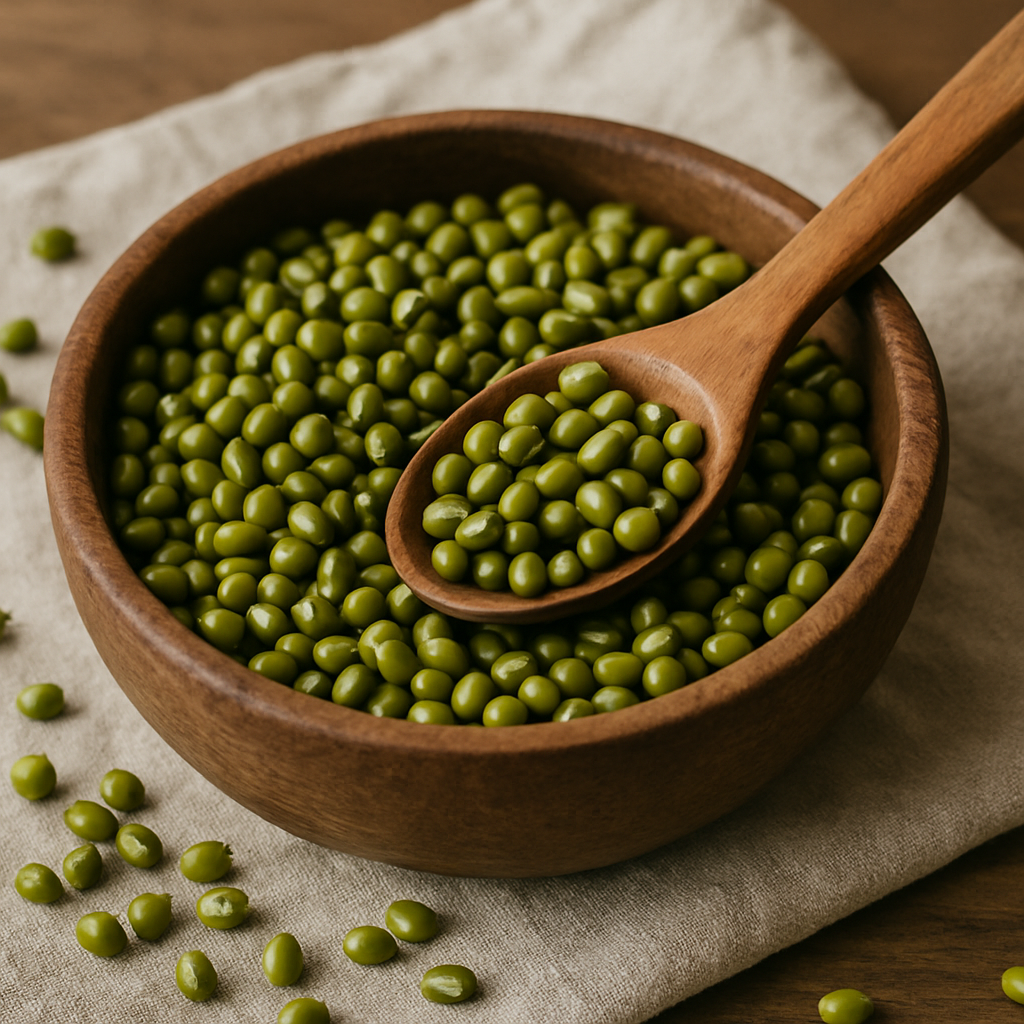
To understand the value of moong, it helps to start with the basics. Moong refers to the small green gram or mung bean, scientifically known as Vigna radiata. These tiny beans are green, oval-shaped, and can be eaten whole or split. When split and hulled, moong beans become what we call moong dal — a staple in Indian kitchens.
Moong Variety and Common Types Used in Ayurveda
There are a few varieties of moong you might come across:
-
Whole green moong beans: These are the raw, whole beans with their green skin intact.
-
Yellow moong dal: These are the split and peeled version of moong beans, often called moong dal.
-
Sprouted moong: When moong beans are soaked and sprouted, their nutritional profile changes and often enhances digestibility and nutrient absorption.
Ayurveda appreciates these different forms for their varied uses. The whole green moong is cooling and light, making it ideal for detox and digestion. Yellow moong dal is more warming and nourishing, often recommended during recovery or for balancing digestive fire.
Moong Nutrition Facts and Health Value
Moong Nutrition Profile: Protein, Fiber, and Minerals
What makes moong such a nutritional superstar? For starters, it’s an excellent source of plant-based protein, which is essential for muscle repair and overall vitality. A typical serving of moong dal contains around 14 grams of protein per 100 grams, making it a favorite among vegetarians and vegans.
Besides protein, moong beans pack a solid punch of dietary fiber — vital for keeping your digestive system running smoothly. The fiber content helps regulate blood sugar and supports a healthy gut microbiome, which is why moong is often recommended for people with digestive concerns.
Moreover, moong contains key minerals like iron, magnesium, potassium, and folate. These nutrients play important roles in maintaining energy levels, balancing blood pressure, and supporting red blood cell production. It’s this unique combination of protein, fiber, and minerals that makes moong nutrition especially valuable.
What Moong Dal Contains and How It Supports Health
When you eat moong dal, you’re getting a nutrient-dense food that’s low in fat and rich in antioxidants. It contains compounds that help reduce inflammation and promote heart health. Moong dal’s gentle nature on the stomach makes it suitable even for people recovering from illness or dealing with sensitive digestion.
Top Moong Benefits According to Ayurveda
Ayurveda, the ancient Indian system of medicine, has long praised the benefits of moong for its balancing effects on the body’s doshas (energy types). Here are some of the top benefits, focusing especially on the popular green moong benefits.
Green Moong Benefits for Digestion and Detox
Green moong is known for being light and easy to digest. It is often used in detox diets because it helps eliminate toxins without burdening the digestive system. The high fiber content supports bowel regularity, and the cooling nature of green moong helps soothe an aggravated digestive fire (pitta).
Benefits of Sprouted Moong for Vitality and Weight Loss
Sprouted moong takes the benefits a step further. When moong beans sprout, their nutrients become more bioavailable — meaning your body can absorb them easier. Sprouting increases vitamin C and antioxidants, while reducing antinutrients that sometimes inhibit mineral absorption. This makes benefits of sprouted moong especially popular for boosting immunity and vitality.
Plus, sprouted moong is low in calories but high in fiber and protein, making it a fantastic choice for those looking to shed some pounds. It keeps you full longer, reduces cravings, and supports healthy metabolism — all key factors for weight loss.
Moong Dal Benefits for Skin, Energy, and Balance
The uses of moong dal extend beyond just digestion and weight management. Ayurveda suggests moong dal can promote glowing skin thanks to its antioxidant properties, which help combat free radicals responsible for premature aging. Additionally, the protein and iron content help sustain energy throughout the day without the crash associated with caffeine or sugar.
Moong dal is also seen as balancing for all three doshas — vata, pitta, and kapha — making it a versatile food in Ayurvedic diets. This balance supports overall wellbeing, calming inflammation and enhancing vitality.
How to Use Moong in Cooking and Wellness
Common Uses of Moong Dal in Ayurvedic Diets
In Ayurveda, moong dal is treasured not only for its nutritional value but also for its adaptability in the kitchen. It’s used in everything from soups and stews to porridges and pancakes. The versatility of moong dal makes it easy to incorporate into daily meals, whether as a simple comfort food or part of a cleansing regimen.
Moong beans and moong dal can be cooked into khichdi, a light rice and lentil dish that’s often recommended during illness or fasting. It’s easy on the digestive system and provides gentle nourishment.
Easy Moong Recipes for Healing and Nourishment
One of the easiest ways to enjoy moong dal is to prepare a simple moong dal soup with garlic, ginger, turmeric, and cumin — spices that complement moong’s digestive benefits. Another delicious option is sprouted moong salad, mixed with fresh veggies, lemon juice, and a pinch of salt for a refreshing, nutrient-dense meal.
You can also try moong dal pancakes or dosas, which are great for breakfast or light dinners. These recipes not only taste good but also help you harness the full moong nutrition benefits while keeping meals interesting and wholesome.
Conclusion
Moong, whether as moong beans, moong dal, or sprouted, is truly a nutritional gem with deep roots in Ayurveda and modern health practices alike. From its impressive protein and fiber content to the unique benefits of moong for digestion, detox, vitality, and skin health, it’s easy to see why moong has stood the test of time.
Incorporating moong into your diet can be simple and rewarding, whether you’re cooking a comforting bowl of moong dal soup or tossing together a sprouted moong salad for a light meal. Its versatility and gentle nature make it suitable for almost everyone, including those with sensitive digestion or those on a health-focused journey.
If you’re looking to improve your diet with a food that’s packed with nutrients, easy to digest, and rich in Ayurvedic wisdom, moong is a great choice. Try adding it to your meals regularly and experience the many ways it can support your health and wellbeing.
FAQs
What nutrients are found in moong dal?
Moong dal is rich in plant-based protein, dietary fiber, iron, magnesium, potassium, and folate. It also contains antioxidants and is low in fat, making it a balanced and nutritious food.
Is moong good for people with digestive issues?
Yes, moong dal is one of the easiest legumes to digest. It’s gentle on the stomach, supports bowel regularity, and is often recommended in Ayurveda for those with digestive imbalances.
What is the best way to prepare moong dal for health?
Soaking moong dal before cooking helps reduce antinutrients and improves digestion. Cooking it with digestive spices like cumin, ginger, and turmeric enhances its benefits and makes it even gentler on the stomach.
Can green moong help in detox and cleansing?
Absolutely! Green moong is light and cooling, making it ideal for detox diets. Its fiber content helps remove toxins, and its soothing nature supports digestive fire without aggravation.
How often should moong dal be eaten for optimal benefits?
Eating moong dal a few times a week is generally beneficial for most people. However, Ayurveda recommends adjusting intake based on individual constitution (dosha) and health needs.
Adding moong to your diet isn’t just about eating healthy—it’s about embracing a traditional food that nourishes your body, mind, and soul. So next time you’re wondering what to cook or how to boost your nutrition naturally, remember the humble moong. It’s a simple ingredient with extraordinary benefits worth sharing.
Ask Ayurvedic doctor a question and get a consultation online on the problem of your concern in a free or paid mode.
More than 2,000 experienced doctors work and wait for your questions on our site and help users to solve their health problems every day.
Related articles