Ask Ayurvedic doctor a question and get a consultation online on the problem of your concern in a free or paid mode. More than 2,000 experienced doctors work and wait for your questions on our site and help users to solve their health problems every day.
FREE! Ask Ayurvedic Doctors 24/7

 Fast responses
 1000+ verified doctors
Body DetoxEar, Nose, and Throat DisordersGeriatrics & RejuvenationImmunodeficiencyInfertility TreatmentNutritionOrthopedic DisordersPediatricsRespiratory DisordersSexually Transmitted Diseases (STDs)Surgery RecoveryUrological DisordersVascular DisordersDental DisordersEndocrinological DisordersGastrointestinal DisordersYoga TherapyGeneral MedicineAllergic DisordersCardio DisordersGynecology and ObstetricsCosmetologySkin and Hair DisordersEye DisordersInfectious DiseasesMental DisordersNeurological DisordersOncologyPanchakarmaSexual Health & DisordersSports Medicine
Published on 12/31/24
(Updated on 07/11/26)
5,835
Top Anti-Inflammatory Ayurvedic Medicines for Pain and Swelling
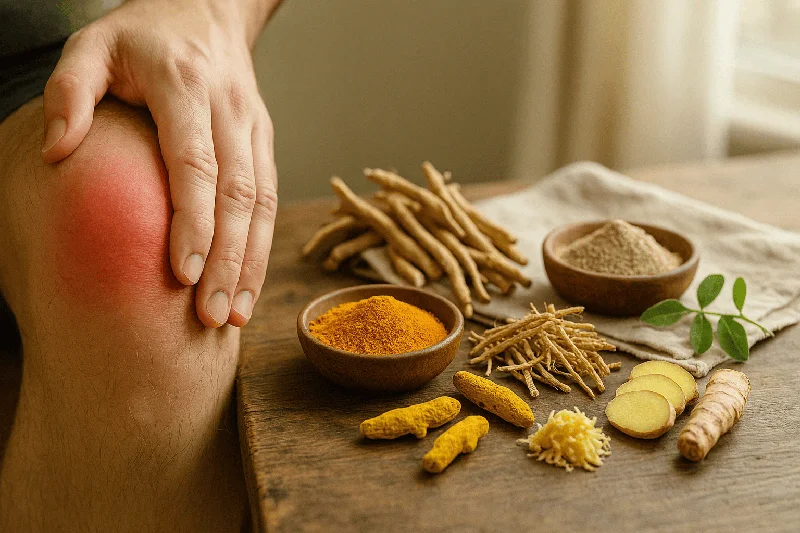
Inflammation is the root cause of most chronic diseases — and Ayurveda has addressed it for over 5,000 years. If you're searching for anti-inflammatory Ayurvedic medicines, here's the direct answer: the most effective options include Curcumin (from Turmeric), Ashwagandha, Guggulu, Boswellia (Shallaki), and classical formulations like Triphala, Yograj Guggulu, and Dashamoolarishta. Each targets inflammation differently depending on your body constitution, the affected dosha, and the specific condition.
But simply listing herbs isn't enough. This guide breaks down exactly how these medicines work, their dosages, safety profiles, how they compare to modern NSAIDs, and what clinical research actually says about them. Whether you're dealing with joint pain, skin inflammation, digestive issues, or chronic autoimmune conditions — this is the most comprehensive resource you'll find.
What Is Inflammation According to Ayurveda?
Modern medicine defines inflammation as the immune system's response to injury or pathogens, characterized by redness, swelling, heat, pain, and loss of function. Ayurveda recognized these same signs thousands of years ago but explains the mechanism through a fundamentally different lens.
The Role of Doshas in Inflammatory Conditions
In Ayurveda, inflammation is primarily linked to an aggravated Pitta dosha — the biological energy governing metabolism, digestion, and heat in the body. When Pitta becomes vitiated (imbalanced), it manifests as burning sensations, redness, excessive heat, acid reflux, skin rashes, and inflammatory joint conditions.
However, inflammation isn't exclusively a Pitta problem:
- Vata-type inflammation manifests as dry, migrating pain with cracking joints, often seen in osteoarthritis and neurological inflammation. The pain tends to be sharp and variable.
- Pitta-type inflammation presents with intense heat, redness, burning, and swelling — classic signs seen in gout, eczema, and acute inflammatory flare-ups.
- Kapha-type inflammation involves heavy, dull swelling with fluid retention, stiffness, and congestion. Conditions like sinusitis and edema fall here.
Understanding your predominant dosha imbalance (Vikruti) — distinct from your birth constitution (Prakriti) — is essential for choosing the right anti-inflammatory medicine.
How Ama and Weak Agni Trigger Chronic Inflammation
This is where Ayurveda offers something modern medicine is only now beginning to understand: the gut-inflammation connection.
- Agni (digestive fire) is the cornerstone of health in Ayurveda. When Agni weakens due to poor diet, stress, irregular eating habits, or seasonal changes, food is not properly digested.
- This incomplete digestion produces Ama — a toxic, sticky metabolic waste.
The process works like this:
- Weak Agni → incomplete digestion
- Incomplete digestion → Ama (toxins) accumulation
- Ama enters the bloodstream and clogs Srotas (body channels)
- Blocked Srotas → localized and systemic inflammation
- Chronic Ama buildup → autoimmune conditions, persistent joint pain, skin diseases
Modern research corroborates this model. Elevated C-reactive protein (CRP), a key biomarker of systemic inflammation, has been shown to decrease with Ayurvedic interventions that specifically target Ama reduction — particularly Panchakarma detoxification protocols.
Which Ayurvedic Medicine Is Good for Inflammation?
Here's a systematized breakdown of anti-inflammatory Ayurvedic medicines, classified by type — something no other guide provides comprehensively.
Single Herbs (Dravya)
| Herb | Sanskrit/Common Name | Primary Anti-Inflammatory Action | Best For | Typical Dosage |
|---|---|---|---|---|
| Turmeric | Haridra (Curcuma longa) | Inhibits NF-κB pathway, reduces COX-2 | Joint pain, skin inflammation, general wellness | 500–1000 mg curcumin extract twice daily with black pepper |
| Ashwagandha | Withania somnifera | Reduces cortisol-driven inflammation, modulates immune response | Stress-related inflammation, autoimmune conditions, fatigue | 300–600 mg root extract daily |
| Boswellia | Shallaki (Boswellia serrata) | Inhibits 5-LOX enzyme, prevents leukotriene synthesis | Osteoarthritis, rheumatoid arthritis, IBD | 300–400 mg boswellic acid extract thrice daily |
| Ginger | Shunti/Ardraka (Zingiber officinale) | Suppresses prostaglandin synthesis | Digestive inflammation, nausea, muscle pain | 1–2 g dried ginger powder or 2–4 g fresh ginger daily |
| Neem | Nimba (Azadirachta indica) | Immunomodulatory, anti-microbial anti-inflammatory | Skin diseases, infections, Pitta-type inflammation | 300–500 mg leaf extract twice daily |
| Guduchi | Tinospora cordifolia | Adaptogenic, immune-modulating | Chronic fevers, autoimmune inflammation, gout | 300–500 mg extract or 3–6 g churna daily |
| Triphala | Amalaki + Haritaki + Bibhitaki | Antioxidant, gentle detoxification, Ama reduction | Gut inflammation, overnight detox protocol, general wellness | 2–4 g powder at bedtime with warm water |
Classical Compound Formulations (Yoga)
These are time-tested multi-herb formulas documented in classical Ayurvedic texts:
- Yograj Guggulu — The go-to formula for Vata-type musculoskeletal inflammation. Contains Guggulu resin with Triphala and multiple warming herbs.
- Dosage: 2 tablets (250 mg each) twice daily after meals.
- Kaishore Guggulu — Specifically targets Pitta-type inflammation with blood-purifying action. Excellent for gout, skin inflammation, and chronic wounds.
- Dosage: 2 tablets twice daily.
- Dashamoolarishta — A fermented liquid preparation made from ten roots (Dashamoola) with potent anti-inflammatory and analgesic properties.
- Dosage: 15–25 ml with equal water after meals.
- Laghupanchamula — A lesser-known but clinically studied formulation. A 2013 study published in the Journal of Ayurveda and Integrative Medicine demonstrated that this five-root formula showed 46–60% inhibition of inflammation in animal models — comparable to standard anti-inflammatory drugs, with no observed toxicity.
- Rasnasaptakam Kashayam — A decoction-based formula widely used in Kerala Ayurveda for inflammatory joint conditions, sciatica, and nerve pain.
- Dosage: 15 ml with 45 ml warm water twice daily before food.
- Amritadi Guggulu — Combines Guduchi with Guggulu for chronic, recurring inflammatory conditions.
External Application Medicines (Oils, Pastes, Compresses)
These are often overlooked but are critical components of anti-inflammatory treatment:
- Kottamchukkadi Taila — A medicated oil used for external application in joint inflammation, sprains, and muscle pain.
- Dhanwantharam Taila — Used in Abhyanga (therapeutic massage) for Vata-type inflammation and neuromuscular conditions.
- Pinda Taila — Specifically formulated for Pitta-type inflammation with cooling herbs; applied on burning, red, swollen joints.
- Jatyadi Taila — For inflammatory skin conditions, wounds and ulcers.
- Dashamoola Kashaya compress — A warm decoction-soaked cloth applied to inflamed areas for localized relief.
What Is the Strongest Natural Anti-Inflammatory?
This is one of the most asked questions and the honest answer depends on what type of inflammation you're dealing with.
For joint inflammation (arthritis, spondylitis), Boswellia (Shallaki) stands out. A 2020 meta-analysis in BMC Complementary Medicine and Therapies found Boswellia serrata extract significantly reduced pain and improved physical function in osteoarthritis patients, with effects comparable to conventional NSAIDs but with significantly fewer gastrointestinal side effects.
For systemic inflammation and general anti-inflammatory support, Curcumin remains unmatched. A 2016 systematic review in the Journal of Medicinal Food analyzing 8 randomized controlled trials confirmed that curcumin supplementation significantly reduced CRP, IL-6, and TNF-α levels — all key inflammatory markers.
For stress-induced inflammation, Ashwagandha is the strongest option. A 2012 study in the Indian Journal of Psychological Medicine showed that Ashwagandha root extract (300 mg twice daily) reduced serum cortisol levels by 27.9% over 60 days — cortisol being a major driver of chronic inflammation.
For digestive inflammation, a combination of Triphala and ginger is most effective, addressing both Ama accumulation and direct gut lining inflammation.
Ayurvedic vs Modern Anti-Inflammatory Drugs: An Honest Comparison
No guide on anti-inflammatory Ayurvedic medicines is complete without addressing the elephant in the room: how do they stack up against NSAIDs like Ibuprofen, Diclofenac, or corticosteroids?
| Parameter | Ayurvedic Anti-Inflammatories | Modern NSAIDs | Corticosteroids |
|---|---|---|---|
| Speed of action | Gradual (days to weeks) | Rapid (30 min–2 hours) | Rapid (hours) |
| Long-term safety | Generally safe with proper use | GI bleeding, kidney damage, cardiovascular risks with prolonged use | Weight gain, bone loss, immune suppression, adrenal issues |
| Root cause treatment | Addresses underlying dosha imbalance and Ama | Symptomatic relief only | Symptomatic suppression |
| Gut health impact | Often improves digestion | Can damage gut lining | Can impair gut immunity |
| Dependency risk | Low | Moderate (rebound inflammation) | High (adrenal suppression on withdrawal) |
| Personalization | Tailored to individual Prakriti | One-size-fits-all dosing | One-size-fits-all dosing |
| Scientific evidence level | Growing but still limited for many formulas | Extensive RCTs | Extensive RCTs |
| Cost (monthly, India) | ₹150–₹800 | ₹100–₹500 | ₹200–₹1500 |
- The balanced perspective: Ayurvedic medicines excel for chronic, low-grade inflammation management, prevention, and long-term healing without side effects. NSAIDs are more appropriate for acute pain episodes where rapid relief is necessary.
- Many integrative practitioners now recommend both — using NSAIDs for acute flares while building a long-term Ayurvedic protocol.
How to Get Rid of Inflammation in the Body Using Ayurveda
Anti-inflammatory Ayurvedic treatment goes far beyond just taking medicines. It's a multi-layered approach that includes therapies, diet, and lifestyle modifications.
Panchakarma and Therapeutic Procedures
Panchakarma (five cleansing actions) is Ayurveda's flagship detoxification system and perhaps its most powerful anti-inflammatory intervention:
- Virechana (therapeutic purgation) — Eliminates excess Pitta and Ama from the liver and blood. Particularly effective for inflammatory skin conditions, gout, and liver-related inflammation.
- Basti (medicated enema) — Considered the most important Panchakarma procedure for Vata disorders. Dashamoola Basti and Erandamooladi Basti are specific for musculoskeletal inflammation.
- Abhyanga (warm oil massage) — Daily self-massage with medicated oils reduces Vata aggravation, improves lymphatic drainage, and decreases inflammatory cytokines. Use Dhanwantharam Taila for Vata-type and Chandanadi Taila for Pitta-type inflammation.
- Nasya (nasal oil therapy) — Administration of medicated oils like Anu Taila through the nostrils. Addresses inflammation of the nervous system, sinuses, and upper respiratory tract. 2 drops in each nostril daily is the standard maintenance dose.
- Shirodhara — Continuous pouring of warm medicated oil on the forehead. Reduces neuroinflammation and stress-driven inflammatory cascades. Typically done as a 7–14 day therapeutic course.
Anti-Inflammatory Diet According to Ayurveda
Which Drink Is Anti-Inflammatory as Per Ayurveda?
The most effective anti-inflammatory Ayurvedic drinks include:
- 1.Golden Milk (Haldi Doodh) — ½ tsp turmeric + a pinch of black pepper in warm milk. The piperine in black pepper increases curcumin absorption by 2,000% (Shoba et al., Planta Medica, 1998).
- 2.CCF Tea — Equal parts cumin, coriander, and fennel seeds steeped in hot water. Excellent for digestive inflammation and Ama reduction.
- 3.Ginger-Tulsi Kadha — Fresh ginger with holy basil leaves boiled for 10 minutes. Powerful for respiratory and joint inflammation.
- 4.Amla Juice — 20 ml fresh amla juice diluted with water, taken morning on empty stomach. One of the richest natural sources of vitamin C and antioxidants.
General Dietary Guidelines
- Favor: Warm, freshly cooked meals; anti-inflammatory spices (turmeric, cumin, coriander, fennel); seasonal fruits and vegetables; ghee in moderation; whole grains like rice and barley
- Avoid: Processed foods, refined sugar, excessive red meat, deep-fried items, cold/leftover food (increases Ama), incompatible food combinations (Viruddha Ahara)
- Eat according to your dosha: Pitta-dominant inflammation benefits from cooling foods (cucumber, coconut, mint); Vata-type from warm, grounding foods; Kapha-type from light, dry, spiced foods
Lifestyle Practices: Dinacharya and Ritucharya
The three pillars of health (Trayostambha) — proper food (Ahara), proper sleep (Nidra), and balanced conduct (Brahmacharya) — form the foundation.
Daily routine (Dinacharya):
- Wake before sunrise (ideally by 6 AM)
- Self-Abhyanga with warm oil before bathing
- 15–20 minutes of Pranayama (Nadi Shodhana for Pitta, Bhastrika for Kapha)
- 30 minutes of appropriate yoga (gentle for Vata, cooling for Pitta, vigorous for Kapha)
- Eat meals at consistent times; lunch should be the largest meal when Agni is strongest
- Sleep by 10 PM — late nights aggravate Pitta and increase inflammatory markers
Seasonal routine (Ritucharya):
Aligning with seasonal changes prevents dosha accumulation. For example, Pitta accumulates in summer and aggravates during autumn — this is when anti-inflammatory protocols should be intensified.
Don't wait or self medicate. Start chat with Doctor NOW
Safety, Side Effects, and Drug Interactions
This is a critical section that most Ayurvedic guides skip entirely. Just because something is natural doesn't mean it's without risks.
Known Side Effects of Common Anti-Inflammatory Herbs
| Medicine | Potential Side Effects | Contraindications |
|---|---|---|
| Turmeric/Curcumin (high dose) | GI upset, diarrhea; may increase bleeding risk | Active gallstones; 2 weeks before surgery; anticoagulant therapy |
| Ashwagandha | Mild drowsiness, stomach upset; rare cases of liver injury reported | Hyperthyroidism; pregnancy; autoimmune conditions (may overstimulate immunity) |
| Guggulu | Skin rash, diarrhea, hiccups | Pregnancy; active liver disease; thyroid medication users |
| Boswellia (Shallaki) | Mild GI discomfort, acid reflux, nausea | Pregnancy (may stimulate uterine contractions) |
| Neem | Hypoglycemia in diabetics; liver stress with long-term high doses | Pregnancy; trying to conceive (has anti-fertility properties); children under 12 |
| Triphala | Loose stools (especially initially); mild abdominal cramps | Pregnancy; severe diarrhea; post-surgical recovery |
Interactions with Modern Medicines
This is where things get serious. If you're taking any conventional medications, you must be aware of these interactions:
- Curcumin + Blood thinners (Warfarin, Aspirin, Clopidogrel): Curcumin has anti-platelet properties. Combined use may significantly increase bleeding risk.
- Ashwagandha + Thyroid medications (Levothyroxine): Ashwagandha can stimulate thyroid function. May cause hyperthyroid symptoms if combined without dose adjustment.
- Ashwagandha + Immunosuppressants: Ashwagandha is immunomodulatory and may counteract drugs like Methotrexate or Cyclosporine.
- Guggulu + Statins or Thyroid drugs: Guggulu influences cholesterol and thyroid metabolism. Can alter drug effectiveness.
- Guduchi + Diabetes medications: Guduchi lowers blood sugar. Combined use may cause hypoglycemia.
- Triphala + Diabetes or Hypertension medications: May potentiate blood sugar and blood pressure lowering effects.
Rule of thumb: Always maintain a 2-hour gap between Ayurvedic and allopathic medicines. And always inform both your Ayurvedic practitioner and your allopathic doctor about everything you're taking.
Conditions That Respond Well to Ayurvedic Anti-Inflammatory Treatment
Musculoskeletal Inflammation
Arthritis (both osteoarthritis and rheumatoid arthritis), spondylitis, frozen shoulder, and sciatica respond particularly well. A combination of Yograj Guggulu internally + Kottamchukkadi Taila externally + Basti therapy is considered the gold standard in clinical Ayurvedic practice.
Skin and Autoimmune Conditions
Psoriasis, eczema, dermatitis, and urticaria involve significant inflammatory components. Kaishore Guggulu + Neem + Manjistha internally, combined with Pinda Taila or Jatyadi Taila externally, is a widely used protocol.
Digestive Inflammation
Conditions like IBS, acid reflux, ulcerative colitis, and gastritis are essentially Pitta-Ama disorders. Triphala as a nighttime detox protocol (2–4 g with warm water at bedtime), combined with Avipattikar Churna and dietary changes, addresses the root cause rather than just suppressing symptoms.
Respiratory Inflammation
Chronic sinusitis, bronchitis, and allergic rhinitis benefit from Sitopaladi Churna + Nasya therapy with Anu Taila + steam inhalation with Eucalyptus or Ajwain.
How to Use Ayurvedic Anti-Inflammatory Products Effectively
General Guidelines for Maximum Benefit
- Start with Ama reduction first — Begin any anti-inflammatory protocol with 1–2 weeks of Triphala and digestive spice support (ginger, cumin, fennel). This clears the channels and makes subsequent medicines far more effective.
- Take herbs with appropriate Anupana (vehicle): Turmeric with warm milk and ghee; Guggulu tablets with warm water; Ashwagandha with milk or ghee for better absorption.
- Follow the recommended course duration. Most Ayurvedic anti-inflammatories need 4–12 weeks of consistent use to show full effects. Don't expect overnight results.
- Cycle your herbs — Take herbs for 2–3 months, pause for 2–4 weeks, then reassess. Long-term uninterrupted use of even natural medicines is not always recommended.
- Combine internal and external therapies — Oral medicines work synergistically with topical oils and therapeutic procedures. This multi-channel approach is what makes Ayurveda uniquely effective.
Frequently Asked Questions
What is the best anti-inflammatory Ayurvedic medicine for beginners?
Start with Turmeric (Haridra) in golden milk form — it's safe, accessible, and has the strongest research backing. Add Triphala at bedtime for Ama clearance. These two together form a foundational anti-inflammatory protocol that almost anyone can follow safely.
Can I take Ayurvedic anti-inflammatory medicines during pregnancy?
Most Ayurvedic anti-inflammatory herbs are not recommended during pregnancy without expert supervision. Specifically, Guggulu, Neem, Aloe Vera, and Boswellia should be avoided. Mild ginger (1 g/day) and turmeric in culinary amounts are generally considered safe, but therapeutic doses require professional guidance.
How long does it take for Ayurvedic medicines to reduce inflammation?
For acute conditions, noticeable improvement typically occurs within 1–3 weeks. For chronic inflammatory conditions like rheumatoid arthritis or autoimmune disorders, expect 6–12 weeks of consistent treatment before significant results. The advantage is that improvement tends to be sustained rather than temporary.
Are Ayurvedic anti-inflammatory medicines effective for weight loss?
Chronic inflammation is now recognized as a driver of metabolic dysfunction and weight gain. By reducing systemic inflammation and clearing Ama, Ayurvedic medicines indirectly support weight management. Guggulu, in particular, has shown thyroid-stimulating and lipid-lowering properties that can aid weight loss. Triphala also supports healthy metabolism. However, these should not be considered primary weight loss medications.
What should I avoid while taking anti-inflammatory Ayurvedic medicines?
Avoid cold foods and beverages, processed foods, excess sugar, fermented or sour items (if Pitta is aggravated), incompatible food combinations, daytime sleeping, late nights, and smoking or alcohol. These factors directly increase Ama and aggravate doshas, counteracting your medicines.
Do I need a prescription for Ayurvedic anti-inflammatory medicines?
Classical single herbs and OTC formulations don't require prescriptions in India. However, for chronic or serious conditions, self-medication is not advisable. Consult a qualified BAMS (Bachelor of Ayurvedic Medicine and Surgery) practitioner who can assess your Prakriti, identify the specific dosha imbalance, and design a personalized protocol.
Final Thoughts: Choosing the Right Anti-Inflammatory Path
Anti-inflammatory Ayurvedic medicines offer something that modern pharmaceuticals often can't — a path to addressing the root cause of inflammation while supporting overall health rather than just silencing symptoms. The evidence base is growing steadily, and integrative approaches combining Ayurvedic wisdom with modern diagnostics represent the future of inflammation management.
- That said, be practical about it. If you're in severe acute pain, take appropriate medical intervention.
- Use Ayurveda for what it does best: long-term healing, prevention, and building genuine resilience against inflammatory diseases.
- Start simple. Golden milk and Triphala tonight. Consult a qualified Ayurvedic practitioner for persistent conditions.
- And always, always disclose all medicines — Ayurvedic and allopathic — to every healthcare provider you see.
Your body has been fighting inflammation its own way for your entire life. Ayurveda simply gives it better tools to win that fight.
Scientific Sources
- Drimia indica: A Plant Used in Traditional Medicine and Its Potential for Clinical Uses — Aswal S et al., 2019, Medicina (Kaunas, Lithuania)
- Amla (Emblica officinalis Gaertn), a wonder berry in the treatment and prevention of cancer — Baliga MS et al., 2011, European journal of cancer prevention : the official journal of the European Cancer Prevention Organisation (ECP)
- Wound healing potential of bark paste of Pongamia pinnata along with hirudotherapy: A case report — Balasooriya D et al., 2021, Journal of Ayurveda and integrative medicine
- Unveiling the Healing Potential of Marsilea minuta Linn. (Sunishannaka): An Integrative Overview of Phytochemistry, Therapeutic Value, and Toxicological Aspects — Singh S et al., 2026, Chemistry & biodiversity
- Role of taraxerone isolated from Leucas lavandulifolia, as an immunomodulator — Jayaraman S et al., 2021, Journal of ethnopharmacology
- Plant medicines of Indian origin for wound healing activity: a review — Biswas TK et al., 2003, The international journal of lower extremity wounds
- Topical application of Jatyadi Ghrita and Jatyadi Taila accelerates wound healing in Sprague-Dawley rats: a study in gamma-radiation-induced skin wound model — Gupta V et al., 2021, International journal of radiation biology
- An integrative approach for management of post-traumatic dorsal foot wounds - A case report — Sherkhane R et al., 2024, Journal of Ayurveda and integrative medicine
- Transforming Medicinal Oil into Advanced Gel: An Update on Advancements — Maurya R et al., 2024, Gels (Basel, Switzerland)
- Ayurvedic management of hemangiomatous ulcer: A case report — Yadav PK et al., 2024, Journal of Ayurveda and integrative medicine
- Green synthesized cobalt nanoparticles from Trianthema portulacastrum L. as a novel antimicrobials and antioxidants — Prakash A et al., 2024, Preparative biochemistry & biotechnology
- Modulation of bone turnover by Cissus quadrangularis after ovariectomy in rats — Guerra JM et al., 2019, Journal of bone and mineral metabolism
- Coconut Oil and Immunity: What do we really know about it so far? — Joshi S et al., 2020, The Journal of the Association of Physicians of India
- Udumbar Ksheer Pichu in an Integrative Medicine Approach to Perianal Abscess: A Case Report — Nagpure D et al., 2024, Alternative therapies in health and medicine
- Relationships among classifications of ayurvedic medicine diagnostics for imbalances and western measures of psychological states: An exploratory study — Mills PJ et al., 2019, Journal of Ayurveda and integrative medicine
- Systematic review of antimicrobial treatments for diabetic foot ulcers — Nelson EA et al., 2006, Diabetic medicine : a journal of the British Diabetic Association
- Unraveling the Mechanisms of Diabetic Wounds: Insights into Pathogenesis and Advanced Treatment Strategies — Mondal NS et al., 2026, Current diabetes reviews
- Integrating Ayurvedic philosophy with modern technologies for drug research and development: A critical need of mechanistic insights for wider acceptability — Sandeep C et al., 2024, Journal of Ayurveda and integrative medicine
- Triphala: current applications and new perspectives on the treatment of functional gastrointestinal disorders — Tarasiuk A et al., 2018, Chinese medicine
- An extensive review on phytochemistry and pharmacological activities of Indian medicinal plant Celastrus paniculatus Willd — Nagpal K et al., 2022, Phytotherapy research : PTR
Questions from users
How to choose the right Ayurvedic herb for weight loss support?
Uriah
1 day ago
Choosing the right Ayurvedic herb for weight loss involves considering factors like your current health, any medications you're taking, and possible side effects. Guggulu is known for its potential thyroid-stimulating and lipid-lowering properties, which support weight management. However, it’s crucial to consult a healthcare professional for personalized advice, especially if you're on medications for thyroid or diabetes, as some herbs like Ashwagandha and Guduchi can interact with these drugs. Monitor for side effects and seek medical advice if you notice any adverse reactions.
Is golden milk effective for reducing inflammation and how often should I drink it?
Elizabeth
11 days ago
Golden milk can indeed help reduce inflammation, thanks to turmeric's active compound, curcumin. It's best consumed regularly, maybe 2-3 times a week or even daily, especially in the evenings for maximum benefit. As always, see how your body reacts and adjust as needed. Remember, consistency is key in Ayurveda!
How to cycle Ayurvedic herbs for inflammation effectively?
Lily
20 days ago
To cycle Ayurvedic herbs effectively for inflammation, try taking them for 2-3 months, then pause for 2-4 weeks. During the break, reassess how you're feeling. Also, be sure you're including a well-rounded approach: diet, lifestyle, maybe even Panchakarma, to truly address inflammation at its root!
What is the best diet to follow while taking Ayurvedic anti-inflammatory herbs?
Zoe
29 days ago
While on Ayurvedic anti-inflammatory herbs, it's good to eat foods that balance your dosha and support digestion (agni). Generally, go for whole foods, like fresh fruits, vegetables, and whole grains. Reduce processed, oily foods, and caffeine. If you're not sure which foods match your dosha, a qualified Ayurvedic practitioner can help!
Can Ayurvedic anti-inflammatory herbs be used safely for children?
Maya
40 days ago
Ayurvedic anti-inflammatory herbs can be safe for children, but it's crucial to be cautious. Children's bodies are different, so the dosages have to be adjusted. Always consult an Ayurvedic practitioner who can assess the child's specific needs and dosha balance. Herbs like turmeric and Boswellia might be used, but never without professional guidance.
Can I use turmeric and Boswellia together for joint pain relief?
Isaac
49 days ago
Yes, you can use turmeric and Boswellia together for joint pain relief. They're a popular combo in Ayurveda since both help reduce inflammation. Just make sure you're okay with both and start with small amounts to see how your body reacts. And if you’ve any medical conditions or are on meds, it could be wise to talk to a healthcare provider first.
Can Ayurvedic anti-inflammatory herbs help with digestive issues as well?
Owen
59 days ago
Yes, they sure can! Some Ayurvedic herbs like ginger, cumin or turmeric, not only helps with inflammation but also improve digestion by boosting your agni or digestive fire. Just watch out, though; excessive use can disturb your dosha balance. Maybe try 'em with a bit of guidance from an Ayurvedic practitioner.
Can I use Ayurvedic herbs for inflammation while taking antidepressants?
Paul
69 days ago
Yes, you can use Ayurvedic herbs for inflammation while on antidepressants, but be careful. Some herbs may interact with medication. It's best to chat with an Ayurvedic practitioner or health professional before starting anything new. They can help you figure out what's safe and works best with your body type and dosha balance.
What is the role of gingerol in reducing inflammation and promoting healing?
Mason
79 days ago
Gingerol, found in ginger, is pretty awesome for tackling inflammation. It helps reduce swelling and pain by blocking some molecules that cause inflammation. Plus, it boosts our body's healing with its antioxidant power. However, it's important to consult with an Ayurvedic practitioner to find the right balance and combo for your needs!
Is it safe to take Ashwagandha with other herbal supplements?
Reid
88 days ago
Yeah, it's usually safe to take Ashwagandha with other herbal supplements, but it's best to be careful. Some herbs might interact or have overlapping effects. Check with an Ayurvedic doctor or healthcare provider just in case, espescially if you're already on medication or dealing with health issues. Better safe than sorry!
Related articles

Body Detox
Manjishtadi Thailam Benefits, How To Use, Ingredients, Side Effects
Exploration of Manjishtadi Thailam Benefits, How To Use, Ingredients, Side Effects
2,085

Body Detox
What Is the Use of Neem in Ayurveda and Daily Life
Discover the many uses of neem: from neem leaves to neem oil and neem powder. Learn how to use neem for skin, health, and daily wellness naturally
7,342

Body Detox
So... What Is Pitta in the Human Body Anyway?
Ever heard someone casually mention their “Pitta” being out of balance — and you just smiled, nodded, and mentally filed it under “probably some new-age thing”? Totally fair. But here’s the thing: Pitta isn’t just spiritual fluff. It’s actually a centra
2,517

Body Detox
Can We Drink Water After Eating Watermelon? Ayurvedic Perspective and Facts
Wondering if you can drink water after eating watermelon? Learn the Ayurvedic view, possible side effects, and how long you should wait for better digestion
11,551

Body Detox
Is Green Tea Good for Health? Benefits, Uses, and Ayurvedic View
Is green tea good for health? Discover its benefits for skin, heart, weight loss, and more. Learn the best time to drink it and potential side effects to avoid
3,142

Body Detox
Dhanadanayanadi Kashayam Uses – Ayurvedic Decoction for Detoxification & Health Balance
Discover the benefits and uses of Dhanadanayanadi Kashayam, a traditional Ayurvedic decoction known for detoxification, balancing doshas, and supporting overall health.
3,002

Body Detox
What Is Ojas in Ayurveda and Why It Matters for Health
What is ojas in Ayurveda? Learn the meaning of ojas, how it’s defined, its role in health and vitality, and why ojas is key to immunity and inner strength
6,895

Body Detox
Varavisaladi Kashayam: Detoxifying Ayurvedic Herbal Brew
Explore the rejuvenating benefits of Varavisaladi Kashayam, a time-honored Ayurvedic formula known for its detoxifying and revitalizing properties. Embrace the path to natural wellness.
3,505

Body Detox
Guggulu Marichadi Thailam: Benefits & Scientific Insights
Discover the Ayurvedic benefits, applications, proper usage, and scientific insights of Guggulu Marichadi Thailam, a traditional herbal oil for holistic healing.
2,845

Body Detox
Vata Dosha Remedies That Actually Work: Ayurvedic Diet, Lifestyle & Real-World Advice to Feel Grounded Again
It’s not just an “Ayurveda thing.” It's a real-life thing. And yeah — Ayurveda has some wildly practical, deeply ancient, and surprisingly soothing ways to bring you back to center. This guide? Not another floaty wellness blog. This is the stuff that work
3,050
Related consultations on the topic
Legal
Additional Documents
© 2024 Ask Ayurveda. All rights reserved.