Ask Ayurvedic doctor a question and get a consultation online on the problem of your concern in a free or paid mode. More than 2,000 experienced doctors work and wait for your questions on our site and help users to solve their health problems every day.
FREE! Ask Ayurvedic Doctors 24/7

 Fast responses
 1000+ verified doctors
Body DetoxEar, Nose, and Throat DisordersGeriatrics & RejuvenationImmunodeficiencyInfertility TreatmentNutritionOrthopedic DisordersPediatricsRespiratory DisordersSexually Transmitted Diseases (STDs)Surgery RecoveryUrological DisordersVascular DisordersDental DisordersEndocrinological DisordersGastrointestinal DisordersYoga TherapyGeneral MedicineAllergic DisordersCardio DisordersGynecology and ObstetricsCosmetologySkin and Hair DisordersEye DisordersInfectious DiseasesMental DisordersNeurological DisordersOncologyPanchakarmaSexual Health & DisordersSports Medicine
Published on 10/08/24
(Updated on 06/19/26)
2,532
Ayurvedic Lifestyle: Creating Balance and Harmony
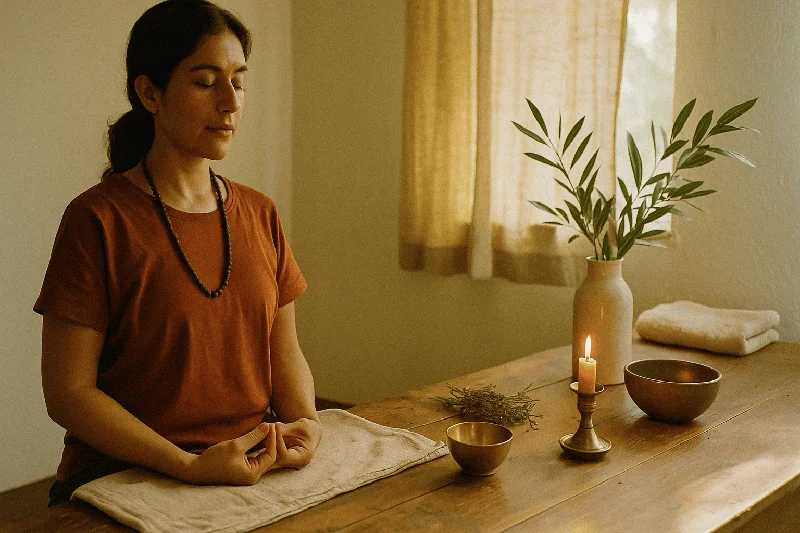
An Ayurvedic lifestyle is a way of living rooted in Ayurveda — India's 5,000-year-old "science of life" — that aligns your daily habits, diet, sleep, and self-care practices with your unique mind-body constitution (Prakriti) and the rhythms of nature. Rather than a one-size-fits-all prescription, it's a personalized system built around balancing your three doshas (Vata, Pitta, and Kapha), strengthening digestive fire (Agni), and preventing disease before it takes root. If you've been searching for a holistic framework that connects ancient wisdom with modern wellness, this guide covers everything — from morning rituals and seasonal routines to scientific evidence and practical meal plans — so you can actually start living it today.
What Is an Ayurvedic Lifestyle and Why Does It Matter?
Ayurveda, derived from the Sanskrit words Ayus (life) and Veda (knowledge), is far more than herbal medicine. It's a complete philosophy of living that views health as a dynamic equilibrium between body, mind, spirit, and environment. The World Health Organization recognizes Ayurveda as a traditional system of medicine, and India's AYUSH Ministry continues to fund large-scale clinical research validating its core principles.
At its foundation, Ayurveda teaches that every individual is born with a unique constitution — your Prakriti — determined by the ratio of three biological energies called doshas:
| Dosha | Elements | Key Qualities | Governs |
|---|---|---|---|
| Vata | Ether + Air | Light, dry, cold, mobile | Movement, breathing, nervous system |
| Pitta | Fire + Water | Hot, sharp, oily, intense | Digestion, metabolism, intellect |
| Kapha | Water + Earth | Heavy, slow, cool, stable | Structure, lubrication, immunity |
- When your doshas are in balance relative to your birth constitution, you experience health.
- When they're disturbed — through poor diet, stress, irregular sleep, or seasonal shifts — disease begins to develop. An Ayurvedic lifestyle is essentially the practice of keeping that balance intact, day after day.
The Four Pillars of Life in Ayurveda
Classical Ayurvedic texts like the Charaka Samhita describe four foundational pillars (Chaturstambha) that support a healthy life:
- 1.Ahara (Diet) — Food matched to your dosha, season, and digestive capacity
- 2.Nidra (Sleep) — Proper quality and timing of sleep aligned with natural cycles
- 3.Brahmacharya (Wise use of energy) — Managing sexual, creative, and vital energy
- 4.Sadvritta (Ethical conduct) — Mental hygiene through right behavior and positive thoughts
Most wellness systems address only diet and exercise. Ayurveda's inclusion of sleep science, energy management, and mental discipline makes it uniquely comprehensive — and surprisingly relevant to what modern integrative medicine now recommends.
The 80/20 Rule in Ayurveda
- You've probably heard of the 80/20 rule in other contexts.
- In Ayurveda, it applies beautifully to eating: fill your stomach to about 80% capacity, leaving 20% empty to allow space for proper digestion. The Charaka Samhita describes this as eating until satisfaction, not fullness. This principle aligns with the Japanese concept of Hara Hachi Bu and has been supported by research on caloric restriction and longevity — a 2014 study in Cell Metabolism found that moderate caloric reduction improved metabolic biomarkers and reduced inflammatory markers significantly.
The 80/20 rule also applies to lifestyle adherence: follow Ayurvedic principles 80% of the time and allow yourself 20% flexibility. Perfectionism, ironically, creates the kind of stress that Ayurveda explicitly warns agianst.
Why Adopt an Ayurvedic Lifestyle? Benefits Backed by Science
Here's where most Ayurveda articles fall short — they make grand claims without citing evidence. Lets fix that.
Digestive Health and Agni
Ayurveda considers Agni (digestive fire) the cornerstone of health. When Agni is strong, you digest food completely; when it's weak, undigested material (Ama) accumulates and becomes the root of disease.
Modern science validates this framework. A 2019 systematic review in the Journal of Ethnopharmacology found that Triphala — a classic Ayurvedic formula — significantly improved gut microbiome diversity and reduced markers of intestinal inflammation. A separate 2018 study published in Evidence-Based Complementary and Alternative Medicine demonstrated that Ayurvedic dietary interventions improved IBS symptoms in 78% of participants over a 12-week period.
Stress Management and Mental Wellness
A randomized controlled trial published in the Journal of Clinical Psychiatry (2014) found that Ashwagandha root extract (300 mg twice daily for 8 weeks) reduced serum cortisol levels by 30.5% compared to placebo. Another study in PLOS ONE (2017) showed that a comprehensive Ayurvedic lifestyle intervention — including meditation, pranayama, and herbal supplements — significantly reduced anxiety scores in adults with generalized anxiety disorder.
Immune Function
A 2020 research paper in the Journal of Ayurveda and Integrative Medicine demonstrated that Ayurvedic practices including daily self-massage (Abhyanga), Tulsi supplementation, and regulated sleep patterns showed measurable improvements in NK (natural killer) cell activity — a key marker of innate immunity. During the COVID-19 pandemic, the AYUSH Ministry's advisory on Ayurvedic immune-boosting practices was downloaded over 10 million times.
Skin Health and Anti-Aging
Ayurveda approaches skin health from the inside out. A 2021 clinical trial in Dermatology and Therapy found that oral supplementation with Amalaki (Indian Gooseberry) for 16 weeks significantly improved skin elasticity and reduced UV-induced damage markers compared to controls. The study attributed this to Amalaki's extraordinarily high vitamin C content and potent antioxidant polyphenols.
Dinacharya: Your Ayurvedic Daily Routine Step-by-Step
- Dinacharya literally means "day-regimen" and forms the backbone of the Ayurvedic lifestyle. It's a sequence of daily practices designed to synchronize your biological clock with nature's rhythms.
- Here's how to structure your day:
Morning Practices (Brahma Muhurta to 10 AM)
Wake before sunrise (ideally 5:30–6:00 AM)
- Ayurveda recommends waking during Brahma Muhurta — roughly 96 minutes before sunrise — when Vata energy dominates the atmosphere, making the mind naturally alert and receptive.
- You don't need to hit this exact window.
- Even waking by 6:00 AM, before the heavy Kapha period sets in, makes a meaningful difference.
Oral hygiene sequence:
- 1.Tongue scraping — Use a copper or stainless steel scraper, 7-14 strokes. A 2005 study in the Journal of Periodontology confirmed that tongue scraping reduces volatile sulfur compounds (bad breath) more effectively than brushing the tongue alone.
- 2.Oil pulling (Gandusha) — Swish 1 tablespoon of sesame or coconut oil for 10-15 minutes. A 2016 systematic review in the Journal of Traditional and Complementary Medicine found oil pulling reduced Streptococcus mutans counts comparably to chlorhexidine mouthwash.
- 3.Herbal tooth cleaning — Use neem or Ayurvedic herbal toothpaste.
Evacuate bowels — Ayurveda considers morning elimination critical. Drinking warm water with lemon immediately upon waking stimulates peristalsis. Abhyanga (warm oil self-massage):
| Dosha | Recommended Oil | Massage Pressure | Duration |
|---|---|---|---|
| Vata | Sesame oil | Gentle, slow | 15–20 min |
| Pitta | Coconut oil | Moderate, even | 10–15 min |
| Kapha | Mustard or sunflower oil | Vigorous, stimulating | 10–15 min |
A pilot study in the Journal of Ayurveda and Integrative Medicine (2011) found that regular Abhyanga reduced subjective stress scores and improved systolic blood pressure readings in healthy adults.
- Nasya (nasal oil therapy) — Apply 2-3 drops of Anu Taila or plain sesame oil into each nostril.
- This lubricates nasal passages, supports sinus health, and — according to Ayurveda — nourishes Prana Vata (the sub-dosha governing mental clarity).
Head and Foot Massage for Marma Point Activation
Beyond full-body Abhyanga, Ayurveda specially emphasizes two areas. Massaging the scalp (Shiro Abhyanga) stimulates the Adhipati Marma point at the crown, which governs nervous system function. Foot massage before bed activates Kshipra Marma between the big and second toe, calming the entire body. Even 5 minutes on each area produces noticeable relaxation.
Understanding Dosha Time Cycles
This is something most guides overlook completley, but it's essential for timing your activities optimally:
| Time Period | Dominant Dosha | Best Activities |
|---|---|---|
| 6:00–10:00 AM | Kapha | Exercise, vigorous work, minimal eating |
| 10:00 AM–2:00 PM | Pitta | Largest meal, intellectual work, decision-making |
| 2:00–6:00 PM | Vata | Creative tasks, light snack, gentle movement |
| 6:00–10:00 PM | Kapha | Wind down, light dinner, relaxation |
| 10:00 PM–2:00 AM | Pitta | Deep sleep (liver detox, tissue repair) |
| 2:00–6:00 AM | Vata | Deep/REM sleep, spiritual practice near end |
This dual cycle repeats every 24 hours and explains why, for instance, eating your main meal at noon (peak Pitta) optimizes digestion, while exercising during morning Kapha prevents sluggishness.
Ratricharya: The Forgotten Evening Routine
- Almost every competing guide focuses exclusively on morning rituals.
- But Ayurveda places equal importance on Ratricharya — the nighttime regimen — which directly influences sleep quality, tissue repair, and next-day energy.
Ideal Evening Sequence (6 PM–10 PM)
- 1.Light dinner by 7:00 PM — Soups, kitchari, or steamed vegetables. Avoid raw foods after sunset, as Agni naturally weakens.
- 2.Gentle walk — 10-15 minutes after dinner (called Shatapavali, or "hundred steps").
- 3.Reduce screen exposure — Blue light disrupts melatonin production. Ayurveda predates this science by saying artificial light after sunset disturbs Pitta.
- 4.Warm milk preparation — Golden milk (turmeric + black pepper + warm milk) or plain warm milk with nutmeg (a pinch) for Vata and Pitta types.
- 5.Foot massage with warm oil — As mentioned, calms the nervous system profoundly.
- 6.Gratitude reflection or light meditation — Even 5 minutes of Yoga Nidra or guided relaxation.
- 7.Sleep by 10:00 PM — Sleeping during the Kapha window (6–10 PM turning point) allows your body to enter the Pitta detox cycle at 10 PM in a state of deep rest.
A 2015 study in Sleep Medicine Reviews confirmed that consistent pre-sleep routines (regardless of specific cultural tradition) reduced sleep onset latency by an average of 23 minutes and improved overall sleep efficiency.
Ritucharya: Seasonal Routines for Year-Round Balance
Ayurveda divides the year into six seasons (Ritus), each requiring adjustments to diet, exercise, and daily habits. This is perhaps the most undertaught aspect of the Ayurvedic lifestyle — yet it's what prevents the seasonal illnesses that most people accept as inevitable.
| Ritu (Season) | Months (approx.) | Dominant Dosha Effect | Key Dietary Adjustments | Lifestyle Focus |
|---|---|---|---|---|
| Shishira (Late Winter) | Jan–Feb | Kapha accumulates | Warm, nourishing, oily foods; ginger tea | Vigorous exercise, stay warm |
| Vasanta (Spring) | Mar–Apr | Kapha aggravates | Light, bitter, pungent foods; honey | Dry massage (Udvartana), fasting days |
| Grishma (Summer) | May–Jun | Pitta accumulates | Cooling foods, sweet fruits, coconut water | Avoid midday sun, moonlight walks |
| Varsha (Monsoon) | Jul–Aug | Vata aggravates | Sour, salty, warm foods; ginger, cumin | Oil massage, avoid raw foods, boil water |
| Sharad (Autumn) | Sep–Oct | Pitta aggravates | Bitter and sweet foods; ghee | Virechana (gentle purgation), moonlight exposure |
| Hemanta (Early Winter) | Nov–Dec | Agni strongest | Heavy, nourishing meals; nuts, dairy | Exercise increases, sexual energy peaks |
The practical takeaway: don't eat the same foods year-round. Your body has different needs in July than in December, and Ayurveda mapped this out thousands of years before circadian nutrition became a research field.
Don't wait or self medicate. Start chat with Doctor NOW
Ayurvedic Diet: Dosha-Specific Meal Plans and Recipes
Ayurvedic Diet Principles for Beginners
Before diving into specific menus, understand these universal Ayurvedic eating rules:
- Eat your largest meal at lunch (peak Pitta/Agni)
- Drink warm or room-temperature water (cold water dampens Agni)
- Include all six tastes (Shadrasa) — sweet, sour, salty, pungent, bitter, astringent — in each main meal
- Eat in a calm environment without screens
- Wait 3 hours between meals; avoid constant snacking
7-Day Ayurvedic Meal Plan (Tridoshic/Balancing)
This plan suits most constitutions and serves as a starting point. Adjust based on your dominant dosha.
| Day | Breakfast (7–8 AM) | Lunch (12–1 PM) | Dinner (6–7 PM) |
|---|---|---|---|
| Mon | Warm oatmeal with stewed apples, cinnamon, ghee | Rice + moong dal + sautéed greens + cucumber raita | Vegetable soup with cumin and coriander |
| Tue | Poha (flattened rice) with peanuts, turmeric, curry leaves | Khichdi with mixed vegetables + side of steamed beetroot | Mung bean soup with ginger, lemon |
| Wed | Semolina upma with vegetables + ginger tea | Roti + lauki (bottle gourd) sabzi + dal tadka | Pumpkin soup with roasted cumin |
| Thu | Warm stewed fruits with cardamom + soaked almonds | Rice + palak paneer + carrot salad with lemon | Khichdi (light version) with ghee |
| Fri | Idli with coconut chutney + sambar | Millet pulao + raita + green beans sabzi | Tomato-lentil soup with coriander |
| Sat | Besan chilla with mint chutney | Rice + chana dal + steamed broccoli + pickle | Clear vegetable broth with pepper |
| Sun | Overnight soaked oats (room temp) with dates + ghee | Thali: rice, dal, sabzi, roti, small sweet | Light upma or fruit (if not hungry) |
Key Ayurvedic Herbs and Supplements with Dosages
This is critical information that's usually missing from lifestyle guides. Always consult a qualified Ayurvedic practitioner before starting any herbal protocol, especially if you take pharmaceutical medications.
| Herb | Primary Benefit | Standard Dosage | Best Time | Dosha Effect |
|---|---|---|---|---|
| Ashwagandha | Stress, sleep, vitality | 300–600 mg standardized extract | Evening with warm milk | Balances Vata & Kapha |
| Triphala | Digestion, detox, regularity | 500 mg–1 g powder or 2 tablets | Before bed with warm water | Tridoshic (balances all) |
| Tulsi | Immunity, respiratory health | 300–600 mg extract or 2-3 cups tea | Morning/afternoon | Reduces Kapha & Vata |
| Brahmi | Memory, focus, anxiety | 300–450 mg extract | Morning with breakfast | Balances Pitta & Vata |
| Shatavari | Women's health, fertility | 500 mg–1 g powder | Twice daily with milk | Balances Vata & Pitta |
| Guduchi (Giloy) | Immunity, fever, detox | 500 mg extract or fresh juice 20 ml | Morning empty stomach | Tridoshic |
| Amalaki | Antioxidant, skin, vitamin C | 500 mg–1 g powder | Morning or with meals | Tridoshic, especially Pitta |
Dosha-Specific Lifestyle Routines: Personalized Balance
Balancing Vata Dosha
Signs of Vata imbalance: Anxiety, insomnia, dry skin, constipation, joint cracking, restlessness. Routine priorities:
- Regularity above everything — eat, sleep, wake at the same times
- Warm, cooked, oily foods (avoid raw salads and cold beverages)
- Sesame oil Abhyanga daily
- Slow yoga (Hatha, restorative) rather than intense cardio
- Early bedtime (before 10 PM)
Balancing Pitta Dosha
Signs of Pitta imbalance: Irritability, acid reflux, inflammation, skin rashes, excessive heat, perfectionism. Routine priorities:
- Cooling foods and herbs (coconut, coriander, fennel, mint)
- Avoid midday sun and excessive competition
- Coconut oil Abhyanga
- Swimming, moonlight walks, nature immersion
- Creative expression to channel intensity
Balancing Kapha Dosha
Signs of Kapha imbalance: Weight gain, lethargy, congestion, emotional attachment, oversleeping, foggy thinking. Routine priorities:
- Vigorous morning exercise (running, dynamic yoga, dance)
- Light, warm, spicy foods; reduce dairy and sweets
- Dry powder massage (Udvartana) instead of oil massage
- Wake by 6 AM — never sleep past sunrise
- Regular fasting (skip dinner once a week or do Ekadashi fasting)
Combination Dosha Types (Vata-Pitta, Pitta-Kapha, Vata-Kapha)
- Most people are actually dual-dosha types.
- The key principle: balance the dosha that's currently aggravated, not your secondary dosha. For example, a Vata-Pitta person experiencing acid reflux (Pitta symptom) should follow Pitta-pacifying guidelines until balance returns, then maintain their baseline Vata-supportive routine.
Tridoshic individuals (rare, roughly equal proportions of all three) benefit most from seasonal adjustments — follow Kapha-pacifying routines in spring, Pitta-pacifying in summer, and Vata-pacifying in autumn/winter.
Integrating Ayurveda with Modern Medicine
- This is a conversation that desperately needs to happen openly.
- Ayurveda and conventional medicine are not enemies — they address health at different levels and timescales.
When to Use Ayurveda, When to See a Doctor
- Ayurveda excels at: Prevention, chronic lifestyle diseases, stress management, digestive optimization, immunity building, post-recovery rehabilitation
- Modern medicine excels at: Acute emergencies, infections requiring antibiotics, surgical conditions, advanced diagnostics (MRI, blood panels), cancer treatment
- Both together: Managing diabetes (Ayurvedic diet + metformin monitoring), autoimmune conditions, mental health (therapy + Ayurvedic adaptogens)
Important Precautions and Contraindications
No other guide mentions this, but it's essential:
- Pregnancy: Avoid Triphala, strong purgatives, and deep Panchakarma. Shatavari and mild practices are generally safe, but consult both your OB-GYN and Ayurvedic doctor.
- Pharmaceutical interactions: Ashwagandha may potentiate thyroid medications. Guduchi may interact with immunosuppressants. Always disclose herbal use to your allopathic physician.
- Allergies: Sesame oil (used in Abhyanga and Nasya) causes allergic reactions in some individuals. Patch-test first.
- - Children under 5: Use significantly reduced herbal dosages (typically 1/4 adult dose).
- Honey should never be given to infants under 1 year — Ayurveda uses honey extensively, so this is critical.
- Chronic kidney or liver disease: Herbal supplements add metabolic load. Get clearance before starting any protocol.
Ayurvedic Lifestyle for Specific Health Goals
For Better Sleep
Follow the full Ratricharya (evening routine), take Ashwagandha (300 mg) with warm milk 30 minutes before bed, massage feet with Brahmi oil, and diffuse lavender or chamomile essential oil. A 2020 study in Cureus found that Ashwagandha improved sleep quality scores (measured by actigraphy) by 72% over 8 weeks.
For Weight Management
Kapha-pacifying diet, vigorous morning exercise, Triphala before bed, warm lemon-ginger water upon waking, and largest meal at noon. Avoid snacking. A 2017 pilot study in The Journal of Alternative and Complementary Medicine showed that participants following an Ayurvedic weight management protocol lost an average of 5.7 kg over 9 months — with most maintaining the loss at 12-month follow-up.
For Fertility
Both partners should undergo gentle Panchakarma (specifically Basti for Vata balance), take Shatavari (women) and Ashwagandha (men), eat fertility-boosting foods like dates, almonds, saffron milk, and ghee, and maintain a regular sleep schedule. Emotional harmony between partners is considered equally important in Ayurveda's fertility framework.
For Children and Families
- Ayurveda has an entire branch called Kaumara Bhritya (pediatrics).
- Key practices for children include:
- Abhyanga with mild oils (coconut in summer, sesame in winter) before bath
- Trikatu (ginger, pepper, pippali) in tiny doses with honey for recurrent colds
- Regular meal times and early bedtime
- Limited screen time (Ayurveda would classify excessive screen use as a Vata-aggravating behavior)
Tracking Your Progress: Measurable Results
- An Ayurvedic lifestyle isn't vague — you can and should track your progress.
- Here's a simple weekly check-in framework:
| Metric | How to Track | Improvement Indicators |
|---|---|---|
| Digestion | Daily journal: bloating, regularity, appetite | Regular morning elimination, no post-meal heaviness |
| Sleep | Sleep diary or wearable tracker | Falling asleep within 15 min, waking refreshed |
| Energy | 1–10 scale, three times daily | Consistent 7+ without caffeine dependency |
| Skin | Weekly photos, hydration check | Clearer complexion, reduced dryness/oiliness |
| Mood | Brief evening journal | Fewer anxiety spikes, improved patience |
| Tongue coating | Morning observation before brushing | Thin white coat = healthy; thick/yellow = Ama |
Give any new Ayurvedic practice at least 21 days before judging its effectiveness. Constitutional changes take 3–6 months to fully manifest.
Nadi Pariksha: Preventive Diagnostics Through Pulse Reading
One of Ayurveda's most fascinating tools is Nadi Pariksha — pulse diagnosis — where a trained practitioner reads imbalances in your doshas by feeling the radial pulse at three finger positions. This isn't mysticism; it's a highly refined clinical skill.
A 2018 study in the Journal of Ayurveda and Integrative Medicine used Nadi Tarangini (a digital pulse-sensing device) and found that pulse patterns correlated with Prakriti assessments at 82% accuracy, suggesting that dosha imbalances have measurable physiological signatures. For anyone serious about an Ayurvedic lifestyle, getting a professional Nadi Pariksha assessment annually serves as a "dosha check-up" — catching imbalances before symptoms appear.
Panchakarma: Deep Cleansing and Reset
When daily practices aren't enough to clear deep-seated Ama (toxins), Ayurveda offers Panchakarma — a five-procedure clinical detox program ideally done seasonally or at least once annually.
The five procedures:
- 1.Vamana (therapeutic emesis) — for Kapha disorders
- 2.Virechana (purgation) — for Pitta disorders
- 3.Basti (herbal enema) — for Vata disorders (considered the most important)
- 4.Nasya (nasal medication) — for head and neck conditions
- 5.Raktamokshana (bloodletting) — rarely performed today; for blood-related toxicity
Important: Panchakarma should only be performed under supervision at a certified Ayurvedic clinic. It requires preparatory oleation (Snehana) and sweating (Swedana) procedures, and improper administration can be harmful.
Ojas: The Hidden Key to Vitality
Ojas is perhaps Ayurveda's most poetic concept — the subtle essence of all seven body tissues (Sapta Dhatu), representing your deepest reserve of immunity, vitality, and spiritual radiance. When Ojas is strong, you feel resilient, content, and luminous. When it's depleted (through excess stress, poor diet, overwork, or emotional trauma), you feel vulnerable, dull, and prone to illness.
Ojas-building practices: adequate sleep, warm nourishing foods (especially milk, ghee, almonds, dates, and saffron), loving relationships, time in nature, and moderate — not excessive — exercise.
Frequently Asked Questions
What is Ayurveda in simple words?
Ayurveda is India's ancient holistic health system that treats the whole person — body, mind, and spirit — through personalized diet, daily routines, herbal medicine, yoga, and cleansing therapies, all tailored to your unique constitution.
Can an Ayurvedic lifestyle help manage diabetes?
Yes, when used alongside conventional medical supervision. Ayurvedic dietary principles (low glycemic, spice-rich, timed eating), herbs like Guduchi and bitter melon, and stress reduction through pranayama have shown promise. A 2015 RCT in Diabetes Care found that yoga and Ayurvedic dietary intervention reduced HbA1c by 0.5% over 6 months in type 2 diabetic patients.
Can Ayurveda help manage menopause symptoms naturally?
Absolutely. Shatavari is the primary herb recommended, along with cooling Pitta-pacifying diets, Abhyanga with coconut oil, meditation, and gentle yoga. A 2018 open-label study found Shatavari reduced hot flash frequency by 64% over 12 weeks.
Where can I find a reliable Ayurvedic lifestyle PDF or book?
- Dr. Vasant Lad's "The Complete Book of Ayurvedic Home Remedies" remains the gold standard for beginners.
- For structured routines, look for "Prakriti: Your Ayurvedic Constitution" by Dr. Robert Svoboda. Many reputable AYUSH-affiliated institutions also offer free Dinacharya PDFs on their websites.
How long does it take to see results from an Ayurvedic lifestyle?
Minor improvements in digestion and sleep often appear within 1–2 weeks. Significant changes in energy, skin health, and chronic conditions typically require 3–6 months of consistent practice. Ayurveda is not a quick fix; it's a lifelong orientation toward balance.
Start Your Ayurvedic Lifestyle Today
- You don't need to overhaul your entire life overnight.
- Start with three simple practices this week: wake 30 minutes earlier, scrape your tongue every morning, and eat your largest meal at lunch. Once these feel natural, add Abhyanga, an evening wind-down routine, and herbal support matched to your dosha.
The beauty of the Ayurvedic lifestyle is its scalability — it meets you exactly where you are, and grows with you. Whether you're managing a specific health concern or simply want to feel more balanced, the principles outlined in this guide provide a roadmap that has been refining itself for five millennia.
If you're unsure of your Prakriti or need personalized guidance, consult a qualified Ayurvedic practitioner (BAMS or MD Ayurveda) for a proper constitution assessment. Your journey toward lasting balance starts with a single mindful choice — make it today.
Scientific Sources
- Ayurvedic medicine. Core concept, therapeutic principles, and current relevance — Chopra A et al., 2002, The Medical clinics of North America
- Integrating modern dermatology and Ayurveda in the treatment of vitiligo and lymphedema in India — Narahari SR et al., 2011, International journal of dermatology
- Psychodermatology: An Indian perspective — Shenoi SD et al., 2018, Clinics in dermatology
- Genomic insights into ayurvedic and western approaches to personalized medicine — Prasher B et al., 2016, Journal of genetics
- Health and health care--a Hindu perspective — Naidoo T, 1989, Medicine and law
- Management of Parkinson's disease in Ayurveda: Medicinal plants and adjuvant measures — Pathak-Gandhi N et al., 2017, Journal of ethnopharmacology
- Public Health Approach of Ayurveda and Yoga for COVID-19 Prophylaxis — Tillu G et al., 2020, Journal of alternative and complementary medicine (New York, N.Y.)
- Ayurveda: alternative or complementary? — O'Cathail S et al., 2012, The Lancet. Oncology
- Using Guduchi (Tinospora cordifolia) as an eco-friendly feed supplement in human and poultry nutrition — Saeed M et al., 2020, Poultry science
- Vedic principles of therapy — Boyer RW, 2012, Explore (New York, N.Y.)
- From ayurvedic folk medicine to preclinical neurotherapeutic role of a miraculous herb, Tinospora cordifolia — Sharma A et al., 2020, Neurochemistry international
- Mainstreaming AYUSH: an ethical analysis — Gopichandran V et al., 2012, Indian journal of medical ethics
- Treatment of fibromyalgia at the Maharishi Ayurveda Health Centre in Norway II--a 24-month follow-up pilot study — Rasmussen LB et al., 2012, Clinical rheumatology
- The scientific value of Ayurveda — Hankey A, 2005, Journal of alternative and complementary medicine (New York, N.Y.)
- Merger of ayurveda and tissue culture-based functional genomics: inspirations from systems biology — Deocaris CC et al., 2008, Journal of translational medicine
- Antioxidant approach to disease management and the role of 'Rasayana' herbs of Ayurveda — Govindarajan R et al., 2005, Journal of ethnopharmacology
- Culture and complementary therapies — Engebretson J, 2002, Complementary therapies in nursing & midwifery
- The use and safety of non-allopathic Indian medicines — Gogtay NJ et al., 2002, Drug safety
- Ayurvedic herbal drugs with possible cytostatic activity — Smit HF et al., 1995, Journal of ethnopharmacology
- Exploring the Efficacy of Integrating Yoga and Ayurveda for Hypertension Treatment — Balkrishna A et al., 2025, Current hypertension reviews
Questions from users
Can Shatavari help with hormonal balance and what should I be aware of?
Waylon
3 days ago
Yes, Shatavari can be helpful for hormonal balance, especially for stabilizing feminine hormones. But definitely talk to an Ayurvedic doc before starting. Your unique dosha and overall health need to be considered, you never know if it might interact with anything you're already taking. Pay attention to how it affects your digestion too!
Can I use Abhyanga for relaxation and how often should I do it?
Millie
12 days ago
Yes, Abhyanga is great for relaxation! It's like an oil massage that soothes the nerves and calms the mind. You can do it daily, but if you're just starting, maybe try 2-3 times a week and see how it feels. If you notice benefits, increase it as it fit well to your schedule and needs. 😊 Remember to choose the oil that suits your dosha!
Is it safe to combine Ayurvedic practices with Western medicine treatments?
Nadine
21 days ago
It can be safe to combine Ayurveda with Western medicine, but you def need to tell your doc about any Ayurvedic herbs or treatments you're using. Some can interact with meds, like Guduchi and immunosuppressants. Always gotta be upfront with your healthcare peeps, so they can help you stay safe and healthy, you know?
What is the role of meditation in Ayurveda and how can it improve my well-being?
Logan
33 days ago
Meditation in Ayurveda is awesome for calming the mind and promoting inner peace. It helps balance our doshas and enhances our agni, or digestive fire, which is crucial for overall well-being. Practicing regularly can reduce stress and promote mental clarity. It's like pressing 'reset' on your mind. Try it and see how it shifts your mood!
Can I use Ayurvedic practices to improve my sleep quality naturally?
William
43 days ago
Definitely, Ayurveda can help improve sleep quality naturally! Pay attention to your dosha balance – Vata imbalance is often linked to sleep issues. Consider creating a calming bedtime routine with a warm oil massage and herbal teas like ashwagandha or brahmi. Try some gentle yoga or meditation before sleep too. Explore what feels best for your constitution. 💤
Can I use Ayurveda to improve my mental health and what practices should I consider?
Shelby
52 days ago
Absolutely, Ayurveda can help with mental health! Consider integrating practices like mindful eating to balance your doshas, meditation to calm the mind, and yoga for both body and mind harmony. Herbs like ashwagandha might help too. Everyone's unique, so it might take a bit of experimenting to see what works best for you.
What is dinacharya and how does it affect overall well-being in Ayurveda?
Tiffany
62 days ago
Dinacharya is an Ayurvedic daily routine that syncs your life with nature's rhythms. It involves habits like waking up early, having balanced meals, meditation, and more. It's super important for well-being as it helps balance doshas, supports strong agni, and keeps our body and mind in harmony. Try starting with small changes and see how you feel!
What is ashwagandha and how does it help with stress in Ayurveda?
Landon
72 days ago
Ashwagandha, known as "Indian ginseng," is a powerful adaptogen in Ayurveda. It supports the body by reducing stress and balancing Vata and Kapha doshas, restoring equilibrium. It enhances your "ojas" (vital energy), helping cope with anxiety, fatigue, and restoring calm. Try taking it as a supplement or herbal tea, but consult with a practitioner to see what suits you best.
Is it safe to practice yoga and meditation for beginners in Ayurveda?
Olivia
81 days ago
Yeah, totally safe and actually quite beneficial for beginners! In Ayurveda, both yoga and meditation are fantastic for balancing the doshas and enhancing your mind-body connection. Just listen to your body, start slow, and maybe consider getting guidance from an experienced teacher to keep things aligned with your dosha. Enjoy it!
What role do lifestyle factors play in balancing the three doshas in Ayurveda?
Sandra
161 days ago
Lifestyle plays a huge role in balancing the doshas. Things like diet, sleep, exercise, and even stress management impact them. For instance, a calming routine can help pacify Vata, while cooling activities and foods balance Pitta. For Kapha, stimulating habits and light foods are great. The trick is finding that personal balance, ya know?
Related articles

Panchakarma
Ksheera Basti – Traditional Ayurvedic Milk Enema for Detox and Rejuvenation
Discover the benefits and uses of Ksheera Basti, a traditional Ayurvedic milk enema therapy known for detoxification, dosha balancing, and rejuvenation, harnessing ancient healing wisdom.
3,599

Panchakarma
Panchgun Tail Benefits, Dosage, Ingredients, Side Effects
Exploration of Panchgun Tail Benefits, Dosage, Ingredients, Side Effects
2,546

Panchakarma
Uttarbasti Procedure in Female: A Comprehensive, Research-Based Overview
Discover the benefits, scientific backing, and practical steps of the Uttarbasti procedure in female care. Explore its role in modern gynecological health.
2,832

Panchakarma
Utkshepa Marma – Understanding Its Role in Ayurvedic Therapy and Health Benefits
Explore the significance of Utkshepa Marma in Ayurveda, its therapeutic role, and how it supports physical and mental health by balancing energies and enhancing wellness.
3,003

Panchakarma
Griva Basti – Ayurvedic Therapy for Neck Health & Relief
Discover Griva Basti, an Ayurvedic therapy focusing on neck pain relief, improved mobility, and holistic healing through traditional herbal treatments and specialized techniques.
2,842

Panchakarma
Patra Pottali Sweda – Traditional Ayurvedic Herbal Steam Therapy for Holistic Healing
Discover Patra Pottali Sweda, a time-honored Ayurvedic herbal steam therapy using medicated leaf pouches to relieve muscle tension, improve circulation, detoxify the body, and balance doshas for overall well-being.
2,837

Panchakarma
Panchatikta Guggulu Ghrita – Benefits, Dosage, How To Use, Side Effects, Ingredients, Reference
Exploration of Panchatikta Guggulu Ghrita – Benefits, Dosage, How To Use, Side Effects, Ingredients, Reference
3,035

Panchakarma
Sodhak – Ayurvedic Detoxification & Cleansing Remedy
Discover Sodhak, a traditional Ayurvedic remedy designed to cleanse toxins, boost digestion, and balance doshas for overall vitality and well-being.
2,863

Panchakarma
Ayurveda: The Science of Life
Ayurveda, known as the science of life, is an ancient Indian healing system emphasizing the balance of body, mind, and spirit through natural remedies.
2,435

Panchakarma
Yoga Vasti – Ayurvedic Treatment for Detoxification and Rejuvenation
Discover the benefits of Yoga Vasti, an Ayurvedic treatment using herbal oils for detoxification, pain relief, and rejuvenation, enhancing overall wellness and vitality.
3,068
Related questions on the topic
Can I resume oil treatments after my period ends if I started virechana and got my period after 3 days of oiling?
6 days ago
How much can Panchakarma treatment improve quality of life for a 92-year-old with atypical Parkinson's and diabetes?
6 days ago
Can I undergo Panchakarma therapy with silent gallbladder stones and diverticulum in the large intestine?
9 days ago
Legal
Additional Documents
© 2024 Ask Ayurveda. All rights reserved.