Ask Ayurvedic doctor a question and get a consultation online on the problem of your concern in a free or paid mode. More than 2,000 experienced doctors work and wait for your questions on our site and help users to solve their health problems every day.
FREE! Ask Ayurvedic Doctors 24/7

 Fast responses
 1000+ verified doctors
Body DetoxEar, Nose, and Throat DisordersGeriatrics & RejuvenationImmunodeficiencyInfertility TreatmentNutritionOrthopedic DisordersPediatricsRespiratory DisordersSexually Transmitted Diseases (STDs)Surgery RecoveryUrological DisordersVascular DisordersDental DisordersEndocrinological DisordersGastrointestinal DisordersYoga TherapyGeneral MedicineAllergic DisordersCardio DisordersGynecology and ObstetricsCosmetologySkin and Hair DisordersEye DisordersInfectious DiseasesMental DisordersNeurological DisordersOncologyPanchakarmaSexual Health & DisordersSports Medicine
Published on 01/31/25
(Updated on 07/10/26)
star_border 1
6,752
Ganglion Cyst Treatment in Ayurveda – Natural Remedies & Holistic Healing
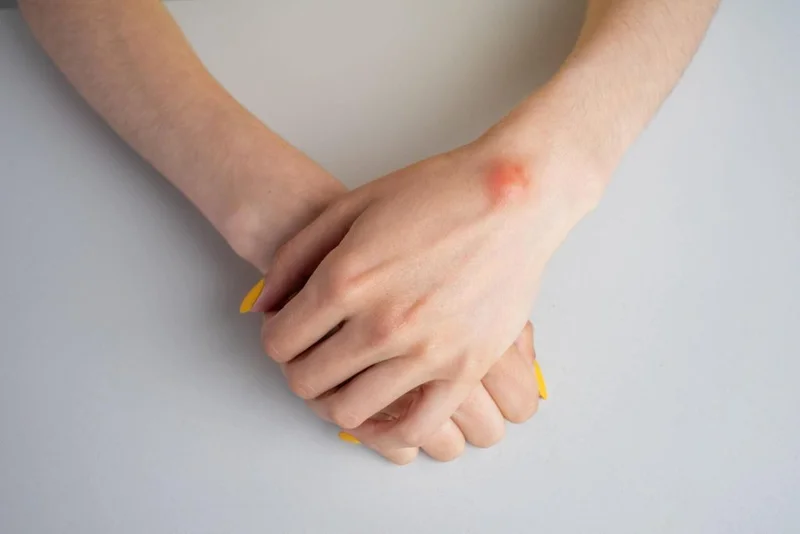
A ganglion cyst is a noncancerous, fluid-filled lump that most commonly develops along the tendons or joints of the wrists and hands. It's the single most common soft-tissue mass found in the hand and wrist, accounting for roughly 60–70% of all such lumps. If you've noticed a firm, round bump near your wrist that seems to change size with activity — chances are high it's a ganglion cyst. The good news? These cysts are entirely benign, never become cancerous, and in many cases resolve on their own without any treatment at all.
This comprehensive guide covers everything you need to know about ganglion cysts — from what causes them and how they're diagnosed, to treatment options (including Ayurvedic approaches), home remedy myths, recurrence rates, costs, and when you really should see a doctor.
What Is a Ganglion Cyst?
A ganglion cyst (sometimes called a "bible cyst" or "bible bump" — more on that unusual name later) is a round or oval sac filled with a thick, jelly-like fluid called synovial fluid. This fluid is the same lubricating substance found inside your joints. The cyst wall is made up of dense, paucicellular connective tissue — essentially sheets of collagen fibers without a true synovial lining, which distinguishes it from a true synovial cyst.
At the microscopic level, the cyst develops through a process called mucinous degeneration. Fibroblasts near the joint capsule or tendon sheath are stimulated to produce excessive hyaluronic acid, which accumulates and forms the characteristic mucoid material inside the cyst. Some ganglion cysts are unilocular (a single chamber), while others are multiloculated (multiple interconnected chambers), which can affect treatment decisions.
What Does a Ganglion Cyst Look Like?
Most ganglion cysts present as:
- A visible, round or oval bump — typically 1–3 cm in diameter, though they can grow larger
- Firm but slightly spongy to the touch
- Often translucent when a light is shone through them (transillumination test)
- They may change size — growing larger with repetitive joint use and shrinking with rest
- The skin over the cyst looks completely normal — no redness, warmth, or discoloration unless irritated
Some ganglion cysts are occult (hidden), meaning they're too small to see or feel but can still cause pain. These are typically discovered only through imaging.
Where Do Ganglion Cysts Develop? (Common Locations)
While most people associate ganglion cysts with the wrist, they can actually appear in several locations:
| Location | Percentage | Notes |
|---|---|---|
| Dorsal wrist (back of wrist) | ~60–70% | Most common overall. Arises from the scapholunate ligament |
| Volar wrist (front of wrist) | ~18–20% | Near the radial artery — important surgical consideration |
| Finger (retinacular/flexor tendon sheath) | ~10–12% | Small, pea-sized, often painful when gripping |
| DIP joint (mucous cyst) | Variable | Associated with osteoarthritis; common in women aged 40–70, linked to Heberden's nodes |
| Foot and ankle | Less common | Dorsal foot, near the ankle joint |
| Knee | Uncommon | Can form behind the knee (sometimes confused with a Baker's cyst) |
| Spine (intraspinal) | Rare | Can cause radiculopathy; usually found incidentally on MRI |
How Common Are Ganglion Cysts?
Extremely common. They represent the majority of all hand and wrist masses. They occur three times more frequently in women than in men, and the peak age of onset is between 20 and 50 years. Gymnasts, who place repeated stress on the wrist, are particularly prone to developing them.
Ganglion Cyst vs Other Lumps: A Comparison
One of the first concerns when you find a lump is: Is this something serious? Here's a structured comparison that none of the major medical sites currently provide in table format:
| Feature | Ganglion Cyst | Lipoma | Sebaceous Cyst | Giant Cell Tumor of Tendon Sheath | Carpal Boss |
|---|---|---|---|---|---|
| Consistency | Firm, slightly spongy | Soft, rubbery, movable | Firm with central punctum | Firm, solid | Hard, bony |
| Location | Near joints/tendons | Anywhere with fat tissue | Anywhere with hair follicles | Fingers, near tendons | Base of 2nd/3rd metacarpal |
| Fluid-filled? | Yes (mucoid fluid) | No (fatty tissue) | Yes (keratin/sebum) | No (solid tissue) | No (bony prominence) |
| Transillumination | Positive (light passes thru) | Negative | Negative | Negative | Negative |
| Cancerous? | Never | Almost never | Never | Benign but locally aggressive | Never |
| Size change with activity | Yes | No | No | No | No |
| Pain | Sometimes | Rarely | If infected | Often | Sometimes |
Key takeaway: If you can shine a flashlight through the lump and see light passing through, it's very likely a ganglion cyst. If it's rock-hard, doesn't transilluminate, or is rapidly growing, see a doctor promptly.
What Causes a Ganglion Cyst?
The honest answer is that no one knows the exact cause. Despite being so common, the precise etiology of ganglion cysts remains debated. However, several well-supported theories exist.
Theories of Ganglion Cyst Formation
- 1.Mucinous degeneration theory (most widely accepted): Repetitive microtrauma or chronic irritation to periarticular connective tissue triggers fibroblast activation, leading to excess mucin (hyaluronic acid) production. This mucoid material accumulates, dissecting through tissue planes and forming the cyst.
- 2.Herniation theory: The joint capsule or tendon sheath develops a small tear or weakness, allowing synovial fluid to herniate outward and form a cyst with a one-way valve mechanism — fluid can enter but cannot easily return.
- 3.Synovial rest theory: Ectopic synovial cell rests left over from embryonic development may activate and produce fluid, forming a cyst.
Current evidence, including histopathological studies, most strongly supports the mucinous degeneration theory, as the cyst wall lacks a true synovial lining.
Risk Factors: Who Gets Ganglion Cysts?
- Sex: Women are 3× more likely to develop them
- Age: Most common between ages 20–50
- Repetitive wrist stress: Gymnasts, typists, and manual laborers face higher risk
- Previous joint or tendon injury: A prior sprain, fracture, or ligament damage increases susceptability
- Osteoarthritis: Particularly for mucous cysts at the DIP joint, which are strongly associated with underlying degenerative changes
- Joint hypermobility: Some evidence suggests hypermobile individuals may be more prone
Ganglion Cyst Symptoms: What to Watch For
Many ganglion cysts are completely painless, and the primary concern is cosmetic.
However, symptoms can develop depending on size and location:
- Visible lump — the most obvious sign, which may wax and wane in size
- Dull ache or pain — especially with repetitive wrist motions or direct pressure
- Weakness — difficulty gripping objects firmly
- Tingling or numbness — when the cyst presses on a nearby nerve
- Limited range of motion — if the cyst restricts joint movement
Complications by Location
Volar wrist ganglions deserve special attention because of their proximity to critical structures.
Documented complications include:
- Carpal tunnel syndrome — from compression of the median nerve
- Ulnar nerve neuropraxia — numbness in the ring and small fingers
- Radial artery compression — potentially causing ischemia (reduced blood flow) to the hand
- Trigger finger — when a cyst within the tendon sheath interferes with smooth tendon gliding
Mucous cysts at the DIP joint can thin the overlying skin, making it vulnerable to rupture and joint infection — a serious complication that requires immediate medical attention.
How Is a Ganglion Cyst Diagnosed?
Diagnosis is usually straightforward and can often be made on physical examination alone.
Physical Examination and Transillumination
Your doctor will feel the lump, assess its size and mobility, and perform a transillumination test — shining a penlight through the mass. A ganglion cyst will glow because the jelly-like fluid transmits light, whereas a solid tumor will not.
Imaging Studies
- X-ray: Won't show the cyst itself, but rules out bone abnormalities, arthritis, or bone tumors
- Ultrasound: Confirms the cystic (fluid-filled) nature of the mass; widely available and cost-effective in India
- MRI: Gold standard for occult ganglions, for pre-surgical planning, and when the diagnosis is uncertain. Also essential for intraspinal or intra-articular ganglion cysts
- Aspiration: Drawing fluid from the cyst with a needle — both diagnostic and therapeutic. The characteristic thick, clear, jelly-like fluid confirms the diagnosis
Differential Diagnosis
Your doctor should also consider and rule out:
- Lipoma
- Sebaceous (epidermal inclusion) cyst
- Giant cell tumor of tendon sheath
- Vascular malformation
- Carpal boss (bony prominence)
- Soft tissue sarcoma (rare but important to exclude)
- Gout tophus
Ganglion Cyst Treatment: All Your Options Explained
Treatment depends on symptoms, location, and patient preference. A completely painless ganglion cyst that doesn't bother you? It's perfectly acceptable to do absolutely nothing.
Can a Ganglion Cyst Go Away on Its Own?
Yes — and more often than people realize. Studies have reported spontaneous resolution rates of 38–58%, meaning more than a third of ganglion cysts disappear without any intervention. A 2007 study by Dias et al. found that at 2-year follow-up, 58% of untreated wrist ganglion cysts had resolved spontaneously. So watchful waiting is a genuinely valid approach.
Nonsurgical Treatment Options
Observation (Watch and Wait)
If the cyst is painless and not interfering with function, monitoring it over time is reasonable.
Your doctor may recommend:
- Activity modification — avoiding repetitive wrist motions that aggravate the cyst
- Immobilization — a wrist brace or splint can reduce irritation and sometimes help the cyst shrink
- NSAIDs (like ibuprofen) — for pain management, though they don't shrink the cyst itself
Aspiration
This is the most common nonsurgical intervention. A doctor uses a needle to drain the thick, mucoid fluid from the cyst, often after numbing the area with local anaesthetic. Some practitioners inject corticosteroids afterward to reduce inflammation.
The main drawback? High recurrence rate. Studies show ganglion cysts return after aspiration in approximately 50–70% of cases, because the cyst wall and stalk (the connection to the joint capsule) remain intact.
Multiple aspirations can be attempted, but each subsequent attempt has diminishing returns.
Surgical Treatment
Ganglionectomy (Surgical Excision)
When a cyst is painful, interferes with function, or keeps recurring after aspiration, surgery becomes the preferred option.
The procedure involves:
- Removing the entire cyst along with its stalk (pedicle) — the tubular connection to the joint capsule
- Excising a small portion of the surrounding joint capsule or tendon sheath to reduce recurrence
- The procedure is typically performed as an outpatient (day-case) surgery under local or regional anesthesia
Two approaches exist:
- Open excision — traditional approach with direct visualization; gold standard for volar wrist ganglions due to proximity to the radial artery
- Arthroscopic excision — minimally invasive, uses small incisions and a camera; some studies suggest lower recurrence rates for dorsal wrist ganglions
Recurrence after surgery: 5–15%, significantly lower than aspiration.
Recovery typically takes 2–6 weeks, with physical therapy often recommended to restore full range of motion and grip strength.
Aspiration vs Surgery: Head-to-Head Comparison
| Factor | Aspiration | Surgical Excision |
|---|---|---|
| Procedure type | Office-based, minimally invasive | Operating room (usually outpatient) |
| Anaesthesia | Local | Local, regional, or general |
| Duration | 15–30 minutes | 30–60 minutes |
| Recovery time | 1–3 days | 2–6 weeks |
| Recurrence rate | 50–70% | 5–15% |
| Cost (India, approx.) | ₹2,000–₹8,000 | ₹15,000–₹60,000+ |
| Scarring | Minimal (needle puncture) | Visible scar (2–5 cm) |
| Risks | Infection, nerve injury (rare) | Infection, nerve/artery injury, stiffness, scar tenderness |
| Best for | First-time, non-recurrent cysts | Recurrent cysts, volar cysts, symptomatic cysts |
Costs vary significantly based on city, hospital type (government vs. private), and surgeon experience.
Don't wait or self medicate. Start chat with Doctor NOW
Ganglion Cyst in Children
Ganglion cysts can occur in children, though they are less frequently discussed.
In pediatric patients:
- They are most common in children aged 2–10 years
- The vast majority resolve spontaneously — studies report resolution rates of up to 80–90% without treatment
- Surgery is generally avoided unless the cyst is causing significant pain, nerve compression, or functional limitation
- Observation is the standard first-line approach in almost all pediatric cases
- Parents should be reassured that these cysts are benign and not a sign of underlying disease
The "Bible Bump" Myth: Home Remedies and What Doesn't Work
- The nickname "bible cyst" or "bible bump" comes from an old folk remedy: smashing the cyst with a heavy book — historically, the largest book in most households was the Bible.
- Let's be very clear: this is dangerous and should never be attempted.
Why Smashing a Ganglion Cyst Is a Bad Idea
- It can fracture underlying bones, damage tendons, or injure nerves and blood vessels
- Even if the cyst appears to "pop," the cyst wall remains intact beneath the skin, so recurrence is virtually guaranteed
- It causes unnecessary pain, bruising, and risk of infection
- No reputable medical authority recommends this approach
Other Unproven Home Remedies
- Warm compresses and soaking — may provide temporary pain relief but will not eliminate the cyst
- Topical essential oils or herbal pastes — no clinical evidence supports their effectiveness in resolving ganglion cysts
- Wrist exercises alone — helpful for symptom management but won't cause regression
Ayurvedic Perspective on Ganglion Cysts
In Ayurvedic medicine, ganglion cysts are often understood as a manifestation of Vata and Kapha dosha imbalance — Vata contributing to the degenerative changes in connective tissue, and Kapha responsible for the fluid accumulation. While rigorous clinical trials specifically on Ayurvedic ganglion cyst treatment are limited, traditional Ayurvedic approaches include:
- Panchakarma therapies — detoxification procedures, particularly Vamana and Virechana, aimed at systemic balance
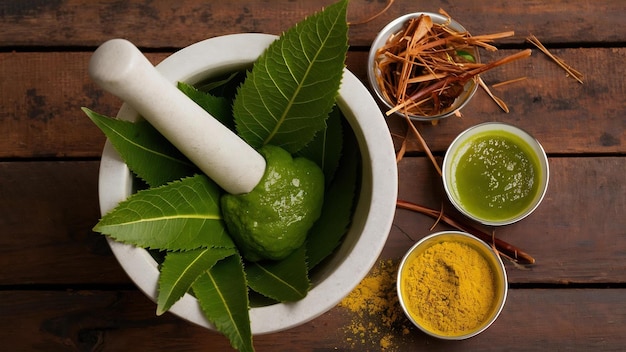
- Lepanam — external application of medicated herbal pastes (often containing Dashanga lepa or Kottamchukkadi) directly over the cyst
- Agni karma (thermal cauterization) — a traditional Ayurvedic surgical technique described in the Sushruta Samhita, applied with caution by trained practitioners
- Internal herbal formulations — Kaishore Guggulu, Triphala, Punarnava, and Guduchi are commonly recommended to reduce swelling and improve tissue health
- Dietary modifications — reducing cold, heavy, and oily foods (Kapha-aggravating) and incorporating warming spices like turmeric, ginger, and black pepper
Important note: If you choose an Ayurvedic approach, it should complement — not replace — proper medical diagnosis. Any lump that is rapidly growing, painful, or causing numbness should be evaluated by a qualified orthopedic surgeon or hand specialist to rule out serious conditions.
Rehabilitation: Exercises After Ganglion Cyst Surgery
Post-surgical rehabilitation is often overlooked, but it's crucial for a full recovery. Here is a general protocol (always follow your surgeon's specific instructions):
Week 1–2: Gentle finger range-of-motion exercises. Keep the hand elevated. Light activities only. Week 2–4: Begin gentle wrist flexion/extension and radial/ulnar deviation exercises. Remove splint as directed. Start light grip strengthening with a soft ball. Week 4–6: Progressive strengthening exercises. Gradually return to normal activities. Scar massage with moisturizer to improve scar pliability. Week 6+: Full return to sports and heavy lifting (if cleared by surgeon). Continue stretching if stiffness persists.
When to See a Doctor: Red Flags Checklist
While ganglion cysts are benign, certain signs warrant prompt medical evaluation:
- Rapid growth of the lump over days to weeks
- Persistent numbness or tingling in the fingers
- Significant pain that interferes with daily activites or sleep
- Loss of grip strength or inability to use the hand normally
- Skin changes over the cyst — redness, warmth, or drainage (possible infection)
- Hard, non-mobile, or irregularly shaped lump (may not be a ganglion)
- Location near the palm side of the wrist — risk of vascular/nerve complications
- Mucous cyst with thin, fragile skin — risk of rupture and joint infection
When in doubt, get it checked. A simple ultrasound can confirm the diagnosis quickly and affordably.
Frequently Asked Questions (FAQ)
Is a ganglion cyst harmful?
No. Ganglion cysts are completely benign and never become cancerous. They don't spread to other parts of the body. The main concerns are cosmetic appearance and, in some cases, pain or nerve compression. Most ganglion cysts are harmless and many people live with them comfortably for years.
What happens if a ganglion cyst is left untreated?
In many cases, nothing bad happens. The cyst may stay the same size, grow slightly, fluctuate in size, or disappear entirely on its own. Research suggests that 38–58% of ganglion cysts resolve spontaneously without treatment. However, if left untreated and it's pressing on a nerve, you may experience ongoing pain, numbness, or weakness that gradually worsens.
How do I get rid of my ganglion cyst?
You have three main options: (1) Wait and watch — it may resolve on its own. (2) Aspiration — a doctor drains the fluid with a needle (quick but ~50–70% recurrence). (3) Surgery — the cyst and its stalk are removed (most definitive, 5–15% recurrence). The right choice depends on your symptoms, cyst location, and personal preference.
Can I drain a ganglion cyst at home?
Absolutely not. Attempting to puncture, pop, or drain a ganglion cyst yourself risks serious infection, nerve damage, tendon injury, and scarring. The fluid inside is extremely thick (like jelly) and requires a proper-gauge needle to aspirate. Always have this done by a trained medical professional in a sterile environment.
Are ganglion cysts common on the foot?
Yes, though less common than wrist ganglions. Ganglion cysts can develop on the dorsal (top) surface of the foot or near the ankle. They're diagnosed and treated similarly to wrist ganglions. If a foot ganglion causes pain while walking or wearing shoes, aspiration or excision may be recommended.
Can ganglion cysts develop in the knee?
They can, though it's relatively uncommon. Ganglion cysts in the knee may form within the joint (intra-articular), around the cruciate ligaments, or in the soft tissues surrounding the knee. They're sometimes discovered incidentally on MRI scans done for other knee complaints. A ganglion behind the knee should be differentiated from a Baker's cyst through proper imaging.
How long does recovery take after ganglion cyst surgery?
Most patients return to desk work within 1–2 weeks and full physical activity within 4–6 weeks. The exact timeline depends on the cyst location, surgical approach (open vs. arthroscopic), and your occupation. Heavy manual labor may require a longer recovery period.
Do ganglion cysts come back after treatment?
Unfortunately, recurrence is possible with any treatment method. After aspiration, recurrence rates range from 50–70%. After surgical excision, recurrence rates are significantly lower at 5–15%. Ensuring complete removal of the cyst stalk during surgery is the key factor in preventing recurrence.
Final Thoughts: Living With a Ganglion Cyst
- A ganglion cyst, while sometimes annoying or concerning, is one of the most benign conditions you can encounter. Most of them are painless. Many of them disappear on their own.
- And for those that don't — effective treatments exist, from simple aspiration to definitive surgical excision.
If you've been diagnosed with a ganglion cyst or suspect you have one, the most important step is getting a proper evaluation from a qualified healthcare provider. An orthopedic surgeon or hand specialist can confirm the diagnosis, rule out anything more serious, and help you choose the right treatment path based on your specific situation.
- Don't smash it with a book. Do see a doctor.
- And remember — patience is often the best medicine, since your body may take care of it all on its own.
This article is for informational purposes only and does not constitute medical advice. Always consult a qualified healthcare professional for diagnosis and treatment of any medical condition. If you're interested in Ayurvedic treatment approaches, consult a certified Ayurvedic practitioner (BAMS) alongside your conventional medical team for an integrated care plan.
Scientific Sources
- Surgical and Patient-Centered Outcomes of Open versus Arthroscopic Ganglion Cyst Excision: A Systematic Review — Clark DM et al., 2023, Journal of wrist surgery
- Ultrasound-Guided Aspiration Does Not Reduce the Recurrence Rate of Ganglion Cysts of the Wrist — Kurkis G et al., 2019, Journal of wrist surgery
- Effect of fire needle for ganglion cysts: A protocol of systematic review and meta-analysis of randomized controlled trials — Chen J et al., 2020, Medicine
- Preauricular transcondylar approach for basal cell adenoma of parotid coexist with ganglion cyst of the ipsilateral temporomandibular joint — Yang XJ Jr et al., 2011, The Journal of craniofacial surgery
- Technical report: CT-guided aspiration of anterior cruciate ligament ganglion cysts — Antonacci VP et al., 1998, Clinical radiology
- Unique Location and Origin of a Ganglion Cyst — Khubaib MU et al., 2021, Cureus
- Clinical efficacy analysis of arthroscopic treatment for hallux ganglion cyst deriving from ankle joint(https://pubmed.ncbi.nlm.nih.gov/37767664/) — Zhang QL et al., 2023, Zhonghua wai ke za zhi [Chinese journal of surgery]
Questions from users
What are the best exercises to relieve stiffness from ganglion cysts?
Mckenzie
2 days ago
To relieve stiffness from ganglion cysts, gentle range-of-motion exercises might help maintain mobility. Hand and wrist stretches, such as flexion and extension exercises, are beneficial. Regularly extending and bending your fingers and wrist can prevent stiffness. Consistent stretching may show improvements in stiffness over several weeks. Avoid exercises that exacerbate pain. If you experience rapid growth, numbness, significant pain, or loss of function, it's crucial to consult a doctor for proper evaluation and treatment.
Is it possible for a ganglion cyst to cause pain or discomfort?
Miles
12 days ago
Yes, ganglion cysts can cause pain or discomfort, especially if they press on nearby nerves or joints. It really depends on their location and size. Sometimes they can be totally painless, other times they might feel like a dull ache. If it's bothersome, it's worth getting it checked out by a healthcare professional.
What causes ganglion cysts to form, and can they be prevented?
Nova
21 days ago
Ganglion cysts form when fluid leaks from a joint or tendon sheath, often due to joint wear or repetitive stress. They're not fully preventable, but you can try reducing strain on joints with proper breaks and support. Ayurveda might suggest balancing your Vata dosha to help manage stress and promote joint health!
Can I use Ayurvedic oils for a ganglion cyst massage, and how would it help?
William
36 days ago
Yes, Ayurvedic oils can help with ganglion cyst massage! Oils like castor or sesame, infused with herbs like turmeric or neem, might reduce inflammation and improve circulation. But, it's also wise to balance your Vata with nourishing foods and lifestyle changes. Ayurveda isholistic, so addressing the root cause is key!
What natural therapies in Ayurveda can help reduce the swelling of ganglion cysts?
Gabriella
45 days ago
To reduce swelling of ganglion cysts naturally, Ayurveda might recommend using herbs like Guggulu, known for its anti-inflammatory properties. Also, applying a warm paste made from turmeric and castor oil can help. Keeping your diet light to balance your doshas, and supporting digestion with Triphala might aid in overall detoxification. Just make sure to talk to a professional about it's right for you.
What is Panchakarma and how does it help with ganglion cysts in Ayurvedic treatment?
Raven
55 days ago
Panchakarma is a detoxification process in Ayurveda that cleanses body and restores balance in doshas. For ganglion cysts, its therapies help by removing toxins and boosting natural healing. Along with Panchakarma, herbs like neem, turmeric, and guggulu can help reduce inflammation and promote healing. Consider consulting an Ayurvedic practitioner for personalized advice!
Is it safe to use essential oils for treating ganglion cysts in Ayurveda?
Xander
65 days ago
Essential oils can be part of an Ayurvedic approach for ganglion cysts, but they shouldn't be the main treatment. Essential oils like frankincense or tea tree might help with inflammation or discomfort, but it's important to focus on balancing doshas and supporting toxin elimination and joint health. Always check with an Ayurvedic pro before starting new treatments!
What are the signs that my ganglion cyst may be improving with Ayurvedic treatment?
Mckenzie
74 days ago
If your ganglion cyst is improving with Ayurvedic treatment, you might notice reduced size or swelling, less pain, and increased mobility around the affected area. Skin around the cyst might also return to a more natural color. Also consider how your overall energy and balance feels. Ayurveda's about gradual, holistic change, so patience is key!
Can I use Ayurvedic treatments to speed up the healing of an existing ganglion cyst?
Warren
84 days ago
Yes, Ayurveda can help with ganglion cysts! Focusing on balancing your doshas and enhancing the body's natural ability to detoxify is key. Try incorporating Triphala for toxin removal, and consult an Ayurvedic practitioner about suitable herbs or lifestyle changes. Remember, everyone's different, so finding what works for you may take a bit of time and experimentation.
What can I do to prevent ganglion cysts from recurring in the future?
Lucas
93 days ago
To help prevent those pesky ganglion cysts from coming back, try focusing on balancing your doshas. Consume warm, moist, and nourishing foods and avoid cold, dry or processed stuff. Keep your agni (digestive fire) strong with proper meal timing and maybe some gentle yoga. Consistency is key here, but reach out if they keep popping up.
Related articles

Orthopedic Disorders
Amritadi Guggulu: Traditional Roots, Modern Evidence
Discover how amritadi guggulu supports holistic well-being, backed by both ancient Ayurvedic wisdom and emerging scientific research.
2,629

Orthopedic Disorders
Migroset Tablet: Ayurvedic Relief for Migraine and Chronic Headaches
Learn about Migroset Tablet’s benefits, proper dosage, side effects, and scientific research. Discover how this medication supports bone health and prevents osteoporosis.
2,629

Orthopedic Disorders
Ayurvedic Treatment for Ligament Tear
Ligaments are tough, fibrous tissues that connect bones and stabilize joints. A ligament tear occurs when the ligament is stretched beyond its limit, causing partial or complete rupture.
3,843

Orthopedic Disorders
Simhanada Guggulu – Benefits, Dosage, How to Use, Side Effects, Ingredients and Reference
Exploration of Simhanada Guggulu – Benefits, Dosage, How to Use, Side Effects, Ingredients and Reference
3,563

Orthopedic Disorders
Vatagajankusha Rasa: Ayurvedic Insights and Modern Evidence
Explore Vatagajankusha Rasa in-depth—its Ayurvedic roots, modern studies, benefits, precautions, and usage. Gain scientific insight and expert perspectives.
2,188

Orthopedic Disorders
Rasnadi Guggulu: Uses, Dose, Side Effects
Exploration of Rasnadi Guggulu: Uses, Dose, Side Effects
4,897

Orthopedic Disorders
Pravala Panchamrita Rasa – Ayurvedic Formulation for Rejuvenation and Balance
Discover Pravala Panchamrita Rasa, a traditional Ayurvedic medicine combining calcined coral and a blend of five potent ingredients for detoxification, rejuvenation, and overall wellness. Learn about its benefits, usage guidelines, and precautions.
2,552

Orthopedic Disorders
Shaddharanam Tablet Benefits, Dosage, Side Effects, Ingredients
Exploration of Shaddharanam Tablet Benefits, Dosage, Side Effects, Ingredients
2,507

Orthopedic Disorders
What Is Marma Chikitsa in Ayurveda: Points, Healing, and Benefits
What is Marma Chikitsa in Ayurveda? Discover its meaning, benefits, key points, and how this ancient healing method supports pain relief and energy flow
4,068

Orthopedic Disorders
Vatarakta Treatment in Ayurveda – Holistic Approach for Joint & Blood Disorders
Discover the Ayurvedic approach to treating Vatarakta, a condition marked by joint pain, inflammation, and blood imbalances. Learn about herbal therapies, detoxification, and lifestyle changes for effective management.
2,475
Related consultations on the topic
Legal
Additional Documents
© 2024 Ask Ayurveda. All rights reserved.