FREE! Ask Ayurvedic Doctors 24/7

 Fast responses
 1000+ verified doctors
Pakshaghata Chikitsa – Ayurvedic Strategies for Hemiplegia & Neuromuscular Rehabilitation
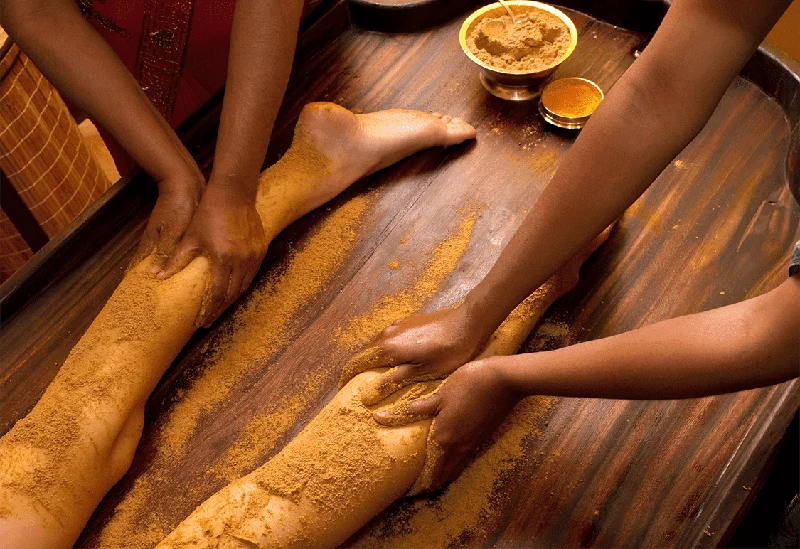
Pakshaghata Chikitsa is the classical Ayurvedic treatment protocol for hemiplegia — a condition where one entire side of the body loses motor function, sensation, or both. Rooted in the Vata Vyadhi chapters of Charaka Samhita, Sushruta Samhita, and Ashtanga Hridaya, this therapeutic approach combines Panchakarma detoxification, internal herbal medicines, external oleation therapies, and lifestyle restructuring to restore neurological function. Unlike a single-drug approach, Pakshaghata Chikitsa addresses the disease at every level of its pathogenesis — from correcting Agni to clearing Srotas blockages to nourishing depleted Dhatus. Whether the paralysis results from a cerebrovascular accident (stroke) or traumatic brain injury, Ayurveda offers a structured, time-tested framework for meaningful rehabilitation.
This guide covers everything: the classical etiology, pathogenesis, prodromal signs, full treatment protocols including all Panchakarma procedures, internal formulations with dosages, prognosis criteria, diet, yoga-based rehabilitation, and clinical evidence. It is designed to be the most comprehensive resource available on Pakshaghata Chikitsa — filling critical gaps that existing literature has left unaddressed.
What Is Pakshaghata? — Definition, Etymology, and Modern Correlation
Vyutpatti (Etymological Derivation)
The term Pakshaghata is a Sanskrit compound of two words:
- Paksha (पक्ष) = one half or one side of the body
- Aghata (आघात) = striking, injury, or loss of function
Literally, it translates to "the striking down of one side." Charaka describes it as a condition where Prakupita Vata (aggravated Vata Dosha) renders one half of the body — either left (Vama Paksha) or right (Dakshina Paksha) — functionless. The Madhava Nidana (Chapter 22) classifies Pakshaghata as a Nanatmaja Vata Vyadhi, meaning it arises exclusively from Vata vitiation.
Correlation with Hemiplegia in Modern Medicine
In contemporary neurology, Pakshaghata corresponds most directly to hemiplegia — complete paralysis of one side of the body — and in milder presentations, to hemiparesis (partial weakness).
The most common modern causes include:
- Ischemic or hemorrhagic stroke (cerebrovascular accident)
- Traumatic brain injury (Abhighata Janya Pakshaghata)
- Space-occupying lesions (tumors)
- Demyelinating diseases
A 2020 study published in the International Journal of Health Sciences and Research confirmed that the Ayurvedic Samprapti of Pakshaghata closely parallels the pathophysiology of upper motor neuron lesions, making classical Chikitsa principles clinically applicable in modern rehabilitation settings.
Pakshaghata Treatment in Ayurveda — The Core Principle
The treatment rests on a dual strategy explicitly mentioned in Charaka Chikitsa Sthana (Ch. 28):
- 1.Samshodhana (bio-purification via Panchakarma) — to eliminate vitiated Doshas
- 2.Samshamana (palliative therapy) — to pacify remaining Dosha imbalance and nourish Dhatus
Acharya Charaka recommends beginning with Mridu Samshodhana (gentle purification) followed by sustained Vata Shamaka Snehana Chikitsa (oleation-based Vata pacification).
This is not optional — it is the foundational protocol.
Nidana — Etiology and Causes of Pakshaghata
No competitor has systematically listed the full Nidana of Pakshaghata from classical texts. Here is the complete picture, organized by category.
Aharaja Nidana (Dietary Causes)
Classical texts including Charaka Samhita (Sutra Sthana 20) and Vagbhata identify these dietary factors that provoke Vata and predispose to Pakshaghata:
- Rooksha Ahara — excessive intake of dry, rough foods (roasted grains, dry vegetables)
- Sheeta Ahara — cold food and beverages taken habitually
- Alpa Ahara — insufficient quantity of food, chronic undereating
- Kashaya, Tikta, Katu Rasa Atisevana — overindulgence in astringent, bitter, and pungent tastes
- Vishamashana — irregular eating patterns
- Adhyashana — eating before previous meal is digested
Viharaja Nidana (Lifestyle Causes)
- Ati Vyayama — excessive physical exertion
- Ati Maithuna — excessive sexual activity (causes Shukra Kshaya and Vata Prakopa)
- Ratri Jagarana — habitual sleep deprivation / staying up late
- Vegadharana — suppression of natural urges (especially urination, defecation, sneezing)
- Langhana Atiyoga — excessive fasting
- Abhighata — direct physical trauma to the head
Manasika Nidana (Psychological Causes)
- Chinta — chronic worry
- Shoka — grief
- Bhaya — fear
- Krodha — anger
These emotional states directly aggravate Vata Dosha according to Charaka Sutra Sthana 12. Chronic psychological stress causes Oja Kshaya and Dhatukshaya, creating fertile ground for neurological Vata Vyadhis.
Abhighata Janya Pakshaghata (Traumatic Causes)
A case published in PMC (2023) documented Ayurvedic management of a 22-year-old male who developed hemorrhagic hemiplegia after a road traffic accident. This highlights that Pakshaghata is not limited to vascular causes — direct cranial trauma (Shiro Abhighata) can independently cause it. Sushruta specifically mentions Abhighata as a separate Nidana under Vata Vyadhi.
Samprapti — Pathogenesis of Pakshaghata
Samprapti Ghataka (Complete Pathogenetic Components)
This is the full pathogenetic breakdown — a critical element that no competing resource has provided completely:
| Component | Detail |
|---|---|
| Dosha | Vata Pradhana (primarily Vyana Vayu and Prana Vayu); Kapha-Pitta Anubandha possible |
| Dushya | Rasa, Rakta, Mamsa, Meda, Asthi, Majja, Snayu (ligaments), Sira (vessels), Kandara (tendons) |
| Srotas | Rasavaha, Raktavaha, Mamsavaha, Majjavaha, Manovaha |
| Srotodushtiprakara | Sanga (obstruction) and Vimarga Gamana (misdirection of flow) |
| Agni | Mandagni or Vishamagni |
| Adhisthana | Shira (head), Mastishka (brain), Sira, Snayu of affected Paksha |
| Rogamarga | Madhyama Rogamarga (involving Marma and vital structures) |
| Udbhava Sthana | Pakvashaya (large intestine — the primary seat of Vata) |
| Vyakta Sthana | Eka Paksha (one half of the body) |
| Vyadhi Svabhava | Chirakari (chronic/long-standing) |
Role of Vata Dosha in Pakshaghata
Pakshaghata is fundamentally a Vata Vyadhi. The mechanism described in Charaka Chikitsa Sthana 28 is explicit:
Prakupita Vayu (aggravated Vata) → reaches Shira (head) and Vishoshana (desiccation) of Sira (blood vessels) and Snayu (tendons/nerves) → Shithilata (laxity) of Sandhi Bandhana (joint ligaments) → loss of motor function in one Paksha.
Specifically, Vyana Vayu (which governs voluntary movement throughout the body) becomes dysfunctional, while Prana Vayu (governing brain and sensory functions) may also be impaired, explaining associated symptoms like speech disturbance and cognitive changes.
Samprapti Chakra (Pathogenesis Flowchart)
Nidana Sevana (exposure to causative factors)
→ Vata Prakopa in Pakvashaya
→ Sthanasamshraya in Shira (brain) and Sira/Snayu
→ Vishoshana (desiccation) of Sira and Snayu
→ Avarana (obstruction) by Kapha/Pitta (in Sanga type) OR Dhatukshaya (in depletion type)
→ Loss of Cheshtahani (motor function) in one Paksha
→ Pakshaghata Vyakti (manifestation of hemiplegia)
Understanding whether the Samprapti is Avaranajanya (obstructive) or Dhatukshayajanya (depletive) fundamentally changes the treatment approach — a point most clinical guides overlook.
Purvarupa and Rupa — Prodromal Signs and Clinical Features
Purvarupa (Early Warning Signs)
Classical texts describe these prodromal symptoms before full-blown Pakshaghata develops:
- Sphuranam (fasciculations/twitching in limbs)
- Toda (pricking sensation)
- Supti (numbness) in one side
- Angamarda (body ache, generalized malaise)
- Balavarna Hani (loss of strength and complexion)
- Angasada (heaviness/lassitude in limbs)
- These warning signs often appear days to weeks before the actual paralytic episode.
- Recognizing them early allows for preventive intervention — a concept Ayurveda calls Purvarupa Avastha Chikitsa.
Rupa (Cardinal Symptoms of Pakshaghata)
The fully manifested symptoms as per Charaka and Madhava Nidana include:
- Ekanga Cheshtahani — loss of voluntary movement in one half of the body
- Ruja — pain in the affected side (though not always present)
- Vakstambha — speech impairment (correlating with motor aphasia)
- Vaktra Vaikriti — facial distortion / deviation
- Sandhi Shithilata — looseness of joints
- Sparsha Hani — loss of tactile sensation
- Rasa Ajna — loss of taste sensation (in some cases)
Differential Diagnosis — Pakshaghata vs. Ardita vs. Sarvanga Vata
| Feature | Pakshaghata | Ardita (Facial Palsy) | Sarvanga Vata (Quadriplegia) |
|---|---|---|---|
| Area affected | One half of body | One half of face only | Entire body (both sides) |
| Motor loss | Complete hemiplegia | Facial muscles only | All four limbs |
| Vak Vikara | Present (if dominant side) | Present (slurred speech) | May or may not be present |
| Dosha involvement | Vata Pradhana | Vata affecting Urdhvajatrugata | Vata affecting Sarva Shareera |
| Prognosis | Yapya to Kashta Sadhya | Sadhya (if treated early) | Asadhya (often incurable) |
| Classical reference | Charaka Chi. 28 | Charaka Chi. 28, Sushruta Ni. 1 | Charaka Chi. 28 |
This differentiation is clinically essential because the treatment protocols, prognosis, and intensity of intervention differ substantially.
Pakshaghata Chikitsa — Complete Panchakarma Treatment Protocol
Purvakarma (Preparatory Procedures)
Before any Panchakarma procedure, Purvakarma is mandatory:
Snehana (Oleation):
- Abhyantara Snehana — internal oleation with medicated ghee (Ashwagandha Ghrita, Panchatikta Ghrita) for 3-7 days
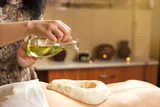
- Bahya Snehana — Sarvanga Abhyanga (full-body oil massage) with Mahanarayana Taila, Bala Taila, or Dhanwantaram Taila
Swedana (Sudation):
- Sarvanga Swedana following Abhyanga
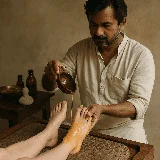
- Patra Pinda Swedana (bolus fomentation with medicated leaves) — particularly effective for Pakshaghata as it combines heat therapy with anti-Vata herbal penetration
- Nadi Swedana (directed steam) for specific joint and muscle groups
Samshodhana — Main Panchakarma Procedures
Here is the complete overview of all Panchakarma methods applicable in Pakshaghata — a comprehensive comparison not found in any single competing resource:
| Procedure | Indication in Pakshaghata | Classical Basis | Duration |
|---|---|---|---|
| Nasya Karma | Urdhvajatrugata Vata, speech disorders, facial deviation | Charaka Si. 9 — "Nasahi Shirasodwaram" | 7-14 days; Anu Taila or Shadbindu Taila |
| Basti Karma | Primary Chikitsa for all Vata Vyadhi; Pakvashayagata Vata | Charaka Chi. 28, Siddhi 1 | Kala Basti (16 sessions) or Karma Basti (30 sessions) |
| Virechana | Pittanubandha Vata; when Avarana by Pitta is present | Charaka Chi. 28 — "Pakshaghate Virechanam" | Single session after adequate Snehapana |
| Shirobasti | Mastishkagata Vata (brain-seated Vata), tremors, rigidity | Ashtanga Hridaya Sutra 22 | 30-45 minutes, 7 days |
| Shirodhara | Manasika symptoms, anxiety, insomnia accompanying paralysis | Sarngadhara Samhita | 30-45 min, 7-14 days |
| Pizhichil | Severe Vata Kshaya, generalized stiffness and wasting | Kerala Ayurveda tradition | 45-60 min, 7-14 days |
Kala Basti — The 16-Day Structured Protocol
Basti is called Ardha Chikitsa (half of all treatment) for Vata disorders, and some texts even call it Purna Chikitsa (complete treatment) for Pakshaghata specifically.
The Kala Basti protocol consists of:
- Anuvasana Basti (oil enema): 10 sessions — typically with Bala Taila, Sahacharadi Taila, or Mahanarayana Taila
- Niruha Basti (decoction enema): 6 sessions — using Dashamula Kwatha, Erandamuladi Kwatha with honey, Saindhava, and Shatapushpa Kalka
The alternating pattern: starts with Anuvasana, alternates with Niruha, and ends with Anuvasana. A case study published in JAIMS (2023) documented near-complete recovery in a 58-year-old Pakshaghata patient using Kala Basti as the primary intervention.
Virechana in Pakshaghata — A Classical but Underutilized Approach
Charaka Chikitsa Sthana 28 contains a specific reference to Virechana for Pakshaghata, particularly when:
- There is Pitta Avarana on Vata
- The patient shows signs of Ushna Lakshana (heat, burning sensation, inflammation)
- Mala Sanga (constipation) is chronic and resistant to Basti alone
- Trivrit Lehya or Eranda Taila are the preferred Virechana drugs due to their simultaneous Vata Shamaka and Rechaka properties.
- This approach — Virechana before Basti — is documented in classical texts but rarely implemented in practice today.
Akshitarpana as Adjunct Therapy
When Pakshaghata is accompanied by visual disturbances (Drishti Dosha) — which occurs when Prana Vayu affecting the eyes is involved — Akshitarpana (retention of medicated ghee over the eyes using a dough ring) provides targeted nourishment to the optic pathways. Triphala Ghrita is the standard medium. While not a primary Pakshaghata therapy, one clinical case (published in IJAM, 2022) showed measurable improvement in visual tracking and eye coordination when Akshitarpana was added to the standard Panchakarma protocol.
Shamana Aushadhi — Internal Medicines with Dosages
| Medicine | Dose | Anupana (Vehicle) | Key Karma (Action) |
|---|---|---|---|
| Ashwagandha Churna | 3-5 g twice daily | Warm milk or Ghrita | Balya, Rasayana, Vatahara, Medhya |
| Simhanada Guggulu | 250-500 mg twice daily | Warm water | Deepana, Vata-Kaphahara, Ama Pachana |
| Amavatari Rasa | 125-250 mg twice daily | Warm water with Eranda Taila | Vata-Kaphahara, Vedanasthapana |
| Ekangavira Rasa | 125 mg twice daily | Honey + Ghrita | Vata Shamaka, Nadibalya (nerve tonic) |
| Dashamula Kwatha | 40-60 ml twice daily | Warm, as is | Shotahara, Vatahara, Deepana |
| Ashwagandha Ghrita | 10-15 ml twice daily | Warm milk | Balya, Brumhana, Rasayana |
| Bala Taila (internal) | 5-10 ml | Warm milk | Vatahara, Balya, Snehana |
| Mahayogaraja Guggulu | 250 mg twice daily | Warm water | Vata-Amahara, Rasayana |
| Saraswatarishta | 15-20 ml after food | Equal water | Medhya, Vak Shuddhi, Nadibalya |
Classical references: Ashwagandha Churna — Bhavaprakasha Nighantu; Ekangavira Rasa — Rasaratna Samuchchaya; Dashamula Kwatha — Charaka Chi. 28; Bala Taila — Charaka Chi. 28/81-85
Mechanism of Action (Mode of Action) of Key Formulations
- Ekangavira Rasa: Contains Shuddha Parada and Vanga — acts on Majjavaha Srotas, provides Vatashamaka and Nadibalya Karma, enhances nerve conduction
- Ashwagandha (Withania somnifera): A 2019 Journal of Ethnopharmacology review confirmed its neuroprotective, anti-inflammatory, and antioxidant properties, with demonstrated ability to promote nerve regeneration in animal models
- Bala Taila: Bala (Sida cordifolia) is Madhura-Snigdha, directly antagonizes Vata's Rooksha-Laghu qualities; the Taila form ensures deep tissue penetration into Majja Dhatu
Sadhya-Asadhyata — Prognosis of Pakshaghata
Classical texts provide clear criteria for assessing curability — a topic conspicuously absent from competing resources:
Sadhya (Curable)
- Nava Pakshaghata (recent onset, within 6 months)
- Alpa Dosha involvement (minimal Dosha vitiation)
- Bala Yukta Rogi (patient with good strength and immunity)
- Presence of minimal Dhatukshaya
Yapya (Manageable but not fully curable)
- Moderate duration (6 months to 2 years)
- Moderate Dhatukshaya with some muscle wasting
- Response to treatment present but incomplete
Asadhya (Incurable / Difficult to Cure)
- Chirakari (chronic, beyond 2 years without any treatment)
- Sarvadhatu Kshaya (generalized tissue depletion)
- Associated with Bahudosha and Ojakshaya
- Contracture deformities already established
- Mamsashosha (severe muscle wasting) in affected limbs
- Acharya Charaka (Chikitsa 28) specifically notes that Pakshaghata in a Bala-hina (debilitated) patient with Mamsashosha (muscle wasting) and Sandhi Vimuktata (joint subluxation) is Kashta Sadhya at best.
- Early intervention is therefore not just beneficial — it's critical.
Pathya-Apathya — Diet and Lifestyle for Pakshaghata Recovery
This section addresses a major gap in existing literature. No competitor has provided structured dietary and lifestyle guidelines.
Pathya (Beneficial / Recommended)
Ahara (Diet):
- Snigdha Ahara — ghee-based preparations, oil-cooked foods
- Ushna Ahara — warm, freshly cooked meals
- Madhura and Amla Rasa dominant foods (sweet and sour tastes pacify Vata)
- Godhuma (wheat), Shali Dhanya (rice), Mudga (green gram)
- Tila (sesame), Eranda Taila (castor oil) in small amounts
- Warm milk with Ashwagandha or Shatavari at bedtime
- Meat soups (Mamsa Rasa) — specifically Jangala Mamsa Rasa (soup of arid-region animals) as per Charaka
Vihara (Lifestyle):
- Regular Abhyanga (oil massage) with Bala Taila or Mahanarayana Taila
- Adequate sleep (minimum 7-8 hours)
- Avoidance of cold and windy environments
- Gentle, supervised physical activity
Apathya (Harmful / To Be Avoided)
Ahara:
- Rooksha Ahara (dry foods, excess raw salads, popcorn, crackers)
- Sheeta Ahara and beverages (cold water, ice cream, refrigerated food)
- Excessive Katu, Tikta, Kashaya Rasa (spicy, bitter, astringent)
- Chanaka (chickpeas), Rajmasha (kidney beans), Kalaya (field peas) — these are Vata-aggravating
- Fasting or irregular eating
Vihara:
- Ati Vyayama (excessive exercise)
- Vegadharana (suppression of natural urges)
- Ratrijagarana (staying up late / night shifts)
- Exposure to Sheeta Vayu (cold wind/air conditioning directly on the body)
- Emotional stress, grief, excessive worry
Yoga and Pranayama for Pakshaghata Rehabilitation
Yoga-based neurorehabilitation is an area no competitor has addressed, yet it has growing evidence. A 2021 systematic review in Evidence-Based Complementary and Alternative Medicine found that yoga interventions improved upper-limb motor function, balance, and quality of life in post-stroke hemiplegia patients.
Recommended Asanas (Modified for Hemiplegic Patients)
- Pawanmuktasana Series I (anti-rheumatic group) — gentle joint rotations of fingers, wrists, elbows, shoulders, toes, ankles, knees, hips — performed passively initially, then actively as strength returns
- Bhujangasana (Cobra Pose, modified) — strengthens spinal muscles and stimulates Vata flow
- Setu Bandhasana (Bridge Pose) — activates hip extensors and core stabilizers
- Shavasana with Yoga Nidra — deep relaxation, reduces Manasika Nidana contributing factors
Pranayama Practices
- Anuloma Viloma (Alternate Nostril Breathing) — balances Prana Vayu, calms the nervous system
- Bhramari Pranayama — vibratory stimulation that benefits Shira and Mastishka
- Ujjayi Pranayama — warming breath that pacifies Vata and improves oxygenation
These should be introduced only after the acute phase has stabilized, ideally under the supervision of a trained yoga therapist familiar with neurological conditions.
Clinical Evidence and Case Studies
Published Case Reports
- 1.JAIMS (2023) — A 58-year-old male with left Pakshaghata (right middle cerebral artery territory infarct) was treated with Kala Basti (16 Basti), Nasya with Anu Taila, and Ekangavira Rasa. Muscle power improved from Grade 1 to Grade 4 (MRC scale) over 45 days. Deep tendon reflexes normalized. Gait improved from wheelchair-dependent to independent walking with a cane.
- 2.PMC/NLM (2023) — A 22-year-old male with traumatic hemorrhagic hemiplegia (post-RTA) was managed with Abhyanga, Patra Pinda Swedana, Nasya, and Matra Basti. Motor power improved from Grade 0 to Grade 3 in the upper limb and Grade 2 to Grade 4 in the lower limb within 30 days. Speech clarity improved significantly.
- 3.WJPLS (2024) — A case series of 3 patients with varying durations of Pakshaghata. Patients receiving combined Shodhana + Shamana showed statistically superior outcomes compared to Shamana alone — muscle power, gait parameters, and ADL (Activities of Daily Living) scores all improved more significantly.
Assessment Parameters Used in Clinical Evaluation
| Parameter | Grading System | Significance |
|---|---|---|
| Muscle Power | MRC Grading (0-5) | Primary outcome measure |
| Deep Tendon Reflexes | 0 to 4+ scale | Assesses upper vs. lower motor neuron involvement |
| Gait Assessment | Functional categories (wheelchair → cane → independent) | Practical mobility indicator |
| Speech Assessment | Qualitative + formal aphasia scales | Critical in dominant hemisphere involvement |
| ADL Score | Barthel Index (0-100) | Overall functional independence |
Frequently Asked Questions (FAQ)
What is the most important treatment in Pakshaghata Chikitsa?
Basti Karma is considered the most important single intervention. Charaka calls Basti "Ardha Chikitsa" for Vata Vyadhi, and in conditions like Pakshaghata where Vata is the primary pathogenic factor, Basti directly addresses the root cause from Vata's primary seat (Pakvashaya). The Kala Basti protocol of 16 sessions is most commonly employed.
How long does Pakshaghata treatment take to show results?
Results depend heavily on the chronicity and severity. Nava (recent) cases may show improvement within 2-4 weeks of starting Panchakarma. Chronic cases (Chirakari) may require 2-3 months or longer. Published case studies show measurable motor improvement (at least 1-2 grades on MRC scale) within 30-45 days in most patients receiving comprehensive Ayurvedic management.
Can Pakshaghata be fully cured with Ayurveda?
In Sadhya cases (recent onset, good patient strength, minimal tissue depletion), near-complete recovery is documented — one case study reported "100% cured" with Kala Basti and adjunct therapies. However, Chirakari cases with established contractures and severe muscle wasting are classified as Yapya or Asadhya, where management focuses on maximizing functional recovery rather than complete cure.
Is there a role for Virechana in Pakshaghata?
Yes. Charaka Chikitsa Sthana 28 specifically mentions Virechana for Pakshaghata, especially when Pitta Avarana is present. This is an underutilized but classically validated approach. Trivrit Lehya or Eranda Taila-based Virechana is preferred because of their simultaneous Vatanulomana property.
What is the Pakshaghata Samprapti in simple terms?
Aggravated Vata Dosha — driven by dietary errors, lifestyle excesses, or trauma — relocates to the head and brain region (Shira), where it dries up the blood vessels (Sira) and nerves/tendons (Snayu). This causes laxity in the joints and complete loss of motor function on one side of the body.
Can Pakshaghata occur from head injury (not just stroke)?
Absolutely. This is called Abhighata Janya Pakshaghata. Sushruta Samhita mentions Abhighata as a distinct Nidana, and published case reports confirm successful Ayurvedic management of post-traumatic hemiplegia using the same Panchakarma and Shamana protocols.
Conclusion — An Integrated Path to Recovery
Pakshaghata Chikitsa represents one of Ayurveda's most sophisticated treatment paradigms — a multi-layered approach that addresses the root pathogenesis rather than merely suppressing symptoms. From the initial Snehana-Swedana preparation through the targeted power of Basti and Nasya Karma, to sustained recovery through Shamana Aushadhi, Pathya Ahara, and Yoga-based rehabilitation — every stage serves a precise purpose in restoring what Vata has disrupted.
The key takeaway? Early intervention matters immensely. The difference between a Sadhya and an Asadhya case often comes down to how quickly comprehensive treatment begins. If you or someone you know is dealing with hemiplegia or shows early warning signs (fasciculations, numbness, unilateral heaviness), consult a qualified Ayurvedic physician experienced in Panchakarma and neurological disorders without delay.
This article is for educational purposes. Always consult a qualified Ayurvedic practitioner (BAMS/MD Ayurveda) before starting any treatment protocol for Pakshaghata or any serious neurological condition.
Scientific Sources
- Can Ashwagandha Benefit the Endocrine System?-A Review — Wiciński M et al., 2023, International journal of molecular sciences
- Pharmacological evaluation of Ashwagandha highlighting its healthcare claims, safety, and toxicity aspects — Mandlik Ingawale DS et al., 2021, Journal of dietary supplements
- Clinician guidelines for the treatment of psychiatric disorders with nutraceuticals and phytoceuticals: The World Federation of Societies of Biological Psychiatry (WFSBP) and Canadian Network for Mood and Anxiety Treatments (CANMAT) Taskforce — Sarris J et al., 2022, The world journal of biological psychiatry : the official journal of the World Federation of Societies of Biological Psychiatry
- Effects of Withania somnifera (Ashwagandha) on Stress and the Stress- Related Neuropsychiatric Disorders Anxiety, Depression, and Insomnia — Speers AB et al., 2021, Current neuropharmacology
- Plant-derived nootropics and human cognition: A systematic review — Lorca C et al., 2023, Critical reviews in food science and nutrition
- Confirmation of pain-related neuromodulation mechanism of Bushen Zhuangjin Decoction on knee osteoarthritis — Tan X et al., 2024, Journal of ethnopharmacology
- Sida cordifolia L.: Ethnobotany, Phytochemistry, Phytonanotechnology, and Commercial Application — Kumar S et al., 2024, Current pharmaceutical biotechnology
- A review on the concept of aging in Ayurveda literature — Yamuna Sisupalan A et al., 2022, Journal of complementary & integrative medicine
- Pathophysiology of Covid-19 and host centric approaches in Ayurveda — Pandkar PD et al., 2022, Journal of Ayurveda and integrative medicine
- Importance of Ayu Pareeksha for the Management of Diseases — Agrawal M et al., 2017, Journal of clinical and diagnostic research : JCDR
- Nardostachys jatamansi: Phytochemistry, ethnomedicinal uses, and pharmacological activities: A comprehensive review — Pathak S et al., 2024, Fitoterapia
- An important Indian traditional drug of ayurveda jatamansi and its substitute bhootkeshi: chemical profiling and antioxidant activity — Pandey MM et al., 2013, Evidence-based complementary and alternative medicine : eCAM
- A review of nardosinone for pharmacological activities — Wen J et al., 2021, European journal of pharmacology
- Nardostachys jatamansi Extract and Nardosinone Exert Neuroprotective Effects by Suppressing Glucose Metabolic Reprogramming and Modulating T Cell Infiltration — Duan C et al., 2025, Cells
- Endoperoxidases in biosynthesis of endoperoxide bonds — Zhang S et al., 2024, International journal of biological macromolecules
Ask Ayurvedic doctor a question and get a consultation online on the problem of your concern in a free or paid mode.
More than 2,000 experienced doctors work and wait for your questions on our site and help users to solve their health problems every day.
Related articles