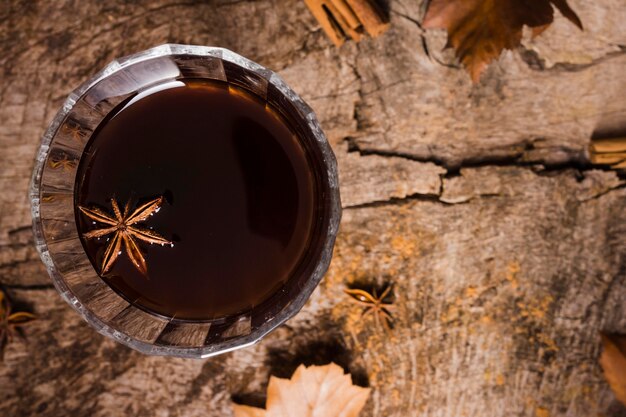
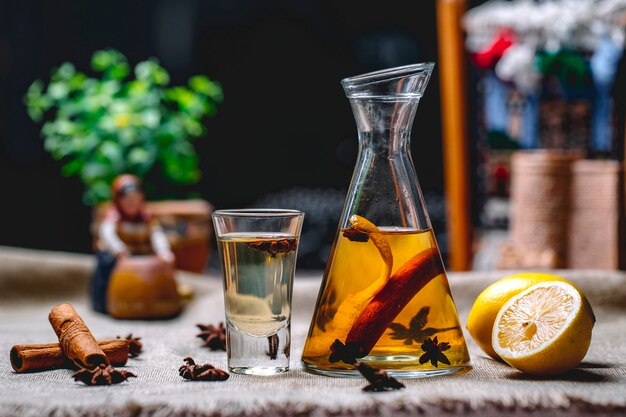
Ask Ayurvedic doctor a question and get a consultation online on the problem of your concern in a free or paid mode. More than 2,000 experienced doctors work and wait for your questions on our site and help users to solve their health problems every day.
FREE! Ask Ayurvedic Doctors 24/7

 Fast responses
 1000+ verified doctors
Body DetoxEar, Nose, and Throat DisordersGeriatrics & RejuvenationImmunodeficiencyInfertility TreatmentNutritionOrthopedic DisordersPediatricsRespiratory DisordersSexually Transmitted Diseases (STDs)Surgery RecoveryUrological DisordersVascular DisordersDental DisordersEndocrinological DisordersGastrointestinal DisordersYoga TherapyGeneral MedicineAllergic DisordersCardio DisordersGynecology and ObstetricsCosmetologySkin and Hair DisordersEye DisordersInfectious DiseasesMental DisordersNeurological DisordersOncologyPanchakarmaSexual Health & DisordersSports Medicine
Published on 02/25/25
(Updated on 06/17/26)
5,724
Asava and Arishta – Ayurvedic Fermented Tonics for Digestion & Wellness

Asava and Arishta are self-generated alcohol-based fermented liquid preparations in Ayurveda, used therapeutically for over 5,000 years. Asava is prepared by soaking raw herbal powders or juices in a sugar-water solution without boiling, while Arishta is prepared from a decoction (Kashaya) of herbs that is boiled first. Both undergo natural fermentation for 15–45 days, producing 5–12% self-generated alcohol that acts as a solvent and preservative — not as an intoxicant. These formulations treat conditions ranging from anemia and digestive disorders to post-natal weakness and rheumatic diseases, and they remain shelf-stable for up to 10 years without refrigeration.
If you've ever wondered why Ayurvedic practitioners prescribe liquid tonics that smell faintly of alcohol, or how a medicine made thousands of years ago can still be relevant today — this guide covers everything. From classical textual references to modern pharmacological research, preparation methods, dosage charts, drug interactions, and storage guidelines, this is the most comprehensive resource on Asava and Arishta you'll find.
What Are Asava and Arishta in Ayurveda?
Definition and Origin in Classical Ayurvedic Texts
Asava and Arishta belong to a category of Ayurvedic dosage forms called Sandhana Kalpana — formulations prepared through fermentation. The word "Sandhana" literally means "joining" or "transformation," referring to the biochemical transformation of plant materials into therapeutically potent liquids through microbial action.
References to these formulations appear across all major classical texts:
- Charaka Samhita (circa 700 BCE) — Describes Arishta preparations in the Chikitsa Sthana, particularly Draksharishta for debility and digestive weakness.
- Sushruta Samhita (circa 600 BCE) — Mentions fermented preparations in surgical recovery and wound healing contexts.
- Ashtanga Hridaya by Vagbhata — Provides detailed formulations and indications for multiple Asava and Arishta preparations.
- - Sharangdhara Samhita (13th century CE) — Offers the most systematic classification, dedicating an entire chapter (Madhyama Khanda, Chapter 10) to Sandhana Kalpana.
- Sharangdhara defines the standard ratios: typically 1 part herb to 4 parts water for decoction, reduced to one-quarter volume.
These are not folk remedies. They represent a highly codified pharmaceutical system with specific ingredient ratios, fermentation durations, and quality indicators documented centuries before modern pharmacology existed.
What Is the Key Difference Between Asava and Arishta?
This is arguably the most commonly asked question — and the answer is straightforward but has important implications.
Asava is prepared using fresh herbal juice (Swarasa) or cold infusions of raw herbs, WITHOUT any boiling or decoction. The raw plant material or its juice is directly added to a solution of jaggery, sugar, or honey with water, along with Dhataki flowers and spices. Fermentation begins immediately. Arishta is prepared FROM a decoction (Kashaya). The herbs are first boiled in water until the volume reduces to one-fourth (a standard Ayurvedic decoction method), then filtered. Only after cooling is this decoction mixed with sweetening agents, Dhataki flowers, and spices for fermentation.
The practical consequence? Arishta contains heat-stable compounds extracted through boiling, while Asava retains heat-sensitive phytochemicals — volatile oils, certain alkaloids, and enzymes — that would be destroyed by heating. This means their therapeutic profiles differ even when using similar herbs.
| Parameter | Asava | Arishta |
|---|---|---|
| Base liquid | Fresh juice / cold infusion (Swarasa) | Decoction / Kashaya (boiled and reduced) |
| Heating involved | No | Yes — boiling until 1/4 volume remains |
| Heat-sensitive compounds | Preserved | Partially or fully destroyed |
| Fermentation duration | 15–30 days (typically) | 30–45 days (typically) |
| Self-generated alcohol | 5–10% | 5–12% |
| Sanskrit root meaning | "Asu" = quick/vital breath | "Arish" = to damage (disease) |
| Examples | Lohasava, Kumaryasava, Chandanasava | Dashamoolarishta, Ashwagandharishta, Ashokarishta |
| Primary therapeutic focus | Often tonics for vitality and blood | Often used for chronic diseases, recovery |
How Are Asava and Arishta Prepared?
Method of Preparation of Arishta (Decoction-Based)
The Arishta preparation follows a two-stage process:
Stage 1 — Decoction (Kashaya) Preparation:
- Coarsely powder the specified herbs (called Kwatha Dravya).
- Add water in prescribed ratio — usually 1 part herb powder to 8 or 16 parts water.
- Boil on moderate heat until the liquid reduces to one-fourth of the original volume.
- Filter through clean muslin cloth while still warm. Discard the residue (marc).
- Allow the filtrate to cool to room temperature.
- This is critical — adding sweeteners to hot decoction can caramelize sugars and alter fermentation.
Stage 2 — Fermentation (Sandhana):
- Transfer the cooled decoction to a suitable vessel (traditionally earthenware or wooden).
- Add jaggery (Guda), sugar, or honey as specified in the formula. Typically 50% of the liquid weight.
- Add Dhataki flowers (Woodfordia fruticosa) — the key fermenting agent.
- Add Prakshepa Dravya (fine powders of spices like cardamom, cinnamon, black pepper, long pepper, clove, and nutmeg).
- Stir well and seal the vessel mouth with mud-smeared cloth or lid.
- Store in a dedicated fermentation room away from direct sunlight, excess moisture, and temperature fluctuations.
- Allow fermentation for 30–45 days. Some formulations specify a longer period.
How Is Asava Prepared (Without Decoction)?
The Asava method skips Stage 1 entirely:
- Take the fresh juice (Swarasa) of specified herbs, or prepare a cold infusion by soaking herb powders in water overnight.
- Add jaggery, sugar, or honey to dissolve in this liquid base.
- Add Dhataki flowers and Prakshepa Dravya.
- Seal the vessel and store for fermentation — typically 15–30 days.
Because there's no heat extraction step, the process is faster and preserves volatile compounds. However, the extraction efficiency for certain heavy or fibrous plant materials may be lower compared to Arishta.
The Critical Role of Dhataki Flower (Woodfordia fruticosa)
- No discussion of Asava and Arishta is complete without understanding Dhataki pushpa.
- This crimson flower is not just a tradition — it's the engine of the entire fermentation process.
Woodfordia fruticosa harbors a diverse natural microflora on its petal surfaces, including species of Saccharomyces, Lactobacillus, and other beneficial microorganisms. When added to the sugar-herb mixture, these organisms initiate and sustain fermentation without any need for commercial or industrial yeast.
A 2007 study published in the Indian Journal of Traditional Knowledge (Vol. 7, No. 4) by Sekar and Mariappan confirmed that Dhataki flowers carry wine yeasts (Saccharomyces cerevisiae) and acetic acid bacteria naturally on their surface. This explains why Ayurvedic texts insist on using only fresh, properly collected Dhataki flowers — dried flowers with depleted microflora produce inconsistent results.
Pharmacologically, Dhataki flowers also contribute their own bioactive compounds — tannins, flavonoids (including quercetin and myricetin), and polyphenols — which add antioxidant and anti-inflammatory properties to the final product. So Dhataki is simultaneously the fermenting agent AND a therapeutic ingredient.
Precautions During Manufacturing
Classical texts and modern Ayurvedic pharmaceutical standards both emphasize:
- Use earthenware (Mritpatra), wooden, or porcelain vessels — never stainless steel, aluminum, or plastic. Metal vessels can react with organic acids produced during fermentation, and plastic may leach chemicals.
- Never use industrial baker's or brewer's yeast — the fermentation must be self-generated (Swayoni) through the natural microflora of Dhataki flowers. Adding external yeast produces different metabolite profiles and is considered adulteration.
- Sura Beeja (mother culture) — some classical texts mention using a small quantity of previously fermented Asava/Arishta as a starter, similar to the concept of a sourdough starter. This is acceptable within traditional practice.
- Sandhana completion signs — fermentation is complete when: bubbling ceases, a pleasant aromatic smell develops, the liquid becomes clear, and a flame brought near the surface produces a blue-tinted flame (indicating alcohol presence).
Chemical Composition After Fermentation
This is an area that no competitor has adequately covered. Understanding the biochemistry explains WHY these formulations work.
During fermentation, the microbial community transforms the raw plant materials and sugars into a complex mixture of bioactive compounds:
| Compound Class | Examples Formed | Therapeutic Role |
|---|---|---|
| Ethanol | 5–12% v/v | Solvent for water-insoluble compounds; enhances absorption |
| Organic acids | Acetic acid, lactic acid, citric acid, tartaric acid | Improve digestion; antimicrobial; preserve formulation |
| Esters | Ethyl acetate, various aromatic esters | Contribute aroma; some have mild sedative properties |
| Aldehydes | Acetaldehyde (trace amounts) | Intermediate metabolite; usually in very low concentrations |
| Glycosides | Converted to aglycones via hydrolysis | Aglycones are often more bioavailable than parent glycosides |
| Phenolic compounds | Enhanced flavonoids, tannin metabolites | Antioxidant, anti-inflammatory, hepatoprotective |
| Vitamins | B-complex vitamins (produced by yeast) | Nutritional supplementation |
| CO₂ | Released during active fermentation | Dissipates; not present in final product |
- A landmark 2015 study by Savrikar and Ravishankar published in the African Journal of Traditional, Complementary and Alternative Medicines demonstrated that the process of microbial biotransformation during fermentation actually creates NEW compounds not present in the original plant material. For instance, certain inactive precursor molecules are converted into pharmacologically active metabolites through enzymatic action of fermenting organisms.
- This is essentially a natural prodrug activation system — something modern pharmaceutical science is still trying to replicate efficiently.
The self-generated alcohol serves three purposes: it extracts water-insoluble active principles that would otherwise remain trapped in plant tissue, it increases the bioavailability of these compounds by enhancing intestinal absorption, and it acts as a natural preservative preventing microbial contamination during storage.
Popular Asava and Arishta Examples with Uses
Commonly Used Arishta Preparations
- Dashamoolarishta — Made from ten roots (Dashamula). Primarily prescribed for post-natal care, respiratory disorders, and general debility. It strengthens the uterus after delivery, improves appetite, and reduces Vata dosha.
- Dose: 15–30 ml twice daily with equal water.
- Ashwagandharishta — The base herb is Ashwagandha (Withania somnifera). Used for neurological weakness, anxiety, insomnia, general debility, and reproductive health in both men and women. Often prescribed for patients recovering from prolonged illness.
- Dose: 15–25 ml twice daily after meals.
- Ashokarishta — Prepared from Ashoka bark (Saraca asoca).
- The go-to formulation for menstrual disorders — heavy bleeding (menorrhagia), painful periods (dysmenorrhea), and leucorrhea.
- Also beneficial in uterine fibroids as adjuvant therapy.
- Dose: 15–20 ml twice daily.
- Draksharishta — Made from Draksha (Vitis vinifera / raisins). An excellent general tonic for anemia, chronic fatigue, loss of appetite, and fever recovery. Mild and well-tolerated, making it suitable for elderly patients.
- Dose: 15–30 ml twice daily.
Abhayarishta — Based on Abhaya (Terminalia chebula / Haritaki). Specific for constipation, hemorrhoids (piles), and digestive sluggishness. Acts as a mild laxative while improving overall gut function.
Commonly Used Asava Preparations
Lohasava — Contains Loha Bhasma (iron calx) as a key ingredient. Specifically indicated for iron-deficiency anemia, jaundice, hepatomegaly, splenomegaly, and skin diseases. The fermentation process makes the iron more bioavailable than raw Loha Bhasma alone. Kumaryasava — Prepared from Kumari (Aloe vera). Used for liver disorders, urinary tract infections, cough, and digestive issues. Also helpful in female reproductive disorders. Chandanasava — Base herb is Chandana (Santalum album / sandalwood). Indicated for burning urination, urinary tract infections, spermatorrhea, and excessive body heat (Pitta disorders). Saraswatarishta — Though the name says "Arishta," some formulations exist in both Asava and Arishta versions. Primarily used for improving memory, concentration, speech disorders, and neurological conditions. Popular among students and elderly alike.
How to Consume Asava and Arishta Medicines
Standard Adult Dosage and Administration
The general adult dosage is 15–30 ml, twice daily, after meals, mixed with an equal quantity of lukewarm water. Some practitioners recommend room-temperature water instead.
Why after meals? Because the self-generated alcohol can cause gastric irritation on an empty stomach. Taking it post-meal ensures the stomach lining is protected by food, and the formulation mixes with the digestive contents for optimal absorption.
Important: Always shake the bottle well before pouring. Sedimentation is natural in these formulations and does not indicate spoilage.
Dosage for Children by Age
Pediatric Dosing Guidelines
| Age Group | Recommended Dose | Dilution |
|---|---|---|
| 6 months – 1 year | 2–3 ml | Mixed with 5–10 ml warm water |
| 1–3 years | 4–5 ml | Mixed with equal warm water |
| 3–5 years | 5–8 ml | Mixed with equal warm water |
| 5–12 years | 10–15 ml | Mixed with equal water |
| Above 12 years | Adult dose (15–30 ml) | Mixed with equal water |
Start with a test dose. Give half the recommended dose on the first day and observe for 24 hours. Watch for gastric irritation, excessive burping, loose stools, or skin rash. If tolerated well, increase to full dose from day two.
For infants (6 months–1 year), Asava/Arishta should only be given under direct practitioner supervision. The alcohol content, though low, requires caution in very young children.
Dosage Considerations for Elderly Patients
Elderly patients (above 65) often have reduced hepatic metabolism and may be more sensitive to even small amounts of alcohol. Start with 10–15 ml and increase gradually. Monitor for excessive drowsiness, digestive discomfort, or interactions with existing medications.
Don't wait or self medicate. Start chat with Doctor NOW
Side Effects and Contraindications
Known Side Effects
Despite 5,000 years of relatively safe use, Asava and Arishta are not entirely without side effects:
In children:
- Gastric irritation and burning sensation, especially if given on empty stomach
- Mild diarrhea or loose stools initially
- Rarely, allergic skin reactions to specific herbal ingredients
In women:
- May worsen hot flashes during menopause due to the warming nature of alcohol content
- Excessive sweating in Pitta-dominant constitutions
- Some women report temporary hair thinning with prolonged use of certain iron-containing Asavas (like Lohasava) — likely due to iron overload rather than the formulation itself
General:
- Constipation with long-term use of certain Arishtas containing astringent herbs
- Burning sensation in the chest or abdomen (usually dose-related)
- Mild headache in alcohol-sensitive individuals
Contraindications — Who Should Avoid These Medicines?
This is a critical safety gap that no competitor has fully addressed:
- Recovering alcoholics or patients with alcohol use disorder — Even 5–12% alcohol can trigger relapse.
- Severe liver disease (cirrhosis, acute hepatitis) — Impaired alcohol metabolism makes even small amounts potentially toxic.
- Pregnancy — Most Asava and Arishta are contraindicated during pregnancy. Some (like Dashamoolarishta) are used postnatally but NOT during pregnancy. The alcohol content and certain emmenagogue herbs pose risk of uterine stimulation.
- Uncontrolled diabetes — Significant jaggery/sugar content can spike blood glucose. Diabetic patients need dose adjustment and monitoring. Some practitioners dilute extra or reduce dose for diabetic patients.
- Patients on sedatives, benzodiazepines, or CNS depressants — Alcohol potentiates sedation.
- Patients on metronidazole, certain cephalosporins, or disulfiram — These drugs cause a disulfiram-like reaction with alcohol, resulting in severe nausea, vomiting, flushing, and cardiovascular distress.
- Patients on anticoagulants (warfarin) — Some herbal ingredients may potentiate or antagonize blood-thinning effects. Ashwagandha and certain other herbs have documented antiplatelet activity.
- Children under 6 months — Absolutely contraindicated.
Drug Interactions to Watch For
| Modern Medication | Potential Interaction with Asava/Arishta | Risk Level |
|---|---|---|
| Metformin / sulfonylureas | Sugar content may counteract hypoglycemic effect | Moderate |
| Warfarin / aspirin | Herbal ingredients may alter bleeding time | Moderate-High |
| Metronidazole | Disulfiram-like reaction with alcohol content | High |
| Benzodiazepines (diazepam, etc.) | Enhanced sedation | Moderate |
| Hepatotoxic drugs (acetaminophen high-dose) | Additive liver burden from alcohol metabolism | Moderate |
| Antihypertensives | Some formulations may lower BP additionally | Low-Moderate |
| Iron supplements | Lohasava may cause iron overload if combined | Moderate |
- Always inform your Ayurvedic practitioner about all allopathic medications you're taking.
- And vice versa — tell your allopathic doctor if you're taking any Asava or Arishta preparation.
Why Asava and Arishta Are NOT the Same as Wine or Alcohol
A common misconception — and honestly, a legitimate concern for many patients — is that taking Asava or Arishta is equivalent to drinking alcohol. Let's address this directly.
Key differences from alcoholic beverages:
- No external yeast is used. Wine and beer use commercially cultivated yeast strains optimized for maximum alcohol production. Asava/Arishta rely on wild microflora from Dhataki flowers, which produce alcohol as a secondary metabolite of the therapeutic fermentation process.
- Alcohol is the medium, not the goal. In wine-making, the entire process is designed to maximize ethanol yield and flavor. In Asava/Arishta, alcohol is a byproduct that serves as a solvent for extracting and preserving active medicinal compounds.
- The dose is medicinal, not recreational. At 15–30 ml per dose with 5–12% alcohol content, you're consuming roughly 0.75–3.6 ml of pure alcohol per dose. For comparison, a standard 30 ml peg of whisky contains about 12 ml of pure alcohol — 3 to 16 times more.
- The fermentation is self-limiting. Unlike wine production where conditions are optimized for complete sugar-to-alcohol conversion, the Asava/Arishta fermentation naturally stops due to inhibitory compounds in the herbs, tannins from Dhataki, and the absence of fermentation-optimizing conditions.
- The Ayurvedic text Sharangdhara Samhita also distinguishes between Asava/Arishta (medicines) and Sura/Varuni (fermented alcoholic drinks). Sura is described as an intoxicant prepared using grains (like rice or barley), while Asava and Arishta are strictly medicinal. Varuni is an even stronger distilled variant.
- The classical texts are clear: these are separate categories with different purposes, ingredients, and effects.
Standardization, Quality Control, and Regulatory Requirements
AYUSH and Ayurvedic Pharmacopoeia Standards
The manufacture of Asava and Arishta in India is regulated under the Drugs and Cosmetics Act, 1940 (Schedule T) and monitored by the Ministry of AYUSH. The Ayurvedic Formulary of India (AFI) and Ayurvedic Pharmacopoeia of India (API) list standardized formulations with:
- Specified ingredient ratios
- Permissible alcohol content ranges
- Organoleptic parameters (color, taste, odor, clarity)
- Specific gravity standards
- Total solid content
- pH range
- Microbial contamination limits
Before packaging, each batch must undergo quality control analysis that includes measuring alcohol content (typically via specific gravity or ebulliometer), testing for heavy metal contamination, and microbiological screening.
A 2021 study published in the Research Journal of Pharmacy and Technology (Vol. 14, Issue 4) described standardization protocols for Asava preparations, including HPTLC fingerprinting — a chromatographic technique that creates a unique chemical "fingerprint" for each formulation, ensuring batch-to-batch consistency.
Storage Guidelines — Including After Opening
Unopened: Shelf life of up to 10 years when stored in a cool, dry place away from direct sunlight. Unlike most Ayurvedic formulations (Kashayam, Churna, etc.) that deteriorate within 1–3 years, the alcohol content in Asava/Arishta acts as a natural preservative. In fact, many Acharyas state that these formulations improve with age, much like certain wines. After opening:
- Store tightly sealed in the original container
- Keep away from direct sunlight and heat sources
- Do NOT refrigerate — cold temperatures can cause precipitation of active compounds
- Use within 6–12 months of opening for optimal potency
- If the liquid develops an unusual odor, excessive cloudiness, or mold on the surface, discard immediately
Modern Clinical Evidence and Research
While traditional evidence spans millennia, modern scientific validation is growing:
- A 2019 study in the Journal of Ayurveda and Integrative Medicine found that Dashamoolarishta demonstrated significant anti-inflammatory activity comparable to diclofenac in animal models, with fewer gastrointestinal side effects.
- A 2016 pharmacokinetic study published in Ancient Science of Life showed that the bioavailability of withanolides (active compounds in Ashwagandha) was significantly higher when administered as Ashwagandharishta compared to simple Ashwagandha powder — confirming the fermentation-enhanced absorption theory.
- HPLC analysis of Ashokarishta published in the Indian Journal of Pharmaceutical Sciences (2014) identified over 37 distinct phytochemical compounds in the final fermented product, including several that were absent in the raw herb decoction — confirming microbial biotransformation.
- A 2018 randomized controlled trial at a government Ayurvedic hospital in Kerala showed that Lohasava raised hemoglobin levels by an average of 2.1 g/dL over 90 days in iron-deficiency anemia patients, with no significant adverse effects reported.
These are not isolated findings. The body of evidence is growing, though larger multi-center trials are still needed for many specific formulations.
Frequently Asked Questions
Can I mix two different Asava or Arishta medicines together?
Yes, in many clinical scenarios, practitioners prescribe two formulations together. For example, Ashwagandharishta and Dashamoolarishta are often combined for post-natal recovery. However, never self-prescribe combinations. Some formulations have opposing actions (heating vs. cooling) and can cause adverse effects when combined improperly.
Can I add Asava or Arishta to food?
- This is generally not recommended.
- The formulations should be taken as medicine — diluted with water, at the prescribed time. Adding them to food alters the absorption kinetics and may reduce efficacy. Some practitioners do allow mixing with warm milk for pediatric patients who resist the taste.
Are Asava and Arishta safe during breastfeeding?
Certain formulations like Dashamoolarishta are traditionally prescribed specifically during the postpartum period and are considered safe during breastfeeding. However, the alcohol does pass into breast milk in small quantities. Consult your practitioner and ideally, take the medicine immediately after breastfeeding to maximize the gap before the next feed.
What are the 4 pillars of Chikitsa?
- In Ayurveda, the four pillars of treatment (Chikitsa Chatushpada) are: the physician (Vaidya), the medicine (Dravya), the attendant/nurse (Upasthata), and the patient (Rogi).
- Asava and Arishta fall under the Dravya pillar — the medicine itself — and their effectiveness depends on all four pillars functioning properly.
What is the biological source of Asava and Arishta?
The biological sources vary by formulation but include medicinal plants, minerals (like Loha Bhasma in Lohasava), sugars (jaggery, honey), and the fermenting agent Dhataki (Woodfordia fruticosa). Each formula has a specific list of Dravyas outlined in classical texts and the Ayurvedic Formulary of India.
Should I take Asava and Arishta with hot water or cold water?
Lukewarm water is ideal. Hot water can accelerate alcohol evaporation and alter the formulation's properties. Cold water may slow digestion and reduce absorption. Room temperature to slightly warm is the sweet spot.
How long does it take for Asava and Arishta to show results?
Most practitioners advise a minimum of 4–6 weeks of consistent use before evaluating results. Chronic conditions like anemia or arthritis may require 3–6 months. Acute digestive issues may respond within a few days. Patience and consistency matter here more than dosage.
Final Thoughts
Asava and Arishta represent one of the most sophisticated pharmaceutical innovations in traditional medicine — a self-preserving, bioavailability-enhanced, naturally fermented drug delivery system conceived thousands of years before modern pharmacology understood the concepts of solubility, bioavailability, or prodrug activation.
These are not obsolete relics. They are living, evolving formulations backed by increasing scientific evidence and regulated by national pharmacopoeia standards.
- But they are still medicines.
- Treat them with the respect you'd give any medication — consult a qualified Ayurvedic practitioner before starting, disclose all existing medications, follow dosage instructions carefully, and report any adverse effects promptly.
If you have specific questions about which Asava or Arishta is right for your condition, consult a certified Ayurvedic doctor who can assess your Prakriti, current Vikriti, and overall health picture before prescribing.
Scientific Sources
- Ethanol content in traditionally fermented ayurvedic formulations: Compromised Good Manufacturing Practice regulations - compromised health — Maithani M et al., 2019, The American journal of drug and alcohol abuse
Questions from users
Can I use Asava and Arishta for weight loss and how should I take them?
Vesper
14 days ago
Yes, you can use Asava and Arishta for weight loss, but it's key to choose ones that balance your doshas. They improve digestion and help with nutrient absorption, supporting overall weight management. Take them after meals, typically 15-30ml, mixed with water. It's best to consult an ayurvedic expert to ensure it aligns with your unique prakriti!
What is the traditional process of making Asava and Arishta in Ayurveda?
Joshua
23 days ago
Asava and Arishta are made by fermenting herbal ingredients using a base of water and jaggery or honey. Herbs are steeped, then naturally fermented over several weeks, creating a self-preserving tonic. This process helps in extracting active compounds, aiding absorption. It’s important to ensure clean conditions to prevent unwanted bacteria.
Can Asava and Arishta help with respiratory issues and how should they be used?
William
32 days ago
Yeah, Asava and Arishta can help with respiratory issues. They work by balancing the doshas linked to respiratory health and improving digestion, which is super important for overall wellness. It's best to consult a Ayurvedic expert for the right dosage and specific formulation, 'cause it's kinda unique to each person's needs.
Is it normal to feel bloated when starting Asava or Arishta?
Shayla
42 days ago
It's pretty normal to feel some bloating when starting Asava or Arishta. These tonics can shake things up in your system as they get you digestive fire going, you know? If it persists or feels uncomfy, maybe just slow down with the dose and see if it settles. Everybody’s body is different, and some need a little more time to adjust.
Can I buy Asava and Arishta online, and how do I know if they are authentic?
Vance
52 days ago
Yeah, you can buy Asava and Arishta online, but make sure it's from trustworthy sources like well-known Ayurvedic brands or certified practitioners to ensure they're the real deal. Look for certifications, reviews, and sometimes even lab tests. If you're not sure, consult an Ayurvedic doc to guide you!
What is the best time of day to take Asava and Arishta for optimal results?
Benjamin
61 days ago
The best time to take Asava and Arishta is usually after meals, like lunch or dinner. This approach helps with digestion and absorption since your body's natural digestive fire, or agni, is active then. Evening might be a bit better if they help with relaxation. But listen to how your body reacts and adjust accordingly—everyone's different!
What is the best way to store Asava and Arishta for maximum freshness and effectiveness?
Phillip
71 days ago
To keep Asava and Arishta fresh and effective, store them in a cool, dark place away from direct sunlight. A cabinet or pantry usually works great. Try to keep the bottle sealed tightly to maintain its potency. Their natural fermentation keeps them stable, so no need for refrigeration! Just use them before the expiry date for maximum benefits.
Is it safe to take Asava and Arishta while using other medications?
Zachary
80 days ago
It's generally okay, but it's always a good idea to check with a healthcare provider first. Asava and Arishta are fermented and can interact with other meds, affecting how your body absorbs things. They work on digestion and detox. Sometimes mixing can mess with that balance. So just ask a pro!
How long does it usually take to see results after starting Asava or Arishta?
Charlotte
159 days ago
Seeing results from Asava or Arishta can really depend, you know? It varies based on the individual's prakriti (constitution), the dosha imbalance they're dealing with, and how consistent you are with taking them. Some people might notice changes in a few weeks, while others might need a bit longer, like a couple of months. It’s always best to stay in touch with your Ayurvedic practitioner to monitor your progress and make any necessary adjustments. Patience is key with these things!
What other lifestyle changes can complement the use of Asava and Arishta for better digestion?
Nadine
165 days ago
Ah, for better digestion alongside Asava and Arishta, you could try eating slowly and focusing on your meals, helps, like, activate the whole digestive process better. Also, stay active! Regular gentle exercises, like walking or yoga, can enhance agni, the digestive fire, aiding in efficient digestion. Avoid stress too, as it can mess with digestion more than we think!
Related articles

Body Detox
How to Clean Rudraksha Beads and Mala: Ayurvedic Guide
How to clean rudraksha properly? Learn how to clean rudraksha mala, cleanse rudraksha beads at home before wearing, and preserve their spiritual power
7,838
Body Detox
What No One Tells You About an Ayurvedic Diet Chart for Weight Loss
The Ayurvedic diet chart for weight loss isn't just about cutting carbs or tracking macros. It’s more like tuning a slightly out-of-sync instrument: your body. Instead of following some generic, one-size-fits-all program, Ayurveda looks at you—your habits
1,998

Body Detox
What Is the Use of Neem in Ayurveda and Daily Life
Discover the many uses of neem: from neem leaves to neem oil and neem powder. Learn how to use neem for skin, health, and daily wellness naturally
7,086

Body Detox
How to Do Anulom Vilom: Step-by-Step Guide and Benefits
Learn how to do Anulom Vilom step by step. Discover the benefits of this yogic breathing technique, when to practice, and the correct procedure for best results
8,670

Body Detox
Pushkaramoolasava Uses, Ingredients, Dose, Side Effects
Exploration of Pushkaramoolasava Uses, Ingredients, Dose, Side Effects
1,630
Body Detox
Top Anti-Inflammatory Ayurvedic Medicines for Pain and Swelling
Discover the best anti-inflammatory Ayurvedic medicines, their benefits, proper dosage, side effects, and scientific research. Learn how Ayurveda combats inflammation naturally.
5,418

Body Detox
Triphala Kwath Benefits, Dosage, Ingredients, Side Effects
Exploration of Triphala Kwath Benefits, Dosage, Ingredients, Side Effects
2,260

Body Detox
Patanjali Liv Amrit Syrup
Exploration of Patanjali Liv Amrit Syrup
8,980
Body Detox
Vimliv Syrup: Benefits, Dosage & Science-Backed Insights
Discover the proven benefits, proper dosage, side effects, and scientific research behind Vimliv Syrup, the powerful Ayurvedic liver tonic.
2,779

Body Detox
Unlocking Fasting Benefits in Ayurveda
Fasting in Ayurveda is a time-honored practice believed to balance energies and improve overall health, offering holistic benefits.
2,531
Related questions on the topic
Legal
Additional Documents
© 2024 Ask Ayurveda. All rights reserved.