FREE! Ask Ayurvedic Doctors 24/7

 Fast responses
 1000+ verified doctors
Mrityunjay Ras: Ayurvedic Uses & Scientific Insights

Introduction
In recent decades, the global health community has shown increased interest in traditional and alternative medicinal systems, including Ayurveda. One Ayurvedic formulation that often comes up in discussions is Mrityunjay Ras. With origins tracing back centuries, Mrityunjay Ras is known in Ayurvedic texts for its potential therapeutic benefits. However, many questions remain—what does research say, how might it work, and what safety considerations should be kept in mind? In this comprehensive article, we will delve into scientific findings, historic usage, and practical considerations regarding Mrityunjay Ras. Whether you are a healthcare provider exploring integrative medicine or a curious individual researching Ayurvedic remedies, this guide aims to deliver balanced, evidence-based information to inform your perspective.
What Is Mrityunjay Ras?
Mrityunjay Ras is a classical Ayurvedic preparation believed to support several bodily functions. Historically, it has been referenced in various Ayurvedic compendia such as the Rasendra Sara Sangraha and Bhaishajya Ratnavali. The word “Mrityunjay” is derived from Sanskrit, translating roughly to “victory over death.” This name underscores the Ayurvedic philosophy that it could be used for serious health challenges, particularly in respiratory, febrile, and infectious conditions.
Key Ingredients
Although formulations can vary depending on regional or textual guidelines, typical constituents of Mrityunjay Ras may include:
-
Svarna (Gold Bhasma) or sometimes Raupya (Silver Bhasma)
-
Parada (Purified Mercury)
-
Gandhaka (Purified Sulfur)
-
Abhraka (Mica Bhasma)
-
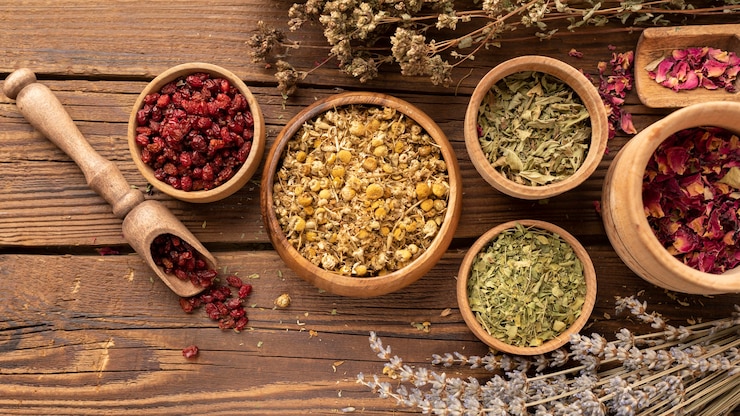
Other herbs and minerals such as Shuddha Guggulu (Commiphora wightii), Trikatu (Piper nigrum, Piper longum, Zingiber officinale), or Triphala (Emblica officinalis, Terminalia chebula, Terminalia bellirica) in some variations
These components undergo rigorous purification processes, known in Ayurveda as shodhana, to remove toxic properties and enhance therapeutic potential. The use of metals like mercury and gold bhasma, however, necessitates caution and professional oversight to avoid heavy metal toxicity. Reputable Ayurvedic pharmacists use standardized protocols to produce Mrityunjay Ras, ensuring a safer product with consistent potency.
The Ayurvedic Rationale for Mrityunjay Ras
Balancing the Doshas
Ayurveda is built on the concept of the three doshas—Vata, Pitta, and Kapha—which govern physiological functions. Imbalances in these doshas can manifest as disease. Mrityunjay Ras, according to classical texts, is believed to balance the doshas through:
-
Kapha Regulation: Helpful in respiratory conditions, since Kapha imbalance often leads to mucus overproduction.
-
Vata Modulation: Some experts suggest its warming effect helps support joint health and neurological function.
-
Pitta Soothing: The presence of cooling herbs in certain formulations could potentially mitigate excessive heat in the body.
Support for Fever and Infections
Traditionally, Mrityunjay Ras is touted for its role in managing febrile conditions—particularly those involving chronic or cyclical fevers. Ayurvedic practitioners recommend it not only for the fever itself but also for improving overall vitality. According to Charaka Samhita and other classical treatises, the synergy of mercury and sulfur (also called Kajjali) acts as a potent bioenhancer when combined with herbal extracts.
Scientific Perspectives and Current Research
While Ayurveda has a long history of anecdotal support, modern science seeks more rigorous, empirical evidence. Over the past two decades, researchers have taken interest in evaluating classical formulations such as Mrityunjay Ras for their biochemical effects.
-
Analytical Studies on Ayurvedic Bhasmas
Several studies published in the Journal of Ayurveda and Integrative Medicine and on PubMed have explored the physicochemical properties of mineral-based Ayurvedic medicines. Findings suggest that properly purified bhasmas are reduced to micro- or nano-sized particles, which might influence bioavailability and therapeutic efficacy. -
Bioactive Potential of Herbal Components
Many of the herbal components included in Mrityunjay Ras—such as ginger, black pepper, and guggulu—have been studied for their anti-inflammatory, immunomodulatory, and antimicrobial properties. For instance, a 2018 meta-analysis in the Phytotherapy Research journal suggests that the active compounds in these herbs could support normal inflammatory responses in the body. -
Heavy Metal Concerns
The inclusion of mercury and other metals in Mrityunjay Ras has been a point of controversy. According to a systematic review published in the Journal of Toxicology in 2020, unregulated or improperly manufactured Ayurvedic products can result in heavy metal toxicity. However, stringent quality control measures—especially those complying with Good Manufacturing Practices (GMP)—significantly reduce these risks. Regulatory bodies like the World Health Organization (WHO) have also published guidelines for the safe use of traditional medicines, emphasizing rigorous testing and quality standards. -
Immunomodulatory Research
Preliminary laboratory studies on Mrityunjay Ras, referenced in certain Indian pharmacology journals, point to potential immunomodulatory effects. However, these studies often have small sample sizes or are conducted in vivo (i.e., animal studies) or in vitro (cell culture) settings. Larger clinical trials involving human participants remain scarce.
A Note on Evidence Quality
Despite promising preliminary findings, the current scientific consensus is cautious. More extensive clinical trials, double-blind studies, and long-term safety evaluations are needed to confirm efficacy and safety under various medical conditions.
Potential Uses in Healthcare
-
Respiratory Health
Ayurvedic practitioners sometimes prescribe Mrityunjay Ras for respiratory issues, from common colds to chronic bronchitis. The warming, pungent herbal ingredients (e.g., ginger, black pepper) are traditionally believed to clear airway congestion and bolster lung function. -
Fever Management
Classic Ayurvedic texts position Mrityunjay Ras as beneficial in mitigating prolonged fevers. The combination of mercury and sulfur bhasma is purported to enhance drug bioavailability and potentially speed up recovery. -
Support for Joint and Musculoskeletal Conditions
In certain traditions, Mrityunjay Ras is also suggested as an adjunct therapy for joint inflammation and stiffness, mainly because some of its constituents may help reduce pain and improve mobility when used alongside standard treatments. -
Holistic Wellness
Beyond targeted conditions, Ayurvedic philosophy sees Mrityunjay Ras as a rejuvenator (or Rasayana)—a formulation that helps maintain general vitality and strengthen the body’s defense mechanisms.

Safety Considerations and Guidelines
As with any medicinal product, especially those containing metals, caution is essential. Here are some safety pointers:
-
Consult a Qualified Practitioner: Before considering Mrityunjay Ras, it’s crucial to speak with an Ayurvedic doctor or a qualified integrative healthcare professional.
-
Adhere to Prescribed Dosage: Overconsumption of metal-based remedies can lead to toxicity, posing risks to liver and kidney function.
-
Source Matters: Choose reputable manufacturers that follow GMP standards or have certifications from local regulatory authorities.
-
Monitoring and Tests: In cases of long-term use, periodic monitoring of renal and hepatic function may be advised by healthcare providers.
Regulatory Landscape
Organizations like the World Health Organization (WHO) and National Center for Complementary and Integrative Health (NCCIH) recommend rigorous quality control of herbal and mineral-based products. This includes stringent testing for contaminants like arsenic, lead, and mercury.
Practical Tips for Real-World Usage
-
Follow an Established Protocol: Ayurvedic professionals often combine Mrityunjay Ras with other herbal decoctions (known as kashayams). Understanding the synergy of different formulations can enhance safety and efficacy.
-
Dietary Complement: Complementary dietary rules might be prescribed, such as avoiding overly cold or heavy foods, to enhance the formulation’s effect on the body’s doshic balance.
-
Lifestyle Considerations: Adequate sleep, stress management techniques (e.g., yoga, meditation), and regular exercise can amplify the benefits of Ayurvedic remedies.
-
Monitor for Side Effects: Should you experience unusual symptoms (e.g., gastrointestinal upset, persistent headaches, or fatigue), discontinue use and consult your healthcare provider.
FAQs
1. Can I take Mrityunjay Ras for general wellness without medical supervision?
It is not advisable to self-medicate with metal-based Ayurvedic formulations. Always consult a qualified Ayurveda or integrative medicine practitioner to determine if Mrityunjay Ras is appropriate for you.
2. Is Mrityunjay Ras suitable for children or pregnant women?
Most traditional and modern practitioners exercise caution with Mrityunjay Ras in vulnerable populations, including children and pregnant women. Clinical data is lacking, and professional supervision is strongly recommended.
3. What does research say about its effectiveness for chronic diseases?
Limited studies suggest possible immunomodulatory and anti-inflammatory effects, but conclusive, large-scale human trials are lacking. Current evidence is best described as preliminary.
4. Are there alternatives to Mrityunjay Ras if I have concerns about heavy metals?
Yes. Many herbal-only Ayurvedic formulations exist for respiratory health, fever management, and overall vitality. Consult a practitioner for alternative or adjunct therapies tailored to your needs.
5. How do I ensure product quality when buying Mrityunjay Ras?
Look for reputable brands that follow Good Manufacturing Practices (GMP) or have certifications like ISO. Third-party laboratory testing for heavy metals can also offer additional assurance.
Conclusion
Mrityunjay Ras holds an esteemed place in Ayurvedic literature, revered for its purported benefits in managing respiratory ailments, fevers, and overall vitality. Modern science has begun to explore its properties, examining the roles of purified mercury, sulfur, gold bhasma, and various herbs. While preliminary research points to potential immunomodulatory and anti-inflammatory benefits, the formulation’s inclusion of heavy metals requires careful consideration and professional guidance.
Disclaimer: The content in this article is for informational purposes only and is not a substitute for professional medical advice or treatment. Always consult a qualified healthcare provider before making decisions about your health.
If you have specific questions or need personalized medical advice, our qualified Ayurvedic doctors are here to help—ask your question for free at Ask-Ayurveda.com. for more balanced and evidence-based insights into traditional and integrative medicine. By learning about these ancient formulations in a modern light, we can collectively take steps toward safer and more effective holistic care.
References and Further Reading
-
Journal of Ayurveda and Integrative Medicine – Various articles on the quality control of Ayurvedic medicines.
-
Phytotherapy Research – Meta-analyses on the anti-inflammatory effects of herbs like ginger and black pepper.
-
World Health Organization (WHO) – Guidelines on Good Manufacturing Practices for herbal medicines.
-
PubMed – Database for peer-reviewed research articles.
-
National Center for Complementary and Integrative Health (NCCIH) – Official position and research on herbal and traditional medicinal systems.
Ask Ayurvedic doctor a question and get a consultation online on the problem of your concern in a free or paid mode.
More than 2,000 experienced doctors work and wait for your questions on our site and help users to solve their health problems every day.
Related articles