Ask Ayurvedic doctor a question and get a consultation online on the problem of your concern in a free or paid mode. More than 2,000 experienced doctors work and wait for your questions on our site and help users to solve their health problems every day.
FREE! Ask Ayurvedic Doctors 24/7

 Fast responses
 1000+ verified doctors
Body DetoxEar, Nose, and Throat DisordersGeriatrics & RejuvenationImmunodeficiencyInfertility TreatmentNutritionOrthopedic DisordersPediatricsRespiratory DisordersSexually Transmitted Diseases (STDs)Surgery RecoveryUrological DisordersVascular DisordersDental DisordersEndocrinological DisordersGastrointestinal DisordersYoga TherapyGeneral MedicineAllergic DisordersCardio DisordersGynecology and ObstetricsCosmetologySkin and Hair DisordersEye DisordersInfectious DiseasesMental DisordersNeurological DisordersOncologyPanchakarmaSexual Health & DisordersSports Medicine
Published on 10/14/24
(Updated on 06/20/26)
3,214
Hair & Skin
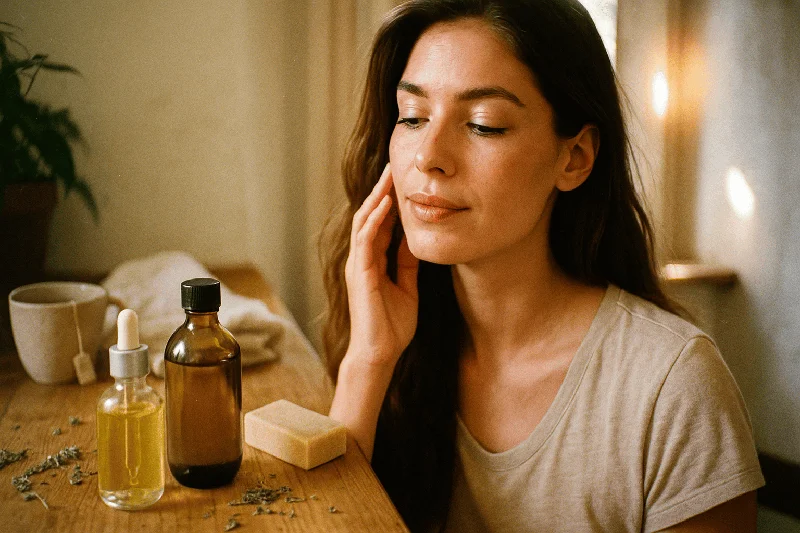
Your hair and skin share more in common than you might think. Both are derived from the same embryonic tissue (ectoderm), rely on the same nutrients to thrive, and respond to the same internal signals — hormones, stress, gut health, and diet. When something goes wrong inside your body, your hair and skin are usually the first to show it. This guide covers everything you need to know about achieving and maintaining healthy hair and skin: the science behind common problems, daily care routines, proven treatments, nutrition, lifestyle factors, and seasonal adjustments. Whether you're dealing with acne, hair fall, premature aging, or simply want to build a smarter routine — this is the only resource you'll need.
What Is the Relationship Between Skin and Hair?
- Most people treat hair care and skin care as two completely seperate things. They buy different products, follow different routines, and consult different specialists.
- But here's what most websites miss: your hair and skin are biologically interconnected systems, and understanding this connection is the key to solving problems in both areas simultaneously.
Common Causes of Hair and Skin Problems
- Hair follicles are essentially specialized structures embedded in your skin.
- The health of your scalp — which is skin — directly determines how your hair grows. When your skin barrier is compromised, your scalp suffers too, leading to dryness, flaking, inflammation, and eventually hair thinning.
Several root causes affect both hair and skin at the same time:
- Nutritional deficiencies: Low iron, zinc, vitamin D, or biotin levels cause dull skin, brittle nails, and hair shedding simultaneously. A 2013 study in the Annals of Dermatology found that serum ferritin levels below 30 ng/mL were significantly associated with diffuse hair loss in women.
- Gut health imbalance: Emerging research on the gut-skin axis (published in Frontiers in Microbiology, 2018) shows that an imbalanced gut microbiome triggers systemic inflammation, manifesting as both acne and scalp conditions like seborrheic dermatitis.
- Chronic stress: Elevated cortisol doesn't just cause breakouts — it pushes hair follicles into the telogen (resting) phase prematurely, resulting in telogen effluvium, a type of diffuse hair loss that often appears 2-3 months after a stressful event.
- Environmental damage: UV radiation, pollution, and hard water affect your skin's collagen and your hair's cuticle layer equally.
The Role of Hormones in Hair and Skin Health
Hormones are perhaps the single biggest factor that nobody adequately explains in the context of both hair and skin.
| Hormone | Effect on Skin | Effect on Hair |
|---|---|---|
| Androgens (Testosterone, DHT) | Increase sebum production → acne | Miniaturize follicles → androgenetic alopecia |
| Estrogen | Maintains collagen, skin thickness, hydration | Prolongs the anagen (growth) phase of hair |
| Cortisol (stress hormone) | Breaks down collagen, triggers inflammation and breakouts | Causes telogen effluvium, slows new growth |
| Thyroid hormones (T3, T4) | Hypothyroidism → dry, pale, puffy skin | Hypothyroidism → diffuse thinning, coarse dry hair |
| Insulin | Insulin resistance → acanthosis nigricans, acne | Insulin resistance linked to pattern hair loss |
This is why conditions like PCOS (polycystic ovary syndrome) cause acne, hirsutism (excess facial hair), and scalp hair thinning all at once — they share the same hormonal root. Treating only the surface symptom without addressing the hormonal cause is like mopping the floor while the tap is still running.
How to Get Healthy Skin
Healthy skin isn't about using expensive products. It's about consistency, understanding your skin type, and protecting your barrier function.
Understanding Your Skin: Structure and Function
- Your skin has three main layers: the epidermis (outer barrier), dermis (collagen, elastin, blood vessels), and hypodermis (fat layer).
- The outermost part of the epidermis — the stratum corneum — acts as your body's shield. It's made of dead skin cells held together by lipids (ceramides, cholesterol, fatty acids). When this barrier is intact, your skin retains moisture and keeps irritants out. When it's damaged, problems begin.
Daily Skincare Routine: The Essential Steps
You don't need 10 steps. You need the right steps, done consistently.
Morning routine:
- Gentle cleanser (sulfate-free, pH 5.5)
- Antioxidant serum (Vitamin C, 10-20% L-ascorbic acid)
- Moisturizer (with ceramides or hyaluronic acid)
- Broad-spectrum sunscreen SPF 30+ (reapply every 2-3 hours if outdoors)
Evening routine:
- Double cleanse (oil-based cleanser first if wearing sunscreen/makeup, then water-based)
- Active treatment (retinoid, niacinamide, or AHA/BHA depending on concern)
- Moisturizer
- Facial oil (optional, for dry skin types)
The most important product in your entire routine? Sunscreen. A 2013 randomized controlled trial published in Annals of Internal Medicine involving 903 participants found that daily sunscreen use reduced skin aging by 24% compared to discretionary use.
Skincare by Skin Type
Oily Skin
- Use lightweight, non-comedogenic products. Niacinamide (5%) helps regulate sebum.
- Avoid stripping cleansers — they trigger rebound oiliness.
Dry Skin
Focus on barrier repair: ceramide-rich moisturizers, hyaluronic acid (apply on damp skin), and avoid hot water while washing your face. Consider adding squalane oil at night.
Combination Skin
Multi-mask if needed. Use a gentle, balanced cleanser. Apply richer moisturizer on dry areas (cheeks) and lighter gel on the T-zone.
Sensitive Skin
Minimize active ingredients. Introduce one new product at a time (patch test for 48 hours). Look for fragrance-free, alcohol-free formulations. Centella asiatica (cica) and colloidal oatmeal are excellent soothing ingredients.
Common Skin Conditions and How to Treat Them
Acne: Causes and Treatment
- Acne affects approximately 9.4% of the global population, making it the eighth most prevalent disease worldwide (Global Burden of Disease Study).
- In India, the prevalence is even higher among adolescents — some studies suggest it affects up to 80% of teenagers and young adults between 11 and 30 years of age.
The four main causes of acne:
- Excess sebum production
- Clogged pores (follicular hyperkeratinization)
- Cutibacterium acnes bacteria proliferation
- Inflammation
Evidence-based treatments:
| Severity | Treatment | Key Ingredient/Approach |
|---|---|---|
| Mild (comedonal) | Topical retinoids, salicylic acid (2%) | Adapalene 0.1% gel (OTC) |
| Moderate (papulopustular) | Topical retinoid + benzoyl peroxide (2.5-5%) + niacinamide | Combination therapy works better than monotherapy |
| Severe (nodulocystic) | Oral isotretinoin (prescription) | 0.5–1 mg/kg/day, typically 4–6 months |
| Hormonal acne (women) | Spironolactone, combined oral contraceptives | Address androgen excess |
- > Myth: Toothpaste helps with pimples.
- Reality: Toothpaste contains sodium lauryl sulfate and other irritants that can worsen inflammation and cause chemical burns on facial skin.
Contact Dermatitis and Eczema
Contact dermatitis is an inflammatory reaction triggered by direct skin contact with an irritant (like detergents) or allergen (like nickel). Atopic eczema, on the other hand, is a chronic condition linked to genetic barrier dysfunction — specifically mutations in the filaggrin gene.
Treatment involves identifying and avoiding triggers, regular use of emollients, and topical corticosteroids during flares. For moderate-to-severe eczema, newer biologics like dupilumab have shown significant improvement — a 2017 trial in The New England Journal of Medicine demonstrated 36-38% of patients achieving clear or almost clear skin with dupilumab vs. 10% with placebo.
Pigmentation and Photoaging
Hyperpigmentation — dark spots, melasma, post-inflammatory marks — is one of the top skin concerns in Indian skin (Fitzpatrick types III-V). Higher melanin content makes Indian skin more prone to post-inflammatory hyperpigmentation but more resistant to skin cancer.
Best ingredients for hyperpigmentation:
- Vitamin C (inhibits tyrosinase)
- Alpha arbutin (2%)
- Tranexamic acid (topical or oral)
- Azelaic acid (15-20%)
- Kojic acid
- Retinoids (accelerate cell turnover)
Always combine with consistent SPF 30+. Without sun protection, any depigmenting treatment is essentially pointless.
Anti-Aging Care and Procedures
- Photoaging accounts for up to 80% of visible facial aging.
- The remaining 20% is intrinsic — genetic, hormonal, and metabolic. The most effective anti-aging ingredient with decades of evidence? Retinoids. A 2019 systematic review in Dermatology and Therapy confirmed that tretinoin significantly improves fine wrinkles, roughness, and pigmentation.
Popular anti-aging procedures:
- Botulinum toxin (Botox): Relaxes dynamic wrinkles (forehead, crow's feet). Effects last 3-4 months.
- Dermal fillers: Hyaluronic acid-based fillers restore volume loss. Last 6-18 months.
- Chemical peels: Glycolic acid, TCA peels for texture and pigmentation.
- Microneedling: Stimulates collagen production. Requires 4-6 sessions for visible results.
How to Get Healthy Hair
Hair Structure and the Growth Cycle
- Each hair strand consists of three layers: the medulla (core), cortex (strength and color), and cuticle (protective outer layer).
- Hair grows in three phases:
- 1.Anagen (growth phase): Lasts 2–7 years. About 85-90% of your hair is in this phase at any given time.
- 2.Catagen (transition phase): 2–3 weeks. The follicle shrinks.
- 3.Telogen (resting/shedding phase): 2–3 months. The old hair falls out, and a new one begins growing.
Losing 50–100 hairs per day is normal. If you're consistently losing more than that, something is disrupting the cycle.
Daily Hair Care Routine
- Shampooing: Wash 2-3 times per week for most hair types (daily if very oily scalp). Use sulfate-free shampoos if your hair is dry, color-treated or curly.
- Don't scrub — massage your scalp gently with fingertips to boost circulation.
Conditioning: Always condition the mid-lengths and ends, never the roots (it weighs hair down and can clog follicles). Leave-in conditioners are excellent for dry or frizzy hair. Oiling: This is where Indian tradition meets science. A 2016 study published in the Journal of Cosmetic Science found that coconut oil penetrates the hair shaft better than mineral oil or sunflower oil due to its high affinity for hair protein, reducing protein loss by up to 39%. Apply warm coconut oil or a blend (coconut + castor + a few drops of rosemary essential oil) to the scalp 30-60 minutes before washing. Heat protection: Always use a heat protectant spray before blow-drying, straightening, or curling. Temperatures above 150°C (300°F) damage the hair cuticle permanently.
Hair Care by Hair Type
Fine/Thin Hair
Avoid heavy conditioners and oils on the scalp. Use volumizing shampoos. Biotin supplements (2.5-5 mg daily) may help if you have a deficiency — but biotin alone won't thicken genetically thin hair.
Thick/Coarse Hair
Deep conditioning masks once a week. Use a wide-tooth comb on damp hair. Argan oil or shea butter-based products help manage frizz.
Curly/Wavy Hair
- Follow the CGM (Curly Girl Method) if it suits you: no sulfates, no silicones, scrunch don't rub.
- Use a microfiber towel or cotton T-shirt to dry — regular towels cause frizz and breakage.
Color-Treated Hair
Color-safe shampoos, UV protection sprays. Deep condition regularly as chemical processing damages the cuticle.
Common Hair Problems and How to Solve Them
Hair Fall: Causes and Types
Hair fall is the number one hair concern in India. A survey by the International Journal of Trichology (2015) found that androgenetic alopecia affects approximately 58% of Indian men over 50 and about 25-30% of Indian women experience noticeable thinning by menopause.
Types of hair loss:
| Type | Cause | Pattern | Reversible? |
|---|---|---|---|
| Androgenetic alopecia | Genetics + DHT | Receding hairline (men), diffuse thinning at part line (women) | Treatable, not fully reversible without intervention |
| Telogen effluvium | Stress, illness, surgery, postpartum, crash diets | Diffuse shedding all over | Yes, usually resolves in 6-9 months |
| Alopecia areata | Autoimmune | Circular bald patches | Unpredictable; many cases regrow spontaneously |
| Traction alopecia | Tight hairstyles, extensions | Hairline and temples | Yes, if caught early; permanent if scarring occurs |
| Nutritional deficiency | Iron, zinc, vitamin D, protein deficiency | Diffuse thinning | Yes, with supplementation |
Dandruff and Seborrheic Dermatitis
Dandruff is essentially a mild form of seborrheic dermatitis. It's caused by an overgrowth of Malassezia yeast on the scalp, combined with individual sensitivity. Despite what many people believe, dandruff is not caused by poor hygiene — though infrequent washing can worsen it.
Effective anti-dandruff ingredients:
- Ketoconazole 2% (most evidence-backed)
- Zinc pyrithione 1%
- Selenium sulfide 2.5%
- Salicylic acid 3% (for thick, flaky buildup)
- Tea tree oil 5% (a 2002 study in the Journal of the American Academy of Dermatology showed significant improvement)
How to Increase Hair Growth
- Let's be honest — there's no magic potion that will give you dramatically thicker hair overnight.
- But several approaches have genuine scientific backing:
- Minoxidil (2% for women, 5% for men): FDA-approved. Works by increasing blood flow to follicles and prolonging the anagen phase. Requires 4-6 months of consistent use to see results. Must be used indefinitely to maintain gains.
- Finasteride (1 mg, men only): Blocks DHT conversion. A landmark 1998 trial showed 83% of men on finasteride maintained or increased hair count vs. control.
- Rosemary essential oil: A 2015 randomized trial in SKINmed journal found rosemary oil was comparable to 2% minoxidil at 6 months for androgenetic alopecia, with less scalp itching.
- Scalp massage: A 2016 study in ePlasty showed that 4 minutes of daily standardized scalp massage for 24 weeks led to increased hair thickness, likely by improving blood flow and stretching dermal papilla cells.
- Low-level laser therapy (LLLT): Red light devices (650-670 nm) have shown modest but statistically significant improvement in hair density in multiple RCTs.
Don't wait or self medicate. Start chat with Doctor NOW
Best Treatments and Procedures for Hair and Skin
Home Remedies and Cosmeceuticals
Not all home remedies are effective, but some have real science behind them:
- Aloe vera gel: Anti-inflammatory, moisturizing, contains proteolytic enzymes that repair dead skin cells. Useful for mild sunburn and scalp irritation.
- Honey: Natural humectant with antimicrobial properties. Raw honey face masks can help with mild acne.
- Green tea rinse: Rich in EGCG (epigallocatechin gallate), which has anti-androgenic properties. May help reduce sebum and support hair follicles.
- Rice water: Fermented rice water contains inositol, which has been shown to penetrate hair and repair damage from the inside. Traditional practice in East and Southeast Asia, now backed by preliminary studies.
Cosmeceuticals bridge the gap between home care and clinical treatments. Look for products containing peptides, growth factors, ceramides, retinoids, and vitamin C at evidence-based concentrations.
Clinical and Salon Procedures
Comparison of Popular Hair Restoration Procedures
| Procedure | How It Works | Sessions Needed | Downtime | Approximate Cost (India) | Evidence Level |
|---|---|---|---|---|---|
| PRP (Platelet-Rich Plasma) | Your own blood is centrifuged, growth factor–rich plasma injected into scalp | 4-6 sessions (monthly), then maintenance every 3-6 months | Minimal (1-2 days mild soreness) | ₹4,000–₹15,000 per session | Moderate (multiple RCTs show benefit for androgenetic alopecia) |
| GFC (Growth Factor Concentrate) | Next-gen version of PRP — higher growth factor concentration, lower contamination risk | 3-4 sessions | Minimal | ₹8,000–₹20,000 per session | Emerging (limited but promising data) |
| Mesotherapy | Microinjections of vitamins, amino acids, and minoxidil into the scalp | 6-10 sessions | Minimal | ₹3,000–₹8,000 per session | Low-moderate (few rigorous RCTs) |
| Hair Transplant (FUE) | Individual follicles extracted from donor area and implanted | 1 session (long procedure, 6-10 hours) | 7-14 days | ₹40,000–₹2,00,000+ | High (permanent results in suitable candidates) |
Comparison of Popular Skin Procedures
| Procedure | Best For | Recovery Time | Results Timeline |
|---|---|---|---|
| Chemical Peels | Pigmentation, mild acne scars, texture | 3-7 days peeling | Visible after 1-3 sessions |
| Microneedling | Acne scars, fine lines, enlarged pores | 2-3 days redness | After 3-6 sessions |
| Laser Resurfacing (Fractional CO2) | Deep scars, significant photoaging | 5-10 days | After 1-3 sessions |
| Botox | Dynamic wrinkles (forehead, crow's feet) | None | 3-7 days for full effect |
| Dermal Fillers | Volume loss (cheeks, under-eyes, lips) | 1-2 days swelling | Immediate |
| HydraFacial | General skin health, hydration, glow | None | Immediate (maintenance monthly) |
Vitamins, Nutrition, and Lifestyle for Hair and Skin Health
Key Vitamins and Minerals
| Nutrient | Role in Skin | Role in Hair | Best Food Sources | Recommended Intake |
|---|---|---|---|---|
| Vitamin A | Cell turnover, sebum regulation | Supports sebaceous gland function | Sweet potato, carrots, spinach, liver | 700-900 mcg RAE/day |
| B-complex (B7/Biotin, B12, B3/Niacin) | B3 (niacinamide) reduces inflammation, hyperpigmentation; B12 deficiency causes hyperpigmentation | Biotin deficiency → brittle hair, hair loss | Eggs, nuts, whole grains, meat, legumes | Biotin: 30 mcg/day (adequate intake) |
| Vitamin C | Collagen synthesis, antioxidant, reduces photoaging | Iron absorption (indirectly supports hair) | Amla (Indian gooseberry), citrus, bell peppers, guava | 65-90 mg/day |
| Vitamin D | Skin barrier function, immune modulation | Creates new follicles; deficiency linked to alopecia areata and telogen effluvium | Sunlight, fatty fish, fortified foods | 600-2000 IU/day (many Indians are deficient) |
| Vitamin E | Antioxidant, UV protection (topical) | Improves scalp circulation | Almonds, sunflower seeds, avocados | 15 mg/day |
| Zinc | Wound healing, anti-inflammatory, acne reduction | Zinc deficiency causes hair loss and scalp issues | Pumpkin seeds, chickpeas, lentils, oysters | 8-11 mg/day |
| Iron | Oxygen delivery to skin cells | Essential for hair matrix cell proliferation | Red meat, spinach, lentils (dal), jaggery | 8-18 mg/day (higher for menstruating women) |
| Omega-3 fatty acids | Anti-inflammatory, strengthens skin barrier | Adds shine, reduces scalp dryness | Flaxseeds, walnuts, fatty fish | 250-500 mg EPA+DHA/day |
A 2019 review in Dermatology and Therapy emphasized that vitamin D deficiency is extremely common in India — some studies report rates of 70-100% in certain populations — and is significantly correlated with both hair loss and various skin disorders.
Foods That Boost Hair and Skin Health
Instead of a complicated supplement stack, prioritize these foods:
- Amla (Indian gooseberry): One of the richest natural sources of vitamin C. Supports collagen and iron absorption.
- Eggs: Complete protein, biotin, zinc, selenium — everything hair needs.
- Walnuts and flaxseeds: Plant-based omega-3s plus vitamin E.
- Lentils and beans (dal): Iron, zinc, biotin, and folate.
- Tomatoes and carrots: Lycopene and beta-carotene protect against UV damage from within. A 2011 study in British Journal of Dermatology showed that tomato paste consumption (40g daily for 10 weeks) reduced UV-induced erythema by 40%.
- Green leafy vegetables: Iron, folate, vitamin C, antioxidants.
- Curd/Yogurt: Probiotics for gut health (gut-skin axis support).
A plant-forward diet rich in antioxidants, healthy fats, and lean protein provides the foundation. No topical product can compensate for a nutrient-poor diet.
The Impact of Sleep, Water, and Stress
These three lifestyle factors are drastically underestimated.
Sleep: During deep sleep, your body releases growth hormone, which stimulates cell repair and collagen production. A 2015 study in Clinical and Experimental Dermatology found that poor sleepers had increased signs of skin aging and significantly slower recovery from UV-induced skin barrier disruption. Aim for 7-9 hours consistently. Hydration: While "drink 8 glasses of water" is an oversimplification, dehydration does affect skin turgor and elasticity. More importantly, adequate hydration supports kidney function and toxin elimination, indirectly benefiting skin clarity. There's less direct evidence for water intake improving hair specifically, but chronic dehydration contributes to brittle, dull hair.
- Stress management: Chronic stress elevates cortisol, which breaks down collagen in skin, triggers acne flares through increased sebum production, and pushes hair into the telogen phase.
- Evidence-based stress reduction techniques include:
- Regular exercise (a 2014 PLOS ONE study showed exercise slows skin aging markers)
- Meditation and deep breathing
- Adequate sleep (it's all connected)
- Reducing caffeine and alcohol
Seasonal Hair and Skin Care: How to Adapt Your Routine
This is something no competitor covers properly, and it matters enormously — especially in India, with its dramatic seasonal shifts.
Summer (March–June)
- Skin: Switch to lighter, gel-based moisturizers. Increase sunscreen to SPF 50+. Use vitamin C serum in the morning for UV defense. Avoid heavy makeup.
- Hair: Wash more frequently. Use a UV-protective hair serum. Minimize heat styling. Deep condition weekly to counteract sun and chlorine damage.
Monsoon (July–September)
- Skin: Humidity increases fungal infections and breakouts. Use salicylic acid cleanser. Keep skin dry. Use non-comedogenic products only.
- - Hair: Humidity causes frizz and scalp infections.
- Use anti-fungal shampoo if needed.
- Avoid tying wet hair up — it breeds bacteria.
Winter (October–February)
- Skin: Switch to cream-based cleansers and richer moisturizers. Reduce exfoliation frequency. Continue sunscreen (UVA is present year-round).
- Hair: Oil the scalp more frequently. Use a humidifier indoors. Reduce wash frequency. Deep conditioning becomes critical.
Common Myths and Misconceptions About Hair and Skin
Let's bust some persistent myths that even well-educated people belive:
| Myth | Reality |
|---|---|
| "Shaving makes hair grow back thicker" | Shaving cuts hair at the thickest part of the shaft, creating a blunt edge that feels coarser. It does not change follicle thickness or growth rate. |
| "Oily skin doesn't need moisturizer" | All skin types need hydration. Skipping moisturizer on oily skin can actually increase oil production as the skin overcompensates. |
| "Natural/herbal means safe" | Many natural ingredients cause allergic reactions or photosensitivity (e.g., lemon juice on skin in sunlight causes phytophotodermatitis). |
| "You should brush your hair 100 strokes a day" | Excessive brushing causes mechanical damage and breakage. Brush only to detangle. |
| "Drinking water clears acne" | Hydration is important, but acne is driven by hormones, bacteria, and inflammation — not dehydration. |
| "Hair loss means low testosterone" | In men, androgenetic alopecia is caused by sensitivity to DHT, not necessarily high testosterone levels. |
| "Expensive products work better" | The active ingredient and its concentration matter, not the price tag. A ₹200 adapalene gel works the same as a ₹2000 one with the same formulation. |
Frequently Asked Questions (FAQ)
How do I get 100% clear skin naturally?
- Completely "100% clear" skin is not realistic for most people — even models and actors have texture, pores, and occasional blemishes.
- However, you can achieve significantly clearer skin by: maintaining a consistent routine (cleanse, treat, moisturize, SPF), eating an anti-inflammatory diet rich in vegetables, omega-3s, and antioxidants, managing stress, getting adequate sleep, and avoiding pore-clogging products. For persistent acne or pigmentation, consult a dermatologist rather than relying solely on home remedies.
What are the 7 steps of skin care?
The full 7-step routine (popularized by K-beauty) includes: (1) oil cleanser, (2) water-based cleanser, (3) toner, (4) essence/serum, (5) eye cream, (6) moisturizer, (7) sunscreen (AM) or sleeping mask (PM). However, not everyone needs all 7 steps. The non-negotiable core is cleanser + moisturizer + sunscreen. Add actives (retinoid, vitamin C, niacinamide) based on your specific concerns.
What foods and vitamins are good for hair and skin?
The most impactful nutrients include vitamin C (amla, citrus), vitamin D (sunlight, supplements), zinc (pumpkin seeds, lentils), iron (spinach, red meat), biotin (eggs, nuts), omega-3 fatty acids (flaxseeds, fish), and protein (hair is made of keratin, a protein). A balanced Indian diet with dal, sabzi, curd, nuts, and seasonal fruits covers most bases. Supplement only after confirming a deficiency through blood tests.
Which is best for skin and hair — Ayurvedic or modern treatment?
- Both have merit. Ayurvedic ingredients like amla, bhringraj, neem, and turmeric have evidence supporting their anti-inflammatory and antioxidant properties. Modern dermatology offers more targeted, evidence-based solutions for severe conditions (isotretinoin for cystic acne, finasteride for hair loss, biologics for eczema).
- The best approach is often integrative: use traditional ingredients for daily maintenance and seek clinical treatments for persistent or severe issues.
Why does hair fall increase during seasonal changes?
- A 2009 study in Dermatology analyzing Google search data and clinical records found that hair shedding peaks in late summer and autumn.
- This may be an evolutionary pattern — humans shed more hair in fall after retaining it during summer for UV protection. Seasonal telogen effluvium is temporary and usually self-resolving. However, if shedding persists beyond 3 months, get your thyroid, iron, and vitamin D levels checked.
Final Thoughts: Your Action Plan for Healthier Hair and Skin
- Healthy hair and skin don't require an elaborate 15-product routine or expensive clinic visits.
- They require understanding the fundamentals: nourish your body from inside with the right nutrients, protect from the outside with sunscreen and gentle care, manage stress and sleep, and seek professional help when basic measures aren't enough.
Start with these 5 steps today:
- Get blood work done — check iron, vitamin D, B12, thyroid, and zinc levels
- Build a minimal, consistent skincare routine (cleanser + moisturizer + SPF)
- Simplify your hair routine (sulfate-free shampoo, weekly oil treatment, gentle handling)
- Add one serving of omega-3 rich food and one serving of vitamin C rich food to your daily diet
- Address stress and sleep — they affect everything else
If you've been struggling with persistent hair loss, chronic acne, unexplained skin changes, or any condition that isn't responding to basic care — don't self-treat endlessly. Consult a qualified dermatologist or trichologist who can diagnose the root cause and create a personalized treatment plan.
Your hair and skin are telling you a story about your overall health. Learn to listen.
Scientific Sources
- Clinical efficacy of a combination treatment of traditional Chinese medicine for scalp seborrheic dermatitis — Zhang F et al., 2023, Journal of cosmetic dermatology
- Non-invasive Approaches for the Diagnosis of Autoimmune/Autoinflammatory Skin Diseases-A Focus on Psoriasis and Lupus erythematosus — Berekméri A et al., 2019, Frontiers in immunology
- Salvianolic Acid B Reduces Oxidative Stress to Promote Hair-Growth in Mice, Human Hair Follicles and Dermal Papilla Cells — Thianthanyakij T et al., 2024, Clinical, cosmetic and investigational dermatology
- A Comprehensive Study to Explore Tyrosinase Inhibitory Medicinal Plants and Respective Phytochemicals for Hyperpigmentation; Molecular Approach and Future Perspectives — Insaf A et al., 2023, Current pharmaceutical biotechnology
- Dermal nitrate: an old marker of firearm discharge revisited with capillary electrophoresis — Tagliaro F et al., 2002, Electrophoresis
- Identification of a novel SBF2 missense mutation associated with a rare case of thrombocytopenia using whole-exome sequencing — Abuzenadah AM et al., 2013, Journal of thrombosis and thrombolysis
- Determination of some organochlorine compounds in herbal colouring agent henna (Lawsonia inermis) and in tea (Thea sinensis) — Prosen H et al., 2005, Arhiv za higijenu rada i toksikologiju
Questions from users
Is it safe to use squalane oil daily for skincare?
Emma
1 day ago
Yes, you can use squalane oil daily, It’s actually great for maintaining moisture and balance in your skin. It’s pretty lightweight, so it works well for most skin types without clogging pores. Just check your skin's response first, especially if you're trying it for the first time, and maybe do a patch test if concerned.
What is the best way to treat hyperpigmentation on Indian skin?
Tiffany
10 days ago
Treating hyperpigmentation on Indian skin can be different for everyone coz of varying skin types. Ayurvedically, you might focus on balancing Pitta dosha, often linked to pigmentation issues. Using natural ingredients like turmeric, aloe vera, and sandalwood might help. Also, keeping a consistent routine with SPF is essential. Always consult a professional before trying new treatments.
What is the relationship between hydration and acne?
Miles
19 days ago
Hydration is definitely important for overall skin health but it's not a direct cause or cure for acne. Acne is more connected with hormones, bacteria, and inflammation. Keeping well-hydrated can support the skin's natural barrier and detox processes, which can help indirectly, but it's not the main issue, you know?
What is the best way to perform scalp massages with herbal oils for hair health?
Lucas
38 days ago
Hey there! To give yourself a nice scalp massage with herbal oils, warm the oil a bit to help absorption. Use gentle circular motions with your fingertips, covering the entire scalp. Doing this for about 5-10 mins encourages circulation and relaxes your mind! Pick an oil that matches your dosha, like sesame for Vata, coconut for Pitta, or mustard for Kapha.
Is it safe to combine Ayurvedic treatments with other natural skincare products?
Meredith
47 days ago
It's generally safe to mix Ayurvedic and other natural skincare, but it's all about balance and understanding your unique dosha. Some ingredients might clash or counteract each other. I'd suggest maybe consulting with an Ayurvedic practitioner to see how they'd work together with your skin type or any specific sensitivities you have.
Can I use Ayurvedic treatments for skin and hair issues during pregnancy?
Anna
57 days ago
Yes, you can use Ayurvedic treatments during pregnancy, but it's really important to proceed with caution. Some herbs and treatments could be too strong or not suitable. Always consult with an experienced Ayurvedic practitioner who can tailor a safe plan for you. Plus, focus on gentle treatments like coconut oil for hair or soothing, natural face masks. Take care!
Can I use Ayurvedic treatments while taking prescription medications for my skin issues?
Miles
66 days ago
Yeah, you can usually combine Ayurvedic treatments with prescription meds for skin, but it's super important to chat with your doctor or an Ayurvedic practitioner first. They can help make sure everything works together safely and effectively, without any unwanted interactions. So, it's a good idea to make sure that the whole approach aligns with your needs!
What is an Ayurvedic consultation like for treating skin issues?
Warren
76 days ago
During an Ayurvedic consultation for skin issues, the practitioner will check out your lifestyle, diet, and specific skin problems. They'll assess your dosha imbalances that might be causing issues like dryness or acne. Then, they'll suggest changes like diet tweaks, herbal remedies, or massages to bring balance. It's all about treating from within, you know, nourishing your skin by fixing what’s inside.
What details should I know about Ayurvedic cleansing practices for healthier skin and hair?
Morgan
152 days ago
Ayurvedic cleansing for skin and hair is all about balancing your doshas. A good start is a diet that suits your dosha type—fresh, whole foods, like fruits & veggies. Keep stress in check and try regular routines. Oil massages can be a big help too! if you're unsure about your dosha, it might be good to chat with an Ayurvedic practicioner!
What kind of herbal therapies are most effective for reducing hair thinning or loss?
Isaac
158 days ago
For reducing hair thinning, consider herbs like bhringraj, amla, and brahmi. Bhringraj supports Pitta and is great for hair growth, while amla strengthens the roots and brahmi calms the mind - stress can be a big factor in hair loss. Think about your dosha and focus on balancing with these herbs. Remember, lifestyle and diet changes support these too!
Related articles
Skin and Hair Disorders
Bhrajaka Pitta – Ayurvedic Insights on Skin Radiance and Health
Discover Bhrajaka Pitta, the Ayurvedic principle governing skin radiance, complexion, and hair. Learn how to balance Bhrajaka Pitta for healthy, glowing skin and overall well-being.
3,554

Skin and Hair Disorders
Why White Hair Happens — And How Ayurveda Looks at It
Yep, we’re going there. White hair. Those stubborn little strands that show up uninvited, sometimes way too early, and totally ignore how old you feel. While some folks wear them like a badge of wisdom (hello, silver foxes), for others, spotting that firs
3,470

Skin and Hair Disorders
Understanding Skin Pigmentation Problems
Skin pigmentation problems can be caused by factors such as sun exposure and hormonal changes, affecting skin tone and texture.
2,300
Skin and Hair Disorders
Effective Xanthelasma Treatment in Ayurveda for Clearer Skin
Explore xanthelasma treatment in Ayurveda - natural remedies, holistic approaches, benefits, and Ayurvedic insights. Discover effective Ayurvedic treatments for xanthelasma and enhance your wellness naturally.
2,904
Skin and Hair Disorders
What Causes Eczema: Ayurvedic View on Skin Imbalance and Healing
What causes eczema? Learn Ayurvedic causes of skin rash, foods that trigger flare-ups, and natural ways to calm eczema on face, hands, scalp, and lips
2,022
Skin and Hair Disorders
Utsadana – Ayurvedic Therapeutic Massage for Detoxification and Vitality
Learn about Utsadana, an Ayurvedic therapeutic massage that promotes detoxification, relieves stress, and rejuvenates the body through a combination of herbal pastes and oils.
3,024

Skin and Hair Disorders
Tankan Bhasma for Fungal Infection – Benefits, Uses, and Ayurvedic Treatment
Discover the benefits of Tankan Bhasma in Ayurvedic treatment for fungal infections. Learn how this powerful remedy works to fight infections, improve skin health, and restore balance.
6,081

Skin and Hair Disorders
How to Make Your Nails Stronger: Home Remedies and Ayurvedic Tips
Learn how to make your nails stronger using home remedies. Discover Ayurvedic tips, foods, and natural ways to grow nails faster, thicker, and prevent breakage
4,950

Skin and Hair Disorders
How to Use Hibiscus Leaves for Hair Growth
Discover benefits of hibiscus leaves for hair growth. Learn how to use hibiscus leaves, apply paste or hair mask, and improve scalp health naturally
8,386

Skin and Hair Disorders
Can We Apply Almond Oil on Face? Ayurvedic Guide to Benefits and Risks
Exploration of Almond Oil for Face: Benefits, Risks, and How to Use It Safely
8,462
Related questions on the topic
Legal
Additional Documents
© 2024 Ask Ayurveda. All rights reserved.