Ask Ayurvedic doctor a question and get a consultation online on the problem of your concern in a free or paid mode. More than 2,000 experienced doctors work and wait for your questions on our site and help users to solve their health problems every day.
FREE! Ask Ayurvedic Doctors 24/7

 Fast responses
 1000+ verified doctors
Body DetoxEar, Nose, and Throat DisordersGeriatrics & RejuvenationImmunodeficiencyInfertility TreatmentNutritionOrthopedic DisordersPediatricsRespiratory DisordersSexually Transmitted Diseases (STDs)Surgery RecoveryUrological DisordersVascular DisordersDental DisordersEndocrinological DisordersGastrointestinal DisordersYoga TherapyGeneral MedicineAllergic DisordersCardio DisordersGynecology and ObstetricsCosmetologySkin and Hair DisordersEye DisordersInfectious DiseasesMental DisordersNeurological DisordersOncologyPanchakarmaSexual Health & DisordersSports Medicine
Published on 05/05/25
(Updated on 07/11/26)
star_border 5
5,650
How to Increase Melanin in Hair Ayurveda: What Actually Works and What’s Just Hype
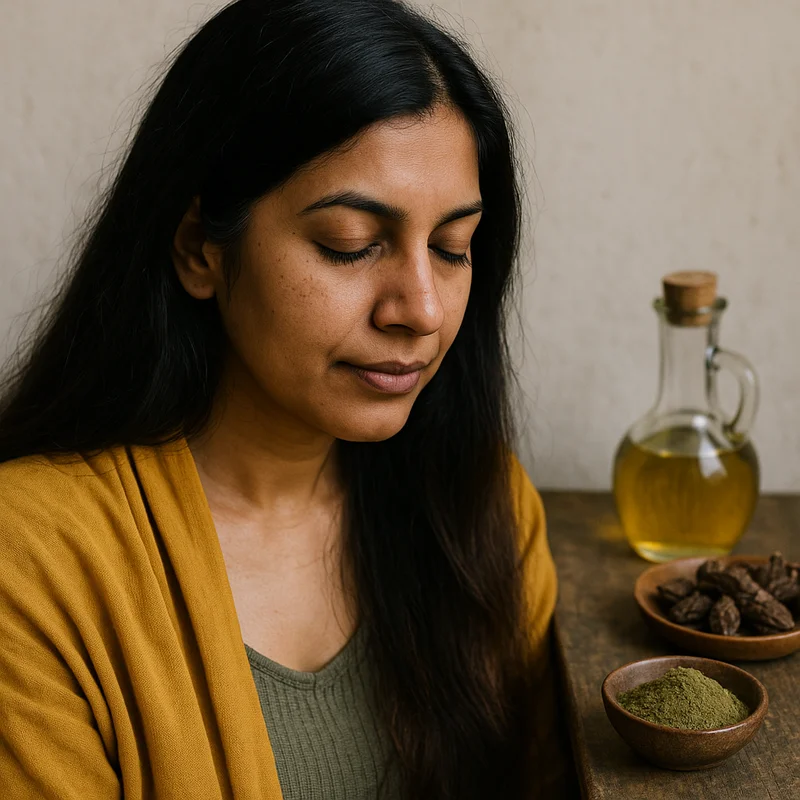
Introduction
Let’s get real for a second — when you first notice a few grey strands sneaking in, it doesn’t exactly feel like a life-altering moment. But then you blink, and suddenly your once jet-black (or deep brown or warm chestnut) hair starts giving off Gandalf vibes — minus the wizardly charm. And you start wondering, "Wait… is there something I can actually do about this?"
That’s where this weirdly fascinating topic comes in: how to increase melanin in hair with Ayurveda. It’s not just about reversing greys — though yeah, that’s the goal for many. It's also about understanding why our hair loses its pigment in the first place, and how centuries-old Ayurvedic principles might hold some surprisingly useful answers.
Melanin, for the uninitiated, is the pigment that gives color to your skin, eyes, and — you guessed it — your hair. The less you have, the greyer you look. Simple in theory. In practice? Well, there’s a web of biology, stress, diet, and internal imbalances that decides whether your hair keeps its color or slowly fades to silver.
Ayurveda doesn’t just toss a few herbs at the problem and call it a day. It treats premature greying — known as Palitya — as a deeper imbalance in your system. One that needs a multi-layered approach: detoxification, dietary correction, herbal treatment, emotional rebalancing, even tweaks to your daily habits.
Here's the kicker: modern science is slowly starting to play catch-up. Studies are beginning to validate what ancient Vaidyas (Ayurvedic practitioners) knew ages ago — that hair health is a reflection of internal health, especially your digestive fire (Agni), stress levels, and Dosha balance. And when that system breaks down? Boom. Melanin production tanks.
So, what can you expect from this article? We’re not handing you a magic pill. But we are going to explore:
-
What melanin is, and how Ayurveda sees its depletion
-
The Ayurvedic causes behind premature greying (spoiler: it's not just genetics)
-
Herbal and home remedies that actually help — and ones that probably won’t
-
Diet, routines, and lifestyle tweaks that support long-term results
-
Real-life examples and what the research says
This isn’t some fluff piece about “miracle oils” (ugh, we’ve all been burned before). It's a deep dive — messy, practical, slightly quirky — into a problem that way more people are silently struggling with. So let’s talk. Let’s question. Let’s learn what’s hype and what’s legit.
Because grey hair might be a natural part of aging — but in Ayurveda, how and when you age is something you have a say in.
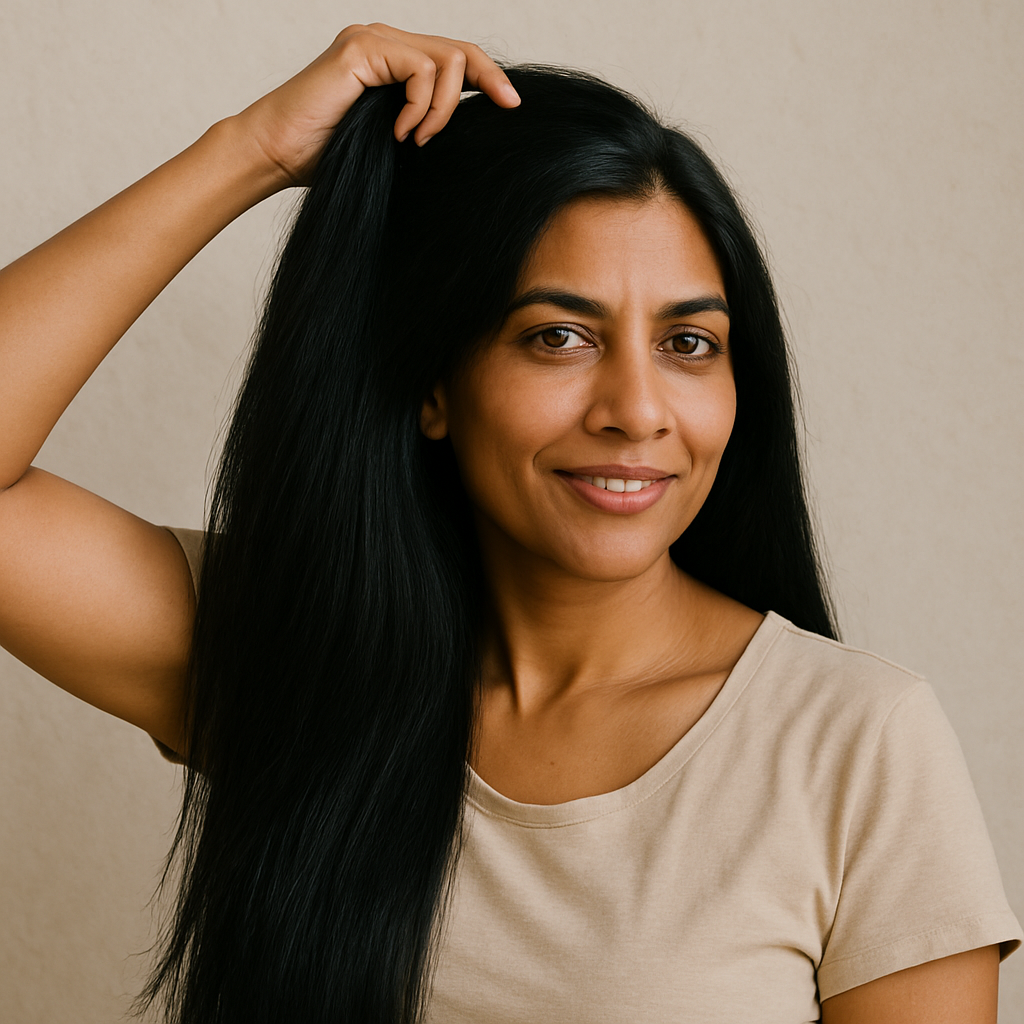
Understanding How to Increase Melanin in Hair – Ayurvedic Overview
What Exactly Is Going On When Hair Loses Its Color?
From a modern standpoint, melanin is produced by melanocytes — special cells in the hair follicle that pump out pigment. Over time, these cells slow down or die off. Genetics plays a role. So do oxidative stress, nutrient deficiencies, and underlying conditions like thyroid disorders or vitiligo. Basically, when the pigment stops being delivered, your hair comes out grey, white, or even translucent.
There’s no urgent danger in greying, sure. But culturally? Emotionally? It hits different. Especially when it starts happening in your 20s or 30s. It’s not just “cosmetic” — it’s a subtle signal that your system might be off-balance.
Ayurveda calls this condition Palitya. And instead of zeroing in on just hair follicles, it considers the entire psychophysiological system: your doshas, your digestion, your mind, your habits, your lineage. It’s never just one cause. It’s always a pattern.
The Ayurvedic Angle: Which Doshas Are At Play Here?
According to Ayurvedic texts (think Charaka Samhita and Ashtanga Hridaya), premature greying is mainly associated with an aggravation of Pitta dosha. Pitta governs metabolism, heat, and transformation — when it's out of whack, it “burns out” melanin production prematurely.
But it’s not always that simple. Sometimes Vata steps in with its dryness, anxiety, and nervous overdrive. Or Kapha stagnates things to the point of blockage. So, it’s often a Pitta-Vata or Pitta-Kapha interplay that needs rebalancing.
Common causes of doshic imbalance in premature greying?
-
Excessive heat in the body — spicy food, stress, anger
-
Overthinking, insomnia, anxiety — classic Vata issues
-
Poor digestion (Mandagni) — undigested food turns toxic (Ama), affecting tissues
-
Suppressed emotions — especially rage or grief
-
Long-term use of chemical shampoos or hair dyes — yes, Ayurveda cares about that too
-
Hereditary tendencies — acknowledged, but not absolute
How Ayurveda’s View Is Radically Different From Modern Medicine
Conventional dermatology doesn’t offer much — a shrug, maybe a few vitamin recommendations, and the underlying assumption that grey hair = game over.
Ayurveda? Totally different vibe. It doesn’t accept premature greying as inevitable. Instead, it frames it as a symptom, not the root issue. A sign that your internal fire isn’t working properly, or your lifestyle is clashing with your constitution.
And perhaps most importantly, it believes that you can reverse the process — or at the very least, slow it down meaningfully — through internal healing, diet correction, herbal support, and mental harmony.
Sound idealistic? Maybe. But for many, it’s actually worked.
Causes and Triggers of How to Increase Melanin in Hair (Ayurvedic Insights)
Main Underlying Ayurvedic Causes
Alright, so here’s the deal. Ayurveda rarely blames one thing for a problem. It’s usually a cocktail of causes, some obvious, some hiding in plain sight.
When it comes to premature greying or melanin depletion in hair, Pitta dosha takes the spotlight. Why? Because Pitta governs all things “transformative” in the body — including pigmentation. When it goes haywire, melanin production fizzles out.
Some of the most common Ayurvedic causes include:
-
Too much spicy, oily, fried food → builds internal heat
-
Excessive sun exposure → aggravates Pitta externally
-
Chronic anger or emotional repression → yes, emotions are literal dosha-aggravators
-
Lack of proper sleep → increases Vata, disturbs metabolism
-
Low Ojas (vitality essence) due to overwork, stress, weak immunity
-
Weak Agni (digestive fire) → leads to accumulation of toxins (Ama)
Ayurveda also talks about Dhatu Kshaya, or tissue depletion — specifically Rakta Dhatu (blood) and Majja Dhatu (nervous tissue). When these are weak or impure, melanin simply can’t be nourished.
Common Triggers and Risk Factors in Ayurveda
Beyond diet and emotions, Ayurveda points to lifestyle patterns that silently sabotage melanin production:
-
Irregular meal timings — disrupts Agni, the digestive fire
-
Late nights and overstimulation — Vata aggravation
-
Chemical-laden hair products — toxins entering directly via scalp
-
Suppressed natural urges — weirdly specific, but yes: holding in sneezes, urine, tears = imbalance
-
Genetics (Beeja Dosha) — not a death sentence in Ayurveda, just another piece of the puzzle
Why Modern Lifestyle Is Making It Worse
Fast food, night shifts, stress as a badge of honor, digital overstimulation, chemical treatments, and constant travel — all of it throws Doshas off-balance. And guess what? Melanin takes a direct hit.
Our current way of living is Pitta-Vata gone rogue — rush, burn, dry out, repeat.
And Ayurveda is screaming from the ancient rooftops: “Slow down. Nourish. Restore.”
Recognizing Symptoms & Early Signs of How to Increase Melanin in Hair
Typical Symptoms: Let’s Call It Like It Is
This one’s simple on the surface: your hair starts greying. But Ayurveda wants you to notice the pattern — where, when, how fast.
-
Grey strands at the temples first
-
Sudden patchy greying in your 20s or 30s
-
Loss of luster or shine — hair looks dull, almost lifeless
-
Changes in hair texture — dryness, brittleness, thinning
-
Itchy or inflamed scalp — a sign of Pitta or Ama build-up
-
Excessive hair fall, especially after meals or stress episodes
Less Obvious (But Telling) Signs
Sometimes your hair starts talking before it actually changes color:
-
Unexplained fatigue or brain fog
-
Digestive issues (constipation, bloating, low appetite)
-
Constant irritation or anger — especially if it feels “out of character”
-
Feeling overheated or flushed for no reason
-
Persistent dehydration or dry skin
These are early whispers of Dosha imbalance that eventually show up as grey hair.
When Should You Seek Ayurvedic Help — and When You Shouldn’t
If you’re seeing sudden, rapid greying — especially before age 35 — that’s a good time to visit a qualified Ayurvedic practitioner. Particularly if it’s paired with emotional stress, hormonal shifts, or chronic gut issues.
But here’s the truth: Ayurveda isn’t magic.
If your greying is due to natural aging, or your melanocytes have already been depleted irreversibly, even the best herbs might not bring the color back — though they can definitely slow further loss and improve overall hair quality.
Ayurvedic Diagnosis Methods for How to Increase Melanin in Hair
Pulse, Tongue, and Other Fascinating Diagnostics
Walk into an Ayurvedic clinic and you’ll notice — they ask a lot of questions. And not just about your hair.
Why? Because Ayurveda treats the whole system, not just the symptom. The goal is to identify which Doshas are imbalanced, what Dhatus are depleted, and how to reboot the entire organism.
Some key diagnostic tools:
-
Nadi Pariksha (Pulse Reading): Vaidyas feel for the rhythm of Vata, Pitta, and Kapha to detect imbalances
-
Jihva Pariksha (Tongue Diagnosis): Coated, cracked, pale, or red tongues reveal digestive and systemic dysfunction
-
Darshana (Observation): They’ll assess your skin, nails, eyes, voice, even your walk
-
Prashna (Detailed History): Sleep, bowel habits, dreams, cravings — all tell a story
It’s intuitive, but layered. No lab tests required — though combining both systems (modern + Ayurvedic) can be powerful.
Determining Dosha Imbalance in Hair Greying
The practitioner will look for clues:
-
Pitta dominance: Early greying, inflammation, anger, thinning
-
Vata dominance: Greying with dryness, brittle strands, stress-induced hair fall
-
Kapha dominance: Greying with heaviness, thick dull hair, oily scalp
From here, treatment is personalized. No two cases of greying are the same — even if the hair looks identical.
Don't wait or self medicate. Start chat with Doctor NOW
Ayurvedic Treatments & Remedies for How to Increase Melanin in Hair
Herbs & Medicines That Actually Help
Let’s be clear: no single herb can bring back black hair overnight. But a synergistic approach? That’s a different story.
Here are the power players:
-
Bhringraj (Eclipta alba) – “King of Hair” – classic for pigmentation and regrowth
-
Amla (Indian gooseberry) – rich in antioxidants, rebuilds melanin from within
-
Brahmi – calms the mind, lowers stress-related Pitta
-
Ashwagandha – adaptogen that fights oxidative stress
-
Haritaki & Bibhitaki – detoxifying trio with Amla (together they’re called Triphala)
-
Guduchi (Tinospora cordifolia) – immune modulator and blood purifier
Dosage recommendations? Always see a practitioner. But a typical mix might be:
-
Amla powder (1 tsp daily with warm water)
-
Bhringraj oil (external, scalp massage 2–3x per week)
-
Triphala (1–2 tablets at night for digestion and detox)
Panchakarma & Therapies That Support Hair Pigmentation
-
Shirodhara (medicated oil on the forehead) for calming Vata-Pitta
-
Nasya (herbal oils into nasal passage) to nourish brain and hair roots
-
Basti (medicated enemas) to reset the gut and Vata system
-
Takradhara (buttermilk stream) if inflammation or Pitta is very high
These aren’t DIY — they’re done under guidance in Ayurvedic centers.
Home Remedies Worth Trying
-
Warm Amla-infused coconut oil scalp massage 2–3x a week
-
Black sesame seeds (just a spoon a day) — said to “rekindle” melanin
-
Drink Triphala water in the morning — soak powder overnight, strain, drink
-
Avoid hot water on your head — worsens Pitta
-
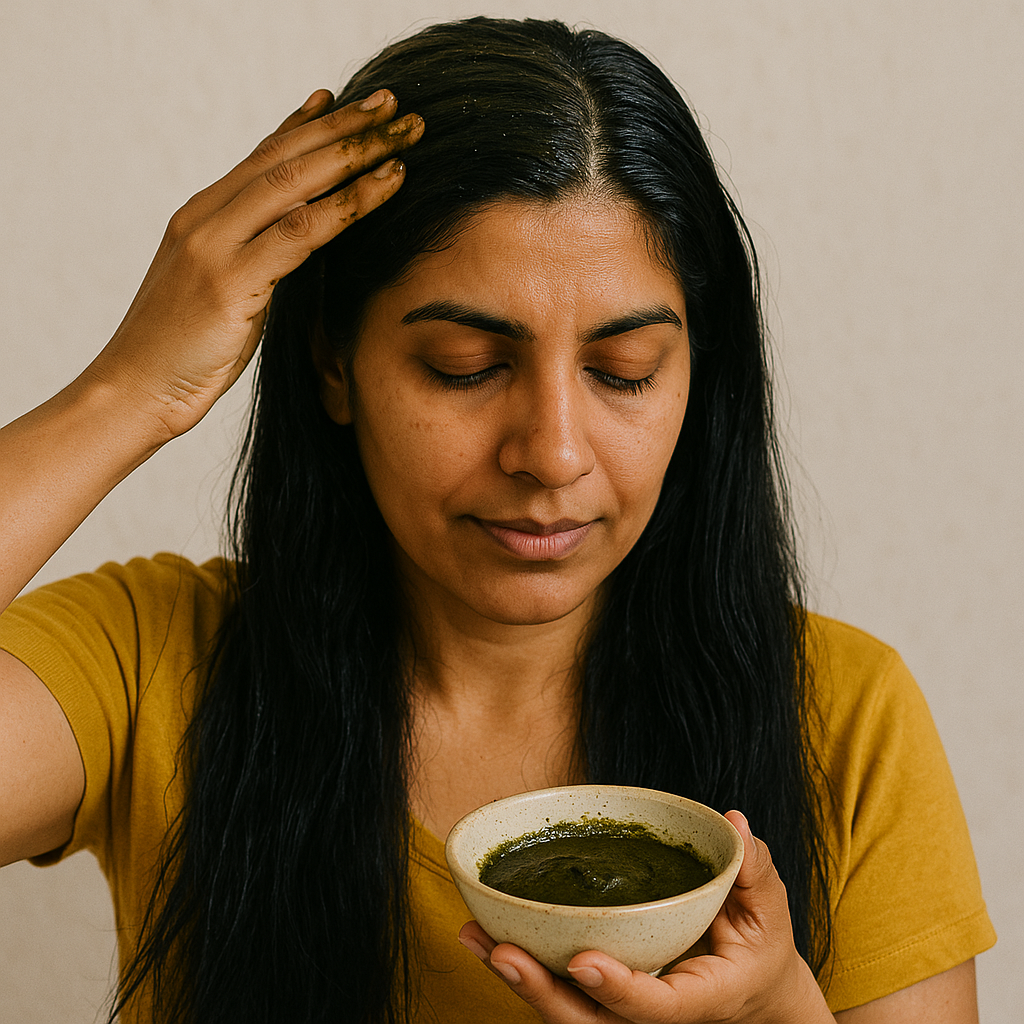
Use natural hair packs: Amla, Bhringraj, Brahmi powders with yogurt or aloe gel
But again: consistency > intensity.
Diet & Lifestyle Recommendations for Managing How to Increase Melanin in Hair
Recommended Foods and Dietary Guidelines
Let’s not beat around the bush: if your diet’s all chips and coffee, no herb or oil is going to save your hair color. Ayurveda is clear — food is medicine. You can’t out-herb a junk diet.
To support melanin and balance Pitta-Vata (the doshas typically responsible for early greying), focus on cooling, nourishing, and unctuous foods:
-
Amla (fresh, juice, or powdered) – consume daily
-
Black sesame seeds – high in copper, calcium, and said to “rekindle” hair pigmentation
-
Ghee – feeds the brain and strengthens Ojas; 1 tsp daily with meals
-
Leafy greens – iron and chlorophyll boost
-
Beets, carrots, pumpkin – nourish Rakta Dhatu (blood tissue)
-
Whole grains – barley, red rice, oats
-
Dates and figs – rich, grounding snacks for Vata
-
Coconut – in food or water form, naturally Pitta-cooling
-
Almonds (soaked and peeled) – brain and hair tonic
-
Milk and its derivatives (if digested well) – build strength and tissue
🕗 Meal timing matters:
Eat your biggest meal at noon (strongest Agni), and keep dinners light. Eat only when hungry, avoid snacking. No cold drinks with meals. Sit down and actually chew — yes, seriously.
Foods and Drinks to Avoid
Some of these might sting, but if you want results, they’re worth dialing back — at least for a while.
-
Spicy, fermented, fried food – classic Pitta aggravators
-
Excessive tea, coffee, alcohol – heat + dryness = Vata/Pitta spike
-
Cold and raw foods – weaken digestion, build Ama
-
Canned, processed, or microwave foods – zero Prana, disturb Agni
-
Artificial sweeteners or sodas – toxic burden
-
Too much sour or salty food – said to deplete melanin
-
Meat-heavy diets – slow down subtle body processes in some individuals (especially Kapha/Vata types)
🚫 Avoid eating incompatible combinations — like milk + sour fruit, or fruit with yogurt. These ferment in the gut and produce Ama (toxic gunk).
Daily Routine and Lifestyle Tips
What’s the Ayurvedic word for routine? Dinacharya — and it’s not just quaint tradition. It’s strategic nervous system regulation. Here’s how to do it right:
-
Wake up before sunrise (Brahma Muhurta)
-
Hydrate with warm water
-
Scrape your tongue + oil pulling (Sesame or coconut oil)
-
30 mins of yoga or brisk walking
-
Abhyanga (self oil massage) 2–3x/week — use Bhringraj or Brahmi oil
-
Meditation or pranayama daily – controls stress-driven Pitta
-
Avoid excessive screen time, especially before bed
-
Lights out by 10:30 PM — crucial for melatonin (not a typo — melatonin + melanin, both regulated by rhythm)
Consistency trumps complexity. Don’t try to do it all at once — add one change at a time.
More on Ayurvedic Herbs and Formulations
Depending on severity and constitution, these may be prescribed:
-
Bhringraj capsules or churnam – 250–500 mg daily
-
Amalaki Rasayana – rejuvenative, safe during lactation
-
Triphala Ghrita – medicated ghee for gut + hair
-
Narayan Taila or Keshya oils – massage, don’t ingest
-
Brahmi Vati – calming, best taken at night
-
Chyawanprash – nourishing and safe for long-term use
⚠️ Warnings:
-
Avoid herbs like Ashwagandha if you have hyperthyroidism or are pregnant.
-
Always test for allergies.
-
If lactating, avoid overly detoxifying herbs unless advised by a practitioner.
Real Patient Experiences & Success Stories
Anjali, 29, Delhi:
“I noticed greys creeping in at 26. I tried everything — fancy serums, supplements — but nothing stuck. Then I saw an Ayurvedic doctor who told me to stop skipping meals, quit iced coffee, and start massaging my scalp every other day. I wasn’t convinced… but two months later, new growth was actually coming in darker. Not black, but darker. And my digestion got better too.”
Ravi, 38, Bangalore:
“I did a 14-day Panchakarma program for detox, not even for my hair. But afterward, my barber asked what I’d done — the greys near my ears were visibly reduced. I hadn’t even noticed. Now I take Amla daily and do Nasya every morning. Hair’s not fully reversed, but it’s no longer accelerating.”
These aren’t overnight miracles — but they’re real shifts. Subtle, steady, and honestly more sustainable than chemical fixes.
Scientific Evidence & Research on Ayurvedic Effectiveness for How to Increase Melanin in Hair
Quick Summary of Scientific Findings
-
Amla (Phyllanthus emblica): Multiple studies show its antioxidant capacity protects hair follicle melanocytes from oxidative damage.
-
Bhringraj (Eclipta alba): Demonstrated in rodent studies to stimulate hair follicle activity and delay depigmentation.
-
Ashwagandha (Withania somnifera): Shown to lower cortisol and oxidative stress, both of which impact melanin synthesis.
-
Triphala: Proven to aid digestion, reduce systemic inflammation, and detoxify — indirectly supporting hair health.
-
Coconut oil with herbs: In a 2020 study, herbal hair oils reduced greying in participants over 6 months of consistent use.
Common Misconceptions About How to Increase Melanin in Hair and Ayurveda
-
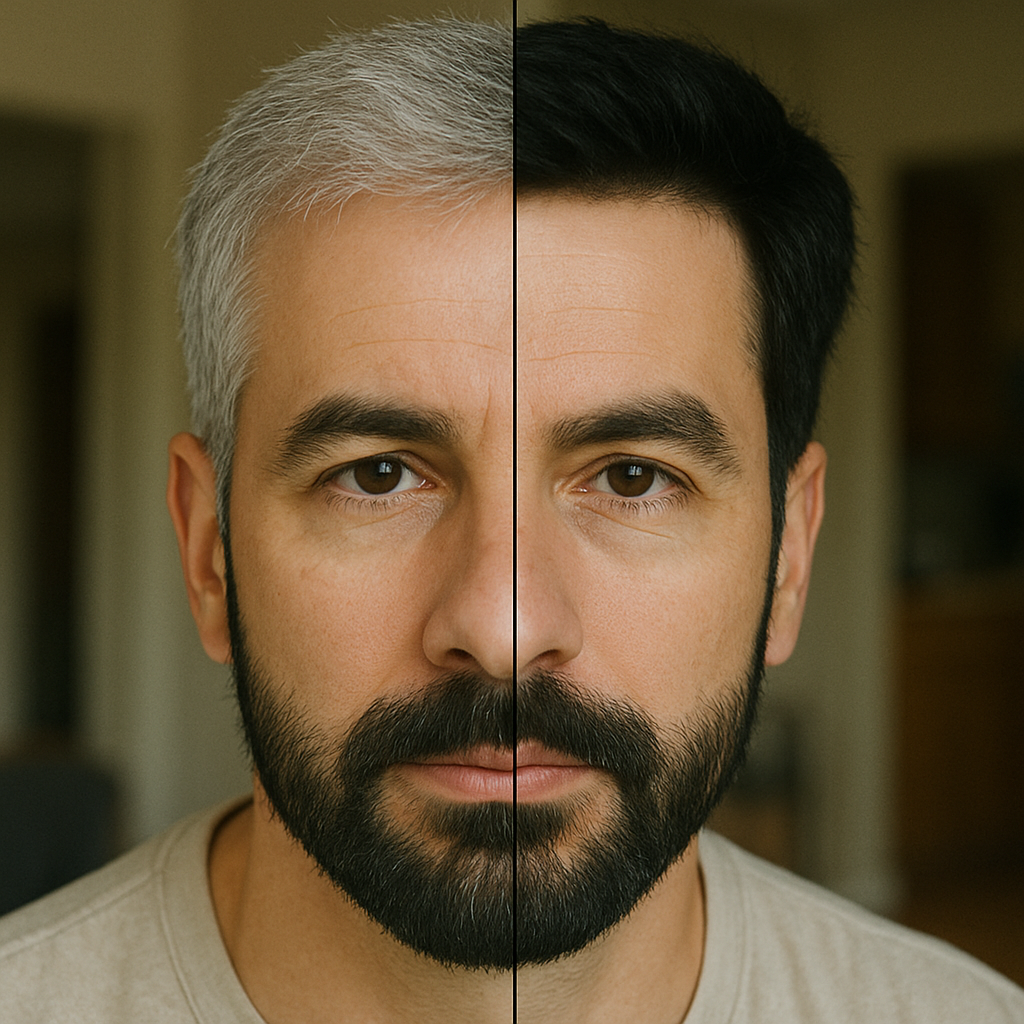
“Grey hair can’t be reversed.”
Ayurveda disagrees — if melanocytes aren’t fully dead, pigment production can resume with the right support. -
“If it’s genetic, you’re doomed.”
Genes are a factor, but not destiny. Ayurveda focuses on epigenetics — how your lifestyle influences expression. -
“Herbs work instantly.”
Nope. Ayurveda works in layers. Expect 3–6 months minimum of consistent effort. -
“Any herbal oil will do.”
Wrong again. Oils need to match your dosha and stage of greying. Random use may worsen things. -
“It’s just vanity.”
Not really. Greying can indicate internal imbalances, stress, or even early-onset disease.
Conclusion
Premature greying isn’t just about what’s happening on your scalp — it’s a full-body signal that something deeper may be off.
Ayurveda doesn’t treat the symptom. It zooms out, looks at your life — your food, your stress, your sleep, your breath, your thoughts — and works from the inside out. That’s the magic. And the challenge.
There’s no silver bullet. But if you’re willing to slow down, eat warm food, wake up earlier, rub some oil on your head and sit in silence for 10 minutes… weird things start to happen. Good weird. Your skin glows. Your hair softens. You feel less foggy. You look more “you.”
This isn’t about “looking younger.” It’s about feeling more aligned.
So — curious where to start? We strongly recommend a personalized consultation. Everyone’s hair story is different. Visit Ask-Ayurveda.com to speak with an experienced Vaidya who can help you build a plan that’s actually tailored to your constitution.
You deserve to feel vibrant again. And maybe — just maybe — see a little less grey in the mirror next year.
Frequently Asked Questions (FAQ)
Q1: Can Ayurveda really reverse grey hair?
If the melanocytes are still functional, yes — melanin production can be revived. But if those cells are dead, Ayurveda focuses more on slowing further greying and improving overall hair health.
Q2: How long does it take to see results?
Usually 3–6 months of consistent diet, herbs, and routine changes. It’s a slow build — not a quick fix.
Q3: Is it safe to take Ayurvedic herbs daily?
Most are safe, but always consult a qualified practitioner. Some herbs, like Triphala or Amla, are generally well tolerated, while others may not suit everyone.
Q4: Do I need to do Panchakarma?
Not necessarily. For severe cases or deep-rooted imbalances, it helps. But for many, basic routines and herbs are enough.
Q5: Is greying always a health issue?
Not always. Some greying is normal with age. But when it shows up early and fast — it often points to internal imbalances.
References & Authoritative Sources
-
Ministry of AYUSH – Government of India -
National Center for Biotechnology Information (NCBI) -
PubMed -
World Health Organization – Traditional Medicine -
National Institutes of Health (NIH)
Questions from users
How does hydration affect hair health and preventing greying in Ayurveda?
Allison
2 days ago
Hydration plays a crucial role in maintaining hair health, but its direct impact on preventing greying is less clear. Proper hydration supports overall scalp health, which can indirectly aid in preserving hair color by promoting nutrient delivery to hair follicles. While Ayurveda suggests that hydration aligns with maintaining body balance, grey hair is primarily influenced by genetics and age. Staying well-hydrated can support healthier hair, potentially slowing stress-related greying. Always consult a healthcare provider if rapid greying or other hair concerns arise.
Can I use essential oils in my hair care routine according to Ayurvedic principles?
Tiffany
11 days ago
Absolutely, you can use essential oils in your hair care routine! Just be sure to choose oils that align with your dosha. For instance, Vata might benefit from heavier oils like sesame or almond, while Pitta can go for cooling oils like coconut. Kapha might prefer lighter oils. Remember to use them in moderation and consider doing a patch test first.
What causes hair to turn grey besides age and can lifestyle changes reverse it?
Natalie
21 days ago
Besides aging, factors like stress, nutrient deficiencies, and health conditions like thyroid disorders can lead to greying. Ayurveda suggests detoxification, a balanced diet, and emotional well-being might help. While these changes can't exactly reverse greying, they might slow it down and improve hair health overall.
What is Palitya and how does it relate to premature greying in Ayurvedic medicine?
Jack
30 days ago
Palitya in Ayurveda refers to premature greying of hair, but it’s seen more as a symptom of an internal imbalance rather than just a cosmetic issue. It's often linked to stress, poor diet, or lifestyle affecting your doshas. Keeping your Pitta dosha balanced, through diet and lifestyle, might help manage premature greying.
What lifestyle factors in Ayurveda influence the rate of hair greying?
Caroline
39 days ago
In Ayurveda, hair greying can be influenced by stress, lack of proper sleep, and an imbalanced diet, leading to dosha imbalances, especially Pitta dosha. Trying to improve your sleep, practicing stress-reducing activities like yoga, and including cooling foods can help manage this issue. Always consider your unique body constitution or consult an Ayurvedic practitioner for personalized advice.
What is the connection between Ayurveda and the psychological aspects of hair greying?
Owen
48 days ago
In Ayurveda, hair greying could link to an aggravated Pitta dosha, which affects not just your body but also your mind. Stress and emotional imbalance can disturb Pitta, influencing premature greying. It's about making sure both your mind and body are balanced. So maybe look into stress reduction techniques or diet adjustments for Pitta balance.
What is the timeline for noticeable results from Ayurvedic treatments for grey hair?
Jayden
58 days ago
You might start seeing some changes in 3 to 6 months, but it can vary for each person. Ayurveda suggests patience since it focuses on addressing root imbalances in your body, not just quick fixes. Keeping consistency with diet, lifestyle, and any herbal recommendations is key. If it's a deeper issue or related to genetics, it might take longer.
Is it safe to use herbal oils for hair care if I have a sensitive scalp?
River
67 days ago
Yes, herbal oils can be safe for sensitive scalps, but it's best to do a patch test first. Our skin can react differently, so checking a small area helps make sure there’s no irritation. Also, opt for oils like coconut or almond—they're usually well-tolerated. If any sign of irritation pops up, stop using it and consider consulting a practitioner.
Is it safe to do Nasya daily for hair health and overall well-being?
Morgan
77 days ago
It's generally safe, but doing Nasya daily isn't for everyone. It really depends on your dosha and personal constitution. Some people might find it drying if they have a lot of Vata. It's best to check with a practitioner, especially if you're using it for hair health. And yeah, be mindful of your digestion and lifestyle to prevent Ama build-up!
What is the impact of emotional health on hair greying according to Ayurveda?
Kennedy
87 days ago
Ayurveda sees emotional health as tightly linked with hair greying bcause imbalances, especially in Pitta dosha, can push your body's transformative processes outta whack. Stress and emotional turmoil fuel the fire within, affecting pigmentation. Balancing emotions and keeping cool can slow down further greying and boost your hair’s vitality. Take care of that inner peace!
Related articles

Skin and Hair Disorders
How to Apply Egg on Hair: Ayurvedic Guide to Benefits & Growth
How to apply egg on hair? Discover egg hair mask recipes, benefits of egg for hair growth, how to use egg white, and possible side effects of applying egg
17,444

Skin and Hair Disorders
Which Seeds Are Good for Hair and Skin: Ayurvedic Guide and Benefits
Which seeds are good for hair and skin? Discover the best seeds for hair growth and glowing skin. Learn Ayurvedic uses and benefits of seeds daily
12,987
Skin and Hair Disorders
What Causes Eczema: Ayurvedic View on Skin Imbalance and Healing
What causes eczema? Learn Ayurvedic causes of skin rash, foods that trigger flare-ups, and natural ways to calm eczema on face, hands, scalp, and lips
2,189

Skin and Hair Disorders
How to Make Potato Juice for Face: Ayurvedic Tips, Skin Benefits, and Safe Use
How to make potato juice for face? Learn how to apply it, overnight benefits, whitening tips, and whether potato juice is good or bad for your skin
14,372

Skin and Hair Disorders
How to Use Nutmeg for Skin Pigmentation: Ayurvedic Remedies
How to use nutmeg for skin pigmentation? Learn the benefits of nutmeg powder for dark spots, how to apply it overnight, and why nutmeg is good for glowing skin
14,938

Skin and Hair Disorders
Can We Use Almond Oil for Hair: Benefits, Growth, and Ayurvedic Insights
Find out if almond oil is good for hair and its benefits. Learn about almond oil for hair growth, low porosity hair, and safe application methods
10,794

Skin and Hair Disorders
Which Juice Is Best for Skin: Ayurvedic Guide to Glowing and Whitening
Exploration of Ultimate Guide to Juices for Glowing Skin: Ayurvedic Tips and Recipes
16,590

Skin and Hair Disorders
Water Retention Cure Ayurveda – Effective Natural Remedies
Water Retention Cure Ayurveda – Effective Natural Remedies
5,381
Skin and Hair Disorders
Psoria Oil Uses – Ayurvedic Remedy for Psoriasis & Skin Health
Discover the benefits and uses of Psoria Oil, a traditional Ayurvedic remedy for psoriasis and skin disorders. Learn how Psoria Oil can soothe inflammation, rejuvenate skin, and promote overall healing.
3,158

Skin and Hair Disorders
How to Remove Oil from Hair Naturally
Learn how to remove oil from hair naturally without shampoo. Discover home remedies, Ayurvedic tips, and the best treatments for oily hair and scalp balance
6,080
Related consultations on the topic
Legal
Additional Documents
© 2024 Ask Ayurveda. All rights reserved.