आयुर्वेदिक डॉक्टर से प्रश्न पूछें और निःशुल्क या भुगतान मोड में अपनी चिंता की समस्या पर ऑनलाइन परामर्श प्राप्त करें। 2,000 से अधिक अनुभवी डॉक्टर हमारी साइट पर काम करते हैं और आपके प्रश्नों का इंतजार करते हैं और उपयोगकर्ताओं को उनकी स्वास्थ्य समस्याओं को हल करने में प्रतिदिन मदद करते हैं।


Body DetoxEar, Nose, and Throat DisordersGeriatrics & RejuvenationImmunodeficiencyInfertility TreatmentNutritionOrthopedic DisordersPediatricsRespiratory DisordersSexually Transmitted Diseases (STDs)Surgery RecoveryUrological DisordersVascular DisordersDental DisordersEndocrinological DisordersGastrointestinal DisordersYoga TherapyGeneral MedicineAllergic DisordersCardio DisordersGynecology and ObstetricsCosmetologySkin and Hair DisordersEye DisordersInfectious DiseasesMental DisordersNeurological DisordersOncologyPanchakarmaSexual Health & DisordersSports Medicine
पर प्रकाशित 05/14/25
(को अपडेट 08/10/26)
5
6,231
Curd Benefits for Stomach: What Ayurveda Has to Say (And Why You Should Care)

Introduction to Curd Benefits for Stomach and Ayurveda’s Approach
If you’ve ever reached for a bowl of curd after a heavy meal, you’re not alone. I do it. My grandma did it. Half of India probably does it. But here’s the question we often forget to ask: why does curd feel so comforting to the stomach? And more importantly, what does Ayurveda — India’s ancient science of life — have to say about it?
Curd isn’t just a home remedy or a cooling side dish. In Ayurveda, it holds a unique spot: both revered and… a little controversial, depending on how and when you consume it. Weird, right? But that’s kind of the beauty of Ayurveda — nothing is black and white. Everything depends on you, your body type (your prakriti), the season, even the time of day.
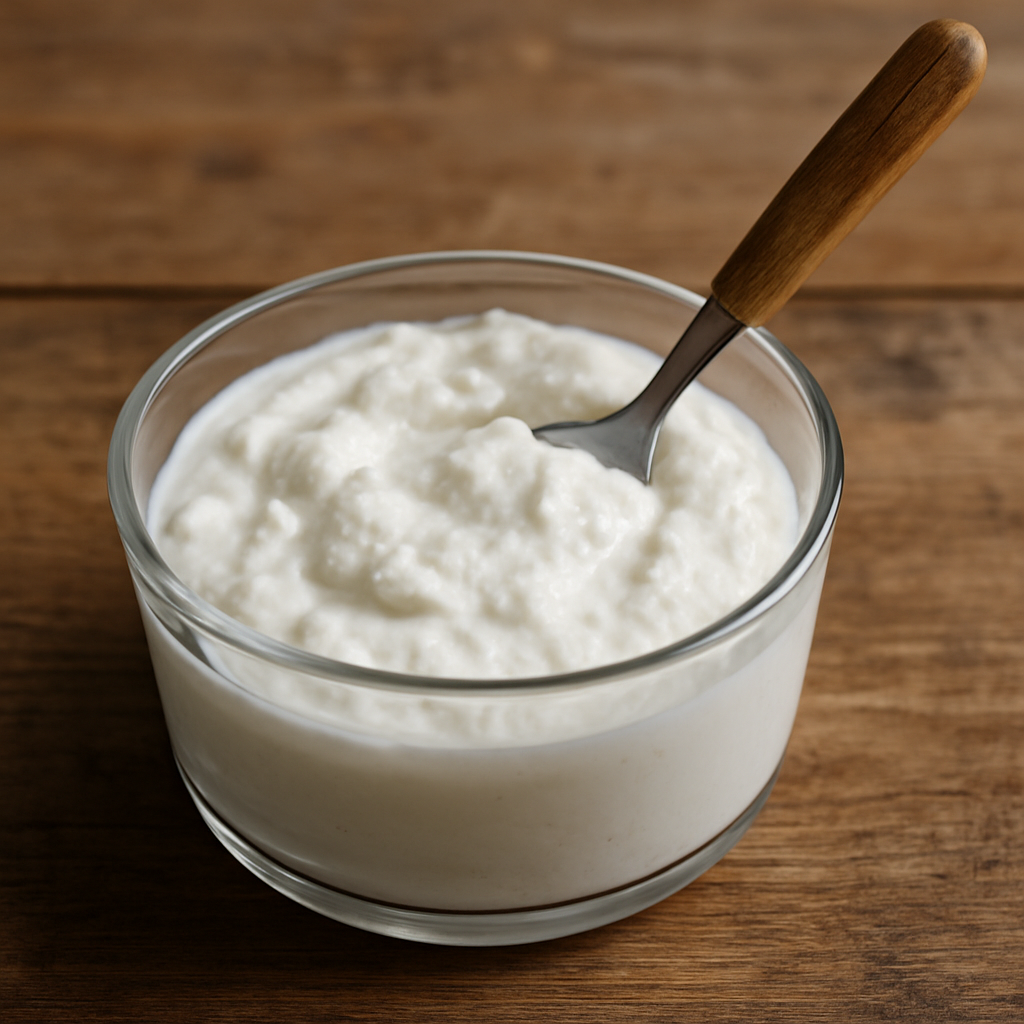
So let’s set the scene. You're bloated, sluggish, maybe dealing with a stubborn case of indigestion. Someone hands you a spoonful of thick, creamy dahi with a sprinkle of roasted cumin powder — and magic happens. That’s not an accident. According to Ayurvedic texts, curd (known as dadhi) can be both grahi (absorptive) and deepana (digestive stimulant) when used correctly.
But there’s a catch. Used the wrong way — say, at night or with fish (please don’t do this) — and it might wreak digestive havoc.
This article dives deep into the nuanced relationship between curd and your stomach, especially through the Ayurvedic lens. We'll explore how lifestyle and diet (and yes, even your emotional state) influence whether curd is a boon or a bane.
What’s in it for you? Well:
-
A much better understanding of how curd really works in the body.
-
Personalized guidance on whether you should be eating it regularly (and how).
-
Super practical Ayurvedic routines that don’t require you to give up your entire life.
-
Oh, and real stuff — not just theory. We’re talking actual recipes, routines, even success stories.
If your stomach has been a bit of a mystery to you lately — bloating, gas, acidity, unpredictable digestion — you're going to want to hang around for this.
Understanding the Role of Ayurveda in Managing Curd Benefits for Stomach
What Ayurveda Says About Curd Benefits for Stomach
Let’s get this out of the way first: Ayurveda doesn’t hate curd. But it doesn’t love it blindly either.
According to classical Ayurvedic texts like Charaka Samhita and Ashtanga Hridaya, curd (dadhi) is considered:
-
Ushna (heating in nature),
-
Snigdha (unctuous or oily),
-
Grahi (absorbent),
-
And Rochana (appetite-inducing).
This makes it ideal for stimulating digestion in cases of mandagni (low digestive fire). It helps bind loose stools and improves appetite, especially when combined with spices like black pepper or cumin.
But — and here’s the kicker — it can also aggravate Pitta and Kapha doshas if taken the wrong way.
So, for someone who is already feeling inflamed, acidic, or mucousy, curd might make things worse. Timing, preparation, and combination matter. A lot.
Curd taken with jaggery? Ayurveda says nope. With honey? Big no. With meat or fish? Don’t even go there. But pair it with rock salt, black pepper, and a warm day — and suddenly, it’s your best digestive buddy.
How Ayurvedic Lifestyle & Diet Directly Impact Curd’s Benefits for Stomach
This is where modern food fads get things all mixed up.
Ayurveda isn't about universal rules — it’s about context. Let's say you're following a keto diet and throwing curd into every meal thinking it's "low-carb and probiotic." Sounds good? Maybe. But if you're also sitting at your desk all day, skipping meals, and eating cold yogurt straight from the fridge — Ayurveda is probably weeping.
Your agni (digestive fire) is the boss. If it's weak, even healthy food won’t digest properly. Curd amplifies whatever’s already going on in your gut. That’s why Ayurveda insists on:
-
Room temperature or slightly warm curd, never cold.
-
Daytime consumption, preferably lunch.
-
Spice combinations to balance doshas — think cumin, black salt, ajwain.
-
Seasonal awareness — curd in monsoon or winter? Approach with caution.
The Importance of Individualized Ayurvedic Approaches for Curd and Stomach Health
I once met someone who swore by curd as a remedy for their chronic constipation. Another said it triggered their acidity like clockwork. Both were right — for their bodies.
Ayurveda calls this prakriti — your unique constitution. Vata types might benefit from curd's grounding, oily nature. Pitta types? Maybe only occasionally, with plenty of cooling herbs. Kapha types? Eh, they need to be careful — curd can be heavy and mucous-forming.
And it’s not just body types. Think about climate, mental state, even emotional stress. If you're anxious, Ayurveda might guide you toward buttermilk instead of thick curd — lighter, easier on the system, yet still beneficial.
This isn’t a rulebook. It’s a relationship — between you, your gut, your food, and the environment. Which, frankly, feels more honest than most nutrition advice today.

Ayurvedic Dietary Guidelines for Curd Benefits for Stomach
Alright, now we’re getting into the gritty, practical stuff. Not theory — food. If Ayurveda had a motto for eating curd, it would probably be something like: “It’s not what you eat, it’s how, when, and with what you eat.”
Let’s break it down.
Foods Recommended by Ayurveda for Curd Benefits for Stomach
Curd is a powerful digestive tool if used wisely — and especially when paired with the right foods.
-
Warm rice + spiced curd: A classic in many Indian households. Balanced, satisfying, grounding.
-
Curd with jaggery-spiced poha (only for Vata types): Light but nourishing.
-
Curd and roasted cumin powder: Enhances the deepana quality, stokes the digestive fire.
-
Buttermilk (takra): Even better than curd for many — it’s lighter, easier to digest, and deeply cleansing when churned with spices like ginger, curry leaves, and ajwain.
Ayurveda especially loves diluted curd or spiced buttermilk as a daily digestive aid in summer or early monsoon, when digestion tends to get sluggish.
Foods Ayurveda Suggests Avoiding with Curd for Stomach Health
Here’s the danger zone — and this is where most modern dietary experiments go off the rails:
-
Curd + fish/meat: Nope. Just no. The opposing energies can create ama (toxins).
-
Curd + fruit: Looks great in an Instagram smoothie bowl, but can be a digestion disaster. Especially citrus.
-
Curd at night: Heaviest time of day. Your digestion is winding down. Why add to the load?
-
Cold curd: Straight from the fridge? You’re basically snuffing out your agni.
It’s like taking a warm bath and then dumping ice water on yourself. Your gut says, “What did I do to deserve this?”
Meal Planning and Timing Tips in Ayurveda for Curd
This might surprise you: Ayurveda doesn’t say "Eat curd every day." It says, “Eat it when it serves you.”
-
Best time: Midday (around 12–2 PM) — digestion is strongest.
-
Avoid late evenings, post-sunset, or during high humidity days.
-
Don’t eat curd when sick, especially with colds, coughs, or fevers. It aggravates Kapha.
-
Pair with spices like black pepper, hing, cumin, or curry leaves to balance the doshic effect.
Planning meals? Think one curd-based dish per day max — and make it count.
Hydration and Beverage Recommendations for Stomach Alongside Curd
Hydration? Important. But Ayurveda never says “chug water blindly.”
When consuming curd:
-
Avoid iced drinks.
-
Skip milkshakes or sodas around meals.
-
Best drink pair: lukewarm cumin water or ginger-infused water 30 minutes after the meal.
Ayurvedic Lifestyle Practices Specifically Beneficial for Curd and Stomach Health
Lifestyle in Ayurveda isn’t optional — it’s half the treatment. Curd might be the food, but the routine is the firewood that keeps your digestive flame burning.
Daily Ayurvedic Routines (Dinacharya) to Manage Stomach Health and Use Curd Properly
-
Wake before sunrise (Brahma Muhurta) — keeps Kapha in check.
-
Warm water with lemon or ginger first thing in the morning — awakens the gut.
-
Eat meals at regular times. Your body loves rhythm.
-
Use curd in lunch only, never breakfast or dinner.
-
Mid-morning sun exposure + light movement: Helps digestion, especially in Kapha-heavy types.
Sleep Patterns and Ayurvedic Guidelines Relevant to Curd
Sleep directly affects your agni. Too late? Digestion gets groggy.
-
Sleep by 10 PM, when Pitta takes over and handles metabolic processes.
-
Avoid curd in your evening meal — it’s heavy, sour, increases mucus, and interferes with sleep quality.
-
If you’re having curd during dinner (because hey, sometimes we all do), balance it with lots of warming spices and keep the portion small.
Ayurvedic Personal Care Practices for Stomach and Gut
-
Abhyanga (oil massage) with warm sesame or mustard oil improves Vata and digestion.
-
Tongue scraping: Ever notice white coating on your tongue after heavy curd meals? That’s ama. Scrape it off each morning.
-
Nasya (nasal oiling) in dry seasons — surprisingly linked to gut health through Prana and Vata balance.
Yoga & Breathing Techniques for Curd Benefits for Stomach
Okay, so you’re eating well. You’re even timing your curd perfectly. What now? Movement. Breath. Flow.
Digestion isn’t just about food — it’s about energy moving through the body.
Yoga Asanas Specifically Recommended for Stomach & Gut Balance
-
Pavanamuktasana (Wind-Relieving Pose): Self-explanatory.
-
Trikonasana (Triangle Pose): Opens up the abdomen, aids digestion.
-
Vajrasana (Thunderbolt Pose): Sit in this for 10 minutes after your curd lunch. Game-changer.
-
Apanasana (Knees-to-chest): A gentle massage for your intestines.
Do these daily — even 15 minutes can noticeably reduce bloating and heaviness.
Pranayama (Breathing Exercises) That Improve Digestion
-
Kapalabhati: Activates digestive fire. Great in the morning.
-
Nadi Shodhana (Alternate Nostril Breathing): Balances doshas.
-
Bhramari (Bee Breath): Soothes anxious tummies. Works especially when emotional eating is involved.
Bonus: Breathing deeply helps you feel your gut. You might actually pause and think, “Hmm, do I even want curd today?”
How Often to Practice Yoga & Breathing Techniques
-
Daily: 15–30 minutes of asana + 5–10 minutes of pranayama.
-
Post-meal: Just Vajrasana is enough.
-
During digestive discomfort: Gentle belly breathing can work better than popping an antacid.
Stress Management and Emotional Health Advice for Curd and the Stomach
Here’s the part people love to skip. But honestly, it might matter more than all the food rules combined.
Your gut is a mirror of your mind. Ever had a stomachache before a job interview? Or craved curd when you were feeling emotionally “heavy”? There’s something going on.
Ayurvedic Techniques to Reduce Stress Related to Gut Health
-
Shirodhara (oil streaming on forehead): Deeply calms Vata — ideal if anxiety is wrecking your digestion.
-
Warm oil foot massage before sleep: Balances nervous energy.
-
Sitting quietly in nature post-meal — this one’s so simple and underrated.
Stress aggravates Vata, and curd is usually not a great idea when Vata is high — it can cause bloating, gurgling, gas. Calming the mind can literally change how curd behaves in your gut.
Meditation and Mindfulness Practices Beneficial for Digestion
-
10 minutes of silent sitting after lunch: Not lying down. Just sitting.
-
Body scan meditations help you become aware of digestive sensations.
-
Mindful eating: How fast do you eat your curd? Slow it down. Taste it. Chew it fully. Notice how much less you need.
Emotional and Psychological Considerations in Ayurveda for Gut Balance
Ayurveda recognizes emotions as bioenergetic forces. Worry clogs the gut. Grief slows it. Anger burns it.
If your gut is unhappy, don’t just blame the food. Ask:
-
Am I feeling grounded?
-
Am I digesting life?
-
Am I taking in too much stimulation without processing it?
Sometimes, the answer isn’t to stop eating curd. It’s to give your emotions time to settle — then try again.
Practical Ayurvedic Home Remedies and Recipes for Curd Benefits for Stomach
Here’s the good stuff — what you can actually do in your kitchen right now. No exotic herbs or $100 detox powders. Just stuff your nani probably already told you, but with a little Ayurvedic reasoning behind it.
Simple and Effective Home Remedies for Digestive Health with Curd
-
Curd + Roasted Cumin + Black Salt
-
Mix 2 tablespoons of homemade curd with 1/4 tsp roasted cumin powder and a pinch of black salt.
-
Use after a heavy meal to combat bloating or gas.
-
Ayurvedic logic: Cumin balances Vata, salt stimulates agni, curd strengthens absorption.
-
-
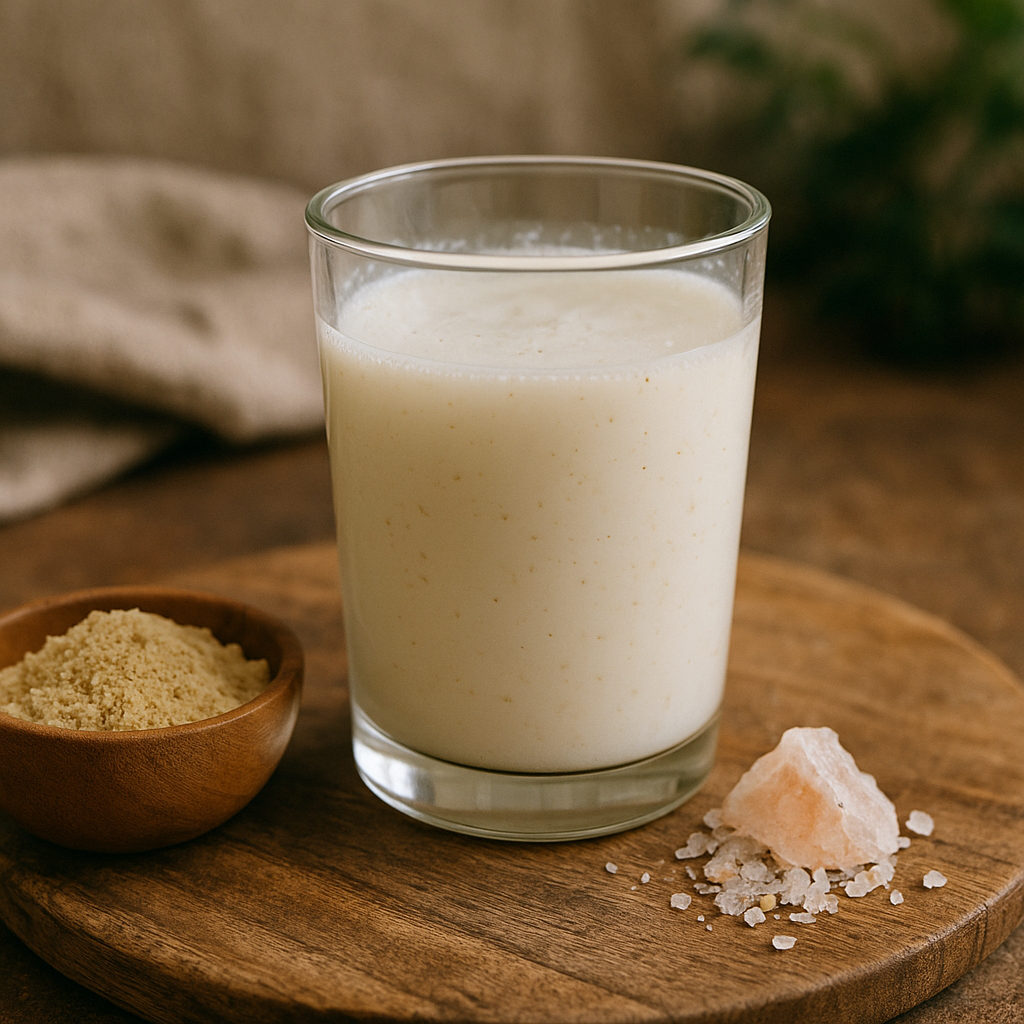
Takra (Spiced Buttermilk)
-
Blend 1 part curd with 4 parts water. Add grated ginger, a few curry leaves, black pepper, rock salt, and a pinch of hing.
-
Sip post-lunch. Excellent for acid reflux, weak appetite, or just when your gut feels “off.”
-
It’s considered a “nectar for digestion” in Ayurveda.
-
-
Curd Rice with Ghee Tempering
-
Especially for Pitta types.
-
Add a tempering of mustard seeds, curry leaves, green chili (mild), and a little grated ginger in ghee — mix into curd rice.
-
Soothing, cooling, grounding.
-
Ayurvedic Recipe Ideas Specifically Beneficial for the Stomach
-
Bottle Gourd Raita: Grated cooked lauki + curd + roasted cumin. Helps cool and detoxify.
-
Mint Curd Dip: Finely chopped mint, coriander, and a dash of lemon in curd — great with light meals.
-
Dry Ginger Curd Mix: A pinch of dry ginger in curd improves digestibility for Vata and Kapha.
Honestly? You don’t need a cookbook. You just need to start noticing how your body feels after each variation.
Preparation Tips and Guidelines
-
Always use fresh, homemade curd. Store-bought tends to be heavier, sourer, and harder to digest.
-
Never heat curd directly. If needed, temper the spices separately.
-
Always churn well before adding spices.
-
And please, don’t throw it in the blender with mango, banana, and honey — that’s a digestive war waiting to happen.
Common Mistakes & Misconceptions About Ayurvedic Lifestyle for Curd and Gut Health
You’d think after 5,000 years Ayurveda would be immune to misunderstandings. Nope. People (and the internet) get creative.
Common Myths About Ayurveda & Curd
-
“Curd is always good for your stomach” — Only if your agni is strong, your Kapha isn’t high, and it’s not nighttime.
-
“Curd = Yogurt” — Not quite. Ayurvedically, fermentation method, texture, and temperature matter. Yogurt might be lighter, but processed or flavored versions don’t count.
-
“Curd cures all digestion problems” — Not if you’ve got an inflamed gut (hello, Pitta), or if you’re feeling mucousy or constipated.
Typical Mistakes People Make When Adopting Ayurveda with Curd
-
Eating curd at dinner because "probiotics are good at night." Nope.
-
Mixing curd with fruit. Especially banana. Just don't.
-
Consuming curd daily without checking how they feel after.
-
Not paying attention to seasons — monsoon? Avoid. Hot dry summer? Maybe.
How to Avoid These Mistakes
-
Listen to your gut — literally. Gurgling, heaviness, gas, or mucus = warning signs.
-
Take breaks. Even good things don’t need to be daily.
-
Switch to takra (buttermilk) if you’re unsure. Lighter, safer, way more forgiving.
Real-Life Success Stories & Testimonials Related to Curd for Gut Health
Inspirational Stories from Individuals Who Improved Digestion Through Ayurveda
Ritika, 29, had chronic bloating. Tried every probiotic and antacid. Then an Ayurvedic doctor told her: “Stop eating cold yogurt from the fridge at 9 PM. Switch to warm spiced buttermilk at lunch.” Boom — within two weeks, 70% better.
Real-World Results from Ayurvedic Curd Guidance
A friend of mine — big Pitta constitution — had curd daily thinking it was “cooling.” But turns out, it was too heating with his spicy meals. Just spacing out curd, adding coriander, and switching to summer raita changed everything. Less acidity, smoother digestion.
Ayurveda works when it's personal. And curd, surprisingly, shows results fast when adjusted properly.
Scientific Evidence Supporting Ayurvedic Lifestyle & Diet for Curd and Gut Health
Now let’s nerd out for a second. Because while Ayurveda may be old, science is slowly catching up.
Research Findings on Diet’s Impact on Gut
Modern research shows:
-
Fermented dairy products like curd improve microbiome diversity.
-
Curd with certain spices like cumin and ginger improves digestion and reduces inflammation.
-
Meal timing affects gut health more than people thought — night-time dairy, especially, is linked with sluggish digestion.
Sound familiar?
Clinical Studies Confirming Ayurvedic Practices
Several studies in India have tested takra (spiced buttermilk) on patients with indigestion and IBS. Result? Improved bowel regularity, reduced bloating, and less reliance on medication.
Another study on curd vs. probiotic supplements found that homemade curd led to better long-term digestive improvements than capsules. Why? Because real food adapts to your system more intuitively.
Expert Opinions on Ayurvedic Curd Usage
Ayurvedic practitioners often say: “Takra is nectar, curd is medicine, yogurt is confusion.”
And really, that checks out — curd is a powerful tool when used with Ayurvedic precision. It’s not a trendy “superfood,” it’s more like an ancient key. You just have to use it in the right lock.
Conclusion & Summary of Ayurvedic Recommendations for Curd Benefits for Stomach
Let’s pull this all together.
Ayurveda doesn’t just recommend curd blindly — it questions it. It asks you to be aware:
-
Of your constitution.
-
Your digestive state.
-
Your season, your meal timing, your food pairings.
Used wisely:
-
Curd can boost digestion, calm Vata, and bind loose stools.
-
But used wrongly, it can cause heaviness, acidity, mucus, and toxic buildup (ama).
Your takeaways:
-
Eat curd at lunch, not dinner.
-
Spice it right.
-
Use buttermilk when in doubt.
-
Trust how your body feels, not what a trendy diet plan says.
Most importantly, Ayurveda is a relationship, not a checklist. Start observing. Start adjusting. And maybe — just maybe — curd could become your gut’s best friend (instead of its sneaky frenemy).
Thinking of going deeper? Consult a trained Ayurvedic expert who can guide you based on your dosha and gut history. Seriously. One consult can save you years of guesswork.
Frequently Asked Questions (FAQ) about Ayurvedic Lifestyle for Curd Benefits for Stomach
Q1. Is curd good for everyone’s digestion?
No — it depends on your body type, time of day, and season. Kapha types and people with weak digestion should be cautious.
Q2. Can I eat curd at night if I warm it or spice it?
Still not ideal. Ayurveda generally advises against any form of curd at night due to its Kapha-aggravating nature.
Q3. What's the difference between curd and yogurt in Ayurveda?
Yogurt is often processed, sometimes pasteurized, and may have additives. Ayurveda favors fresh homemade curd — it's considered more sattvic and natural.
Q4. Is buttermilk really better than curd?
Usually, yes. It’s lighter, easier to digest, and more balancing for all doshas when spiced appropriately.
Q5. I have acidity. Should I avoid curd?
Depends. If you're Pitta-heavy, curd may worsen it — especially when eaten with spicy or fried foods. Try diluted curd or buttermilk with cooling herbs like coriander.
उपयोगकर्ताओं के प्रश्न
Can I use curd for improving gut health during travel?
Client_bd245f
23 दिनों पहले
Yes, consuming curd can help improve gut health while traveling as it contains probiotics, which are beneficial bacteria that support digestion. When traveling, eating curd can help maintain a healthy balance of gut flora and potentially prevent digestive issues like diarrhea or constipation. Ideally, opt for fresh, plain curd or yogurt without added sugars or flavors. If refrigeration is a concern, consider using commercially available probiotic tablets. However, if you experience persistent digestive issues or discomfort, consult a healthcare provider for personalized advice.
What are the best dishes to pair with curd for digestive health?
Client_91c1fd
28 दिनों पहले
Curd can be paired with dishes like rice, lentils, or vegetable curry to enhance digestive health. These combinations are beneficial as they provide balanced nutrition while supporting gut flora. Curd rice, a classic Indian dish, is particularly soothing on the stomach and can help ease digestion. Consider a mint curd dip with meals for its cooling properties. Adding dry ginger to curd may also aid digestion, especially if you notice bloating or discomfort. If you have persistent digestive issues or lactose intolerance, consult a healthcare professional to discuss the role of curd in your diet.
How can curd support overall immunity and health?
Client_cd085f
33 दिनों पहले
Curd, or yogurt, supports overall immunity and health through its probiotic content, which helps maintain gut balance by promoting beneficial bacteria. Consuming curd regularly can improve digestion, support nutrient absorption, and boost the immune system by enhancing gut health, which plays a crucial role in the body's defense mechanisms. Benefits may appear within a few weeks of consistent intake. Homemade curd is particularly effective, as studies suggest it may offer better digestive benefits than commercial probiotic supplements. If you experience persistent digestive issues, consult a healthcare professional.
What are the best alternatives to curd for digestive health?
Client_74f937
38 दिनों पहले
The best alternatives to curd for digestive health include foods rich in probiotics and easily digestible fibers. Kefir, fermented vegetables like sauerkraut or kimchi, and plant-based yogurts with live cultures can provide similar probiotic benefits. Bananas and oats also support digestion due to their fiber content. Unlike cold curd, these alternatives won't potentially slow metabolism or cause excess mucus. Monitor your body's response, and consult a doctor if digestive issues persist or if you experience symptoms like chronic bloating or abdominal pain.
How does emotional stress influence your choice of dairy products?
Client_7a67f4
43 दिनों पहले
Emotional stress can affect your choice of dairy products by influencing what your body finds easier to digest. During periods of stress, some people might experience digestive issues like bloating or indigestion. In such cases, lighter dairy options such as buttermilk might be preferable to heavier ones like thick curd. Buttermilk is easier on the digestive system and can be less taxing for individuals dealing with anxiety-induced digestive problems. If digestive discomfort persists, or if you notice adverse symptoms such as severe bloating or pain, it is advisable to consult a healthcare provider.
Can I use curd as a remedy for emotional eating?
Client_337701
48 दिनों पहले
Curd is not a well-supported remedy for emotional eating. While curd can be a healthy addition to a balanced diet, emotional eating often stems from psychological factors that curd alone cannot address. Emotional eating is best managed by identifying triggers and developing healthier coping strategies, possibly with the help of a mental health professional or dietitian. If you struggle with acidity, curd's probiotics might help with digestion, but for emotional eating, explore stress management techniques, like breathing exercises, and consult a healthcare provider if needed.
How does curd impact inflammation in the body?
Client_f34a85
53 दिनों पहले
Curd can have both beneficial and adverse effects on inflammation depending on its consumption context. Made from fermented milk, it contains probiotics that promote gut health, which can help reduce inflammation. However, consuming curd inappropriately—such as when cold or with heavy meals—may aggravate conditions like Pitta or Kapha, leading to increased inflammation, acidity, or mucus production. Those with inflammatory issues may wish to consume curd with caution, possibly with spices like cumin to improve digestion. If inflammation persists, consult a healthcare provider.
What are the differences in health benefits between curd and yogurt?
Client_5fdf0a
58 दिनों पहले
Curd and yogurt offer distinct health benefits, but the differences largely stem from their fermentation processes and nutritional content. Curd is traditionally made by curdling milk with a natural acidic substance like lemon juice or vinegar, making it rich in lactobacilli bacteria that aid digestion. Yogurt, often pasteurized and containing active cultures, can also have additional probiotics introduced, which may support gut health and boost immune function. Both can aid digestion, but their specific benefits can vary based on added ingredients and processing methods. Consult a doctor if you experience consistent digestive issues.
How does curd consumption affect moods and stress levels?
Client_f3fd00
63 दिनों पहले
Curd consumption can affect moods and stress levels through its influence on gut health, which is linked to mental well-being. Curd contains probiotics that support healthy gut flora, potentially improving mood by enhancing gut-brain communication. Consuming curd may help some people with stress management, but results can vary. The timeline for noticeable effects might range from days to weeks. Watch out for adverse digestive reactions, such as bloating, which could worsen stress. If mood issues persist or worsen, consult a healthcare professional for personalized advice. Swap to takra, or buttermilk, if you're unsure about curd's effects, as it's generally gentler on digestion.
How does curd impact gut microbiome diversity and health?
Client_177d27
68 दिनों पहले
Curd, or yogurt, can positively impact gut microbiome diversity and health thanks to its probiotic content, which introduces beneficial bacteria. Regular consumption may help improve bowel regularity, reduce bloating, and enhance overall digestive health. These benefits can be observed within a few weeks but vary based on individual diets and existing gut health conditions. Be cautious if you have lactose intolerance or dairy allergies, as curd might exacerbate symptoms. If digestive issues persist or worsen, consulting a healthcare provider is advisable to rule out underlying conditions.
संबंधित आलेख

Nutrition
साल्फोस टैबलेट
साल्फोस टैबलेट की खोज
4,779

Nutrition
Can I Drink Chia Seeds with Water? Benefits, Uses, and Ayurvedic View
Exploration of Discover the Benefits and Precautions of Drinking Chia Seed Water Daily
8,955

Nutrition
Is Mango Good for Digestion? Ayurvedic Insights and Gut Health Benefits
Exploration of How Mangoes Can Boost Your Digestion Naturally
5,995

Nutrition
How Many Calories Should I Eat to Lose Weight According to Ayurveda
How many calories should you eat to lose weight? Learn about calorie intake, deficit, and Ayurvedic balance. Discover natural ways to lose weight safely
2,503

Nutrition
Is Intermittent Fasting Good for Health? Ayurvedic Perspective on Fasting Benefits
Explore the health benefits of intermittent fasting, its Ayurvedic perspective, and whether intermittent fasting is good for health long-term
2,317

Nutrition
Is Almond Milk Good for Weight Loss: Ayurvedic View & Nutrition
Is almond milk good for weight loss? Discover its calorie count, benefits, and Ayurvedic view. Compare badam milk, dairy, and plant-based options for fat loss
5,185

Nutrition
एलनीर कुज़ाम्बु के फायदे, खुराक, सामग्री, और साइड इफेक्ट्स
एलनीर कुज़ाम्बु के फायदे, खुराक, सामग्री और साइड इफेक्ट्स की खोज
2,950

Nutrition
Honey at Night: What Ayurveda Really Says (And Why It Might Surprise You)
Let’s be honest. Most of us don’t think too much about when we eat honey — if at all. A drizzle over toast in the morning, maybe stirred into tea in the afternoon, or perhaps a midnight spoonful straight from the jar (we’ve all been there). But Ayurveda?
9,118

Nutrition
Best Noni Juice India: A Comprehensive Health & Buying Guide
Discover the best noni juice in India through scientific insights, top brand comparisons, and expert tips. Learn how noni benefits health and find your ideal choice.
5,139

Nutrition
गुडुची सत्व: फायदे, खुराक, सामग्री, साइड इफेक्ट्स
गुडुची सत्व की खोज: फायदे, खुराक, सामग्री, साइड इफेक्ट्स
3,393
विषय से संबंधित परामर्श
अतिरिक्त दस्तावेज़
© 2026 Ask Ayurveda. सर्वाधिकार सुरक्षित।