आयुर्वेदिक डॉक्टर से प्रश्न पूछें और निःशुल्क या भुगतान मोड में अपनी चिंता की समस्या पर ऑनलाइन परामर्श प्राप्त करें। 2,000 से अधिक अनुभवी डॉक्टर हमारी साइट पर काम करते हैं और आपके प्रश्नों का इंतजार करते हैं और उपयोगकर्ताओं को उनकी स्वास्थ्य समस्याओं को हल करने में प्रतिदिन मदद करते हैं।


Body DetoxEar, Nose, and Throat DisordersGeriatrics & RejuvenationImmunodeficiencyInfertility TreatmentNutritionOrthopedic DisordersPediatricsRespiratory DisordersSexually Transmitted Diseases (STDs)Surgery RecoveryUrological DisordersVascular DisordersDental DisordersEndocrinological DisordersGastrointestinal DisordersYoga TherapyGeneral MedicineAllergic DisordersCardio DisordersGynecology and ObstetricsCosmetologySkin and Hair DisordersEye DisordersInfectious DiseasesMental DisordersNeurological DisordersOncologyPanchakarmaSexual Health & DisordersSports Medicine
पर प्रकाशित 07/18/25
(को अपडेट 08/10/26)
2,123
Is Intermittent Fasting Good for Health? Ayurvedic Perspective on Fasting Benefits

Is intermittent fasting good for health? You’ve probably heard this question pop up in conversations, blogs, or even on your favorite health podcast. Intermittent fasting has become a buzzword in wellness circles—and not without reason. With rising interest in holistic health and ancient wisdom, more and more people are exploring what are the benefits of intermittent fasting and whether it truly aligns with our natural rhythms.
From an Ayurvedic standpoint, fasting isn’t a new trend—it’s a time-tested practice that goes back centuries. Ayurveda emphasizes balance, and interestingly, many modern findings about the health benefits of fasting echo what ancient sages already knew. So, let’s dive deep into the world of intermittent fasting, backed by both science and Ayurveda, and unpack how much fasting is good for health, and for whom it actually works best.
What Is Intermittent Fasting and How Does It Work?
Intermittent fasting (IF) is not a diet in the traditional sense. It's more about when you eat rather than what you eat. Simply put, it involves alternating periods of eating and not eating (fasting), giving your body a break from constant digestion.
This rhythm allows your body to tap into stored fat for energy, balance blood sugar levels, and regulate hormones in ways that constant snacking just doesn't allow. Many find that intermittent fasting helps simplify their eating routines—no constant meal prepping, calorie counting, or food stress.
Popular Types of Intermittent Fasting Methods
There’s no one-size-fits-all. Some of the most popular methods include:
-
16:8 Method: Fast for 16 hours, eat during an 8-hour window (say, 12pm–8pm).
-
5:2 Diet: Eat normally for 5 days a week, and restrict calories to 500–600 on 2 days.
-
Eat-Stop-Eat: Involves 24-hour fasts once or twice a week.
These variations offer flexibility for different lifestyles. But remember—not all fasting methods are suitable for everyone. Some may find a gentle approach more sustainable, especially beginners or those with health conditions.

Health Benefits of Intermittent Fasting Backed by Research
There’s a growing body of scientific research pointing to the many intermittent fasting health benefits. From fat loss to improved energy levels, the benefits go beyond the scale.
Fasting Benefits for Health: Detox, Energy, and Longevity
When we give our digestive system a break, it allows the body to focus on other processes—like cellular repair, inflammation control, and detoxification. One process that’s often talked about is autophagy—your body’s way of “cleaning out the junk,” so to speak.
Many people report feeling more mentally alert and energized when they fast regularly. This isn't just anecdotal—studies have shown that fasting may support brain health and reduce the risk of age-related diseases. It's like your body finally gets a moment to reset.
What Are the Benefits of Intermittent Fasting on Metabolism and Weight
Here's where it gets interesting for those trying to manage their weight: intermittent fasting can improve insulin sensitivity, which helps regulate blood sugar and reduce fat storage. It’s also known to increase norepinephrine (a hormone that boosts metabolism).
But don't expect a miracle cure. While there are fasting benefits for health, it’s not about skipping meals recklessly. Sustainable fasting is all about mindful eating, consistency, and listening to your body. And yeah, staying hydrated!
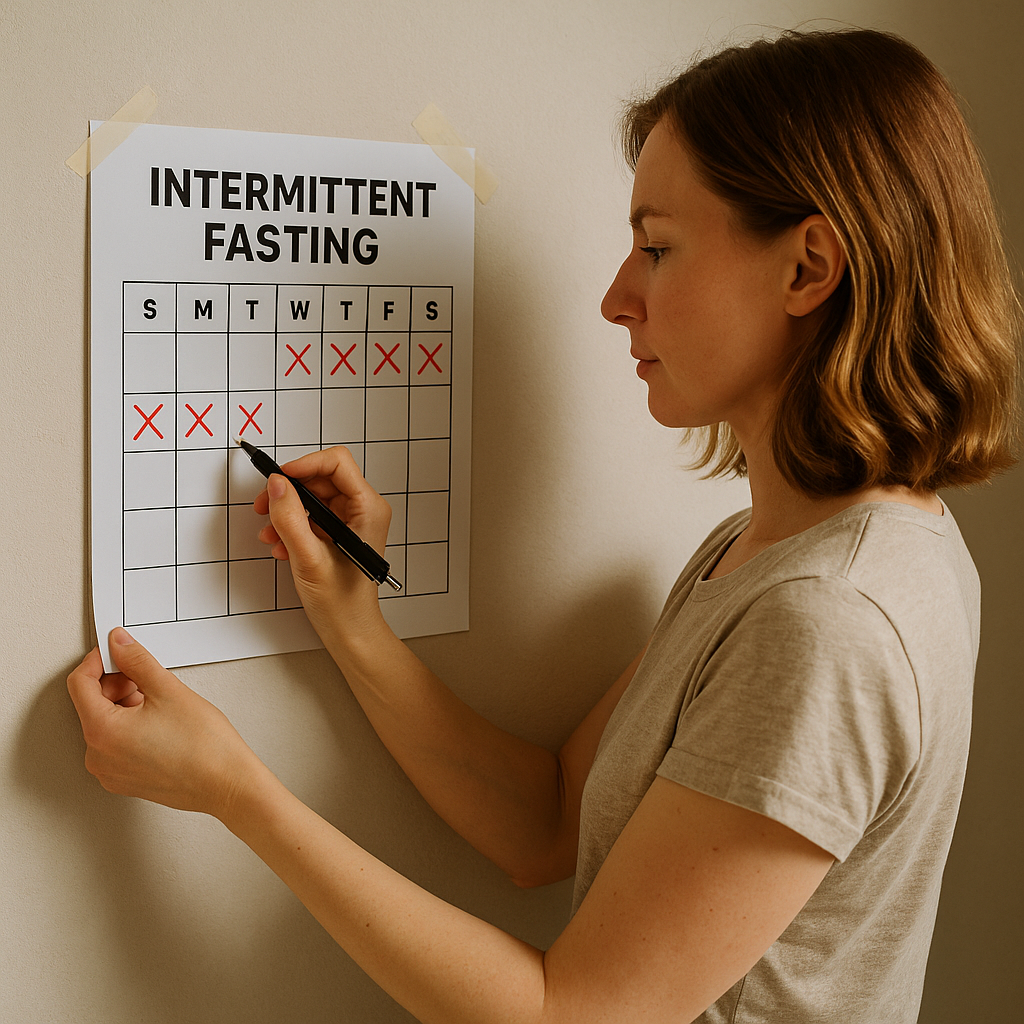
Ayurvedic Perspective: Is Fasting Good for Health?
Now that we’ve looked at modern science, let’s shift gears a little and explore how Ayurveda—India’s ancient system of healing—answers the question: is intermittent fasting good for health? Spoiler alert: the answer isn’t a simple yes or no. Ayurveda is all about balance, and that balance is unique to each person.
How Ayurveda Views Fasting for Digestive Health
According to Ayurveda, our digestion—known as Agni, or the digestive fire—is central to our overall health. If Agni is strong, we feel light, energized, and mentally clear. If it’s weak or overloaded, we feel bloated, tired, or foggy. Fasting, done mindfully, gives the digestive fire time to rekindle and burn away Ama (toxins).
But it’s not just about skipping meals. Fasting in Ayurveda is a deliberate act. It’s about creating space—for the body to process, for the mind to settle, and for healing to happen. So, while intermittent fasting is good for health, it needs to be done according to your body's needs, not just the latest TikTok trend.
Some Ayurvedic texts recommend simple mono-diets during fasts—like a day of warm liquids or kichari (a rice-lentil dish)—rather than total abstinence. This is especially helpful for people who can't tolerate full fasts but still want the fasting health benefits.
Aligning Fasting with Doshas: Vata, Pitta, and Kapha Considerations
In Ayurveda, every person has a unique constitution—or dosha—made up of Vata (air/space), Pitta (fire/water), and Kapha (earth/water). Each dosha responds differently to fasting:
-
Vata-types are light, quick, and prone to anxiety. Too much fasting can unbalance them, leading to restlessness or weakness. Gentle fasting is best—maybe 12-hour fasts or early dinners.
-
Pitta-types are fiery, intense, and have strong digestion. They usually handle intermittent fasting well but may become irritable if it’s too extreme. Cooling, hydrating foods during the eating window help.
-
Kapha-types are heavy, grounded, and slow to digest. They often benefit the most from fasting. Skipping breakfast or longer fasting windows (like 16:8) can be beneficial for them.
So yes, intermittent fasting is good for health—but only if it supports your doshic balance. Otherwise, it can actually cause more harm than good. That’s one reason blanket advice doesn't work for everyone.
Intermittent Fasting Is Good for Health — But for Whom?
Let’s be real—not everyone should fast the same way. Pregnant women, people with eating disorders, those with chronic illnesses or who are underweight may actually experience negative effects from fasting. Ayurveda emphasizes listening to your body, not forcing it into rigid patterns.
Ask yourself: Do I feel energized after a fast, or drained? Am I using fasting as a tool for health—or as a way to punish myself for eating “bad”? The mindset matters. In both Ayurveda and modern wellness, intention shapes outcome.
Fasting is not a trend—it’s a lifestyle choice. One that should feel nourishing, not restrictive. That’s a subtle but important difference.

How Much Fasting Is Good for Health and How to Start Safely
So, you're convinced of the health benefits of intermittent fasting—or at least curious enough to give it a try. But you might be wondering, how much fasting is good for health without going overboard?
The truth is, there's no perfect formula. The best fasting routine is the one that fits your life, supports your goals, and feels sustainable. For most beginners, starting with a 12-hour fast (like 7pm to 7am) is a gentle and effective way to dip your toes in. As your body adapts, you can stretch it to 14 or even 16 hours.
Here are a few quick-start tips to keep it safe and manageable:
-
Hydrate. Drink plenty of water, herbal teas, or warm lemon water during fasting windows.
-
Don’t skip meals abruptly. Gradually ease into fasting. Sudden long fasts can stress your system—especially if your diet isn’t balanced yet.
-
Break your fast with ease. Avoid heavy, greasy foods right after fasting. Try nourishing soups, fruits, or whole grains.
-
Listen to your body. Feeling dizzy, shaky, or exhausted? Your body may need a shorter fast or a different method.
If you're combining modern fasting with Ayurvedic principles, consider seasonal changes too. Ayurveda says fasting during spring (Kapha season) is most effective, while winter or late fall may require more nourishment and care.
Fasting should leave you feeling more alive, not depleted. And if it doesn’t, that’s your cue to pivot.
Conclusion
So, is intermittent fasting good for health? Absolutely—but only when done with mindfulness, flexibility, and awareness of your unique body. The intermittent fasting health benefits are real: from weight management and detox to better energy and clearer thinking.
Modern science and Ayurveda both agree: strategic fasting gives your body a reset. Whether you follow a 16:8 pattern or a more intuitive eating window, the key is to listen. The goal isn’t perfection—it’s balance.
As with any lifestyle change, consistency beats intensity. If you're curious, start slow. See how your body responds. Make adjustments. And don’t be afraid to ask for support—from a practitioner, a health coach, or even a good ol’ fasting buddy.
Most importantly? Share your journey. Talk about it, post about it, journal it—because when done right, fasting isn’t just good for your health, it’s a lifestyle that can inspire others too.
स्वयं दवा न लें और प्रतीक्षा न करें। अभी डॉक्टर से चैट शुरू करें
FAQs
Is intermittent fasting good for everyone?
Not necessarily. While fasting benefits for health are widely documented, it’s not suitable for everyone. People with certain health conditions, children, pregnant or breastfeeding women, or those with a history of disordered eating should avoid it—or at least consult a professional first.
How does Ayurveda view intermittent fasting?
Ayurveda sees fasting as a way to kindle digestive fire (Agni) and remove toxins (Ama), but it should be customized based on your dosha, season, and current health state.
Can fasting improve digestion and energy?
Yes! When done mindfully, fasting gives the digestive system a break and supports energy clarity, better metabolism, and reduced bloating. That said, over-fasting or doing it with poor nutrition can backfire.
How much fasting is good for health according to Ayurveda?
It depends. Ayurveda favors gentle, consistent fasting like skipping dinner occasionally or eating during daylight hours. It recommends avoiding harsh or long fasts, especially for people with Vata imbalance.
उपयोगकर्ताओं के प्रश्न
How can intermittent fasting affect sleep patterns and quality?
Client_9bfbda
1 दिन पहले
Intermittent fasting can impact sleep patterns in both positive and negative ways. Initially, some individuals may experience sleep disturbances or insomnia due to changes in meal times and hunger. However, fasting can eventually lead to improved sleep quality as the body's circadian rhythm adjusts. It typically takes a few weeks for sleep to stabilize. Nutrients like magnesium and valerian root can support sleep during this adjustment. If sleep issues persist beyond a few weeks, it is advisable to consult a healthcare provider to explore other underlying causes.
What foods are best to consume after breaking a fast?
Client_d637ff
6 दिनों पहले
After breaking a fast, it is best to start with easily digestible foods such as nourishing soups, fresh fruits, or whole grains. These foods help gently reactivate your digestive system without overwhelming it. Avoid heavy, oily, or highly processed foods immediately after fasting, as they can cause digestive discomfort. Depending on the length and intensity of your fast, it may take your body a few days to fully adjust back to regular eating patterns. If you experience persistent dizziness, fatigue, or digestive issues, consider consulting a healthcare professional.
How does intermittent fasting influence energy levels throughout the day?
Client_1f6f82
11 दिनों पहले
Intermittent fasting can influence energy levels in various ways depending on the individual. Some people experience increased energy and focus as their body adapts to using stored fat for fuel, which typically takes a few days to weeks. However, others may feel fatigued or sluggish, especially if they are not consuming enough calories or nutrients. It's important to watch for signs of excessive tiredness, irritability, or dizziness, and consult a doctor if these symptoms persist. Be mindful to adjust fasting methods for personal lifestyle and nutritional needs.
What are the different intermittent fasting schedules to follow?
Client_bc20c9
21 दिनों पहले
Intermittent fasting schedules vary widely, allowing you to choose one that fits your lifestyle and health goals. The 16/8 method is popular, involving 16 hours of fasting and an 8-hour eating window each day. Another is the 5:2 method, where you eat normally five days a week and limit calories to around 500-600 on two non-consecutive days. The Eat-Stop-Eat approach involves a 24-hour fast once or twice a week, while alternate-day fasting has you eating normally one day and fasting or consuming minimal calories the next. Watch for signs of fatigue or nutrient deficiencies, and consult a doctor if you have existing health conditions.
Can intermittent fasting improve mood and emotional well-being?
Client_270f09
31 दिनों पहले
Intermittent fasting can potentially improve mood and emotional well-being for some individuals. Research suggests that it may enhance brain health, support mental clarity, and reduce stress levels due to improved metabolic health and inflammation reduction. However, the effects can vary depending on the individual, with some experiencing negative emotions or increased irritability. It's essential to start slowly and monitor how your body responds. Consult a healthcare professional if you experience any adverse effects or if you have underlying health conditions.
How does intermittent fasting impact hydration and electrolyte balance?
Client_80a6e1
40 दिनों पहले
Intermittent fasting can affect hydration and electrolyte balance since you're abstaining from food and drinks for extended periods. Ensuring adequate water intake during eating windows is crucial to prevent dehydration. Electrolytes, crucial for nerve and muscle function, can also be affected. Consuming foods rich in potassium, magnesium, and sodium, or using electrolyte supplements, can help maintain balance. Signs of imbalance include fatigue, dizziness, and muscle cramps. If these occur or persist, consult a healthcare professional. Adjust your fasting routine if engaging in heavy physical activity or if you experience extreme thirst or weakness.
How does intermittent fasting affect digestion and gut health?
Client_63738f
50 दिनों पहले
Intermittent fasting can positively affect digestion and gut health by promoting beneficial gut bacteria, improving gut motility, and reducing inflammation. Many people practice methods like the 16:8 schedule, which involves fasting for 16 hours and eating during an 8-hour window. Benefits can manifest over a few weeks, but responses vary. Watch for adverse effects like fatigue or irritability. If you have health issues like diabetes or digestive disorders, consult your doctor before starting. Ayurveda suggests supporting digestion with easy-to-digest foods when breaking fasts.
What is the impact of intermittent fasting on brain health and cognitive function?
Client_2252ed
60 दिनों पहले
Intermittent fasting can positively impact brain health by promoting mental clarity and reducing risks of age-related diseases. It's like giving your brain some space to breathe. But it's important to fast with mindfulness and adapt it to your body's needs. Focusing on keeping your agni strong during fasting helps maintain that mental sharpness too!
Can I use warm liquids as a meal option while intermittent fasting?
Client_1cdebb
69 दिनों पहले
Using warm liquids during intermittent fasting can be beneficial! It’s like giving your digestion a break while still nourishing your system. For some, warm herbal teas, light broths, or even a simple spiced water might be perfect. Just make sure they align with your dosha and don’t trigger hunger or digestive upset.
What is the best way to break a fast according to Ayurvedic principles?
Client_3e9621
78 दिनों पहले
To break a fast in line with Ayurvedic principles, start with something light and easy to digest—like warm, spiced water or diluted fruit juice, followed by simple foods like rice, khichdi or moong soup. Pay attention to your dosha; Vata might prefer more grounding, warm foods, while Pitta might need cooling, soothing options. Kapha could benefit from something invigorating and light. Basically, slowly ease your digestion back into action!
संबंधित आलेख

Nutrition
Vitamin D in Ayurveda – Natural Ways to Enhance Vitamin D Levels for Optimal Health
Explore Ayurvedic perspectives on Vitamin D, its importance for overall health, and natural remedies and lifestyle practices to enhance Vitamin D levels and support bone, immune, and mental health.
8,210

Nutrition
How to Stay Hydrated in Summer: Ayurvedic Guide
Learn how to stay hydrated in summer with Ayurvedic tips, hydrating foods, and body hydration practices. Discover ways to control dehydration naturally
2,329

Nutrition
Can Cucumber Cause Gas and Bloating?
Discover if cucumber can cause gas or bloating, why it affects digestion, and its role in IBS. Learn Ayurvedic tips and safe combinations to enjoy cucumber
14,269

Nutrition
Ayurvedic Diet: Eat for Balance, Energy, and Well-Being
Explore the Ayurvedic diet: how to eat for your dosha, enjoy easy Ayurvedic meals, and improve digestion, energy, and balance with this holistic nutrition approach
2,283

Nutrition
मैगी में कितनी कैलोरी: पोषण, स्वास्थ्य, और आयुर्वेदिक दृष्टिकोण
जानें कि मैगी नूडल्स में कितनी कैलोरी होती है, क्या यह सेहतमंद है, और यह आपके डाइट में कैसे फिट बैठता है। देखें मैगी के पोषण संबंधी तथ्य, फायदे और नुकसान।
27,537

Nutrition
क्या गुलाबी नमक सेहत के लिए फायदेमंद है? फायदे, साइड इफेक्ट्स और आयुर्वेदिक दृष्टिकोण
क्या गुलाबी नमक सेहत के लिए अच्छा है? जानें इसके फायदे, साइड इफेक्ट्स और सामान्य नमक से अंतर। आयुर्वेदिक उपयोग, गुलाबी नमक का पानी और वजन घटाने के बारे में भी जानें।
8,112

Nutrition
पतंजलि एप्पल साइडर विनेगर
पतनजलि एप्पल साइडर विनेगर की खोज
4,407

Nutrition
वजन घटाने के लिए दालचीनी चाय कैसे बनाएं: रेसिपी और फायदे
दालचीनी चाय की ताकत का उपयोग करें प्राकृतिक वजन घटाने और मेटाबॉलिज्म बढ़ाने के लिए
8,060

Nutrition
How to Make Fennel Water: Ayurvedic Recipe, Benefits, and Daily Use
How to make fennel water? Learn the simple recipe, how to drink fennel water for weight loss, and the benefits of drinking fennel seeds water daily
8,972

Nutrition
What Is Cajun Spice? Meaning, Blend, and Culinary Uses
What is cajun spice? Learn the meaning, origin, ingredients, and uses of cajun spice mix. Discover how this bold seasoning blend is made and where it’s used
4,849
विषय से संबंधित परामर्श
अतिरिक्त दस्तावेज़
© 2024 Ask Ayurveda. सर्वाधिकार सुरक्षित।