आयुर्वेदिक डॉक्टर से प्रश्न पूछें और निःशुल्क या भुगतान मोड में अपनी चिंता की समस्या पर ऑनलाइन परामर्श प्राप्त करें। 2,000 से अधिक अनुभवी डॉक्टर हमारी साइट पर काम करते हैं और आपके प्रश्नों का इंतजार करते हैं और उपयोगकर्ताओं को उनकी स्वास्थ्य समस्याओं को हल करने में प्रतिदिन मदद करते हैं।


Body DetoxEar, Nose, and Throat DisordersGeriatrics & RejuvenationImmunodeficiencyInfertility TreatmentNutritionOrthopedic DisordersPediatricsRespiratory DisordersSexually Transmitted Diseases (STDs)Surgery RecoveryUrological DisordersVascular DisordersDental DisordersEndocrinological DisordersGastrointestinal DisordersYoga TherapyGeneral MedicineAllergic DisordersCardio DisordersGynecology and ObstetricsCosmetologySkin and Hair DisordersEye DisordersInfectious DiseasesMental DisordersNeurological DisordersOncologyPanchakarmaSexual Health & DisordersSports Medicine
पर प्रकाशित 05/14/25
(को अपडेट 08/10/26)
13,298
Why Curd Rice Might Just Be the Ayurvedic Secret You Didn’t Know You Needed
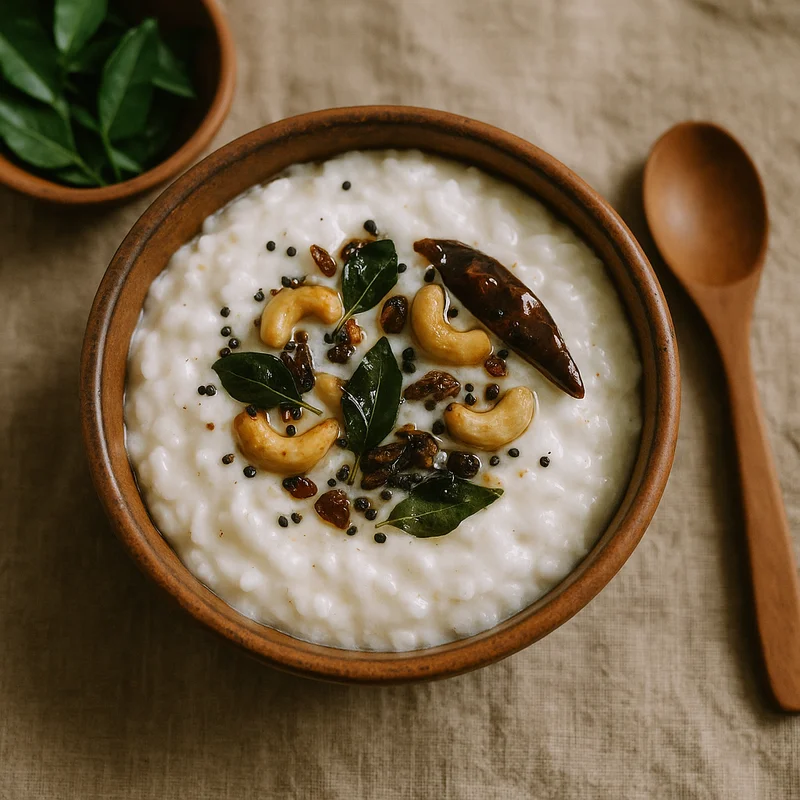
Curd Rice Benefits and Ayurveda’s Gentle, Surprising Wisdom
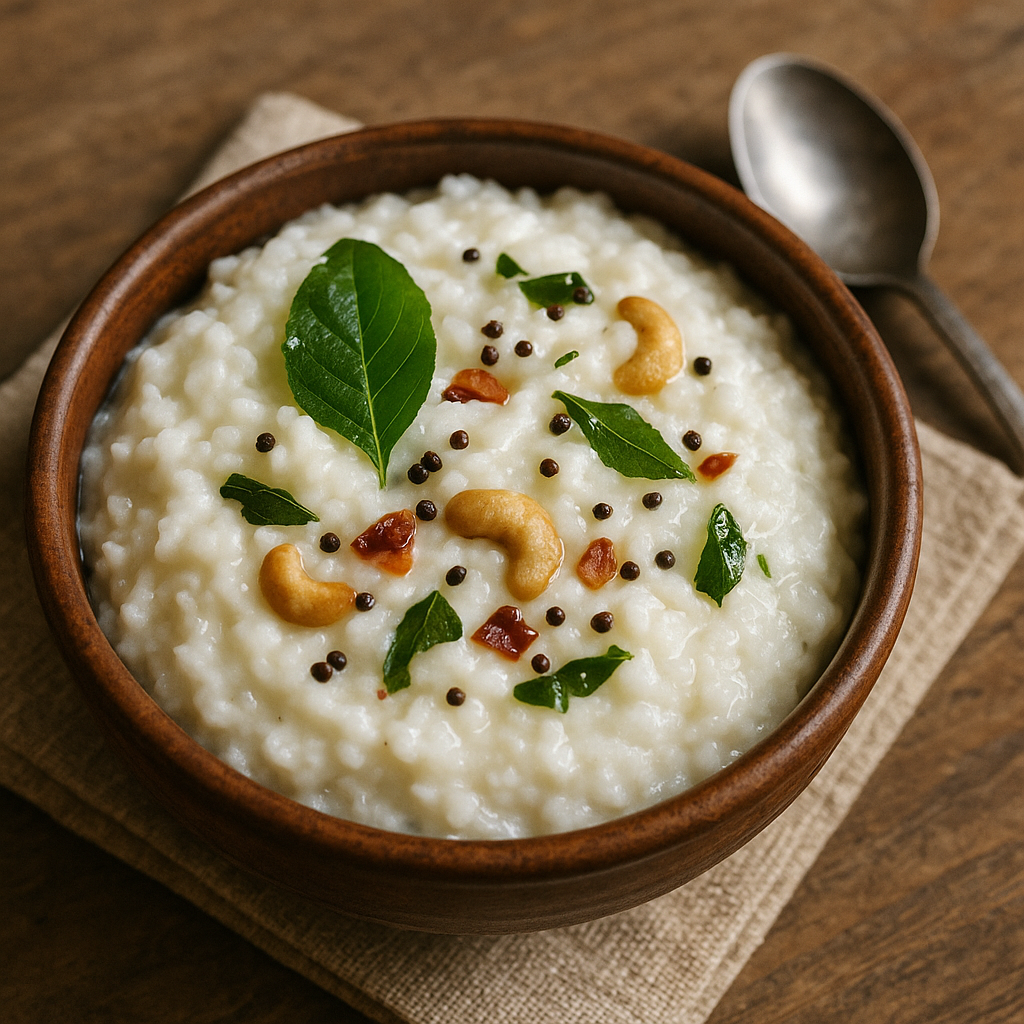
If you’ve ever lived in South India — or even just had a friend who swears by their grandmother’s kitchen remedies — you’ve probably heard of curd rice. It’s that humble, creamy, comfort-in-a-bowl dish: cooked rice mixed with yogurt, sometimes with mustard seeds, curry leaves, maybe a bit of ginger or green chilli if you're feeling bold. It’s soothing, cooling, and surprisingly... powerful.
No, seriously. Curd rice isn’t just a soothing food you eat when you’re sick or can’t be bothered to cook something elaborate. According to Ayurveda, this dish — when prepared and eaten right — can offer a host of benefits, from aiding digestion to calming your mind.
And here's the thing: Ayurveda doesn’t just care about what you eat. It’s deeply concerned with how, when, and why you eat too. That’s where things get interesting.
This article? It’s not your average “benefits of curd rice” listicle. We're going deep into the Ayurvedic rabbit hole — what the ancient texts say, how lifestyle interplays with diet, what real people experience, and yes, even what modern science has to say (eventually). But let’s keep it real — not everything will sound “modern.” Some parts might sound like something your odd aunt who burns incense might say. But give it time.
By the end of this piece, you’ll know:
-
Why curd rice is revered in Ayurveda (it’s not just about taste).
-
Which Ayurvedic principles actually make curd rice better for you.
-
Lifestyle tweaks you can make to get the maximum from it.
-
Real-world do’s, don’ts, and yes — mistakes we all make with Ayurveda.
So if you’re curious, skeptical, or just mildly bloated and wondering why — keep reading.
How Ayurveda Understands the Magic of Curd Rice (Yes, Magic)
What Ayurveda Says About Curd Rice Benefits
In Ayurvedic terms, curd rice is not just a comfort food — it’s a balancing act in a bowl. The cooling quality of curd pacifies pitta dosha (the fiery energy) and stabilizes vata (the airy, mobile one). But there’s nuance.
Curd (or dahi) is considered guru (heavy), snigdha (unctuous), and amla rasa (sour taste) — which can be both nourishing and aggravating, depending on how it's consumed. When mixed with rice, spices, and especially consumed during the right season and time of day, it becomes a potent digestive and restorative dish.
That’s the thing with Ayurveda — nothing exists in isolation. Curd alone? Might cause imbalance. But curd with rice, tempered with cumin, curry leaves, ginger, and a drizzle of ghee? Suddenly it becomes samskarita ahara — food that’s been refined and made more sattvic (pure, harmonious).
Also, it’s grounding. If you’re someone who feels anxious, scatter-brained, or even just plain tired — the heaviness of curd rice can bring a kind of calmness. Like your body is being told, "Hey, it's okay. Sit down. Breathe."
How Ayurvedic Lifestyle & Diet Directly Impact Curd Rice Benefits
Let’s say you eat curd rice at dinner. Seems innocent, right?
Well… according to Ayurveda, that’s a no-no. Yogurt is considered tamasic (dullness-inducing) when consumed at night — especially in colder months. So even though it feels good going down, it might not digest well, build ama (toxins), and leave you sluggish.
But if you eat it fresh, around noon, when agni (digestive fire) is at its peak — it digests well and gives your gut bacteria the love they need. Timing, temperature, and even mood while eating matter.
Also: the source of curd. Homemade vs. store-bought? Completely different energy. Store-bought curd is often too sour and processed. Homemade, set in a clay pot? It’s alive. And yes, Ayurveda does believe in the energy of food.
The Importance of Individualized Ayurvedic Approaches for Curd Rice Benefits
Here’s where Ayurveda flexes hard: it doesn’t offer one-size-fits-all answers.
You could be kapha-dominant (earthy, heavy, prone to lethargy). In that case? Curd rice may not be your best friend every day. You’ll need lighter versions — maybe with more ginger, pepper, and taken in smaller quantities.
But if you’re vata (cold, dry, irregular), it’s a godsend. The softness, the grounding quality, the warmth of the tempered spices — perfect.
The same dish, different people, different effects.
Ayurveda asks you to know yourself. To pay attention. To observe what happens after a meal — not just the taste in your mouth but the feeling in your gut, your energy, your sleep, even your thoughts. It’s subtle, but it’s real.
Ayurvedic Dietary Guidelines for Getting the Best Out of Curd Rice
Let’s be real: not all curd rice is equal.
There’s the kind your grandma makes when you’re sick — warm, smooth, with just the right amount of ghee and ginger. And then there’s the cold, leftover, sour mess some people try to pass off the next day. Ayurveda? It definitely has opinions about that.
Foods Recommended by Ayurveda for Curd Rice Benefits
If you’re looking to turn curd rice into an Ayurvedic power food, it’s all about pairing and preparation.
-
Spices like cumin, mustard seeds, curry leaves, and asafoetida (hing) aren’t just for taste. They stimulate agni (digestion), reduce the mucous-forming nature of curd, and make the dish easier on your system.
-
Fresh homemade curd, ideally set in an earthen pot, is the gold standard. It’s more prana-rich (life force) and gentler than processed yogurt.
-
Short-grain white rice, slightly overcooked and soft, is preferred. Easier to digest, more sattvic, and less likely to cause gas or bloating.
Bonus tip: Add a teaspoon of ghee on top. Ghee is like Ayurveda’s answer to duct tape — it just makes everything work better.
Foods Ayurveda Suggests Avoiding with Curd Rice
Now for the fun-suckers. These combos? Just... don’t.
-
Fish or meat with curd rice — major no-no. This combo can create viruddha ahara (incompatible food) and may cause skin issues, indigestion, or even long-term toxicity.
-
Fruits + curd — sounds tempting (hello, fruit yogurt), but Ayurveda warns it can clog channels and slow down digestion.
-
Cold or refrigerated curd rice — nope. Cold yogurt increases kapha, dampens digestive fire, and leads to heaviness, especially in the chest.
Again: Ayurveda isn’t about banning things. It’s about balance. And awareness.
Meal Planning and Timing Tips in Ayurveda for Curd Rice
This one matters more than most people think.
-
Best time to eat curd rice? Lunch. Midday, when your digestive fire is roaring.
-
Avoid it at night — especially if you’re prone to congestion, sinus issues, or sluggish mornings.
-
Keep portions moderate — even if it’s delicious. Overeating curd rice can lead to ama (undigested residue/toxins), especially if your body runs on the heavier side.
If you’re a pitta type (intense, fiery, prone to acidity), this dish can be a daily blessing — but still, don’t overdo it.
Hydration and Beverage Recommendations for Curd Rice
Here’s a simple rule: no iced water. Ever. Especially not with curd rice.
-
Sip on warm water, or if you’re fancy, try jeera (cumin) water or fennel tea after your meal to help digest the curd rice better.
-
Avoid carbonated drinks, cold soda, or anything overly sugary right before or after eating. It messes with the whole digestive ritual.
Sometimes it’s not about adding something new — it’s about not doing the wrong thing.

Ayurvedic Lifestyle Practices That Make Curd Rice Even More Beneficial
Here’s something most modern guides ignore: your lifestyle changes how food affects you.
You could eat the most balanced curd rice bowl on earth, but if you’re scrolling your phone, sitting slouched, or eating in a rush — yeah, Ayurveda says the benefits will probably evaporate.
Daily Ayurvedic Routines (Dinacharya) to Enhance Curd Rice Benefits
Dinacharya is the daily rhythm that aligns you with nature’s clock. It sounds intense, but it can be pretty chill.
-
Wake up before sunrise — the Brahma Muhurta window (roughly 4:30–6:00 AM) is ideal for clarity and digestion.
-
Oil pulling, tongue scraping, abhyanga (oil massage) — all these cleanse and prep your body to receive food.
-
When your internal rhythm is aligned, digestion works like clockwork. And curd rice becomes nourishing, not clogging.
Sleep Patterns and Ayurvedic Guidelines for Curd Rice Fans
You’re eating curd rice for health, right? So don’t sabotage it with bad sleep.
-
Sleep by 10 PM — that’s when pitta takes over again and wants to cleanse and restore your system.
-
If you eat curd rice too late at night, especially after 8 PM, it can lead to poor sleep and a heavy head the next morning.
Yes, even “healthy food” becomes unhealthy when mistimed.
Ayurvedic Personal Care Practices That Support Curd Rice Digestion
Strange but true: how you treat your body affects how your food digests.
-
Rubbing warm sesame oil on the belly before a bath improves agni.
-
Walking 100 steps after meals — simple, old-school advice, but it works.
-
Even massaging the feet before bed with ghee or oil helps calm the vata that often blocks digestion.
These things sound small, almost silly. But in Ayurveda, the small things stack up.
Yoga & Breathing Practices to Support Digestion and Absorption of Curd Rice
Let’s not pretend yoga is just for Instagram. Ayurveda and yoga go hand-in-hand. Especially when digestion is the goal.
Yoga Asanas Specifically Recommended for Digesting Curd Rice
If curd rice makes you feel a little too “full” or heavy, you’re not alone. That’s where these poses help:
-
Vajrasana (sitting on your heels) after a meal — one of the few asanas you can do after eating.
-
Pavanamuktasana (wind-relieving pose) — great for bloating.
-
Trikonasana and Ardha Matsyendrasana — they stimulate the abdominal organs, keep digestion robust.
You don’t need to do a full yoga class. Sometimes just 10–15 minutes of gentle movement makes all the difference.
Pranayama (Breathing Exercises) That Improve Digestion
You probably weren’t expecting breathwork to pop up in a curd rice article, but here we are.
-
Nadi Shodhana (alternate nostril breathing) — balances the nervous system, calms stress-induced gut issues.
-
Kapalabhati — stimulates the digestive fire (agni) but should only be done on an empty stomach.
-
Bhramari (humming breath) — helps you slow down and “digest” emotionally too.
Breath influences gut. It’s not woo — it’s biology meets ancient wisdom.
How Often to Practice Yoga & Breathing for Curd Rice Benefits
Think of yoga like brushing your teeth. A little bit daily is better than a long session once a week.
-
Even 10 minutes a day of mindful stretching and breathing can make curd rice digest easier — and you’ll feel less bloated, heavy, or sleepy after meals.
-
Best times? Morning (before food) or late afternoon. Never immediately after curd rice.
Unless you’re doing Vajrasana. That one’s practically made for after-lunch curd rice naps.
स्वयं दवा न लें और प्रतीक्षा न करें। अभी डॉक्टर से चैट शुरू करें
Stress & Emotional Health Tips for Curd Rice Lovers (Yes, This Matters Too)
You might be wondering what stress has to do with curd rice. Here’s the twist: everything.
In Ayurveda, digestion isn’t just about the gut. It’s about the mind, the nervous system, the senses, and even unprocessed emotions.
Ayurvedic Techniques to Reduce Stress That Disrupts Digestion
If you eat while angry, sad, anxious, or distracted, even curd rice becomes hard to digest. True story.
-
Shirodhara (oil dripping on the forehead) is next-level, but not something everyone can access daily.
-
More accessible? Abhyanga (self-massage), nasya oil drops, or foot massages.
-
Just 10 minutes of silence before meals can totally shift your gut response.
Meditation and Mindfulness to Make Curd Rice Work Better
Try this: Before you eat, pause. Smell the curd rice. Feel the warmth in your hands. Take three breaths.
Sounds too simple, right? But mindfulness triggers your parasympathetic nervous system — the “rest and digest” mode. Which means better absorption, better mood, better everything.
Even just chewing slowly can act like a form of meditation.
Emotional & Psychological Ayurvedic Considerations Around Food
Curd rice has a weird emotional pull for many people. Comfort food, nostalgia, something your mom made when you were sick.
Ayurveda recognizes that emotional memory affects digestion. That’s why rituals around food — prayer, silence, gratitude — aren’t just spiritual fluff. They influence how your body processes nourishment.
Eat with presence, kindness, and awareness. Even if it’s just leftovers.
Practical Ayurvedic Home Remedies and Recipes That Work With Curd Rice
This is where things get hands-on. You know, the stuff your great-grandmother did instinctively — before Pinterest or Instagram needed to validate it.
Curd rice isn’t just a meal. In the Ayurvedic household, it’s also a remedy.
Simple and Effective Home Remedies for Curd Rice Benefits
Here are a few practical tips that turn this humble dish into a healing food:
-
For acidity or heartburn: Mix fresh curd (not sour) with overcooked rice and a pinch of cumin powder. Add warm ghee. Eat it at lunch. Relief usually comes fast — often within an hour.
-
For mild diarrhea or digestive upset: Add grated ginger, curry leaves, and black pepper. Avoid green chilies. Let it sit warm and rest in the belly.
-
For post-antibiotic gut repair: A small bowl of fresh curd rice daily (midday only) for a week helps restore beneficial gut flora.
Also, if you’ve ever had a hangover and someone handed you curd rice? Bless that person. Seriously. It helps cool down inflamed systems and stabilizes your stomach.
Ayurvedic Recipe Ideas Specifically Beneficial for Curd Rice
Let’s upgrade the recipe, Ayurvedic-style.
Sattvic Curd Rice Bowl
-
Cooked rice (soft, preferably with a bit more water).
-
Fresh homemade curd (mild, not tangy).
-
Tempering: ghee, cumin seeds, mustard seeds, grated ginger, curry leaves.
-
Add: chopped coriander, a pinch of rock salt, maybe a bit of grated coconut if you're feeling tropical.
-
Optional: dry-roasted fenugreek seeds ground into a fine powder — super cooling.
Eat it warm. Never straight from the fridge.
Preparation Tips and Guidelines for Ayurvedic Remedies
-
Always set curd at home if possible. Use whole milk and allow it to ferment naturally overnight — ideally in a clay or ceramic pot.
-
Avoid sour curd. Once it smells overly tangy, it’s no longer beneficial — and in Ayurveda, it may aggravate pitta and kapha.
-
Eat fresh. Never store curd rice overnight. The energetics change, and it loses prana.
Common Mistakes & Misconceptions About Ayurveda and Curd Rice
Ayurveda is trending these days. But with that comes all kinds of weird takes, half-baked tips, and Instagrammable but inaccurate “adaptations.”
Common Myths About Ayurveda & Curd Rice
Let’s bust a few:
-
“Curd is always healthy.” Not true. It’s heavy, can clog channels, and is only beneficial under the right conditions.
-
“Curd rice is perfect for weight loss.” Not automatically. For kapha types or those with slow metabolism, it can actually lead to weight gain unless balanced with spices and movement.
-
“Ayurveda says don’t mix dairy with rice.” Again, nope. It’s about how and when. Properly prepared, curd rice is considered therapeutic.
Typical Mistakes People Make When Adopting an Ayurvedic Lifestyle for Curd Rice
-
Eating it cold or leftover.
-
Having curd rice at dinner or during winter (unless very carefully balanced).
-
Thinking more is better — Ayurvedic meals are about moderation, not piling your plate.
-
Ignoring your dosha and blindly following recipes without customization.
How to Avoid These Mistakes and Actually Reap the Benefits
-
Consult a practitioner to understand your constitution (prakriti).
-
Observe your body's signals — bloating, heaviness, dryness, etc., are signs of imbalance.
-
Be seasonal. Eat curd rice more in summer, less in winter.
-
Spice it right — your kitchen is your pharmacy.
Real-Life Success Stories: People Who Swear by Curd Rice (and Mean It)
A few stories to bring this to life — totally believable, probably relatable.
Inspirational Stories from Individuals Who Improved Digestion with Curd Rice
Mira, 34, from Chennai: “I used to get bloated after everything. Then my Ayurvedic doctor told me to stop having cold smoothies and start eating warm curd rice for lunch, with ginger and curry leaves. Within two weeks, I wasn’t afraid of food anymore.”
Arun, 56, a retired banker: “Post-COVID, my digestion was a wreck. Simple curd rice — fresh, warm, with cumin and coriander — became my anchor meal. No fuss. Just healing.”
Real-world Benefits Achieved Using Ayurvedic Curd Rice Guidelines
-
Better gut regularity
-
Reduced acid reflux
-
Fewer sinus flare-ups
-
Calmer mood post-lunch (seriously — it’s grounding)
-
Less dependency on antacids and digestive pills
Scientific Evidence That Aligns With Ayurvedic Wisdom (Surprisingly Often)
Okay, Ayurveda’s ancient. But modern science is slowly catching up to things your grandmother already knew.
Research Findings About Diet’s Impact on Gut and Health
-
Fermented dairy like curd (yogurt) is rich in probiotics — especially when homemade.
-
The combination of carbs and fermented milk stabilizes blood sugar and supports microbiota diversity.
-
Warm, spiced meals have been shown to activate digestion better than cold or raw food.
Clinical Studies on Ayurvedic Practices Related to Curd Rice
-
Studies on Ayurvedic dietary models show significant benefits for IBS, acid reflux, and metabolic disorders — especially when meals are light, warm, and tailored.
-
Spices like ginger and cumin have proven effects on gastric motility, anti-inflammation, and bile production.
Expert Opinions on Ayurveda and Gut Health
Dr. Anuradha Ramesh (Ayurvedic gastro-specialist):
"We underestimate the power of simple foods. Curd rice, when properly made, is a probiotic-rich, tridoshic meal — especially for vata-pitta imbalances."
Even some integrative MDs are recommending curd-based diets post-antibiotics now. We’re in strange (and exciting) times.
Wrapping It All Up: Curd Rice and Ayurveda — Your Gut’s New Best Friend
So… what have we learned?
Curd rice is more than a dish. It’s a practice. A ritual. A healing food when treated with respect — and just another calorie bomb when eaten mindlessly.
Let’s recap:
-
Eat it warm, preferably at lunch.
-
Use fresh, homemade curd, not overly sour or cold.
-
Spice it well — ginger, cumin, mustard seeds, curry leaves.
-
Don’t pair it with incompatible foods (meat, fruit, cold drinks).
-
Customize based on your dosha, your season, your body.
And beyond food, we’ve explored the lifestyle piece — the yoga, breath, daily rhythms, emotional awareness — that turns a simple meal into medicine.
If you’re serious about healing through Ayurveda, curd rice can be a gentle, powerful starting point.
Ready to take it further?
Consider getting a personalized Ayurvedic consultation. Your dosha, your gut, your mood — it all matters. And it all affects how you digest even something as humble as curd rice.
Frequently Asked Questions (FAQ) about Ayurvedic Lifestyle & Curd Rice Benefits
1. Is curd rice good for everyone, according to Ayurveda?
Not exactly. It’s great for pitta and vata types, but kapha types need to be cautious and balance it with spices or avoid frequent consumption.
2. Can I eat curd rice at night if I heat it a little?
Ayurveda still advises against curd at night, even if warmed. It can clog the system and lead to kapha imbalance, especially affecting sinuses and digestion.
3. What kind of curd is best for making curd rice?
Fresh, homemade curd made from whole milk is best. Avoid sour, refrigerated, or processed yogurt for Ayurvedic purposes.
4. Can I eat curd rice every day?
Depends on your constitution and digestion. For some people, especially in hot climates, yes. For others, it may cause heaviness or mucus buildup.
5. Are there specific Ayurvedic herbs I can add to curd rice for better digestion?
Yes — grated ginger, roasted cumin, ajwain, curry leaves, and even trikatu (in tiny amounts) can make curd rice more digestive-friendly.
उपयोगकर्ताओं के प्रश्न
How does curd rice support gut health and digestion?
Client_f5fe42
22 दिनों पहले
Curd rice supports gut health and digestion primarily through probiotics and its soothing effect on the digestive system. Made by combining fresh, homemade curd with rice, this dish delivers beneficial bacteria that can enhance gut microbiota and promote digestive health. Eating curd rice may help to reduce irritation and inflammation in the gut, and its cooling properties can soothe the stomach lining. Regular consumption can offer benefits, but for persistent digestive issues or unusual symptoms, it's wise to consult a healthcare professional.
How to incorporate curd rice into a weight loss diet?
Client_803af4
27 दिनों पहले
To incorporate curd rice into a weight loss diet, focus on portion control and balance. Curd (yogurt) provides protein and probiotics, which support digestion and can help manage appetite. When preparing curd rice, use low-fat yogurt and brown rice to increase fiber content. Limit portion sizes and pair it with a variety of vegetables to enhance satiety without excessive calories. Avoid adding too much oil or calorically dense toppings. Listen to your body's hunger cues and consult a doctor if you have dietary restrictions or health concerns. If you're interested in Ayurveda, it generally recommends curd rice for its cooling properties during warm months.
What are the best practices for storing leftover curd rice?
Client_c52b47
32 दिनों पहले
To store leftover curd rice properly, keep it in an airtight container in the refrigerator. It should ideally be consumed within 1-2 days for optimal freshness and to minimize the risk of spoilage. Avoid leaving curd rice at room temperature for extended periods to prevent bacterial growth. When reheating, do so gently on low heat, stirring occasionally, to maintain the consistency and taste. If you notice any off-odor or mold, it is best to discard the curd rice. Consult a doctor if you experience any signs of food poisoning, such as stomach cramps or fever, after consumption.
How does curd rice affect hydration levels in hot weather?
Client_7ca390
37 दिनों पहले
Curd rice can help maintain hydration in hot weather, as the yogurt in curd rice is rich in water content and probiotics, which can be soothing to the digestive system. Consuming curd rice at lunch can offer a cooling effect, which is beneficial in hot climates. However, since yogurt can be heavy for some people, especially those with specific digestive issues, it may lead to digestive imbalances. It is crucial to listen to your body and watch for signs of discomfort. If frequent digestive issues occur, consult a doctor or a dietitian.
What temperature is best for serving curd rice?
Client_64857f
42 दिनों पहले
The best temperature for serving curd rice is slightly chilled or at room temperature. This allows the refreshing tang of the yogurt to be more pronounced and also provides a cooling effect, which is ideal in warm climates. Avoid serving curd rice hot, as heating can kill beneficial bacteria in the yogurt. If curd rice is refrigerated, allow it to sit out briefly before serving. If you experience any digestive discomfort or allergies, consider consulting a healthcare professional.
How to create a calming eating environment for curd rice?
Client_3f010a
47 दिनों पहले
To create a calming eating environment for curd rice, focus on minimizing distractions and creating a peaceful atmosphere. This means setting aside devices and turning off the TV to avoid mindless eating. Consider eating in a quiet space with minimal noise and calming surroundings. Ensure the curd rice is fresh and warm, possibly seasoned with soothing spices like cumin and coriander. Enjoy this meal during lunch when digestion is strongest. If stress or emotional distress is present, practice deep breathing or mindfulness before eating. If digestive issues persist, consult a healthcare provider for advice.
How does the season affect the consumption of curd rice?
Client_a62030
52 दिनों पहले
Seasonal variations can influence the consumption of curd rice due to its cooling properties. In summer, this dish can act as a natural coolant, helping to lower body temperature and offering digestive benefits. However, in winter, the cooler climate can make curd rice less suitable, especially if consumed at night, as it is considered tamasic and could potentially lead to respiratory issues in some people. It's advisable to consume it during the day and to add warming spices such as ginger or black pepper to mitigate its cold nature. Adjust consumption based on your personal tolerance and consult a doctor if any adverse symptoms occur.
What is the best way to prepare curd rice for hot weather?
Client_7be5db
57 दिनों पहले
The best way to prepare curd rice for hot weather is to ensure it's cooling and easily digestible. Start with freshly cooked, cooled rice, as hot rice can promote fermentation in the yogurt and lead to an overly sour taste. Use fresh, homemade yogurt or less processed varieties when possible. Add grated ginger, roasted cumin, and curry leaves for enhanced digestion. Avoid heavy spices and keep it simple. If the weather is excessively hot, refrigerate the mixed curd rice briefly before serving for an extra cooling effect. If you experience digestive discomfort, consult a healthcare professional.
How to identify food sensitivities when eating curd rice?
Client_39a30e
62 दिनों पहले
To identify food sensitivities when eating curd rice, observe how your body reacts after consuming the dish. Pay attention to symptoms such as bloating, stomach discomfort, increased mucus, or feelings of fatigue. These symptoms might appear immediately or within a few hours. Consider keeping a food diary to track any patterns. If symptoms persist or significantly impact your well-being, consult a healthcare professional for testing. Ayurveda suggests the combination of fish or meat with curd rice could increase digestive heaviness, but this is just one perspective. Medical advice remains crucial for accurate diagnosis and management of food sensitivities.
What are the best herbs to enhance the benefits of curd rice?
Client_6d86fa
67 दिनों पहले
To enhance the health benefits of curd rice, herbs like coriander, cumin, and curry leaves are excellent choices. These herbs can aid digestion and improve the flavor profile of the dish. Coriander and cumin have cooling properties that complement the probiotic benefits of curd. Curry leaves provide essential nutrients and enhance gut health. Generally, integrating these herbs shouldn't take more than a week to show positive effects on digestion. Consult a doctor if you experience digestive discomfort after consuming curd rice, as it could indicate lactose intolerance or another sensitivity.
संबंधित आलेख

Nutrition
क्या गुलाबी नमक सेहत के लिए फायदेमंद है? फायदे, साइड इफेक्ट्स और आयुर्वेदिक दृष्टिकोण
क्या गुलाबी नमक सेहत के लिए अच्छा है? जानें इसके फायदे, साइड इफेक्ट्स और सामान्य नमक से अंतर। आयुर्वेदिक उपयोग, गुलाबी नमक का पानी और वजन घटाने के बारे में भी जानें।
8,503

Nutrition
What Is Idiyappam? Traditional Recipe, Benefits, and How to Eat It
What is Idiyappam? Learn how to make this traditional South Indian dish, its health benefits, ingredients, calories, and best ways to enjoy it with coconut milk
14,596

Nutrition
Curd Benefits for Stomach: What Ayurveda Has to Say (And Why You Should Care)
If you’ve ever reached for a bowl of curd after a heavy meal, you’re not alone. I do it. My grandma did it. Half of India probably does it. But here’s the question we often forget to ask: why does curd feel so comforting to the stomach? And more important
6,226

Nutrition
आयुर्वेद और रोज़मर्रा की ज़िंदगी में इलायची के फायदे
इलायची के फायदे पुरुषों, महिलाओं, त्वचा, पाचन और अन्य के लिए जानें। जानें कैसे इलायची का पानी, चाय और पाउडर स्वाभाविक रूप से सेहत में सुधार करते हैं।
9,581

Nutrition
Can I Drink Soaked Almond Water: Ayurvedic Benefits and Insights
Exploration of Discover the Health Benefits of Drinking Soaked Almond Water Daily
13,017

Nutrition
Can We Eat Curd at Night?
In the world of Ayurveda, food isn’t just fuel. It’s mood. It’s medicine. It’s memory. And when it comes to curd—this creamy, tangy, probiotic-packed powerhouse—timing really matters. Especially if you're trying to stick to a lifestyle that's more in sync
6,370

Nutrition
तरबूज के बीज कैसे खाएं: फायदे और सुरक्षित उपयोग के लिए आयुर्वेदिक गाइड
तरबूज के बीजों को स्वास्थ्य लाभ के लिए कैसे खाएं? जानें तरबूज के बीज खाने, भूनने और इस्तेमाल करने के बेहतरीन तरीके, साथ ही रोजाना सुरक्षित सेवन के लिए आयुर्वेदिक टिप्स।
12,183
Nutrition
Why an Ayurvedic Breakfast Might Be the Smartest Thing You Do All Day
So, you’re tired of feeling sluggish in the morning. Or maybe breakfast just feels...meh. You’ve tried smoothies, skipped it, forced down oats, and even attempted that terrifying thing called intermittent fasting.
4,160

Nutrition
Mountain Garlic Benefits: Science & Health Applications
Explore the science-backed mountain garlic benefits, including potential cardiovascular support, antimicrobial properties, and tips on safe usage.
4,932
विषय से संबंधित परामर्श
अतिरिक्त दस्तावेज़
© 2026 Ask Ayurveda. सर्वाधिकार सुरक्षित।