आयुर्वेदिक डॉक्टर से प्रश्न पूछें और निःशुल्क या भुगतान मोड में अपनी चिंता की समस्या पर ऑनलाइन परामर्श प्राप्त करें। 2,000 से अधिक अनुभवी डॉक्टर हमारी साइट पर काम करते हैं और आपके प्रश्नों का इंतजार करते हैं और उपयोगकर्ताओं को उनकी स्वास्थ्य समस्याओं को हल करने में प्रतिदिन मदद करते हैं।


Body DetoxEar, Nose, and Throat DisordersGeriatrics & RejuvenationImmunodeficiencyInfertility TreatmentNutritionOrthopedic DisordersPediatricsRespiratory DisordersSexually Transmitted Diseases (STDs)Surgery RecoveryUrological DisordersVascular DisordersDental DisordersEndocrinological DisordersGastrointestinal DisordersYoga TherapyGeneral MedicineAllergic DisordersCardio DisordersGynecology and ObstetricsCosmetologySkin and Hair DisordersEye DisordersInfectious DiseasesMental DisordersNeurological DisordersOncologyPanchakarmaSexual Health & DisordersSports Medicine
पर प्रकाशित 05/15/25
(को अपडेट 08/10/26)
2,943
Pizhichil: The Royal Ayurvedic Oil Bath Therapy You Never Knew You Needed
Introduction to Pizhichil
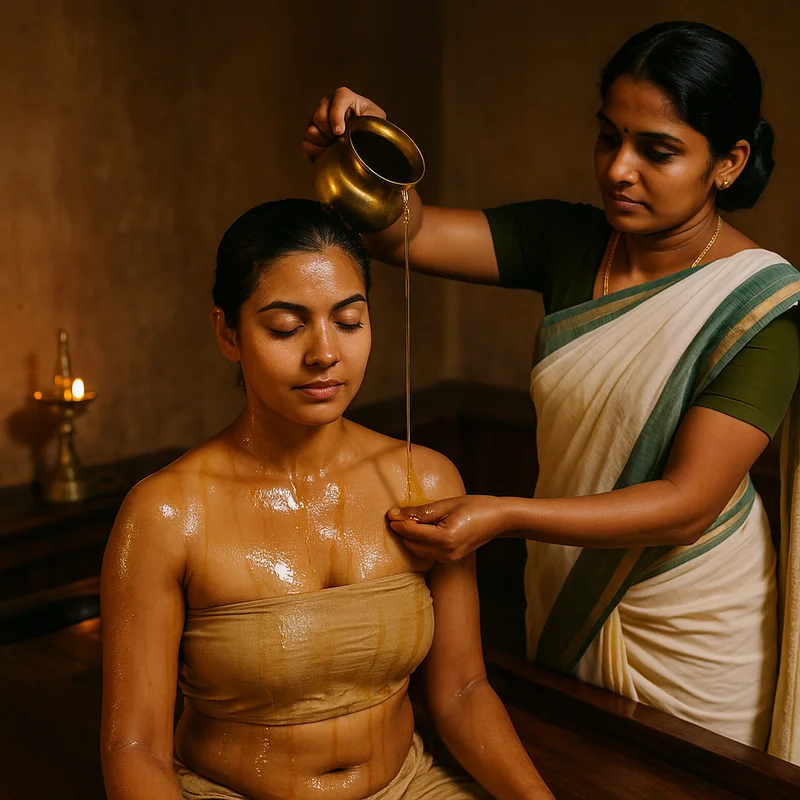
Let’s be real: “Pizhichil” probably isn’t the first word you’d throw into everyday conversation—unless you’re steeped in Ayurveda or grew up around someone who swore by it. But once you discover what it is, it’s hard not to talk about. I mean, how often do you come across a therapy that literally bathes you in warm, medicated oil while helping to balance your doshas and calm your nervous system?
Pizhichil, pronounced roughly as 'pi-zhih-chil', comes from the rich healing tradition of Kerala, and it sits at this fascinating intersection between massage and therapeutic oil bathing. It's often romanticized as a “royal treatment” because, well, it was one—practiced on ancient kings who needed their bodies to heal without cutting corners. And not gonna lie, the process looks kind of regal even now: imagine lying down while two therapists skillfully pour warm oil over your body in rhythmic motion, synchronizing the flow with your breath, your pain, your stillness.
Sounds indulgent? Sure. But this isn’t spa-day pampering—it’s structured, deeply intentional healing.
From a classical Ayurveda lens, Pizhichil is categorized under Sarvanga Dhara (whole-body oil streaming), and it’s considered a subtype of Snehana (oleation therapy). It’s especially known for pacifying Vata—the dosha that governs movement, nerves, and dryness. So if you're feeling anxious, brittle, achy, or just out of sync, Pizhichil might just be that missing piece in your self-care (or full-on healing) journey.
So what’s in it for you as a reader diving into this article?
-
You’ll understand what makes Pizhichil a revered gem in the Ayurvedic therapy world.
-
You’ll walk away knowing its history, purpose, step-by-step procedure, and why it still matters in the 21st century.
-
You’ll learn how it might help your chronic pain, neurological issues, or just help you unplug from your overcaffeinated, screen-scorched life.
And maybe, just maybe, you’ll feel like trying it—or at least, talking about it at your next health-food-store checkout conversation. Either way, you’re in for something rich.
History and Origin of Pizhichil
Let’s rewind a few centuries.
Pizhichil didn’t just appear out of thin air one day with a wellness influencer. Its roots go way back—to ancient Kerala, possibly even further. And it’s a prime example of how Ayurveda evolves while staying rooted. You’ll see what I mean.
Historical Background and Roots of Pizhichil
The origins of Pizhichil are tightly bound to Kerala’s royal heritage. Picture this: traditional Namboothiri vaidyas (Ayurvedic physicians) treating kings and warriors in tiled-roof ashrams using therapies that required enormous time, manpower, and resources. This wasn’t a common man’s therapy back then. Not just because it was luxurious, but because it was labor-intensive—requiring not one but two to four therapists working in perfect coordination.
In fact, the name itself is a beautiful blend—“Pizhichil” loosely translates to “squeezing” in Malayalam, referencing the act of squeezing warm oil-soaked cloths over the patient’s body. Think of it as an orchestrated oil rain—controlled, precise, nurturing.
It was originally developed as a combination of two treatments: Snehana (oil application) and Swedana (sudation or induced sweating). This blend makes it more potent, more targeted—and yeah, more demanding to perform.
You might say it was “boutique Ayurveda” before the term even existed.
Ayurvedic Textual References about Pizhichil
Here's something interesting: Pizhichil as a word doesn’t explicitly appear in the classical Ayurvedic texts like Charaka Samhita or Sushruta Samhita. Instead, it’s described through broader therapeutic categories—Sarvanga Snehana and Avagaha Sweda—that together resemble what we now call Pizhichil.
Later texts and regional treatises from Kerala—especially the Ashtavaidya tradition—started detailing these oil-bath therapies more distinctly. Many practices we now label as "authentic" are actually refined versions that evolved over centuries.
Some scholars even argue that Pizhichil is a post-classical innovation, born out of need and refined through local medicinal wisdom. That doesn't make it any less effective. If anything, it shows how Ayurveda is alive, flexible, and community-driven.
Traditional Use and Evolution of Pizhichil
Originally used for nervous disorders, paralysis, and arthritis, Pizhichil was part of Panchakarma adjunct therapies—used before or after detox procedures to bring the body back into balance.
Over time, it started expanding in scope. People discovered its value in treating:
-
Musculoskeletal issues
-
Chronic fatigue
-
Stress-induced conditions
-
Skin ailments
-
Insomnia
-
Even infertility (in some integrative protocols)
In modern Ayurvedic centers, you’ll see it offered both as a standalone therapy and as part of larger Panchakarma programs. But even with the stainless-steel tables and air-conditioned therapy rooms, the essence remains the same.
Pizhichil is still about honoring the body, warming the spirit, and inviting healing through presence and touch.
Purpose and Benefits of Pizhichil
I’ll say this up front: if you’re expecting quick fixes, Pizhichil might frustrate you. It’s slow. It demands time. It asks for surrender. But that’s kind of the point—it’s not just therapy, it’s reconditioning, from the outside in.
Pizhichil exists at this beautiful crossroad of intention and action. In classical Ayurveda, it’s a form of Snehana (oleation) mixed with Swedana (sweating)—a hybrid therapy that’s designed not just to comfort, but to restore. And it’s especially treasured for conditions where Vata has gone haywire. Think: anxiety, joint cracking, dry skin, trembling, erratic sleep.
But that’s just scratching the surface.
Physical Health Benefits of Pizhichil
Let’s start with the body stuff.
-
Relieves muscle stiffness and pain: It’s a go-to for people with chronic conditions like arthritis, sciatica, and cervical spondylosis.
-
Improves circulation: The warmth of the oil and the massage techniques improve peripheral blood flow, which is why it often leaves people glowing.
-
Supports recovery from paralysis: Especially in hemiplegia and Bell’s palsy, Pizhichil is often used in a broader Ayurvedic plan.
-
Lubricates joints and enhances flexibility: Those with rheumatoid conditions or even just aging-related stiffness often find relief after a series of sessions.
-
Detoxification: The combination of oil and induced sweating helps eliminate toxins—ama, as Ayurveda calls it.
You don’t walk out of it like you do from a back massage. You walk out grounded, warm, and a little slower—like your body finally caught up with your mind.
Mental and Emotional Benefits of Pizhichil
You might think oil on the body couldn’t possibly influence your mental state. But oh, it can.
The continuous, synchronized pouring of warm oil is like being held. There’s something deeply maternal and soothing about it. I’ve heard people say it felt like “being wrapped in kindness.”
-
Reduces anxiety and nervous exhaustion
-
Improves sleep patterns
-
Creates a meditative, trance-like relaxation
-
Brings emotional release (yes, crying mid-session is not uncommon)
One therapist once told me, “People sometimes remember old memories during Pizhichil. It’s like the body unfreezes them.” That stuck with me.
How Pizhichil Balances the Doshas (Vata, Pitta, Kapha)
This part's important for the Ayurveda nerds—or the curious skeptics.
-
Vata: This is where Pizhichil shines. The warm oil, the slow rhythm, the nourishing touch—it’s tailor-made to ground, moisturize, and calm Vata.
-
Pitta: If cooling oils are used (like coconut-based), it can also pacify Pitta, especially in cases of inflammation or burnout.
-
Kapha: Not always the best for Kapha types unless it's part of a broader plan. Since Pizhichil is heavy and oily, it may aggravate Kapha if used excessively.
So yeah, it’s not a one-size-fits-all. But when it’s right? It’s really right.
Detailed Procedure and Steps of Pizhichil
This isn’t some casual “put a little oil on the back and rub” situation. A proper Pizhichil session is a full-body choreography involving two to four therapists, heated oils, wooden tables, and ancient rhythms passed down through generations.
Here’s how it usually goes.
Preparation for Pizhichil Procedure
-
Consultation: A qualified Vaidya (Ayurvedic doctor) assesses your dosha state, health issues, and suitability for the treatment.
-
Selection of oil: This is customized based on your prakriti (body constitution) and vikriti (imbalances).
-
Therapy room setup: The room is warm, calm, sometimes dimly lit, with a wooden Droni (treatment table).
-
Pre-massage rituals: Sometimes light abhyanga (massage) is done before beginning, or a brief prayer.
Small detail: in traditional setups, the oil is heated using a copper vessel and kept warm throughout using charcoal or electric warmers. It’s all very sensory.
Step-by-step Guide of Pizhichil Procedure
-
Positioning the patient on the Droni—lying down comfortably on the back first.
-
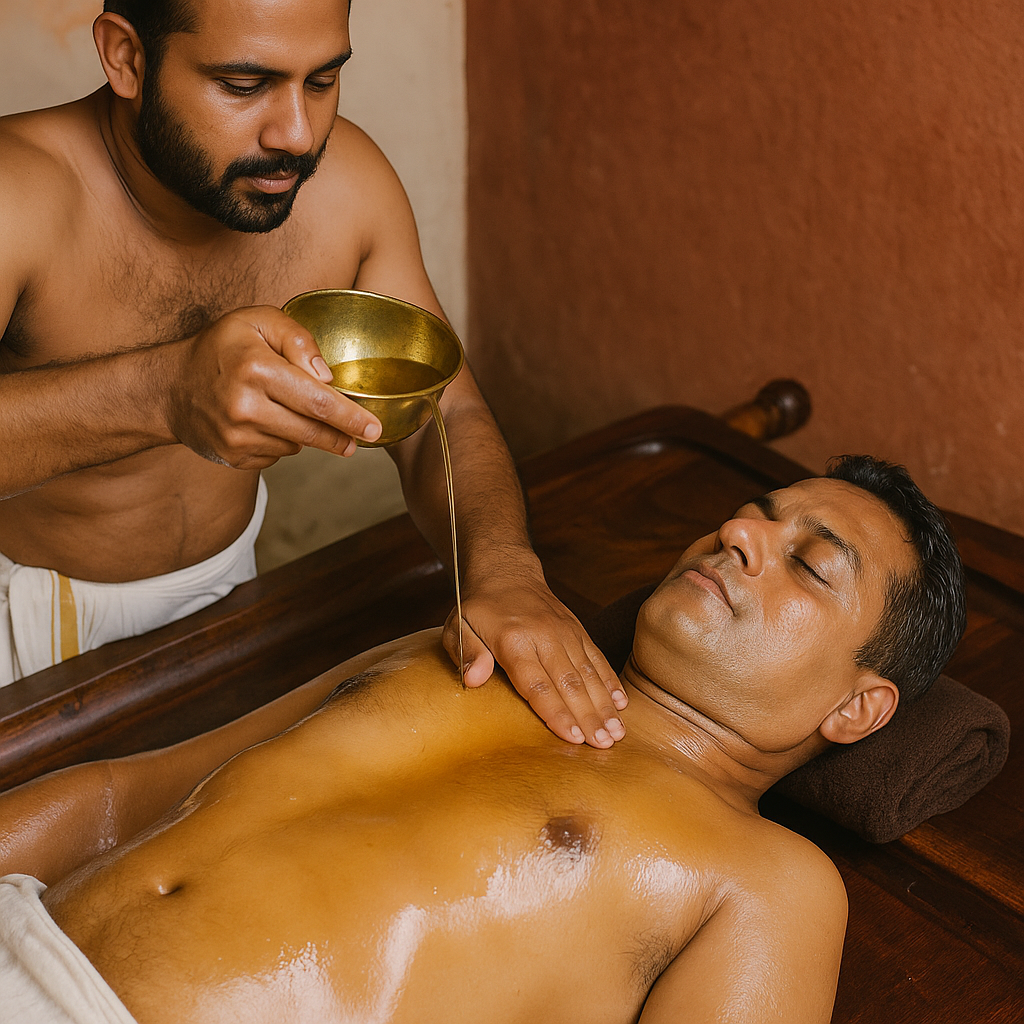
Oil pouring begins—warm, medicated oil is poured continuously using cloth or a vessel in synchronized, rhythmic streams.
-
Two therapists—they move in mirror-like flow, massaging gently as they pour.
-
All parts covered—arms, legs, torso, back, even neck and sometimes head.
-
Repeat on back side—patient turns over mid-way.
-
Duration: Typically 45 to 60 minutes.
-
End of session: Excess oil is wiped off, followed by a hot water bath or herbal steam if prescribed.
And yes, modesty is respected—private areas are covered, and some centers use specialized draping techniques.
Duration and Frequency Recommendations for Pizhichil
-
Acute conditions: 7 to 14 days of daily sessions.
-
Chronic illnesses: Up to 21–28 days under supervision.
-
For general rejuvenation: Once or twice a year as part of Panchakarma or seasonal cleanse.
Doing it once is nice. Doing it consistently is transformation.
Herbs, Oils, and Ingredients Used in Pizhichil
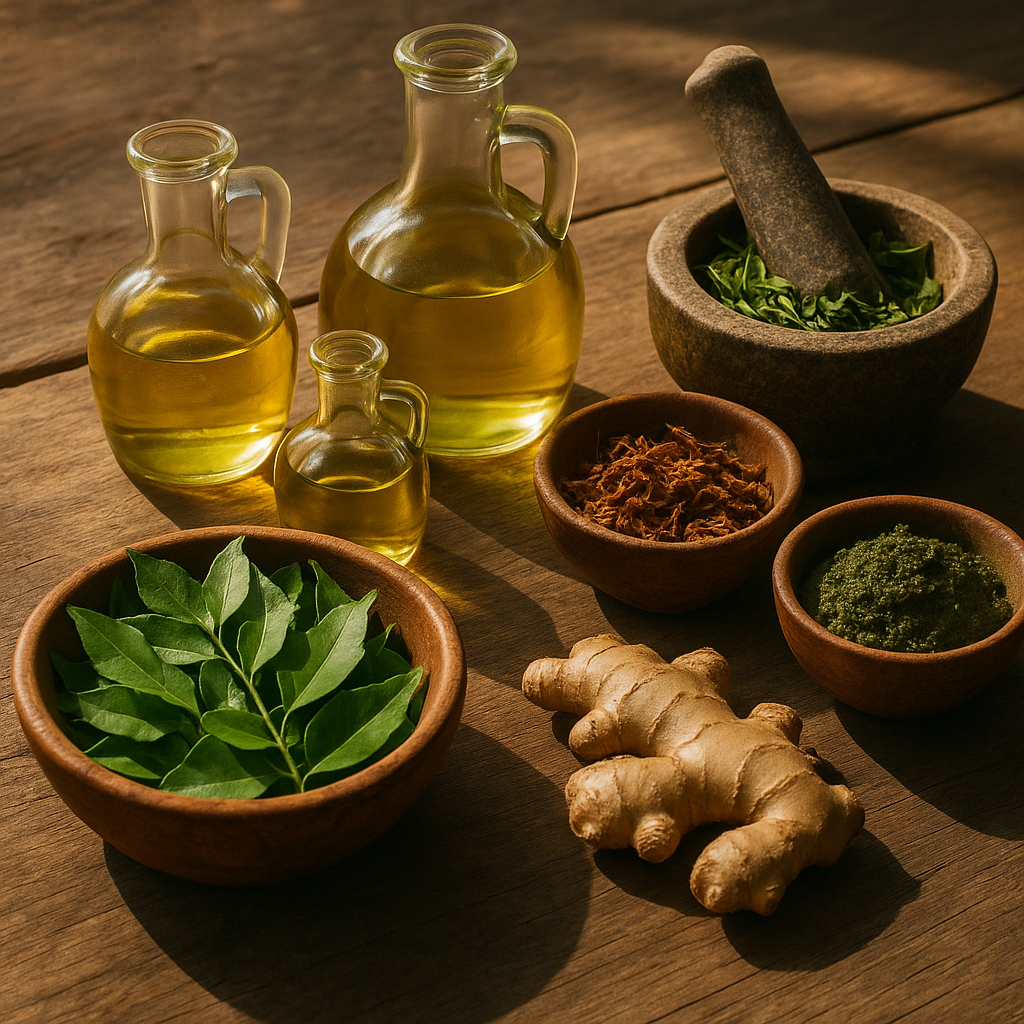
This part’s honestly kind of sexy if you’re into the alchemy of plant medicine. Because Pizhichil isn’t just about any oil—it’s about oils that are alive, infused with herbs, simmered over hours, even days.
Key Herbs and Oils Essential for Pizhichil
The base oil is often Ksheerabala Tailam, Dhanwantaram Tailam, or Sahacharadi Tailam, depending on the person’s needs.
Common herbal ingredients include:
-
Bala (Sida cordifolia) – for strengthening nerves and muscles
-
Ashwagandha (Withania somnifera) – adaptogen, anti-inflammatory
-
Sahachara – traditionally used for neurological disorders
-
Eranda (Castor) – for deep tissue penetration
-
Dashamoola – a mix of ten roots, incredible for balancing Vata
And yes, it smells strong. Like an apothecary wrapped in a forest. But that’s part of the magic.
Benefits and Roles of Specific Ingredients in Pizhichil
-
Bala restores strength—perfect for post-illness or nerve disorders.
-
Ashwagandha calms the nervous system and reduces stress hormones.
-
Dhanwantaram oil, in particular, is legendary for postnatal care and recovery after trauma.
-
Ksheerabala (Bala in milk and oil) is cooling and Vata-pacifying—often used in neurological conditions.
Each oil has samskara—a subtle imprint based on how and when it’s prepared. You don’t just “grab a bottle off the shelf.”
Where and How to Source Quality Ingredients for Pizhichil
This is crucial. A lot of commercial oils are over-processed, diluted, or lack traditional preparation.
Look for:
-
Classical Ayurvedic pharmacies like Arya Vaidya Sala, Kottakkal, Vaidyaratnam
-
Practitioner-sourced oils—those made in-house by Ayurvedic centers
-
Transparent sourcing—herbs should be wildcrafted or organically grown
And avoid online marketplaces with random sellers. Trust your skin, your liver, and your gut.
स्वयं दवा न लें और प्रतीक्षा न करें। अभी डॉक्टर से चैट शुरू करें
Indications and Contraindications for Pizhichil
Even though Pizhichil sounds universally amazing, it’s not for everyone, all the time. This is where Ayurveda’s “personalized” reputation really kicks in.
Health Conditions and Symptoms Indicating Pizhichil
It’s commonly prescribed for:
-
Neurological issues: paralysis, sciatica, Parkinson’s
-
Musculoskeletal disorders: arthritis, fibromyalgia
-
Chronic fatigue and burnout
-
Insomnia and anxiety
-
Post-stroke rehabilitation
-
Skin diseases (with modifications)
Also: people with dry skin, cold extremities, or constant body pain are often ideal candidates.
Potential Risks and Contraindications of Pizhichil
Okay, here's the no-BS part. If done incorrectly or given to the wrong person, Pizhichil can backfire.
Avoid if:
-
You have acute fever, infections, or digestive upsets
-
You’re pregnant (except in very specific, supervised cases)
-
You have severe Kapha aggravation—like excess mucus, obesity with water retention, etc.
-
You have unhealed injuries, burns, or rashes
Also, if the oil’s too hot or cold, or the therapists aren’t skilled—yeah, it’ll just be a greasy disappointment.
Who Should Avoid Pizhichil or Seek Expert Advice
-
People with heart conditions
-
Those on blood thinners
-
Children and elderly without proper customization
-
Autoimmune patients—depending on flare-ups
Basically: get a proper Ayurvedic assessment. It’s not optional.
Aftercare and Post-procedure Recommendations for Pizhichil
So, you’ve just had a warm river of medicated oil poured all over your body for an hour. What now?
Well… you don’t just throw on your jeans and rush back to your 11:00 a.m. Zoom meeting.
Pizhichil doesn’t end when the oil stops dripping. The aftercare is just as important—maybe more so—because this is when your body begins to integrate the experience.
Recommended Lifestyle Adjustments After Pizhichil
-
Rest. Seriously. No intense workouts, no stressors, no rushing.
-
Avoid cold exposure: Wind, AC, cold drinks—give them a break.
-
Sleep early, and if possible, nap in the afternoon post-session (if your dosha allows).
-
Practice mindfulness: Journaling, quiet walks, breath awareness—whatever brings you inward.
Some practitioners recommend light Pranayama or Yoga Nidra after the session to help process any emotional detox that might be happening.
Diet and Nutrition Guidelines Following Pizhichil
Let’s get one thing straight: your digestive fire—your Agni—is vulnerable right after Pizhichil. The treatment stirs up toxins, loosens stuff, and your gut needs space to re-calibrate.
Stick to:
-
Warm, simple meals: think kitchari, spiced rice, steamed veggies
-
Avoid: dairy, fried food, heavy sweets, raw foods
-
Spices that help: ginger, cumin, coriander, fennel
Hydration is key, but sip warm water or herbal teas—don’t chug iced smoothies thinking you’re “flushing out toxins.” Ayurveda side-eyes that.
Common Mistakes and Precautions Post Pizhichil
-
Showering too soon: Let the oil stay absorbed for a while before bathing.
-
Using soap: Don’t. It strips the skin of the healing properties you just paid for.
-
Drinking alcohol or coffee: It messes with your nervous system while it’s trying to heal.
-
Jumping into intense activity: You just went through a nervous system reset—respect that.
This isn’t a spa facial. Treat it like post-surgery care, even if it felt like heaven.
Scientific Studies and Modern Research on Pizhichil
Let’s address the elephant in the room: is there any actual science backing Pizhichil, or is it just warm oil and good vibes?
Well, it’s a little of both. Modern research is beginning to catch up, but Ayurveda’s diagnostic lens and methodology are so different that clinical trials often fall short of capturing the depth of therapies like this.
That said, there are some promising leads.
Research Validating the Benefits of Pizhichil
Several small-scale studies in India (mostly in Ayurveda institutions and university hospitals) have shown that Pizhichil:
-
Reduces pain and stiffness in osteoarthritis patients
-
Improves mobility and lowers inflammation markers
-
Enhances parasympathetic nervous activity (aka the rest and digest system)
-
Reduces anxiety and improves sleep scores in psychosomatic conditions
One 2017 study published in the International Journal of Ayurveda and Pharma Research even found significant improvements in hemiplegic patients following 21 days of Pizhichil alongside internal medications.
Are these double-blind, placebo-controlled, FDA-style studies? Not always. But are they clinically significant? Yes.
Clinical Trials and Evidence Supporting Pizhichil
A few government-supported institutions in India have started systematic clinical trials on Panchakarma therapies, including Pizhichil.
What they’re noticing:
-
Reduction in ESR and CRP levels (inflammatory markers)
-
Increase in serotonin levels post therapy
-
Improved nerve conduction velocities in post-stroke and neuropathy cases
Is that enough to sway Western medicine? Not yet. But it’s definitely enough to warrant further funding and curiosity.
Comparison Between Ayurvedic and Conventional Methods Related to Pizhichil
Let’s compare apples and oranges for a second.
-
Modern rehab for neurological disorders: focuses on physical therapy, pain meds, sometimes steroids.
-
Ayurveda with Pizhichil: focuses on strengthening the body’s own ability to regenerate, reducing Vata, and calming the nervous system.
One is mechanical. The other is systemic. Ideally? Combine both. Let Pizhichil do what machines can’t—awaken tissues from within.

Real-Life Testimonials and Experiences with Pizhichil
Okay, so here's where the real stories come in. Because no matter how well I describe it, nothing beats hearing what actual people felt after Pizhichil.
Patient Stories and Experiences with Pizhichil
Meena, 54, from Bangalore, who suffered from chronic sciatica:
"I was skeptical. Oil on my body for an hour? Sounds like a mess. But after the third session, the pain I lived with for years started easing up. I slept better. My digestion got better. Even my moods softened."
Arvind, 39, an IT professional with anxiety issues:
"It was like someone pressed a reset button on my brain. I didn’t even know my body could feel this light."
Lila, 62, recovering from a stroke:
"The therapist’s hands and the warm oil felt like love. That’s the only word I can think of. I still can’t move like before, but I’m hopeful in a way I wasn’t before Pizhichil."
Results Achieved and Realistic Expectations from Pizhichil
-
Pain relief? Yes. But it builds over time.
-
Mental clarity? Often, after a few sessions.
-
Healing chronic illness? Only as part of a complete plan—Pizhichil is a piece of the puzzle, not a miracle bullet.
Be patient. Be open. And be consistent.
Conclusion and Final Thoughts on Pizhichil
So where does all this leave us?
Pizhichil isn’t trendy. It’s not “disruptive.” It doesn’t come in a bottle or a weekend detox box. But it’s one of Ayurveda’s most deeply therapeutic, spiritually humbling, and physically rejuvenating experiences.
In a world that’s constantly pulling us into stimulation, disconnection, and fatigue, Pizhichil calls us back to slowness, touch, and trust in ancient wisdom.
You now know:
-
Where it came from
-
How it’s done
-
What it can do
-
And who it’s for (and not for)
It’s not for everyone. But if you’re one of those people who feels like their nervous system has been on high-alert for too long... this might just be your way back home to yourself.
Want to find out if Pizhichil is right for you?
Get personalized guidance from expert Ayurvedic practitioners at Ask-Ayurveda.com. You don’t have to figure it all out alone.
Frequently Asked Questions (FAQ) About Pizhichil
1. Is Pizhichil safe for everyone?
Not quite. It’s excellent for many, especially those with Vata imbalances, but not recommended during fever, infections, or pregnancy. Always consult an Ayurvedic expert before starting.
2. How many sessions of Pizhichil do I need to see results?
Depends on your condition. For chronic issues, you may need 7–21 sessions. For general wellness, even 3–5 sessions can offer deep relaxation and vitality.
3. Can I do Pizhichil at home?
In theory—maybe. But in practice? It’s hard. You need trained therapists, warm medicated oil, and synchronized techniques. It's best done in a qualified Ayurvedic center.
4. Does Pizhichil help with stress and insomnia?
Yes, quite effectively. The combination of warm oil, rhythmic motion, and body grounding works wonders for calming the mind and promoting sleep.
5. What oils are used in Pizhichil?
It varies—Ksheerabala, Dhanwantaram, Sahacharadi, and more. The selection depends on your body type and medical history.
6. Will my skin break out from all that oil?
If the oil is poor quality or not suited to your dosha—possibly. But when done right, it nourishes the skin and even helps certain skin conditions.
उपयोगकर्ताओं के प्रश्न
How does Pizhichil therapy affect mental clarity over time?
Client_98542f
2 दिनों पहले
Pizhichil therapy may enhance mental clarity within a few sessions, though individual experiences vary. This Ayurvedic treatment involves the rhythmic, warm pouring of medicated oil, which aims to calm the nervous system. Benefits may include reduced stress and improved cognitive function, contributing to clearer thinking. Effects build over time, but if mental clarity does not improve after several sessions, consulting a healthcare professional is advisable.
What are the main health benefits of Pizhichil therapy?
Client_9b65a4
12 दिनों पहले
Pizhichil therapy, a traditional Ayurvedic treatment, mainly benefits muscle relaxation, stress reduction, and improved circulation. This therapy involves the continuous pouring of warm medicated oils over the body, which can alleviate joint pain, enhance skin health, and promote detoxification. People often experience benefits like reduced stiffness and increased mobility within a few sessions, but results can vary. Always consult a healthcare provider before starting this therapy to ensure it's suitable, especially if you have underlying health issues.
Can I use different oils during Pizhichil therapy for specific benefits?
Client_5ffb76
22 दिनों पहले
Yes, different oils can be used during Pizhichil therapy to cater to specific health needs or preferences. Common oils include sesame oil, known for its warming properties, and coconut oil, used for its cooling effects. The choice of oil can influence the therapy's results, such as using medicated oils with specific herbs for pain relief or relaxation. However, always consult a qualified practitioner to select the appropriate oil, especially if you have allergies or skin sensitivities. If experiencing adverse effects, promptly see a healthcare provider.
How long should I rest after a Pizhichil therapy session?
Client_222777
31 दिनों पहले
After a Pizhichil therapy session, it is generally recommended to rest for at least a few hours, avoiding strenuous activities, alcohol, and caffeine. This period allows your nervous system to settle after the therapeutic oil treatment, which is noted for its calming effects, particularly on Vata imbalances. Rest helps in maximizing the treatment benefits by letting the body absorb the therapeutic oils. If you experience unusual symptoms, or if you have pre-existing health conditions, consult a healthcare provider.
What can I do to enhance the effects of Pizhichil therapy?
Client_bcc070
41 दिनों पहले
To enhance the effects of Pizhichil therapy, ensure you maintain adequate hydration before and after the session and follow any specific dietary recommendations provided by your Ayurvedic therapist. Rest is crucial; allow time for relaxation after the therapy to help your body integrate its benefits fully. Avoid alcohol, caffeine, and heavy meals, which can counteract the balance achieved. Notice any adverse effects like skin irritation and consult a doctor if symptoms persist.
What is the ideal environment for receiving Pizhichil therapy for maximum benefits?
Client_9466a3
51 दिनों पहले
The ideal environment for Pizhichil is quiet and peaceful, where you can fully relax. A warm, humid room helps your body absorb the oil better. It's best done in a proper Ayurvedic center where experienced practitioners can personalize the treatment for you. So give yourself some post-therapy downtime to let everything settle.
Is it safe to undergo Pizhichil therapy during pregnancy?
Client_e6c3e1
60 दिनों पहले
It's usually not recommended to undergo Pizhichil during pregnancy. The warming oils and the pressure used might affect you differently, given the changes your body is going through. Best to chat with an Ayurvedic doctor who knows your specific needs and can guide you safely! Better safe than sorry, right? 😊
What should I do if I experience an adverse reaction after Pizhichil therapy?
Client_1b1bd0
69 दिनों पहले
If you're experiencing an adverse reaction after Pizhichil, pause the treatment and consult with an Ayurvedic practitioner. They can help adjust the oils or techniques based on your dosha. Meanwhile, keep hydrated and monitor your symptoms. Some light, soothing foods and herbs like fennel or mint might help balance things out.
What is the role of aftercare in maximizing the benefits of Pizhichil therapy?
Client_2f0b7e
78 दिनों पहले
Aftercare is super key in Pizhichil therapy! It's when your body starts to integrate all the benefits. Rest is vital—let your body soak in the oil and relax. Try to keep your lifestyle gentle and listen closely to your body's needs. This support the healing process and promotes balance in your dosha, allowing the therapy work long-term.
Can I see results from Pizhichil therapy after just one session?
Client_1b6b59
88 दिनों पहले
You might feel some improvements, like mental clarity or relaxation, after just one session of Pizhichil. But for deeper or chronic issues, Ayurveda usually suggests a series of sessions, like 7 to 21, to see more lasting results. Our body's healing takes time, kind of like nurturing a plant to grow🌱.
संबंधित आलेख

Body Detox
Patanjali Divya Shuddhi Churna
Exploration of Patanjali Divya Shuddhi Churna
4,232

Body Detox
Amrutottara Kashayam Benefits, Dose, Side Effects and Ingredients
Exploration of Amrutottara Kashayam Benefits, Dose, Side Effects and Ingredients
2,311

Body Detox
Panchakarma for Stress Relief: Ayurvedic Therapy for Emotional Healing
Discover how Panchakarma therapy helps relieve stress and calm the mind. Explore Ayurvedic treatments for mental clarity, emotional balance, and inner peace
2,524

Body Detox
अनुलोम विलोम क्या है और यह आपके स्वास्थ्य के लिए कैसे फायदेमंद है?
जानें कि अनुलोम विलोम क्या है, इसका प्राणायाम प्रक्रिया, मुख्य फायदे और संभावित साइड इफेक्ट्स। बेहतर स्वास्थ्य और संतुलन के लिए अनुलोम विलोम कैसे करें, यह जानें।
8,605

Body Detox
पंच निम्बा चूर्ण के फायदे, खुराक, सामग्री, साइड इफेक्ट्स
पंच निम्बा चूर्ण के फायदे, खुराक, सामग्री, और साइड इफेक्ट्स की जानकारी
2,895
Body Detox
Guggulu Panchapala Churnam: Ayurvedic Benefits and Uses
Guggulu Panchapala Churnam is a powerful Ayurvedic remedy with multiple health benefits, from weight management and pain relief to improved digestion and detoxification.
4,596

Body Detox
वीर्य शोधन बटी
वीर्य शोधन बटी की खोज
3,814

Body Detox
What No One Tells You About an Ayurvedic Diet Chart for Weight Loss
The Ayurvedic diet chart for weight loss isn't just about cutting carbs or tracking macros. It’s more like tuning a slightly out-of-sync instrument: your body. Instead of following some generic, one-size-fits-all program, Ayurveda looks at you—your habits
2,245

Body Detox
Ayush Kwath Powder: How to Use It, Benefits, and Daily Dosage
Explore Ayush kwath powder uses. Learn the correct dosage, benefits, uses, and ingredients of Ayush kwath powder and how to prepare it at home for immunity
3,566

Body Detox
कौन सी सब्जी गैस्ट्रिक समस्या और पाचन के लिए अच्छी है?
पता करें कि कौन सी सब्जी गैस्ट्रिक समस्या के लिए अच्छी है, गैस्ट्रिक सब्जियों की पूरी सूची और किन खाद्य पदार्थों से बचना चाहिए। पाचन के लिए सबसे अच्छे विकल्प और आयुर्वेदिक टिप्स जानें।
7,045
विषय से संबंधित परामर्श
अतिरिक्त दस्तावेज़
© 2024 Ask Ayurveda. सर्वाधिकार सुरक्षित।