आयुर्वेदिक डॉक्टर से प्रश्न पूछें और निःशुल्क या भुगतान मोड में अपनी चिंता की समस्या पर ऑनलाइन परामर्श प्राप्त करें। 2,000 से अधिक अनुभवी डॉक्टर हमारी साइट पर काम करते हैं और आपके प्रश्नों का इंतजार करते हैं और उपयोगकर्ताओं को उनकी स्वास्थ्य समस्याओं को हल करने में प्रतिदिन मदद करते हैं।


Body DetoxEar, Nose, and Throat DisordersGeriatrics & RejuvenationImmunodeficiencyInfertility TreatmentNutritionOrthopedic DisordersPediatricsRespiratory DisordersSexually Transmitted Diseases (STDs)Surgery RecoveryUrological DisordersVascular DisordersDental DisordersEndocrinological DisordersGastrointestinal DisordersYoga TherapyGeneral MedicineAllergic DisordersCardio DisordersGynecology and ObstetricsCosmetologySkin and Hair DisordersEye DisordersInfectious DiseasesMental DisordersNeurological DisordersOncologyPanchakarmaSexual Health & DisordersSports Medicine
पर प्रकाशित 05/19/25
(को अपडेट 08/10/26)
3,997
Ayurvedic Treatment for Gastritis: A Real Talk on Gut Healing
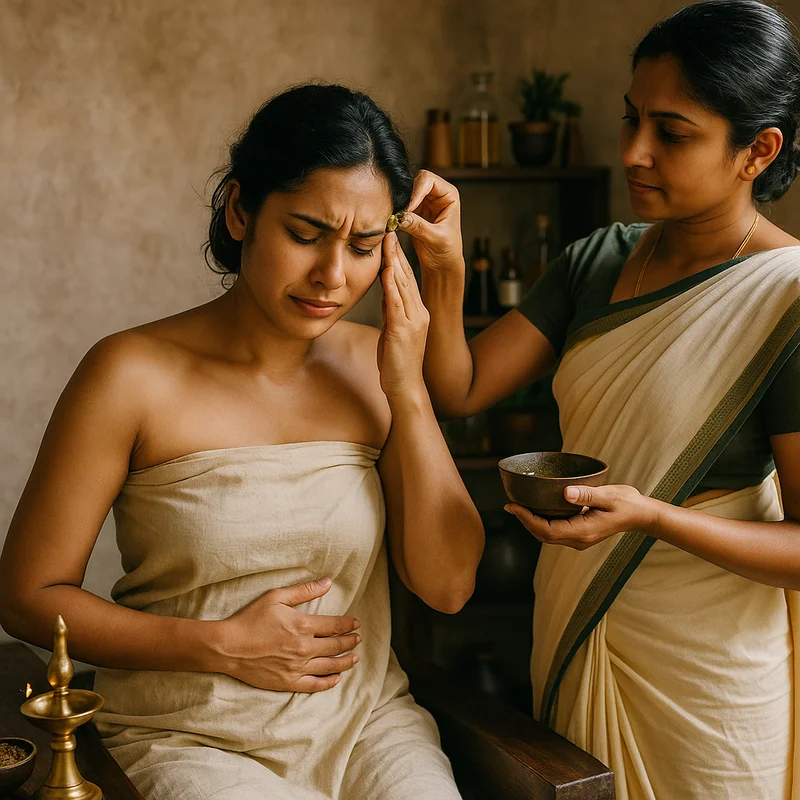
Introduction: So, What's Really Going On With Gastritis?
Let’s not sugarcoat it—gastritis sucks. Whether it hits you like a slow burn or drops you with sudden, stabbing upper-abdominal pain, it’s no walk in the park. Technically speaking, gastritis is inflammation of the stomach lining. But if you’ve dealt with it, you know it’s more than a medical definition—it’s discomfort, anxiety around food, bloating that makes you look three months pregnant, and the emotional spiral of wondering what the hell went wrong?
Now, there’s a reason you landed here. Maybe you’ve tried antacids, proton pump inhibitors, or simply crossed your fingers and cut back on coffee. But something isn’t clicking, right? That’s where Ayurveda strolls in—not with miracle pills, but with a whole philosophy that looks at the root of what’s messing with your stomach.
Ayurveda—the ancient Indian system of healing—doesn’t treat gastritis as a one-size-fits-all inflammation. It looks at you, your body constitution (Dosha), your food habits, your sleep, your stress, your whole vibe. And trust me, the difference that personalized, constitution-based treatment makes? Huge.
Statistics show that gastritis affects millions globally, especially in urban areas. Stress, poor food choices, skipping meals—it’s all become painfully common. The WHO has even flagged digestive disorders, including gastritis, as a rising cause of chronic illness worldwide. That’s terrifying, but also… weirdly reassuring? Because if it’s this common, maybe you're not alone in this struggle.
Here’s what this article will give you:
-
A full Ayurvedic perspective on why gastritis develops and how it progresses
-
Practical remedies, therapies, and dietary hacks from classical Ayurvedic wisdom
-
A peek into pulse diagnosis and other old-school methods that still totally work
-
Personal stories, science-backed studies, and real ways to take your power back
If you’re tired of Google rabbit holes, expensive medications, or advice that doesn’t consider you as a whole person—stick around. This is going to feel refreshingly human.

Understanding Ayurvedic Treatment for Gastritis – Ayurvedic Overview
What Exactly Is Gastritis?
(Etiology, pathogenesis, mechanism, complications — from both modern & Ayurvedic lens)
So first, let's zoom out and look at gastritis like a path through the forest. It starts with a small irritation—maybe skipping meals, eating junk food, or stressing too much. That messes with your stomach lining, which is basically the inner wallpaper of your gut. Over time, that irritation turns into inflammation. If you keep ignoring it (like most of us do), it can even lead to ulcers, bleeding, or at the very least, chronic discomfort.
Western medicine will tell you gastritis is mainly due to:
-
H. pylori infection (a sneaky little bacteria)
-
Excess alcohol
-
Overuse of NSAIDs like aspirin or ibuprofen
-
Stress, though it’s debated
But Ayurveda? It digs deeper.
Ayurvedic Perspective: The Tridoshic Tug-of-War
In Ayurveda, gastritis is closely related to a condition called "Amlapitta." Literally, that translates to "acidic bile." Here's where Doshas come in:
-
Pitta, which governs fire and transformation, is the main troublemaker here. When it's aggravated (due to spicy foods, irregular meals, anger, or hot weather), it goes rogue and starts burning up the stomach lining.
-
But Vata and Kapha aren't innocent bystanders either. Vata can dry out the stomach lining and cause spasms, while Kapha can make things sluggish and mucus-heavy.
The result? A messy imbalance of digestion called Agni Dushti (digestive fire disturbance). Symptoms like burning sensation, nausea, belching, heaviness, sour burps, and even headaches stem from this chaos.
Common triggers in Ayurveda:
-
Eating before previous meal is digested
-
Long gaps between meals
-
Fried, oily, spicy, or fermented foods
-
Suppressing natural urges (yes, even that yawn or sneeze)
-
Eating while anxious, angry, or distracted
How Ayurveda’s View Differs From Conventional Medicine
The difference is kind of philosophical.
Western medicine zooms in—microscope-style. It finds the bacteria, prescribes the antibiotic, and calms the acid. Done.
Ayurveda zooms out. It asks: Why did your body invite that bacteria in the first place? Why is your Agni (digestive fire) weak enough to let inflammation take over? Why is your stress showing up in your stomach and not your skin or your head?
One approach suppresses the symptom. The other seeks to restore balance so the symptom doesn't return.
Neither is “wrong.” But Ayurveda? It’s the long game.
Causes and Triggers of Gastritis (Ayurvedic Insights)
Main Underlying Ayurvedic Causes of Gastritis
Let’s get real—Ayurveda doesn’t point fingers at just one villain. It sees gastritis (Amlapitta) as a slow unraveling of your internal harmony. And the lead role in this drama? A very irritated Pitta Dosha.
Here’s what tips it over:
-
Ahita Ahara – Basically “wrong food.” Think over-fermented, excessively spicy, fried, sour, or stale food. Even cold beverages in hot weather (guilty!) disrupt the Pitta balance.
-
Viruddha Ahara – Incompatible food combos. Milk + banana? Fish + yogurt? Delicious… but digestion disasters.
-
Vega Dharana – Suppressing natural urges. Holding in that burp, fart, sneeze, or cry can literally fire up trouble inside.
-
Ajirna (Indigestion) – Eating before your last meal digests is a major no-no in Ayurveda. It clogs the pipeline, creating acidic buildup.
Common Triggers and Risk Factors Identified in Ayurveda
You probably already guessed this, but stress is a massive trigger. Pitta-dominant folks tend to be perfectionists, achievers… and stress magnets. Add that to erratic eating schedules, excessive screen time, and zero mindfulness, and bam—gut imbalance.
Other typical triggers:
-
Eating in a rush or while multitasking
-
Sleeping late or irregular patterns
-
Excessive alcohol, coffee, or smoking
-
Hot and humid weather
-
Emotional repression, especially anger and jealousy
Why Modern Lifestyle Contributes to Rising Cases of Gastritis
Let’s be honest—we’ve built a lifestyle that’s basically a blueprint for gastritis.
We eat late, skip meals, doomscroll at midnight, and pop painkillers for every little ache. Fast food is cheap, emotional burnout is normalized, and most of us are disconnected from our body’s signals.
Ayurveda isn’t shocked by the rise in gut issues. It’s more like: “Of course this is happening. Your Agni is crying.”
Recognizing Symptoms & Early Signs of Gastritis
Typical Symptoms of Gastritis (From Ayurveda & Life Experience)
If you’ve had gastritis, you probably know the feeling:
-
Burning sensation in the stomach (sometimes rising toward the chest)
-
Sour belching
-
Nausea or vomiting—especially on an empty stomach
-
Loss of appetite
-
Feeling full quickly
-
Headache (yes, digestive issues can cause them)
-
A weird metallic taste in the mouth
In Ayurveda, these would be classic signs of Pittaja Amlapitta. And here’s something fun (read: not fun)—you can feel hungry and nauseous at the same time. It’s like your body wants food but can’t handle it.
Less Obvious or Overlooked Signs
Here’s where things get sneaky. Gastritis doesn’t always announce itself loudly. You might experience:
-
Fatigue after meals
-
Lightheadedness
-
Mood swings (yes, your gut talks to your brain)
-
Mild chest discomfort mistaken for heart problems
-
Coated tongue or foul breath
-
Discomfort after eating sour fruits, pickles, or vinegar-rich foods
When Should You Seek Ayurvedic Help? And When You Shouldn’t
If you’re dealing with recurring symptoms for weeks or even months, that’s a red flag. Ayurveda can help when:
-
The issue is chronic but non-emergency
-
You want to avoid long-term meds
-
You’re looking to improve digestion holistically
But here’s a word of caution: Ayurveda is not your go-to in emergencies.
If you’re vomiting blood, losing weight drastically, or have black stools—go to a hospital. Get a scope. Rule out ulcers or worse. Ayurveda is amazing, but it's not a replacement for urgent care.
Ayurvedic Diagnosis Methods for Gastritis
Pulse Diagnosis, Tongue Analysis, and Other Traditional Methods
So let’s say you walk into an Ayurvedic clinic with gastritis-like symptoms. What happens next? No fancy machines. No lab reports. Just centuries-old tools and some serious practitioner intuition.
-
Nadi Pariksha (Pulse Reading): An expert Vaidya can sense your Dosha imbalance through your pulse. Three fingers, three Doshas, one diagnosis. It’s eerie how accurate it can be.
-
Jihva Pariksha (Tongue Analysis): A coated white or yellow tongue can reveal Ama (toxins), Pitta excess, or poor digestion.
-
Mutra & Mala Pariksha (Urine & Stool Observation): Color, consistency, odor—these tell a full story of internal imbalances.
-
Darshanam (Observation), Sparshanam (Touch), Prashnam (Inquiry): These three pillars help build the whole picture—your diet, routine, emotions, environment.
Determining Dosha Imbalance Specific to Gastritis
Every gastritis case isn’t the same. Ayurveda classifies it as:
-
Pittaja Amlapitta – Dominated by fire: burning, sourness, anger, redness in eyes.
-
Vataja Amlapitta – Dryness, gas, spasms, mood swings.
-
Kaphaja Amlapitta – Heaviness, nausea, coated tongue, sluggish digestion.
Correct diagnosis means targeted treatment. Otherwise, you’re just guessing your way through ginger tea and hoping for the best.
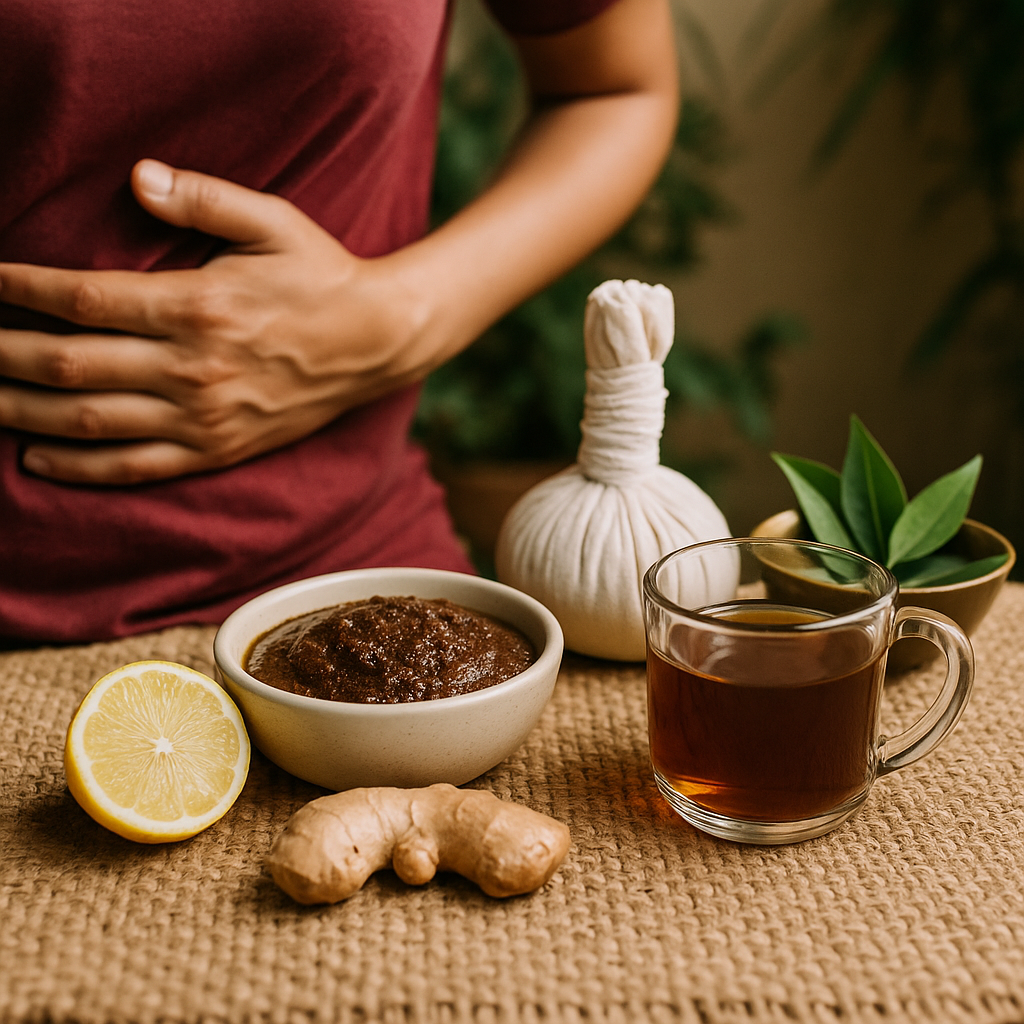
Ayurvedic Treatments & Remedies for Gastritis
Ayurvedic Herbs and Medicines Effective for Gastritis
Let’s talk action. These herbs are the Ayurvedic all-stars for calming gastritis:
-
Shatavari – Cooling, anti-inflammatory, soothes Pitta
-
Amla (Indian Gooseberry) – Rich in Vitamin C, reduces acidity, rejuvenates
-
Yashtimadhu (Licorice Root) – Coats the stomach lining like magic
-
Kamdudha Ras – Classical herbo-mineral compound, excellent for hyperacidity
-
Avipattikar Churna – A powdered blend to improve digestion and reduce acid
Dosage? Always under a qualified practitioner, but for general info:
-
Amla juice: 10–20 ml in the morning, diluted
-
Yashtimadhu powder: 1 tsp with honey or ghee
-
Shatavari: 500mg capsules twice daily after meals
Avoid self-medicating during pregnancy, breastfeeding, or if you have kidney issues. Some Ayurvedic meds include metals—don’t mess with those without guidance.
Ayurvedic Therapies and Panchakarma Treatments Beneficial in Gastritis
-
Virechana (Purgation): A controlled detox to eliminate excess Pitta
-
Takradhara: Medicated buttermilk poured on the forehead—cooling and anti-inflammatory
-
Shirodhara: For stress-triggered gastritis
-
Basti: Herbal enemas that balance Vata and support gut healing
These aren’t spa treatments. They’re clinical procedures that need proper supervision and diagnosis.
Effective Ayurvedic Home Remedies and Self-Care Advice
Don’t underestimate your kitchen:
-
Coriander water: Soak 1 tsp overnight, drink next morning
-
Aloe vera pulp: Fresh gel, 1 tbsp before meals
-
Coconut water: Cooling, gentle on the stomach
-
Jeera (cumin) decoction: Boil and sip warm
Also: chew your food. Sit down to eat. Eat in silence or with soft music—not Netflix.
Diet & Lifestyle Recommendations for Managing Gastritis
Recommended Foods and Dietary Guidelines for Gastritis
Let’s get one thing straight: you can’t fix gastritis if your diet is still chaotic. Ayurveda treats food as both medicine and ritual. So yeah, you’ll need to give your plate a glow-up.
What to eat (and how to eat it):
-
Warm, soft foods: Think khichdi, rice with moong dal, lightly sautéed veggies. Avoid raw salads until your digestion strengthens.
-
Steamed or boiled vegetables: Bottle gourd, ridge gourd, ash gourd — cooling and easy to digest.
-
Spices that heal: Cumin, coriander, fennel, ajwain (carom seeds), turmeric — in small amounts, they stoke Agni without triggering Pitta.
-
A2 cow’s ghee: A digestive balm. 1–2 tsp a day in food.
-
Milk: But only boiled, warm, and ideally at night with a pinch of cardamom.
-
Fruit: Ripe bananas, papaya, sweet pomegranates — no citrus for now.
-
Hydration: Sip warm water throughout the day. You’re not a camel — don’t chug.
Meal rules:
-
Eat three regular meals, no skipping.
-
Sit down, focus, chew. Don’t eat standing or scrolling.
-
Leave a third of your stomach empty — overeating is basically inviting inflammation.
Foods and Drinks to Avoid (and Why)
Now, this is where people groan, but let’s be real. Some foods are just bad news when you’re healing gastritis.
Avoid:
-
Spicy, fried, fermented, and sour foods – Obvious Pitta aggravators.
-
Citrus fruits – Oranges, lemons, vinegar? Nope.
-
Coffee, alcohol, fizzy drinks – They shred your stomach lining. No exaggeration.
-
Tomatoes, pickles, heavy meat dishes
-
Processed snacks – Chips, instant noodles, cookies? Acid-triggering.
-
Cold drinks or ice water – Kills your Agni on contact.
Avoid food combos like:
-
Milk + salty/spicy food
-
Curd + night time
-
Fruits + meals
Daily Routine and Lifestyle Tips to Control Gastritis
Ayurveda LOVES routine. Because when your body knows what’s coming, it stops panicking.
Try this rhythm:
-
Wake up early (before 7am) – Natural cortisol balance, plus time for real breakfast.
-
Warm water with fennel/coriander – Every morning.
-
Avoid skipping breakfast – Start with something gentle: porridge, stewed apple, or rice gruel.
-
Lunch by 1pm latest – That’s when Agni peaks.
-
Light dinner by 7pm – Something like rice and veggie soup.
-
Walk after meals – Just 100 steps. Keeps things moving.
-
Oil massage (Abhyanga) once a week – Grounding for Vata, calming for Pitta.
-
Sleep before 10:30pm – You’re not a night owl. You’re just exhausted and overstimulated.
Stress is a firestarter. Meditate, journal, breathe. Whatever helps you cool down.
Ayurvedic Herbs and Medicines (Detailed)
As discussed earlier, some herbs do serious heavy lifting:
-
Amla – Best in powdered form, 1 tsp daily with water or ghee. Very cooling.
-
Yashtimadhu – Protective, helps rebuild the mucosal lining.
-
Avipattikar Churna – Post-lunch, 1 tsp with warm water.
-
Kamdudha Ras – Only under medical supervision.
⚠️ Warnings: Avoid metal-based Ayurvedic medicines without expert consultation. Don’t self-prescribe if pregnant or breastfeeding. Allergic? Start with microdoses under supervision.
Real Patient Experiences & Success Stories
Let’s talk about Anita. Mid-30s, corporate job, coffee addict, loved spicy chaat. Started getting bloated after meals, then came the nausea, then full-on panic attacks during stomach flares. After two months of popping PPIs with no relief, she turned to Ayurveda.
Her treatment?
-
Pitta-pacifying diet
-
Shatavari capsules + Yashtimadhu decoction
-
Takradhara therapy once a week
-
Abhyanga oil massage + nasya (nasal therapy)
-
Guided meditation for stress
Within three weeks, her burning pain reduced. By the second month, she had stopped all allopathic meds. One year later? No relapse. She still sticks to warm meals and pranayama.
This isn’t magic. It’s consistency.
Scientific Evidence & Research on Ayurvedic Effectiveness for Gastritis
Quick Summary of Scientific Findings
-
A 2012 study published in the AYU Journal evaluated Avipattikar Churna in hyperacidity and found significant relief in burning sensation, bloating, and nausea.
-
Yashtimadhu (Glycyrrhiza glabra) has been shown to promote mucosal healing in gastritis and ulcers, confirmed in various preclinical and clinical trials.
-
Amla (Emblica officinalis) is documented to reduce oxidative stress and acid production.
Other studies suggest:
-
Panchakarma therapies enhance gut motility and reduce stress-induced gastric inflammation.
-
Ayurvedic protocols improve gastric mucosal resistance, not just acid suppression.
Comparisons Between Ayurveda and Conventional Medicine
Conventional meds like PPIs work fast but don’t address root causes. Plus, long-term use can impair nutrient absorption and gut flora.
Ayurveda, though slower, targets:
-
Digestive fire (Agni)
-
Emotional triggers
-
Lifestyle correction
Ayurveda = root-cause healing
Allopathy = symptomatic relief (but great in emergencies!)
Reliable External Sources
-
AYU Journal (Govt. of India supported)
-
Journal of Ethnopharmacology
-
PubMed (for specific herb studies)
-
CCRAS (Central Council for Research in Ayurvedic Sciences)
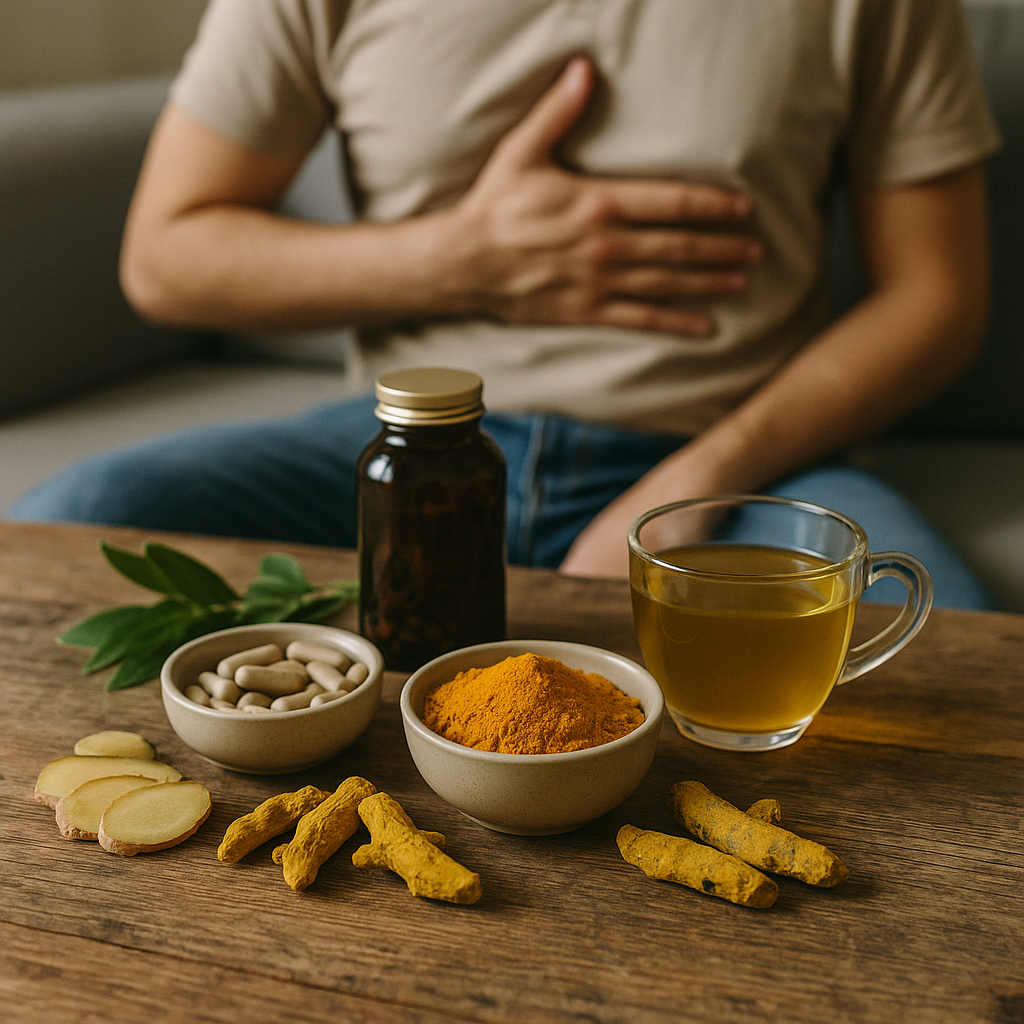
Common Misconceptions About Gastritis and Ayurveda
-
“Ayurveda is too slow to work” – False. With the right diagnosis, relief often begins within a week.
-
“Only herbs can cure gastritis” – Herbs help, but your diet and lifestyle do the real heavy lifting.
-
“If it’s natural, I can take as much as I want” – No. Overuse of even herbs like Amla or Licorice can have side effects.
-
“Ayurveda doesn’t believe in bacteria” – Ayurveda doesn’t deny germs; it just sees them as one part of a much bigger picture.
-
“Ayurveda is outdated” – Sure, it’s old. So is gravity.
Conclusion
Here’s the big picture.
Gastritis isn’t just a stomach issue. It’s your body waving a red flag saying, “Hey, I’m out of sync.”
And Ayurveda? It hears that call. Loud and clear. It doesn’t just aim to block acid; it works to restore your digestive rhythm, bring calm to your fire (Pitta), and gently guide your system back to balance.
It asks you to be an active participant—not a passive pill popper. And in doing so, it hands you back your own power.
Will it be fast? Not always.
Will it be worth it? Absolutely.
If you’re done chasing short-term fixes, maybe it’s time to lean into something timeless.
Ready to take the first step? Head over to Ask-Ayurveda.com to find a practitioner who’ll actually listen to your story.
Frequently Asked Questions (FAQ)
1. Can Ayurveda completely cure gastritis?
Ayurveda can effectively manage and often fully reverse gastritis symptoms by correcting the root cause—usually Pitta imbalance. Long-term cure depends on diet, lifestyle, and consistency.
2. How long does Ayurvedic treatment take?
Mild cases may improve in 2–3 weeks. Chronic gastritis can take 2–3 months of sustained effort, including diet changes, herbs, and therapies.
3. Is it safe to combine Ayurveda with allopathic treatment?
In most cases, yes. But you should consult both your Ayurvedic doctor and your regular physician to avoid any potential herb-drug interactions.
4. Can I take Triphala if I have gastritis?
Triphala is generally safe but may irritate sensitive stomachs if taken in high doses. In Pitta-dominant gastritis, Avipattikar Churna is often preferred.
5. Is ghee safe if I have gastritis?
Yes! In small quantities, ghee actually soothes the gut lining and reduces acidity—especially when taken with warm rice or khichdi.
उपयोगकर्ताओं के प्रश्न
What lifestyle habits can exacerbate gastritis symptoms?
Client_94b27e
23 दिनों पहले
Lifestyle habits that can exacerbate gastritis symptoms include regular consumption of alcohol, frequent use of NSAIDs like aspirin or ibuprofen, and high stress levels. Eating spicy or fatty foods, smoking, and consuming caffeine in excess can also worsen symptoms. If gastritis symptoms persist for more than a week or if there's severe pain, vomiting, or blood in your stool or vomit, it is crucial to see a doctor. For managing gastritis, a balanced diet, stress-reduction techniques, and possibly reducing or eliminating the use of NSAIDs may help. Ayurveda might suggest natural remedies, but the primary focus should be on scientifically proven lifestyle adjustments and medical advice.
How does stress management impact gastritis recovery?
Client_750772
28 दिनों पहले
Stress management significantly impacts gastritis recovery because stress can exacerbate stomach acid production and inflammation, thereby worsening symptoms. Effective stress reduction techniques such as mindfulness, deep-breathing exercises, and regular physical activity can promote healing by reducing these stress-induced effects. Recovery timelines vary but typically range from a few weeks to a few months, depending on severity and adherence to a complete treatment plan, including diet modifications. If symptoms persist or worsen, it is crucial to consult a healthcare professional. While Ayurveda may suggest techniques like yoga for stress, evidence-based strategies should primarily guide your approach.
How to effectively track gastritis symptoms over time?
Client_4db74b
33 दिनों पहले
To effectively track gastritis symptoms, maintain a detailed symptom diary. Record the frequency, intensity, and duration of symptoms like nausea, pain, bloating, and changes in appetite daily. Document what you eat, drink, any medications taken, and stress levels, as these can impact gastritis. Monitoring patterns over weeks to months helps identify triggers and the effectiveness of lifestyle changes or treatments, which may take 2-3 months to show results. Consult a doctor if symptoms worsen, persist, or disrupt daily life. For a holistic approach, some find complementary herbal remedies supportive alongside conventional treatment.
Is it safe to consume herbal teas with gastritis?
Client_abc784
38 दिनों पहले
Herbal teas can be safe to consume if you have gastritis, but it depends on the specific ingredients and your individual reaction. Teas like chamomile, licorice root, and ginger might help soothe stomach lining due to their anti-inflammatory properties. However, avoid teas with caffeine, mint, or ingredients that are acidic or spicy, as these can exacerbate symptoms. If symptoms worsen, or if you experience severe pain, nausea, or vomiting, consult a healthcare professional. Always test new herbal teas in small quantities to ensure they're suitable for you.
How to create a calming bedtime routine for better gut health?
Client_190b1a
43 दिनों पहले
To create a calming bedtime routine for better gut health, focus on consistent relaxation habits. Try to sleep before 10:30 p.m. as a regular sleep schedule helps regulate your body's internal clock and improve digestion. Incorporating a gentle oil massage once a week may add a relaxing element. Practicing deep breathing, meditation, or journaling can reduce stress, which is beneficial for your gut. Pay attention to your diet by consuming soothing foods like warm rice or khichdi with ghee. If digestive issues persist, consult a healthcare provider.
Why is pulse reading important in Ayurvedic diagnosis?
Client_9f6495
48 दिनों पहले
Pulse reading, or Nadi Pariksha, is crucial in Ayurvedic diagnosis as it helps practitioners detect imbalances among the body's doshas—Vata, Pitta, and Kapha. A skilled Vaidya evaluates the rhythm, strength, and quality of the pulse to gain insights into a person's physical and emotional health. This technique can indicate digestive issues, stress levels, and even potential diseases. Although Nadi Pariksha does not replace modern medical procedures, it complements by offering a nuanced understanding of individual health. Always consult a qualified Ayurvedic practitioner for an accurate diagnosis.
What natural remedies can help reduce gastritis symptoms quickly?
Client_3b1350
53 दिनों पहले
To reduce gastritis symptoms quickly, natural remedies such as drinking ginger or chamomile tea, consuming smaller, more frequent meals, and avoiding irritants like caffeine and alcohol can be effective. Adding probiotics to your diet, such as yogurt, may also help. Noticeable improvements can often be seen in a few days, but if symptoms persist beyond two weeks or worsen, it's crucial to see a doctor. Stress management should also be considered, as stress is a known trigger for gastritis. Ayurveda suggests reducing stress and avoiding foods that trigger your symptoms.
Can Triphala help reduce inflammation in gastritis?
Client_a9c7d3
58 दिनों पहले
Triphala, a traditional herbal remedy, may have anti-inflammatory properties that can potentially help with gastritis. However, evidence supporting its effectiveness specifically for reducing inflammation in gastritis is limited. If you decide to try Triphala, start with a low dose to see how your stomach reacts, as higher doses could irritate sensitive stomachs. It's crucial to consult a healthcare provider if you're experiencing persistent symptoms such as severe pain, vomiting, or blood in the stool, as these may require professional treatment beyond herbal supplements.
What are the side effects of overusing Ayurvedic herbs for gut health?
Client_e7b77d
63 दिनों पहले
Overusing Ayurvedic herbs for gut health may lead to side effects such as digestive upset, allergic reactions, or interactions with medications. Common herbs like Amla can cause gastrointestinal distress in excessive amounts, while Licorice may lead to high blood pressure or electrolyte imbalances if overused. Watch for symptoms like nausea or headaches as warning signs. If these occur or if you have pre-existing conditions, consult a healthcare provider promptly. Always use Ayurvedic supplements under professional guidance to avoid complications.
Can I incorporate yoga practices to help manage gastritis symptoms?
Client_575255
68 दिनों पहले
Yes, you can incorporate yoga practices to help manage gastritis symptoms. Specific yoga poses, such as Vajrasana and Pawanmuktasana, can promote digestion and relieve discomfort. Practicing mindful breathing and relaxation techniques, such as Pranayama, may also reduce stress, which often exacerbates gastritis. You may start to feel benefits within a few weeks with consistent practice. However, if symptoms persist or worsen, or if you experience severe pain, vomiting, or weight loss, consult a healthcare provider to ensure there is no serious underlying condition.
संबंधित आलेख

Gastrointestinal Disorders
अमृतारिष्ट – उपयोग, सामग्री, खुराक और साइड इफेक्ट्स
अमृतारिष्ट की खोज – उपयोग, सामग्री, खुराक और साइड इफेक्ट्स
4,441

Gastrointestinal Disorders
Mansyadi Kwath – Natural Ayurvedic Remedy for Digestive Health & Detoxification
Discover the benefits and uses of Mansyadi Kwath, a traditional Ayurvedic herbal decoction known for improving digestion, detoxifying the body, and supporting overall health and vitality.
3,575

Gastrointestinal Disorders
वानरी वटी
वानरी वटी की खोज
4,312

Gastrointestinal Disorders
Bahusalagulam: Ayurvedic Medicine for Detoxification and Immunity
Discover the uses, benefits, proper dosage, and scientific research behind Bahusalagulam, a potent Ayurvedic formulation for digestive health and metabolic support.
3,978

Gastrointestinal Disorders
Kokilaksha Kshara: A Powerful Ayurvedic Remedy Explained
Explore Ayurvedic treatment using Kokilaksha Kshara. Discover its benefits, uses, and holistic insights for skin and digestive health, guided by traditional healing techniques.
3,522

Gastrointestinal Disorders
Kapardika Bhasma: Seashell-Based Ayurvedic Remedy for Digestive Health
Discover Kapardika Bhasma, an Ayurvedic mineral preparation made from conch shell. Learn about its benefits, traditional uses, dosage guidelines, and safety precautions for holistic health.
3,792

Gastrointestinal Disorders
शंख भस्म – फायदे, खुराक, सामग्री, साइड इफेक्ट्स और तैयारी
शंख भस्म का अन्वेषण – फायदे, खुराक, सामग्री, साइड इफेक्ट्स और तैयारी
5,929

Gastrointestinal Disorders
Gokshuradi Guggulu for Creatinine – Ayurvedic Support for Kidney Health
Discover the benefits of Gokshuradi Guggulu in Ayurveda for managing creatinine levels and supporting kidney health. Learn how this potent herbal formulation aids detoxification and promotes renal function.
5,184
Gastrointestinal Disorders
Amrutadi Guggul Uses: Bridging Ayurvedic Tradition and Modern Science
Explore Amrutadi Guggul Uses from an Ayurvedic and scientific perspective. Learn about traditional benefits, research insights, dosage guidelines, and practical tips for wellness.
3,287

Gastrointestinal Disorders
Shaddharanam Gulika – Benefits, Uses & Dosage in Ayurveda
Learn about Shaddharanam Gulika, an Ayurvedic remedy known for its detoxifying, digestive, and therapeutic properties, and how it supports overall health.
4,310
विषय से संबंधित परामर्श
अतिरिक्त दस्तावेज़
© 2026 Ask Ayurveda. सर्वाधिकार सुरक्षित।