मुफ्त! आयुर्वेदिक डॉक्टरों से पूछें 24/7

 तेज़ प्रतिक्रियाएँ
 1000+ सत्यापित डॉक्टर
What Does Arthritis Feel Like: Pain Through an Ayurvedic Lens

If you think what arthritis actually feels like, you’re definitely not the only one. For a lot of people, it’s not just an occasional twinge in the joints—it’s something they deal with every single day. Some wake up with stiff fingers that won’t bend properly. Others feel a deep, aching pain in their knees just from standing too long. It’s frustrating, exhausting, and it doesn’t just affect your body—it wears on your mood and outlook too.
The thing is, arthritis doesn’t feel the same for everyone. It can be sharp and sudden, or dull and constant. And while the symptoms might be physical, the emotional side is just as real—especially when the pain starts getting in the way of the things you love to do.
In this article, we will talk about what arthritis feels like, not just in the body, but in everyday life. And we’ll also discuss how Ayurveda can offer some comfort, balance, and practical ways to manage the pain without relying only on modern medicine.
Ayurveda, the traditional healing system from India, looks at arthritis in a different way than modern medicine. Instead of just focusing on inflammation or wear and tear in the joints, Ayurveda believes arthritis happens when the body’s natural energies fall out of balance.
This method is distinct because it seeks to address the underlying cause of the pain rather than merely trying to cover it up. Ayurveda helps you understand what's happening inside and promotes healing in a more thorough, natural way by listening to the body's signals.
What Is Arthritis and How Ayurveda Interprets It
Arthritis is a broad term covering more than 100 types of joint diseases, including osteoarthritis, rheumatoid arthritis, and gout. Joint pain, swelling, stiffness, and decreased range of motion are the most typical symptoms. However, depending on its type and location, arthritis pain can feel more than just sore; it can be dull, aching, burning, or sharp.
From an Ayurvedic standpoint, arthritis is often linked to an imbalance of Vata dosha (associated with air and space), which governs movement and nerve impulses. When Vata becomes aggravated—due to poor digestion, cold weather, emotional stress, or a Vata-aggravating diet—it can dry out the joints and tissues, leading to stiffness, pain, and cracking sounds. In more chronic or severe cases, a buildup of toxins, known as Ama, combines with Vata, resulting in deep-seated inflammation and joint damage.
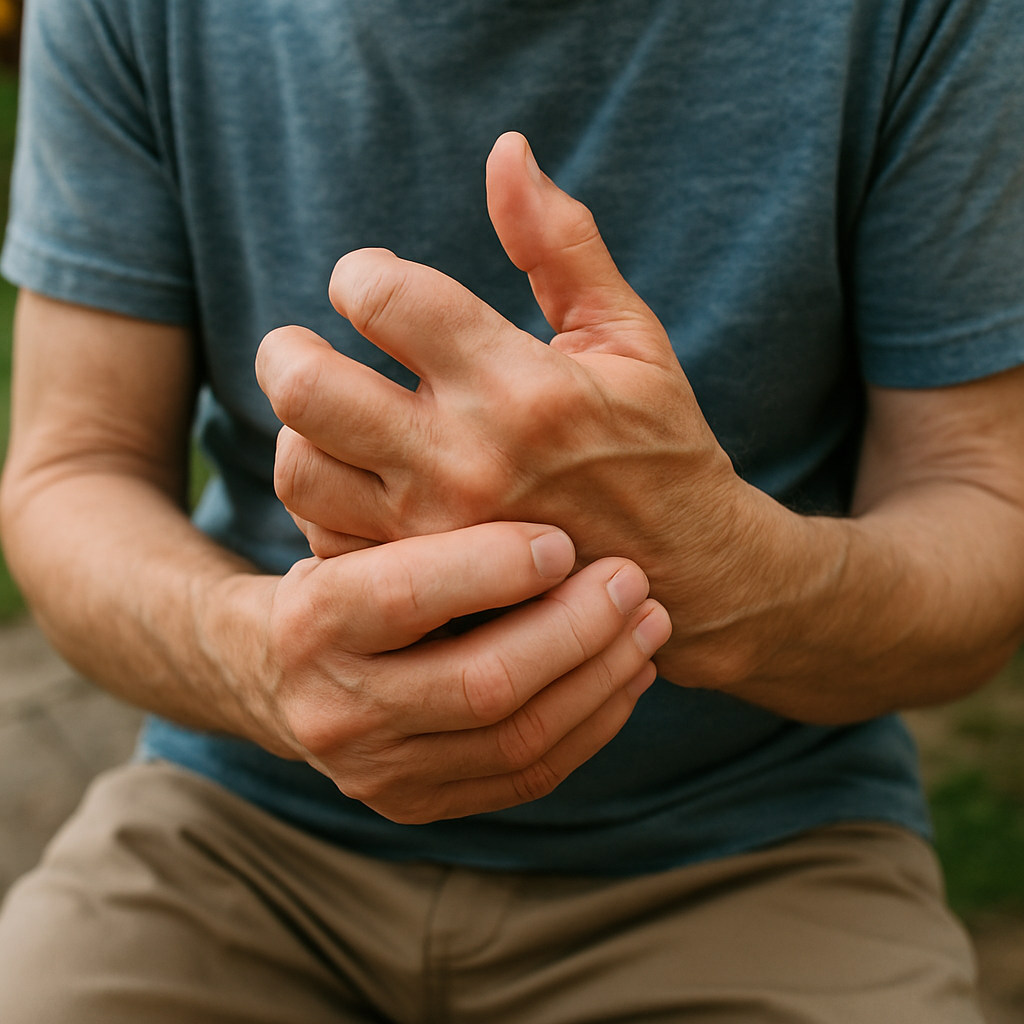
What Arthritis Pain Feels Like in Different Parts of the Body
Understanding what does arthritis pain feel like means recognizing that no two people experience it the same way. The arthritis feeling depends on where it strikes and how long it's been present. Ayurveda doesn’t believe in one-size-fits-all solutions—it looks at the specific patterns in each person and creates a treatment plan that’s personalized to what their body really needs.
Hand Pain from Arthritis: Swelling, Stiffness, and Limited Grip
How does arthritis feel in the hands? This is one of the most frequently asked questions. Think about getting swollen, stiff, and sensitive fingers when you're trying to hold a pen or open a jar. Morning stiffness that eases slightly during the day is a tell-tale sign. The arthritis feeling in hands may come with a grinding sensation or a sense that your grip is weakening. In Ayurveda, this is often linked to cold and dry qualities of aggravated Vata lodging in the small joints.
Arthritis in Knee Feeling: Deep Ache, Cracking, Weight Sensitivity
A common description of knee arthritis is a deep, dull ache that gets worse with pressure or movement. Osteoarthritis patients may experience pain after standing for extended periods of time or climbing stairs, or they may hear popping or cracking sounds when walking. According to Ayurveda, the knees are especially prone to Vata accumulation due to their structural openness and mobility.
General Arthritis Pain Feeling: Morning Stiffness and Soreness
A common symptom of arthritis is a heavy, sore feeling in the joints, particularly when you wake up or after being inactive for a while. Ayurvedic treatments place a strong emphasis on gentle, regular mobility because this stiffness frequently gets better with light movement. Weather can also have an impact on how arthritis feels; damp, cold days tend to exacerbate symptoms.
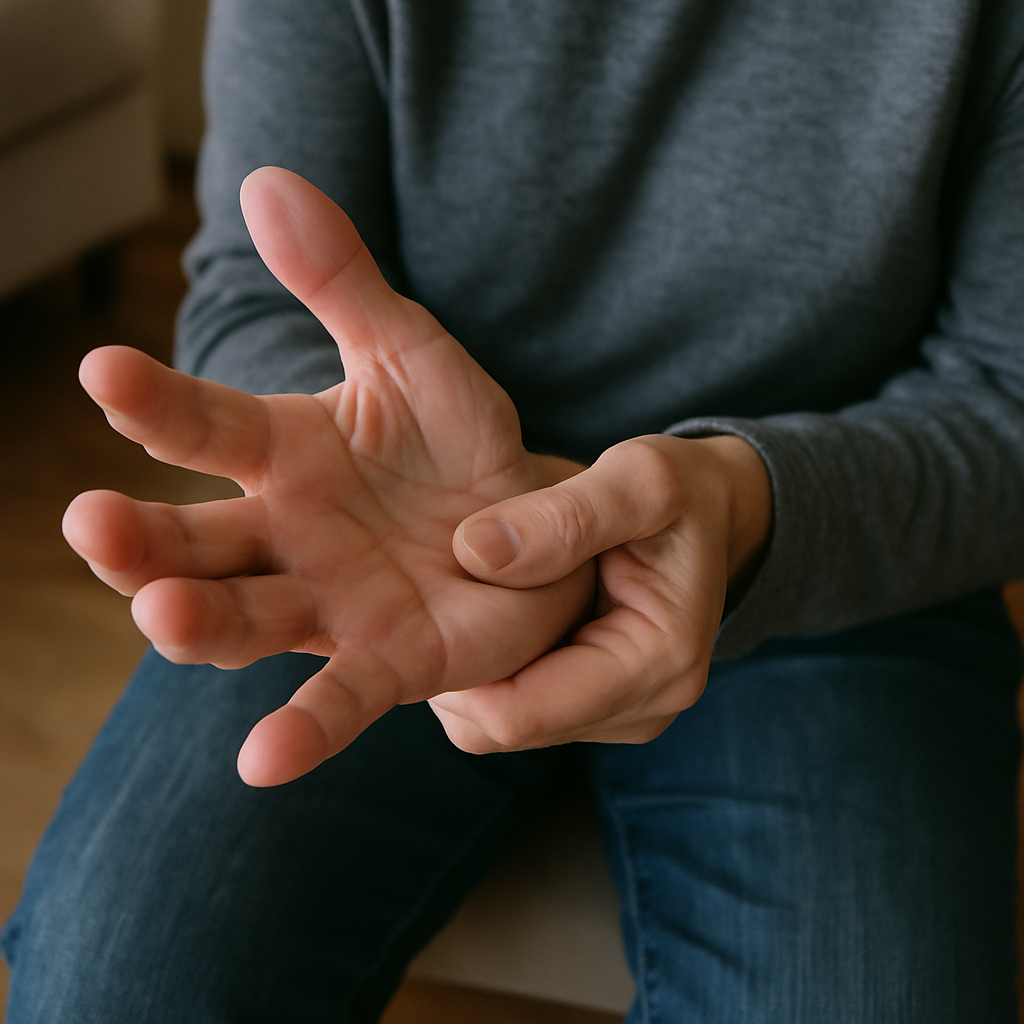
Emotional and Sensory Experience of Arthritis
The emotional and sensory effects of arthritis are equally as significant as the physical ones, which are frequently discussed. Not only do people with arthritis experience discomfort, but they also have to deal with a chronic, exhausting condition that impairs their energy, emotional equilibrium, and mental clarity. When attempting to answer the question of what arthritis feels like on a deeper level, it is essential to comprehend these invisible aspects.
Chronic Discomfort, Fatigue, and Mental Impact of Ongoing Pain
One aspect of arthritis is unpredictability. Even the smallest tasks may seem insurmountable because of the pain, which can be bearable one day and intolerable the next. This cycle, which includes poor sleep due to pain and the body's constant efforts to manage inflammation and discomfort, can lead to chronic fatigue.
The symptoms of arthritis can affect your entire body, not just your joints. Many people define it as a constant sound of pain. This ongoing discomfort can weaken emotional fortitude, which frequently results in frustration, anxiety, or even depression. You may not feel “sick,” but you don’t feel well either—a state Ayurveda refers to as a disturbance of sattva (mental clarity) due to aggravated doshas.
Mental fog, lack of motivation, and emotional imbalance are all part of the arthritis experience for many. The feeling of arthritis is, therefore, not only physical—it’s mental and emotional too.
How Ayurveda Sees the Mind-Body Link in Joint Disease
Ayurveda views the mind and body as inseparable. When pain becomes chronic, the nervous system remains in a prolonged state of stress, which further aggravates Vata dosha. This is why the arthritis pain feeling often worsens under pressure, anxiety, or during emotionally turbulent times.
According to Ayurvedic theory, unresolved emotions like worry, fear, or grief can manifest physically—particularly in the joints. That’s because Vata dosha, which governs the nervous system and movement, is also highly sensitive to emotional shifts. Joint pain, especially in the absence of structural damage, is often a sign of accumulated emotional residue or imbalance.
Ayurveda doesn’t just treat arthritis with herbs or therapies—it addresses the root causes through mental clarity, emotional balance, and detoxification. Practices like meditation, grounding routines, and mindfulness are considered just as important as diet or herbal treatments when dealing with the arthritis feeling.

Arthritis Pain Relief with Ayurvedic Treatment and Self-Care
You don't have to depend solely on medications or invasive therapies to ease the pain caused by arthritis. Ayurveda provides a thorough, personalised healing process that can be calming and empowering. The goal of Ayurvedic practices is to bring balance back to areas where disease has taken hold, from detoxifying the body and mind to balancing doshas.
Herbs, Oils, and Diet to Soothe Vata and Ama
The first step in treating arthritis in Ayurveda is to eliminate accumulated toxins, or Ama, and calm an imbalanced Vata dosha. This two-step method addresses the inflammation brought on by toxins in the body and helps relieve the dryness and stiffness that are frequently experienced in the joints.
Herbs like Ashwagandha, Guggulu, Turmeric, and Shallaki (Boswellia) are renowned for their anti-inflammatory and Vata-pacifying effects. Guggulu, in particular, is often used in formulas like Yogaraj Guggulu to target joint pain and stiffness.
Oils such as Mahanarayan oil and Dhanwantharam thailam are applied in warm massages to nourish joints, increase circulation, and lubricate dry tissues—addressing the classic arthritis feeling of stiffness and soreness.
Diet is important. Prefer easily digested, warm, cooked foods. Steer clear of processed, cold, or dry foods as these can aggravate Vata and lead to the accumulation of toxins. Turmeric, fenugreek, cumin, and ginger can all improve digestion and lower inflammation when added to food.
Avoiding foods that are difficult to digest or inflammatory is key. People often ask, what food should be avoided in arthritis?—and Ayurveda strongly discourages dairy (unless digested well), red meat, fried foods, and excessive sugar or nightshades (like tomatoes and eggplants) for sensitive individuals.
Daily Routines and Gentle Movement for Joint Relief
Dinacharya, or regularity in daily activities, promotes healing and helps balance Vata. The body's internal clock can be regulated by eating meals on a regular basis, sleeping and waking at the same time every day, and engaging in relaxing rituals.
Gentle movement is crucial when you want to manage arthritis. Too much activity can make your joint pain worse, but not moving enough can also cause more stiffness. Here are a few things that you can try:
-
Somatic yoga or gentle joint mobility exercises to enhance circulation and ease tension.
-
Consider doing abhyanga (self-massage with warm oil), before taking a warm shower. This will help nourish your nervous system and also lubricate joints.
-
You can also try detox practices like sipping warm water throughout the day, or try doing occasional fasting to support natural detox pathways.
Doing these simple things can help ease your arthritis pain over time.
Conclusion
Arthritis is not just a joint pain issue. It’s more than that. It is something that affects your physical, emotional and mental wellbeing. Understanding about arthritis from the perspective of Ayurveda can give you a better way to know your body signals.
Whether it’s the arthritis feeling in hands, the arthritis in knee feeling, or the general emotional fatigue of chronic pain, Ayurveda offers holistic tools to not only manage the condition but reclaim a sense of vitality and balance.
Pain doesn’t have to define your life. Through Ayurvedic insight, personalized care, and gentle self-practices, you can find relief and healing, naturally.
👉 Take the first step toward pain relief by exploring Ayurvedic consultation or incorporating simple daily routines to soothe your joints. Share this article with someone who needs hope and healing.
FAQs
Can arthritis go away on its own?
No, arthritis doesn't go away on its own. Some symptoms can come and go. Long-term relief requires lifestyle changes, treatment, and sometimes both. Using Ayurveda for arthritis pain can help reduce flare-ups and improve your joint health as it focuses on the root cause.
What food should be avoided in arthritis?
Avoid foods that are inflammatory or hard to digest: processed foods, fried items, excessive sugar, dairy (if not well-digested), red meat, and nightshade vegetables like tomatoes and peppers.
What is the strongest natural anti-inflammatory?
Turmeric, especially its active compound curcumin, is widely considered one of the strongest natural anti-inflammatories. Others include ginger, Boswellia (Shallaki), and omega-3-rich seeds like flax and chia.
आयुर्वेदिक डॉक्टर से एक प्रश्न पूछें और मुफ़्त या सशुल्क मोड में अपनी चिंता की समस्या पर ऑनलाइन परामर्श प्राप्त करें।
2,000 से अधिक अनुभवी डॉक्टर हमारी साइट पर काम करते हैं और आपके प्रश्नों की प्रतीक्षा करते हैं और प्रतिदिन उपयोगकर्ताओं को उनकी स्वास्थ्य समस्याओं को हल करने में मदद करते हैं।
संबंधित आलेख