आयुर्वेदिक डॉक्टर से प्रश्न पूछें और निःशुल्क या भुगतान मोड में अपनी चिंता की समस्या पर ऑनलाइन परामर्श प्राप्त करें। 2,000 से अधिक अनुभवी डॉक्टर हमारी साइट पर काम करते हैं और आपके प्रश्नों का इंतजार करते हैं और उपयोगकर्ताओं को उनकी स्वास्थ्य समस्याओं को हल करने में प्रतिदिन मदद करते हैं।


Body DetoxEar, Nose, and Throat DisordersGeriatrics & RejuvenationImmunodeficiencyInfertility TreatmentNutritionOrthopedic DisordersPediatricsRespiratory DisordersSexually Transmitted Diseases (STDs)Surgery RecoveryUrological DisordersVascular DisordersDental DisordersEndocrinological DisordersGastrointestinal DisordersYoga TherapyGeneral MedicineAllergic DisordersCardio DisordersGynecology and ObstetricsCosmetologySkin and Hair DisordersEye DisordersInfectious DiseasesMental DisordersNeurological DisordersOncologyPanchakarmaSexual Health & DisordersSports Medicine
पर प्रकाशित 06/17/25
(को अपडेट 08/10/26)
star_border 4.75
5,505
How to Make Kitchari: Ayurvedic Recipe, Ingredients, and Benefits

If you've ever Googled how to make kitchari, you're probably looking for more than just a quick dinner idea. Kitchari is no ordinary dish—it’s deeply rooted in Ayurvedic tradition, designed not only to nourish your body but also to balance your energy. Whether you're craving comfort food or starting a gentle cleanse, this warm, mushy, spice-kissed blend of rice and lentils might just be the answer.
In this guide, we'll explore the history and healing power of kitchari, go over a practical kitchari recipe, and break down the kitchari ingredients that make this dish so popular in holistic circles. You’ll also discover how to customize it based on your dosha, and why it’s a staple in Ayurvedic detoxes. Let’s dive into the simple kitchari recipe that’s been healing bodies for centuries.
What Is Kitchari in Ayurveda?
Kitchari Meaning and History in Ayurvedic Tradition
Kitchari (sometimes spelled khichdi or kichari) comes from the Sanskrit word “khicca,” which loosely translates to a mixture, usually involving grains and legumes. In the context of kitchari Ayurveda, the dish is more than just a meal—it's a therapeutic food, often served during illness or spiritual fasting.
This ancient porridge-like meal has been a staple in Ayurvedic cooking for thousands of years. The basic kitchari rice and dal combo provides all nine essential amino acids, making it a complete protein. It's gentle on the digestive system and can be eaten during periods of illness, post-surgery, or during the Ayurvedic detox program called Panchakarma.
Why It’s Considered a Healing Food
So why is kitchari so highly regarded in Ayurvedic medicine? It's simple, really. The combination of mung dal (split yellow lentils) and basmati rice, cooked with healing spices like cumin, ginger, and turmeric, creates a meal that is incredibly easy to digest. This means your body can absorb nutrients without spending a ton of energy on digestion. Plus, kitchari’s warm, soupy consistency is soothing, especially during seasonal transitions or stressy times.
Kitchari also helps "reset" the digestive fire, or agni, which is considered essential in Ayurveda for maintaining health. A sluggish or irregular agni can lead to a buildup of ama (toxins), so eating ayurvedic kitchari helps stoke the flame and remove that internal junk.
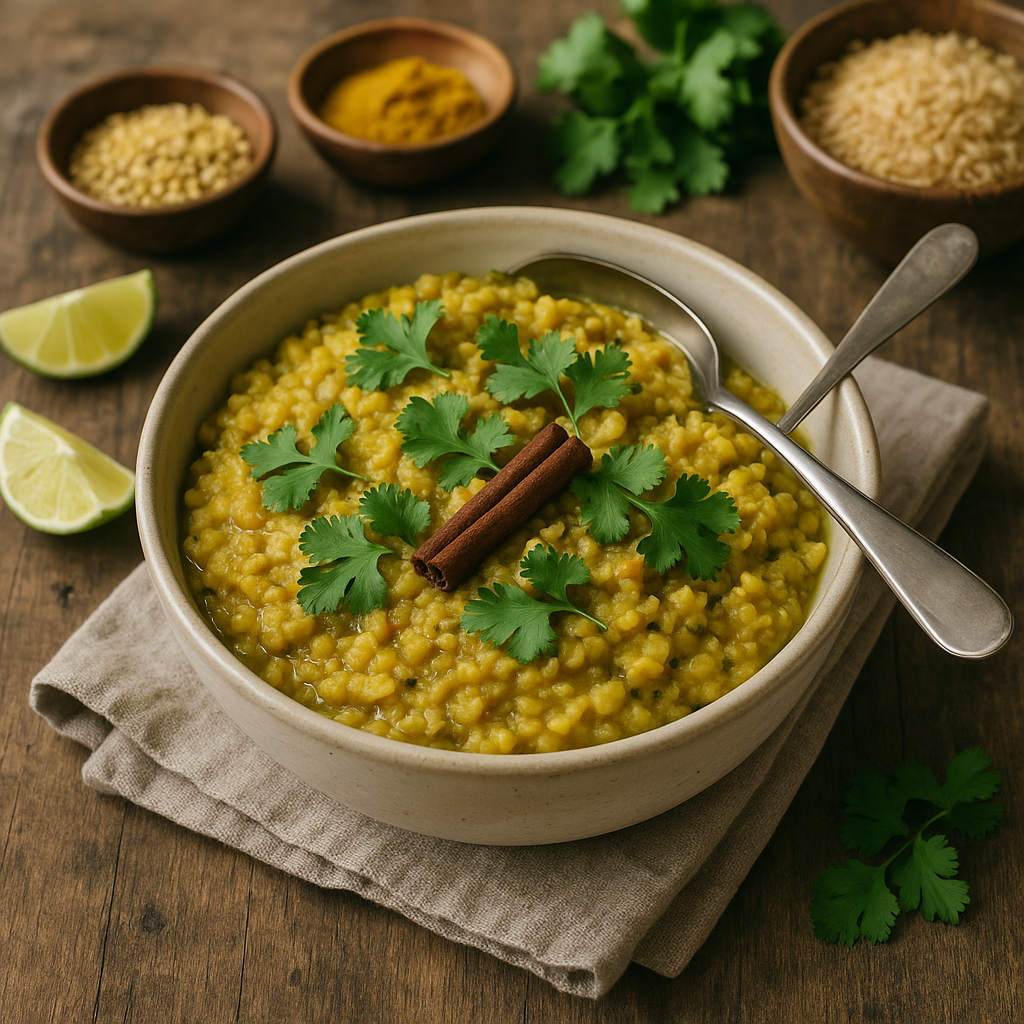
Kitchari Benefits According to Ayurveda
There are a lot of reasons why people turn to kitchari when they want to feel better. First, it’s highly sattvic, meaning it promotes clarity, calm, and peacefulness. That makes it ideal for meditation retreats, cleansing protocols, or even just as a grounding dinner after a chaotic day.
Some of the most praised kitchari benefits include:
-
Digestive reset: Great for gut health and restoring healthy bowel function.
-
Detox support: Often used in Ayurvedic detoxes because it's nourishing and cleansing.
-
Customizable nutrition: It’s super easy to tweak the recipe depending on your dosha or what your body needs.
-
Balanced energy: Unlike raw diets or juice fasts, kitchari keeps your energy steady without spiking or crashing.
That being said, some people may get bored of it quickly—especially if they try eating it for every meal during a cleanse (which...is a bit much, let’s be honest).
Kitchari Ingredients and Preparation Guide
Essential Ingredients
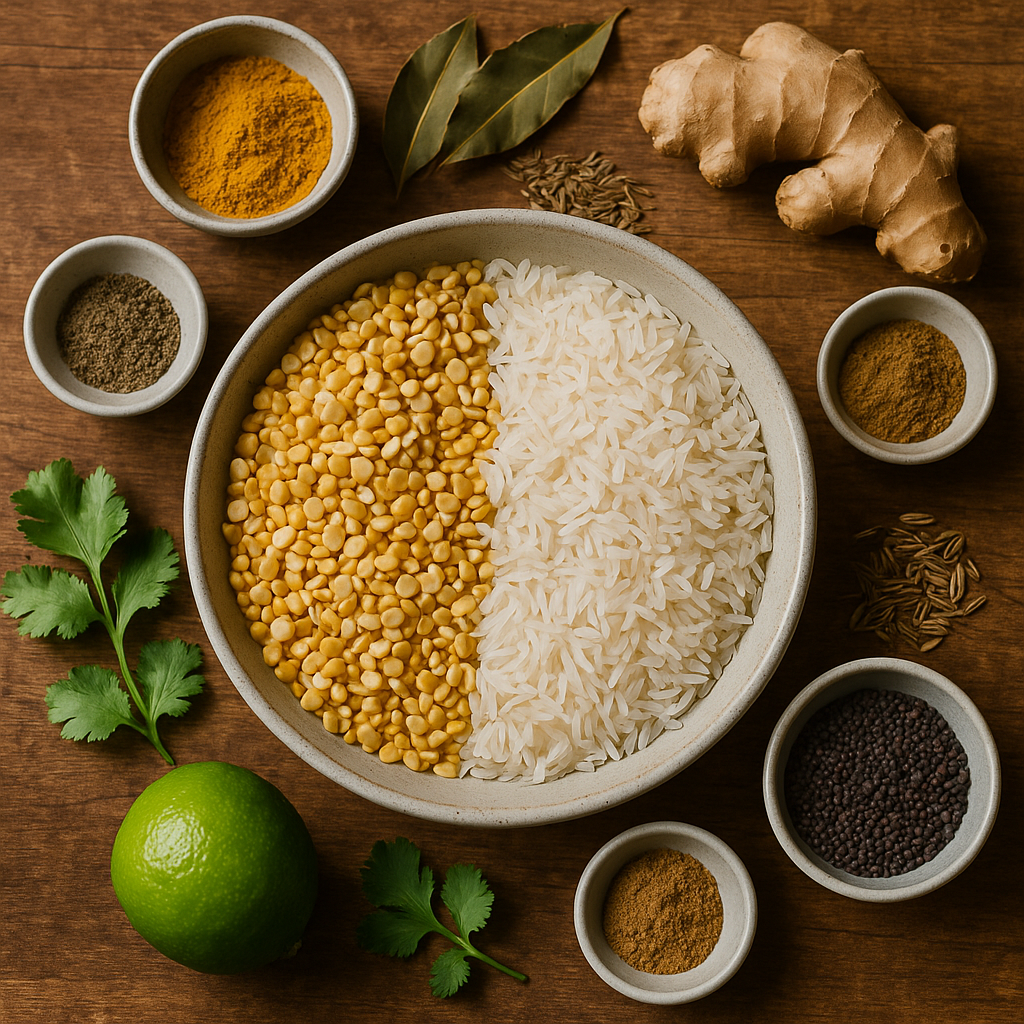
A good ayurvedic kitchari recipe doesn’t require anything fancy, but each ingredient plays a purpose. Here’s what you’ll usually need:
-
Basmati rice – Easy to digest and calming to the system. This is the main kitchari rice used.
-
Split yellow mung dal – Light, nourishing, and excellent for balancing all doshas.
-
Ghee – Adds a buttery richness and helps deliver the medicinal qualities of the spices deeper into the tissues.
-
Cumin, coriander, turmeric, ginger – The spice quartet. These herbs boost digestion and reduce inflammation.
-
Water or broth – For the base; more water makes it soupier, less makes it thicker.
-
Vegetables (optional) – Carrots, zucchini, spinach, etc., depending on your dosha.
The magic of a simple kitchari recipe is that you can easily build on it. Add fresh cilantro, lemon juice, or toasted mustard seeds at the end for a flavor lift. Or not—some days, bland is what the doctor ordered.
Dosha-Specific Adjustments (Vata, Pitta, Kapha Variations)
In Ayurveda, every person has a unique mind-body constitution known as a dosha—Vata, Pitta, or Kapha. Kitchari can be easily adapted to support each one, which is part of what makes it so versatile.
-
For Vata (cold, dry, and light): Use a bit more oil or ghee, and go easy on the spices. Add warming ingredients like ginger, cinnamon, and asafoetida. Cook the kitchari a little longer until it’s super soft and mushy. Root veggies like carrots and sweet potatoes are ideal here.
-
For Pitta (hot, sharp, and oily): Avoid too much spice—especially chilies or black pepper. Use cooling herbs like cilantro and fennel seeds. Add more water so the texture is soothing. Bitter greens like spinach and zucchini help balance excess heat.
-
For Kapha (heavy, slow, and damp): Go easy on the ghee and rice—use more dal and add plenty of warming, pungent spices like mustard seed, turmeric, and black pepper. Lighter veggies like kale, cauliflower, and leeks are great for cutting through that Kapha density.
These tweaks don’t require a nutrition degree—they're easy and intuitive once you get used to listening to your body. Plus, you don’t need to get obsessive about it. If you mess it up a bit, no big deal.
Herbs and Add-ins for Enhanced Nutrition
Want to take your ayurvedic kitchari to the next level? There’s no shortage of ways to boost it with extra goodness:
-
Fresh herbs: Cilantro (cooling), parsley (detoxifying), basil (warming).
-
Digestive aids: Asafoetida (hing), fennel, ajwain seeds.
-
Superfoods: Add soaked quinoa or amaranth for a protein kick.
-
Greens: A handful of spinach or kale near the end of cooking adds iron and fiber.
-
Medicinal add-ins: A scoop of triphala powder (though not for taste...) or a dash of castor oil in serious detox cases—but this is best done with guidance from an Ayurvedic practitioner.
There’s no rulebook—just build from the base and add what feels right, or what your body’s asking for that day.
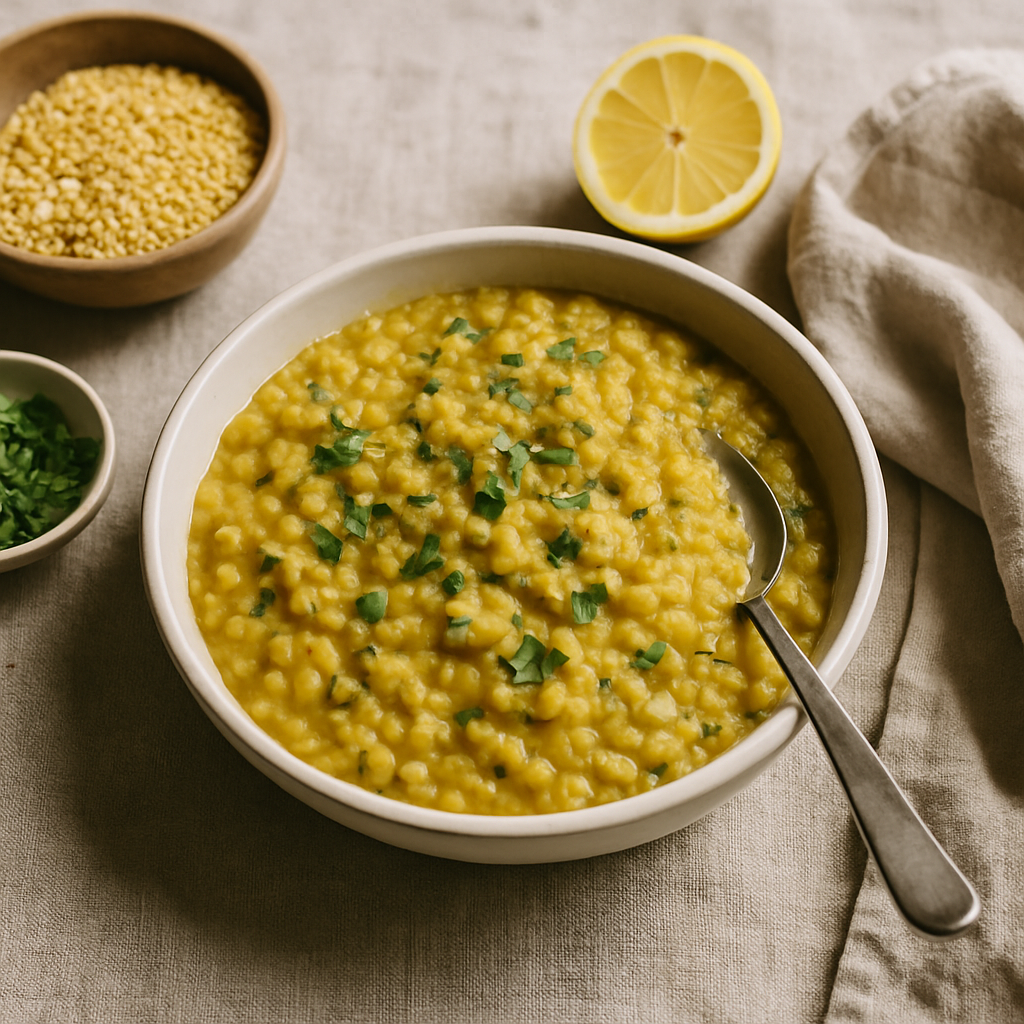
Step-by-Step Ayurvedic Kitchari Recipe
How to Make Kitchari at Home
Now the good stuff—the actual method. This kitchari recipe is beginner-friendly and can be adjusted for your tastes or dosha.
Basic Recipe:
Ingredients:
-
1/2 cup basmati rice
-
1/2 cup split yellow mung dal
-
1.5 tbsp ghee
-
1 tsp cumin seeds
-
1 tsp mustard seeds (optional)
-
1 tsp turmeric
-
1 tbsp grated fresh ginger
-
4–5 cups water (adjust for desired thickness)
-
1.5 cups chopped vegetables (optional)
-
Salt to taste
-
Fresh herbs for garnish (cilantro or parsley)
Instructions:
-
Rinse the kitchari rice and mung dal thoroughly in cool water (until the water runs clear).
-
In a large pot, heat ghee. Add cumin, mustard seeds, and ginger. Let 'em sizzle for 30 seconds.
-
Add turmeric, then stir in rice and dal. Toast for 1–2 minutes.
-
Add water and bring to a boil. Reduce heat and simmer for about 30–40 minutes, stirring occasionally.
-
Toss in veggies during the last 10–15 minutes. Add salt to taste.
-
Top with fresh herbs or a squeeze of lemon. Serve warm.
Honestly, you can’t really mess this up. If it turns out too soupy? Great. Too thick? Add more water. Kitchari’s forgiving like that.
Simple Kitchari Recipe for Beginners
If the full recipe above feels a bit much, here’s a stripped-down version that still hits the spot:
Quick Version:
-
1/2 cup rice
-
1/2 cup mung dal
-
1 tsp turmeric
-
1 tsp cumin
-
1 tbsp ghee
-
Pinch of salt
-
4 cups water
Boil, simmer, stir occasionally, and done. In about 30–35 minutes, you've got yourself a bowl of comfort and balance. No frills, just function.
Cooking Tips for Texture, Flavor, and Digestibility
-
Soak the dal for 20–30 minutes before cooking—it cuts cooking time and makes it even easier to digest.
-
Stir every so often to keep the texture creamy and avoid burning at the bottom.
-
Don’t over-salt; the spices should do the heavy lifting.
-
Add lemon juice or a pinch of black salt at the end for a little brightness.
Mistake #1 here might be using the wrong kind of dal—don’t use whole green mung beans if you want authentic texture. It’s split yellow mung dal you’re after. Sounds nitpicky but actually makes a difference.
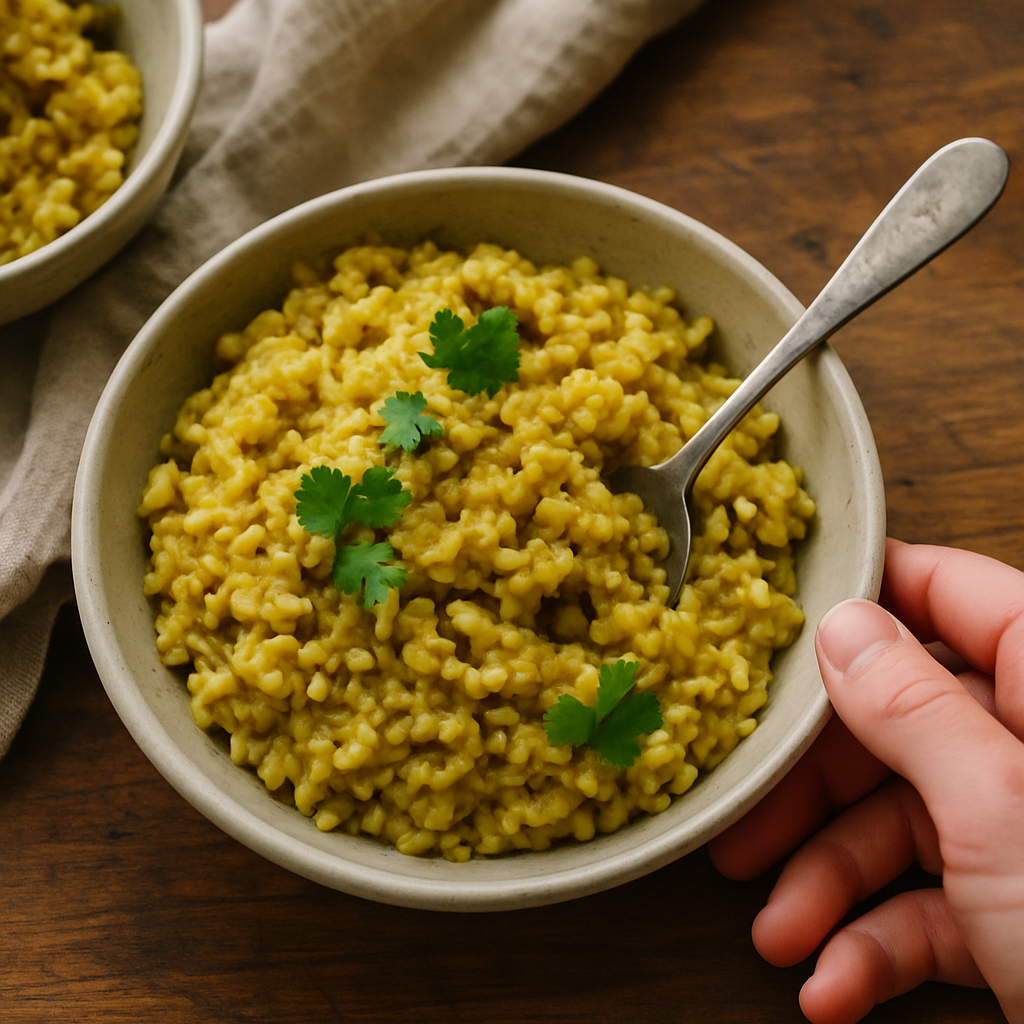
How to Eat Kitchari for Wellness
When and How to Include It in Your Daily Diet
You don’t need to be on a detox to enjoy the perks of kitchari. In fact, many people in India and increasingly in the West are eating it regularly as part of a balanced, mindful lifestyle. It’s gentle enough for breakfast, nourishing enough for lunch, and grounding enough for dinner—though you probably wouldn’t eat it every single day forever. (Well, some do. But that’s maybe a bit...extreme.)
You can start by having kitchari once or twice a week, especially during seasonal changes or if you're feeling a bit off—sluggish digestion, low energy, poor sleep, all those signs your system needs a reset. Ayurveda says food is medicine, and ayurvedic kitchari is like the chicken soup of Ayurvedic cooking: soothing, simple, and safe for almost everyone.
For digestion support, eat it warm (never cold!), chew slowly, and pair with herbal teas like cumin-coriander-fennel or ginger tea. Eat until you’re about 75% full. And yeah, that part’s hard. Kitchari tastes better than you'd think.
Kitchari for Panchakarma and Cleansing Protocols
If you’ve ever researched Ayurvedic cleansing, you’ve probably heard of Panchakarma. This isn’t your average juice cleanse. It’s a deeply personalized detox that can include massage, steam therapy, enemas (yep), and of course, lots and lots of kitchari.
During Panchakarma, kitchari becomes the main food because it’s:
-
Tridoshic (balances all three doshas)
-
Nutrient-dense but super light
-
Easy to digest, even for weakened systems
It acts as a carrier for herbs and helps draw toxins from the tissues. People often eat it exclusively for several days or even weeks during the cleanse. If you're just trying it out at home, a simple kitchari cleanse for 1–3 days can be a gentle reset—nothing drastic, just nourishing and grounding.
One word of warning: Don’t do a full Panchakarma at home without a trained Ayurvedic practitioner. It’s tempting, sure, but kitchari alone won’t handle the deeper stuff if you're truly toxic.
Combining Kitchari with Herbal Teas and Rest
Ayurveda isn’t just about what you eat. It’s also about how you live. If you’re planning to use kitchari as part of a wellness protocol, pair it with:
-
Herbal teas: CCF tea (cumin, coriander, fennel), ginger tea, or tulsi for calming.
-
Rest: Go to bed earlier, take naps if you’re tired. Your body will thank you.
-
Digital detox: Reduce stimulation so your body can focus on healing.
-
Self-care rituals: Try dry brushing, oil massage (abhyanga), or simply slowing down.
In short, give your body a break—and a bowl of warm, healing food.
Conclusion
If you were wondering how to make kitchari, now you’ve got not just the recipe, but the context, the reasons, the tips, and even the soulful little rituals that go with it. Kitchari is more than food—it’s a tool for balance, healing, and simplicity in a cluttered world.
By tuning into your dosha, choosing your kitchari ingredients wisely, and cooking with intention, you’re not just feeding yourself—you’re supporting your entire being. And hey, it’s delicious. Especially with a dollop of ghee on top and that sprinkle of fresh herbs.
Whether you’re diving into a detox, starting a mindfulness practice, or just craving something that feels like a hug in a bowl, the kitchari Ayurveda approach has something to offer.
Give it a try. Maybe share it with a friend. And don’t forget to listen to your body—it knows what’s up.
FAQs
Can kitchari be eaten every day?
Yes, technically it can. It’s safe, nourishing, and balancing. But variety is also key in a healthy diet, so don’t be afraid to mix things up now and then.
Is there a difference between detox kitchari and regular kitchari?
Not much in terms of ingredients, but detox kitchari is usually lighter—less salt, less ghee, more water, and fewer spices. It's tailored for cleansing rather than comfort.
How do I make kitchari more suitable for my dosha?
Adjust the spices, oil, and vegetables. For example, Vata types need more warmth and oil, Pitta needs cooling herbs and milder spices, and Kapha does best with light, spicy, and dry textures.
What kind of rice and dal are best for kitchari?
Always go for basmati rice and split yellow mung dal. They’re easy to digest and ideal for all doshas. Other types can be used, but they may change the dish's qualities.
If this guide helped you understand the magic of kitchari, share it with someone who's curious about Ayurveda or wellness cooking. Or better yet—cook a batch and invite a friend over. Healing is better when it’s shared. 🌿
उपयोगकर्ताओं के प्रश्न
Can I use lentils instead of rice in kitchari?
Client_b87ba7
4 दिनों पहले
No, you cannot use lentils instead of rice in kitchari. Kitchari traditionally combines rice with lentils or split mung beans to create a balanced, easily digestible meal. The rice provides carbohydrates and helps in balancing the protein content of the lentils, making it a staple in digestive detoxes. If you're considering alternatives, try quinoa or millet for grains, which will still support digestion. If digestive issues persist or you experience adverse symptoms, consult a healthcare professional.
What are the common health benefits of eating kitchari regularly?
Client_ade2a1
9 दिनों पहले
Eating kitchari regularly can offer several health benefits. This traditional dish, made primarily with rice and lentils, is a complete protein source, providing all nine essential amino acids needed for bodily function. Rich in fiber, kitchari supports digestive health and promotes bowel regularity. Its simplicity and ease of digestion can be particularly beneficial during illness or detoxification. Typically, benefits like improved digestion and increased energy can be noticed within a few days to weeks of regular consumption. If you experience any digestive discomfort or intolerances, consult a healthcare provider.
What is the best way to store leftover kitchari for freshness?
Client_d8bf45
14 दिनों पहले
To store leftover kitchari for optimal freshness, place it in an airtight container and refrigerate it within two hours of cooking. It can last for up to 3-4 days in the refrigerator. Reheat thoroughly on the stove or in the microwave before consuming. If freezing kitchari, do so in portion-sized containers to avoid repeatedly thawing and refreezing. Defrost in the refrigerator overnight and consume within a day of reheating to maintain quality. While fresh foods are typically preferred for digestive health, storing kitchari correctly maintains its nutritional value and reduces food waste. If questionable odors or textures develop, it's best to discard the kitchari and make a new batch.
How to customize kitchari to suit my dietary needs?
Client_cbafc2
19 दिनों पहले
To customize kitchari to suit your dietary needs, consider the type of grains and lentils, as well as any additional spices or vegetables that align with your nutritional goals. For those with gluten sensitivities, opt for quinoa or millet instead of traditional rice. Add more protein with lentils or mung beans, and choose vegetables that support your specific health concerns—like leafy greens for fiber. Adjust spices for flavor and digestion, such as using more cinnamon for warmth or reducing ginger if it's too stimulating. If you have specific dietary or health conditions, consult a healthcare professional for personalized advice.
What vegetables pair best with kitchari for added nutrition?
Client_6e2f75
29 दिनों पहले
The best vegetables to pair with kitchari for added nutrition are those that complement its gentle flavors while boosting its nutrient profile. Dark leafy greens like spinach or kale provide vitamins A, C, and K, alongside a good amount of fiber. Broccoli and cauliflower add a crunchy texture and are rich in vitamin C and folate. Carrots can bring in beta-carotene, while zucchini is a hydrating option with low calories. Incorporate these vegetables in the last 10–15 minutes of cooking to retain their nutrients and texture. If you have specific dietary concerns or health issues, consult a healthcare professional for personalized advice.
How long should I eat kitchari for a proper cleanse?
Client_b01a24
39 दिनों पहले
For a proper kitchari cleanse, it is typically recommended to eat the dish exclusively for 3 to 7 days. This duration allows your digestive system to rest and detoxify while still providing essential nutrients. The simplicity of kitchari aids in reducing digestive load. If you're new to cleansing, start with a shorter period and see how your body responds. Watch out for signs like persistent fatigue, digestive discomfort, or lack of improvement, which could indicate that it's time to end the cleanse. If any adverse symptoms occur or if you're considering a longer cleanse, consult a healthcare professional for guidance.
How can I enhance the flavor of kitchari without overloading on spices?
Client_1fbc09
49 दिनों पहले
To enhance the flavor of kitchari without overloading on spices, consider using aromatic herbs such as cilantro or parsley for freshness. Mix in a squeeze of lemon or lime juice for brightness just before serving. For added depth, roast the onions and garlic before adding them, or use a small amount of ghee for a rich, buttery flavor. You can also include warm spices like cumin or mustard seeds sparingly. If you're unsure of the balance, keep adding spices gradually and taste as you go. If digestion remains a concern, consult a doctor or registered dietitian.
What are the best oil options for cooking kitchari?
Client_7879e4
59 दिनों पहले
The best oil options for cooking kitchari are ghee, coconut oil, and olive oil. Ghee is traditionally used and is great for high-heat cooking, enhancing flavor while aiding digestion. Coconut oil adds a subtle flavor and is also suitable for medium-high heats. Olive oil can be used, but it has a lower smoke point, so it's better for gentle stovetop cooking. These oils provide healthy fats and add nutritional value. It's wise to avoid oils with high omega-6 fats like sunflower or corn oil for regular consumption. If you're experiencing any digestive issues or allergies, consider consulting a healthcare provider for a personalized recommendation.
How can I tell if kitchari is helping my digestion after a few meals?
Client_0e745e
68 दिनों पहले
If kitchari is working for your digestion, you might start feeling lighter with less bloating. Notice if you're having regular, comfortable bowel movements, better energy, or less burping/gas. But everyone's different! If you feel more balanced and like a cozy warmth after meals, it might be doing the trick for you! 😊
What is kitchari and how does it fit into an Ayurvedic lifestyle?
Client_13eb52
78 दिनों पहले
Kitchari is a simple and nutritious dish made of mung dal and basmati rice cooked with spices like cumin, ginger, and turmeric. It's super easy to digest, making it great for cleansing and balancing Vata and Pitta doshas. In Ayurveda, it's seen as a nourishing way to reset your digestion while supporting overall health and energy levels. You can adjust the spices to suit your body type or imbalances, and it encourages listening to your body's needs. Why not give it a try? :)
संबंधित आलेख

Nutrition
पॉइंट कैप्सूल्स के फायदे, खुराक, सामग्री, साइड इफेक्ट्स
पॉइंट कैप्सूल्स के फायदे, खुराक, सामग्री, और साइड इफेक्ट्स की खोज
2,982

Nutrition
सप्तामृत लौह के फायदे, खुराक, सामग्री, साइड इफेक्ट्स
सप्तामृत लौह के फायदे, खुराक, सामग्री, और साइड इफेक्ट्स की जानकारी
6,150
Nutrition
Side Effects of Curd According to Ayurveda: Why It’s Not Always the Health Food You Think
According to Ayurvedic wisdom, curd can disturb digestion, aggravate certain doshas, and create something called “ama” — toxic buildup in the body. And here's the kicker: these side effects aren't instant. They creep up — through fatigue, sinus issues, sk
17,594

Nutrition
Ikshu Rasa: Health and Science of Sugarcane Juice
Explore the health benefits, modern research, and Ayurvedic views on Ikshu Rasa (sugarcane juice), backed by scientific studies and credible medical sources.
7,338

Nutrition
What to Eat After Masturbation? Ayurvedic Foods and Recovery Advice
Wondering what to eat after ejaculating? Discover Ayurvedic foods, drinks, and energy-restoring practices to support recovery after sperm loss or hand practice
32,764

Nutrition
How to Use Sunflower Seeds for Health, Hair, and Weight Management
Discover how to use sunflower seeds for weight loss, hair health, and more. Learn about sunflower seeds uses, recipes, and Ayurvedic benefits
5,070

Nutrition
तरबूज के बीज कैसे खाएं: फायदे और सुरक्षित उपयोग के लिए आयुर्वेदिक गाइड
तरबूज के बीजों को स्वास्थ्य लाभ के लिए कैसे खाएं? जानें तरबूज के बीज खाने, भूनने और इस्तेमाल करने के बेहतरीन तरीके, साथ ही रोजाना सुरक्षित सेवन के लिए आयुर्वेदिक टिप्स।
11,893

Nutrition
Best Noni Juice India: A Comprehensive Health & Buying Guide
Discover the best noni juice in India through scientific insights, top brand comparisons, and expert tips. Learn how noni benefits health and find your ideal choice.
4,788
Nutrition
Vidaryadi Ghritam Uses and Health Benefits in Ayurveda
Learn about the Ayurvedic formulation Vidaryadi Ghritam, its traditional uses, clinical relevance, and benefits for fertility, immunity, and strength.
3,591

Nutrition
Shilapravang Special Benefits, Dosage, Side Effects, Ingredients
Exploration of Shilapravang Special Benefits, Dosage, Side Effects, Ingredients
3,049
विषय से संबंधित परामर्श
अतिरिक्त दस्तावेज़
© 2024 Ask Ayurveda. सर्वाधिकार सुरक्षित।