Why Are Vitamins Necessary in the Diet: Ayurvedic View and Daily Needs

We hear it all the time—eat your vitamins, don’t skip your veggies, and a balanced diet is key to good health. But why are vitamins necessary in the diet, really? Why should we include vitamins in our diet every day, and how does this tie into the ancient wisdom of Ayurveda?
Whether you're a health-conscious eater or just starting to care about your nutrition, understanding the importance of vitamins in diet can be a game-changer. A vitamin-rich diet doesn’t just help you avoid colds—it supports everything from mental clarity to hormone balance, and even how well you sleep. According to both modern nutrition and Ayurvedic principles, vitamins and minerals are vital life forces that keep the body thriving. In this article, we’ll break down why vitamins are necessary in the diet, what foods are rich in vitamins and minerals, and how to build daily habits around them, without going crazy.

Why Are Vitamins Necessary in the Diet for Overall Health
Why Should We Include Vitamins in Our Diet Daily
First things first—what is the role of vitamins in our diet on a day-to-day basis? Think of them like tiny workers behind the scenes. They don’t provide energy like carbs or fats, but they make sure your body can use the energy properly. They help enzymes do their jobs, keep your cells healthy, and even assist in building bones and repairing tissues.
Skipping out on essential vitamins over time can sneak up on you. Fatigue, brittle nails, mood swings, weak immunity—yeah, that’s your body waving a red flag. It’s not always dramatic, but over time, those little gaps in your diet add up. That’s why are vitamins necessary in the diet? Because without them, your system just can’t run smoothly.
What Is the Role of Vitamins in Our Diet According to Ayurveda
Ayurveda has a beautiful take on nutrition. Instead of isolating vitamins as modern science does, it looks at food as whole, living energy. Still, if you dig deeper, Ayurvedic texts do acknowledge the concept of Rasayana—foods and herbs that enhance vitality, immunity, and longevity.
So when we talk about a vitamin-rich diet, Ayurveda would say it’s not just about popping pills. It's about nourishing your Agni (digestive fire) and consuming fresh, seasonal, and properly combined foods that are easy to digest and absorb. In Ayurvedic terms, the stronger your Agni, the better your body can extract nutrients from what you eat.
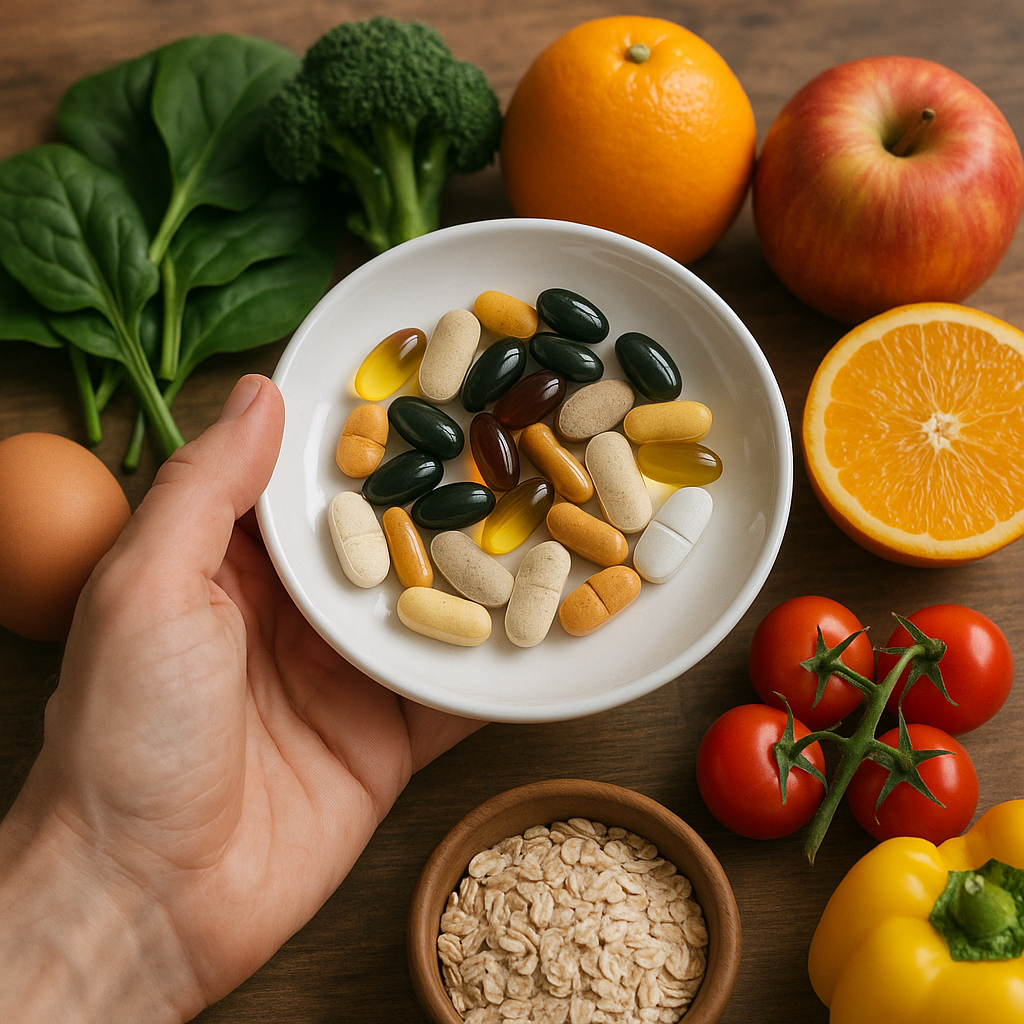
Understanding the Importance of Vitamins in Diet from a Preventive Health Perspective
Balanced Diet: Vitamins and Minerals in Food and Their Functions
Here’s where it gets even more real. People often ask: What is the importance of vitamins and minerals in our diet for disease prevention? Simple—balanced diet, vitamins and minerals, go hand-in-hand when it comes to keeping illness at bay.
Your immune system, skin health, mood, and even your brain chemistry all rely on these tiny compounds. If your diet lacks essential nutrients, your body starts compensating in weird ways. That’s when chronic issues—like inflammation, poor focus, or metabolic disorders—start creeping in.
And it’s not just about any vitamins—balance matters. Too much of one thing (like iron) and too little of another (like vitamin D), and the whole system gets wacky. That’s why the concept of balanced diet vitamins and minerals isn’t just a wellness buzzword—it’s a real, practical approach to daily health.
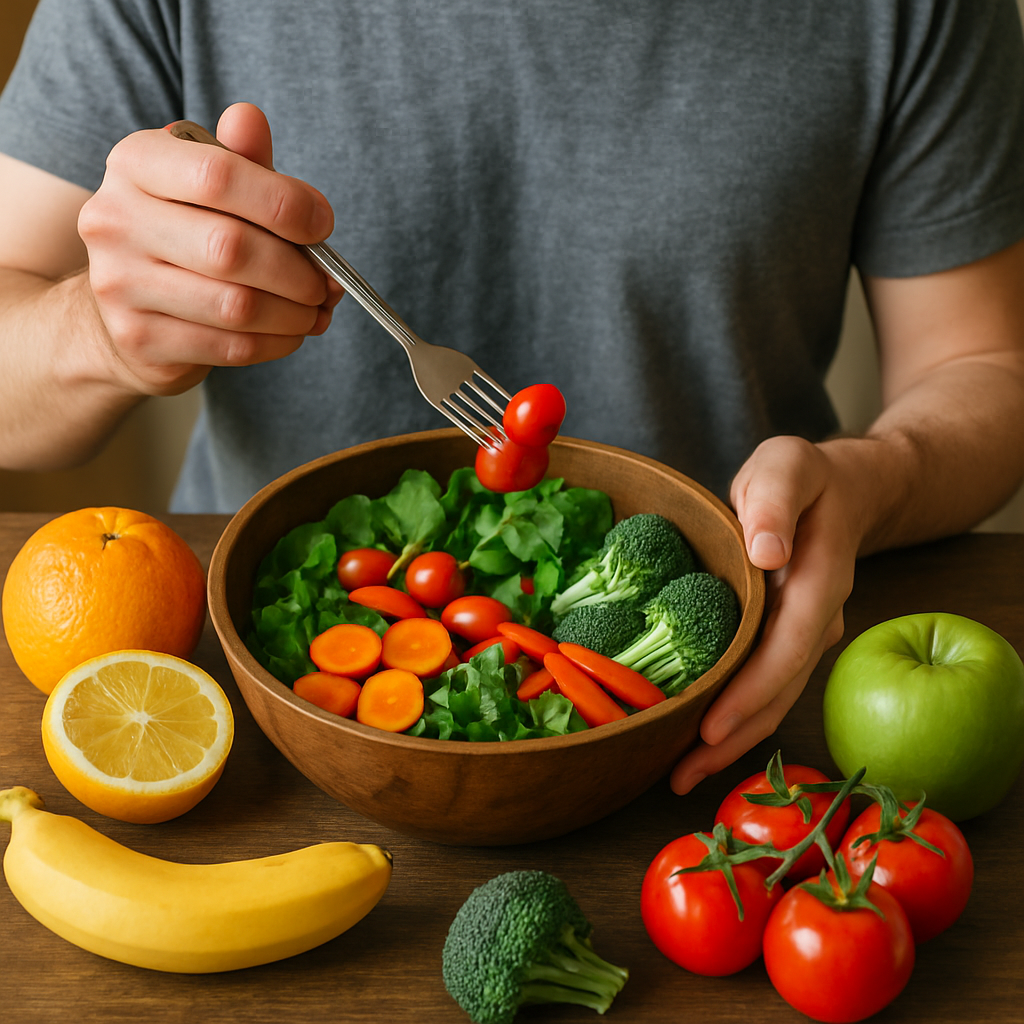
Essential Vitamins and Their Role in the Body
Fat-Soluble and Water-Soluble Vitamins Explained
Okay, mini science class. Vitamins are either fat-soluble (A, D, E, K) or water-soluble (B-complex and C). Fat-soluble vitamins are stored in the body’s fat tissues and liver, which means they can build up over time. Water-soluble ones, on the other hand, need to be replenished daily because they get flushed out.
This means your food choices every day really matter—especially if you're relying on takeout or skipping meals. Wondering why are vitamins necessary in our diet on a regular basis? Because some of them don’t stick around. And your body can't make them on its own.
What Happens When You Lack Vitamins in Your Diet
If your body doesn’t get enough vitamins, symptoms start popping up—some subtle, others not so much. Low B12? You’ll feel drained. Not enough vitamin D? Your bones suffer, and your mood might plummet. Missing out on iron and folate? Fatigue, brain fog, and even hair loss can kick in.
It’s like your body's trying to run on an empty battery. So, the importance of vitamins in diet isn’t just theory—it’s something that affects how you feel, every single day.
Ayurvedic Herbs and Formulas That Naturally Support Vitamin Absorption
Ayurveda doesn’t just care about what you eat—it cares about how your body absorbs it. That’s a big difference. You could eat the most expensive superfoods and still be low in nutrients if your digestion isn’t working right.
Certain herbs and combinations in Ayurveda are known to support vitamin absorption and boost overall nutrient availability in the body. For example, Trikatu—a blend of black pepper, long pepper, and ginger—stimulates digestive fire and enhances bioavailability of nutrients. Then there's Amalaki (Indian gooseberry), which is loaded with vitamin C and antioxidants and helps rejuvenate tissues.
Ghee, or clarified butter, is another Ayurvedic favorite. It’s a fat that enhances the absorption of fat-soluble vitamins like A, D, E, and K. Plus, it tastes great on basically everything—so, win-win.
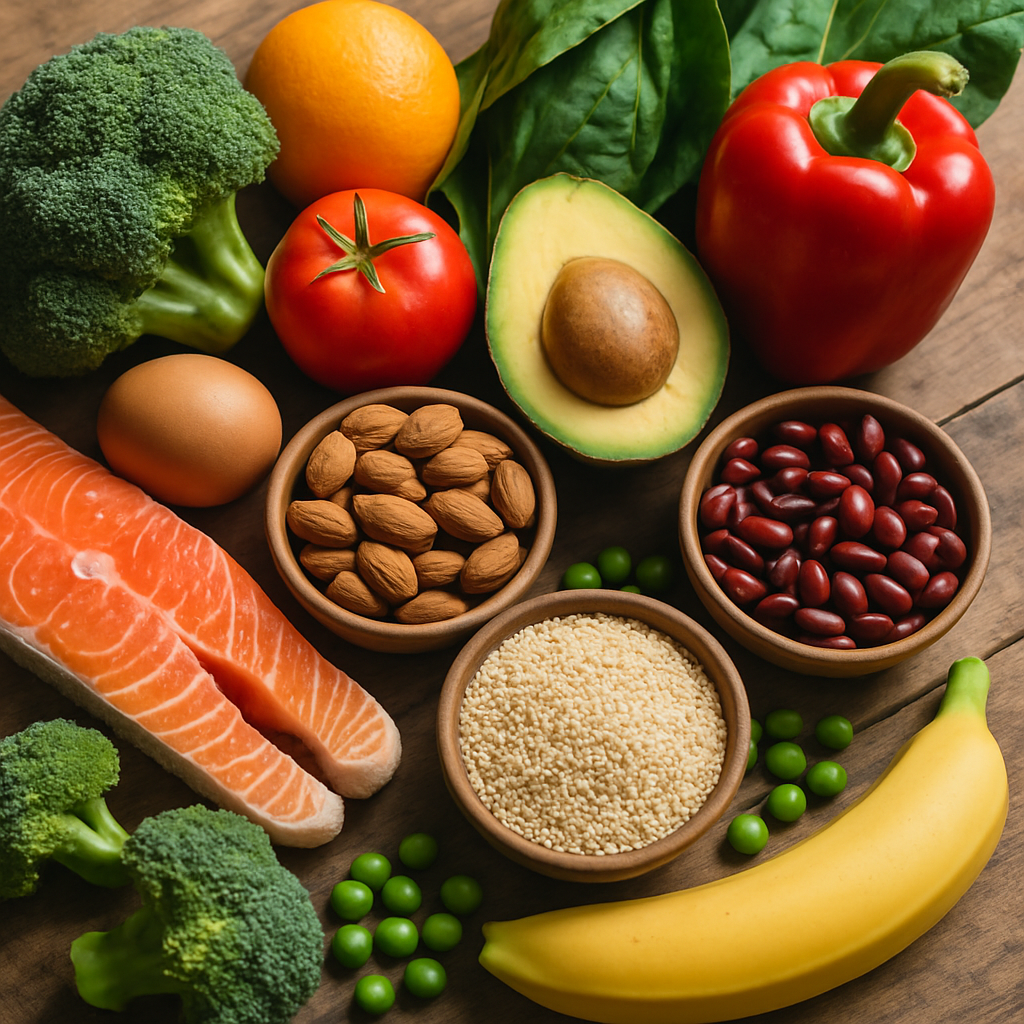
Food Rich in Vitamins and Minerals for a Balanced Diet
Everyday Foods That Are Rich in Vitamins and Minerals
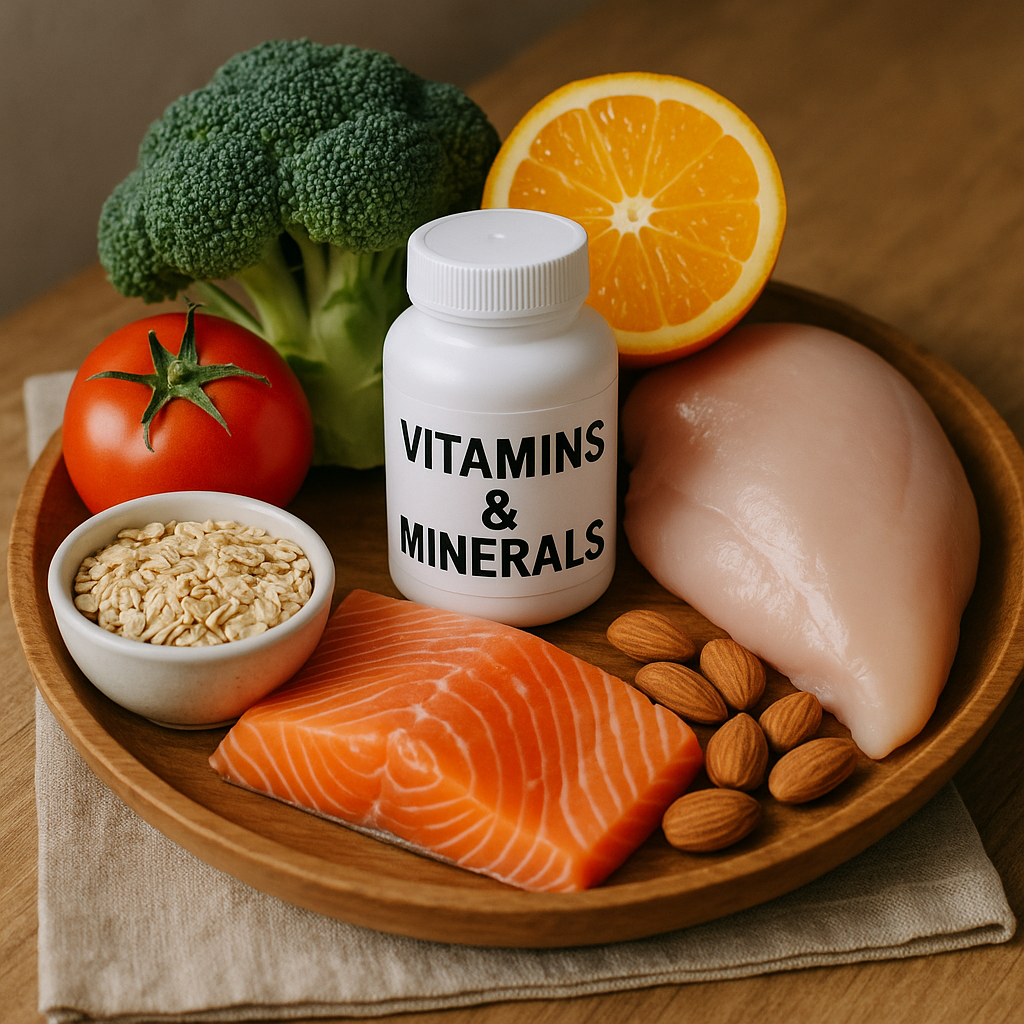
So what should you actually eat? Luckily, you don’t need exotic powders or overpriced powders (oops, meant “supplements”—see, real people make typos!). A variety of food rich in vitamins and minerals is available right in your local grocery store or farmer's market.
Some MVPs include:
-
Leafy greens: Think spinach, kale, fenugreek. They’re loaded with vitamins A, C, K, and folate.
-
Nuts and seeds: Almonds, flaxseeds, sunflower seeds—these are rich in vitamin E, magnesium, and zinc.
-
Whole grains: Brown rice, quinoa, millets. These offer B vitamins and iron.
-
Fruits: Papaya, oranges, guava, and berries are loaded with vitamin C and antioxidants.
-
Dairy and eggs: Great for B12, D, and calcium (if you're not allergic or vegan).
-
Legumes: Lentils and beans provide iron, B-complex vitamins, and more.
Including these regularly makes your meals naturally packed with balanced diet vitamins and minerals—without having to overthink every bite.
How to Create a Vitamin-Rich Diet with Seasonal and Local Produce
Here’s a trick most people forget: eat seasonal. Ayurveda emphasizes the importance of aligning your diet with nature’s rhythm. What grows locally and seasonally is typically what your body needs most during that time.
In summer, juicy fruits and hydrating veggies like cucumbers cool the body. In winter, root veggies and warming spices help boost immunity and digestion. This way, your vitamin-rich diet stays diverse and in tune with your environment.
Buying from local farmers markets can also mean fresher produce, higher nutrient content, and less exposure to chemicals. Plus, you're supporting your community, which is nice.
And don't stress if your meals aren't Instagram-perfect. Sometimes a bowl of dal, rice, and sautéed greens can deliver more nutrients than a store-bought “superfood” smoothie with unpronounceable ingredients.
What Is the Importance of Vitamins and Minerals in Our Diet for Longevity
Long-Term Effects of Deficiency and the Power of Nutrient-Rich Meals
Let’s talk big picture. The importance of vitamins in diet isn’t just about avoiding short-term symptoms—it’s about preventing chronic disease, slowing down aging, and staying vibrant as you grow older.
People who eat a vitamin-rich diet consistently tend to have lower rates of heart disease, diabetes, and neurodegenerative issues. Their skin glows more. They sleep better. They're less moody (well, usually). That’s not magic—it’s nutrients at work.
Chronic vitamin deficiencies can lead to serious problems over time. Bone density loss, poor vision, cognitive decline, even immune disorders. And the worst part? Many of these can sneak up silently over the years.
Ayurvedic Lifestyle Habits That Support Optimal Vitamin Use in the Body
In Ayurveda, health is not just about diet—it’s a lifestyle. So how do you support optimal vitamin use beyond just food?
-
Daily movement: Walking, yoga, or anything that gets your blood moving helps deliver nutrients throughout the body.
-
Mindful eating: Sit down, chew properly, avoid multitasking when you eat. Your gut will thank you.
-
Consistent meal times: Ayurveda loves routine. Eating at the same times daily supports digestion and nutrient absorption.
-
Avoiding overprocessing: Overcooked or reheated food loses nutritional value. Try to eat meals freshly prepared when possible.
Following these small habits can actually help your body make better use of the vitamins and minerals in food, naturally.
Conclusion
So, circling back—why are vitamins necessary in the diet? Because they’re the quiet engines behind everything your body does. From creating energy and strengthening bones to supporting immune defense and emotional balance, these micronutrients are absolutely crucial.
Ayurveda reminds us that nutrition isn’t just about “adding more.” It’s about balance, awareness, and tuning in to what your body truly needs. It’s not just about what you eat, but how you absorb, digest, and utilize it.
A vitamin-rich diet doesn’t have to be complicated. It starts with whole foods, local produce, mindful habits, and a little bit of spice—literally and figuratively. Combine modern nutritional science with ancient wisdom, and you’ve got a lifestyle that doesn’t just support survival—it promotes true vitality.
Now, go check your kitchen. Are there greens? Some fruit? A spoonful of ghee waiting to nourish your day? Start there.
And if this article gave you a lightbulb moment—or at least made you go, “Huh, I never thought of that”—share it with a friend. Health is better when it’s shared.
FAQs
Q: Why are vitamins necessary in our diet every day?
A: Because your body can’t produce most vitamins on its own, and many (like B-complex and C) are water-soluble, meaning they get flushed out daily. To maintain energy, immunity, brain health, and more, you need a daily supply.
Q: Which foods are rich in essential vitamins and minerals?
A: Leafy greens, fruits like guava and papaya, whole grains, legumes, nuts, dairy, and eggs are all food rich in vitamins and minerals. Eating seasonal and local foods boosts variety and nutrient intake.
Q: What is the role of vitamins in maintaining a balanced diet?
A: Vitamins help regulate body functions like metabolism, nerve function, and cell repair. Without them, a “balanced” meal lacks the tools needed to process and use macronutrients properly. They’re the supporting cast your body can't live without.
Q: Can a vitamin-rich diet replace supplements?
A: In many cases, yes. If your digestion is healthy and you eat a varied, whole-food diet, you might not need supplements at all. However, some people (like pregnant women or those with deficiencies) may still benefit from extra support—always talk to a doc or Ayurvedic practitioner.
Q: How does Ayurveda approach vitamin deficiency and food planning?
A: Ayurveda looks at nutrient absorption holistically. It recommends balancing your digestive fire (Agni), eating fresh and seasonal foods, and using herbs like Triphala, Amalaki, and Trikatu to support digestion and detox. The goal isn’t just to “add more vitamins” but to improve the body’s ability to use what it gets.
Thanks for reading! 🌿 If you found this helpful, why not bookmark it, share it, or try incorporating one Ayurvedic habit this week? Your body might just thank you.
आयुर्वेदिक डॉक्टर से एक प्रश्न पूछें और मुफ़्त या सशुल्क मोड में अपनी चिंता की समस्या पर ऑनलाइन परामर्श प्राप्त करें।
2,000 से अधिक अनुभवी डॉक्टर हमारी साइट पर काम करते हैं और आपके प्रश्नों की प्रतीक्षा करते हैं और प्रतिदिन उपयोगकर्ताओं को उनकी स्वास्थ्य समस्याओं को हल करने में मदद करते हैं।
संबंधित आलेख