आयुर्वेदिक डॉक्टर से प्रश्न पूछें और निःशुल्क या भुगतान मोड में अपनी चिंता की समस्या पर ऑनलाइन परामर्श प्राप्त करें। 2,000 से अधिक अनुभवी डॉक्टर हमारी साइट पर काम करते हैं और आपके प्रश्नों का इंतजार करते हैं और उपयोगकर्ताओं को उनकी स्वास्थ्य समस्याओं को हल करने में प्रतिदिन मदद करते हैं।


Body DetoxEar, Nose, and Throat DisordersGeriatrics & RejuvenationImmunodeficiencyInfertility TreatmentNutritionOrthopedic DisordersPediatricsRespiratory DisordersSexually Transmitted Diseases (STDs)Surgery RecoveryUrological DisordersVascular DisordersDental DisordersEndocrinological DisordersGastrointestinal DisordersYoga TherapyGeneral MedicineAllergic DisordersCardio DisordersGynecology and ObstetricsCosmetologySkin and Hair DisordersEye DisordersInfectious DiseasesMental DisordersNeurological DisordersOncologyPanchakarmaSexual Health & DisordersSports Medicine
पर प्रकाशित 08/14/25
(को अपडेट 08/11/26)
5,442
How to Use Sunflower Seeds for Health, Hair, and Weight Management

Sunflower seeds might look small, but don’t let their tiny size fool you. These little nutrient-packed powerhouses are full of healthy fats, protein, fiber, vitamins, and minerals. If you’ve ever wondered how to use sunflower seeds in your diet or beauty routine, you’re in the right place. In fact, the sunflower seeds uses are so varied that they can easily fit into your daily life — whether you’re aiming to improve hair health, support digestion, or even drop a few pounds.
Not only are they delicious, but the uses of sunflower seeds extend far beyond just a crunchy snack. From boosting heart health to enhancing your skin’s glow, the potential is huge. And yes, they’re surprisingly affordable for the benefits they bring. Let’s dive deeper into exactly what is the use of sunflower seeds, plus some clever ways you can enjoy them every single day.
What Are the Main Uses of Sunflower Seeds?
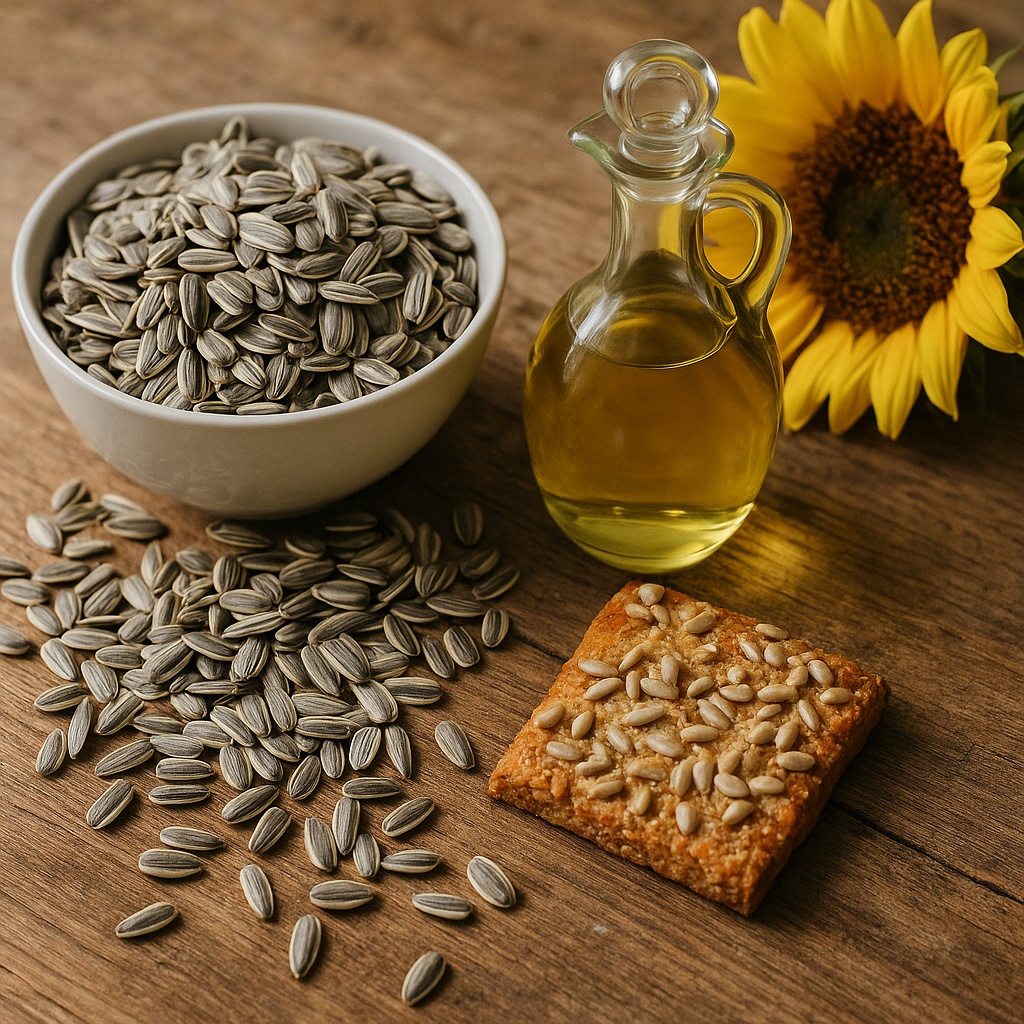
Sunflower seeds aren’t just for birds (though they probably love them more than we do!). For humans, they’re a versatile superfood with both nutritional and therapeutic benefits. They can be eaten raw, roasted, sprouted, or ground into butter — and each method comes with its own perks.
What Is the Use of Sunflower Seeds in Daily Life
On a daily basis, the use of sunflower seeds can mean anything from sprinkling them over your salad to adding them in smoothies. Many people snack on them plain or roasted, as they’re rich in healthy fats and a great source of plant-based protein. Plus, they’re portable — just toss some in a small jar, and you’ve got a quick, energy-boosting snack.
They’re also popular as a topping for yogurt, cereal, or oatmeal. This not only adds crunch but also boosts your meal’s nutritional value without much effort. And if you bake? Sunflower seeds can easily be mixed into bread, muffins, or cookies.
Common Ayurvedic Uses of Sunflower Seeds
In Ayurveda, sunflower seeds are considered a warming food, often used to balance Vata and Pitta doshas. Traditionally, they’ve been used to promote vitality, improve digestion, and nourish the skin. Some practitioners recommend sunflower seed milk (similar to almond milk) for its cooling, hydrating qualities in hot weather.
Ayurvedic recipes might combine ground sunflower seeds with herbs like ashwagandha or turmeric to create tonics that support immune health. It’s also said that sunflower oil massage can help reduce dryness and strengthen hair roots — which we’ll get to in the next section.
How to Use Sunflower Seeds for Hair and Skin
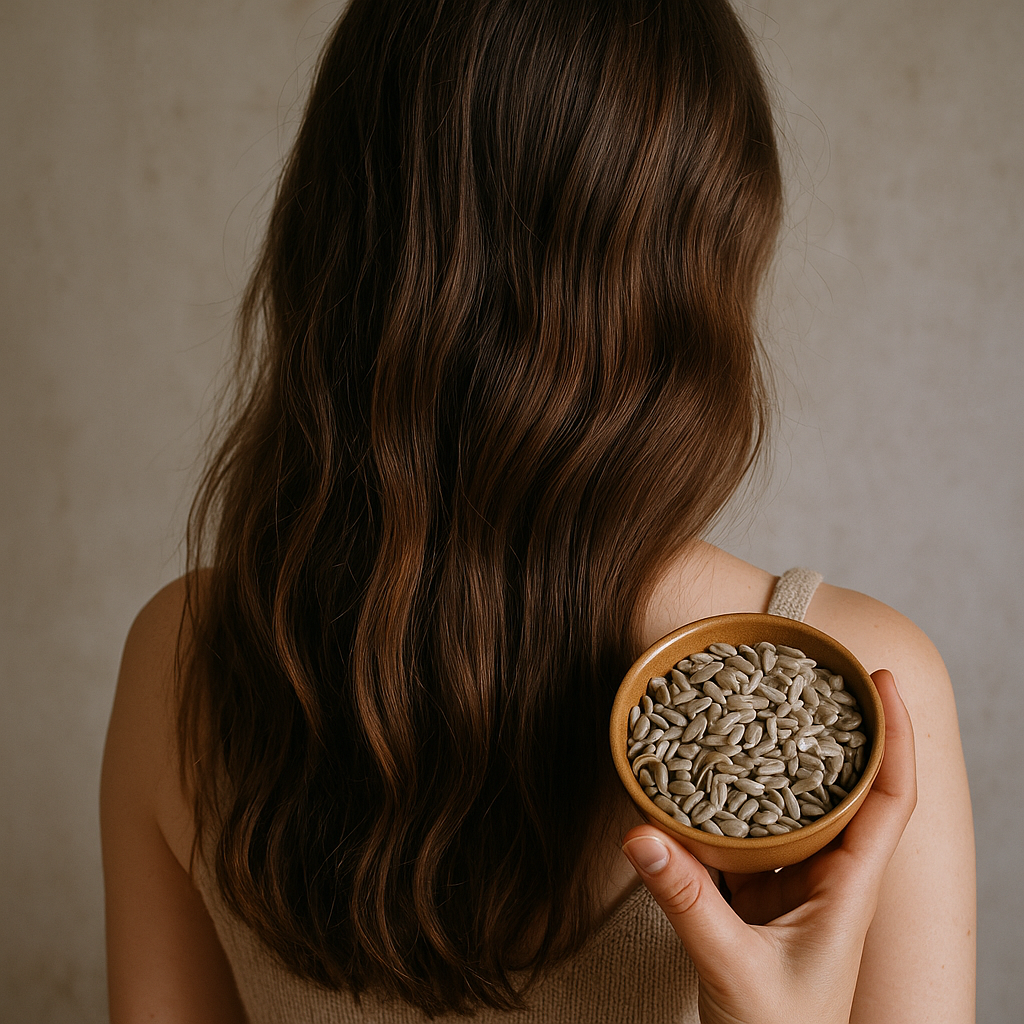
When it comes to beauty benefits, sunflower seeds are a bit of an unsung hero. They’re loaded with vitamin E, biotin, and essential fatty acids, all of which support healthy hair and skin from the inside out.
Sunflower Seeds for Hair Growth and Strength
If you’re looking for natural ways to encourage hair growth, sunflower seeds for hair should be on your list. They contain zinc and selenium, minerals known to support scalp health and stimulate follicles. Consuming a small handful (about 1–2 tablespoons) daily can help provide these nutrients.
For a more direct approach, some people even grind seeds into a paste and mix with coconut oil as a DIY scalp mask. This may help strengthen roots and add shine, though you’ll probably need to wash your hair twice to get rid of the oily feel (been there, done that!).
How to Use Sunflower Seeds for Healthy Skin
The vitamin E in sunflower seeds helps protect skin cells from free radical damage, keeping your complexion looking fresh and youthful. Eating them regularly can improve skin elasticity, while topical sunflower oil can help with dryness.
You can also add crushed seeds to homemade face scrubs for gentle exfoliation. Just remember — don’t scrub too hard, otherwise you’ll end up with redness instead of a glow.
Using Sunflower Seeds for Weight Loss and Digestion
If you’re on a health journey, sunflower seeds for weight loss might be one of those little secrets that make a big difference. They’re not a magic pill (sorry, nothing is), but they can help you feel full longer and keep your energy steady — which is half the battle when you’re trying to lose weight without feeling miserable.
These seeds are rich in fiber, which slows down digestion and helps regulate blood sugar. That means fewer sudden cravings for sugary snacks. Plus, the protein and healthy fats keep you satisfied, so you’re less likely to raid the fridge an hour after eating.
Benefits of Eating Sunflower Seeds for Weight Loss
The uses of eating sunflower seeds in a weight-loss plan come from their nutrient density. Instead of loading up on empty calories, you’re giving your body something that actually fuels it. A small serving (around ¼ cup) has about 6 grams of protein, 14 grams of healthy fat, and plenty of micronutrients.
They’re also a good source of magnesium — which is often called the “calm mineral.” Why does that matter for weight loss? Because stress can mess with your appetite and metabolism. Magnesium helps relax the body, so you might snack less out of stress or boredom.
Best Time and Way to Eat Sunflower Seeds for Digestion
If you’re focused on digestion, timing can help. Many nutritionists recommend eating sunflower seeds either in the morning or as a mid-afternoon snack. Having them early in the day gives your body time to break down the fats and fiber, preventing bloating later.
To improve digestion, you can soak sunflower seeds overnight. This process softens them and reduces certain compounds (like phytic acid) that can block nutrient absorption. Just drain and rinse before eating — they’ll taste slightly milder but still delicious.
Oh, and here’s a tip I learned the hard way: don’t go overboard. Eating too many at once might leave you feeling… let’s just say, not great in the stomach department.
Sunflower Seeds Recipes and Preparation Methods
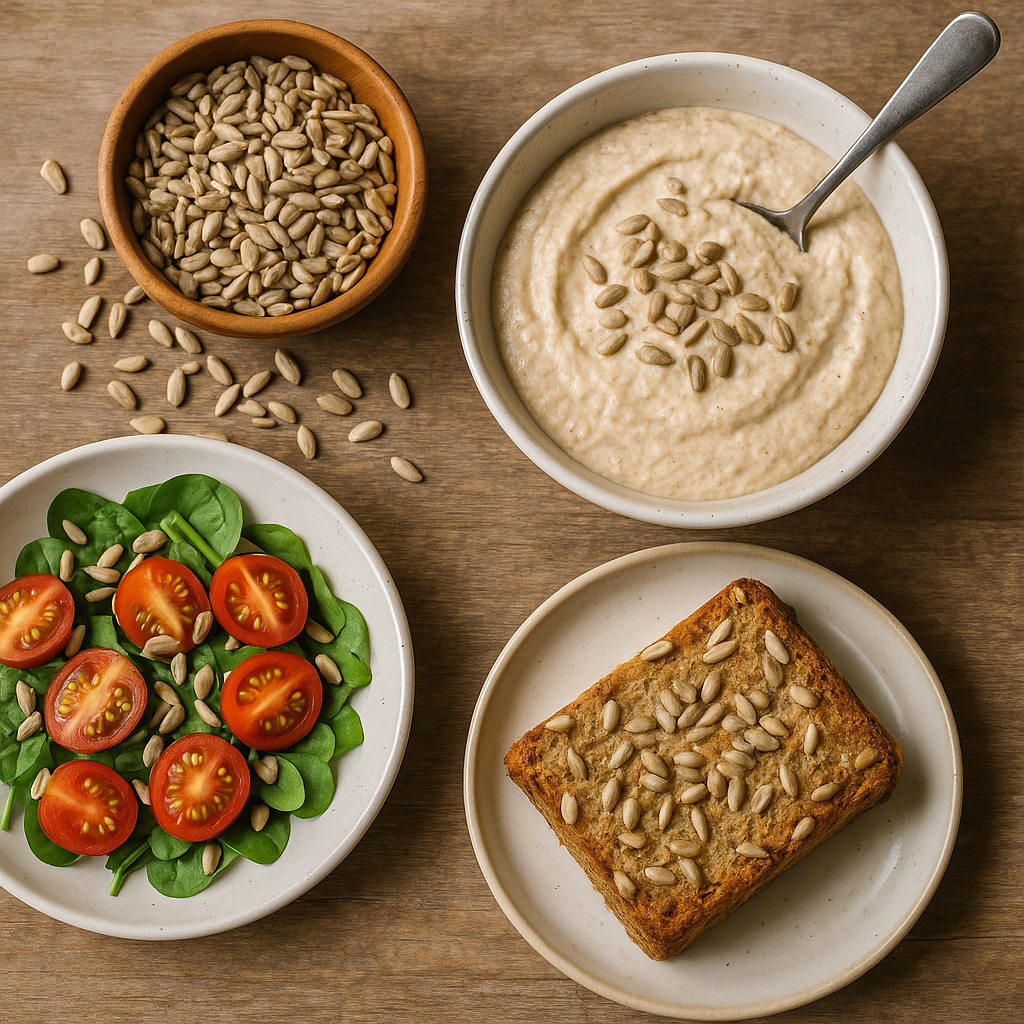
Now for the fun part — how to actually eat them in ways that make you look forward to it. There are dozens of sunflower seeds recipes, from sweet to savory, and you can adapt them to suit your taste.
Easy Sunflower Seed Recipes for Everyday Diet
-
Sunflower Seed Butter – Blend roasted seeds in a food processor until creamy. Add a touch of honey or sea salt if you like. Spread it on toast, apple slices, or use in baking.
-
Salad Sprinkle – Toss a handful of toasted seeds over salads. They add crunch, flavor, and extra nutrition without making it feel like “health food.”
-
Smoothie Booster – Add a spoonful of raw seeds to your morning smoothie for an extra protein and fiber kick. You barely taste them, but your body will thank you.
-
Energy Bites – Mix sunflower seeds with oats, nut butter, and dried fruit. Roll into small balls and refrigerate. Perfect for a quick grab-and-go snack.
The best thing is you can keep them roasted and ready in a jar, so you can just grab a spoonful whenever you want.
Conclusion
So, we’ve covered quite a lot here — from how to use sunflower seeds in your daily meals, to their benefits for hair, skin, weight loss, and digestion. Honestly, it’s amazing how such a small seed can have so many big impacts on your health and beauty.
The best part? They’re affordable, easy to find, and ridiculously versatile. Whether you toss them in a smoothie, whip them into a quick sunflower seed butter, or use them as part of a DIY hair mask, the uses of sunflower seeds are only limited by your imagination (and maybe your pantry space).
If you take anything away from this, it’s that simple habits often create the biggest changes. Adding a handful of sunflower seeds to your routine isn’t a huge shift, but do it consistently and you might just see — and feel — the difference.
And hey, if this little guide helped you, why not share it with someone? Your best friend, your aunt who’s always looking for “the next superfood,” or maybe even your coworkers (yes, the ones always raiding the office snack drawer).
स्वयं दवा न लें और प्रतीक्षा न करें। अभी डॉक्टर से चैट शुरू करें
FAQs
How to use sunflower seeds for hair growth?
You can eat a handful daily to nourish your hair from the inside thanks to vitamin E, zinc, and selenium. Or, try a DIY hair mask by blending seeds with coconut oil and applying to your scalp. Leave for 20–30 minutes before washing.
What is the best way to eat sunflower seeds for health?
Roasted or raw — both are great. For better digestion, soak them overnight. Add to salads, smoothies, yogurt, or just snack on them plain.
Can we eat sunflower seeds every day?
Yes, but in moderation. Around 1–2 tablespoons a day is enough for most people. Eating too many can cause digestive discomfort (trust me, it’s not fun).
Final Thoughts
It’s funny — a lot of people think you need fancy supplements or expensive treatments to look and feel better. But sometimes, the answer is sitting right there in a small bag at your local grocery store.
The uses of eating sunflower seeds aren’t just about nutrition. They’re about creating small, positive rituals that make you feel more energized, confident, and in control of your health. Whether you’re aiming for stronger hair, clearer skin, better digestion, or just a tastier salad, these seeds have got you covered.
So here’s your challenge: for the next two weeks, add sunflower seeds into your diet every day. Track how you feel, your energy levels, even how your skin and hair look. You might be surprised at the results — and if you are, well, you’ll have a story worth telling (and sharing!).
One last thing — if you’ve got a favorite sunflower seeds recipe or a unique way you use them, post it online and tag a friend to try it too. Healthy habits are contagious… in the best way possible.
उपयोगकर्ताओं के प्रश्न
How to incorporate sunflower seeds into homemade energy bars?
Client_25ef78
21 दिनों पहले
To incorporate sunflower seeds into homemade energy bars, start by including them in your recipe as either whole seeds or chopped, depending on your texture preference. Sunflower seeds add not only crunch but also nutrients like vitamin E, magnesium, and protein. Combine sunflower seeds with a mixture of oats, nut butter, honey, and dried fruits. Press the mixture into a pan, chill until firm, then cut into bars. Watch for allergies and ensure all ingredients align with your dietary needs. If unsure or for personalized advice, consult a nutritionist.
How can sunflower seeds support my workout recovery?
Client_14ba95
26 दिनों पहले
Sunflower seeds can support workout recovery due to their rich nutrient profile. They are high in protein, vitamin E, and healthy fats, which can help repair and build muscle tissue. Protein assists in muscle recovery, vitamin E acts as an antioxidant reducing inflammation, and healthy fats provide sustained energy. After a workout, consuming a small handful (1-2 tablespoons) of sunflower seeds can be beneficial. They are easy to add to shakes, cereals, or as a standalone snack. If you experience unusual muscle pain or prolonged recovery times, consult a healthcare professional.
How can sunflower seeds help improve heart health?
Client_44e0c7
31 दिनों पहले
Sunflower seeds can support heart health primarily due to their high content of unsaturated fats, specifically linoleic acid, which can help reduce LDL cholesterol and lower the risk of heart disease. They are also rich in magnesium, known to help maintain normal blood pressure levels by relaxing blood vessels. Including a quarter cup of sunflower seeds daily in your diet, either on salads or as part of a snack mix, can be beneficial. However, moderation is key due to their calorie density. If you have concerns about heart health or cholesterol levels, consult a doctor for personalized advice.
Why are sunflower seeds considered a good source of magnesium?
Client_8275f7
36 दिनों पहले
Sunflower seeds are considered a good source of magnesium because they are rich in this essential mineral, which plays a crucial role in many bodily functions. Magnesium supports muscle and nerve function, blood sugar control, and bone health. Regular consumption of magnesium-rich foods like sunflower seeds may help alleviate stress, as magnesium is known for its relaxing effects on the body. Incorporating them into your diet can be as simple as adding them to salads, snacks, or smoothies. If you notice symptoms like fatigue, muscle cramps, or irregular heartbeats, consult a healthcare provider to check magnesium levels.
How do sunflower seeds contribute to skin clarity and health?
Client_e82e93
41 दिनों पहले
Sunflower seeds can contribute to skin clarity and health due to their rich content of vitamin E, antioxidants, and essential fatty acids. These nutrients help protect skin cells from damage, reduce inflammation, and support the skin's overall health. Consuming sunflower seeds regularly may help improve skin texture and reduce acne, but you might need to be patient as skin improvements often take a few weeks to become noticeable. If you have persistent skin concerns, consult a dermatologist for professional advice.
Can I use sunflower seed milk in my coffee or tea?
Client_ebf04e
46 दिनों पहले
Yes, you can use sunflower seed milk in your coffee or tea. It is a plant-based alternative to cow's milk, similar to almond milk, and is praised for its cooling and hydrating qualities. When using it in hot beverages, be mindful that it may have a slightly nutty flavor and can sometimes separate when exposed to high heat. To enhance its flavor, you could add a touch of honey or sea salt. If you notice any digestive discomfort, consider soaking the seeds before making the milk to improve digestion and nutrient absorption. If you have allergies or intolerances, consult a healthcare professional before incorporating new foods into your diet.
What is the ideal serving size of sunflower seeds for health benefits?
Client_a44fb0
51 दिनों पहले
The ideal serving size of sunflower seeds for health benefits is typically about 1 ounce (approximately 28 grams or a small handful). This serving size provides a nutritious balance of healthy fats, protein, and essential nutrients, including vitamin E, magnesium, and selenium. Consuming sunflower seeds in moderation can contribute to improved heart health and support immune function. However, due to their caloric density, it's important not to overconsume them, especially if you are monitoring your calorie intake. If you have allergies or digestive concerns, consult a healthcare professional before adding sunflower seeds to your diet.
What are the best ways to store sunflower seeds for freshness?
Client_60f858
56 दिनों पहले
To store sunflower seeds for maximum freshness, keep them in an airtight container in a cool, dark place, such as a pantry or cupboard. For a longer shelf life, refrigerate or freeze the seeds, which can keep them fresh for up to a year. Before sealing, ensure the container is filled to minimize exposure to air. Moisture and exposure to light can cause the seeds to become rancid, so avoid storing them in sunlight or humid areas. Check for any changes in smell or taste periodically, and if any mold or off-odors are detected, it's best to discard them.
How can sunflower seeds benefit my overall digestion?
Client_88c046
61 दिनों पहले
Sunflower seeds can aid digestion due to their high fiber content, which promotes regular bowel movements and prevents constipation. Consuming them regularly, such as a small handful a day, can support healthy digestion. They also contain B vitamins and healthy fats, which support metabolism and overall gut health. However, they should be consumed in moderation as they are calorie-dense. Be mindful of portion sizes and opt for unflavored, unsalted seeds to avoid excessive sodium intake. If you experience digestive issues such as bloating or discomfort, it's wise to consult a healthcare professional.
How to make sunflower seed milk at home?
Client_9da17e
66 दिनों पहले
To make sunflower seed milk at home, start by soaking 1 cup of raw, unsalted sunflower seeds in water for 8-12 hours. Rinse and drain the seeds, then blend them with 4 cups of fresh water until smooth. Strain the mixture through a nut milk bag or fine mesh sieve into a clean container. Optionally, you can enhance the flavor with a pinch of sea salt, a touch of vanilla extract, or a natural sweetener like honey. This homemade plant-based milk typically lasts 3-4 days in the fridge. Consult a doctor if you have nut or seed allergies.
संबंधित आलेख

Nutrition
Can I Drink Chia Seeds with Water? Benefits, Uses, and Ayurvedic View
Exploration of Discover the Benefits and Precautions of Drinking Chia Seed Water Daily
8,949

Nutrition
How Many Calories Should I Eat to Lose Weight According to Ayurveda
How many calories should you eat to lose weight? Learn about calorie intake, deficit, and Ayurvedic balance. Discover natural ways to lose weight safely
2,500

Nutrition
How to Make Fennel Water: Ayurvedic Recipe, Benefits, and Daily Use
How to make fennel water? Learn the simple recipe, how to drink fennel water for weight loss, and the benefits of drinking fennel seeds water daily
9,521

Nutrition
गोरांची टैबलेट
गोरांची टैबलेट की खोज
3,268

Nutrition
कौन सा फल बवासीर के लिए अच्छा नहीं है: क्या न खाएं और क्या खाएं
जानें कौन सा फल बवासीर के लिए अच्छा नहीं है और कौन से फल इसके लक्षणों को कम करने में मदद करते हैं। बवासीर में किन फलों से बचना चाहिए और बवासीर के लिए सबसे अच्छा फल जूस कौन सा है, यह जानें।
8,174

Nutrition
Ayurvedic Sugar Alternatives Guide
Ayurvedic sugar alternatives focus on natural sweeteners, aligning with the holistic principles of Ayurveda.
4,810

Nutrition
Exploring Coconut Curd in Ayurveda
Coconut curd is a popular dairy-free alternative in Ayurveda, made from coconut milk, offering a creamy texture and unique flavor.
7,777

Nutrition
How to Consume Pumpkin Seeds: Ayurvedic Tips, Benefits, and Daily Use
How to consume pumpkin seeds? Discover the best time to eat them, how much to eat daily, and how to use pumpkin seeds for hair growth, weight, and energy
20,594

Nutrition
डादीमादी घृत – फायदे, खुराक, उपयोग करने का तरीका, साइड इफेक्ट्स, सामग्री और संदर्भ
डादीमादी घृत का अन्वेषण – फायदे, खुराक, उपयोग करने का तरीका, साइड इफेक्ट्स, सामग्री और संदर्भ
3,944

Nutrition
How to Eat Fenugreek Seeds: Ayurvedic Guide to Daily Use and Benefits
How to eat fenugreek seeds? Learn the best ways to consume fenugreek for hair, hormones, diabetes, and more. Can we eat them raw or without soaking?
18,253
विषय से संबंधित परामर्श
अतिरिक्त दस्तावेज़
© 2026 Ask Ayurveda. सर्वाधिकार सुरक्षित।