आयुर्वेदिक डॉक्टर से प्रश्न पूछें और निःशुल्क या भुगतान मोड में अपनी चिंता की समस्या पर ऑनलाइन परामर्श प्राप्त करें। 2,000 से अधिक अनुभवी डॉक्टर हमारी साइट पर काम करते हैं और आपके प्रश्नों का इंतजार करते हैं और उपयोगकर्ताओं को उनकी स्वास्थ्य समस्याओं को हल करने में प्रतिदिन मदद करते हैं।


Body DetoxEar, Nose, and Throat DisordersGeriatrics & RejuvenationImmunodeficiencyInfertility TreatmentNutritionOrthopedic DisordersPediatricsRespiratory DisordersSexually Transmitted Diseases (STDs)Surgery RecoveryUrological DisordersVascular DisordersDental DisordersEndocrinological DisordersGastrointestinal DisordersYoga TherapyGeneral MedicineAllergic DisordersCardio DisordersGynecology and ObstetricsCosmetologySkin and Hair DisordersEye DisordersInfectious DiseasesMental DisordersNeurological DisordersOncologyPanchakarmaSexual Health & DisordersSports Medicine
पर प्रकाशित 07/15/25
(को अपडेट 08/11/26)
star_border 4
4,021
How to Reduce Anxiety Naturally with Ayurvedic and Home-Based Approaches

Feeling overwhelmed? Struggling with racing thoughts or a constant sense of unease? You're not alone—and you're definitely not powerless. In today's fast-paced world, learning how to reduce anxiety naturally has become not just a preference, but a necessity. Whether you’re navigating mild stress or deeper challenges, there are grounded, effective ways to regain your calm—without relying only on medication.
From ancient ayurvedic treatment for anxiety to practical anxiety treatment at home, this guide walks you through holistic and natural methods that actually work. We'll dive into time-tested ayurvedic herbs for stress and anxiety, simple lifestyle changes, and foods that reduce anxiety fast—because healing doesn't always come in a pill. It can come from your plate, your breath, or even your daily routine.
So if you're wondering how to overcome anxiety in a natural, sustainable way, you're in the right place.
What Is Anxiety and How It Manifests in the Body
Anxiety is more than just "worrying too much." It's a complex response that affects both mind and body—and it often shows up even when there's no obvious cause.
Common Causes and Symptoms of Anxiety
Anxiety can be triggered by stress, trauma, hormonal imbalances, or even poor lifestyle habits. It may show up as:
-
Racing heartbeat
-
Tightness in the chest
-
Restlessness or insomnia
-
Difficulty concentrating
-
Chronic fatigue
-
Irritability or mood swings
For some, it creeps in slowly. For others, it hits like a freight train. And the thing is—it doesn’t always make logical sense. That’s what makes anxiety so frustrating.
How Anxiety Is Viewed in Ayurveda
In Ayurveda for anxiety, mental imbalance is seen as a disturbance in the doshas—especially Vata, which governs movement and nervous system activity. When Vata is out of balance, the mind becomes scattered, and the body goes into overdrive.
Unlike Western medicine, anxiety in Ayurveda isn’t treated with a “one-size-fits-all” pill. Instead, it looks at your unique constitution (Prakriti), your imbalances (Vikriti), and aims to restore harmony through lifestyle, diet, and herbs.
Is Anxiety Curable Naturally? What Ayurveda Says
Here's the honest answer: Is anxiety curable? Maybe not entirely in every case, but it can be managed, often dramatically, with the right tools.
Ayurveda doesn’t treat anxiety as a “disease” but as a sign of imbalance. With consistent anxiety treatment in Ayurveda, many people have not just reduced their symptoms—but discovered deeper calm, better sleep, and more joy in daily life. The focus is on long-term healing, not just symptom suppression.
While severe cases may still require professional help (and that’s okay!), Ayurveda offers a powerful toolkit for those who want to explore natural ways of healing.
How to Reduce Anxiety Naturally at Home
You don’t need a guru or a therapist on speed dial to start feeling better. Some of the most effective anxiety treatment at home begins with simple daily practices.
Lifestyle Tips and Daily Self-Care
-
Routine is key: Wake up, eat, and sleep at the same time every day.
-
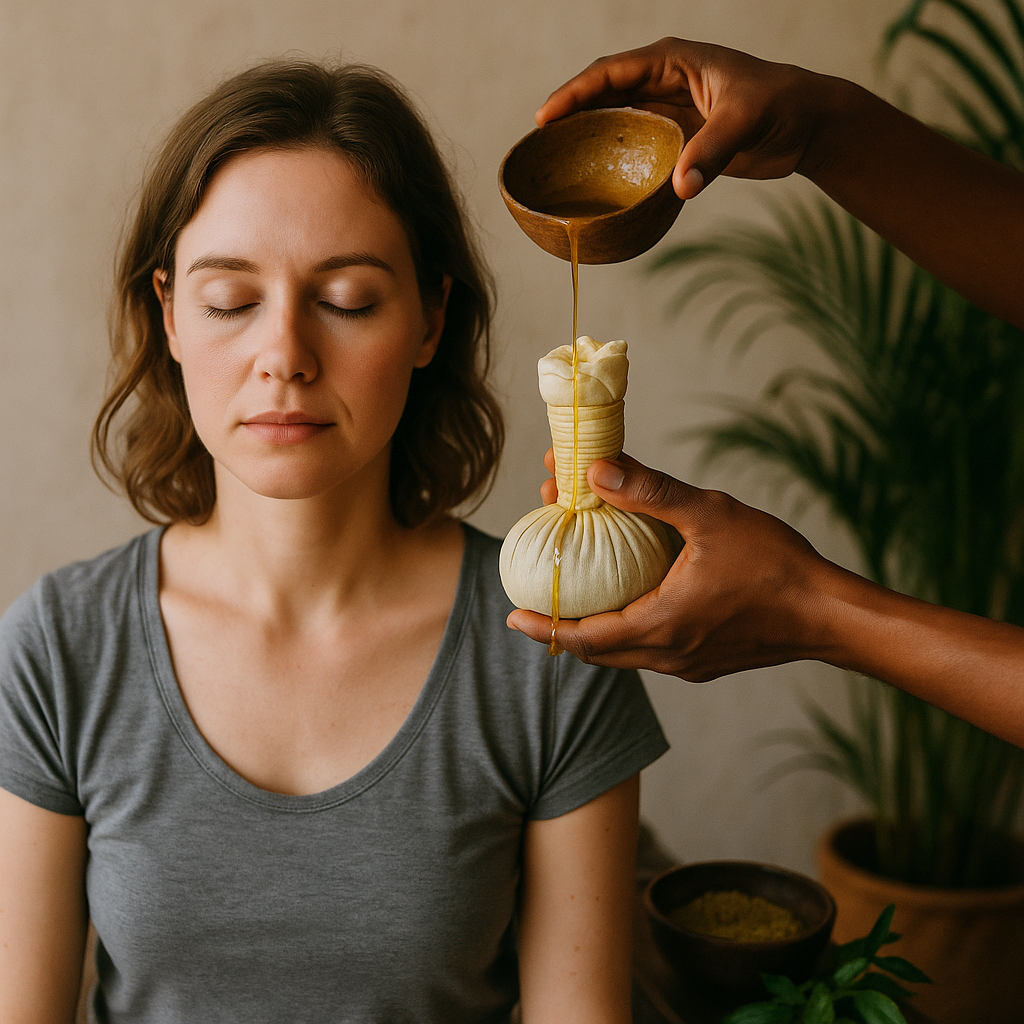
Oil massage (Abhyanga): Warm sesame oil calms the nervous system and helps ground Vata.
-
Disconnect from screens: Reduce exposure to news, social media, and notifications—especially before bed.
-
Stay warm: Both physically and emotionally. Vata thrives on warmth, comfort, and grounding.
Just these small shifts? They can be game-changers.
Breathing Practices and Gentle Movement
Breath is your built-in anchor. Practices like alternate nostril breathing (Nadi Shodhana) and box breathing are proven to regulate the nervous system.
Add gentle movement—think yoga, walking, or even slow dancing in your living room. Movement moves emotion.
Foods That Reduce Anxiety Fast
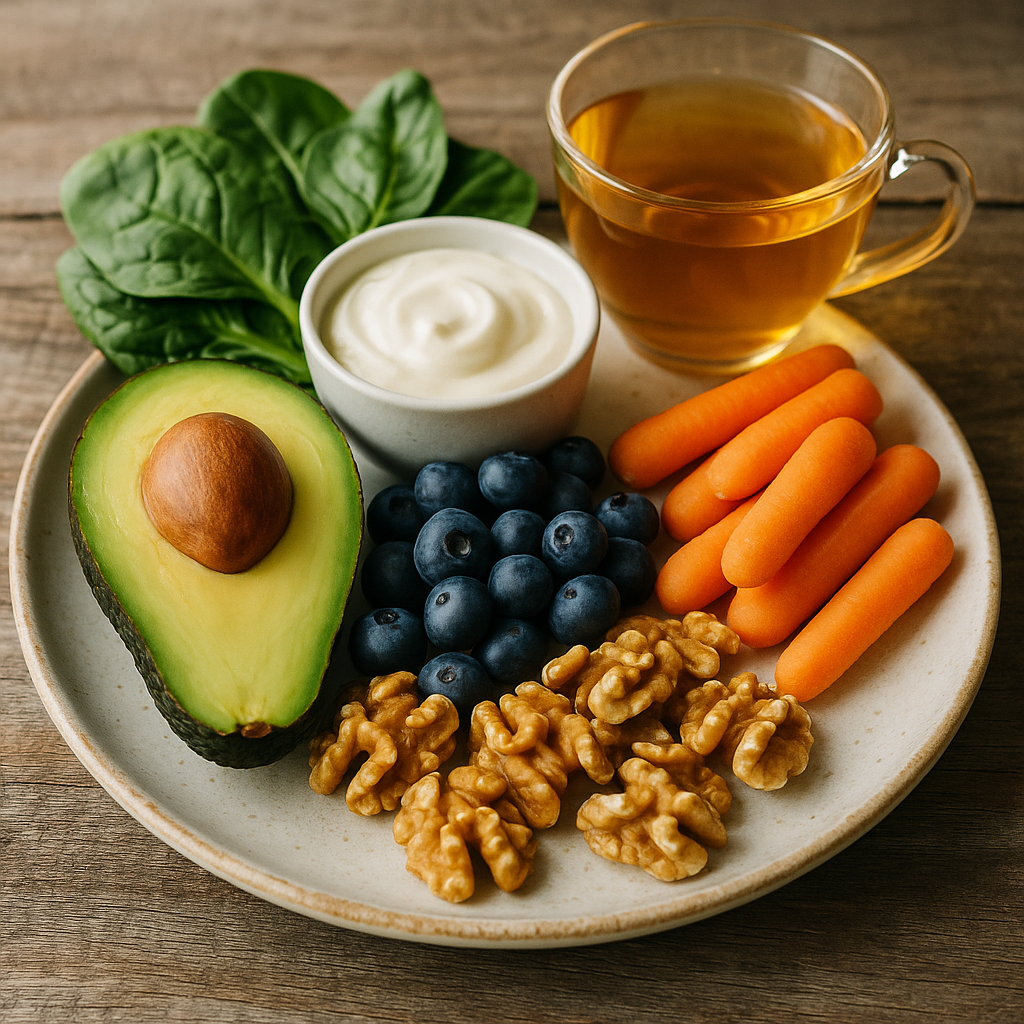
Believe it or not, what’s on your plate can directly affect what’s going on in your head. Nutrients, flavors, and even meal timing can influence mood and stress levels. Some foods act like natural relaxants, helping to lower anxiety almost instantly (well, almost).
Calming Herbs and Nutrients to Include
When we talk about foods that reduce anxiety fast, it’s really about nourishment that stabilizes blood sugar, supports the nervous system, and calms the gut (where a surprising amount of serotonin is made).
Here are some MVPs to keep on hand:
-
Ashwagandha: One of the most powerful ayurvedic herbs for anxiety, it's known to balance cortisol and reduce stress.
-
Brahmi (Bacopa monnieri): This herb supports mental clarity and is a go-to in anxiety ayurvedic treatment.
-
Warm milk with nutmeg or turmeric: Classic bedtime drink in Ayurveda for anxiety.
-
Bananas, oats, and dark chocolate: These offer magnesium, tryptophan, and mood-boosting compounds.
-
Pumpkin seeds and almonds: High in zinc and healthy fats, these help the brain chill out.
Don’t forget hydrating! Dehydration can mimic anxiety symptoms. Herbal teas like chamomile, tulsi (holy basil), and lemon balm can do wonders.
What to Avoid During High Stress
You might love your coffee, but it might not love you back—especially when you're anxious. Caffeine and sugar can spike anxiety levels and mess with your sleep (and sanity).
Avoid or limit:
-
Caffeinated drinks and energy boosters
-
Processed, fried, or stale food
-
Alcohol and smoking (they don’t relax you long-term, they just distract you)
-
Ice-cold or raw foods (these increase Vata dosha, making you more jittery)
And yeah, skipping meals isn’t self-care. It’s self-sabotage when it comes to anxiety.
Ayurvedic Treatment for Anxiety: Holistic Approach
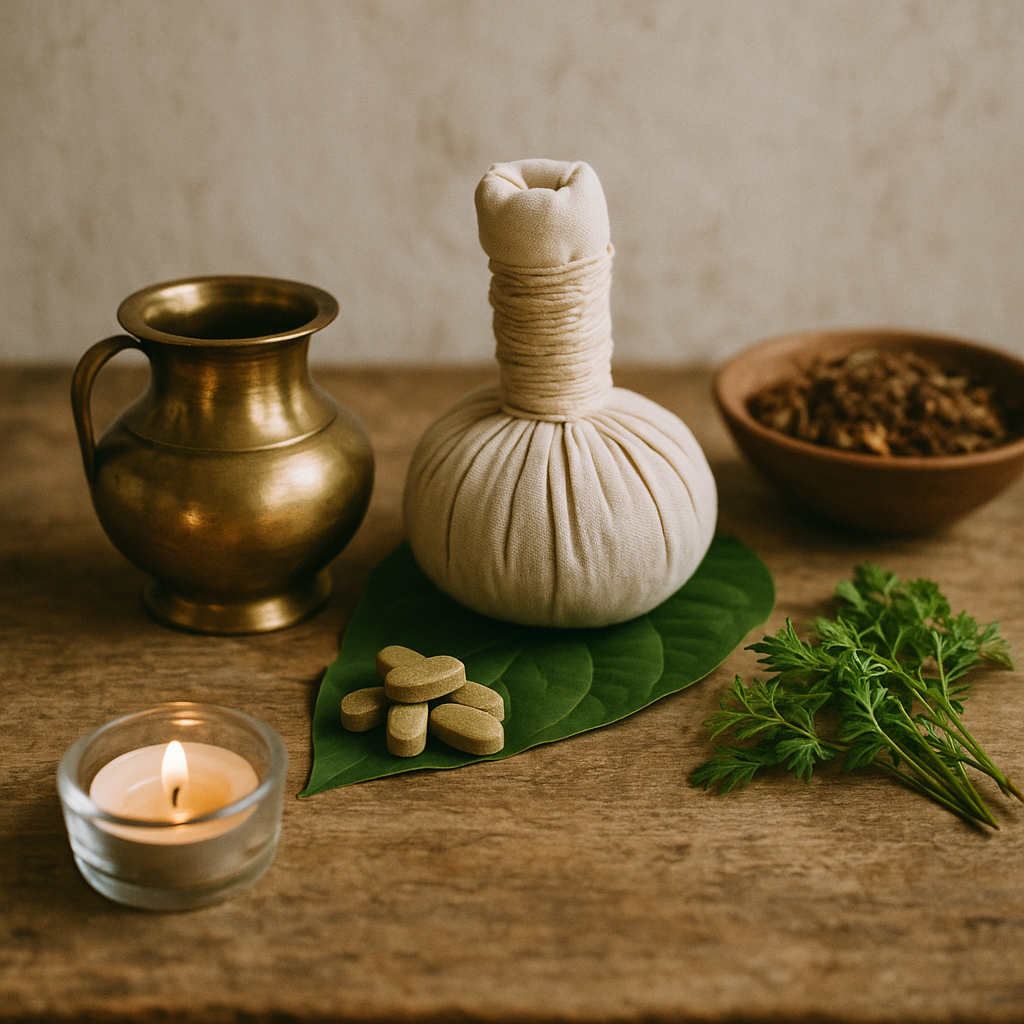
Anxiety treatment in Ayurveda goes beyond herbs. It's a full-body, full-mind reset. The idea is to bring all three doshas—Vata, Pitta, and Kapha—into balance, while especially grounding Vata.
Ayurvedic Herbs and Medicines for Anxiety Relief
There are many ayurvedic medicines for anxiety, but let’s not just toss names around. Here are a few worth mentioning:
-
Ashwagandha: (Yeah, again. It’s that good.)
-
Jatamansi: A lesser-known but incredibly effective ayurvedic herb for stress and anxiety.
-
Tagara: Similar to valerian root, used to promote sleep and calm.
-
Mandukaparni (Gotu Kola): Enhances brain function and reduces anxiety-related fogginess.
These herbs are often found in capsules, powders, or as part of compound formulas. But make sure you talk to a qualified Ayurvedic practitioner—just 'cause it's natural doesn’t mean you should DIY everything.
Ayurvedic Syrups and Oils for Stress
Yup, Ayurveda’s got syrups too—often made with a mix of adaptogenic herbs and sweeteners to ease absorption. Popular ayurvedic syrup for stress and anxiety includes:
-
Saraswatarishta: A fermented tonic often prescribed for anxiety, poor memory, and nervous exhaustion.
-
Ashwagandharishta: Fermented herbal wine with ashwagandha, used in many anxiety ayurvedic treatments.
-
Bala-Ashwagandha oil: Used for external massage, especially on feet and scalp to relax the nervous system.
A lot of people overlook these, but they’re potent. And easy to add to your day.
Strongest Natural Anxiety Remedies That Work
So what’s the strongest natural anxiety medication out there? Well, it depends on the person. But some remedies have stood the test of time, backed by both tradition and (increasingly) science.
Here’s a round-up of nature’s heavy-hitters:
-
Ashwagandha (yes, again – seriously, get some): Lowers cortisol and stabilizes moods like a pro.
-
Magnesium: It’s not just a mineral, it’s a nervous system soother. Found in leafy greens, seeds, and dark chocolate.
-
L-Theanine: An amino acid found in green tea that promotes alpha brain waves (aka chill mode).
-
Valerian root: Used for centuries as a sleep aid and home remedy for anxiety.
-
Aromatherapy: Oils like lavender, sandalwood, and rose can reduce stress through direct limbic system activation (aka they just smell really nice and help you calm down).
Also, don’t underestimate the power of human connection. Loneliness is like fertilizer for anxiety. Connection—even in small doses—can be one of the strongest medicines we have.
Conclusion
Anxiety doesn't have to run your life. From ayurvedic treatment for anxiety to anxiety treatment at home, there’s a world of natural, gentle options that can bring real, lasting relief. The truth is, learning how to reduce anxiety naturally isn’t about fixing yourself—it's about supporting your body and mind in ways that make healing possible.
Whether you’re sipping herbal tea, doing a bit of grounding yoga, or rubbing oil on your feet before bed (try it tonight!), you’re taking steps toward balance.
So try one thing from this guide. Then another. Healing is layered, and it's okay to take it one breath at a time.
🌿 “The natural healing force within each of us is the greatest force in getting well.” – Hippocrates
FAQs
What is the 3 3 3 rule for anxiety?
The 3-3-3 rule is a quick mental trick to ground yourself when anxiety spikes. Here's how it works:
-
Look around and name 3 things you see.
-
Name 3 sounds you hear.
-
Move or touch 3 parts of your body (wiggle toes, shrug shoulders, tap fingers).
It’s simple, but it pulls you out of racing thoughts and into the present.
What is the best help for severe anxiety?
For severe anxiety, natural remedies can help, but you’ll likely need a multi-pronged approach. A combo of therapy (like CBT), ayurvedic medicines for anxiety, lifestyle changes, and sometimes medical intervention works best. Don’t be afraid to reach out for professional help—it’s not a weakness, it’s a strategy.
What are 5 signs you have anxiety?
Five common signs of anxiety include:
-
Constant worrying or dread
-
Trouble sleeping or staying asleep
-
Rapid heartbeat or tight chest
-
Feeling easily overwhelmed or irritable
-
Avoiding things that make you nervous
These can sneak up gradually, so be gentle with yourself while also being aware.
How fast do natural anxiety remedies work?
It varies. Some like breathing techniques, warm baths, or foods that reduce anxiety fast can bring relief in minutes. Others—like ayurvedic herbs for anxiety—might take days or weeks to fully kick in. Consistency is key. This isn’t fast food—it’s more like a slow-cooked stew. Worth the wait.
🙏 Thanks for reading! If you found this helpful, consider sharing it with someone who might need it. You never know whose day (or life) you might change with a simple scroll and send.
उपयोगकर्ताओं के प्रश्न
What are the psychological effects of chronic anxiety on daily life?
Client_3cc574
3 दिनों पहले
Chronic anxiety can significantly disrupt daily life by impairing cognitive functions and emotional stability. Individuals might experience a racing heartbeat, tightness in the chest, restlessness, insomnia, difficulty concentrating, chronic fatigue, and irritability. These symptoms can affect work performance, relationships, and overall quality of life. Typically, these effects develop gradually, influencing mood and mental clarity over time. It's important to seek therapy or medical advice if anxiety interferes with daily activities or well-being. Cognitive-behavioral therapy and meditation are among the effective methods to cope with chronic anxiety. If symptoms persist despite these measures, seeing a healthcare professional is advisable.
What simple lifestyle changes can help alleviate anxiety symptoms?
Client_ad0cd1
8 दिनों पहले
Simple lifestyle changes can significantly alleviate anxiety symptoms. Incorporate regular physical activity, such as walking or yoga, which can reduce stress levels and improve mood over a few weeks. Prioritizing sleep by establishing a consistent bedtime routine is crucial, as poor sleep can exacerbate anxiety. Limit caffeine and alcohol consumption, as both can trigger or worsen anxiety symptoms. Practicing mindfulness or meditation daily can promote relaxation.
If symptoms persist or worsen, seek guidance from a healthcare provider to explore further interventions.
How can mindfulness meditation help reduce anxiety levels naturally?
Client_52b2b0
13 दिनों पहले
Mindfulness meditation can reduce anxiety levels naturally by encouraging relaxation and a greater awareness of the present moment. This practice helps decrease negative thought patterns and emotional reactivity by training your mind to focus on the here and now rather than worrying about the future or past. Regular sessions, even as short as 10-15 minutes daily, can improve symptoms over weeks, though timing varies by individual. Be mindful of increased anxiety during meditation and consult a doctor if anxiety interferes with daily functioning. Ayurveda may suggest integrating mindfulness as part of broader stress management.
What are some herbal teas that can help with anxiety relief?
Client_b489c3
18 दिनों पहले
Herbal teas such as chamomile, valerian root, and passionflower are known to help with anxiety relief due to their calming effects. Chamomile can be especially soothing and is often used to promote relaxation and improve sleep. Valerian root is another popular choice, often used for its sedative properties and its ability to reduce anxiety symptoms. Most people may notice some effects after a week of daily use, but results can vary. It's important to consult a healthcare provider if anxiety persists or disrupts daily life.
How can social connections improve anxiety management?
Client_79e6dc
28 दिनों पहले
Social connections can significantly improve anxiety management by providing emotional support, reducing feelings of isolation, and increasing resilience to stress. Engaging in regular social activities, whether in-person or virtually, helps individuals develop a sense of belonging and boosts their mood through the release of neurotransmitters like oxytocin. While the impact may vary among individuals, forming and maintaining social ties can have immediate calming effects and long-term benefits for anxiety. If anxiety persists despite strong social support, consulting a healthcare professional is advised.
What foods should I eat to help reduce anxiety quickly?
Client_6136e6
38 दिनों पहले
To quickly reduce anxiety, consider eating foods rich in magnesium and omega-3 fatty acids. Magnesium-rich foods like leafy greens, nuts, and seeds can help relax muscles and calm the nervous system, potentially offering fast relief. Omega-3s from fatty fish like salmon or chia seeds support brain health and regulate mood. Keep hydrated, as dehydration can worsen anxiety symptoms. These foods may not work as instant remedies for everyone. If anxiety is severe or persistent, consult a healthcare professional for tailored advice. Ashwagandha, an herbal supplement, may also complement these dietary strategies.
How long does it take for diet changes to affect anxiety levels?
Client_40ce5e
48 दिनों पहले
Dietary changes can influence anxiety levels, but the effects may not be immediate. Generally, it can take several weeks, often around 4 to 12 weeks, to notice a significant difference in anxiety symptoms after making dietary modifications. Key factors include increasing hydration, consuming omega-3 fatty acids, and opting for whole foods rich in magnesium and B vitamins. Watch out for potential deficiencies and the impact of caffeine and sugar. If anxiety persists or worsens, consult a healthcare professional to explore personalized interventions.
What lifestyle habits can worsen anxiety symptoms according to Ayurveda?
Client_d0f9a3
57 दिनों पहले
Certain lifestyle habits can worsen anxiety symptoms, such as excessive caffeine consumption, lack of sleep, poor diet, and inactivity. High caffeine intake, for example, stimulates the nervous system and can exacerbate feelings of anxiety. Insufficient sleep and a diet high in processed foods can also negatively impact mood and stress levels. Inactivity reduces the release of mood-enhancing neurochemicals. Ayurveda suggests balancing lifestyle habits to support mental health, emphasizing regular, calming routines and maintaining a balanced diet. If anxiety symptoms persist, it is important to see a healthcare professional.
What are some gentle exercises that can help reduce anxiety besides yoga?
Client_3574eb
67 दिनों पहले
Besides yoga, try walking, tai chi, or even swimming for reducing anxiety. These exercises are great for calming the mind and balancing the doshas. Also, dancing or even stretching can be surprisingly soothing. Just keep it gentle and listen to what your body needs, that's the key! Consistency and enjoyment matter most.
Is it safe to practice breathing techniques for anxiety if I have respiratory issues?
Client_493333
77 दिनों पहले
If you have respiratory issues, it's good to be cautious with breathing techniques. Some may help, but it's always best to get advice from a healthcare expert familiar with your condition. Gentle techniques, like shallow nasal breathing, might be safer but check in with a professional who knows your health history!
संबंधित आलेख

Mental Disorders
Brahmi Shankhpushpi Syrup – Benefits, Uses & Dosage in Ayurveda
Discover the therapeutic benefits of Brahmi Shankhpushpi Syrup, an Ayurvedic formulation known for enhancing cognitive function, improving memory, and reducing stress.
8,243

Mental Disorders
ब्राह्मी द्राक्षादी कषायम: ब्राह्मी द्राक्षादी कषायम से मानसिक स्पष्टता बढ़ाएं
ब्राह्मी द्राक्षादी कषायम के बारे में जानें, इसके फायदे, सही खुराक, उपयोग और इस आयुर्वेदिक उपाय के पीछे के वैज्ञानिक प्रमाण जो मानसिक स्वास्थ्य, तनाव से राहत और समग्र कल्याण के लिए सहायक हैं।
3,428

Mental Disorders
Naladadi Ghritam – Ayurvedic Remedy for ADHD, Aphasia, and Cognitive Health
Learn about Naladadi Ghritam, an Ayurvedic remedy for ADHD and aphasia. Discover how it improves cognitive skills, enhances mental functions, and promotes overall brain health.
4,664

Mental Disorders
Atatvabhinivesha – Understanding the Concept & Significance in Ayurveda
Explore the Ayurvedic concept of Atatvabhinivesha, its meaning, significance, and how it relates to mental health, emotions, and overall well-being in Ayurvedic philosophy.
3,685

Mental Disorders
Narayan Kalp Vati – Ayurvedic Tonic for Comprehensive Health & Rejuvenation
नारायण कल्प वटी के फायदे और उपयोगों के बारे में जानें, जो एक पारंपरिक आयुर्वेदिक टॉनिक है। यह अपने पुनर्जीवित करने वाले गुणों, इम्यून सपोर्ट और समग्र स्वास्थ्य सुधार के लिए जाना जाता है।
5,691

Mental Disorders
Dementia Treatment in Ayurveda – Holistic Approach to Cognitive Health
Explore effective dementia treatment in Ayurveda through natural herbal therapies, medhya rasayanas, and detoxification techniques designed to enhance cognitive function, memory, and overall brain health.
3,449

Mental Disorders
Adhipati Marma: A Comprehensive Guide to the Science and Practice
Uncover the origins, scientific insights, and practical healthcare applications of Adhipati Marma for a holistic approach to mind-body wellness.
5,842

Mental Disorders
सुमेंटा टैबलेट
सुमेंटा टैबलेट की खोज
4,328
Mental Disorders
Graha Chikitsa – Ayurvedic Treatment for Spiritual and Mental Well-being
Explore Graha Chikitsa, an ancient Ayurvedic treatment designed to address the effects of planetary influences on health, mental well-being, and emotional balance.
4,647

Mental Disorders
Stress Management: Techniques and Tips to Help You Cope
Stress is a common experience that everyone goes through at some point in their lives.
2,957
विषय से संबंधित परामर्श
अतिरिक्त दस्तावेज़
© 2024 Ask Ayurveda. सर्वाधिकार सुरक्षित।