आयुर्वेदिक डॉक्टर से प्रश्न पूछें और निःशुल्क या भुगतान मोड में अपनी चिंता की समस्या पर ऑनलाइन परामर्श प्राप्त करें। 2,000 से अधिक अनुभवी डॉक्टर हमारी साइट पर काम करते हैं और आपके प्रश्नों का इंतजार करते हैं और उपयोगकर्ताओं को उनकी स्वास्थ्य समस्याओं को हल करने में प्रतिदिन मदद करते हैं।


Body DetoxEar, Nose, and Throat DisordersGeriatrics & RejuvenationImmunodeficiencyInfertility TreatmentNutritionOrthopedic DisordersPediatricsRespiratory DisordersSexually Transmitted Diseases (STDs)Surgery RecoveryUrological DisordersVascular DisordersDental DisordersEndocrinological DisordersGastrointestinal DisordersYoga TherapyGeneral MedicineAllergic DisordersCardio DisordersGynecology and ObstetricsCosmetologySkin and Hair DisordersEye DisordersInfectious DiseasesMental DisordersNeurological DisordersOncologyPanchakarmaSexual Health & DisordersSports Medicine
पर प्रकाशित 11/06/24
(को अपडेट 08/11/26)
3,721
Ayurvedic Insights on Bipolar Disorder

Key Takeaways
- Ayurveda offers a unique perspective on bipolar disorder, viewing it as a mental imbalance and addressing it through ancient principles and practices.
- Natural treatments in Ayurveda include the use of specific herbs, dietary modifications, and lifestyle changes aimed at restoring balance and harmony in the body.
- Ayurvedic mental health practices such as meditation, yoga, and mindfulness are key components for managing bipolar disorder, focusing on holistic well-being.
- Integrating Ayurvedic treatments with modern healthcare can offer benefits, but it also presents challenges, requiring careful consideration by patients and practitioners.
- The suitability of Ayurvedic approaches for managing bipolar disorder depends on individual factors like personal beliefs, lifestyle choices, and treatment objectives.
Bipolar disorder can feel like a wild rollercoaster, with emotional highs and lows that affect everyday life. In recent times, many have turned to Ayurveda for answers. This ancient Indian system of medicine offers a unique view on mental health. It focuses on balance in the body and mind.
Ayurveda sees bipolar disorder as an imbalance of energies known as doshas. It suggests that adjusting lifestyle and diet can help manage these shifts. This article will explore how Ayurvedic wisdom can offer natural treatments for bipolar. We'll look at the principles behind Ayurvedic mental health and how they apply to modern challenges. Stay with us as we uncover these fascinating insights and their practical applications.
Natural Treatments: An Ayurvedic Perspective
Ayurveda offers a unique angle on treating bipolar disorder, focusing on balance and harmony within the body. This ancient practice suggests using herbal remedies, dietary adjustments, and lifestyle changes to manage symptoms. For instance, herbs like Ashwagandha and Brahmi are believed to stabilize mood swings and enhance mental health.
A fascinating fact is that yoga, often recommended in Ayurvedic treatments, can significantly reduce stress and anxiety. According to a study published in the Journal of Affective Disorders, regular yoga practice decreased anxiety levels in participants, which can be beneficial for those with bipolar disorder. This highlights the mind-body connection emphasized in Ayurveda.
Diet is another key component, with recommendations to avoid processed foods and caffeine while incorporating more fresh fruits and vegetables. Meditation and mindfulness exercises are also encouraged, helping individuals maintain a sense of calm. These practices align with the holistic approach of Ayurveda, aiming to treat both the mind and body together.

Ayurvedic Mental Health Practices
Ayurveda offers a rich tapestry of practices aimed at balancing mental wellness. Central to this approach is the belief in a harmonious connection between mind, body, and spirit. One popular practice is meditation, which helps calm the mind and reduce stress levels. Studies show that regular meditation can lower anxiety by up to 60% (source: American Psychological Association).
Herbs like Ashwagandha and Brahmi are often recommended for their calming and rejuvenating effects. These herbs are believed to support mental clarity and emotional stability. Another practice is Yoga, which combines physical postures, breathing exercises, and relaxation techniques. This holistic approach can improve mood and increase energy levels.
Ayurvedic mental health also emphasizes a balanced diet. Foods like ghee, almonds, and fresh fruits are suggested to nourish the mind and promote tranquility. These practices, rooted in centuries-old wisdom, aim to create a balanced and peaceful mental state.
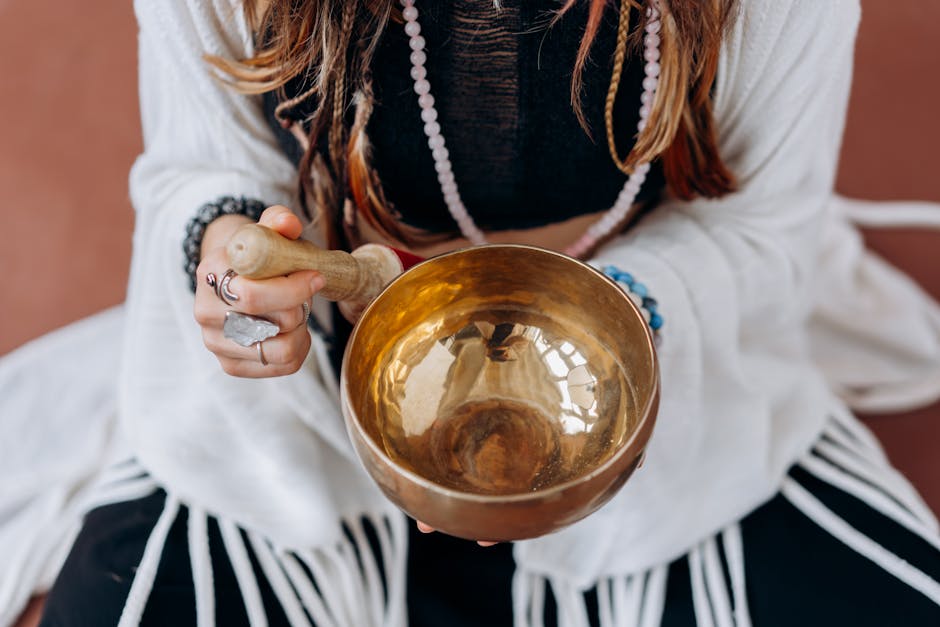
Integrating Ayurveda in Modern Care
Ayurveda and modern medicine might seem worlds apart, but they can work together beautifully. Let's see how these two approaches can blend to improve bipolar care.
Understanding Ayurveda's Role
Ayurveda focuses on balance. It believes that health issues, like bipolar disorder, stem from imbalances in the body's energies, known as doshas. By restoring these balances, Ayurveda aims to promote mental wellness.
- Vata Dosha: Often linked with anxiety and mood swings. Balancing Vata might help in stabilizing moods.
- Pitta Dosha: Associated with anger and irritability. Cooling down Pitta may aid in reducing these symptoms.
- Kapha Dosha: Tied to lethargy and depression. Energizing Kapha could boost motivation and positivity.
How Modern Care Fits In
Modern medicine offers structured diagnosis and treatment plans. It provides medications that can manage symptoms effectively. By using both systems, patients might gain more complete care.
Examples of Integrated Care
- Mindfulness and Meditation: Many modern doctors suggest meditation for stress reduction. Ayurveda has long advocated for meditation as a way to calm the mind and body.
- Dietary Adjustments: Modern nutritionists often recommend healthy eating for mental health. Ayurveda offers specific dietary guidelines to balance doshas, which can complement these modern recommendations.
- Herbal Supplements: While doctors prescribe medications, some Ayurvedic herbs can be discussed with healthcare providers as supplements to aid mental balance.
Working Together for Better Outcomes
The key is collaboration. Patients, Ayurvedic practitioners, and modern healthcare providers should communicate openly. This ensures that treatments do not conflict and that they support overall health goals.
By integrating Ayurveda with modern care, there's potential for a more holistic treatment approach. This can address both the physical and emotional aspects of bipolar disorder, offering a more comprehensive path to wellness.
Is Ayurveda Right for You?
We've explored how Bipolar Ayurveda can offer a unique perspective on managing bipolar disorder. From understanding the balance of doshas to exploring natural treatments for bipolar symptoms, the Ayurvedic approach weaves together ancient wisdom with modern needs. This holistic view of mental health emphasizes balance, diet, and lifestyle adjustments, aiming to support your well-being naturally.
Ayurveda's focus on individual constitution means it can provide personalized insights. While modern medicine offers valuable treatments, integrating Ayurvedic mental health practices might enhance your journey. Small changes in diet, meditation, and herbal remedies could create a ripple effect on your mental state.
Of course, it's vital to consult with healthcare professionals before making changes to your treatment plan. Combining traditional and Ayurvedic methods should be done thoughtfully, respecting both systems' strengths and limitations. It's about finding what works best for you, respecting your body's signals, and seeking balance.
If you're curious about how Ayurveda could fit into your life, consider reaching out to an Ayurvedic practitioner. They can guide you through the dos and don'ts, tailored to your needs. Whether you're skeptical or hopeful, exploring this path might just bring new insights into your mental health journey.
We'd love to hear your thoughts on this topic. Do you have experiences with Ayurvedic practices? Share your story or questions in the comments. If you found this article helpful, consider sharing it with someone who might benefit. For more insights into holistic health, explore our related content. Your journey to balanced well-being is a click away.
स्वयं दवा न लें और प्रतीक्षा न करें। अभी डॉक्टर से चैट शुरू करें
FAQ For Bipolar Disorder
What is Ayurveda's perspective on bipolar disorder?
Ayurveda views bipolar disorder as a mental imbalance that results from disrupted doshas, particularly Vata and Pitta. It emphasizes understanding the unique constitution of an individual and addressing the root causes of these imbalances through personalized treatment plans.
What natural treatments does Ayurveda recommend for bipolar disorder?
Ayurvedic practitioners often recommend a combination of herbs like Ashwagandha and Brahmi, dietary adjustments, and lifestyle changes tailored to balance the doshas. These natural treatments aim to restore harmony and stability to the mind and body.
How can Ayurvedic mental health practices help manage bipolar disorder?
Ayurvedic mental health practices such as meditation, yoga, and mindfulness techniques help calm the mind and promote emotional stability. These practices focus on enhancing self-awareness and managing stress, which can be beneficial for individuals with bipolar disorder.
Can Ayurveda be integrated with modern healthcare for bipolar disorder?
Yes, Ayurveda can be integrated with modern healthcare to offer a holistic approach to managing bipolar disorder. This integration can enhance treatment outcomes and provide comprehensive care, although it may require careful coordination between Ayurvedic practitioners and conventional healthcare providers.
What are the potential benefits of using Ayurveda for managing bipolar disorder?
Ayurveda offers a natural and personalized approach to managing bipolar disorder, which can lead to improved mental balance, reduced side effects from conventional treatments, and an enhanced sense of well-being. Its holistic nature emphasizes the interconnectedness of mind, body, and spirit.
Are there any challenges in combining Ayurveda with conventional treatments for bipolar disorder?
Combining Ayurveda with conventional treatments can present challenges such as differing treatment philosophies, potential herb-drug interactions, and the need for clear communication between practitioners. Patients should work closely with healthcare providers to ensure safe and effective integration.
Is an Ayurvedic approach suitable for everyone with bipolar disorder?
An Ayurvedic approach may not be suitable for everyone, as it depends on factors such as individual health needs, personal beliefs, lifestyle preferences, and treatment goals. It's important to consult with both Ayurvedic practitioners and healthcare providers to determine the most appropriate treatment plan.
उपयोगकर्ताओं के प्रश्न
What dietary changes are recommended in Ayurveda for enhancing mental clarity?
Client_1b698f
3 दिनों पहले
To enhance mental clarity through diet in Ayurveda, focus on consuming fresh fruits and vegetables, and reducing intake of processed foods and caffeine. These changes are believed to support the body's natural balance and improve cognitive function. Including herbs like Ashwagandha and Brahmi can be beneficial, as they are traditionally used to promote focus and emotional stability. For precise dietary plans, individual needs must be considered, so consulting with a healthcare provider or an Ayurvedic practitioner is advisable, especially if you have underlying health conditions.
What are the benefits of yoga for individuals with bipolar disorder?
Client_233552
8 दिनों पहले
Yoga offers several potential benefits for individuals with bipolar disorder, primarily by reducing anxiety and improving overall mood stability. Regular practice can enhance emotional regulation and lower stress levels, which may be particularly beneficial during manic and depressive episodes. While the impact can vary, some people notice improvements in mood and stress within a few weeks of consistent practice. It's important to remember that yoga should complement, not replace, traditional treatments. Always consult with a healthcare provider to tailor a plan specific to individual needs and circumstances.
How can lifestyle changes support mental health in Ayurveda?
Client_bee114
13 दिनों पहले
Lifestyle changes can support mental health in Ayurveda by focusing on a balanced diet, regular exercise, and stress management techniques. Incorporating more fresh fruits and vegetables while avoiding processed foods and caffeine can improve overall well-being. Regular physical activity, like yoga, can significantly reduce stress and anxiety. It's also beneficial to establish a consistent daily routine that includes adequate sleep. Herbs such as Ashwagandha and Brahmi may support mood stability. If mental health issues persist, seek guidance from a healthcare professional for comprehensive care.
Is it safe to combine Ayurveda with conventional therapy for bipolar disorder?
Client_214dc3
18 दिनों पहले
Combining Ayurveda with conventional therapy for bipolar disorder can be safe but requires careful coordination between healthcare providers. While Ayurvedic practices like meditation and mindful dietary adjustments can support mental health, they should not replace medication or psychotherapy prescribed by your doctor. Always discuss any new treatments with your psychiatrist or healthcare provider to ensure there are no interactions or contraindications. Watch for any changes in mood or symptoms and seek immediate medical attention if your condition worsens.
What Ayurvedic herbs are effective for enhancing mood stability?
Client_384375
28 दिनों पहले
Several Ayurvedic herbs are often suggested for mood stability, including Ashwagandha, Brahmi, and Shankhapushpi. Ashwagandha may help reduce stress and anxiety, potentially stabilizing mood. Brahmi is thought to improve cognitive functions and relax the mind, while Shankhapushpi is traditionally used for calming the nervous system. While some individuals may notice benefits within weeks, results can vary widely. Consult with a healthcare provider before starting any herbal regimen, particularly if you are currently under treatment for mood disorders, as interactions with medications are possible.
How long does it typically take to see results from Ayurvedic treatments for bipolar disorder?
Client_dbc6ba
38 दिनों पहले
Ayurvedic treatments for bipolar disorder can vary widely in their timelines and effectiveness, and it is crucial to approach them as complementary to conventional medical treatments rather than as standalone solutions. While some individuals might notice improvements in mood or stress levels within a few weeks due to lifestyle changes, diet, or practices like yoga and meditation, others may require several months to see tangible results. It is important to work closely with a healthcare provider or a mental health professional to monitor your condition. If symptoms persist or worsen, or if you experience significant mood swings, it's essential to seek immediate medical attention.
What daily Ayurvedic practices can help stabilize mood in bipolar disorder?
Client_806ec5
48 दिनों पहले
While daily Ayurvedic practices like meditation and mindfulness can support overall mental well-being and provide a sense of calm, they are not a substitute for clinical treatment of bipolar disorder. Incorporating a consistent meditation practice may help stabilize mood fluctuations over time, but improvements can vary greatly among individuals. It's crucial to combine these practices with prescribed medication or therapy. If you notice worsening symptoms or unpredictable mood changes, consult a healthcare professional immediately for tailored treatment.
How can yoga help improve mood in individuals with bipolar disorder?
Client_616eea
57 दिनों पहले
Yoga can potentially improve mood in individuals with bipolar disorder by decreasing anxiety and promoting relaxation through regular practice. Techniques like deep breathing, meditation, and poses that encourage mindfulness have shown benefits in reducing stress and balancing mood swings. While yoga can be a supportive element, it is not a substitute for professional treatment. Monitor any new symptoms or mood changes and consult with a healthcare provider to tailor a comprehensive treatment plan, including medication and therapy if needed.
Can I use Ayurvedic meditation techniques to help manage stress during bipolar episodes?
Client_1ec085
67 दिनों पहले
Definitely, Ayurvedic meditation can be a helpful tool for stress management during bipolar episodes. Techniques like mindfulness and Brahmi pratyaahara (withdrawal of senses) can increase self-awareness and calm the mind. They're most effective when used alongside professional medical treatment. Balancing practices with diet and lifestyle adjustments are key too.
What is the significance of Vata and Pitta dosha balance in Ayurvedic treatment for bipolar disorder?
Client_478b09
76 दिनों पहले
Balancing Vata and Pitta doshas is crucial in Ayurveda for managing bipolar disorder because an imbalance in these can lead to mental restlessness and emotional instability. Vata's linked to changeability while Pitta's linked to intensity and aggression. By calming Vata and soothing Pitta, Ayurveda aims to achieve mental balance. Consider practices like dietary changes and meditation but always consult with a healthcare professional!
संबंधित आलेख

Mental Disorders
Adhipati Marma: A Comprehensive Guide to the Science and Practice
Uncover the origins, scientific insights, and practical healthcare applications of Adhipati Marma for a holistic approach to mind-body wellness.
5,843

Mental Disorders
Naladadi Ghritam – Ayurvedic Remedy for ADHD, Aphasia, and Cognitive Health
Learn about Naladadi Ghritam, an Ayurvedic remedy for ADHD and aphasia. Discover how it improves cognitive skills, enhances mental functions, and promotes overall brain health.
4,665

Mental Disorders
नींद के लिए कल्याणक घृत: आरामदायक रातों के लिए आयुर्वेदिक सुझाव
जानें कैसे कल्याणक घृत नींद में मदद करता है, शोध और आयुर्वेदिक ज्ञान के आधार पर। जानें सबूत-आधारित टिप्स, उपयोग और सुरक्षा से जुड़ी बातें।
5,294

Mental Disorders
सुमेंटा टैबलेट
सुमेंटा टैबलेट की खोज
4,330

Mental Disorders
ब्राह्मी द्राक्षादी कषायम: ब्राह्मी द्राक्षादी कषायम से मानसिक स्पष्टता बढ़ाएं
ब्राह्मी द्राक्षादी कषायम के बारे में जानें, इसके फायदे, सही खुराक, उपयोग और इस आयुर्वेदिक उपाय के पीछे के वैज्ञानिक प्रमाण जो मानसिक स्वास्थ्य, तनाव से राहत और समग्र कल्याण के लिए सहायक हैं।
3,429

Mental Disorders
Stress Management through Ayurveda
Stress is one of the biggest antagonists of modern society. It plays an important role in reducing one’s productivity and affects both the physical and mental health of an individual.
3,256

Mental Disorders
Understanding Anxiety through Ayurveda
Ayurveda views anxiety as a disruption in mind-body balance, emphasizing the importance of understanding its root causes.
2,703

Mental Disorders
How to Reduce Stress: Ayurvedic Remedies, Practices, and Natural Relief
SEO descr How to reduce stress naturally? Discover Ayurvedic tips, lifestyle practices, and herbal remedies like calming churna to reduce stress and anxiety at home
2,932

Mental Disorders
OCD Treatment in Ayurveda: Holistic Solutions for Mental Wellness
Discover how Ayurveda addresses OCD with holistic therapies, herbal remedies, lifestyle changes, and mind-body practices. Learn about natural treatments for OCD rooted in ancient Ayurvedic wisdom.
3,908

Mental Disorders
Narayan Kalp Vati – Ayurvedic Tonic for Comprehensive Health & Rejuvenation
नारायण कल्प वटी के फायदे और उपयोगों के बारे में जानें, जो एक पारंपरिक आयुर्वेदिक टॉनिक है। यह अपने पुनर्जीवित करने वाले गुणों, इम्यून सपोर्ट और समग्र स्वास्थ्य सुधार के लिए जाना जाता है।
5,691
विषय से संबंधित परामर्श
अतिरिक्त दस्तावेज़
© 2024 Ask Ayurveda. सर्वाधिकार सुरक्षित।