आयुर्वेदिक डॉक्टर से प्रश्न पूछें और निःशुल्क या भुगतान मोड में अपनी चिंता की समस्या पर ऑनलाइन परामर्श प्राप्त करें। 2,000 से अधिक अनुभवी डॉक्टर हमारी साइट पर काम करते हैं और आपके प्रश्नों का इंतजार करते हैं और उपयोगकर्ताओं को उनकी स्वास्थ्य समस्याओं को हल करने में प्रतिदिन मदद करते हैं।


Body DetoxEar, Nose, and Throat DisordersGeriatrics & RejuvenationImmunodeficiencyInfertility TreatmentNutritionOrthopedic DisordersPediatricsRespiratory DisordersSexually Transmitted Diseases (STDs)Surgery RecoveryUrological DisordersVascular DisordersDental DisordersEndocrinological DisordersGastrointestinal DisordersYoga TherapyGeneral MedicineAllergic DisordersCardio DisordersGynecology and ObstetricsCosmetologySkin and Hair DisordersEye DisordersInfectious DiseasesMental DisordersNeurological DisordersOncologyPanchakarmaSexual Health & DisordersSports Medicine
पर प्रकाशित 07/18/25
(को अपडेट 08/13/26)
4,927
What Food to Eat When You Have Skin Allergy: Ayurvedic Dietary Solutions

If you've ever dealt with itchy, inflamed skin that seems to react to every little thing — you’re not alone. Skin allergies are frustrating. They disrupt your day, lower your confidence, and frankly, just make life more uncomfortable than it should be. But here’s something most people overlook: what you eat has a massive impact on how your skin behaves. Yes, seriously.
Understanding what food to eat when you have skin allergy can be the difference between endless scratching and finally feeling at peace in your skin. In Ayurveda, the ancient Indian system of holistic medicine, food isn’t just nourishment — it’s medicine. From the best food for skin to powerful anti-inflammatory herbs and teas, let’s explore how your plate could be your first step toward relief.
Skin Allergy Through the Ayurvedic Lens
In Ayurveda, skin issues are often linked to imbalances in the Pitta dosha, which governs heat, digestion, and metabolism. When Pitta is aggravated — due to spicy foods, stress, or even hot weather — it manifests through the skin: rashes, redness, itching, inflammation.
But skin allergies aren't exclusive to Pitta types. Imbalances in Kapha (related to mucus and sluggishness) or Vata (dryness and sensitivity) can also play a role. That’s why figuring out your dosha can help you decide which food is good for skin allergy relief specifically for you. This individualized approach makes Ayurvedic dietary strategies stand out from generic advice.

What to Eat for Skin Allergy Relief and Recovery
Alright, let’s get into the good stuff — literally. If you’re wondering what food to eat when you have skin allergy, here's a breakdown of foods that can calm irritation, reduce inflammation, and help your skin recover faster.
What Food to Eat When You Have Skin Allergy Based on Your Dosha
-
Pitta skin allergies (red, inflamed, hot): Cooling foods like cucumber, melon, coconut water, and leafy greens are key. Avoid spicy, sour, and fried items.
-
Vata skin allergies (dry, flaky, itchy): Go for moist, grounding foods like avocados, cooked root vegetables, soaked almonds, and ghee.
-
Kapha skin allergies (oozy, heavy, dull): Choose light, warming foods like ginger tea, bitter greens, and apples to clear out excess moisture and toxins.
Knowing your dosha makes it easier to choose the right food for skin allergy treatment that aligns with your unique constitution.
Which Food Is Good for Skin Allergy and Reduces Inflammation
Some foods are great across the board:
-
Turmeric: A superstar anti-inflammatory spice that supports healing.
-
Aloe vera juice: Soothes the gut, which in turn calms the skin.
-
Mung beans: Easy to digest and detoxifying.
-
Amalaki (Indian gooseberry): Rich in vitamin C, supports skin immunity.
These are all good food for skin allergy recovery, regardless of dosha — and they taste pretty great, too.
Ayurvedic Herbs and Teas That Help Soothe Skin Irritation
-
Neem: Known for its blood-purifying effects.
-
Manjistha: Supports lymphatic drainage and skin detox.
-
Licorice root tea: Reduces Pitta-related inflammation and soothes itching.
-
Coriander and fennel tea: Cooling, refreshing, and gentle on the stomach.
Make these part of your daily routine — and not just when you're flaring up. Prevention is better than cure, right? (Well, usually. Unless you already forgot to do it... we've all been there!)
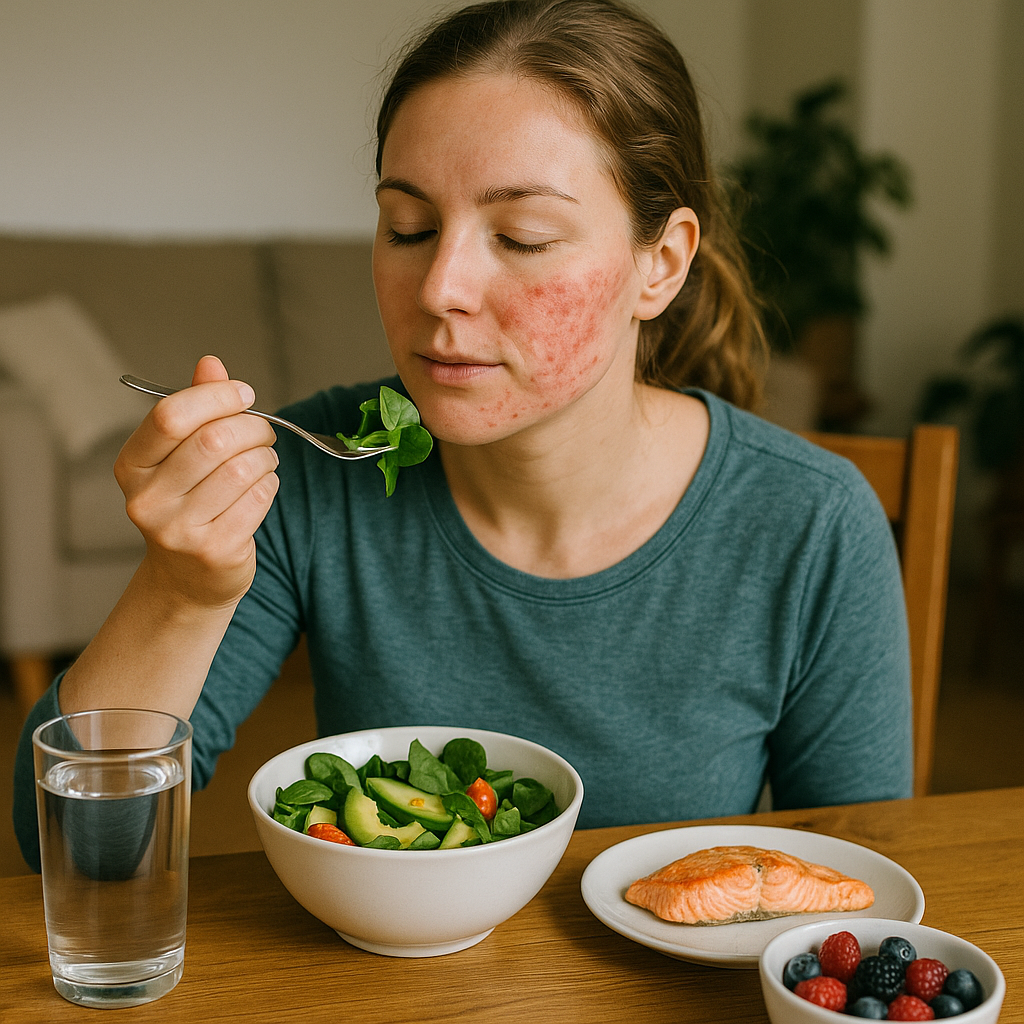
Best Food for Skin and Allergy Prevention Long-Term
While treating flare-ups is essential, long-term skin health starts with what you put on your plate every single day. Think of it this way: your skin is like a garden. If you feed it junk, it wilts. But if you nourish it well? Boom — it glows. Literally. So if you're wondering which food is good for skin and helps prevent those annoying allergy breakouts, you're in the right spot.
Let’s explore the best food for skin rejuvenation and how you can boost your body’s natural defenses against future reactions.
Best Food for Skin Rejuvenation and Immunity Boost
Your skin loves nutrients that fight off inflammation, support collagen production, and fuel cellular repair. Here’s what to load up on:
-
Leafy greens (like spinach, kale, and fenugreek): They’re rich in antioxidants and blood-purifying compounds that help reduce skin flare-ups. Also packed with chlorophyll, which detoxes your system naturally.
-
Berries: Strawberries, blueberries, and amla (Indian gooseberry) are bursting with vitamin C — which your skin adores. They support collagen and help calm immune system overreactions.
-
Pumpkin seeds & flax seeds: High in zinc and omega-3s. They repair damaged skin and soothe underlying inflammation.
-
Sweet potatoes & carrots: These are rich in beta-carotene, which your body converts into vitamin A. That’s basically like skincare in veggie form.
These aren't just good food for skin allergy; they’re your long-term skin BFFs.
A quick sidenote — don’t be fooled by trendy “skin superfoods” that promise miracle results. If it sounds too good to be true... yeah, it probably is. Stick to whole foods and give your body time to adjust. Healing is a process, not an overnight fix.
Which Food Is Good for Skin and Supports Detoxification
Detoxing isn't about expensive juices or starving yourself for 3 days (please don’t do that). It's about giving your body the right support so it can cleanse naturally.
-
Beetroot: Cleans the liver, supports blood flow, and helps clear up blemish-prone skin.
-
Cilantro: Excellent for flushing out heavy metals and cooling aggravated Pitta.
-
Triphala: This Ayurvedic combo of three fruits improves digestion and elimination — and when your gut’s happy, your skin’s happy.
-
Warm water with lemon (in the morning): Gentle liver stimulator and digestive kick-starter.
All of these support the body's natural detoxification systems, making them ideal food for skin allergy treatment and prevention.
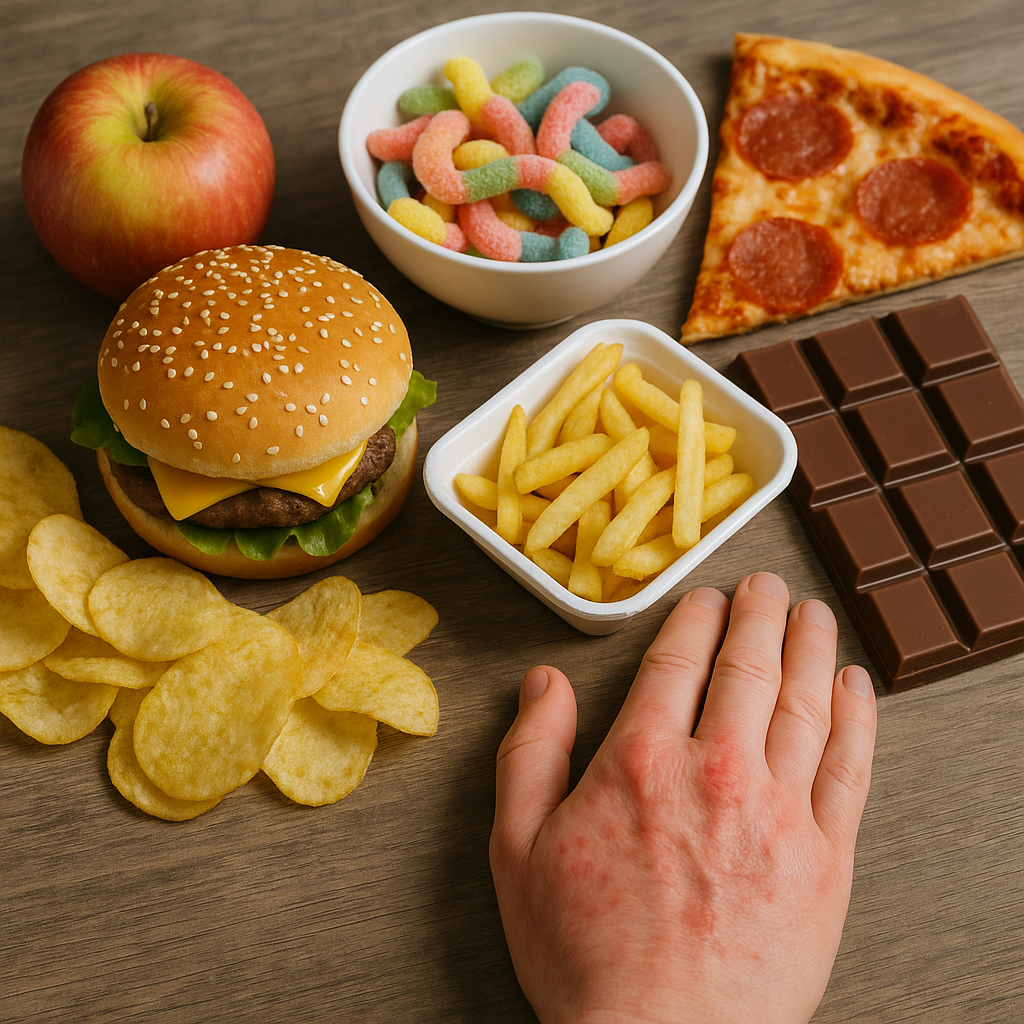
Foods to Avoid for Skin Allergy and Flare-Up Prevention
This part hurts a little. Because, yeah — some of the yummiest stuff is also the worst for your skin. But knowing what not to eat is just as important as knowing what to eat.
Food to Avoid for Skin Allergy According to Ayurveda
If you're prone to skin allergies, Ayurveda strongly advises limiting or avoiding the following:
-
Spicy, oily, and fried foods: These increase Pitta and can worsen skin inflammation.
-
Fermented foods: Like pickles, vinegar, or aged cheese. These can disrupt digestion and increase histamine.
-
Excessive dairy: Especially if you have Kapha dominance. It clogs channels and slows elimination.
-
Processed sugar: It's inflammatory and messes with your immune system. Plus, it's just bad. You knew that already, right?
Ayurveda doesn’t say you have to give these up forever. But during flare-ups or if you’re in a healing phase, cutting these out can really speed up recovery.\
Common Allergenic Foods and Their Substitutes
Some people are more sensitive to certain common allergens. If you suspect something in your diet is triggering skin reactions, here are gentler alternatives:
-
Instead of wheat or gluten, try rice, amaranth, or buckwheat — these are easier to digest and less inflammatory.
-
Replace dairy with plant-based options like almond milk or oat milk, which are cooling and Pitta-friendly.
-
Swap out soy for mung beans or lentils, both of which are staple Ayurvedic foods and kinder on the digestive system.
-
If you’re avoiding eggs, chia seeds soaked in water or mashed banana can work as great replacements in baking.
It might feel like a lot to change at first, but honestly? Once your skin starts thanking you — you won’t look back.
Conclusion
So, what have we learned? That your skin is basically your body’s messenger — when it’s irritated or inflamed, it’s often trying to tell you something about what’s happening on the inside. The foods you eat every day can either calm that message or make it shout louder. Ayurveda reminds us that food isn’t just fuel — it’s medicine. And when chosen wisely, it becomes one of the most powerful tools for healing.
By now, you should have a solid idea of what food to eat when you have skin allergy, which food is good for skin based on your dosha, and what to avoid if you want to keep those annoying flare-ups at bay. And don’t forget the long game: nourishing your skin daily with immunity-boosting, anti-inflammatory, detox-friendly foods can make a huge difference over time.
Is it always easy? No. You’ll have days when you crave fries or want to dive into a tub of ice cream. And guess what? That’s okay. Nobody’s perfect. The key is to listen to your body, stay consistent, and return to balance when you fall off track (which you will, because… life).
Whether you're currently mid-flare or just looking to improve your skin health long-term, let this guide be your roadmap. And maybe even pass it along to that one friend who's always scratching their arms and blaming "dry weather." 😉
स्वयं दवा न लें और प्रतीक्षा न करें। अभी डॉक्टर से चैट शुरू करें
FAQs
What food should I avoid during a skin allergy flare-up?
Avoid spicy, oily, and fried foods — they increase Pitta, which makes inflammation worse. Also skip refined sugar, fermented foods, and dairy (especially cold milk and cheese), as they can aggravate the gut and skin.
Can Ayurvedic diet improve chronic skin allergies?
Yes, Ayurvedic dietary principles focus on balancing your dosha, improving digestion, and removing toxins from the body — all of which directly impact skin health. While it’s not a magic bullet, consistent dietary changes can significantly reduce symptoms over time.
What is the best food for skin allergy in Ayurveda?
Cooling, detoxifying foods like cucumbers, leafy greens, soaked almonds, amalaki (Indian gooseberry), and mung beans are considered excellent. Herbs like neem and manjistha also play a key role in Ayurvedic skin allergy treatment.
How long does it take for diet changes to show on skin?
Some people notice improvements within a week or two, while for others, it may take a month or more. It depends on your current diet, how long you’ve been dealing with skin issues, and your level of doshic imbalance. Stick with it — slow changes lead to lasting results.
Final Thoughts
You’ve made it to the end — that means you're really serious about healing your skin. That’s a big deal. The journey to healthy, happy skin starts with simple, intentional choices. So next time you’re reaching for a snack, ask yourself: “Is this feeding my inflammation or fighting it?”
Start by making just one change — maybe switching dairy for almond milk or adding a cooling tea into your routine. Then another. Small shifts add up.
If you found this article helpful, don’t keep it to yourself. Share it with a friend, save it for later, or better yet — start a conversation over dinner (preferably a mung bean stew) about how food can heal from the inside out.
Your skin — and your future self — will thank you.
उपयोगकर्ताओं के प्रश्न
What foods can help reduce inflammation for better skin health?
Client_096594
100 दिनों पहले
To reduce inflammation and promote better skin health, focus on incorporating foods rich in omega-3 fatty acids, antioxidants, and vitamins into your diet. These include fatty fish like salmon and mackerel, rich in omega-3s, which help decrease inflammation. Berries, rich in antioxidants, help combat oxidative stress. Additionally, nuts and seeds, such as pumpkin and flax seeds, provide zinc and essential fatty acids beneficial for skin repair. Results are often gradual, becoming noticeable over weeks to months. Persistent skin issues may require consultation with a healthcare provider.
How does stress affect skin allergies and flare-ups?
Client_4c569f
110 दिनों पहले
Stress can significantly affect skin allergies and trigger flare-ups. When you experience stress, your body releases cortisol and other hormones that can increase inflammation and make your skin more sensitive, exacerbating conditions like eczema, hives, and psoriasis. Stress can also weaken the immune system, making it harder for the skin to react healthily to allergens. If you're dealing with skin flare-ups, try stress-reduction techniques such as exercise, meditation, or yoga. If your symptoms persist or worsen, consider consulting a dermatologist for targeted treatment options.
What are the best herbs to support skin healing during allergy flare-ups?
Client_e053d8
120 दिनों पहले
Aloe vera, calendula, and chamomile are excellent herbs for supporting skin healing during allergy flare-ups. Aloe vera, when applied topically, can soothe irritated skin and reduce inflammation. Calendula has properties that promote wound healing and reduce redness. Chamomile, used in creams or as a tea compress, can help calm allergic reactions and decrease itching. These herbs are most effective when integrated into a skincare routine over several days, but if symptoms persist or worsen, consult a healthcare professional for further advice.
How long does it take to see skin improvements from dietary changes?
Client_a10540
129 दिनों पहले
You may begin to see skin improvements from dietary changes typically within a few weeks, though it can vary depending on individual factors like skin type and the specific dietary adjustments made. Focus on whole foods rich in antioxidants, healthy fats, and vitamins, such as fruits, vegetables, and fatty fish, which support skin health. Consistency is key, as the skin renews itself approximately every 28 days, so give your new diet at least a month. If you notice persistent skin issues or adverse effects, consult a dermatologist. Avoid extreme detox diets as they may not benefit skin health.
Is it safe to eat processed foods if I have skin allergies?
Client_529ab7
139 दिनों पहले
Processed foods aren't the best choice if you have skin allergies, mainly 'cause they can inflame the body and mess with your immune system. It's also about your dosha, too. If you're dealing with Kapha or Vata imbalances, it might make it worse. Switching to whole, natural foods might help calm things down.
What is the role of chlorophyll in detoxifying the skin according to Ayurveda?
Client_d43a7a
148 दिनों पहले
Ah, the magic of chlorophyll! In Ayurveda, chlorophyll is thought to help detoxify and purify the blood, which indirectly benefits the skin by promoting a clearer complexion. It's not a direct skin detox, but by supporting liver function, it can help balance doshas and improve the overall health of the skin. Remember, maintaining a balanced diet with nutrient-rich foods is key!
What is the impact of hydration on skin allergy symptoms according to Ayurveda?
Client_9f8449
158 दिनों पहले
Hydration plays a key role in Ayurveda for skin health. When you're well-hydrated, it helps maintain your skin's inner moisture balance, making it less prone to irritations or allergies. Ayurveda sees water as a carrier, helping flush toxins out of the body. So, drinking enough water is important in balancing doshas and promoting overall skin health. Consider herbal teas or warm water with herbs if plain water's not your thing.
How does Ayurveda explain the connection between gut health and skin allergies?
Client_103b16
166 दिनों पहले
In Ayurveda, the gut is super important for your skin's health. If your gut's out of balance, it can mess with your blood and dhatus (tissues), leading to skin issues like allergies. Think of it like this: what you eat affects your digestive fire (agni), and if digestion's off, it shows up as stuff like inflamed skin. Balancing your dosha and supporting your agni with the right diet can help the skin calm down. Consider eating clean, digestible foods and maybe adding herbs like neem or manjistha for support.
What is the best way to balance my diet for long-term skin allergy management?
Client_ecf3e6
176 दिनों पहले
For long-term skin allergy management, keep things simple and consistent. Focus on a diet that balances your dosha — for pitta, cooling foods like cucumbers & melons; for vata, warming & moisturizing like sweet potatoes & avocados; for kapha, lighter & spiced foods. Avoid processed foods and listen your body! It’s not one size fits all, & finding your balance can take time. 🌿
संबंधित आलेख

Skin and Hair Disorders
Which Oil Is Good for Dandruff: Ayurvedic Oils and Remedies
Which oil is good for dandruff? Learn the best oils for dandruff and hair fall. Discover Ayurvedic hair oil remedies and essential oils for scalp health
9,603

Skin and Hair Disorders
फंगल इन्फेक्शन के लिए सबसे अच्छी आयुर्वेदिक दवा – प्राकृतिक हर्बल समाधान
फंगल इंफेक्शन के इलाज के लिए सबसे बेहतरीन आयुर्वेदिक दवाओं के बारे में जानें। प्राकृतिक उपचार, उनके फायदे, खुराक, उपयोग और इन जड़ी-बूटियों के पीछे के वैज्ञानिक प्रमाणों के बारे में जानकारी प्राप्त करें।
7,187

Skin and Hair Disorders
How to Make Your Nails Stronger: Home Remedies and Ayurvedic Tips
Learn how to make your nails stronger using home remedies. Discover Ayurvedic tips, foods, and natural ways to grow nails faster, thicker, and prevent breakage
6,127

Skin and Hair Disorders
How to Use Chirata for Skin: Ayurvedic Remedies and Benefits
Exploration of Chirata: The Ayurvedic Herb for Clearer and Brighter Skin
5,049

Skin and Hair Disorders
How to Use Haritaki Powder: Ayurvedic Guide for Health, Skin, and More
Learn how to use Haritaki powder for health, weight loss, skin, and hair. Discover Ayurvedic benefits, methods of use, and precautions for daily consumption
16,962

Skin and Hair Disorders
What Is Kushta Roga in Ayurveda? Meaning, Symptoms, and Healing
What is Kushta Roga in Ayurveda? Learn about its meaning, types, symptoms, and Ayurvedic treatments for skin disorders traditionally known as Kushta diseases
9,266

Skin and Hair Disorders
vIs Elaichi Good for Hair? Ayurvedic Benefits of Cardamom for Hair Health
Explore whether elaichi is good for hair. Learn about cardamom benefits for hair, growth remedies, and how elaichi with hot water supports scalp health
6,693

Skin and Hair Disorders
कटिस क्रीम के फायदे, उपयोग कैसे करें, सामग्री
कटिस क्रीम के फायदे, उपयोग करने का तरीका, और सामग्री की खोज
3,044

Skin and Hair Disorders
Ampucare Lotion – Nourishing & Revitalizing Skincare for Healthy, Radiant Skin
Discover Ampucare Lotion, a premium skincare solution designed to hydrate, nourish, and rejuvenate your skin. Learn about its natural ingredients, benefits, and application tips for a radiant complexion.
2,943

Skin and Hair Disorders
कौन सा तेल बालों के लिए बेहतर है: नारियल तेल या सरसों का तेल?
जानें कि बालों के लिए कौन सा तेल बेहतर है: नारियल तेल या सरसों का तेल। इनके अनोखे फायदों, अंतर और क्या दोनों तेलों को मिलाना बालों की बढ़त और चमक के लिए अच्छा है, के बारे में जानें।
25,335
विषय से संबंधित परामर्श
अतिरिक्त दस्तावेज़
© 2026 Ask Ayurveda. सर्वाधिकार सुरक्षित।