आयुर्वेदिक डॉक्टर से प्रश्न पूछें और निःशुल्क या भुगतान मोड में अपनी चिंता की समस्या पर ऑनलाइन परामर्श प्राप्त करें। 2,000 से अधिक अनुभवी डॉक्टर हमारी साइट पर काम करते हैं और आपके प्रश्नों का इंतजार करते हैं और उपयोगकर्ताओं को उनकी स्वास्थ्य समस्याओं को हल करने में प्रतिदिन मदद करते हैं।


Body DetoxEar, Nose, and Throat DisordersGeriatrics & RejuvenationImmunodeficiencyInfertility TreatmentNutritionOrthopedic DisordersPediatricsRespiratory DisordersSexually Transmitted Diseases (STDs)Surgery RecoveryUrological DisordersVascular DisordersDental DisordersEndocrinological DisordersGastrointestinal DisordersYoga TherapyGeneral MedicineAllergic DisordersCardio DisordersGynecology and ObstetricsCosmetologySkin and Hair DisordersEye DisordersInfectious DiseasesMental DisordersNeurological DisordersOncologyPanchakarmaSexual Health & DisordersSports Medicine
पर प्रकाशित 08/11/25
(को अपडेट 08/11/26)
3,131
How to Control Headache: Natural and Effective Ways

Headaches are an annoying and sometimes debilitating part of life that almost everyone faces at some point. Whether it’s a mild tension headache or a pounding migraine, learning how to control headache pain effectively can make a huge difference in your daily comfort. Many people want to know how to control headache at home, especially without relying on medications, which might cause side effects or simply aren’t always available. If you’ve ever wondered how to control headache immediately or searched for ways to ease that nagging pain naturally, you’re not alone.
This article will explore practical, easy-to-follow strategies for headache control that you can try right now. From breathing techniques and Ayurvedic oils to lifestyle changes and acupressure, there are numerous options to manage headaches without medicine. Let’s dive in and help you find relief the natural way.
Headache: Causes and Common Triggers
Before learning headache how to control, it's important to understand what causes headaches in the first place. Headaches can arise from a variety of factors, including stress, dehydration, poor posture, eye strain, and even certain foods or drinks. Environmental triggers like loud noises, bright lights, or strong smells may also play a role.
Sometimes headaches come from physical issues, like tension in the neck and shoulders or sinus problems. Other times, they’re related to lifestyle habits—skipping meals, not getting enough sleep, or overusing caffeine. Knowing your own triggers can help with effective headache control tips.
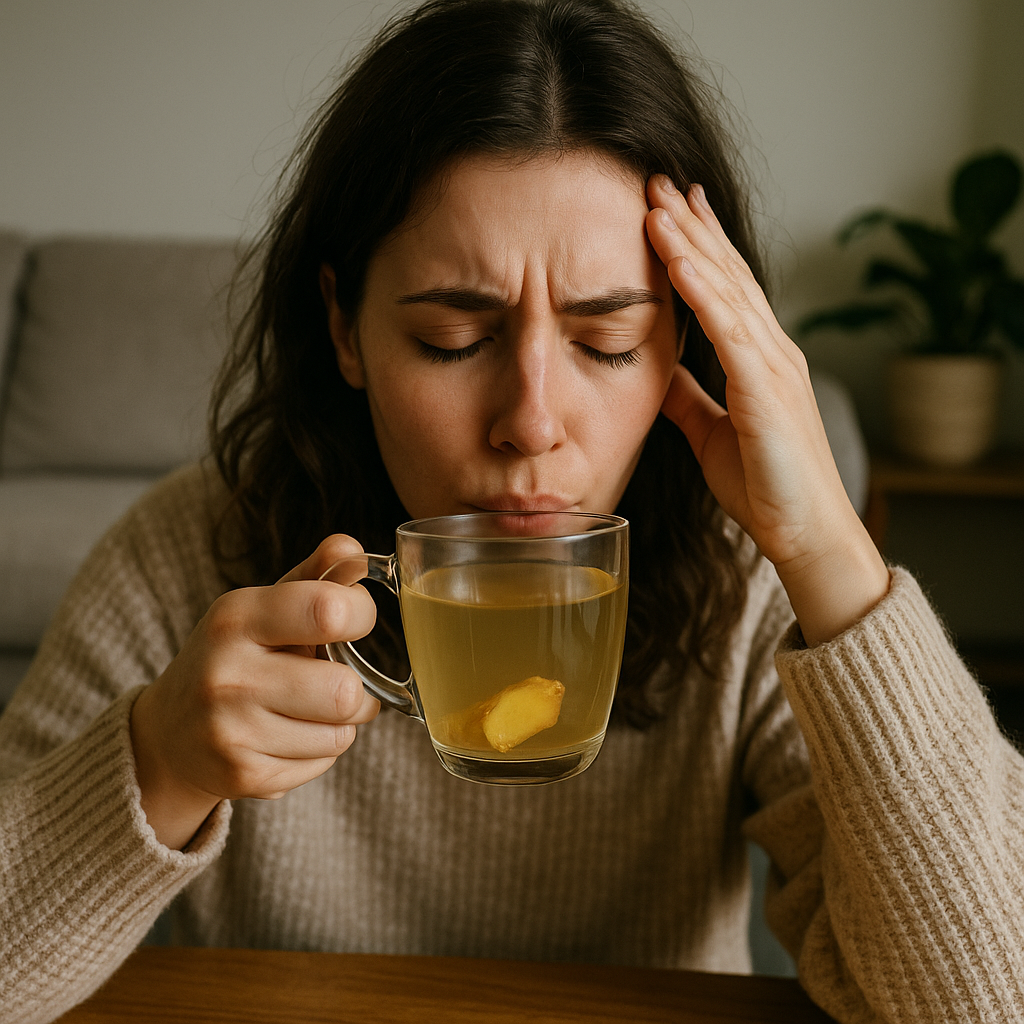
How to Control Headache Without Medicine
If you're looking for ways to ease your headache without popping a pill, there are several natural methods you can try. These techniques focus on relaxation and holistic approaches that have been used for centuries.
Breathing Exercises and Relaxation
One of the quickest ways to reduce headache pain is by calming your nervous system with deep breathing. Stress and anxiety often worsen headaches, so focusing on your breath can provide immediate relief. Try this simple exercise:
-
Sit or lie down comfortably.
-
Close your eyes and inhale slowly through your nose for a count of four.
-
Hold your breath for seven seconds.
-
Exhale slowly through your mouth for eight seconds.
-
Repeat this cycle 4-5 times.
This method helps reduce tension and oxygenates your brain, which can help control headache pain naturally.
Ayurvedic Remedies and Oils
Traditional Ayurvedic medicine offers various remedies that may be helpful for headache control. Essential oils like peppermint, lavender, and eucalyptus are well known for their soothing effects. Applying diluted peppermint oil to your temples or inhaling lavender oil can calm your mind and ease pain. You can also try a warm oil massage on your scalp using sesame or coconut oil to relax muscles and improve blood flow.
These natural remedies provide a gentle, side-effect-free way to manage headaches, especially when you want to avoid medicine.
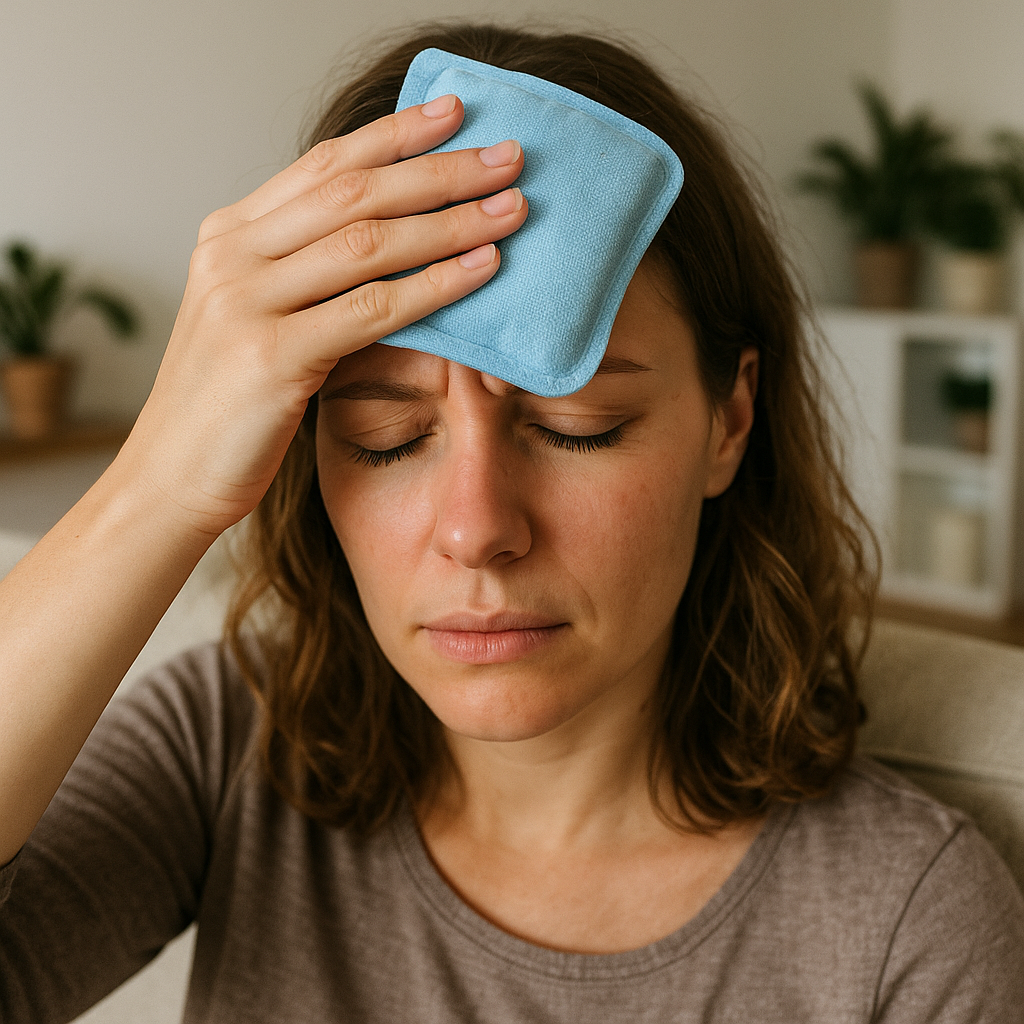
Fast Headache Relief at Home
Sometimes, you need fast results. Here are some practical ways to get quick headache relief right at home.
Head Massage and Acupressure
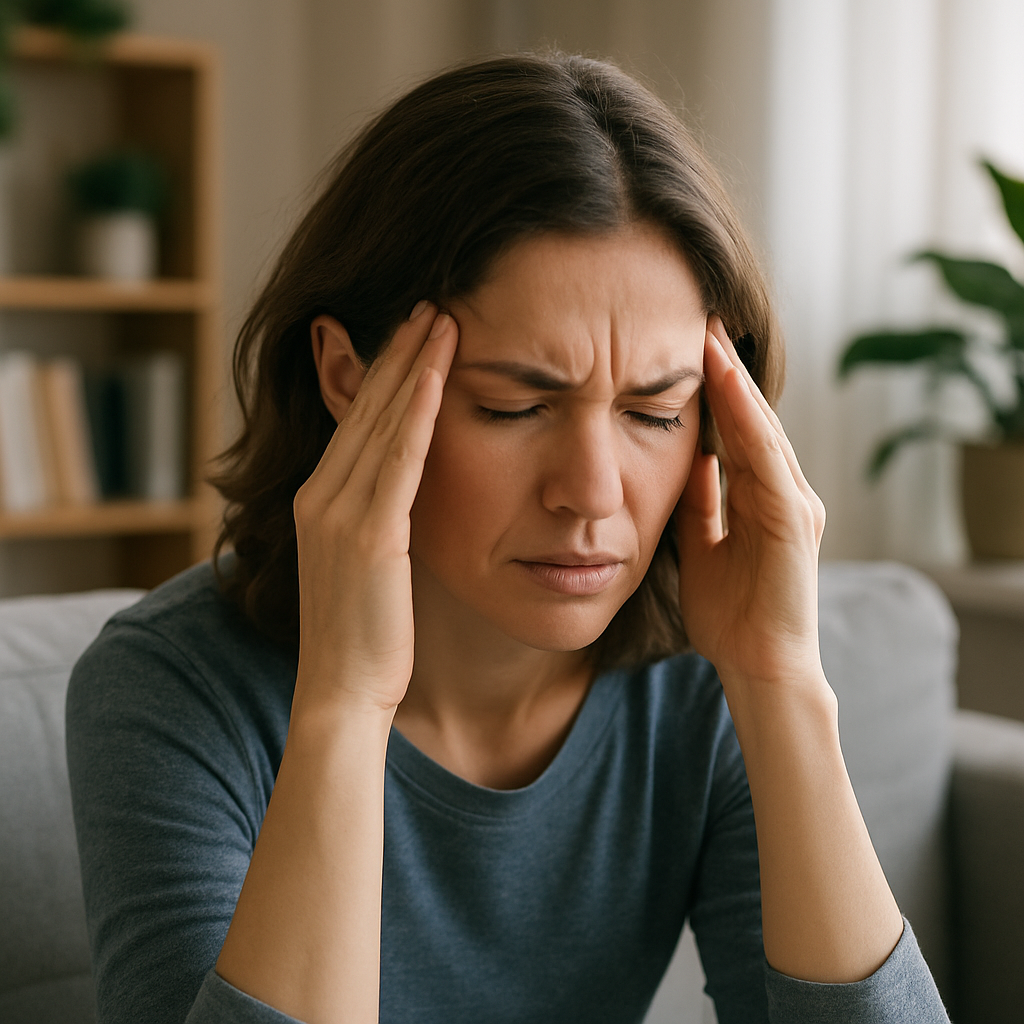
Massaging your temples, neck, and shoulders can help reduce tension headaches. Use your fingertips to apply gentle, circular pressure for a few minutes. This increases blood flow and releases muscle knots.
Acupressure, a technique from traditional Chinese medicine, involves pressing specific points on the body. One common point for headache relief is between the thumb and index finger. Applying firm pressure here for a couple of minutes may provide surprisingly quick relief.
Applying Heat or Cold
Depending on the type of headache, applying a warm compress or a cold pack can be effective. For tension headaches, a warm towel or heating pad on the neck or forehead relaxes tight muscles. For migraines or throbbing pain, a cold pack wrapped in a cloth applied to the forehead can numb pain and reduce inflammation.
Lifestyle Headache Control Tips
Controlling headaches in the long run means paying attention to your everyday habits. Simple lifestyle changes often have the biggest impact, even though they’re easy to overlook.
Hydration, Sleep, and Routine
One of the most common but underestimated causes of headaches is dehydration. Drinking enough water throughout the day helps prevent headaches and supports overall health. Aim for at least 8 glasses daily, more if you’re active or it’s hot outside.
Sleep also plays a crucial role. Both too little and too much sleep can trigger headaches. Try to maintain a consistent sleep schedule—even on weekends. Quality sleep helps your brain recover and reduces the chance of headache flare-ups.
Establishing a daily routine that balances work, rest, and physical activity can also reduce stress—the silent headache trigger. When your body and mind are balanced, headaches tend to occur less frequently.
Foods That May Help or Trigger Headaches
What you eat (and don’t eat) can influence headache frequency and severity. Some foods are known to trigger headaches in sensitive individuals—these include processed meats, aged cheeses, chocolate, caffeine, and alcohol. If you notice headaches often follow certain foods, consider reducing or avoiding them.
On the flip side, some foods may actually help with headache control. Magnesium-rich foods like nuts, spinach, and whole grains can help relax blood vessels and muscles. Ginger is another natural anti-inflammatory that may ease headache pain. Incorporating these foods into your diet might not cure headaches overnight, but they support a headache-free lifestyle.
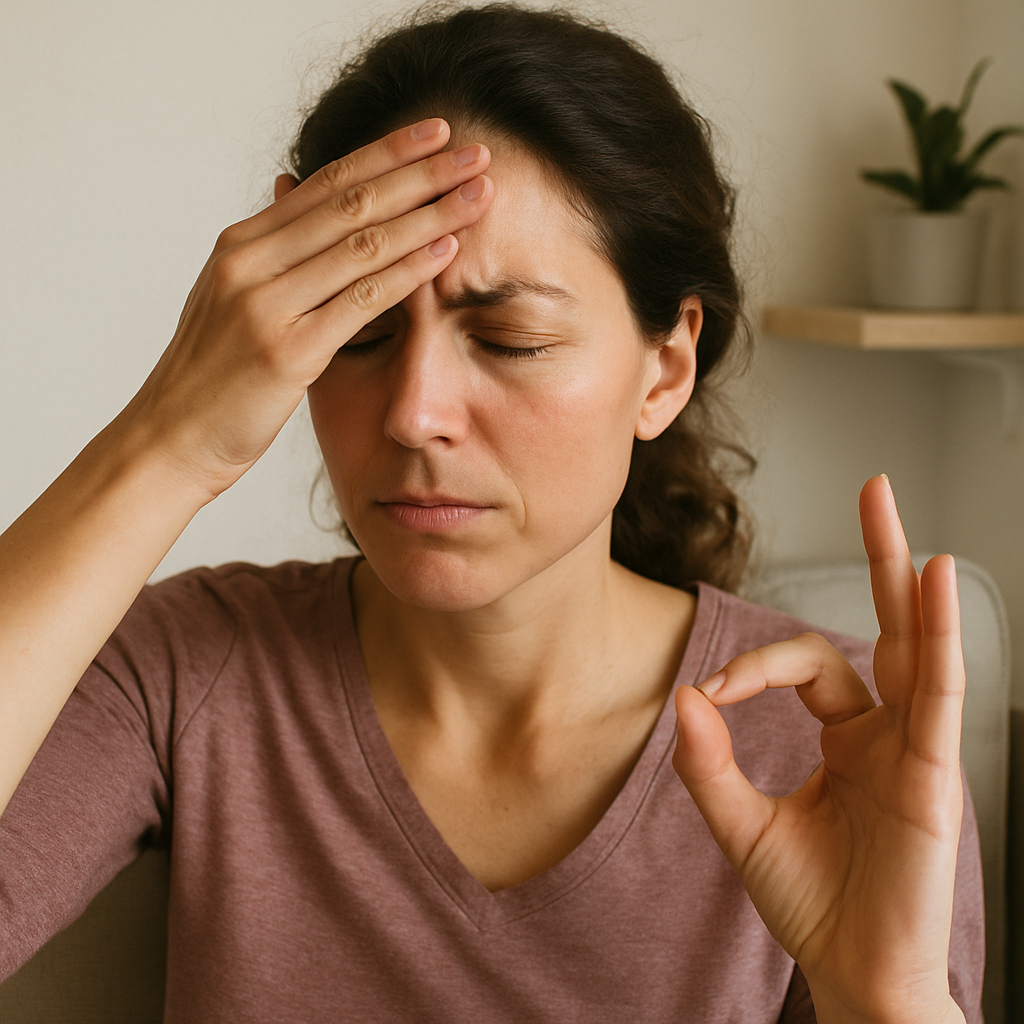
Headache Control Mudra: Simple Daily Practice
If you’re interested in holistic and spiritual approaches, you might find headache control mudra helpful. Mudras are hand gestures used in yoga and meditation that are believed to influence energy flow in the body.
The Apana Mudra, often called the “headache control mudra,” involves touching the tips of the middle and ring fingers to the tip of the thumb while keeping the other fingers straight. Practicing this mudra for 10-15 minutes daily during meditation or deep breathing is said to help detoxify the body and reduce headache symptoms.
While the scientific evidence is limited, many people find mudras calming and beneficial as part of their headache management routine. It’s a gentle, drug-free way to stay connected to your body’s energy and may complement other headache control strategies.
Conclusion
Learning how to control headache pain naturally and effectively is a game-changer for anyone tired of relying solely on medication. From breathing exercises and Ayurvedic oils to simple home remedies like massage and applying heat or cold, there’s plenty you can do on your own to ease discomfort. Plus, making lifestyle changes—like staying hydrated, eating the right foods, and practicing the headache control mudra—helps reduce how often headaches even happen.
Remember, the key is listening to your body and finding what works best for you. Headaches can be tricky because they have many causes and triggers, so combining several strategies often gives the best results. Next time you feel a headache coming on, try some of these tips and see how your body responds. With consistent care, you can regain control and enjoy more headache-free days.
If you found these tips helpful, please share this article with friends and family who might also benefit from natural headache relief. Your health and well-being matter, and sometimes the best solutions are the simplest.
FAQs
How do you stop a headache fast?
For immediate relief, try deep breathing exercises, a quick head massage, or applying a cold pack to your forehead. These can help reduce tension and numb the pain quickly.
What are the top 3 causes of headaches?
The most common causes include stress and tension, dehydration, and poor sleep habits. Identifying your triggers can help you manage headaches better.
What drink is good for headaches?
Water is the best choice to prevent dehydration-related headaches. Herbal teas like ginger or peppermint tea may also soothe headache pain naturally.
Where to massage for a headache?
Massage your temples, the base of the skull, and the space between your thumb and index finger. These areas help release tension and stimulate blood flow to relieve pain.
What fruit stops headaches?
Bananas are often recommended because they’re rich in magnesium, which can help relax muscles and reduce headache frequency. Other fruits high in water content, like watermelon, also support hydration.
उपयोगकर्ताओं के प्रश्न
How does stress management contribute to headache relief?
Client_4fd53b
4 दिनों पहले
Stress management is crucial for headache relief as stress is a common trigger for tension headaches and migraines. Techniques like mindfulness meditation, deep breathing exercises, and yoga can reduce stress and relax tense muscles, particularly in the neck and shoulders, which are often associated with headaches. Regular physical activity and a balanced diet also play supportive roles. If headaches persist despite stress management strategies, it is advisable to consult a healthcare professional for a comprehensive evaluation and tailored treatment plan.
What are some effective home remedies for tension headaches?
Client_5369fd
9 दिनों पहले
For tension headaches, effective home remedies include applying diluted peppermint oil to your temples and inhaling lavender oil, which can help calm the nervous system and ease pain. Bananas are beneficial due to their magnesium content, which may help relax muscles and reduce headache frequency. Using a warm towel or heating pad on the neck or forehead can also relax tense muscles and alleviate discomfort. While these methods can be helpful, if headaches persist or worsen, it's important to consult a healthcare professional to rule out underlying issues.
How can breathing exercises help reduce headache symptoms?
Client_33e3ea
14 दिनों पहले
Breathing exercises can help reduce headache symptoms by promoting relaxation and reducing stress and anxiety, which are common headache triggers. Techniques such as deep breathing, diaphragmatic breathing, and alternate nostril breathing can provide immediate relief by increasing oxygen flow to the brain and soothing the nervous system. You may notice a reduction in headache intensity within minutes of starting these exercises. If headaches persist or worsen, it's essential to see a doctor to rule out more serious conditions. Identifying individual headache triggers is also crucial for effective management.
What are common headache triggers to avoid daily?
Client_8903aa
19 दिनों पहले
Common headache triggers to avoid include dehydration, stress, poor posture, and lack of sleep. Caffeine, alcohol, and certain foods like aged cheeses or processed meats can also be culprits. Maintaining a regular sleep schedule and staying hydrated are simple but effective preventive measures. Be mindful of prolonged screen time, which can strain the eyes and lead to headaches. If headaches persist, become more frequent, or occur with other symptoms like visual changes, it's advisable to consult a healthcare professional to rule out underlying conditions.
How long does it take for herbal teas to relieve headaches?
Client_26f371
29 दिनों पहले
Herbal teas such as ginger or peppermint often begin to relieve headaches within 30 minutes to an hour after consumption. These teas contain natural compounds that can help reduce inflammation and ease tension, potentially alleviating headache symptoms. However, the effectiveness can vary based on the individual and the type of headache. Chronic headaches or severe migraines might not respond as well to herbal remedies. If headaches persist or worsen, it is advisable to consult a healthcare professional to explore other treatment options.
How does diet impact the frequency of headaches?
Client_063d2b
39 दिनों पहले
Diet can significantly influence the frequency of headaches. Foods and drinks such as alcohol, caffeine, aged cheeses, chocolate, and certain processed meats are common triggers for headaches. Conversely, staying hydrated and maintaining balanced blood sugar levels may help reduce headache occurrences. Magnesium-rich foods, like nuts and leafy greens, can also aid in headache prevention. If headaches persist despite dietary adjustments, seek medical advice as they could be symptomatic of an underlying health condition.
Can acupressure improve headaches caused by stress or anxiety?
Client_2501b4
49 दिनों पहले
Yes, acupressure can help alleviate headaches caused by stress or anxiety by improving blood flow and releasing muscle tension. Specific points like LI4 (on the hand) and GB20 (at the base of the skull) are commonly targeted. While some might experience relief within a few minutes, others may require repeated sessions for noticeable effects. Watch for persistent or worsening headaches, as they may indicate a condition needing medical attention. Acupressure should complement, not replace, medical treatments. If headaches persist, consult a healthcare professional.
What are the benefits of ginger for headache relief?
Client_17e419
58 दिनों पहले
Ginger contains compounds with anti-inflammatory properties that may help alleviate headache pain, especially migraines and tension headaches. Studies suggest that consuming ginger can reduce the severity or duration of headaches, similar to common over-the-counter pain medications. To try ginger for headache relief, you can consume it in tea, supplements, or incorporate fresh ginger into your meals. While benefits might be felt quickly for some, try consistently for a few days. Always consult a doctor if headaches are severe, frequent, or accompanied by other symptoms.
What types of acupressure techniques can help relieve tension headaches effectively?
Client_d6a6a9
68 दिनों पहले
Sure! For tension headaches, try pressing the LI4 point, it's located between the thumb and index finger, or GB20, just below the base of your skull. Circular motions for a few minutes can help. Headaches are unique to each person, so what works best can differ from person to person, tho.
What is the best time of day to drink water to help prevent headaches?
Client_066873
78 दिनों पहले
Best time to drink water to prevent headaches? Whenever you're waking up, before meals, and before bed are great times. Sipping throughout the day is key too. It helps keep your body's hydration in balance, reducing the chance of headaches sneaking up on you. Listen to your body’s signals for thirst, stay proactive.
संबंधित आलेख

Neurological Disorders
Ayurvedic Remedies for Migraine Relief
Productivity plays an important role in modern society.
3,553

Neurological Disorders
Ayurvedic Multiple Sclerosis Treatment: Holistic Approaches for Management
Discover effective Ayurvedic treatments for Multiple Sclerosis, including herbal remedies, lifestyle practices, dosage guidelines, and scientific evidence supporting natural healing.
3,259

Neurological Disorders
Migroset: Effective Ayurvedic Relief for Migraines
Discover Migroset, an Ayurvedic remedy for migraines. Learn about its benefits, usage guidelines, dosage, and scientific insights for effective migraine management.
2,916

Neurological Disorders
हल्दी से वैरिकोज वेन्स का इलाज कैसे करें: प्राकृतिक उपाय
हल्दी वैरिकोज़ वेन पैच का अन्वेषण करें, वैरिकोज़ वेन्स के लिए हल्दी के फायदे और रक्त प्रवाह और पैरों की सेहत को सुधारने के लिए प्राकृतिक आयुर्वेदिक उपचारों के बारे में जानें।
9,172

Neurological Disorders
Myasthenia Gravis Ayurvedic Treatment: A Holistic Approach to Managing Neuromuscular Healt
Myasthenia Gravis (MG) is a chronic autoimmune disorder that affects neuromuscular function, leading to weakness in skeletal muscles
3,584

Neurological Disorders
आयुर्वेद से प्राकृतिक रूप से क्षतिग्रस्त नसों की मरम्मत कैसे करें
आयुर्वेदिक उपायों, खाद्य पदार्थों और जीवनशैली के सुझावों के साथ प्राकृतिक रूप से क्षतिग्रस्त नसों की मरम्मत कैसे करें, जानें। नसों की ठीक होने, मजबूत होने और समर्थन करने के तरीके खोजें।
6,139

Neurological Disorders
MND Treatment in Ayurveda: Natural Approaches & Benefits
Explore Ayurvedic treatments for Motor Neurone Disease (MND). Learn about natural remedies, holistic approaches, benefits, and scientific insights into managing MND with Ayurveda.
3,321

Neurological Disorders
Ayurvedic Treatment for Trigeminal Neuralgia: Holistic Nerve Pain Relief
Discover holistic approaches to easing trigeminal neuralgia with Ayurvedic treatments. Explore natural remedies that focus on reducing nerve pain and enhancing quality of life.
3,997

Neurological Disorders
Muscular Dystrophy Treatment in Ayurveda – Natural Healing Approaches
Explore the Ayurvedic treatments for muscular dystrophy, including herbal remedies, therapies, and lifestyle changes aimed at managing symptoms and promoting muscle health.
3,390

Neurological Disorders
Anuvasana Vasti: Benefits and Insights Into This Healing Ayurvedic Enema Therapy
Discover the proven benefits, proper dosage, side effects, and scientific research behind Anuvasana Vasti, a powerful Ayurvedic therapy for detoxification and balance.
3,751
विषय से संबंधित परामर्श
अतिरिक्त दस्तावेज़
© 2024 Ask Ayurveda. सर्वाधिकार सुरक्षित।