आयुर्वेदिक डॉक्टर से प्रश्न पूछें और निःशुल्क या भुगतान मोड में अपनी चिंता की समस्या पर ऑनलाइन परामर्श प्राप्त करें। 2,000 से अधिक अनुभवी डॉक्टर हमारी साइट पर काम करते हैं और आपके प्रश्नों का इंतजार करते हैं और उपयोगकर्ताओं को उनकी स्वास्थ्य समस्याओं को हल करने में प्रतिदिन मदद करते हैं।


Body DetoxEar, Nose, and Throat DisordersGeriatrics & RejuvenationImmunodeficiencyInfertility TreatmentNutritionOrthopedic DisordersPediatricsRespiratory DisordersSexually Transmitted Diseases (STDs)Surgery RecoveryUrological DisordersVascular DisordersDental DisordersEndocrinological DisordersGastrointestinal DisordersYoga TherapyGeneral MedicineAllergic DisordersCardio DisordersGynecology and ObstetricsCosmetologySkin and Hair DisordersEye DisordersInfectious DiseasesMental DisordersNeurological DisordersOncologyPanchakarmaSexual Health & DisordersSports Medicine
पर प्रकाशित 01/07/25
(को अपडेट 08/10/26)
3,639
Anuvasana Vasti: Benefits and Insights Into This Healing Ayurvedic Enema Therapy
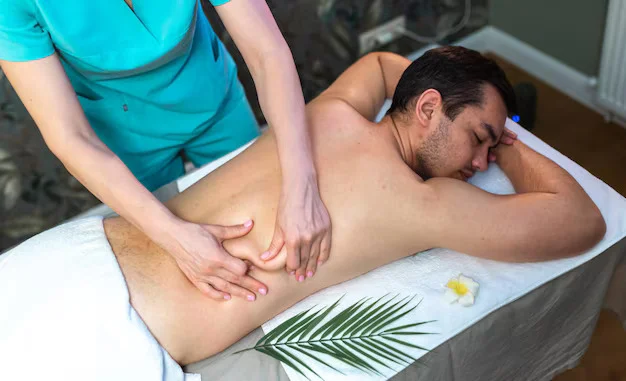
Anuvasana Vasti is a medicated oil enema therapy in Ayurveda where a specific quantity of warm, herb-infused oil or ghee is administered rectally to nourish the body, pacify Vata dosha, and restore balance to the lower gastrointestinal tract. The word "Anuvasana" derives from the Sanskrit root meaning "to stay" — referring to the fact that the medicated oil can safely remain inside the body for an extended period without causing harm. Unlike decoction-based enemas, Anuvasana Vasti is gentle, deeply nourishing, and considered safe enough to be administered daily in many clinical scenarios.
This procedure sits at the heart of Panchakarma therapy and has been described extensively across all major Ayurvedic classical texts — Charaka Samhita, Sushruta Samhita, and Ashtanga Hridaya. In modern Ayurvedic clinics across India and internationally, it remains one of the most frequently prescribed treatments for chronic constipation, lower back pain, neurological disorders, and degenerative joint conditions.
In this comprehensive guide, we'll cover everything from the exact procedure and classical dosages to scientific evidence, real-world patient experience, and practical FAQs that no other resource fully addresses.
What Is Anuvasana Vasti?
Meaning and Etymology — Why "Anuvasana" Means "To Stay"
The term Anuvasana comes from the Sanskrit root "Vas" meaning to stay or to reside. Acharya Charaka explains that this particular type of Basti (enema) earns its name because the medicated sneha (oil or ghee) introduced into the rectum can remain inside the body without producing adverse effects. In fact, its prolonged retention is considered therapeutically beneficial — the longer the oil stays, the deeper its nourishing and Vata-pacifying action.
This is a critical distinction. In Niruha Basti (decoction enema), the liquid must be expelled relatively quickly. But with Anuvasana Vasti, the body gradually absorbs the medicated oil, and the remnant is naturally expelled along with feces and flatus — typically within 3 to 9 hours.
Anuvasana Vasti in Panchakarma — Role and Importance
- Panchakarma consists of five primary bio-purification therapies: Vamana (emesis), Virechana (purgation), Nasya (nasal administration), Raktamokshana (bloodletting), and Basti (enema).
- Among these, Basti is often called "Ardha Chikitsa" — half of the entire treatment system — because of its extraordinary versatility and effectiveness.
Anuvasana Vasti specifically targets Vata dosha, which governs all movement in the body. Since Vata's primary seat is the colon (Pakwashaya), administering medicated oils directly to this region is considered the most efficient route for Vata management. This is why Anuvasana Vasti is prescribed not only as a standalone therapy but also as a supportive treatment alongside Niruha Basti in structured Basti schedules (Karma Basti, Kala Basti, and Yoga Basti protocols).
Anuvasana Vasti vs Niruha (Asthapana) Basti — Key Differences
Understanding the distinction between these two primary Basti types is essential:
| Parameter | Anuvasana Vasti | Niruha (Asthapana) Basti |
|---|---|---|
| Medium | Medicated oil or ghee | Herbal decoction (Kashaya) with honey, salt, oil, and paste |
| Volume | Small (60–120 ml typically) | Large (480–960 ml or more) |
| Retention time | Prolonged (3–9 hours or overnight) | Short — expelled within 48 minutes ideally |
| Primary action | Nourishing (Brimhana), lubricating | Cleansing (Shodhana), expelling |
| Safety for daily use | Yes, can be given daily | No, requires alternation with Anuvasana |
| Best time | After food | On empty stomach |
| Dosha target | Primarily Vata | Vata, Pitta, Kapha (broader) |
The two are complementary. In a typical Basti schedule, Niruha cleanses and Anuvasana nourishes — and they're alternated in specific patterns based on the patient's condition.
Types of Sneha Vasti and Dosage — Sneha Basti vs Anuvasana vs Matra Vasti
One of the most confusing aspects for students and patients alike is understanding the difference between Sneha Basti, Anuvasana Basti, and Matra Basti. All three are oil-based enemas, but they differ primarily in dosage.
Sneha Basti — Maximum Dose Oil Enema
Sneha Basti uses the highest quantity of medicated oil — 6 Prasruta (approximately 576 ml or 384 grams). This is a full-strength oil enema reserved for patients with severe Vata aggravation and strong digestive capacity. Due to the large volume, it requires more careful monitoring and is administered less frequently.
Anuvasana Vasti — Moderate Dose Oil Enema
Anuvasana Vasti uses half the dose of Sneha Basti — approximately 3 Prasruta (288 ml or around 192 grams). This moderate dosage is the most commonly prescribed form in clinical practice. It balances efficacy with safety and is suitable for a wider range of patients.
Matra Vasti — Minimum Dose Oil Enema
Matra Vasti uses the smallest dose — approximately 1 Prasruta (72–96 ml, around 60–72 grams). The name "Matra" means measured or minimal quantity. Acharya Charaka highlights that Matra Vasti is so gentle it can be administered:
- To patients of any age, including children and the elderly
- During any season
- Without strict dietary restrictions
- Even by individuals who are physically active after administration
This makes Matra Vasti the most accessible form of oil enema therapy.
Dosage Comparison Table
| Type | Classical Dose (Prasruta) | Approximate Volume (ml) | Approximate Weight (grams) | Frequency |
|---|---|---|---|---|
| Sneha Basti | 6 Prasruta | ~576 ml | ~384 g | Periodic, monitored |
| Anuvasana Vasti | 3 Prasruta | ~288 ml | ~192 g | Daily or alternate day |
| Matra Vasti | 1 Prasruta | ~72-96 ml | ~60-72 g | Daily, even long-term |
Note: Exact measurements vary across classical texts and commentaries. The figures above follow Charaka Samhita with Chakrapani's commentary. Some scholars calculate differently based on the Pala-to-gram conversion used.
Classical References — Charaka, Sushruta, and Vagbhata
Charaka Samhita on Anuvasana Vasti
Charaka provides the most detailed account of Anuvasana Vasti in the Siddhi Sthana. He describes specific indications, contraindications, the ideal patient profile, and detailed dosage calculations. Charaka emphasizes that Anuvasana should be administered after the patient has eaten food — preferably a light, warm meal — because the presence of food supports the digestion of the administered oil.
Charaka also outlines the concept of Arohana Krama (escalating dose schedule), where the oil quantity is gradually increased across sessions. This approach is recommended for patients who are new to Basti therapy or have sensitive constitutions.
Sushruta Samhita — Snaihika Vasti
- Sushruta refers to oil enemas as Snaihika Vasti rather than Anuvasana.
- His approach differs slightly — he provides more emphasis on the surgical and practical aspects of administration, including the apparatus used. Sushruta's description of the Basti Yantra (enema apparatus) includes specifications for the Basti Putaka (enema bag, traditionally made from animal bladder), the Basti Netra (nozzle), and the length of insertion.
Dalhana and Chakrapani Commentaries
The classical commentators add invaluable clarification. Chakrapani (commenting on Charaka) provides precise dose calculations and clarifies contradictory passages. Dalhana (commenting on Sushruta) explains the rationale behind contraindications and elaborates on complication management. These commentaries are essential for understanding the nuances that the original texts sometimes leave ambiguous.
Vagbhata in the Ashtanga Hridaya synthesizes both Charaka and Sushruta's viewpoints and provides a more streamlined protocol — this text is widely followed in South Indian Ayurvedic practice, particularly in Kerala's Panchakarma tradition.
Indications — When Is Anuvasana Vasti Prescribed?
Vata-Predominant Conditions
Anuvasana Vasti is most effective for disorders rooted in Vata aggravation:
- Chronic constipation (Vibandha) — the oil lubricates the colon and facilitates smooth evacuation
- Lower back pain (Kati Shoola) and sciatica (Gridhrasi)
- Osteoarthritis and degenerative joint diseases (Sandhigata Vata)
- Neurological disorders — facial palsy, hemiplegia, paraplegia, tremors
- Muscle wasting and weakness (Mamsa Kshaya)
Digestive and Metabolic Disorders
- Dryness of the intestinal tract
- Retention of urine (Mutraghata) and flatus (Vatanulomana impairment)
- Poor digestion with strong Vata component
- Post-Virechana or post-Vamana nourishment — to restore oleation after purification
Reproductive and Gynecological Conditions
Anuvasana Vasti is increasingly prescribed in Ayurvedic infertility management. A pilot study published in the Journal of Ayurveda and Integrative Medicine (2017) reported that Basti therapy — including Anuvasana — showed positive effects on improving ovarian function markers in women with certain reproductive disorders. While more robust randomized controlled trials are needed, clinical practitioners routinely include Anuvasana Vasti in treatment protocols for both male and female infertility.
Anuvasana Vasti for Specific Conditions
For Arthritis (Sandhigata Vata): Sesame oil medicated with Dashamool (ten-root decoction) is commonly used. The oil's anti-inflammatory and Vata-pacifying properties help reduce pain and improve joint mobility. Courses typically run for 8–16 days. For Chronic Constipation: Plain Tila Taila (sesame oil) or Sukumara Ghrita is often sufficient. Matra Vasti doses can be self-administered at home under physician guidance for maintenance therapy. For Neurological Conditions: Dhanwantharam Taila, Ksheerabala Taila, or Mahamasha Taila are preferred. These oils contain nerve-tonic herbs and are administered in full Anuvasana doses as part of longer treatment protocols.
Step-by-Step Procedure of Anuvasana Vasti
Purva Karma — Preparation Phase
- 1.Patient assessment: The Ayurvedic physician evaluates Prakriti (constitution), Vikriti (current imbalance), Agni (digestive capacity), and Bala (strength) to determine suitability
- 2.Abhyanga (oil massage): Warm medicated oil is applied to the lower back, abdomen, and thighs for 15–20 minutes
- 3.Swedana (sudation/steam therapy): The patient undergoes localized or generalized steam therapy to open body channels (Srotas) and prepare the tissue for oil absorption
- 4.Light meal: Unlike Niruha Basti, the patient should eat a small, warm, unctuous meal before Anuvasana Vasti. This is typically rice with ghee or a light khichdi
- 5.Oil preparation: The prescribed medicated oil is warmed to body temperature (approximately 37–40°C) and measured according to the determined dose
Pradhana Karma — Main Procedure
- 6.Positioning: The patient lies on the left lateral position (Vama Parshva) on a comfortable table, with the left leg extended and right leg flexed at the knee and hip
- 7.Lubrication: The anus and the nozzle (Basti Netra) are lubricated with oil
- 8.Insertion: The nozzle is gently inserted into the rectum to a depth of approximately 4 Angula (about 3–4 inches) in adults
- 9.Administration: The warmed oil is slowly and steadily pushed through the enema apparatus. Traditional apparatus uses a Basti Putaka (bladder bag); modern clinics often use enema syringes or specialized Basti equipment
- 10.Withdrawal: The nozzle is removed gently while the patient is instructed to take deep breaths
The entire administration takes approximately 5–10 minutes.
Paschat Karma — Post-Procedure Care
- 11.Rest position: The patient remains lying down. The physician gently taps the soles of the feet, buttocks, and lower back to encourage upward movement of the oil
- 12.Elevation: The foot end of the bed may be slightly elevated to promote oil retention
- 13.Monitoring: The patient rests for 1–3 hours. The physician monitors for discomfort, bloating, or any adverse reaction
- 14.Natural expulsion: The oil is expected to be expelled naturally along with feces and flatus within 3–9 hours. The characteristics of the expelled material help the physician assess the procedure's effectiveness
- 15.Warm water bath: After expulsion, the patient takes a warm water bath
- 16.Diet: Light, warm, easily digestible food is recommended. Specific Pathya (dietary guidelines) are followed
Day-by-Day Protocol Example (Yoga Basti — 8-Day Schedule)
| Day | Type of Basti | Notes |
|---|---|---|
| Day 1 | Anuvasana Vasti | Initiating with oil |
| Day 2 | Niruha Basti | Decoction-based cleansing |
| Day 3 | Anuvasana Vasti | Nourishing |
| Day 4 | Niruha Basti | Cleansing |
| Day 5 | Anuvasana Vasti | Nourishing |
| Day 6 | Niruha Basti | Cleansing |
| Day 7 | Anuvasana Vasti | Nourishing |
| Day 8 | Anuvasana Vasti | Concluding with oil |
In Karma Basti (30 days) and Kala Basti (16 days), the same alternating principle applies, always beginning and ending with Anuvasana Vasti.
स्वयं दवा न लें और प्रतीक्षा न करें। अभी डॉक्टर से चैट शुरू करें
Anuvasana Vasti Ingredients and Supportive Herbs (Anuvasanopaga Gana)
Commonly Used Oils and Ghee Preparations
The choice of oil depends entirely on the condition being treated:
- Tila Taila (Sesame oil) — the gold standard base oil for most Basti procedures
- Dhanwantharam Taila — for neurological and musculoskeletal conditions
- Ksheerabala Taila — for Vata disorders with Pitta involvement
- Sukumara Ghrita — for gynecological conditions and constipation
- Mahamasha Taila — for muscle wasting and severe Vata disorders
- Sahacharadi Taila — for lower limb weakness and sciatica
- Plain cow ghee (Go Ghrita) — for Pitta-Vata conditions
Anuvasanopaga Gana — Herbal Adjuvants
Charaka describes a specific group of herbs called Anuvasanopaga Gana that support and enhance the efficacy of Anuvasana Vasti. These herbs can be added to the oil preparation or used alongside:
| Sanskrit Name | Latin Name | Primary Action |
|---|---|---|
| Rasna | Pluchea lanceolata | Anti-inflammatory, Vata-pacifying |
| Devadaru | Cedrus deodara | Analgesic, nervine |
| Gokshura | Tribulus terrestris | Diuretic, urogenital support |
| Bilwa | Aegle marmelos | Digestive, Vata-balancing |
| Madanaphala | Randia dumetorum | Emetic in other contexts, here supports absorption |
| Shatapushpa | Anethum sowa | Carminative, Vata-relieving |
| Punarnava | Boerhavia diffusa | Anti-inflammatory, kidney support |
Benefits of Anuvasana Vasti
The benefits extend far beyond simple bowel cleansing. Here's what the classical texts and modern clinical observations reveal:
Physical Benefits:
- Lubricates and nourishes the colonic mucosa, preventing dryness-related disorders
- Strengthens bones and joints by improving Vata-mediated nutrient transport
- Enhances muscle tone and reduces muscular spasms
- Improves skin texture and complexion by balancing internal oleation
- Promotes healthy body weight — it can help underweight individuals gain weight while reducing metabolic Vata derangement
Neurological and Mental Benefits:
- Calms the nervous system — particularly effective for anxiety, insomnia, and restlessness
- Supports cognitive function through Vata pacification
- Reduces pain perception in chronic pain conditions
Digestive Benefits:
- Regulates bowel movements naturally without dependency
- Relieves bloating and gas retention
- Improves appetite and digestive fire (Agni) indirectly by removing Vata obstruction
A systematic review published in the International Journal of Research in Ayurveda and Pharmacy (2020) analyzed multiple case studies and clinical reports on Anuvasana Basti and concluded that the therapy showed consistent positive outcomes in managing Vata Vyadhi, with particular efficacy in musculoskeletal and neurological conditions. However, the authors noted that well-designed, multi-center randomized controlled trials are still needed to establish Level 1 evidence.
Contraindications — When to Avoid Anuvasana Vasti
Not everyone is a candidate for this therapy. The classical texts list specific contraindications with clear rationale:
- Acute fever (Jwara) — oil administration can increase Ama (toxins) and worsen febrile conditions
- Severe anemia (Pandu) — the body cannot metabolize additional oleation
- Jaundice (Kamala) — compromised liver function cannot process fat-based substances
- Diabetes with complications (Prameha) — especially with excessive urination or Kapha aggravation
- Active hemorrhoids with bleeding — oil can irritate inflamed hemorrhoidal tissue
- Obesity (Sthaulya) — excess fat makes additional oleation counterproductive
- Acute poisoning (Visha) — enema can drive toxins deeper into tissues
- Splenic enlargement (Pleehodara) — abdominal pressure issues
- Immediately after Niruha Basti without proper interval
- Ama condition (undigested metabolic waste) — oil over Ama creates further blockage
Contraindications in Context of Western Medicine
This is an area most Ayurvedic resources overlook.
If you're taking pharmaceutical medications, be aware:
- Blood thinners (Warfarin, Heparin): Certain medicated oils may affect platelet function. Always inform your Ayurvedic practitioner about anticoagulant use
- Immunosuppressants: Post-transplant patients need extreme caution with any Panchakarma procedure
- Active inflammatory bowel disease (Crohn's, UC in flare): The rectal route may worsen mucosal inflammation during active flares
- Recent abdominal or rectal surgery: Minimum 6–8 weeks healing period recommended before any Basti
Always consult both your Ayurvedic physician and allopathic doctor if you're managing any chronic condition with Western medications.
Complications (Sneha Vasti Vyapat) and Their Management
When Anuvasana Vasti is improperly administered — wrong dose, wrong timing, or wrong patient — complications can arise. Charaka categorizes these based on the dosha that obstructs the oil's movement:
Vata Avrita Sneha (Oil Obstructed by Vata)
Symptoms: Severe pain in abdomen, distension, no expulsion of oil Management: Warm fomentation to the abdomen, administration of Vata-pacifying decoction orally, gentle massage
Pitta Avrita Sneha (Oil Obstructed by Pitta)
Symptoms: Burning sensation, yellowish discoloration, thirst, giddiness Management: Cool water bath, Pitta-pacifying diet, oral administration of Shatavari or Yashtimadhu preparations
Kapha Avrita Sneha (Oil Obstructed by Kapha)
Symptoms: Nausea, heaviness, cold sensation, excessive salivation Management: Light fasting, warm water with dried ginger, smoking therapy (Dhumapana)
Anna/Pureesha Avrita Sneha (Oil Obstructed by Food/Feces)
Symptoms: Incomplete expulsion, feeling of fullness, irregular bowel pattern Management: Light Niruha Basti to clear the channel, followed by repeat Anuvasana at corrected timing
In plain terms: if you feel unusual discomfort, bloating that doesn't resolve, burning sensation, or if the oil isn't expelled within 24 hours — contact your practitioner immediately. These complications are manageable when caught early but can become problematic if ignored.
What to Expect — Patient Experience and Practical Insights
This is something you won't find in most Ayurvedic textbooks, but it matters enormously for anyone actually considering the therapy.
During the procedure:
- Mild warmth and pressure sensation as the oil enters — this is normal
- Some patients feel an immediate urge to evacuate — the practitioner will guide you to resist gently
- The procedure itself is not painful if done correctly. Mild discomfort at insertion is possible but brief
After the procedure:
- A feeling of lightness and warmth in the abdominal area
- Natural urge to pass gas or stool typically occurs within 3–6 hours
- The expelled oil should be observed — well-digested, clear oil mixed with feces indicates success; undigested oil suggests poor Agni or incorrect dosage
- Some patients report improved sleep quality on the night after treatment
- Joint pain relief is often noticed after 3–5 sessions rather than immediately
Duration and frequency in modern clinics:
- A typical session (including Abhyanga and Swedana) takes 60–90 minutes
- Treatment courses range from 8 days (Yoga Basti) to 30 days (Karma Basti)
- Maintenance Matra Vasti can be done weekly or biweekly for chronic conditions
Cost and Availability in India
In Indian Ayurvedic hospitals and Panchakarma centers, Anuvasana Vasti typically costs between ₹800–₹2,500 per session, depending on the city, clinic reputation, and type of medicated oil used. Government Ayurvedic hospitals offer significantly subsidized rates. Premium wellness resorts in Kerala may charge ₹3,000–₹5,000+ per session as part of comprehensive packages.
The therapy is widely available across India — from large Ayurvedic teaching hospitals (like Gujarat Ayurved University, BHU, Tilak Ayurved Mahavidyalaya) to private Panchakarma clinics in every major city.
Pathya — Diet and Lifestyle After Anuvasana Vasti
Post-procedure dietary discipline is crucial for optimal results:
Recommended (Pathya):
- Warm, freshly cooked, light meals — rice gruel (Peya), Khichdi, Yusha (lentil soup)
- Warm water throughout the day
- Adequate rest, especially on the day of treatment
- Gentle walking after oil expulsion
Avoid (Apathya):
- Cold food and beverages
- Heavy, fried, or processed foods
- Excessive physical exertion, especially weight-bearing exercise
- Daytime sleep (can aggravate Kapha)
- Sexual activity during the treatment course
- Emotional stress, anger, or excessive talking
Frequently Asked Questions (FAQ)
How much Anuvasana Basti oil is needed per session?
The standard dose is 3 Prasruta (approximately 288 ml) for a full Anuvasana Vasti. For Matra Vasti (minimum oil enema), approximately 72–96 ml is used. The exact quantity is adjusted by the physician based on the patient's body constitution, strength, and the specific condition being treated.
What is the difference between Sneha Basti and Anuvasana Basti?
- Sneha Basti is the broader category referring to any oil-based enema. Anuvasana Basti is a specific type of Sneha Basti with a defined moderate dosage (half of Sneha Basti). Matra Basti is an even smaller dose within the same category.
- Think of it as: Sneha Basti (large) > Anuvasana Basti (medium) > Matra Basti (small).
What oil is used in Anuvasana Basti?
The most common base oil is Tila Taila (sesame oil). However, specific medicated oils are chosen based on the condition — Dhanwantharam Taila for neurological issues, Ksheerabala Taila for inflammatory conditions, Sahacharadi Taila for lower limb disorders, and Sukumara Ghrita for gynecological conditions. The physician selects based on Dosha assessment and disease pathology.
How should Anuvasana Basti be prepared?
- The medicated oil is gently warmed to body temperature (lukewarm, approximately 37–40°C).
- It's then drawn into the Basti apparatus — traditionally a Basti Putaka (bladder bag) attached to a Basti Netra (metal nozzle). In modern practice, disposable enema syringes are frequently used. The oil must be free from impurities, properly medicated, and freshly warmed for each session.
Can Anuvasana Vasti be done at home?
Matra Vasti (the smallest dose variant) can be self-administered at home under the guidance and prescription of a qualified Ayurvedic physician. Full-dose Anuvasana Vasti should ideally be performed in a clinical setting where complications can be managed promptly. Never attempt Basti therapy without proper training or professional guidance.
Are there any side effects of Anuvasana Vasti?
When administered correctly by a qualified practitioner, side effects are rare. Potential minor effects include mild abdominal discomfort, temporary bloating, or slight nausea — these usually resolve within hours. Serious complications (Vyapat) occur only with improper administration, incorrect dosage, or when performed despite contraindications. This is why proper assessment before treatment is non-negotiable.
How many days of Anuvasana Vasti are required for results?
This depends on the condition. For general Vata imbalance, a Yoga Basti course of 8 days may suffice. Chronic conditions like osteoarthritis or neurological disorders typically require Kala Basti (16 days) or Karma Basti (30 days). Maintenance with periodic Matra Vasti may continue for months in degenerative conditions.
Conclusion — Is Anuvasana Vasti Right for You?
Anuvasana Vasti represents one of Ayurveda's most refined therapeutic interventions — a treatment that has been perfected over thousands of years and continues to demonstrate clinical relevance today. Its ability to directly nourish the seat of Vata dosha makes it uniquely effective for a wide range of conditions that modern medicine often manages only symptomatically.
However, this is not a DIY therapy or a casual wellness treatment. Proper diagnosis, individualized dosage, correct timing, and qualified administration are essential for safety and efficacy. The classical texts devote enormous attention to detail for good reason — every variable matters.
If you're considering Anuvasana Vasti:
- Consult a qualified Ayurvedic physician (BAMS or MD Ayurveda) for a thorough assessment
- Disclose all existing medical conditions and current medications
- Choose a reputable Panchakarma center with experienced therapists
- Commit to the full prescribed course and follow Pathya guidelines diligently
The right Basti, at the right dose, at the right time, for the right patient — this is the principle that makes Anuvasana Vasti not just a procedure, but a profound healing experience.
This article is for educational purposes. Always seek guidance from a certified Ayurvedic practitioner before undergoing any Panchakarma therapy. Individual results vary based on constitution, condition severity, and treatment adherence.
Scientific Sources
- Management of Cutaneous Adverse Drug Reactions via Personalized Ayurvedic Interventions: A Case Report — Ram N et al., 2024, Cureus
- Standardisation of ksheerabala taila — Rao VN et al., 1996, Ancient science of life
- Biomedical waste generation at Ayurveda hospitals in South Asia: A mini review of the composition, quantities and characteristics — Kularatne RKA, 2024, Waste management & research : the journal of the International Solid Wastes and Public Cleansing Association, ISWA
- Are one or two dangerous?Methyl salicylate exposure in toddlers — Davis JE, 2007, The Journal of emergency medicine
- A comparative evaluation of medicated oils prepared using ayurvedic and modified processes — Lahorkar P et al., 2009, Indian journal of pharmaceutical sciences
उपयोगकर्ताओं के प्रश्न
What health conditions can benefit from Anuvasana Vasti therapy?
Client_df52b3
2 दिनों पहले
Anuvasana Vasti therapy, an oil-based enema, can be beneficial for certain health conditions such as osteoarthritis, neurological disorders, and other chronic conditions due to its anti-inflammatory and Vata-pacifying properties. It helps reduce pain and improve joint mobility. The therapy is typically administered within the framework of Kala Basti (16 days) or Karma Basti (30 days) protocols. Always ensure a qualified practitioner administers this treatment, as improper use without professional guidance is contraindicated and may lead to complications. If you have underlying health concerns, consult your doctor before starting this therapy.
How long does an Anuvasana Vasti session typically last?
Client_d43bfb
12 दिनों पहले
An Anuvasana Vasti session usually lasts about 15 to 30 minutes, although this can vary depending on individual tolerance and the practitioner’s guidance. In this procedure, a small amount of medicated oil is administered rectally, and the patient is advised to retain the oil for as long as comfortable. Immediately after the procedure, you may feel a mild urge to evacuate, but it's recommended to hold the oil as per the practitioner’s instructions for optimal absorption. If any discomfort or unusual symptoms occur, it's advisable to consult your healthcare provider.
What are the potential side effects of Anuvasana Vasti treatment?
Client_11d5df
21 दिनों पहले
Anuvasana Vasti, a type of Ayurvedic oil enema, may cause side effects such as abdominal discomfort, bloating, diarrhea, or nausea, typically due to improper dosage or technique. These side effects usually resolve within a day or two. If you experience severe pain, persistent symptoms, or rectal bleeding, you should see a doctor promptly. It’s also important to have this treatment administered by a qualified practitioner to minimize the risk of complications. Always inform your healthcare provider about any alternative treatments you are considering.
How does Anuvasana Vasti aid in balancing doshas effectively?
Client_31fc1d
31 दिनों पहले
Anuvasana Vasti, an Ayurvedic oil-based enema, can potentially aid in balancing doshas by providing lubrication and nourishment to the gut, which supports digestion and elimination. Typically, courses last 8–16 days under professional supervision. It's crucial to consult with a certified Ayurvedic practitioner for personalized guidance, ensuring safety and effectiveness. Watch for adverse effects like abdominal discomfort or unusual bowel changes, and consult a doctor if these occur. Anuvasana Vasti is not a standalone treatment but part of a holistic Panchakarma therapy.
How should I prepare mentally for Anuvasana Vasti sessions?
Client_b504f4
41 दिनों पहले
To prepare mentally for Anuvasana Vasti sessions, begin by understanding that it is a gentle, nourishing Ayurvedic therapeutic enema utilized primarily within Panchakarma therapy. It is reassuring to know that it is considered safe for frequent administration. Typically, sessions may cause minor effects such as mild abdominal discomfort or temporary bloating, which generally resolve within hours. Preparation can include discussing any concerns with your healthcare provider, understanding the procedure steps, knowing it usually takes 8-16 days, and scheduling rest periods for post-session recovery. If discomfort persists beyond a few hours or you experience severe symptoms, consult a physician promptly.
Can Anuvasana Vasti help with digestive issues like bloating or constipation?
Client_4ca208
50 दिनों पहले
Yeah, Anuvasana Vasti can help with bloating and constipation! It's basically using medicated oil enemas to balance Vata dosha, which often causes these issues. But it's good to have an Ayurvedic doc guide you on the right oil and method to use, ya know, just to be safe and effective!
What type of oil is best for Anuvasana Vasti and why?
Client_d34c0e
60 दिनों पहले
For Anuvasana Vasti, sesame oil is the best choice. It's deeply nourishing and balances Vata dosha, which is often the focus in this type of enema. Sesame's warming properties support Agni and soothe Vata-related issues. However, depending on the individual's dosha and condition, a medicated oil mix might be prescribed by an Ayurvedic doc for more specific needs. Always consult with a practitioner for personalized advice!
Can I perform Matra Vasti without guidance from a qualified Ayurvedic practitioner?
Client_19f827
69 दिनों पहले
It's not recommended to perform Matra Vasti without guidance. Even though it's a smaller dose, it still needs a proper diagnosis and guidance on timing, dosage, etc. It's about safety and effectiveness. Best to consult with a qualified Ayurvedic practitioner to ensure everything's done right!
Can I use Anuvasana Vasti for detoxing my body?
Client_c7b094
80 दिनों पहले
Anuvasana Vasti can help in detoxing but isn’t a typical detox method. It's mainly for balancing Vata dosha by nourishing and lubricating the body with oils. It’s less about cleansing like other types of enemas. It might aid detox indirectly by improving gut health, but it's good to chat with an Ayurvedic practitioner first.
What is the recommended preparation before undergoing Anuvasana Vasti treatment?
Client_edc0e7
90 दिनों पहले
Before Anuvasana Vasti, it's usually a good idea to have a light meal a few hours earlier and try to stay relaxed. Practitioners often recommend Abhyanga (oil massage) first, to help balance Vata and prepare the body. And, keeping yourself warm and comfy helps! Best to chat with your practitioner for personalized advice.
संबंधित आलेख
Neurological Disorders
Sukumara Erandam: Ayurvedic Detox Solution for Digestive Health
Learn about Sukumara Erandam, an Ayurvedic remedy for varicose veins. Discover its benefits, proper dosage, uses, and scientific research supporting its efficacy.
3,830

Neurological Disorders
What Is Tinnitus? Meaning, Causes & Natural Remedies
What is tinnitus and how does it affect you? Discover causes, symptoms, Ayurvedic and natural remedies for ringing in the ears. Learn which lifestyle habits may worsen the condition
1,866

Neurological Disorders
Vrat Vat Chintamani Ras: Ayurvedic Remedy for Digestive Health and Detoxification
Explore the benefits and uses of Vrat Vat Chintamani Ras, an Ayurvedic formulation known for its ability to support digestive health, balance Vata dosha, and aid in detoxification.
3,238

Neurological Disorders
न्यूरॉन कैप्सूल
न्यूरॉन कैप्सूल की खोज
3,027

Neurological Disorders
What Causes Vertigo: Ayurvedic Perspective on Imbalance and Healing
What causes vertigo? Discover Ayurvedic causes, symptoms, and treatments. Learn how to restore balance naturally with herbal remedies and lifestyle support
2,870
Neurological Disorders
Deep Vein Thrombosis Treatment in Ayurveda: Effective Herbal Solutions
Discover effective Ayurvedic treatments for deep vein thrombosis, including herbal remedies, lifestyle changes, and scientific insights to manage blood clots naturally.
4,848
Neurological Disorders
Ayurvedic Medicine for Numbness in Feet: What Really Helps?
Let’s be honest—numb feet are annoying. Not in the “mildly inconvenient” way a cold shower is, but in the “is something seriously wrong with me?” kind of way. Whether it's that unsettling pins-and-needles buzz, or just dead, dull silence below your ankles
4,378
Neurological Disorders
Ayurvedic Medicine for Neuropathic Pain: What Really Works?
Ever tried explaining neuropathic pain to someone who’s never felt it? It’s like describing a static radio buzz inside your body — there, but invisible, relentless, strange. Now imagine treating that with ancient herbs and oils, handed down for generation
3,954

Neurological Disorders
How to Get Rid of Sciatica Pain Permanently: A Complete Ayurvedic Guide
Explore sciatica pain relief, ayurvedic medicine for sciatica, and treatments for permanent cure. Learn how to relieve sciatica pain fast with natural remedies
3,105

Neurological Disorders
आयुर्वेद में मोटर न्यूरॉन डिजीज का इलाज – समग्र तंत्रिका समर्थन
आयुर्वेदिक तरीकों से मोटर न्यूरॉन बीमारी का इलाज कैसे करें, जानें। एमएनडी को मैनेज करने के लिए होलिस्टिक थेरेपी, जड़ी-बूटियाँ, जीवनशैली में बदलाव और वैज्ञानिक दृष्टिकोण के बारे में जानकारी प्राप्त करें।
3,949
विषय से संबंधित परामर्श
अतिरिक्त दस्तावेज़
© 2024 Ask Ayurveda. सर्वाधिकार सुरक्षित।