आयुर्वेदिक डॉक्टर से प्रश्न पूछें और निःशुल्क या भुगतान मोड में अपनी चिंता की समस्या पर ऑनलाइन परामर्श प्राप्त करें। 2,000 से अधिक अनुभवी डॉक्टर हमारी साइट पर काम करते हैं और आपके प्रश्नों का इंतजार करते हैं और उपयोगकर्ताओं को उनकी स्वास्थ्य समस्याओं को हल करने में प्रतिदिन मदद करते हैं।


Body DetoxEar, Nose, and Throat DisordersGeriatrics & RejuvenationImmunodeficiencyInfertility TreatmentNutritionOrthopedic DisordersPediatricsRespiratory DisordersSexually Transmitted Diseases (STDs)Surgery RecoveryUrological DisordersVascular DisordersDental DisordersEndocrinological DisordersGastrointestinal DisordersYoga TherapyGeneral MedicineAllergic DisordersCardio DisordersGynecology and ObstetricsCosmetologySkin and Hair DisordersEye DisordersInfectious DiseasesMental DisordersNeurological DisordersOncologyPanchakarmaSexual Health & DisordersSports Medicine
पर प्रकाशित 08/20/25
(को अपडेट 08/15/26)
star_border 5
10,911
How to Apply Ginger on Hair: Benefits, Growth, and Ayurvedic Remedies

If you’ve been searching for natural ways to boost hair growth and improve scalp health, you might have come across remedies involving ginger for hair. And yes, it’s not just a kitchen spice! People across cultures, especially in Ayurveda, have been using ginger for centuries. It’s believed that applying ginger on hair can strengthen follicles, reduce dandruff, and even help with thinning strands. But the big question many people ask is: how to apply ginger on hair properly, and does it really work?
In this guide, we’ll explore how to use ginger for hair growth, the benefits of ginger oil, ginger water, and even DIY recipes. We’ll also answer common questions like “can we apply ginger on hair daily?” and whether it truly promotes growth. Stick around, because by the end you’ll have practical, step-by-step ways to try it at home.
How to Apply Ginger on Hair for Maximum Benefits
The key to using ginger on hair is understanding the different forms it comes in — fresh juice, ginger oil, or even ginger water. Each method has unique benefits, and knowing how to apply ginger on hair the right way ensures you get maximum results.
Here’s the deal: Ginger contains compounds like gingerol, which improves blood circulation in the scalp. When circulation is improved, hair follicles are stimulated — and that’s what leads to potential growth. Plus, it has anti-inflammatory and antimicrobial properties that can keep scalp issues like dandruff or itching at bay.
But don’t just grab a piece of ginger and rub it straight onto your head (ouch, that’s not smart). Instead, you need to prepare it carefully — dilute with oils or water, or mix into homemade masks.
Can We Apply Ginger on Hair Daily?
This is a pretty common question: can we apply ginger on hair every day? Well, not really. Ginger is powerful, and applying it too often might cause irritation or dryness. Most experts recommend using it 2-3 times a week. Daily use can sometimes be too much, especially if your scalp is sensitive.
So, yes, ginger has amazing uses for hair, but moderation is key.
Applying Ginger Juice on Hair: Step-by-Step Guide
One of the most popular methods is applying ginger juice on hair. Here’s a simple way to do it at home:
-
Peel and grate a fresh piece of ginger.
-
Extract the juice by squeezing it through a clean cloth or strainer.
-
Mix the juice with a carrier oil (like coconut or jojoba) to avoid irritation.
-
Apply it directly onto your scalp using a cotton ball or your fingertips.
-
Massage gently for 5-10 minutes to boost circulation.
-
Leave it on for 30 minutes to an hour, then wash it off with a mild shampoo.
Now, does applying ginger promote hair growth overnight? Nope, let’s be real. You won’t wake up with Rapunzel-length hair the next day. Growth takes time. But consistent use, over weeks and months, may improve thickness and shine.
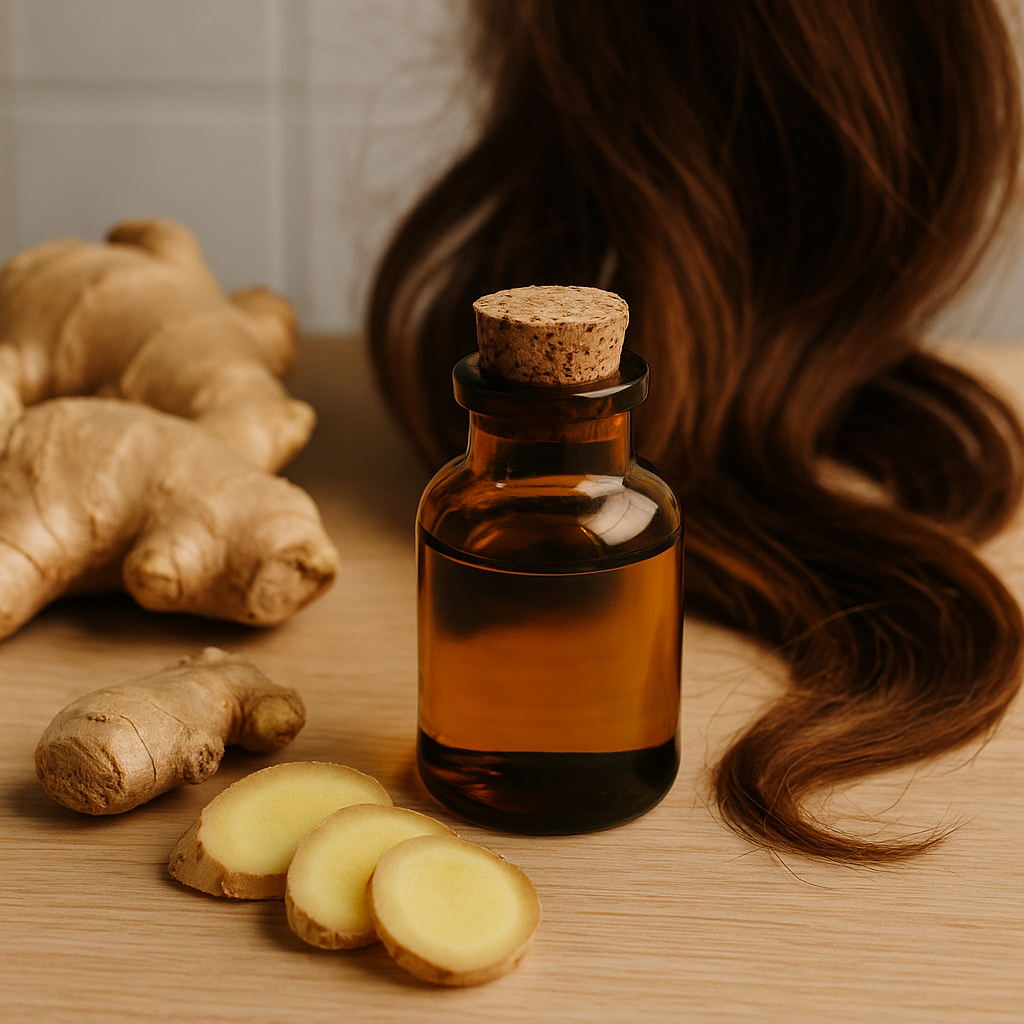
How to Use Ginger Oil for Hair Growth Effectively
If squeezing juice feels like too much work, ginger oil is another great option. You can buy ready-made ginger oil for hair, or even make your own at home (we’ll cover that in the FAQs). To use:
-
Warm a small amount of ginger oil.
-
Massage it gently into your scalp, focusing on thinning areas.
-
Leave it overnight or at least for a couple of hours.
-
Wash with a sulfate-free shampoo.
The warmth of the oil plus the natural compounds in ginger can do wonders for stimulating the roots. In fact, many people find this method less irritating than raw juice. It’s one of the most effective ways for those asking how to use ginger oil for hair growth.
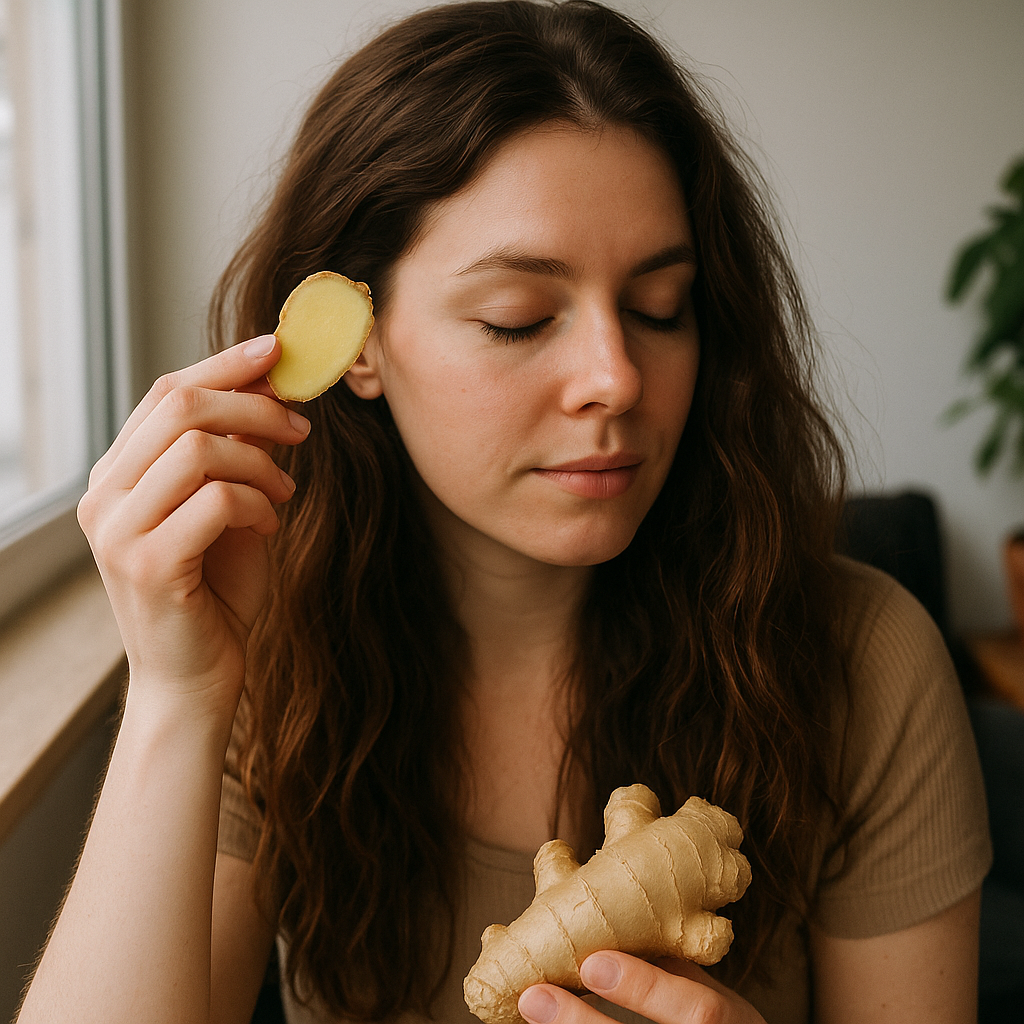
Ginger Uses for Hair Beyond Growth
Most people focus on ginger for hair growth, but that’s not the only benefit. Ginger uses for hair go beyond just making it grow. For instance, many people notice that it reduces scalp itchiness. Some even say it helps with excess oil production, leaving the scalp fresher.
Another cool thing? Ginger has natural antiseptic properties, which means it might reduce dandruff when applied consistently. Some people prefer applying ginger on hair simply for its cleansing and refreshing effect rather than growth.
And let’s not forget about shine — hair that lacks luster can sometimes look dull no matter how long it grows. Ginger may help restore a healthier, shinier appearance over time.
So, the truth is, ginger isn’t only about hair growth; it’s a bit like an all-in-one scalp treatment.
Ginger Water for Hair: Simple Home Recipe
For those who find raw juice or oil a little too strong, ginger water for hair is a gentler alternative. It’s super easy to make, and honestly, it feels refreshing.
Here’s how you can prepare it:
-
Take a few slices of fresh ginger.
-
Boil them in about two cups of water for 10–15 minutes.
-
Let it cool completely.
-
Pour the ginger water into a spray bottle.
Now, you can spritz this directly on your scalp after washing, or use it as a rinse before conditioning. Some people like to leave it on without rinsing because it’s lighter and less concentrated than juice.
Is it as effective as oil or juice for growth? Maybe not as strong, but it’s still helpful — especially if your scalp gets irritated easily. Ginger water is like the “milder cousin” of other methods, and it makes daily or frequent use more realistic.
स्वयं दवा न लें और प्रतीक्षा न करें। अभी डॉक्टर से चैट शुरू करें
Safety and Possible Side Effects of Applying Ginger on Hair
Okay, let’s be real for a second. As much as we hype up ginger, it’s not perfect for everyone. So, does applying ginger promotes hair growth without any risks? Not exactly.
Some people experience redness, stinging, or dryness after applying raw ginger juice. That’s why it’s important to always dilute it with oil or water. And of course, do a patch test on your skin before trying it on your whole scalp.
Overuse can also cause irritation. If you feel any burning or see flakes, stop right away. Switch to gentler methods like ginger water for hair or use the juice only once a week.
It’s also worth noting that scientific research on ginger and hair growth is still pretty limited. Yes, there are studies on circulation and anti-inflammatory effects, but there’s no magical guarantee that it will work for everyone. Think of it as a natural helper, not a miracle cure.
Ayurvedic Remedies Combining Ginger with Other Ingredients
In Ayurveda, ginger is rarely used all alone. Instead, it’s often combined with other natural ingredients to enhance its benefits and balance out any harsh effects. Here are a couple of traditional pairings:
Ginger with Coconut Oil for Hair Nourishment
Mixing grated ginger or ginger juice with warm coconut oil creates a soothing scalp treatment. Coconut oil is deeply nourishing, and when combined with ginger, it not only moisturizes but also helps with better absorption of ginger’s active compounds.
Massage it gently into your scalp, leave it overnight, and wash the next day. This remedy is especially loved in tropical regions where coconut oil is a staple.
Ginger with Aloe Vera for Hair and Scalp Health
Another great combo is ginger with aloe vera gel. Aloe is cooling and hydrating, which balances out the heat and sharpness of ginger. Together, they make an excellent DIY mask for soothing itchy scalp while promoting growth.
Simply mix equal parts aloe gel with ginger juice, apply it as a mask, and rinse after 30–40 minutes.
Conclusion
So, there you have it — a full breakdown on how to apply ginger on hair and why so many people swear by it. From ginger oil for hair massages to refreshing sprays of ginger water for hair, there are lots of ways to try it out depending on your scalp type and comfort level.
The key takeaway? Ginger isn’t a miracle worker, but it can be a supportive, natural remedy that helps with circulation, dandruff, and possibly growth. Consistency is important, but so is patience — hair growth is a slow process. And of course, don’t ignore your body’s signals. If you feel irritation, scale back or switch to milder preparations.
Ayurveda has been using ginger uses for hair for centuries, pairing it with coconut oil, aloe vera, and other natural ingredients. Modern hair care trends are just catching up to what traditional remedies have been saying for ages.
If you’re curious, give it a try. Start small, see how your hair responds, and build from there. Who knows? That extra boost of natural care might be exactly what your scalp needs.
FAQs
How to make ginger oil for hair at home?
Making your own ginger oil for hair is simpler than you think. Take a few tablespoons of grated fresh ginger and heat it gently with a cup of carrier oil (like coconut or olive oil). Keep the flame low — you don’t want to burn it. After about 15 minutes, let it cool, strain out the solids, and store the oil in a glass jar. You can now massage this into your scalp whenever needed.
Is ginger water good for hair?
Yes, absolutely. Ginger water for hair is a lighter, more soothing option compared to raw juice. It refreshes the scalp, can help reduce mild dandruff, and gives hair a cleaner feel. While it may not be as concentrated for growth, it’s perfect for frequent use or sensitive scalps.
Can ginger help reduce dandruff?
Yes, many people report that ginger use for hair helps with dandruff thanks to its antimicrobial and anti-inflammatory properties. That said, if your dandruff is severe or caused by conditions like psoriasis, ginger alone won’t solve it. You may still need medicated treatments.
Are there any side effects of applying ginger on hair?
This is important. While applying ginger on hair can be beneficial, it may also cause dryness, itching, or redness in some people. Always do a patch test first and avoid daily use if your scalp feels sensitive. Remember, more is not always better — sometimes less frequent application works best.
Final Thoughts
At the end of the day, the answer to “does applying ginger promotes hair growth?” is: maybe. For some, it works beautifully; for others, it’s just a refreshing scalp treatment. What’s certain is that ginger brings multiple potential benefits to the table, from reducing dandruff to improving shine and scalp circulation.
If you decide to try it, experiment with different methods — applying ginger juice on hair, making DIY ginger oil, or even using ginger water as a rinse. Stick with what feels right for your hair.
And here’s a thought: Why not share this with a friend who’s always on the lookout for natural hair remedies? Sometimes the best solutions aren’t in a fancy bottle but sitting right there in your kitchen.
उपयोगकर्ताओं के प्रश्न
What are the potential side effects of using ginger on hair?
Client_8b355f
25 दिनों पहले
Using ginger on hair can sometimes cause adverse effects, such as scalp irritation or an allergic reaction. It is crucial to perform a patch test before applying ginger in any form to your scalp to determine sensitivity. Irritation may manifest as redness, itching, or rash. If you experience any of these symptoms, discontinue use immediately. While anecdotal reports suggest ginger may aid hair growth by improving scalp circulation, scientific research is still limited. For persistent issues or severe reactions, consult a dermatologist for professional advice.
How long can I leave ginger oil on my hair?
Client_81053a
35 दिनों पहले
You can typically leave ginger oil on your hair for 30 minutes to an hour. This duration allows the oil to be absorbed into the scalp and hair, helping to potentially reduce itchiness and improve hair health. If you're new to applying ginger oil, start with a shorter timeframe to monitor any adverse reactions, like irritation. Rinse thoroughly with a gentle shampoo. If you experience persistent scalp irritation or have sensitive skin, consult a dermatologist before using ginger oil regularly.
What are the best natural oils to combine with ginger for hair treatments?
Client_45fd83
45 दिनों पहले
Combining ginger with coconut oil or aloe vera makes an effective natural hair treatment. Coconut oil is well-known for its moisturizing properties, enhancing hair strength and shine, while aloe vera provides soothing and hydrating benefits, balancing ginger's potential to cause dryness. These combinations can potentially support scalp health and hair growth, although results may vary individually. Consistent use over several months might be needed to notice effects. If you experience scalp irritation, discontinue use and consult a dermatologist.
Can I use ginger on my hair if I have sensitive skin?
Client_2f2e9a
54 दिनों पहले
Yes, you can use ginger on your hair if you have sensitive skin, but caution is advised. Ginger has natural antiseptic and anti-inflammatory properties, which can help reduce dandruff and scalp itchiness. Start by doing a patch test on a small area of your skin. Dilute ginger juice with a carrier oil, like coconut or olive oil, to minimize irritation, and limit use to 2-3 times a week. Watch for signs of irritation, such as redness or itching. If these occur or persist, discontinue use and consult a dermatologist to explore alternative treatments suitable for sensitive skin.
What are the benefits of using ginger for scalp circulation?
Client_84c6de
64 दिनों पहले
Using ginger for scalp circulation can potentially improve blood flow, which may stimulate hair follicles and encourage growth. Typically, ginger is applied as a juice or oil 2-3 times a week for these effects. However, it may cause side effects like redness or stinging for some individuals. If you notice irritation, discontinue use and consult a doctor. While ginger is popular in Ayurveda, its effectiveness varies per person. Always consult with a healthcare provider for personalized advice if you experience persistent issues.
Is it safe to use ginger water on children’s hair for promoting growth?
Client_ce4728
73 दिनों पहले
Applying ginger water on children's hair for promoting growth can be okay, but it's important to be cautious. Kids' skin can be more sensitive, so start with a very small amount to see if there's any reaction like redness or itching. If they show discomfort, it's best to stop using it. You could also try mixing it with more carrier oil to make it gentler.
What is the role of ginger in traditional hair care remedies?
Client_7f1556
83 दिनों पहले
Ginger plays a role in traditional hair care by boosting circulation and having anti-inflammatory effects, which may help with hair growth and scalp health. In Ayurveda, it's usually mixed with other ingredients to enhance its benefits. Always do a patch test first, as individual results can vary. But remember, it's not a miracle cure, just a natural helper!
What should I avoid doing when using ginger on my hair?
Client_69e3b2
92 दिनों पहले
When using ginger on your hair, avoid applying raw ginger juice directly to your scalp, `cause it can cause redness, stinging, or dryness. If you have sensitive skin or conditions like psoriasis, ginger might not be enough. Try diluted ginger water for a gentler approach, and always listen to how your scalp feels!
What is the best way to use ginger water for overall scalp health?
Client_d65ea6
101 दिनों पहले
Apply the ginger water after you wash hair, spraying it directly on the scalp or using it as a rinse before conditioning. Ginger helps reduce itchiness and improve circulation. Make sure ur scalp is clean before using it though! If there's any irritation, try diluting with more water next time. 🌿✌️
Can I use ginger water as a leave-in treatment for my hair?
Client_080d38
110 दिनों पहले
Yeah, you can use ginger water as a leave-in for your hair! It's got a stimulating effect on the scalp. Just be cautious if you've got sensitive skin, maybe test it first to see how it feels, you know. And, make sure it's not too concentrated, your scalp might not love it if it's too strong!
संबंधित आलेख

Skin and Hair Disorders
How to Reduce Facial Hair Naturally (Ayurvedic Procedures, Therapies, and Practices)
Okay, let’s be honest. Unwanted facial hair? It’s not exactly something most people love waking up to. For some, it’s just a bit of fuzz; for others, it’s thicker, darker, and feels... well, just not you. And sure, there’s threading and waxing and laser a
6,675
Skin and Hair Disorders
निभंजन क्रीम: स्वस्थ त्वचा के रहस्यों को खोलना
निभंजन क्रीम
4,264

Skin and Hair Disorders
दैनिक जीवन में जायफल पाउडर का प्रभावी उपयोग कैसे करें
जानें कैसे जायफल पाउडर का इस्तेमाल त्वचा, चेहरे, नींद और पिग्मेंटेशन के लिए करें। इसके आयुर्वेदिक फायदों, रेसिपीज़ और रोज़मर्रा की सेहत के लिए उपयोगी टिप्स के बारे में जानें।
7,549

Skin and Hair Disorders
How to Prepare Rosemary Water for Hair Growth: Ayurvedic Recipe and Daily Use Guide
How to prepare rosemary water for hair growth? Learn how to make, apply, and use rosemary water for strong hair. Discover its benefits and daily routine tips
5,748

Skin and Hair Disorders
Nalpamaradi Oil Benefits How To Use Ingredients Side Effects
Exploration of Nalpamaradi Oil Benefits How To Use Ingredients Side Effects
5,784

Skin and Hair Disorders
Which Serum Is Best for Anti-Aging?
Find the best anti-aging serum for your skin type. Explore Ayurvedic face serums with Vitamin C and herbal extracts for dry, oily, or aging skin concerns
2,612

Skin and Hair Disorders
Sindooradi Lepam – An Ayurvedic Remedy for Skin Health and Radiance
Learn about Sindooradi Lepam, a powerful Ayurvedic paste that promotes healthy, radiant skin by treating blemishes, acne, pigmentation, and signs of aging.
3,675
Skin and Hair Disorders
Ayurvedic Treatment for Scabies – Natural Remedies & Holistic Care
Explore Ayurvedic approaches for treating scabies. Discover herbal remedies, lifestyle tips, and holistic strategies to manage and alleviate scabies symptoms naturally.
5,537

Skin and Hair Disorders
पतंजलि तेजस तैलुम
पतंजलि तेजस तैलम की खोज
3,543

Skin and Hair Disorders
जल प्रतिधारण का इलाज आयुर्वेद – प्रभावी प्राकृतिक उपाय
जल प्रतिधारण का इलाज आयुर्वेद – प्रभावी प्राकृतिक उपाय
5,996
विषय से संबंधित परामर्श
अतिरिक्त दस्तावेज़
© 2024 Ask Ayurveda. सर्वाधिकार सुरक्षित।