आयुर्वेदिक डॉक्टर से प्रश्न पूछें और निःशुल्क या भुगतान मोड में अपनी चिंता की समस्या पर ऑनलाइन परामर्श प्राप्त करें। 2,000 से अधिक अनुभवी डॉक्टर हमारी साइट पर काम करते हैं और आपके प्रश्नों का इंतजार करते हैं और उपयोगकर्ताओं को उनकी स्वास्थ्य समस्याओं को हल करने में प्रतिदिन मदद करते हैं।


Body DetoxEar, Nose, and Throat DisordersGeriatrics & RejuvenationImmunodeficiencyInfertility TreatmentNutritionOrthopedic DisordersPediatricsRespiratory DisordersSexually Transmitted Diseases (STDs)Surgery RecoveryUrological DisordersVascular DisordersDental DisordersEndocrinological DisordersGastrointestinal DisordersYoga TherapyGeneral MedicineAllergic DisordersCardio DisordersGynecology and ObstetricsCosmetologySkin and Hair DisordersEye DisordersInfectious DiseasesMental DisordersNeurological DisordersOncologyPanchakarmaSexual Health & DisordersSports Medicine
पर प्रकाशित 01/07/25
(को अपडेट 08/10/26)
3,421
Guluchyadi Kashayam for Skin: Natural Ayurvedic Solution for a Clear Complexion

- Guluchyadi Kashayam is a classical Ayurvedic herbal decoction (kwath) rooted in the ancient text Sahasrayogam, primarily used to manage fevers, digestive disorders, burning sensations, skin conditions, and excessive thirst.
- Its chief ingredient — Guduchi (Tinospora cordifolia) — is one of the most researched immunomodulatory herbs in Ayurveda, and the formula as a whole is designed to pacify aggravated Pitta dosha. Whether you're exploring this remedy for chronic acidity, recurrent infections, or general detoxification, this guide covers everything you need to know: complete ingredient breakdown, evidence-backed benefits, precise dosages for adults and children, drug interactions, dietary guidelines during the course, and how to choose between different forms and manufacturers.
What Is Guluchyadi Kashayam?
Definition & Ayurvedic Classification
Guluchyadi Kashayam (also spelled Guduchyadi Kashayam or Guloochyadi Kashayam) is a polyherbal water decoction — kashayam literally means a preparation made by boiling coarse herbal powders in water until the volume reduces to one-quarter. It falls under the Kashaya Kalpana category of Ayurvedic pharmacy, one of the five fundamental dosage forms described in classical texts.
The formulation is classified as a Pitta-Shamaka (Pitta-pacifying) preparation. In Ayurvedic pharmacodynamics, its predominant rasa (taste) is tikta (bitter), its guna (quality) is laghu (light) and ruksha (dry), and its vipaka (post-digestive effect) is katu (pungent). This combination makes it especially effective for conditions arising from Pitta aggravation — heat-related disorders, inflammation, hyperacidity, and skin eruptions.
Historical References & Classical Texts
The primary classical reference for Guluchyadi Kashayam is found in Sahasrayogam, a compendium of Ayurvedic formulations widely followed in the Kerala tradition. The text lists it under Kashaya Prakarana (the chapter on decoctions). Some scholars also trace variations of the formula to Ashtanga Hridayam and Charaka Samhita, where Guduchi-based decoctions are recommended for Jwara Chikitsa (fever management) and Raktapitta (bleeding disorders caused by Pitta).
The original Sanskrit shloka describes the combination of herbs and their intended therapeutic action on trishna (excessive thirst), chardi (vomiting), daha (burning sensation), and jwara (fever). This 1,000+ year-old formulation has been continuously manufactured and prescribed in Kerala's Ashtavaidya tradition, making it one of the most time-tested Pitta-pacifying decoctions in clinical Ayurvedic practice.
How It Balances the Doshas
While Guluchyadi Kashayam is primarily a Pitta-pacifying formula, it also addresses certain Kapha imbalances due to the bitter and astringent properties of its herbs. However, individuals with pronounced Vata-dominant constitutions should exercise caution — the cooling, drying nature of this kashayam can aggravate Vata if taken in excess or without proper dietary support. The formulation works by clearing Ama (metabolic toxins) from the Rasa and Rakta Dhatus (plasma and blood tissues), thereby restoring the body's natural thermoregulatory and digestive equilibrium.
Ingredients of Guluchyadi Kashayam
Complete Ingredient List with Scientific Names & Proportions
The following table provides the full composition as documented in Sahasrayogam and used by major manufacturers:
| Herb (Sanskrit Name) | Botanical / Scientific Name | Part Used | Proportion |
|---|---|---|---|
| Guduchi (Giloy) | Tinospora cordifolia | Stem | 1 part (primary) |
| Neem (Nimba) | Azadirachta indica | Bark / Leaves | 1 part |
| Dhanvayasa (Dhanvayasam) | Fagonia cretica | Whole plant | 1 part |
| Padmaka | Prunus cerasoides | Heartwood | 1 part |
| Rakta Chandana | Pterocarpus santalinus | Heartwood | 1 part |
| Parpataka | Fumaria indica | Whole plant | 1 part |
| Chandana (Shweta Chandana) | Santalum album | Heartwood | 1 part |
| Patha | Cissampelos pareira | Root | 1 part |
| Murva | Marsdenia tenacissima | Root | 1 part |
| Kiratatikta (Chirayata) | Swertia chirata | Whole plant | 1 part |
Note: Some manufacturers add or substitute minor herbs. The proportions above reflect the classical equal-parts formulation. The total coarse powder is boiled in 16 parts water and reduced to 4 parts — this is the standard kashayam preparation method.
Key Herb Spotlight: Guduchi (Tinospora cordifolia)
- Guduchi is the star ingredient, and for good reason. A 2016 review published in the Journal of Ethnopharmacology documented its immunomodulatory, anti-inflammatory, antioxidant, hepatoprotective, and antipyretic properties.
- The active compounds — berberine, tinosporin, tinosporide, and columbin — have been shown to activate macrophages and enhance both innate and adaptive immune responses.
A 2020 clinical study published in Phytomedicine demonstrated that Tinospora cordifolia extract significantly reduced CRP (C-reactive protein) levels in patients with chronic fever, suggesting a measurable anti-inflammatory effect. The Indian government's AYUSH ministry also recommended Guduchi-based preparations during the COVID-19 pandemic for immune support, bringing significant mainstream attention to this ingredient.
Supporting Herbs & Their Roles
Each ingredient in the formula serves a distinct pharmacological purpose:
- Neem (Azadirachta indica): Potent blood purifier and antimicrobial. Addresses skin disorders, infections, and toxin accumulation.
- Rakta Chandana (Pterocarpus santalinus): Cooling agent that directly reduces daha (burning sensations) and supports healthy blood circulation.
- Chandana (Santalum album): Renowned for its cooling and calming properties. Helps manage urinary burning and emotional irritability linked to Pitta.
- Kiratatikta (Swertia chirata): One of the strongest bitter herbs in Ayurveda. Supports liver function and has documented antimalarial and hepatoprotective properties.
- Parpataka (Fumaria indica): Traditionally used for fever management and as a blood purifier. A 2014 study in BMC Complementary Medicine confirmed its antioxidant capacity.
- Padmaka (Prunus cerasoides): Acts on bleeding disorders and excessive heat in the body. Supports uterine health as well.
- Patha (Cissampelos pareira): Anti-inflammatory and analgesic. Used in traditional medicine across multiple cultures for urinary and digestive ailments.
The combined synergy of these herbs creates a formula that is more effective than any single ingredient alone — a core principle of Ayurvedic polyherbal formulation known as Samyoga.
How Guluchyadi Kashayam Works (Mechanism of Action)
Pharmacological Action in Ayurveda (Rasa, Guna, Vipaka, Prabhava)
From a classical Ayurvedic standpoint, Guluchyadi Kashayam operates through multiple pharmacological vectors:
- Rasa (Taste): Predominantly Tikta (bitter) with Kashaya (astringent) undertones — both tastes directly pacify Pitta.
- Guna (Quality): Laghu (light) and Ruksha (dry) — enhances metabolism without adding heaviness.
- Virya (Potency): Sheeta (cooling) — counteracts the heat of inflammatory and febrile conditions.
- Vipaka (Post-digestive effect): Katu (pungent) — aids in the scraping and elimination of toxins from channels.
- Prabhava (Special action): Jwaraghna (fever-destroying) and Dahaprashamana (burning-sensation pacifying).
The kashayam acts on Rasa Dhatu (plasma tissue) and Rakta Dhatu (blood tissue) primarily. By clearing Ama (toxins) from these tissues, it restores the function of Agni (digestive and metabolic fire) at the tissue level.
Modern Scientific Evidence & Research
While large-scale RCTs specifically on the Guluchyadi Kashayam formulation are limited, there is a growing body of evidence on its individual components:
- A 2019 study in Evidence-Based Complementary and Alternative Medicine found that Tinospora cordifolia extract exhibited significant antipyretic activity comparable to paracetamol in animal models, without the hepatotoxic side effects.
- A 2017 review in Pharmacognosy Reviews confirmed the hepatoprotective activity of Swertia chirata, supporting its traditional use for liver-related Pitta disorders.
- Neem (Azadirachta indica) has been extensively studied — a 2011 meta-analysis identified over 140 bioactive compounds, with nimbidin showing potent anti-inflammatory activity comparable to NSAIDs in certain models.
- A 2021 pilot clinical study conducted at a Kerala Ayurveda hospital (published in Journal of Ayurveda and Integrative Medicine) showed that Pitta-pacifying kashayams containing Guduchi and Chandana reduced symptom severity in patients with chronic urticaria by 62% over 8 weeks.
These studies don't replace clinical consultation, but they provide a scientific rationale for the formula's traditional claims.
Benefits of Guluchyadi Kashayam
Fever & Infection Management
- This is the primary classical indication.
- The kashayam addresses all types of Pitta-dominant fevers — chronic low-grade fevers, post-viral pyrexia, and fevers of unknown origin. Guduchi's immunomodulatory action combined with Neem's antimicrobial properties creates a dual approach: reducing the fever while strengthening the body's defense mechanisms against the underlying infection.
Digestive Health & Acidity Relief
Guluchyadi Kashayam is highly effective for hyperacidity, acid reflux, and gastritis. The bitter herbs stimulate Agni (digestive fire) without increasing Pitta — a seemingly paradoxical but well-established principle in Ayurveda. Clinical practitioners frequently prescribe it for Amlapitta (hyperacidity) when the condition is accompanied by nausea and burning sensations.
Burning Sensation & Cooling Effect
Whether it's burning during urination, burning in the eyes, or generalized body heat — this formulation directly addresses Daha, one of the hallmark symptoms of Pitta aggravation. The cooling properties of Chandana and Rakta Chandana are especially powerful here.
Immune System Support & Detoxification
Guduchi earned the Sanskrit name Amrita (nectar of immortality) precisely because of its rejuvenating and detoxifying properties. Regular use during acute illness phases supports white blood cell function and enhances the body's natural toxin-clearing mechanisms via the liver and kidneys.
Skin Health & Anti-inflammatory Benefits
For skin conditions like urticaria (hives), eczema, acne, and allergic dermatitis — Guluchyadi Kashayam addresses the root cause rather than just symptoms. By purifying Rakta Dhatu (blood tissue) and reducing systemic inflammation, it leads to clearer skin over time. Most Ayurvedic practitioners recommend a minimum 4-6 week course for visible skin improvements.
Respiratory Health Support
The formula's anti-inflammatory and immunomodulatory properties extend to respiratory conditions. It has been traditionally used for allergic rhinitis, recurring sinusitis, and as a supportive therapy during respiratory infections. The detoxification of Rasa Dhatu helps reduce mucous membrane inflammation.
Managing Excessive Thirst & Vomiting (Trishna & Chardi)
Two of the specific classical indications are Trishna (pathological thirst that isn't relieved by drinking water) and Chardi (vomiting, especially bile-dominant). These symptoms are direct manifestations of Pitta overflow from the stomach, and the kashayam's cooling, bitter qualities directly counteract them.
Indications (Conditions Treated)
Organized by body system for clarity:
Digestive System: Hyperacidity, gastritis, acid reflux, nausea, vomiting, loss of appetite, indigestion Musculoskeletal System: Gout (Vatarakta), inflammatory arthritis, burning joint pain Skin: Urticaria, eczema, acne, allergic dermatitis, psoriasis (as adjuvant therapy) Urinary System: Burning micturition, urinary tract infections (supportive) General / Systemic: Chronic fever, fever of unknown origin, excessive thirst, general debility post-fever, toxin accumulation Hepatic: Liver congestion, early-stage fatty liver (as part of comprehensive protocol) Respiratory: Allergic rhinitis, recurring sinusitis (Pitta-dominant type)
स्वयं दवा न लें और प्रतीक्षा न करें। अभी डॉक्टर से चैट शुरू करें
Dosage & How to Use Guluchyadi Kashayam
Adult Dosage
The standard adult dosage is 15–30 mL (approximately 1–2 tablespoons) of the liquid kashayam, taken twice daily — typically before meals. It should be mixed with an equal quantity of lukewarm water before consumption.
For kashayam tablets: 2 tablets twice daily, or as directed by an Ayurvedic physician.
For Sookshma Choornam (fine powder for home preparation): 5–10 grams boiled in 200 mL water, reduced to 50 mL, strained and consumed warm.
Children's Dosage (Age-Wise Guidelines)
| Age Group | Liquid Kashayam Dose | Frequency | Notes |
|---|---|---|---|
| 3–5 years | 2.5–5 mL | Twice daily | Always dilute with equal warm water; consult physician |
| 6–10 years | 5–10 mL | Twice daily | Can add a small amount of honey to improve palatability |
| 11–15 years | 10–15 mL | Twice daily | Same as adult lower range |
Important: Guluchyadi Kashayam should not be given to children under 3 years without direct supervision from a qualified Ayurvedic practitioner.
Duration of Treatment by Condition
This is a critical detail that most resources fail to provide. Here are general protocol durations based on classical practice guidelines:
| Condition | Typical Duration | Notes |
|---|---|---|
| Acute fever | 3–7 days | Discontinue once fever resolves |
| Chronic / recurring fever | 2–4 weeks | May extend under physician guidance |
| Hyperacidity / Gastritis | 4–6 weeks | Often combined with dietary modifications |
| Skin conditions (urticaria, acne) | 6–12 weeks | Visible results typically begin at week 4 |
| Gout / Vatarakta | 6–8 weeks | Usually part of a multi-formula protocol |
| General detoxification | 2–4 weeks | Often used seasonally |
| Liver support | 4–8 weeks | Combined with hepatoprotective herbs |
Best Time to Take & Dietary Guidelines (Pathya-Apathya)
Best time: On an empty stomach, 30 minutes before meals. Morning and evening doses yield the best results. Pathya (Favorable diet during the course):
- Light, easily digestible foods — rice gruel (kanji), mung dal, steamed vegetables
- Bitter and astringent vegetables — bitter gourd, ash gourd, pointed gourd
- Adequate water intake — room temperature or slightly warm
- Cooling fruits — pomegranate, sweet grapes, amla
Apathya (Foods to avoid):
- Spicy, oily, fried foods
- Fermented and sour items — pickles, vinegar, yogurt (especially at night)
- Alcohol and caffeine
- Red meat and excessively salty foods
- Jaggery and refined sugar in excess
Following Pathya-Apathya significantly enhances the kashayam's effectiveness. This is something most online resources completely overlook, yet it's considered absolutely essential in clinical Ayurvedic practice.
Available Forms & Manufacturers
Liquid Kashayam vs. Kashayam Tablets vs. Sookshma Choornam
| Form | Convenience | Potency | Shelf Life | Best For |
|---|---|---|---|---|
| Liquid Kashayam | Moderate (needs dilution) | Highest (traditional form) | 2–3 years (with preservatives) | Acute conditions, maximum efficacy |
| Kashayam Tablets | High (easy to carry & consume) | Moderate | 3–5 years | Travel, people who can't tolerate bitter taste |
| Sookshma Choornam (Powder) | Low (requires home decoction) | High (freshly prepared) | 1–2 years | Purists, home preparation enthusiasts |
The liquid form remains the gold standard in clinical practice because the water-based extraction method most closely mirrors the classical preparation process.
Comparison of Major Manufacturers
| Manufacturer | Base Location | Reputation | Notable Feature |
|---|---|---|---|
| Kottakkal Arya Vaidya Sala | Malappuram, Kerala | Gold standard, 120+ years | Strictest classical adherence |
| Vaidyaratnam Oushadhasala | Thrissur, Kerala | Highly respected, traditional | Wide product range, competitive pricing |
| Nagarjuna Ayurveda | Thodupuzha, Kerala | Well-known, quality controlled | Good distribution network across India |
| Sitaram Ayurveda | Thrissur, Kerala | Growing brand, GMP certified | Modern quality standards |
| Kairali Ayurvedic Products | Delhi / Kerala | Accessible pan-India | Available online easily |
- All these manufacturers follow GMP (Good Manufacturing Practice) standards mandated by the Ayush Ministry.
- The differences are subtle — primarily in sourcing of raw herbs, water quality used, and the exactness of the reduction process.
Comparison with Similar Ayurvedic Kashayams
Understanding how Guluchyadi Kashayam differs from related formulations helps you (and your physician) make a better choice:
| Kashayam | Primary Action | Key Difference from Guluchyadi |
|---|---|---|
| Amritarishtam | Fever, immunity | Fermented preparation (arishtam); contains self-generated alcohol; slower but longer-lasting action |
| Dhanwantaram Kashayam | Vata disorders, post-natal care | Targets Vata (not Pitta); used for musculoskeletal and neurological conditions |
| Dasamoolam Kashayam | Vata-Kapha disorders, respiratory | Ten-root formula; heavier and warming; not suitable for Pitta conditions |
| Indukantham Kashayam | Digestive strength, immunity | More Agni-kindling; better for weak digestion with Vata component |
| Patoladi Kashayam | Skin & Pitta disorders | Overlaps considerably with Guluchyadi; Patoladi has stronger action on chronic skin diseases |
Guluchyadi Kashayam's unique strength lies in its broad-spectrum Pitta pacification with particular emphasis on Daha (burning sensation) and Trishna (thirst) — conditions where other kashayams are less effective.
Drug Interactions & Detailed Contraindications
Interactions with Allopathic (Modern) Medicines
This is a critically important topic that no major competitor covers, yet it's essential for patient safety:
- Antipyretics (Paracetamol, Ibuprofen): Generally safe to take together during acute fever. However, since Guluchyadi itself has antipyretic properties, monitor for excessive cooling or drop in body temperature below normal.
- Diabetes medications (Metformin, Sulfonylureas): Guduchi has documented hypoglycemic effects. Concurrent use may cause an additive blood sugar-lowering effect. Monitor glucose levels closely.
- Immunosuppressants: Since Guduchi enhances immune function, it may theoretically counteract immunosuppressive medications. Patients on such drugs must consult their doctor.
- Anticoagulants (Warfarin, Aspirin): Some herbs in the formula may have mild blood-thinning effects. Use with caution and inform your hematologist.
- Antihypertensives: Mild additive blood pressure-lowering effect possible. No major interactions reported, but monitoring is prudent.
General Rule: Maintain a 30-minute gap between Guluchyadi Kashayam and any allopathic medication. Always inform both your Ayurvedic and allopathic doctors about concurrent use.
Detailed Contraindications
- Pregnancy: Not recommended unless specifically prescribed by a qualified Ayurvedic physician. Some herbs may have uterine-stimulant properties.
- Lactation: Use with caution; the bitter taste may transfer to breast milk.
- Severe Vata imbalance: The drying, cooling nature can worsen Vata-dominant conditions like severe constipation, emaciation, or anxiety.
- Hypoglycemia: The blood sugar-lowering effect of Guduchi can be dangerous for individuals already prone to low blood sugar.
- Pre/Post-surgery: Discontinue at least 2 weeks before any scheduled surgery due to potential effects on blood clotting and blood sugar.
- Known allergy to any ingredient in the formula.
Seasonal Use: Ritucharya & Guluchyadi Kashayam
Ayurveda emphasizes that treatment effectiveness varies by season.
Guluchyadi Kashayam is most beneficial during:
- Grishma Ritu (Summer): When Pitta naturally accumulates due to environmental heat. Ideal as a preventive tonic.
- Sharad Ritu (Autumn): When accumulated Pitta becomes aggravated. This is classically considered the prime season for Pitta-pacifying therapies.
- Varsha Ritu (Monsoon): When fevers and digestive disturbances are common. The kashayam serves as both preventive and curative.
During Hemanta (early winter) and Shishira (late winter), use should be minimized or combined with warming formulations, as the cold, dry seasonal qualities plus the kashayam's cooling nature can aggravate Vata.
How to Prepare Guluchyadi Kashayam at Home
For those who prefer the traditional method, here's a step-by-step guide:
- Obtain the coarse powder (Sookshma Choornam) from a reputable Ayurvedic pharmacy.
- Measure 10 grams of the powder.
- Add 320 mL of water (ratio of 1:32 by rough estimation, based on classical 1 pala herb to 16 parts water).
- Boil on low-medium flame, stirring occasionally.
- Reduce until approximately 80 mL remains (one-quarter of original volume).
- Strain through a clean cotton cloth while still warm.
- Consume lukewarm, on an empty stomach.
Pro tip: Freshly prepared kashayam is considered most potent. Prepare it fresh each morning if possible. The entire process takes about 25-30 minutes.
Side Effects of Guluchyadi Kashayam
Most people tolerate Guluchyadi Kashayam well when taken at recommended doses.
However, the following side effects have been reported:
- Mild gastric discomfort: Especially if taken on a very empty stomach or in excess doses. The intense bitterness can trigger nausea in sensitive individuals.
- Loose stools: The detoxifying action may cause loose stools in the first 2-3 days. This typically resolves on its own.
- Allergic reactions: Rare, but possible — especially in individuals with known sensitivities to Neem or other ingredients. Discontinue immediately if you notice rash, itching, or swelling.
- Excessive cooling: In Vata-dominant individuals, prolonged use without dietary balancing can cause cold extremities, bloating, or increased anxiety.
- Hypoglycemia symptoms: Dizziness, shakiness, or sweating — particularly in diabetic patients on concurrent medication.
If any side effect persists beyond 3 days, discontinue use and consult your Ayurvedic physician.
Frequently Asked Questions (FAQ)
What is Guluchyadi Kashayam used for?
Guluchyadi Kashayam is used for managing fevers, hyperacidity, gastritis, burning sensations, excessive thirst, skin conditions (urticaria, eczema, acne), gout, and as a general Pitta-pacifying detox formulation. It's one of the most versatile kashayams in classical Ayurvedic practice.
Is Guduchyadi Kashayam useful in gastritis?
Yes, it is one of the primary classical indications. The bitter herbs in the formula reduce excess acid production, soothe inflamed gastric mucosa, and restore healthy digestive fire without aggravating Pitta. For best results in gastritis, take it 30 minutes before meals for 4–6 weeks alongside dietary modifications.
Can I take Guduchi daily?
Guduchi (Tinospora cordifolia) is generally considered safe for daily use in moderate doses. However, continuous use beyond 8-12 weeks without a break is not traditionally recommended. A common protocol is 6 weeks on, 2 weeks off. Patients with autoimmune conditions or those on immunosuppressants should consult a doctor before daily use.
How long does it take to see results from Guluchyadi Kashayam?
- For acute conditions like fever: 2–3 days.
- For digestive issues: 1–2 weeks.
- For skin conditions: 4–6 weeks for noticeable improvement.
- For chronic conditions like gout: 6–8 weeks. Individual responses vary based on constitution (Prakriti), disease chronicity, and dietary compliance.
Can Guluchyadi Kashayam be combined with other Ayurvedic remedies?
- Yes, and in clinical practice, it usually is.
- Common combinations include: Guluchyadi Kashayam with Kamdudha Ras for severe acidity; with Manjishtadi Kashayam for chronic skin conditions; and with Amritarishtam for immune support during chronic fevers. However, combining formulations should always be done under professional guidance to avoid antagonistic interactions.
Which is the best Ayurvedic medicine for uric acid?
Guluchyadi Kashayam is indeed one of the recommended formulations for elevated uric acid (gout / Vatarakta), as Guduchi and Neem help reduce inflammation and support purine metabolism. However, Kaisora Guggulu is typically considered the first-line Ayurvedic medicine specifically for uric acid. Often both are prescribed together for comprehensive management.
Where can I purchase authentic Guluchyadi Kashayam?
Purchase only from authorized Ayurvedic pharmacies or directly from manufacturer websites (Kottakkal, Vaidyaratnam, Nagarjuna, Sitaram). Online platforms like Amazon.in, 1mg, and AyurCentral also stock genuine products — verify the manufacturer's seal, batch number, expiry date, and manufacturing license number on the label. Avoid unbranded or suspiciously cheap products.
Can Guluchyadi Kashayam help with respiratory conditions?
Yes, particularly for Pitta-dominant respiratory conditions like allergic rhinitis with burning nasal discharge, or sinusitis with yellowish-green mucus. Its anti-inflammatory and immunomodulatory properties support mucosal healing. For Kapha-dominant respiratory conditions (heavy white mucus, congestion), other formulations like Dasamoolam or Talisapatradi may be more appropriate.
Final Thoughts & Recommendation
Guluchyadi Kashayam stands out as one of Ayurveda's most reliable Pitta-pacifying formulations — backed by centuries of clinical use and increasingly supported by modern pharmacological research on its individual ingredients. Its broad therapeutic range (from fever to skin to digestion) makes it a staple in any Ayurvedic practitioner's toolkit.
That said, Ayurveda is inherently personalized. What works beautifully for one person's Pitta-dominant gastritis may not suit another person with the same symptoms but a different constitutional makeup. Always consult a qualified Ayurvedic physician (Vaidya) for proper diagnosis, individualized dosing, and integration with any other treatments you may be undergoing.
If you're considering starting Guluchyadi Kashayam, begin with the lower dose range, follow the Pathya-Apathya dietary guidelines outlined above, and give it adequate time to work. Ayurveda rewards patience and consistency.
Scientific Sources
- An assessment of the ayurvedic concept of cancer and a new paradigm of anticancer treatment in Ayurveda — Singh RH, 2002, Journal of alternative and complementary medicine (New York, N.Y.)
- Traditional veterinary medicine in India — Mazars G, 1994, Revue scientifique et technique (International Office of Epizootics)
- 3. Prameha in Ayurveda: correlation with obesity, metabolic syndrome, and diabetes mellitus.Part 2--management of Prameha — Sharma H et al., 2011, Journal of alternative and complementary medicine (New York, N.Y.)
- Knowledge, attitude, perception and satisfaction level of Ayurveda and allopathy in India: A systematic literature review — Hazra S et al., 2025, Explore (New York, N.Y.)
- Ayurveda and Panchakarma: measuring the effects of a holistic health intervention — Conboy L et al., 2009, TheScientificWorldJournal
- Ayurveda and Dietary Modification for T2DM Management — Rohit S et al., 2021, The Journal of the Association of Physicians of India
- Oral supplements in atopic dermatitis — Fenner J et al., 2018, Clinics in dermatology
- Ayurveda and Yoga Approaches for Managing Generalized Anxiety Disorder with Short Temperament in a School-Going Child: A Case Report — Khatri AN et al., 2024, Alternative therapies in health and medicine
- Ayurveda therapy in the management of epilepsy — Adiga SH et al., 2024, Epilepsy & behavior : E&B
- Integrative Skin Care: Dermatology and Traditional and Complementary Medicine — Bodeker G et al., 2017, Journal of alternative and complementary medicine (New York, N.Y.)
- Dentistry and Ayurveda - IV: classification and management of common oral diseases — Amruthesh S, 2008, Indian journal of dental research : official publication of Indian Society for Dental Research
- Hrdaya in Ayurveda — BANERJEE DN, 1947, Indian medical record
- A case for testing and modifying theory in Ayurveda: Author's response — Patwardhan K, 2023, Indian journal of medical ethics
- Interaction of Indian Culture and Ayurveda with Modern Medicine — Chandalia HB, 2025, The Journal of the Association of Physicians of India
- Exploring the Role of “Brahmi” (Bacopa monnieri and Centella asiatica) in Brain Function and Therapy — Shinomol GK et al., 2011, Recent patents on endocrine, metabolic & immune drug discovery
- Editorial: Special issue on Ayurveda — Mukherjee PK et al., 2017, Journal of ethnopharmacology
- Ayurvedic medicine for the treatment of chronic rhinosinusitis: a systematic review of randomized and non-randomized trials — Schmale IL et al., 2023, Journal of complementary & integrative medicine
- Confessions of an Ayurveda professor — Patwardhan K, 2023, Indian journal of medical ethics
- Some excerpts from Charaka Samhita - An ancient treatise on Ayurveda & healthy living — Katiyar CK et al., 2017, Journal of ethnopharmacology
- Interlinking diabetes and Alzheimer's disease: A pathway through medicinal plant-based treatments — Pattanaik SK et al., 2025, Journal of ethnopharmacology
उपयोगकर्ताओं के प्रश्न
How should I store Guluchyadi Kashayam for maximum potency?
Client_8206b8
4 दिनों पहले
To store Guluchyadi Kashayam for maximum potency, keep it in a cool, dark place, protecting it from direct sunlight and heat, which can degrade the formulation over time. Ideally, it should be stored in an airtight container to prevent exposure to air, which can also affect its efficacy. Pay attention to the expiration date, as expired formulations may lose potency and could be unsafe. If you notice any changes in color, texture, or smell, it's best to consult a healthcare provider before continuing use. Consult a doctor before using it if you're on immunosuppressants.
How does the timing of taking Guluchyadi Kashayam influence its effectiveness?
Client_b1122a
9 दिनों पहले
The timing of taking Guluchyadi Kashayam can indeed influence its effectiveness. Ideally, it should be taken on an empty stomach in the morning to maximize absorption and its therapeutic benefits. Taking it before meals ensures that its active compounds are absorbed without interference from food. Consistency is key to seeing results, so it is often recommended to take the medication regularly for a specified duration, typically around 6 weeks, followed by a short break. If you have specific health concerns or if symptoms persist, consulting a qualified healthcare provider is advisable.
What are the ingredients in Guluchyadi Kashayam and their benefits?
Client_ba5889
14 दिनों पहले
Guluchyadi Kashayam is an Ayurvedic preparation often used for digestive issues such as hyperacidity, acid reflux, and gastritis. Key ingredients include Guduchi (Tinospora cordifolia), known for its immunomodulatory properties; Neem (Azadirachta indica), which provides antimicrobial benefits; and Padmaka (Prunus cerasoides), which helps with bleeding disorders and excessive body heat. This formulation typically involves equal parts of these medicinal herbs, focusing on reducing inflammation and enhancing the body's natural defenses. If symptoms persist or worsen, consult a healthcare professional.
What are the best dietary practices while taking Guluchyadi Kashayam?
Client_7b2d3b
19 दिनों पहले
The best dietary practices while taking Guluchyadi Kashayam involve consuming light, easily digestible foods and avoiding certain items to enhance the kashayam's effectiveness. Opt for rice gruel, mung dal, and steamed or bitter vegetables like bitter gourd. Ensure adequate hydration with room temperature or warm water and include cooling fruits such as pomegranate and sweet grapes. Avoid spicy, oily foods, fermented items, alcohol, and caffeine. If symptoms persist or worsen, consult a healthcare professional.
What are the potential side effects of taking Guduchi daily?
Client_c0e010
29 दिनों पहले
Taking Guduchi daily is generally considered safe for most people when used in moderate doses, but it can have side effects. One potential side effect is a mild additive effect in lowering blood sugar levels, which could be an issue for those on diabetes medication. Additionally, some users might experience an additive blood pressure-lowering effect, especially if they are on antihypertensive drugs. As a precaution, always monitor these levels and consult a healthcare provider before starting Guduchi, especially if you have underlying health conditions or are taking medications. Discontinue use and seek medical advice if you experience any adverse reactions.
How long should I take Guluchyadi Kashayam to see benefits?
Client_1275ae
39 दिनों पहले
You may begin to notice benefits from Guluchyadi Kashayam within a few weeks, but this can vary significantly depending on individual factors such as your physiological constitution, the severity of your condition, and adherence to dietary recommendations. This herbal preparation is often used for managing chronic skin conditions, immune support, and digestive issues. If there is little to no improvement after a few weeks, or if symptoms worsen, you should consult an Ayurvedic practitioner or a healthcare provider for personalized advice. Additionally, it's important to monitor for any adverse reactions if you have a Vata-dominant constitution, particularly during the monsoon season.
What dietary changes can enhance the effects of Guluchyadi Kashayam?
Client_07db4f
49 दिनों पहले
To enhance the effects of Guluchyadi Kashayam, focus on incorporating easily digestible foods like rice gruel, mung dal, and steamed vegetables into your diet. Include bitter and astringent vegetables such as bitter gourd and ash gourd, as well as cooling fruits like pomegranate and amla. Stay hydrated with room temperature or slightly warm water. Avoid spicy, oily, and fried foods, as well as fermented, sour items like pickles, and stimulants such as alcohol and caffeine. Stick to this diet consistently over a period of at least 6 weeks or as advised by a healthcare provider to potentially maximize the therapeutic benefits. Always consult with a healthcare professional for personalized advice, especially if you have pre-existing health conditions.
How does Guluchyadi Kashayam support respiratory health and immunity?
Client_806b11
58 दिनों पहले
Guluchyadi Kashayam supports respiratory health and immunity through its anti-inflammatory and immunomodulatory effects, which may help alleviate respiratory conditions. Ingredients like Chandana and Rakta Chandana contribute cooling properties beneficial for soothing inflammation in the respiratory tract. Although you might start noticing improvements within a few weeks, effects can vary based on individual health conditions. Watch for any unusual symptoms or side effects and consult a doctor if respiratory issues persist or worsen. While Ayurveda can offer complementary support, it's essential to maintain regular medical check-ups for comprehensive care.
What conditions can Guduchi help treat besides respiratory issues?
Client_f1d779
68 दिनों पहले
Guduchi is great beyond respiratory issues! It’s well-known for aiding in managing fever due to its antipyretic effects, helping with diabetes due to its hypoglycemic properties, and supporting overall immunity through its anti-inflammatory benefits. Also, helps in digestion by enhancing agni and can be a supportive herb for arthritis due to its joint-supportive properties.
What is the recommended dosage for Guluchyadi Kashayam to avoid side effects?
Client_260bce
77 दिनों पहले
The usual dosage for Guluchyadi Kashayam is typically 10-15 ml mixed with water, taken twice a day before meals. But it's essential to follow guidance from an Ayurvedic practitioner who understands your specific dosha balance and needs. To avoid side effects, try not to overshoot on the dose or take it for too prolonged without breaks.
संबंधित आलेख

Skin and Hair Disorders
Dhurdhurapatradi Oil Uses: Benefits, Research, and Application
Explore Dhurdhurapatradi oil uses, potential benefits, and current research. Learn how this Ayurvedic remedy supports scalp health and hair care naturally.
4,756

Skin and Hair Disorders
Parolep Powder – Ayurvedic Remedy for Clear & Radiant Skin
Parolep Powder is a potent Ayurvedic medicine renowned for its effectiveness in treating a variety of skin conditions.
3,168

Skin and Hair Disorders
Which Serum Is Best for Anti-Aging?
Find the best anti-aging serum for your skin type. Explore Ayurvedic face serums with Vitamin C and herbal extracts for dry, oily, or aging skin concerns
2,607

Skin and Hair Disorders
How to Drink Saffron for Skin Whitening: Ayurvedic Tips That Work
Discover how to drink saffron for skin whitening, including saffron milk and saffron water. Learn when to consume kesar and how it benefits glowing skin
7,725

Skin and Hair Disorders
उर्टिप्लेक्स कैप्सूल
उर्टिप्लेक्स कैप्सूल की खोज
3,328

Skin and Hair Disorders
Panchvalkal Kwath: A Comprehensive Exploration of Ayurveda’s Ancient Remedy
Discover Panchvalkal Kwath—its benefits, scientific insights, and usage. Learn how this Ayurvedic formulation supports holistic wellness and skin care.
2,991

Skin and Hair Disorders
How Do You Treat a Hot Water Burn at Home: Ayurvedic Remedies and First Aid
Exploration of Effective Home Treatments for Hot Water Burns: Tips and Remedies
4,673

Skin and Hair Disorders
How to Use Haritaki Powder: Ayurvedic Guide for Health, Skin, and More
Learn how to use Haritaki powder for health, weight loss, skin, and hair. Discover Ayurvedic benefits, methods of use, and precautions for daily consumption
16,019
Skin and Hair Disorders
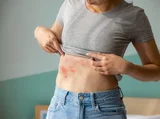
Visarpa Chikitsa – Traditional Ayurvedic Approach for Spreading Skin Conditions
Discover the benefits and uses of visarpa chikitsa, a traditional Ayurvedic treatment designed to heal spreading skin conditions, balance doshas, detoxify the body, and promote overall skin health.
3,707

Skin and Hair Disorders
पतंजलि दिव्य कायाकल्प वटी
पतंजलि दिव्य कायाकल्प वटी की खोज
5,795
विषय से संबंधित परामर्श
अतिरिक्त दस्तावेज़
© 2024 Ask Ayurveda. सर्वाधिकार सुरक्षित।