Understanding Anxiety through Ayurveda
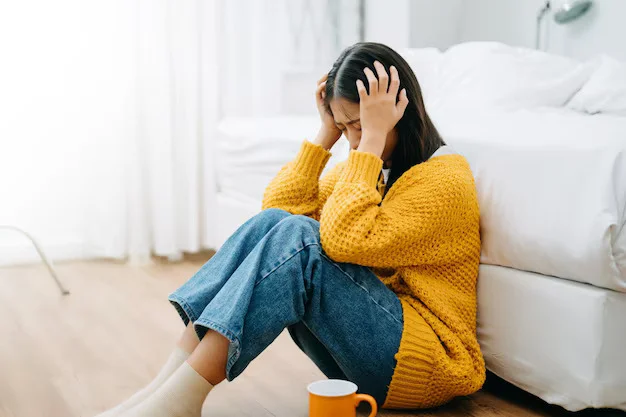
Anxiety is more than just worry — it's a condition that affects over 301 million people worldwide, according to the WHO. If you're searching for a natural, time-tested approach, Ayurveda offers one of the most comprehensive frameworks for understanding and treating anxiety at its root. In Ayurveda, anxiety is primarily linked to an imbalance of Vata dosha — the energy governing movement, creativity, and the nervous system — though Pitta and Kapha imbalances can also trigger distinct forms of anxious distress.
This guide goes beyond the surface. You'll find specific herbs with dosages backed by clinical research, Panchakarma therapies, a daily anti-anxiety routine, safety considerations most websites ignore, and an honest comparison with conventional treatments. Whether you're exploring Ayurveda for the first time or looking to deepen your existing practice, this article gives you everything you need to take action.
What Is the Cause of Anxiety in Ayurveda?
Ayurveda doesn't view anxiety as simply a "chemical imbalance." Instead, it sees it as a disruption of the fundamental mind-body equilibrium — a concept described in classical texts like the Charaka Samhita. The Ayurvedic term most closely corresponding to generalized anxiety is Chittodwega, which literally translates to "agitation of consciousness."
Vata Dosha: The Primary Driver
- The vast majority of anxiety cases in Ayurveda trace back to aggravated Vata dosha. Vata carries the qualities of dryness, coldness, lightness, mobility, and irregularity.
- When these qualities accumulate in excess — through stress, irregular routines, cold/dry foods, or overstimulation — the nervous system becomes destabilized.
Think of Vata like wind. A gentle breeze is pleasant and life-giving. But when the wind becomes a storm, it uproots everything. That's essentially what happens in your mind when Vata goes out of balance: racing thoughts, restlessness, insomnia, a sense of being ungrounded.
Common signs of Vata-driven anxiety include:
- Racing or scattered thoughts
- Difficulty sleeping or light, disturbed sleep
- Dry skin and mouth
- Digestive irregularity (bloating, gas, constipation)
- Cold hands and feet
- Heart palpitations
- Inability to sit still
- Feeling overwhelmed by small tasks
- Excessive worry about the future
- Muscle tension, especially in neck and shoulders
Pitta and Kapha Anxiety — What Everyone Else Misses
Here's something most Ayurvedic anxiety articles won't tell you: not all anxiety is Vata-type. This is a significant gap in the existing literature online.
- Pitta-type anxiety manifests as irritability, anger, perfectionism, and a burning need to control outcomes.
- The person doesn't feel "scattered" — they feel intense, critical, and overheated. Think of the high-achiever who can't stop working because the fear of failure is unbearable.
Kapha-type anxiety shows up as heaviness, attachment, fear of change, and a kind of depressive worry. These individuals may resist new situations, cling to relationships or routines, and feel paralyzed rather than restless.
| Feature | Vata Anxiety | Pitta Anxiety | Kapha Anxiety |
|---|---|---|---|
| Primary emotion | Fear, panic | Anger, irritability | Attachment, dread |
| Mental pattern | Racing thoughts | Obsessive control | Mental heaviness |
| Physical signs | Trembling, cold | Acid reflux, heat | Lethargy, weight gain |
| Sleep pattern | Can't fall asleep | Wakes at 2–4 AM | Oversleeping |
| Triggered by | Change, instability | Failure, criticism | Loss, uncertainty |
Understanding your dosha type is the first step to personalized treatment — and it's something a qualified Ayurvedic practitioner (Vaidya) can help you determine through pulse diagnosis (Nadi Pariksha) and detailed consultation.
The Three Sources of Stress in Ayurveda
Classical Ayurvedic texts classify the origins of stress into three categories:
- Adhyatmik — stress originating from within (physical illness, mental disturbance, unresolved emotions)
- Adhidaivik — stress from supernatural or environmental forces (seasonal changes, natural disasters, cosmic influences)
- Adhibhautik — stress from external, worldly sources (relationships, work pressure, social conflict)
This framework, rooted in the Charaka Samhita, helps practitioners identify the source — not just the symptoms — of a patient's anxiety.
The Cortisol Connection
Modern science validates what Ayurveda observed centuries ago. When stress becomes chronic, the body loses its ability to regulate cortisol — the primary stress hormone. Prolonged cortisol elevation damages the hippocampus (memory center), disrupts sleep architecture, and impairs digestive function. Ayurvedic treatments, as we'll see, target precisely these pathways.
Which Ayurvedic Medicine Is Best for Anxiety?
Ayurveda offers a rich pharmacopoeia of herbs classified as Medhya Rasayanas (brain tonics) and adaptogens (stress-modulating agents). Unlike synthetic anxiolytics, these herbs work gradually to restore balance rather than simply suppressing symptoms.
Ashwagandha (Withania somnifera)
Ashwagandha is arguably the most well-researched Ayurvedic herb for anxiety. A landmark 2019 randomized, double-blind, placebo-controlled study published in Medicine (Baltimore) found that participants taking 240 mg of standardized Ashwagandha extract daily experienced a significant reduction in HAM-A (Hamilton Anxiety Rating Scale) scores compared to placebo, along with reduced morning cortisol levels (Lopresti et al., 2019).
Another 2012 study in the Indian Journal of Psychological Medicine demonstrated that 600 mg/day of Ashwagandha root extract reduced serum cortisol levels by 27.9% over 60 days in chronically stressed adults (Chandrasekhar et al., 2012).
Dosage and Forms
| Form | Typical Dosage | Best For |
|---|---|---|
| Root powder (Churna) | 3–6 g/day with warm milk | Traditional use, general anxiety |
| Standardized extract (KSM-66) | 300–600 mg/day | Clinically studied, convenient |
| Ashwagandharishta (liquid) | 15–20 ml twice daily after meals | Digestive support + anxiety |
Brahmi (Bacopa monnieri)
Brahmi is the premier Medhya Rasayana. A 2014 meta-analysis in the Journal of Ethnopharmacology concluded that Bacopa monnieri significantly improves attention, cognitive processing, and working memory while reducing anxiety markers. The typical studied dose is 300–450 mg of standardized extract (containing 50% bacosides) daily for at least 8–12 weeks.
Brahmi works slower than Ashwagandha — it's more of a long-game herb. Patience is key.
Jatamansi (Nardostachys jatamansi)
- Often called "Indian Spikenard," Jatamansi has potent calming properties. Research published in the Journal of Ayurveda and Integrative Medicine (2018) showed its GABAergic activity — meaning it enhances the same calming neurotransmitter system that benzodiazepines target, but without the addiction potential.
- Typical dose: 250–500 mg of root powder twice daily.
Shankhpushpi (Convolvulus pluricaulis)
This herb is specifically indicated in Ayurvedic texts for Chittodwega. A 2012 study in Ayu Journal found that Shankhpushpi syrup (administered at 10 ml twice daily) showed anxiolytic effects comparable to lorazepam in animal models, with additional neuroprotective benefits.
Other Notable Herbs
- Tulsi (Holy Basil): 300–600 mg extract daily; a 2017 systematic review in Evidence-Based Complementary and Alternative Medicine confirmed its adaptogenic and anti-anxiety properties across 24 human studies.
- Sarpagandha (Rauwolfia serpentina): Powerful but must be used only under practitioner supervision due to its potent alkaloids.
- Gokshura (Tribulus terrestris): Often combined with Ashwagandha in classical formulations for stress-related fatigue.
> Critical note: These dosages are general guidelines for adults. Always consult a qualified Ayurvedic practitioner before starting any herbal protocol, especially if you're on medications.
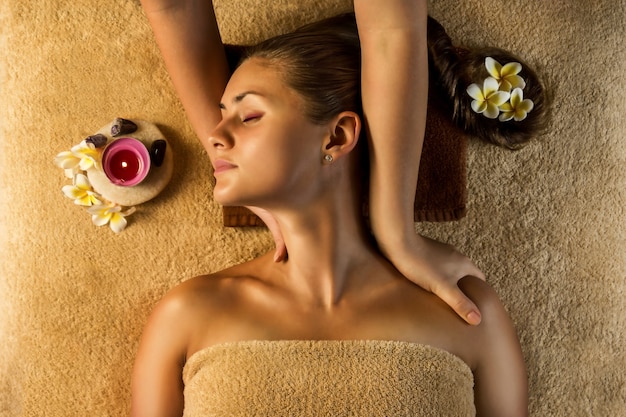
Panchakarma Therapies for Anxiety and Stress
Panchakarma — Ayurveda's signature detoxification and rejuvenation system — offers some of the most effective interventions for chronic anxiety. These aren't just spa treatments. They are therapeutic procedures designed to remove accumulated toxins (Ama) and rebalance the doshas at a deep, systemic level.
Shirodhara: The Gold Standard
- Shirodhara involves a continuous, gentle stream of warm medicated oil poured over the forehead (specifically the Ajna Marma or "third eye" area) for 30–45 minutes.
- The mechanism isn't just mystical — a 2013 study in the Journal of Ayurveda and Integrative Medicine documented that Shirodhara produces a state of alert calmness similar to meditation, with measurable reduction in respiration rate and sympathetic nervous system activity.
The warm oil dilates blood vessels in the scalp, improves cerebral blood circulation, and activates the parasympathetic ("rest and digest") nervous system. Many patients report effects that persist for days or even weeks after a single session.
Shirodhara protocol for anxiety typically involves:
- 7–14 consecutive daily sessions
- Sesame oil or Brahmi-infused oil (for Vata-type anxiety)
- Room temperature maintained at a comfortable warmth
- Followed by gentle scalp massage
Abhyanga (Full-Body Oil Massage)
Daily self-massage with warm sesame oil (for Vata) or coconut oil (for Pitta) is one of the single most effective daily practices for anxiety. The Charaka Samhita specifically states that Abhyanga promotes "stability of the limbs, nourishment, sound sleep, and resistance to disease."
A 2011 study published in the Journal of Alternative and Complementary Medicine found that massage therapy reduced cortisol levels by approximately 31% while increasing serotonin by 28% and dopamine by 31%.
Nasya (Nasal Administration)
Two drops of Anu Taila or Brahmi ghee in each nostril daily clears the nasal passages and directly nourishes the brain via the olfactory nerve pathways. Classical texts describe this as the primary route to treat disorders "above the clavicle," which includes most mental health conditions.
Additional Panchakarma Procedures
- Swedana (Steam therapy): Opens channels, promotes sweating, reduces Vata
- Virechana (Therapeutic purgation): Primarily for Pitta-type anxiety; removes excess heat and toxins through the GI tract
- Thala Pothichil: A Kerala specialty where medicated paste is applied to the crown of the head; deeply calming
A Clinical Case: Can Ayurveda Cure Anxiety Permanently?
This is a question many people ask, and the honest answer is: Ayurveda can produce lasting remission, but "permanent cure" depends on sustained lifestyle changes.
- Consider this documented case report: a 25-year-old male diagnosed with Generalized Anxiety Disorder (GAD) presented with a HAM-A score of 24 (moderate-severe anxiety).
- His Ayurvedic treatment protocol included:
Internal medicines:
- Somalatha Choorna
- Ashwagandharishta
- Gokshura Choorna
- Sarpagandha Choorna
External therapies:
- Thala Pothichil (7 days)
- Snehapana (internal oleation, 5 days)
- Virechana (therapeutic purgation)
- Nasya (7 days)
Result: After the complete treatment cycle, his HAM-A score dropped from 24 to 6 — a shift from moderate-severe anxiety to minimal symptoms. This case, documented in an Ayurvedic clinical journal, demonstrates the potential of integrated protocol-based treatment.
However — and this is important — the patient also adopted permanent lifestyle changes including daily meditation, Dinacharya (daily routine), and ongoing herbal supplementation. Anxiety tends to return if a person reverts to the same patterns that caused the imbalance.
How Can I Control My Anxiety Naturally? Daily Routine (Dinacharya)
One of the biggest gaps in online Ayurvedic anxiety content is the absence of a concrete, timed daily routine. Here's a practical, evidence-informed schedule you can start with:
Morning Routine (6:00 AM – 9:00 AM)
| Time | Practice | Duration | Why It Helps |
|---|---|---|---|
| 6:00 AM | Wake up (ideally before sunrise) | — | Aligns with Vata-Kapha transition |
| 6:05 AM | Tongue scraping + oil pulling | 5–10 min | Removes Ama, stimulates digestion |
| 6:15 AM | Warm water with lemon | 5 min | Activates Agni (digestive fire) |
| 6:20 AM | Abhyanga (self-massage with warm sesame oil) | 15 min | Grounds Vata, reduces cortisol |
| 6:35 AM | Warm shower | 10 min | Completes oleation, opens channels |
| 6:45 AM | Pranayama: Anulom Vilom (alternate nostril) | 10 min | Balances left/right brain hemispheres |
| 6:55 AM | Meditation (breath-focused or mantra) | 15–20 min | Activates parasympathetic response |
| 7:15 AM | Yoga asanas | 20–30 min | See below for specific poses |
| 7:45 AM | Warm, Sattvic breakfast | 15 min | Nourishes without aggravating Vata |
Yoga Asanas for Anxiety Relief
These specific postures are recommended in Ayurvedic texts and validated by modern research for their calming effects on the nervous system:
- Balasana (Child's Pose): Activates the "rest and digest" response; hold for 2–3 minutes
- Viparita Karani (Legs Up the Wall): Reduces sympathetic nervous system activation; 5–10 minutes
- Savasana (Corpse Pose): Allows complete nervous system reset; minimum 10 minutes
- Vrikshasana (Tree Pose): Builds mental focus and groundedness; 1–2 minutes per side
- Supta Baddha Konasana (Reclining Bound Angle): Opens the chest, encourages deeper breathing; 3–5 minutes
Pranayama: Breathing Techniques That Work Like Medicine
A groundbreaking 2016 study published in the Journal of Clinical Psychiatry found that Sudarshan Kriya Yoga (a specific breathing technique) was as effective as imipramine (a tricyclic antidepressant) in treating major depressive disorder with anxiety.
Key breathing techniques for anxiety:
- Anulom Vilom (Alternate Nostril Breathing): 10 minutes, twice daily. Balances the autonomic nervous system.
- Bhramari (Humming Bee Breath): 5–7 rounds. The vibration stimulates the vagus nerve, promoting calm.
- Diaphragmatic breathing: 4-count inhale, 7-count hold, 8-count exhale. Activates the parasympathetic response within minutes.
Evening Routine (7:00 PM – 10:00 PM)
- Light dinner by 7:00 PM (warm, easy-to-digest)
- Screen-off by 8:30 PM (blue light aggravates Vata and disrupts melatonin)
- Warm milk with nutmeg (1/4 tsp) and a pinch of turmeric at 9:00 PM
- Gentle foot massage with ghee or sesame oil
- Bed by 10:00 PM (sleeping during Kapha time promotes deep, restful sleep)
- Aim for 7–8 hours of uninterrupted sleep
Diet for Anxiety: The Sattvic Approach
Food is medicine in Ayurveda — perhaps the most important medicine. For anxiety, the goal is to favour warm, moist, grounding, and nourishing foods that pacify Vata.
Foods to Emphasize
- Warm cooked grains: Rice, oats, wheat (avoid cold cereals)
- Healthy fats: Ghee (clarified butter), sesame oil, coconut oil
- Root vegetables: Sweet potatoes, beets, carrots (grounding quality)
- Nuts and seeds: Almonds (soaked and peeled), walnuts, flaxseeds
- Spices: Turmeric, cumin, cinnamon, cardamom, ginger, asafoetida
- Warm milk: With a pinch of nutmeg before bed — this is essentially an ancient sleep aid
- Herbal teas: Chamomile, Brahmi tea, Ashwagandha latte
Foods to Avoid or Minimize
- Caffeine: Directly stimulates the sympathetic nervous system and aggravates Vata
- Refined sugar: Causes blood sugar spikes/crashes that mimic anxiety symptoms
- Processed and packaged foods: High in preservatives that disturb Agni
- Cold, raw foods: Salads, smoothies, ice cream (increase Vata qualities)
- Excessive spicy food: Aggravates Pitta-type anxiety
- Alcohol: Temporarily calming but ultimately depletes Ojas (vital energy)
- ## Ayurveda vs.
- Conventional Treatment: An Honest Comparison
No other Ayurvedic anxiety article online provides this structured comparison — and you deserve the full picture before making decisions about your health.
| Factor | Ayurveda | Conventional (CBT + SSRIs) |
|---|---|---|
| Onset of action | 2–8 weeks (herbs); immediate (Shirodhara) | 1–2 weeks (SSRIs); immediate (CBT skills) |
| Side effects | Minimal when properly prescribed | SSRIs: nausea, sexual dysfunction, weight gain; Benzos: dependency risk |
| Root cause focus | Strong — addresses constitution, lifestyle, diet | CBT: yes (thought patterns); SSRIs: no (symptomatic) |
| Evidence base | Growing; mostly small studies and traditional evidence | Extensive; large RCTs and meta-analyses |
| Cost | Generally affordable (herbs); expensive (Panchakarma retreats) | Therapy: expensive; medications: variable |
| Accessibility | Limited qualified practitioners | Widely available |
| Sustainability | High if lifestyle changes maintained | Relapse rates 40–60% after SSRI discontinuation |
| Personalization | High — treatment based on individual Prakriti | Moderate — mainly diagnosis-based |
Safety: Contraindications and Drug Interactions
This section doesn't exist anywhere in the top-ranking articles — and it should.
- Ashwagandha: May interact with thyroid medications (it can increase thyroid hormone levels). Avoid during pregnancy. Use caution with immunosuppressants.
- Brahmi: Generally safe but may cause nausea at high doses. Potential interaction with cholinergic medications.
- Jatamansi: May potentiate the effects of sedatives and anxiolytics. Do not combine with benzodiazepines without medical supervision.
- Sarpagandha: Contains reserpine — can cause severe hypotension. Absolutely contraindicated with MAOIs and antihypertensives.
- General rule: If you're currently on SSRIs, SNRIs, or benzodiazepines, do not abruptly stop your medications to switch to Ayurveda. Work with both your psychiatrist and Ayurvedic practitioner to create a safe transition plan.
When to seek conventional medical help immediately:
- Panic attacks with chest pain or shortness of breath
- Suicidal ideation or self-harm thoughts
- Anxiety so severe you cannot perform basic daily functions
- Substance abuse as a coping mechanism
Ayurveda works beautifully as a complementary approach — and for mild to moderate anxiety, it can be a primary treatment. But recognizing its boundaries is part of responsible practice.
The Wisdom of Satwavajaya: Ayurvedic Psychotherapy
Beyond herbs and procedures, Ayurveda has its own system of psychotherapy called Satwavajaya — literally "conquest through Sattva (purity/clarity)." This approach, described by Acharya Charaka, focuses on:
- Gyana (Knowledge): Understanding the nature of your mind and its tendencies
- Vigyana (Wisdom): Applying that knowledge to daily decisions
- Dhairya (Courage): Cultivating mental resilience through deliberate practice
- Smriti (Memory/Mindfulness): Maintaining awareness of the present moment
- Samadhi (Meditative absorption): Achieving states of deep inner calm
Interestingly, the Bhagavad Gita — while primarily a spiritual text — contains one of the earliest documented descriptions of an anxiety episode. Arjuna's crisis on the battlefield of Kurukshetra mirrors what modern psychology would classify as acute anxiety with features of existential dread. Krishna's counsel emphasizes performing one's duty without attachment to outcome (Nishkama Karma) — a cognitive reframing technique remarkably similar to principles used in modern Acceptance and Commitment Therapy (ACT).
The concept of an "emotional navigation system" is also relevant here. Ayurveda teaches that the first step to healing is honestly acknowledging what you feel, without judgment. Suppressing anxiety drives it deeper into the tissues (Dhatus), making it harder to treat later.
Frequently Asked Questions
What is the 3-3-3 rule for anxiety?
The 3-3-3 rule is a grounding technique (not Ayurvedic in origin, but compatible with Ayurvedic principles): name 3 things you see, 3 sounds you hear, and move 3 parts of your body. This technique works by shifting attention from anxious thoughts to present-moment sensory experience — essentially a rapid mindfulness exercise. In Ayurvedic terms, it grounds the upward-moving Vata energy.
What is anxiety called in Ayurveda?
The closest Ayurvedic term is Chittodwega (agitation of consciousness). Related conditions include Manovikara (mental disorder) and Unmada (in severe cases with dissociative features). Some texts also use Vishada when anxiety co-occurs with depressive symptoms.
Can Ayurveda cure anxiety permanently?
Ayurveda can achieve long-lasting remission — especially for mild to moderate anxiety — when the patient commits to sustained dietary, lifestyle and herbal protocols. Clinical cases have documented HAM-A scores dropping from 24 (moderate-severe) to 6 (minimal) with integrated treatment. However, "permanent cure" requires permanent lifestyle alignment, as reverting to Vata-aggravating habits can trigger relapse.
How long does Ayurvedic treatment for anxiety take to work?
Most patients notice initial improvements within 2–4 weeks of starting herbal protocols. Panchakarma therapies like Shirodhara can produce immediate calming effects. However, deep constitutional rebalancing typically requires 3–6 months of consistent treatment. Brahmi, in particular, shows optimal results after 8–12 weeks of continuous use.
Is Ayurvedic treatment safe during pregnancy?
Many Ayurvedic herbs commonly used for anxiety — including Ashwagandha and Sarpagandha — are contraindicated during pregnancy. Gentle practices like Abhyanga (with appropriate oils), Pranayama, and dietary modifications are generally safe but should always be supervised by a qualified practitioner familiar with prenatal care.
What is Vata Dosha?
- Vata is one of the three fundamental bio-energies (doshas) in Ayurveda, composed of the Air and Ether elements.
- It governs all movement in the body — nerve impulses, breathing, circulation, elimination, and the flow of thoughts. When balanced, Vata promotes creativity, flexibility, and enthusiasm. When imbalanced, it creates fear, anxiety, insomnia, and physical symptoms like bloating and pain.
Start Your Journey: What to Do Next
Managing anxiety through Ayurveda isn't about picking a single herb and hoping for the best. It's a comprehensive, personalized approach that addresses the root cause of your imbalance — whether that's Vata, Pitta, or Kapha driven.
Here's your action plan:
- 1.Identify your anxiety type using the dosha table above — or better yet, consult a qualified Ayurvedic practitioner for a proper Prakriti assessment
- 2.Start with the basics today: warm oil self-massage (Abhyanga), 10 minutes of Anulom Vilom pranayama, and a warm Sattvic dinner
- 3.Introduce one herb at a time — Ashwagandha (300 mg KSM-66 twice daily) is the most evidence-backed starting point
- 4.Follow the daily routine outlined above for at least 30 days before evaluating results
- 5.Consider Panchakarma if your anxiety is chronic or severe — a 7–14 day Shirodhara program can be transformative
- 6.Keep your conventional care team informed — integrative care is the safest path
Anxiety doesn't have to define your life. Thousands of years of Ayurvedic wisdom, increasingly supported by modern research, offer a path toward genuine, sustainable peace of mind.
The journey begins with a single step — and that step can be as simple as warming some sesame oil tonight.
Scientific Sources
- Pharmacological evaluation of Ashwagandha highlighting its healthcare claims, safety, and toxicity aspects — Mandlik Ingawale DS et al., 2021, Journal of dietary supplements
- Can Ashwagandha Benefit the Endocrine System?-A Review — Wiciński M et al., 2023, International journal of molecular sciences
- Clinician guidelines for the treatment of psychiatric disorders with nutraceuticals and phytoceuticals: The World Federation of Societies of Biological Psychiatry (WFSBP) and Canadian Network for Mood and Anxiety Treatments (CANMAT) Taskforce — Sarris J et al., 2022, The world journal of biological psychiatry : the official journal of the World Federation of Societies of Biological Psychiatry
- Effects of Withania somnifera (Ashwagandha) on Stress and the Stress- Related Neuropsychiatric Disorders Anxiety, Depression, and Insomnia — Speers AB et al., 2021, Current neuropharmacology
- Plant-derived nootropics and human cognition: A systematic review — Lorca C et al., 2023, Critical reviews in food science and nutrition
- Depression and Its Phytopharmacotherapy-A Narrative Review — Dobrek L et al., 2023, International journal of molecular sciences
- Neuroprotective Herbs for the Management of Alzheimer's Disease — Gregory J et al., 2021, Biomolecules
- Pharmacological attributes of Bacopa monnieri extract: Current updates and clinical manifestation — Fatima U et al., 2022, Frontiers in nutrition
- Meta-analysis of randomized controlled trials on cognitive effects of Bacopa monnieri extract — Kongkeaw C et al., 2014, Journal of ethnopharmacology
- Bacopa monnieri — Walker EA et al., 2026
आयुर्वेदिक डॉक्टर से एक प्रश्न पूछें और मुफ़्त या सशुल्क मोड में अपनी चिंता की समस्या पर ऑनलाइन परामर्श प्राप्त करें।
2,000 से अधिक अनुभवी डॉक्टर हमारी साइट पर काम करते हैं और आपके प्रश्नों की प्रतीक्षा करते हैं और प्रतिदिन उपयोगकर्ताओं को उनकी स्वास्थ्य समस्याओं को हल करने में मदद करते हैं।
संबंधित आलेख