आयुर्वेदिक डॉक्टर से प्रश्न पूछें और निःशुल्क या भुगतान मोड में अपनी चिंता की समस्या पर ऑनलाइन परामर्श प्राप्त करें। 2,000 से अधिक अनुभवी डॉक्टर हमारी साइट पर काम करते हैं और आपके प्रश्नों का इंतजार करते हैं और उपयोगकर्ताओं को उनकी स्वास्थ्य समस्याओं को हल करने में प्रतिदिन मदद करते हैं।


Body DetoxEar, Nose, and Throat DisordersGeriatrics & RejuvenationImmunodeficiencyInfertility TreatmentNutritionOrthopedic DisordersPediatricsRespiratory DisordersSexually Transmitted Diseases (STDs)Surgery RecoveryUrological DisordersVascular DisordersDental DisordersEndocrinological DisordersGastrointestinal DisordersYoga TherapyGeneral MedicineAllergic DisordersCardio DisordersGynecology and ObstetricsCosmetologySkin and Hair DisordersEye DisordersInfectious DiseasesMental DisordersNeurological DisordersOncologyPanchakarmaSexual Health & DisordersSports Medicine
पर प्रकाशित 12/31/24
(को अपडेट 08/09/26)
5,063
Kalyana Gulam: Benefits, Dosage & Science-Backed Insights
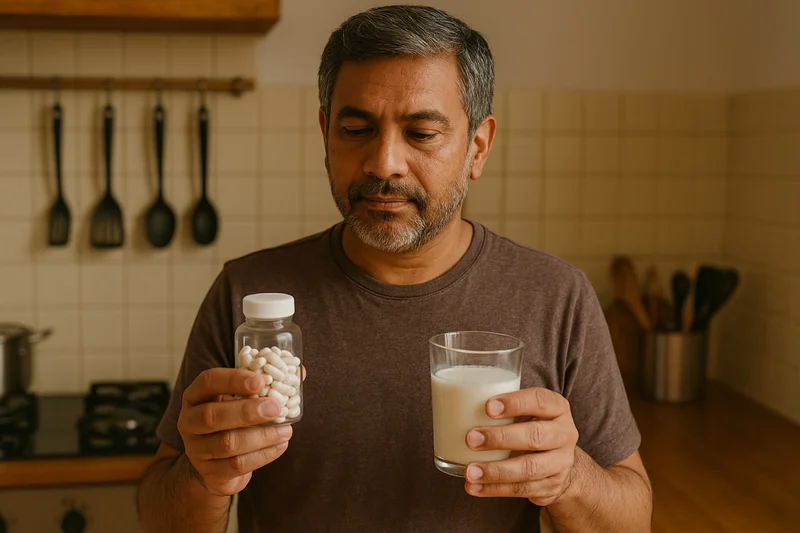
Kalyana Gulam (also spelled Kalyanagulam or Kalyana Gulam Leham) is a classical Ayurvedic herbal jam primarily used to treat hemorrhoids, fistula-in-ano, chronic constipation, liver disorders, jaundice, skin diseases, and anemia. Originating from the ancient text Sahasrayogam under the Leha Prakarana (chapter on electuaries), this polyherbal formulation combines powerful purgative, hepatoprotective, and blood-purifying herbs — most notably Trivrit (Operculina turpethum), Triphala, Vidanga, and Pippali — into a palatable semi-solid preparation. Unlike many modern interpretations you'll find online, Kalyana Gulam is classicaly rooted in Virechana (therapeutic purgation) support and Rasayana (rejuvenation) therapy, making it far more than a simple digestive remedy.
If you've been searching for clear, evidence-based information about this formulation — what it actually contains, how it works, the right dosage, and when to avoid it — you're in the right place.
What Is Kalyana Gulam?
Kalyana Gulam is a traditional Ayurvedic lehyam (herbal jam or electuary) that falls under the category of Gulam preparations in classical Ayurvedic pharmacology. It has been prescribed by Ayurvedic physicians for centuries, primarily across South India, Kerala, and parts of Sri Lanka.
Meaning of the Name "Kalyana Gulam"
In Sanskrit, Kalyana means "auspicious" or "that which brings welfare and well-being," while Gulam refers to a jaggery-based herbal preparation — essentially a medicated confection. So the name literally translates to "the auspicious herbal jam" — a fitting title given its wide-ranging therapeutic applications.
The term Gulam specifically indicates that jaggery (guda) serves as the base medium, differentiating it from Leham preparations that may use sugar or honey. However, in modern commercial practice, the terms Kalyanagulam and Kalyanagulam Leham are used interchangeably by manufacturers like Kottakkal Arya Vaidya Sala and Vaidyaratnam.
Classical Ayurvedic References (Source Texts)
One of the most significant gaps in existing online resources is the failure to cite the actual classical source.
Kalyana Gulam is primarily referenced in:
- Sahasrayogam — Leha Prakarana (the chapter dedicated to electuary formulations). This is the most widely cited source among Kerala Ayurvedic practitioners.
- Ashtanga Hridayam — References to the individual ingredients and their therapeutic applications appear throughout Vagbhata's text.
- Bhaishajya Ratnavali — Contains similar formulations with overlapping ingredients for Arsha (hemorrhoids) and Udara Roga (abdominal disorders).
The original Sanskrit shlokas describing Kalyana Gulam detail not just the ingredients but also the specific disease conditions, the method of preparation (including the sequence of adding herbs), and the expected therapeutic outcomes.
Place in Rasayana & Virechana Therapy
Kalyana Gulam occupies a unique position in Ayurveda because it bridges two therapeutic categories:
- 1.Virechana (Therapeutic Purgation): The formulation contains Trivrit as its principal ingredient — one of the most important Virechana drugs in Ayurveda. Trivrit is classified as Mridu Virechana Dravya (mild purgative), making Kalyana Gulam useful as an adjunct or preparatory medicine during Panchakarma procedures, particularly Virechana karma.
- 2.Rasayana (Rejuvenation): Through its combination of Triphala, Pippali, and other herbs, the formulation also serves as a mild rejuvenative that supports tissue regeneration, particularly in the liver and blood tissues (Rakta Dhatu).
This dual action is something no other competitor article has explained clearly — and it's essential for understanding why this single formulation is prescribed for conditions as seemingly different as hemorrhoids and anemia.
Ingredients & Composition of Kalyana Gulam
Complete List of Ingredients with Botanical Names
The following table presents the classical composition of Kalyana Gulam based on the Sahasrayogam reference. Note that commercial preparations may have slight variations.
| Ingredient (Sanskrit) | Botanical / Common Name | Primary Action |
|---|---|---|
| Trivrit | Operculina turpethum (Indian Jalap) | Purgative (Virechana) |
| Amalaki | Emblica officinalis (Indian Gooseberry) | Antioxidant, Rasayana |
| Haritaki | Terminalia chebula (Chebulic Myrobalan) | Laxative, digestive |
| Vibhitaki | Terminalia bellirica (Belleric Myrobalan) | Astringent, detoxifying |
| Vidanga | Embelia ribes (False Black Pepper) | Anthelmintic, carminative |
| Pippali | Piper longum (Long Pepper) | Bioavailability enhancer |
| Pippali Moola | Piper longum root | Deepana (appetizer) |
| Danti | Baliospermum montanum | Purgative |
| Shankhini | Canscora decussata | Hepatoprotective |
| Chitraka | Plumbago zeylanica (Leadwort) | Digestive fire stimulant |
| Pancha Lavana | Five salts (Saindhava, Sauvarchala, Vida, Audbhida, Samudra) | Electrolyte balance, digestive |
| Guda (Jaggery) | Cane jaggery | Base medium, taste corrector |
| Ghrita | Clarified butter (Ghee) | Anupana, lipid-soluble carrier |
| Taila | Sesame oil | Vata pacification |
Note: Some commercial formulations may include additional herbs or minor substitutions based on the manufacturer's traditional lineage.
Role of Key Herbs
Trivrit (Operculina turpethum) — This is the hero ingredient. Trivrit is classified in Ayurveda as the foremost mild purgative. It acts on the Purishavaha Srotas (excretory channels) and Raktavaha Srotas (blood channels), making it invaluable for conditions where toxic accumulation in the blood and gut is the root cause — hemorrhoids, skin diseases, and liver congestion. Triphala (Amalaki + Haritaki + Vibhitaki) — The famous trio provides a balanced approach to all three doshas. A 2012 study published in the Journal of Ayurveda and Integrative Medicine confirmed Triphala's significant antioxidant, anti-inflammatory, and mild laxative properties. In Kalyana Gulam, Triphala complements Trivrit's stronger purgative action with a gentler, tonic effect. Vidanga (Embelia ribes) — Functions primarily as a Krimighna (anthelmintic) and blood purifier. Research published in Pharmacognosy Reviews (2011) documented Vidanga's antioxidant and antimicrobial properties. In this formulation, it addresses parasitic causes of skin disease and anemia. Pippali (Piper longum) — Acts as a bioavailability enhancer (similar to the concept of a "bioenhancer" in modern pharmacology). A study in the Indian Journal of Pharmaceutical Sciences showed that piperine from Piper species can increase the absorption of other herbs by 30–200%. Pippali also stimulates Agni (digestive fire) and supports liver function.
Pancha Lavana (Five Salts) — This combination of five mineral salts aids in electrolyte balance, stimulates digestive secretions, and helps soften impacted stool.
Its inclusion is particularly clever — since the formulation has purgative herbs, the salts help prevent electrolyte depletion.
How the Ingredients Work Together (Synergy of the Formulation)
This is where Kalyana Gulam truly shines — and where every existing online article falls short. The formulation isn't just a random collection of herbs.
It follows a clear Ayurvedic pharmacological logic:
- 1.Shodhana (Purification): Trivrit and Danti clear accumulated Pitta and Kapha from the GI tract and blood.
- 2.Deepana-Pachana (Digestive Ignition): Chitraka, Pippali, and Pancha Lavana reignite digestive fire that's been weakened by chronic toxin accumulation.
- 3.Raktashodhana (Blood Purification): Vidanga and Triphala cleanse the blood, addressing the root cause of skin diseases, hemorrhoids and liver disorders.
- 4.Rasayana (Tissue Regeneration): Amalaki and the Triphala complex rebuild damaged tissues, particularly Rakta Dhatu (blood tissue) and Yakrit (liver).
- 5.Anupana (Vehicle): Ghee and jaggery serve as carriers that improve palatability, enhance absorption of lipid-soluble compounds, and protect the GI lining from the purgative action.
This five-step synergy explains why Kalyana Gulam effectively treats such a broad range of conditions — they all share common pathological roots in Ayurvedic theory: disturbed Pitta, Rakta Dushti (blood vitiation), and Mala Sanchaya (waste accumulation).
Health Benefits of Kalyana Gulam
Hemorrhoids (Piles) & Fistula-in-Ano
This is the primary classical indication. Kalyana Gulam addresses hemorrhoids through multiple mechanisms:
- Relieves constipation — the root cause of most hemorrhoids
- Reduces venous congestion through blood purification
- Decreases inflammation via the Triphala component
- Prevents recurrence by correcting the underlying Pitta-Rakta imbalance
For fistula-in-ano (Bhagandara), the formulation supports healing by purifying the blood and reducing the septic load. It is often prescribed alongside Kshara Sutra therapy or as a post-operative supportive medicine.
Liver Disorders & Jaundice
- Kalyana Gulam has significant hepatoprotective properties. The combination of Triphala and Pippali supports liver detoxification pathways, while Trivrit helps eliminate excess bile from the system.
- In Ayurvedic practice, it is commonly prescribed for:
- Kamala (Jaundice) — helps clear excess bilirubin through enhanced bile flow
- Yakrit Vikara (Liver disorders) — supports hepatocyte regeneration
- Hepatomegaly — reduces liver enlargement associated with chronic congestion
A 2017 animal study published in the Journal of Ethnopharmacology demonstrated that Trivrit extract exhibited dose-dependent hepatoprotective activity against paracetamol-induced liver damage, reducing ALT and AST levels significantly compared to control groups.
Chronic Skin Diseases
Ayurveda considers most chronic skin diseases (Kushtha) to originate from Rakta Dushti (blood vitiation) combined with disturbed Pitta. Kalyana Gulam's blood-purifying and purgative actions make it particulary effective for:
- Chronic eczema
- Psoriasis (as adjunct therapy)
- Recurrent boils and abscesses
- Acne and pigmentation disorders
The formulation is typically prescribed for 4–8 weeks for skin conditions, often alongside external applications.
Constipation & Digestive Health
- As a Mridu Virechana preparation, Kalyana Gulam is one of the gentlest yet most effective Ayurvedic remedies for chronic constipation.
- Unlike harsh stimulant laxatives, it works by:
- Softening stool through the lubrication of ghee and oil
- Stimulating intestinal peristalsis through Trivrit
- Improving overall digestive fire through Pippali and Chitraka
- Re-balancing gut flora through Triphala's prebiotic effects
This makes it particularly suitable for constipation in the elderly, pregnant women (under medical supervision — see section below), and those with Pitta-type constitutions.
Anemia & Blood Health
The formulation supports healthy blood formation (Raktadhatu Poshana) through multiple pathways. Amalaki is one of the richest natural sources of vitamin C, which enhances iron absorption. Vidanga and Triphala eliminate parasites and toxins that may be impairing nutrient absorption. Clinically, Ayurvedic physicians prescribe Kalyana Gulam for mild to moderate anemia alongside iron-rich diets and other Ayurvedic iron preparations (Loha Bhasma).
Diabetes Management (Prameha)
While not a primary anti-diabetic formulation, Kalyana Gulam supports metabolic health in diabetic patients through its action on the liver and digestive system. Triphala has been studied extensivley for its anti-hyperglycemic properties — a 2014 study in the International Journal of Pharmacy and Pharmaceutical Sciences found that Triphala extract reduced fasting blood glucose levels by approximately 45% in alloxan-induced diabetic rats. However, human clinical trials specific to Kalyana Gulam for diabetes are lacking.
Immune Support & Rejuvenation (Rasayana)
- The Rasayana properties of Kalyana Gulam come primarily from its Triphala and Amalaki content.
- Regular use during recommended treatment periods can support:
- Enhanced immunity through increased white blood cell activity
- Improved antioxidant status (Amalaki alone provides 20 times more vitamin C than oranges by weight)
- Better tissue regeneration and wound healing
- General vitality and reduction of fatigue
Scientific Evidence & Research
Studies on Key Ingredients
While large-scale randomized controlled trials on Kalyana Gulam as a whole formulation are limited (a common challenge across traditional medicine), significant research exists on its individual components:
| Ingredient | Key Research Finding | Source |
|---|---|---|
| Trivrit | Hepatoprotective activity; dose-dependent reduction in liver enzymes | J. Ethnopharmacology, 2017 |
| Triphala | Anti-inflammatory, antioxidant, laxative, anti-hyperglycemic effects | J. Ayurveda Integrative Medicine, 2012 |
| Pippali | Bioavailability enhancement of co-administered herbs by 30–200% | Indian J. Pharmaceutical Sciences |
| Vidanga | Anthelmintic, antimicrobial, antioxidant properties | Pharmacognosy Reviews, 2011 |
| Amalaki | Richest natural source of heat-stable vitamin C; immunomodulatory | Multiple studies; Phytotherapy Research, 2014 |
| Chitraka | Stimulates digestive enzymes; anti-inflammatory | J. Ethnopharmacology, 2009 |
Pharmacological Properties of the Formulation
Based on the combined pharmacological profiles of its ingredients, Kalyana Gulam exhibits:
- Virechana (Purgative) — mild to moderate, non-griping
- Deepana (Appetizer) — enhances digestive fire
- Yakrit Uttejaka (Hepatostimulant) — improves liver function
- Raktashodhaka (Blood Purifier) — eliminates toxins from blood tissue
- Krimighna (Anthelmintic) — addresses parasitic infections
- Rasayana (Rejuvenative) — supports tissue regeneration
Dosage & How to Take Kalyana Gulam
Adult Dosage
The standard adult dosage of Kalyana Gulam is:
- General use: 10–15 grams (approximately 1 tablespoon) once or twice daily
- For purgation support: 15–25 grams as a single dose, as directed by a physician
- Maintenance dose: 5–10 grams once daily
Children's Dosage
- Ages 5–12: 5–8 grams once daily
- Ages 2–5: 2.5–5 grams once daily (only under medical supervision)
- Children below 2 years should not be given this formulation without explicit physician guidance.
Best Time & Adjuvants (Anupana)
| Condition | Best Time | Recommended Anupana |
|---|---|---|
| Constipation | Before bedtime | Warm water or warm milk |
| Hemorrhoids | Morning, empty stomach | Buttermilk or warm water |
| Liver disorders | Morning, empty stomach | Warm water |
| Skin diseases | Morning and evening | Warm water |
| General rejuvenation | After meals | Warm milk with ghee |
How Long Does It Take for Kalyana Gulam to Work?
The timeline varies significantly based on the condition:
- Constipation: Relief usually within 6–12 hours of the first dose
- Hemorrhoids: Symptomatic improvement in 1–2 weeks; sustained benefit after 4–6 weeks
- Skin diseases: Visible changes in 3–4 weeks; full course typically 6–8 weeks
- Liver disorders: Improvement in liver function markers within 4–6 weeks
- Anemia: Gradual improvement over 8–12 weeks when combined with appropriate diet
Duration of Course for Different Conditions
This is a critical detail that no competing article provides:
| Condition | Recommended Duration | Notes |
|---|---|---|
| Acute constipation | 3–7 days | Short course; taper off |
| Chronic constipation | 2–4 weeks | With dietary modifications |
| Hemorrhoids (Grade 1–2) | 4–8 weeks | May repeat after 1-month gap |
| Fistula-in-ano | 6–12 weeks | As adjunct to surgical therapy |
| Jaundice | 3–6 weeks | Monitor bilirubin levels |
| Chronic skin diseases | 6–12 weeks | Combine with external therapies |
| Anemia | 8–12 weeks | With iron-rich diet |
स्वयं दवा न लें और प्रतीक्षा न करें। अभी डॉक्टर से चैट शुरू करें
Kalyana Gulam During Pregnancy
Safety & Indications
Kalyana Gulam may be prescribed during pregnancy for specific conditions — primarily constipation, which is extremley common during pregnancy due to hormonal changes and iron supplementation. However, this must be done only under the supervision of a qualified Ayurvedic physician.
The formulation's mild purgative action can be beneficial, but the dosage must be carefully calibrated.
Typical pregnancy dosage is significantly lower: 5–8 grams once daily, or as needed.
Precautions
- Never self-medicate during pregnancy. The Virechana herbs in this formulation could potentially stimulate uterine contractions at higher doses.
- Avoid during the first trimester unless specifically prescribed.
- Discontinue immediately if any abdominal cramping occurs.
- Inform your obstetrician about concurrent Ayurvedic medication use.
Side Effects & Contraindications
Known Side Effects
When taken in recommended doses under medical guidance, Kalyana Gulam is generally well-tolerated.
Possible side effects include:
- Mild abdominal cramping or loose stools (especially in the first 1–2 days)
- Occasional nausea in Pitta-predominant individuals
- Increased frequency of bowel movements (this is often the intended effect)
- Mild gastric discomfort if taken on a completely empty stomach without adequate water
Who Should Avoid Kalyana Gulam
- Patients with severe dehydration or electrolyte imbalance
- Those with inflammatory bowel disease (Crohn's, ulcerative colitis) during active flares
- Individuals with intestinal obstruction
- Patients who have undergone recent abdominal surgery (within 4–6 weeks)
- Individuals with known allergy to any ingredient in the formulation
Drug Interactions
This is another area where existing articles provide virtually no information.
Based on the pharmacological properties of the ingredients:
| Drug Category | Potential Interaction | Recommendation |
|---|---|---|
| Anticoagulants (Warfarin, Heparin) | Triphala and Amalaki may have mild blood-thinning effects; could potentiate anticoagulants | Monitor INR closely; inform physician |
| Anti-diabetic drugs | May enhance hypoglycemic effect | Monitor blood sugar; adjust doses if needed |
| Hepatotoxic drugs | May alter liver metabolism of co-administered drugs | Maintain 2-hour gap between medications |
| Iron supplements | Triphala may enhance iron absorption (beneficial interaction) | Can be taken together; beneficial |
| Other laxatives | Additive purgative effect | Avoid concurrent use |
Diet & Lifestyle Recommendations (Pathya-Apathya)
Classical Ayurvedic texts emphasize that medicine alone is insufficient — dietary and lifestyle modifications are equally important.
During Kalyana Gulam therapy:
Foods to Favor (Pathya):
- Light, easily digestible foods — rice gruel (kanji), moong dal soup, steamed vegetables
- Buttermilk (takra) — considered the best adjunct for hemorrhoid treatment
- Leafy greens, papaya, pomegranate
- Warm water throughout the day
- Fiber-rich foods — whole grains, soaked raisins, figs
Foods to Avoid (Apathya):
- Spicy, fried, and oily foods
- Red meat and heavy proteins during active treatment
- Excessive dairy (especially cheese and paneer)
- Alcohol and caffeine
- Sour and fermented foods during jaundice treatment
- Junk food, processed foods, and refined sugars
Lifestyle Recommendations:
- Maintain regular sleep patterns (sleep before 10 PM)
- Avoid suppression of natural urges (especially bowel urges)
- Mild to moderate exercise — walking 30 minutes daily
- Avoid prolonged sitting (crucial for hemorrhoid patients)
- Practice Pavanamuktasana and Malasana for improved bowel function
How to Choose the Right Kalyana Gulam Product
Major Manufacturers Compared
| Manufacturer | Product Name | Key Features | Approx. Price (200g) |
|---|---|---|---|
| Kottakkal Arya Vaidya Sala | Kalyanagulam | Classical formulation, GMP certified, most widely referenced | ₹120–160 |
| Vaidyaratnam | Kalyanagulam | Traditional Kerala recipe, established since 1942 | ₹100–140 |
| AVP (Arya Vaidya Pharmacy) | Kalyanagulam Leham | Coimbatore-based, slight variation in base | ₹110–150 |
| SNA Oushadhasala | Kalyanagulam | Thrissur-based, known for authentic formulations | ₹90–130 |
Classical Recipe vs. Commercial Variations
An important point that no other online source addresses: there can be minor differences between manufacturers.
These variations typically involve:
- Base medium: Some use jaggery exclusively, others may add sugar
- Proportion of ghee vs. sesame oil: Affects shelf life and Vata-pacifying properties
- Additional herbs: Some manufacturers include supplementary herbs from related formulations
- Processing methods: Traditional vs. modern GMP-compliant manufacturing
When choosing a product, look for:
- GMP certification — ensures standardized manufacturing
- AYUSH license number — mandatory for all Ayurvedic products in India
- Classical reference cited on the label (e.g., "Sahasrayogam")
- Manufacturing and expiry dates clearly printed
Storage & Shelf Life
- Store in a cool, dry place away from direct sunlight
- Keep the lid tightly closed after each use to prevent moisture absorption
- Typical shelf life: 3 years from the date of manufacture (when stored properly)
- Refrigeration is not required but can extend quality in humid climates
- Discard if you notice mold growth, fermentation smell, or significant change in color
Kalyana Gulam vs. Similar Ayurvedic Formulations
Understanding how Kalyana Gulam compares to similar formulations helps practitioners and patients make informed choices:
| Formulation | Primary Action | Key Ingredient | Best For |
|---|---|---|---|
| Kalyana Gulam | Mild purgative + blood purifier + liver support | Trivrit | Hemorrhoids, jaundice, skin diseases, constipation |
| Abhayarishtam | Mild laxative (fermented liquid) | Haritaki | Chronic constipation, mild hemorrhoids |
| Chiruvilwadi Kashayam | Decoction for hemorrhoids | Chiruvilwa (Holoptelea) | Bleeding hemorrhoids specifically |
| Triphala Guggulu | Anti-inflammatory + laxative (tablet) | Triphala + Guggulu | Fistula, sinuses, inflammatory conditions |
| Avipathi Churnam | Strong purgative (powder) | Trivrit | Acute Pitta conditions, severe constipation |
| Drakshadi Kashayam | Mild liver tonic (decoction) | Draksha (grapes) | Mild jaundice, liver support |
Kalyana Gulam's advantage lies in its broad-spectrum action — it simultaneously addresses digestion, liver function, blood purity, and waste elimination. If you need targeted action for a specific condition, a more specialized formulation might be preferred. Consult your Ayurvedic practitioner to determine the best option.
Role of Kalyana Gulam in Panchakarma
This is a genuinely overlooked application. Kalyana Gulam, owing to its Trivrit content, has a legitimate role in Panchakarma — specifically in the Virechana (therapeutic purgation) protocol:
- Pre-Virechana Preparation: May be used as a Snehapana (internal oleation) adjunct in mild cases
- Virechana Karma: In patients requiring mild purgation (Mridu Shuddhi), Kalyana Gulam can serve as the Virechana drug itself, rather than stronger preparations like Trivrit Leha or Avipathi Churnam
- Post-Virechana: Can be used in the Samsarjana Krama (graduated diet) phase to maintain bowel regularity without over-purgation
This application is particularly relevant for elderly patients, those with mild Pitta aggravation, and patients with contraindications for strong purgation.
Frequently Asked Questions (FAQ)
Can I Take Kalyana Gulam Daily?
Yes, Kalyana Gulam can be taken daily for the duration prescribed by your Ayurvedic physician. For chronic conditions like hemorrhoids or skin diseases, daily use for 4–12 weeks is common. However, it's not intended for indefinite daily use as a supplement. Once the therapeutic goal is achieved, taper off gradually and shift to dietary management.
Is Kalyana Gulam Safe for Women?
Absolutely. Kalyana Gulam is safe for women and is commonly prescribed for constipation, anemia, skin disorders, and liver conditions in female patients. During pregnancy, it should only be used under strict medical supervision with adjusted dosage. During menstruation, some practitioners recommend pausing if the patient experiences heavy flow, as the formulation's blood-moving properties could theoretically increase it.
Does Kalyana Gulam Help with Weight Loss?
- Kalyana Gulam is not a weight loss medicine. However, its purgative and digestive-enhancing properties can support weight management as part of a broader protocol. By improving metabolism (Agni), eliminating waste (Mala Shodhana), and supporting liver function, it creates favorable conditions for healthy weight management.
- Don't use it primarily for weight loss — that's not its intended purpose.
What Is the Difference Between Gulam and Leham?
Technically, Gulam uses jaggery as its primary sweetening and binding agent, while Leham may use sugar. In practice, modern manufacturers use the terms interchangeably. The therapeutic properties are essentially the same. When you see "Kalyanagulam Leham" on a product label, it's the same formulation as "Kalyanagulam."
Does Kalyana Gulam Interact with Other Supplements or Medications?
Yes, potential interactions exist — particularly with anticoagulants, anti-diabetic drugs, and other laxatives. See the Drug Interactions section above for details. As a general rule, maintain a 2-hour gap between Kalyana Gulam and any allopathic medication.
What Is the Kalyana Gulam Shloka (Sanskrit Verse)?
The original shloka is found in Sahasrayogam, Leha Prakarana. The verse describes the formulation's composition beginning with Trivrit as the primary drug, followed by the other ingredients, the method of preparation with jaggery and ghee, and the specific indications — Arsha (hemorrhoids), Kushtha (skin diseases), Kamala (jaundice), and Pandu (anemia). For the full Sanskrit text, consult an authenticated edition of Sahasrayogam with commentary.
How Should I Take Kalyana Gulam — Before or After Food?
For most conditions, take Kalyana Gulam on an empty stomach (30 minutes before meals) for maximum absorption and therapeutic effect. For patients with sensitive stomachs, taking it after a light meal is acceptable. When used specifically for its Rasayana (rejuvenative) properties, taking it after meals with warm milk is traditional.
Conclusion
Kalyana Gulam stands as one of Ayurveda's most versatile classical formulations — a single preparation that effectively addresses hemorrhoids, constipation, liver disorders, skin diseases, and anemia through its intelligent combination of purgative, hepatoprotective, and blood-purifying herbs. Its foundation in the Sahasrayogam text, its role in both Virechana and Rasayana therapy, and the growing scientific validation of its key ingredients make it a formulation that bridges ancient wisdom and modern understanding.
However, like all Ayurvedic medicines, Kalyana Gulam delivers its best results when prescribed by a qualified practitioner who can assess your individual constitution (Prakriti), the nature of your condition (Vikruti), and the appropriate dosage and duration for your specific needs.
Always consult a qualified Ayurvedic physician before starting Kalyana Gulam — especially if you are pregnant, taking other medications, or managing a chronic health condition. Self-medication, even with traditional medicines, can lead to suboptimal outcomes or avoidable side effects.
Scientific Sources
- Ethnobotanical, phytochemical, toxicology and anti-diabetic potential of Senna occidentalis (L.) link; A review — Lum Nde A et al., 2022, Journal of ethnopharmacology
- Transmission modes of COVID-19 disease pandemic in the light of ancient wisdom of Ayurveda medicine: a review — Joshi N et al., 2021, Journal of complementary & integrative medicine
- Ayurvedic Ingredients in Dermatology: A Call for Research — Singh N et al., 2025, Journal of cosmetic dermatology
- A Systematic and Ethnobotanical Review of Ashwagandha's (Withania Somnifera) Teratogenic and Abortifacient Potentials — Tallon MJ et al., 2025, Phytotherapy research : PTR
- A Scoping Review of Ayurveda Studies in Women with Polycystic Ovary Syndrome — Rao VS et al., 2023, Journal of integrative and complementary medicine
- Universal significance of the principle of Samanya and Vishesha beyond Ayurveda — Pandey DN et al., 2018, Journal of Ayurveda and integrative medicine
- Berberine and its derivatives: a patent review (2009 - 2012) — Singh IP et al., 2013, Expert opinion on therapeutic patents
- Ayurveda Management of Allergic Rhinitis: Protocol for a Randomized Controlled Trial — Mata S et al., 2024, JMIR research protocols
- Exploring larger evidence base for contemporary Ayurveda — Rastogi S, 2010, International journal of Ayurveda research
- Ethnodermatological use of medicinal plants in India: From ayurvedic formulations to clinical perspectives - A review — Anand U et al., 2022, Journal of ethnopharmacology
- BAD SCIENCE: Oil pulling — King A, 2018, British dental journal
- Promoting evidence-base for Ayurveda — Patwardhan K, 2024, Journal of Ayurveda and integrative medicine
- The effect of oil pulling with coconut oil to improve dental hygiene and oral health: A systematic review — Woolley J et al., 2020, Heliyon
- Addressing clinical practice variability in Ayurveda: An urgent need for developing clinical practice guidelines — Ashwathykutty V et al., 2025, Journal of Ayurveda and integrative medicine
- Synergy effects of herb extracts: pharmacokinetics and pharmacodynamic basis — Yang Y et al., 2014, Fitoterapia
- Ayurveda for a Type 1 Diabetes Patient with Peripheral Arterial Occlusive Disease: A Case Report — Stapelfeldt E et al., 2024, Complementary medicine research
- A scoping review on 'Maharishi Amrit Kalash', an ayurveda formulation for cancer prevention and management — Vohra R et al., 2024, Journal of Ayurveda and integrative medicine
- Natural Medicines for Psychotic Disorders: A Systematic Review — Hoenders HJR et al., 2018, The Journal of nervous and mental disease
- Insights on personalized medicine from Ayurveda — Sumantran VN et al., 2013, Journal of alternative and complementary medicine (New York, N.Y.)
- The neuroendocrine system: organization and homeostatic role — Toni R, 2004, Journal of endocrinological investigation
उपयोगकर्ताओं के प्रश्न
What are the potential side effects of taking Kalyana Gulam?
Client_941f46
1 दिन पहले
The potential side effects of taking Kalyana Gulam can vary depending on individual health conditions and dosage. Some users may experience gastrointestinal issues such as diarrhea or stomach cramps due to its mild laxative properties, primarily from Triphala and Trivrit. Allergic reactions, though rare, can occur, usually manifesting as skin rashes or itching. Monitor for these symptoms and consult a healthcare provider if they occur, especially if you are pregnant, nursing, or have pre-existing health concerns. If you notice more serious symptoms or if they persist, it's essential to seek medical attention promptly.
What are the traditional uses of Kalyana Gulam in Ayurvedic medicine?
Client_db39cd
6 दिनों पहले
Kalyana Gulam is traditionally used in Ayurvedic medicine for aiding digestion, detoxifying the blood, and improving bowel movements. It primarily acts on the Purishavaha Srotas (excretory system) and Raktavaha Srotas (blood channels), making it beneficial for conditions like hemorrhoids, skin diseases, and liver congestion. While some people seek it for weight management, it is not intended as a weight loss remedy. If you experience heavy menstrual flow or have chronic health issues, consult an Ayurvedic practitioner before use.
How does Kalyana Gulam support hemoglobin levels in anemia?
Client_b37ea8
11 दिनों पहले
Kalyana Gulam may support hemoglobin levels in anemia primarily by enhancing overall digestion and nutrient absorption, which can optimize iron uptake from the diet. It's typically recommended by Ayurvedic practitioners along with iron-rich foods and other iron supplements like Loha Bhasma. While it may help with mild to moderate anemia, concrete evidence of its efficacy is limited. Effects might be noticed over weeks, but monitoring is essential to ensure it addresses the anemia. It's crucial to consult with a healthcare provider for persistent anemia, as more effective treatments might be necessary.
What is the impact of Kalyana Gulam on blood sugar levels?
Client_d88ebe
16 दिनों पहले
Kalyana Gulam is primarily an Ayurvedic formulation used for managing conditions like hemorrhoids, skin diseases, jaundice, and anemia. It is not specifically known for direct effects on blood sugar levels, so its impact on blood glucose is unclear. Ingredients like Amalaki may support overall health due to vitamin C content, but they don’t directly influence blood sugar. If you have diabetes or blood sugar concerns, consult a healthcare provider before using Kalyana Gulam, as it may affect health depending on individual conditions or medications.
How does Kalyana Gulam affect menstrual health and symptoms?
Client_e9d4ce
21 दिनों पहले
Kalyana Gulam may affect menstrual health by potentially increasing menstrual flow due to its blood-moving properties. Individuals experiencing heavy menstrual bleeding might want to consult a healthcare professional before using it during their period. This Ayurvedic formulation contains ingredients like Triphala and Vidanga, which have antioxidant and anti-inflammatory properties that could offer general health benefits but may not directly address common menstrual symptoms like cramps or mood swings. If menstrual symptoms are severe or unusual, it's advisable to seek medical advice for a tailored treatment plan.
What ingredients are found in Kalyana Gulam and their benefits?
Client_0638bf
31 दिनों पहले
Kalyana Gulam is an Ayurvedic medicated confection commonly used to treat constipation, anemia, skin disorders, and liver conditions, particularly in females. Its main ingredients typically include jaggery, which acts as a base, along with herbs such as Triphala, including amalaki (Indian gooseberry), bibhitaki, and haritaki, which support digestion and detoxification. Another essential component is trivrut (Operculina turpethum), which has laxative properties. Benefits include improving digestion, cleansing the colon, and enhancing the elimination of toxins. However, potential interactions may occur with anticoagulants, anti-diabetic drugs, and other laxatives, so you should consult a healthcare provider before combining it with other medications. If you experience any adverse effects, or if symptoms persist beyond a few weeks, it's crucial to seek medical advice.
How does Kalyana Gulam support liver detoxification and health?
Client_5058bc
41 दिनों पहले
Kalyana Gulam supports liver detoxification primarily through its ingredients like Pippali, which aids in stimulating Agni, the digestive fire, enhancing overall liver function. The formulation may help reduce liver stress by facilitating better digestion and elimination processes, thereby indirectly promoting liver health. Typically, improvements might be noticed within a few weeks, but individual response can vary. It's essential to consult a healthcare professional if you have underlying liver conditions or if symptoms persist. Be cautious of relying entirely on herbal remedies for liver detoxification and always seek medical advice for serious liver disorders.
Can Kalyana Gulam be used to manage skin conditions in women?
Client_698717
50 दिनों पहले
Kalyana Gulam may be beneficial for managing certain skin conditions in women due to its properties that address parasitic causes of skin diseases. This herbal formulation is traditionally used to promote digestive health, which can indirectly benefit the skin by improving nutrient absorption and waste elimination. If using Kalyana Gulam, be aware that its blood-moving properties may influence menstruation, particularly if you experience a heavy flow. While Kalyana Gulam could support skin health as part of a broader treatment plan, consult a healthcare professional for tailored advice and to explore other options if symptoms persist or worsen.
What are the best dietary practices to follow while taking Kalyana Gulam?
Client_b7ef0c
60 दिनों पहले
When taking Kalyana Gulam, prioritize a diet that supports liver health and metabolic balance. This typically includes plenty of fruits, vegetables, whole grains, and lean proteins. Avoid excessive fatty, spicy, and fried foods, as well as alcohol, which can strain the liver. Incorporating foods high in fiber can assist in efficient waste elimination, complementing Kalyana Gulam's metabolic support. Stay hydrated and maintain regular meal times to support digestion. Consult a healthcare provider before starting Kalyana Gulam, especially if you have liver issues or are pregnant.
What are the laxative effects of Kalyana Gulam and how quickly do they work?
Client_f02706
69 दिनों पहले
Kalyana Gulam has mild laxative effects that can help with chronic constipation, though it's not super fast like some over-the-counter stuff. The time it takes varies person to person, but you might start noticing it working within a day or two. Remember, it's also working on balancing your digestive system overall, so it's not just about quick relief!
संबंधित आलेख

Sexual Health & Disorders
What Is Viagra? Uses, Effects, and Ayurvedic View on Sexual Health
What is Viagra? Explore the meaning, common uses, side effects of sildenafil tablets, and Ayurvedic perspectives on natural sexual wellness support
4,182

Sexual Health & Disorders
टेंटेक्स फोर्टे टैबलेट
टेंटेक्स फोर्टे टैबलेट की खोज
18,380

Sexual Health & Disorders
Upadamsha: Ayurvedic Insights & Modern Perspectives
Discover the science behind Upadamsha in Ayurveda, its potential correlation to STDs, and evidence-based prevention and treatment guidelines.
3,417

Sexual Health & Disorders
Ekangveer Ras Benefits, Dosage, Ingredients, Side Effects
Exploration of Ekangveer Ras Benefits, Dosage, Ingredients, Side Effects
4,198
Sexual Health & Disorders
Poornachandrodaya Ras – Powerful Ayurvedic Remedy for Holistic Health
Explore the benefits and uses of Poornachandrodaya Ras, an Ayurvedic formulation known for its ability to balance doshas, enhance immunity, and improve overall health.
3,791

Sexual Health & Disorders
हिमालया कॉन्फिडो बनाम वियाग्रा: फायदे, नतीजे, और साइड इफेक्ट्स
हिमालया कॉन्फिडो बनाम वियाग्रा की तुलना पुरुषों के स्वास्थ्य के लिए करें। दोनों प्राकृतिक और फार्मास्युटिकल विकल्पों के फायदों, परिणामों, आकार पर प्रभाव और साइड इफेक्ट्स के बारे में जानें।
29,109

Sexual Health & Disorders
What Is Shilajit: Ayurvedic Benefits, Side Effects, and Usage
What is Shilajit and what does it do? Learn about Himalayan Shilajit benefits for men and women, best ways to take it, and potential side effects
15,965

Sexual Health & Disorders
Which Ayurvedic Medicine Increase Sex Power Naturally?
Find out which Ayurvedic medicine can increase sex power. Learn about the best remedies for men and women, natural tablets, and time-tested herbal solutions
8,620

Sexual Health & Disorders
Lingavardhana Thailam – Ayurvedic Rejuvenator for Male Vitality & Sexual Health
Discover Lingavardhana Thailam, a potent Ayurvedic formulation designed to enhance male vitality, improve sexual performance, and support overall reproductive health through natural, traditional herbal ingredients.
5,217

Sexual Health & Disorders
हिम्प्लासिया टैबलेट
हिम्प्लासिया टैबलेट की खोज
4,162
विषय से संबंधित परामर्श
अतिरिक्त दस्तावेज़
© 2024 Ask Ayurveda. सर्वाधिकार सुरक्षित।