
आयुर्वेदिक डॉक्टर से प्रश्न पूछें और निःशुल्क या भुगतान मोड में अपनी चिंता की समस्या पर ऑनलाइन परामर्श प्राप्त करें। 2,000 से अधिक अनुभवी डॉक्टर हमारी साइट पर काम करते हैं और आपके प्रश्नों का इंतजार करते हैं और उपयोगकर्ताओं को उनकी स्वास्थ्य समस्याओं को हल करने में प्रतिदिन मदद करते हैं।


Body DetoxEar, Nose, and Throat DisordersGeriatrics & RejuvenationImmunodeficiencyInfertility TreatmentNutritionOrthopedic DisordersPediatricsRespiratory DisordersSexually Transmitted Diseases (STDs)Surgery RecoveryUrological DisordersVascular DisordersDental DisordersEndocrinological DisordersGastrointestinal DisordersYoga TherapyGeneral MedicineAllergic DisordersCardio DisordersGynecology and ObstetricsCosmetologySkin and Hair DisordersEye DisordersInfectious DiseasesMental DisordersNeurological DisordersOncologyPanchakarmaSexual Health & DisordersSports Medicine
पर प्रकाशित 01/24/25
(को अपडेट 08/14/26)
star_border 5
3,865
Dashmool Tail – Ayurvedic Oil for Joint Health & Inflammatory Relief
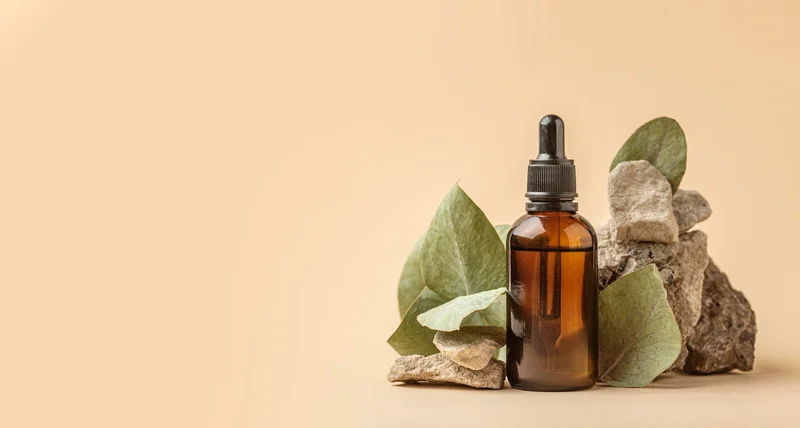
Dashmool Tail is a classical Ayurvedic medicated oil prepared from ten powerful roots — collectively known as Dashamula — infused in a sesame or mustard oil base. Used for centuries in Panchakarma therapies and daily wellness routines, this oil is primarily valued for its anti-inflammatory, analgesic, and Vata-balancing properties. Whether you're dealing with chronic joint pain, recurring migraines, ENT disorders, or simply want a deeply therapeutic massage oil, Dashmool Tail offers a time-tested solution rooted in Ayurvedic pharmacology.
In this comprehensive guide, we break down every aspect of Dashmool Tail — from its 10-root formula and the science behind each ingredient, to step-by-step usage methods, brand comparisons, safety profile, and clinical evidence. This is everything you need in one place.
What Is Dashmool Tail?
The word Dashmool (also spelled Dashamula or Dashmoola) literally translates from Sanskrit as dasha (ten) + moola (roots). It refers to a group of ten medicinal plant roots that form one of the most important compound formulations in classical Ayurveda. When these roots are processed with a base oil through the traditional Taila Paka Vidhi (oil-cooking method), the resulting product is called Dashmool Tail — a medicated oil (taila).
Meaning of "Dashmool" in Ayurveda
Dashmool finds its earliest references in foundational Ayurvedic texts including the Charaka Samhita, Sushruta Samhita, and Ashtanga Hridayam.
The classical Sanskrit shloka describes it as:
> "दशमूलं वातहरं शोथघ्नं बल्यं रसायनम्"
> (Dashmoolam Vataharam Shothghnam Balyam Rasayanam)
This translates to: "Dashmool pacifies Vata dosha, reduces swelling (Shotha), strengthens the body, and acts as a Rasayana (rejuvenative)."
In Ayurvedic pharmacodynamics, Dashmool Tail works primarily on Vata dosha — the bio-energy governing movement, nerve impulses, and pain perception. It also has a secondary action on Kapha dosha. The oil penetrates through the Tvacha (skin) into deeper Dhatus (tissues), particularly Mamsa (muscle), Asthi (bone), and Majja (nerve/marrow), clearing blockages in the Vatavaha Srotas (channels carrying Vata).
Types: Regular Dashmool Tail vs Brihat Dashmool Tail
This is a distinction most websites overlook, and it matters for consumers.
| Feature | Dashmool Tail (Regular) | Brihat Dashmool Tail |
|---|---|---|
| Number of ingredients | 10 roots + base oil | 10 roots + 20-30 additional herbs + base oil |
| Classical reference | Charaka Samhita, Sushruta Samhita | Bhaishajya Ratnavali, Sharangdhara Samhita |
| Primary use | General massage, Nasya, ear drops | Severe Vata disorders, Panchakarma therapies |
| Potency | Moderate | Higher |
| Availability | Widely available | Less common, specialty Ayurvedic pharmacies |
| Price range | ₹80–₹250 (100 ml) | ₹200–₹500 (100 ml) |
If you're using Dashmool oil for daily self-massage or mild complaints, the regular version is sufficient. Brihat Dashmool Tail is typically recommended by Ayurvedic practitioners for chronic or severe conditions.
Classical Dashmool Ingredients — The 10 Roots Explained
What sets Dashmool apart from other Ayurvedic formulations is its elegant balance between five large-rooted plants and five small-rooted plants. Here's a detailed breakdown that goes beyond just listing names.
Brihat Panchamoola (5 Large Roots)
These are roots from larger trees, and they primarily target deeper tissues — bones, joints, and the nervous system.
| Sanskrit Name | Botanical Name | Key Action | Why It's in the Formula |
|---|---|---|---|
| Bilva | Aegle marmelos | Anti-inflammatory, digestive | Pacifies both Vata and Kapha; strengthens the GI tract, which Ayurveda considers the root of all Vata imbalances |
| Agnimantha | Premna integrifolia | Analgesic, anti-arthritic | One of the most potent Vata-reducing herbs; a 2016 study in Journal of Ethnopharmacology confirmed significant anti-inflammatory activity in rat models |
| Shyonaka | Oroxylum indicum | Anti-edema, bone-strengthening | Reduces Shotha (swelling); the root bark contains baicalein, a flavonoid with proven COX-2 inhibitory action |
| Patala | Stereospermum suaveolens | Nervine tonic, antipyretic | Calms aggravated Vata in nerve channels; supports recovery from febrile conditions |
| Gambhari | Gmelina arborea | Rasayana (rejuvenative), anti-aging | Nourishes Majja Dhatu (nerve tissue); provides the formula's building and strengthening quality |
Laghu Panchamoola (5 Small Roots)
- These are roots from smaller plants and shrubs.
- They tend to have a lighter, more penetrating action — working on surface tissues, respiratory channels, and urinary system.
| Sanskrit Name | Botanical Name | Key Action | Why It's in the Formula |
|---|---|---|---|
| Shalaparni | Desmodium gangeticum | Anti-asthmatic, Vata-pacifying | Penetrates Pranavaha Srotas (respiratory channels); enhances the formula's ability to relieve breathlessness associated with Vata imbalance |
| Prishnaparni | Uraria picta | Cardiotonic, anti-inflammatory | Supports heart function and circulation; helps the oil's active compounds reach peripheral joints |
| Brihati | Solanum indicum | Expectorant, analgesic | Clears Kapha from upper body; particularly useful when the oil is applied for head and chest congestion |
| Kantakari | Solanum surattense | Bronchodilator, anti-spasmodic | A 2013 study in Asian Pacific Journal of Tropical Medicine showed significant antinociceptive (pain-reducing) properties |
| Gokshura | Tribulus terrestris | Diuretic, anti-lithiatic, muscle tonic | Perhaps the most well-researched of all ten; strengthens muscles and supports urinary health, adding a detoxification angle to the formula |
Additional Ingredients & Oil Base
Most commercial preparations use Tila Taila (sesame oil) as the base. Sesame oil is considered the best oil for Vata disorders in Ayurveda — it's warm in potency (Ushna Virya), penetrates deeply, and has inherent antioxidant properties due to sesaminol and sesamol compounds.
Some manufacturers add supporting ingredients like milk (Ksheera), Manjistha (for blood purification), or Bala (for strengthening), depending on the specific classical reference they follow.
Benefits of Dashmool Tail
Vata Dosha Balancing
This is the core therapeutic action. Vata imbalance manifests as pain, stiffness, dryness, anxiety, insomnia, and irregular digestion. Dashmool Tail, applied externally, creates a Snehana (oleation) effect that directly counters Vata's dry, cold, and mobile qualities. Regular abhyanga with this oil is one of the most effective non-oral methods of Vata management.
Muscle & Joint Wellness
The combination of anti-inflammatory roots makes Dashmool Tail particulary effective for:
- Sandhivata (Osteoarthritis) — reduces joint stiffness and morning pain
- Amavata (Rheumatoid conditions) — when combined with dietary modifications
- Gridhrasi (Sciatica) — massage along the sciatic nerve pathway
- Katishoola (Lower back pain) — warm oil application over the lumbar region
- Sports injuries — muscle sprains and post-exercise soreness
A 2019 randomized controlled trial published in AYU journal (an AYUSH-indexed publication) demonstrated that external application of Dashmool-based oils significantly reduced pain scores in Sandhivata patients over a 30-day treatment period, compared to the control group.
Headache & Migraine Relief
When used as Nasya (nasal drops), Dashmool Tail enters the Shringataka Marma — an Ayurvedic vital point located at the junction of nasal, orbital, and cranial channels. This provides relief from tension headaches, migraines, and sinus-related headaches. Many practitioners report that patients experience noticeable improvement within 5-7 days of regular Nasya.
Ear, Nose & Throat (ENT) Health
Traditionally, Dashmool Tail is considered a go-to oil for ENT complaints including:
- Karnashoola (earache) — 2-3 warm drops in the affected ear
- Pratishyaya (chronic rhinitis) — Nasya application
- Kanthashool (sore throat related to Vata) — external application on the throat area
- Tinnitus and hearing difficulties associated with Vata
Nervous System Support
The formula's action on Majja Dhatu (nerve tissue) makes it valuable for neurological complaints. It's used in conditions like facial palsy, cervical spondylosis, and even as a supportive therapy in hemiplegia rehabilitation. The Gambhari and Patala roots are specifically responsible for this nervine tonic effect.
How to Use Dashmool Tail — Dosage & Methods
As Nasal Drops (Nasya)
Dosage: 2-4 drops in each nostril When: Early morning, on an empty stomach Procedure:
- Warm the oil slightly (lukewarm, not hot — test on your wrist first)
- Lie down with head tilted back or hang your head off the bed edge
- Instill 2-4 drops into each nostril using a dropper
- Inhale gently to draw the oil inward
- Remain in this position for 1-2 minutes
- Spit out any oil that reaches the throat
Duration: 7-14 days as a course, then take a break. Repeat as advised by your practitioner.
As Ear Drops (Karna Purana)
Dosage: 2-3 drops in each ear When: Best done in the morning or before bedtime Procedure: Warm the oil to body temperature. Lie on your side, instill drops in the upper ear. Stay in position for 5-10 minutes. Then repeat on the other side.
> Important: Never use ear drops if you suspect a perforated eardrum. Consult your doctor first.
For Abhyanga (Body Massage)
Amount: 15-30 ml for full-body massage; 5-10 ml for localized application When: Best applied 20-30 minutes before bathing, preferably in the morning Oil temperature: Slightly warm (around 40-42°C)
This is the most common method and deserves a detailed walkthrough — see the step-by-step guide below.
Application on Feet (Padabhyanga)
- A lesser-known but highly effective method.
- Applying Dashmool Tail to the soles of the feet — particularly the Kshipra Marma (point between the big toe and second toe) — calms the nervous system, improves sleep quality, and addresses Vata rising upward (Udavarta). Best done before bed with gentle circular massage for 5-10 minutes.
In Shirodhara & Oil Pulling
In Panchakarma centers, Dashmool Tail is used in:
- Shirodhara — continuous pouring of warm oil on the forehead for 30-45 minutes. Deeply calming for anxiety, insomnia, and neurological disorders.
- Kavala Graha (Oil Pulling) — swishing a tablespoon of oil in the mouth for 5-10 minutes. Supports oral health and strengthens jaw muscles.
These procedures should only be performed by trained therapists.
Oral Administration
Some classical texts mention internal use of Dashmool Tail in small quantities (5-10 ml) mixed with warm milk, specificaly for severe Vata conditions. However, this should only be done under direct supervision of a qualified Ayurvedic physician. Most commercial products are labeled "For External Use Only."
Step-by-Step Abhyanga Guide with Dashmool Tail
Here's a practical self-massage routine you can follow at home:
What you'll need: 20-25 ml Dashmool Tail, a small bowl for warming, an old towel Step 1 — Warm the Oil
- Place the bowl of oil in a larger vessel of hot water for 2-3 minutes. The oil should feel comfortably warm on your inner wrist.
- Never microwave Ayurvedic oils — it can degrade the herbal compounds.
Step 2 — Start with the Scalp (Optional)
Apply a small amount to the crown of the head (Adhipati Marma). Use circular motions with your fingertips for 2-3 minutes.
Step 3 — Face and Ears
- Gentle upward strokes on the face.
- Don't forget the ears — massage the earlobes and the area behind the ears. This is a major Vata-calming point.
Step 4 — Neck and Shoulders
Long strokes on the neck, circular motions on the shoulders. Spend extra time here if you have cervical stiffness.
Step 5 — Arms
Long strokes along the length of the arm, circular motions on the elbow and wrist joints. Always stroke toward the heart.
Step 6 — Chest and Abdomen
Gentle clockwise circles on the abdomen (following the direction of the colon). Broad palm strokes on the chest.
Step 7 — Back (as far as you can reach)
Use the back of your hand or a long-handled applicator.
Step 8 — Legs
Same principle as arms — long strokes on straight parts, circles on knee and ankle joints.
Step 9 — Feet
Spend at least 2-3 minutes on each foot. Pay attention to the soles, the heels, and between the toes.
Step 10 — Rest and Bathe
Let the oil soak in for 15-30 minutes. Then bathe with warm water. You can use a mild herbal ubtan or soap to remove excess oil.
Frequency: Daily for therapeutic purposes; 2-3 times per week for general wellness.
Dashmool Tail vs Other Dashmool Formulations
Dashmool exists in multiple Ayurvedic dosage forms.
Here's when to choose what:
| Formulation | Form | Primary Route | Best For | Typical Dosage |
|---|---|---|---|---|
| Dashmool Tail | Medicated oil | External (massage, Nasya, ear drops) | Joint pain, headaches, ENT issues, Vata disorders | 15-30 ml external; 2-4 drops Nasya |
| Dashmool Kwath | Decoction/liquid | Oral | Post-partum recovery, fever, internal inflammation, general Vata pacification | 15-30 ml twice daily |
| Dashmool Ghrit | Medicated ghee | Oral | Neurological conditions, deeper tissue nourishment, Rasayana therapy | 5-10 ml with warm milk |
| Dashmool Arishta | Fermented liquid | Oral | Digestive Vata issues, weakness, convalescence | 15-25 ml after meals |
| Dashmool Churna | Powder | Oral (with water/milk) | Mild Vata symptoms, daily supplement | 3-5 gm twice daily |
- Quick rule of thumb: For external pain and stiffness — choose Tail.
- For internal conditions — choose Kwath or Arishta.
- For deep nourishment — choose Ghrit.
Side Effects & Precautions
Known Side Effects
Dashmool Tail is generally very safe when used externally as directed.
However, some people may experience:
- Mild skin irritation or redness (especially those with sensitive skin or Pitta-dominant constitution)
- Allergic reaction to sesame oil base (rare but possible)
- Nasal irritation if Nasya is done with oil that's too warm or in excessive quantity
- Oily residue causing staining of clothes and bedding
Always perform a patch test: Apply a small amount on your inner forearm. Wait 24 hours. If no redness or itching, proceed with full application.
Contraindications
Avoid using Dashmool Tail in the following situations:
- Open wounds, cuts, or burns
- Active skin infections (fungal or bacterial)
- Perforated eardrum (for ear drops)
- High-grade fever or acute inflammation with Pitta aggravation (Raktapitta conditions)
- Known allergy to any of the 10 root ingredients or sesame
- Immediately after eating (for Nasya — wait at least 2 hours)
Interactions with Other Treatments
If you're using topical pharmaceutical medications (corticosteroid creams, pain-relief gels), allow at least 2 hours gap between applications. There is no known systemic drug interaction with external use of Dashmool Tail.
Use During Pregnancy & Lactation
This is a question many users search for, and most websites give vague answers.
Here's a clearer picture:
- During pregnancy: Mild external massage on limbs is generally considered safe after the first trimester, but avoid abdominal massage. Nasya and ear drops should be avoided unless specifically prescribed by an Ayurvedic obstetrician. Some classical texts mention Dashmool Kwath (not the oil) for post-partum care.
- During lactation: External use is generally safe. Avoid applying on the breast area before nursing.
Bottom line: Consult your practitioner before using any medicated oil during pregnancy.
Dashmool Tail Brand Comparison (India 2025)
One of the most common questions people have — "Which company makes the best Dashmool Tail?" — has no single answer. It depends on your needs and budget.
Here's a practical comparison:
| Brand | Volume Options | Approx. Price (2025) | Oil Base | Key Differentiator |
|---|---|---|---|---|
| Baidyanath | 50 ml, 100 ml | ₹85–₹160 | Sesame oil | Most widely available; consistent quality; popular for Nasya use |
| Kottakkal Arya Vaidya Sala | 200 ml | ₹180–₹280 | Sesame oil | Kerala tradition; considered premium; follows Ashtanga Hridayam reference |
| Nagarjun | 100 ml, 500 ml | ₹120–₹450 | Sesame oil | Maharashtra-based; popular in western India |
| Dabur | 100 ml | ₹110–₹170 | Sesame oil | Mass market; easily available online and offline |
| Dhanvantari | 450 ml | ₹350–₹500 | Sesame oil | Larger pack sizes; often used in Panchakarma clinics |
| Vaidhyashala | 200 ml | ₹150–₹220 | Sesame oil | Available on 1mg and other pharmacy platforms |
| Nidco Herbal | 100 ml | ₹90–₹140 | Sesame oil | Budget-friendly option |
What to look for: Check that the label mentions Taila Paka Vidhi preparation (traditional oil-cooking method), lists all 10 roots, and has a manufacturing license number from AYUSH department.
- Shelf life: Most Dashmool Tail products have a shelf life of 3-5 years from the date of manufacture.
- Ayurvedic medicated oils actually improve with age — classical texts state that Purana Taila (aged oil) has enhanced therapeutic potency.
Scientific Research & Clinical Evidence
While Ayurvedic practitioners have used Dashmool for millennia, modern research is catching up.
Here are some relevant findings:
- 1.Anti-inflammatory activity: A 2017 study published in the International Journal of Pharmaceutical Sciences and Research demonstrated that Dashmool extract showed significant inhibition of carrageenan-induced paw edema in animal models, comparable to standard anti-inflammatory drugs.
- 2.Analgesic properties of Gokshura: A systematic review in Journal of Integrative Medicine (2020) confirmed the pain-relieving and muscle-strengthening properties of Tribulus terrestris, one of the key Laghu Panchamoola herbs.
- 3.COX-2 inhibition by Shyonaka: Research published in Phytomedicine (2015) identified baicalein from Oroxylum indicum as a selective COX-2 inhibitor — the same mechanism targeted by modern NSAIDs like celecoxib, but without the gastric side effects.
- 4.Sesame oil as a carrier: A 2014 study in Yale Journal of Biology and Medicine highlighted sesame oil's ability to enhance transdermal absorption of active compounds, validating the Ayurvedic choice of base oil.
- 5.Dashmool Kwath in post-partum care: A clinical trial at Gujarat Ayurveda University showed that oral Dashmool Kwath significantly improved uterine involution and reduced post-partum pain compared to placebo.
These studies support what Ayurvedic practitioners have known empiricaly — the Dashmool combination works synergistically, with each root contributing a specific pharmacological action that amplifies the whole.
Expected Results & Timeline
One thing no competitor addresses properly: how long does it take to see results?
Here's a realistic timeline based on clinical practice:
| Condition | Method | Expected Improvement Timeline | Recommended Course Duration |
|---|---|---|---|
| Mild joint stiffness | Abhyanga | 3-5 days | 21-30 days |
| Chronic joint pain (OA) | Abhyanga + Panchakarma | 7-14 days for initial relief | 90 days (with breaks) |
| Headache/migraine | Nasya | 5-7 days | 14 days per course |
| Earache | Ear drops | 2-3 days | 7 days |
| General Vata imbalance | Abhyanga + Padabhyanga | 7-10 days | Ongoing wellness practice |
| Sciatica | Local massage + Basti | 14-21 days | 45-60 days |
Important: Ayurveda follows a Saptadhatu nourishment cycle. Deeper tissues take longer to respond. Bone and nerve tissue (the typical targets for Dashmool) require 4-6 weeks of consistent application for lasting change.
Frequently Asked Questions
What is Dashmoola used for?
Dashmoola (the 10-root combination) is used primarily for managing Vata-related disorders — this includes joint pain, muscle stiffness, sciatica, headaches, ENT conditions, and neurological complaints. In oil form (Dashmool Tail), it's applied externally through massage, nasal drops, and ear drops. In decoction form (Kwath), it's taken orally for post-partum recovery, inflammation, and general weakness.
What are the contents of Dashmool Tail?
Dashmool Tail contains 10 medicinal roots: five large roots (Bilva, Agnimantha, Shyonaka, Patala, Gambhari) and five small roots (Shalaparni, Prishnaparni, Brihati, Kantakari, Gokshura), processed in sesame oil. Some formulations may include additional supporting herbs or milk as part of the traditional preparation process.
Can Dashmool Tail be used for hair?
While Dashmool Tail is not traditionally classified as a hair oil, applying it to the scalp can help with Vata-related hair problems like dryness, hair thinning due to stress, and dandruff caused by dry scalp. For dedicated hair care, oils like Bhringraj Tail or Neeli Tail are more specific, but Dashmool Tail used once a week as a scalp massage can complement your hair care routine.
What is the difference between Dashmool Kwath and Dashmool Tail?
Dashmool Kwath is a water-based decoction meant for oral consumption, targeting internal inflammation, fever, and post-partum recovery. Dashmool Tail is an oil-based external preparation for massage, Nasya, and ear drops, targeting pain, stiffness, and localized Vata disorders. Same ingredients, different extraction medium, different application.
Is Dashmool Tail safe for children?
For children above 5 years, mild external massage with Dashmool Tail (diluted with plain sesame oil in a 1:1 ratio) is generally considered safe. Nasya and ear drops in children should only be administered under a qualified Ayurvedic doctor's guidance. Not recommended for infants without medical supervision.
How should I store Dashmool Tail?
- Store in a cool, dry place away from direct sunlight.
- Keep the cap tightly closed.
- Do not refrigerate — cold temperatures can make the oil too thick and reduce its absorption. Keep out of reach of children. The oil is not for internal use unless explicitly prescribed.
Final Thoughts — Is Dashmool Tail Worth It?
Dashmool Tail is not just another Ayurvedic oil on the shelf. It's a classically validated, multi-target formulation backed by centuries of clinical use and an increasing body of modern research. For anyone dealing with chronic musculoskeletal pain, Vata imbalance, or simply seeking a deeply therapeutic massage oil, it remains one of the most effective and affordable options in Ayurvedic medicine.
The key to getting results? Consistency. Use it regularly, follow the correct method for your specific concern, and give it adequate time to work through the deeper tissues.
If you're unsure which formulation or brand suits your needs, consult a qualified Ayurvedic practitioner who can assess your Prakriti (constitution) and Vikriti (current imbalance) before recommending a personalized protocol.
Disclaimer: This article is for informational purposes only and does not replace professional medical advice. Always consult a qualified Ayurvedic physician or healthcare provider before starting any new treatment.
Scientific Sources
- Correlating traditional Ayurvedic and modern medical perspectives on cancer: results of a qualitative study — Dhruva A et al., 2014, Journal of alternative and complementary medicine (New York, N.Y.)
- Alternative treatment strategies for neuropathic pain: Role of Indian medicinal plants and compounds of plant origin-A review — Singh H et al., 2017, Biomedicine & pharmacotherapy = Biomedecine & pharmacotherapie
- A systematic literature review and classification of knowledge discovery in traditional medicine — Arji G et al., 2019, Computer methods and programs in biomedicine
- Integrative Ayurveda management of a chronic unilateral diabetic plantar lesion: A case report — Gajarmal A et al., 2026, Explore (New York, N.Y.)
- Effect of a Customized Panchakarma (bio-purificatory) Treatment Plan in a Case of Urethral Stricture with Cystitis: A Case Report — Dahiya A et al., 2024, Alternative therapies in health and medicine
- Classification of human population based on HLA gene polymorphism and the concept of Prakriti in Ayurveda — Bhushan P et al., 2005, Journal of alternative and complementary medicine (New York, N.Y.)
- Ayurvedic management of female infertility due to tubal blockage — Otta SP et al., 2021, Journal of complementary & integrative medicine
- Ayurvedic plumbism — Sadler M et al., 2017, Internal medicine journal
- Folgen der Fehlbehandlung einer Autoimmunhepatitis mit nachfolgender Lebertransplantation — Thiede A et al., 2017, Zentralblatt fur Chirurgie
- Ayurvedic doshas as predictors of sleep quality — Telles S et al., 2015, Medical science monitor : international medical journal of experimental and clinical research
- Immunomodulatory activity of triphala on neutrophil functions — Srikumar R et al., 2005, Biological & pharmaceutical bulletin
- Abdominal pain, constipation and anemia(https://pubmed.ncbi.nlm.nih.gov/27005735/) — Barresi F et al., 2016, Praxis
- Ayurvedic lead poisoning: an under-recognized, international problem — Kales SN et al., 2009, Indian journal of medical sciences
- Siddha medicine--background and principles and the application for skin diseases — Thas JJ, 2008, Clinics in dermatology
- Management of Epidermolysis Bullosa through Ayurveda- a case report of two siblings — Kavathiya K et al., 2025, Journal of Ayurveda and integrative medicine
- Efficacy and safety of Link Natural Sudarshana, an Ayurvedic herbal preparation in COVID-19 patients: A phase II multicenter double-blind randomized placebo-controlled trial — Wijewickrama A et al., 2024, Journal of ethnopharmacology
- Preparation and characterization of a copper based Indian traditional drug: tamra bhasma — Wadekar MP et al., 2005, Journal of pharmaceutical and biomedical analysis
- Etiopathogenesis and Management of Prameha Poorvaroopa (Prediabetes), Prameha and Madhumeha (Diabetes Mellitus): An Ancient Perspective — Kurian J et al., 2024, Advances in mind-body medicine
- Twenty-eight days of repeated dose sub-acute toxicological evaluation of polyherbal Ayurvedic medicine BPGrit in Sprague-Dawley rats — Balkrishna A et al., 2024, Journal of applied toxicology : JAT
- Healthcare and disease management in Ayurveda — Mishra L et al., 2001, Alternative therapies in health and medicine
उपयोगकर्ताओं के प्रश्न
How long can I safely use Dashmool Tail for pain relief?
Client_a3276b
25 दिनों पहले
Dashmool Tail can be used for pain relief as part of a short-term regimen, generally for up to 4 weeks. It's primarily used externally for massage to alleviate pain and stiffness associated with localized Vata imbalances. If you're using it as ear drops (Karna Purana) or for Nasya, an Ayurvedic practitioner should guide you, especially with frequency and duration. Always monitor for any skin reactions or irritation. Long-term use is not typically recommended without professional supervision. Consult a doctor if pain persists or worsens, as this could be indicative of an underlying condition.
How to choose the right Dashmool Tail brand for my needs?
Client_dbe819
35 दिनों पहले
To choose the right Dashmool Tail brand, focus on quality, certification, and user reviews. Look for brands with GMP (Good Manufacturing Practices) certification to ensure safety and quality. Read reviews for product efficacy and any adverse reactions. Consider the base oil and ingredients used, as variations can affect sensitivity or effectiveness. Not every brand suits all needs, so if allergic reactions arise, discontinue use immediately. Consult a healthcare professional before using Dashmool Tail if pregnant, nursing, or if you have specific health conditions.
What are the best practices for warming Dashmool Tail before application?
Client_fdef16
45 दिनों पहले
Warm Dashmool Tail to a lukewarm temperature before applying it as nasal drops. To do this safely, pour the oil into a small bowl and immerse it in warm water, ensuring the oil doesn’t become too hot. Test the temperature on your wrist to confirm it's comfortable before using it for nasya (nasal application). Apply 2-4 drops per nostril early in the morning on an empty stomach, and follow the instructions accurately for best results. If any irritation occurs, discontinue use and consult a healthcare provider.
Is it safe to use Dashmool Tail on broken skin or wounds?
Client_4a1f06
54 दिनों पहले
It is not safe to use Dashmool Tail on broken skin or wounds. This herbal oil is contraindicated for open wounds, cuts, and burns due to the risk of infection or irritation. If Dashmool Tail is applied to such areas, it could potentially worsen the condition or delay healing. For wounds or broken skin, it is important to use treatments specifically designed to promote healing and prevent infection, such as antiseptic creams or prescribed medications. Consult a healthcare provider for appropriate wound care and to avoid complications. If there are signs of infection like increased redness, swelling, or pus, seek medical attention promptly.
Can I use Dashmool Tail for minor injuries and bruises?
Client_6d975f
64 दिनों पहले
Yes, Dashmool Tail can be used for minor injuries and bruises due to its anti-inflammatory and analgesic properties. When you apply this oil topically, it can help reduce swelling and alleviate pain. To use it effectively, gently massage the oil into the affected area and allow it to absorb before washing it off after 24 hours. Keep in mind that healing times can vary; minor bruises typically heal in about two weeks. However, if you notice significant pain, swelling, or if the bruise does not improve, consult a doctor.
What is the process of making Dashmool Tail and what are its key ingredients?
Client_54b2fb
73 दिनों पहले
The process of making Dashmool Tail involves the Taila Paka Vidhi, where the ten roots (Dashmool) are boiled in a base oil, often sesame oil. Key roots include Bilva, Agnimantha, Shyonaka, Patala, Gambhari, Brihati, Kantakari, Shalaparni, Prishnaparni, and Gokshura. This oil primarily targets Vata dosha imbalances, helpful for reducing swelling and providing strength.
What is the best way to apply Dashmool Tail for maximum absorption and effectiveness?
Client_4c858f
83 दिनों पहले
To get the max benefit from Dashmool Tail, it's great to warm the oil slightly before applying. Gently massage it onto the skin or the affected area, or you could even use it for Abhyanga (self-oil massage) to help it absorb better. Applying right after a shower helps too! If you’re using it for the ear or nasal area, follow what your Ayurvedic doc advised, just to be safe!
Can Dashmool Tail be used for relaxation and reducing muscle tension after a long day?
Client_7f63c1
93 दिनों पहले
Yes, Dashmool Tail can be quite beneficial for relaxation and reducing muscle tension. It's known for its soothing, anti-inflammatory properties, which can help ease tension and promote relaxation. Just massage it gently onto the affected areas after a long day to feel its calming effects. However, listen to your body's response and if any irritation occurs, it's best to stop using it and consult a health care provider!
Can Dashmool Tail help with inflammation from exercise-related injuries?
Client_bc68b9
103 दिनों पहले
Yeah, Dashmool Tail can help with inflammation from exercise-related injuries! It's great for reducing inflammation and soothing the muscles and joints. Just make sure to check in with a healthcare professional if you're on any meds, and consider your dosha balance to get the best outta it. Take care!
Can I use Dashmool Tail along with physical therapy for joint pain relief?
Client_6fb5f8
112 दिनों पहले
Yeah, you can definitely use Dashmool Tail along with physical therapy for joint pain. The oil can actually complement the therapy by improving local circulation & reducing inflammation. Just make sure to chat with a qualified Ayurvedic practitioner to make sure it's the right fit for you, especially if you’re on any medications.
संबंधित आलेख
Orthopedic Disorders
Pushpa Dhanwa Ras: Ayurvedic Joint Health Remedy for Arthritis
Discover the benefits, proper dosage, uses, and scientific research behind Pushpa Dhanwa Ras, a powerful Ayurvedic formulation for joint health.
3,898

Orthopedic Disorders
Janu Basti Oil Ingredients – Natural Ayurvedic Oil for Joint Pain & Relief
Explore the key ingredients of Janu Basti oil, a traditional Ayurvedic oil used for joint pain relief, improving flexibility, and promoting overall wellness with its natural, therapeutic properties.
4,445

Orthopedic Disorders
What Are the 4 Stages of Rheumatoid Arthritis: Progression and Ayurvedic View
What are the 4 stages of rheumatoid arthritis? Learn how this condition progresses, early signs in the hands, and Ayurvedic treatments to manage pain
1,406

Orthopedic Disorders
Calcaneal Spur Ayurvedic Treatment: Natural Relief for Heel Pain
Explore effective Ayurvedic treatments for calcaneal spur, including natural remedies, lifestyle changes, and scientific evidence to alleviate heel pain.
3,448

Orthopedic Disorders
धुर्धुरापत्रादि तेल के फायदे, उपयोग कैसे करें, सामग्री, संदर्भ
धुर्धुरापत्रादि थैलम के फायदे, उपयोग कैसे करें, सामग्री, संदर्भ की खोज
2,292

Orthopedic Disorders
रास्नादी गुग्गुलु: उपयोग, खुराक, साइड इफेक्ट्स
रास्नादी गुग्गुलु की खोज: उपयोग, खुराक, साइड इफेक्ट्स
5,687

Orthopedic Disorders
Kokilakshakam Kashayam Uses and Health Benefits Explained
Discover the evidence-based uses of Kokilakshakam Kashayam in Ayurveda for arthritis, muscle pain, and inflammation. Backed by scientific research.
3,406

Orthopedic Disorders
Amavata Lakshana: A Comprehensive Overview
Discover amavata lakshana, its Ayurvedic background, modern scientific insights, and practical strategies for managing joint pain and inflammation.
2,632

Orthopedic Disorders
बोनार्थो कैप्सूल
बोनार्थो कैप्सूल की खोज
3,662

Orthopedic Disorders
त्रयोदशांग गुग्गुल – फायदे, खुराक, उपयोग करने का तरीका, साइड इफेक्ट्स, सामग्री और संदर्भ
त्रयोदशांग गुग्गुल की खोज – फायदे, खुराक, उपयोग करने का तरीका, साइड इफेक्ट्स, सामग्री और संदर्भ
5,060
विषय से संबंधित परामर्श
अतिरिक्त दस्तावेज़
© 2024 Ask Ayurveda. सर्वाधिकार सुरक्षित।