आयुर्वेदिक डॉक्टर से प्रश्न पूछें और निःशुल्क या भुगतान मोड में अपनी चिंता की समस्या पर ऑनलाइन परामर्श प्राप्त करें। 2,000 से अधिक अनुभवी डॉक्टर हमारी साइट पर काम करते हैं और आपके प्रश्नों का इंतजार करते हैं और उपयोगकर्ताओं को उनकी स्वास्थ्य समस्याओं को हल करने में प्रतिदिन मदद करते हैं।


Body DetoxEar, Nose, and Throat DisordersGeriatrics & RejuvenationImmunodeficiencyInfertility TreatmentNutritionOrthopedic DisordersPediatricsRespiratory DisordersSexually Transmitted Diseases (STDs)Surgery RecoveryUrological DisordersVascular DisordersDental DisordersEndocrinological DisordersGastrointestinal DisordersYoga TherapyGeneral MedicineAllergic DisordersCardio DisordersGynecology and ObstetricsCosmetologySkin and Hair DisordersEye DisordersInfectious DiseasesMental DisordersNeurological DisordersOncologyPanchakarmaSexual Health & DisordersSports Medicine
पर प्रकाशित 03/14/25
(को अपडेट 08/14/26)
3,849
Ayurvedic Medicine for PID: A Comprehensive Guide
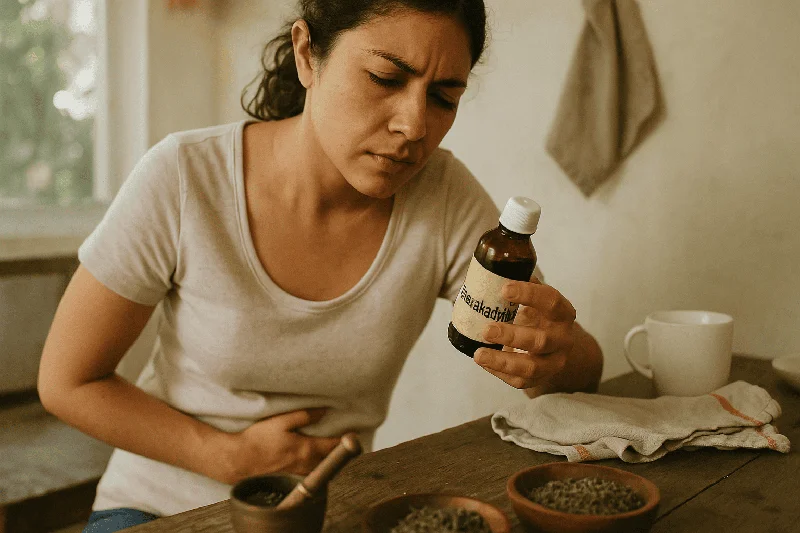
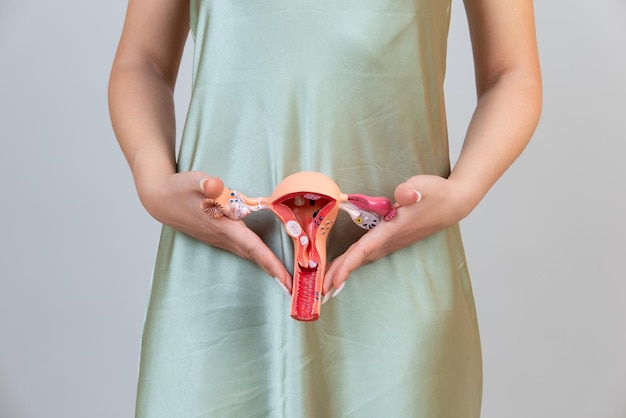
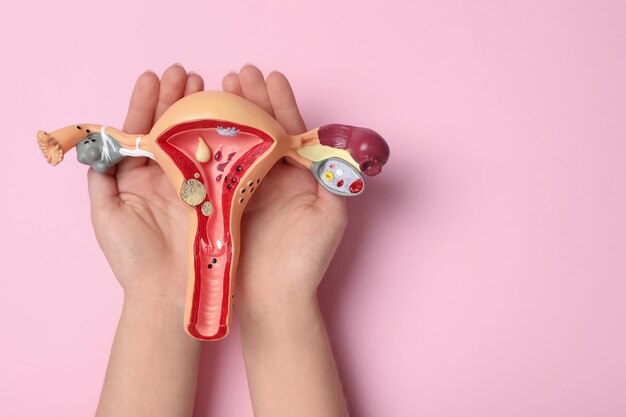
Pelvic Inflammatory Disease (PID) affects millions of individuals worldwide, often resulting from bacterial infections that ascend into the female reproductive organs. According to the World Health Organization (WHO), PID is a leading cause of infertility and chronic pelvic pain in women of reproductive age. In recent years, there has been growing interest in exploring complementary or alternative therapies—such as Ayurvedic medicine for PID—to supplement conventional medical treatments. This article delves into the scientific and Ayurvedic perspectives on PID, reviews current research findings, and offers balanced, evidence-based insights for those curious about a holistic approach.
Disclaimer: The information provided in this article is for educational purposes only and should not be considered a substitute for professional medical advice, diagnosis, or treatment. Always consult your healthcare provider for personalized guidance.
Table of Contents
- Understanding Pelvic Inflammatory Disease (PID)
- Conventional Medical Perspective on PID
- Ayurveda 101: Core Principles
- How Ayurveda Addresses PID
- Key Ayurvedic Herbs and Formulations
- Scientific Evidence and Clinical Studies
- Practical Tips for Integrating Ayurveda and Conventional Care
- Potential Risks and Precautions
- Frequently Asked Questions (FAQ)
- Conclusion: Bridging Ayurveda and Modern Medicine for PID
Understanding Pelvic Inflammatory Disease (PID)
Pelvic Inflammatory Disease is an infection-driven inflammation of the female reproductive organs, including the uterus, fallopian tubes, and ovaries. Commonly, sexually transmitted infections (STIs) like Chlamydia trachomatis and Neisseria gonorrhoeae serve as primary culprits behind PID. However, non-sexually transmitted bacteria can also contribute, especially after childbirth, abortion, or other invasive procedures.
Key Facts About PID
- Incidence: PID is prevalent among sexually active women under the age of 25, although it can affect older women as well.
- Symptoms: Lower abdominal pain, abnormal vaginal discharge, fever, painful intercourse, and irregular menstruation.
- Complications: If left untreated, PID can lead to infertility, ectopic pregnancy, and chronic pelvic pain.
- Diagnosis: Healthcare providers typically employ pelvic exams, ultrasound, and lab tests (like endocervical swabs) to confirm PID.
While PID is commonly managed with antibiotics, certain patients may look for adjunct therapies—such as Ayurveda—to address underlying inflammation, support the immune system, and possibly reduce the risk of recurrence.
Conventional Medical Perspective on PID
From a modern medical standpoint, antibiotic therapy is the mainstay of PID treatment. Oral or intravenous antibiotics are administered to eliminate the pathogenic bacteria causing inflammation. Pain management, sexual partner testing, and follow-up are integral parts of the standard protocol. According to the U.S. Centers for Disease Control and Prevention (CDC), early treatment is crucial for preventing severe complications like scarring of the fallopian tubes.
Standard Protocols in Allopathic Medicine
- Antibiotic Combinations: Often includes cephalosporins, doxycycline, and metronidazole.
- Supportive Care: Bed rest, hydration, pain relievers (NSAIDs), and nutritional support.
- Follow-Up: Repeat examinations or ultrasounds to ensure the infection has cleared.
- Lifestyle Recommendations: Safe sex practices, regular screenings, and timely treatment of STIs.
Despite the effectiveness of antibiotics in eradicating infection, some individuals may experience recurrent episodes or complications, prompting them to explore integrative approaches.
Ayurveda 101: Core Principles
Ayurveda, one of the world’s oldest holistic healing systems, originated in India over 5,000 years ago. It is grounded in the concept of balancing the body’s three fundamental biological energies, known as doshas: Vata, Pitta, and Kapha.
Fundamental Ayurvedic Concepts
- Tridosha Theory: Health is maintained when Vata, Pitta, and Kapha are in balance.
- Agni (Digestive Fire): Proper digestion and metabolism are essential for overall health.
- Ojas (Vital Energy): The end-product of balanced digestion and metabolism, representing immunity and vitality.
- Prakriti (Body Constitution): Each individual has a unique blend of doshas, influencing susceptibility to various health conditions.
By focusing on dietary adjustments, herbal supplements, and lifestyle modifications, Ayurveda seeks to restore systemic balance. In the context of PID, Ayurvedic practitioners may target the underlying inflammation (often attributed to aggravated Pitta) and low immunity (possibly tied to Vata or Kapha imbalances).
स्वयं दवा न लें और प्रतीक्षा न करें। अभी डॉक्टर से चैट शुरू करें
How Ayurveda Addresses PID
Ayurvedic Perspective
In Ayurvedic texts, conditions that resemble PID may be described under categories involving pelvic congestion, infections, or disorders of the reproductive system. Ayurvedic philosophy would approach PID by:
- Reducing Pitta Imbalances: Pitta dosha is associated with heat and inflammation in the body, making it central to many infections.
- Improving the Body’s Immune Response (Ojas): Strengthening the immune system to ward off recurrent infections.
- Detoxification (Panchakarma): Using therapies like basti (medicated enemas) or virechana (therapeutic purgation) to eliminate toxins.
- Lifestyle Optimization: Adopting dietary changes, yoga, and pranayama (breathing exercises) to reduce stress and enhance circulation.
While Ayurveda provides a comprehensive framework for overall health improvement, it is vital to remember that PID is a severe infection that typically requires antibiotic intervention to prevent long-term damage to reproductive organs.
Key Ayurvedic Herbs and Formulations
A variety of Ayurvedic herbs are traditionally recommended for infections, inflammation, and boosting immunity. Below are some commonly cited herbs and formulations that may be part of an Ayurvedic approach to PID:
-
Turmeric (Curcuma longa)
- Active Component: Curcumin.
- Potential Benefits: Anti-inflammatory and antimicrobial properties (
PubMed ). - Usage: Often taken with warm milk or as a supplement.
-
Ashwagandha (Withania somnifera)
- Potential Benefits: Immunomodulatory effects that may help the body respond better to infections.
- Usage: Commonly available in powder or capsule form.
-
Guduchi (Tinospora cordifolia)
- Potential Benefits: Known in Ayurveda for its rejuvenating and immune-boosting properties.
- Usage: Typically used in decoctions or capsules.
-
Triphala
- Composition: A blend of three fruits—Amalaki (Emblica officinalis), Bibhitaki (Terminalia bellirica), and Haritaki (Terminalia chebula).
- Potential Benefits: Aids digestive health and detoxification.
- Usage: Taken as a powder with warm water or as a tablet.
-
Panchakarma Therapies
- Procedures: Virechana (purgation), Basti (enema), and others.
- Rationale: Believed to help remove accumulated toxins and balance doshas.
Note: While these herbs and therapies are frequently used in Ayurvedic practice, their efficacy in managing PID specifically remains subject to further clinical research. Always consult a qualified Ayurvedic practitioner and your primary healthcare provider before initiating any new treatment.
Scientific Evidence and Clinical Studies
Interest in Ayurvedic medicine for PID is growing, yet robust, large-scale clinical trials specifically examining Ayurvedic protocols for PID are limited. Here is a summary of what the existing body of research suggests:
- Inflammation and Immunity: Herbs like turmeric and ashwagandha have documented anti-inflammatory and immunomodulatory effects in various studies (
National Center for Complementary and Integrative Health ). However, these studies often focus on general inflammation rather than PID-specific inflammation. - Antibacterial Properties: Certain Ayurvedic formulations exhibit antibacterial properties in laboratory settings. For instance, turmeric has shown efficacy against various bacterial strains, but clinical trials on Neisseria gonorrhoeae or Chlamydia trachomatis are scarce.
- Adjunctive Therapy: Preliminary reports suggest that Ayurvedic interventions, when combined with standard antibiotics, might support overall health and reduce recurrence rates. However, more randomized controlled trials (RCTs) are needed to confirm these findings definitively.
Ultimately, while there is a promising theoretical basis, more rigorous scientific research is required to establish clear guidelines for Ayurvedic medicine for PID. Existing studies highlight potential complementary benefits, but they do not replace antibiotic regimens.
Practical Tips for Integrating Ayurveda and Conventional Care
-
Consult with Professionals
- Always involve both your gynecologist and a certified Ayurvedic practitioner. Inform them about any herbs or supplements you intend to take.
-
Adopt a Balanced Diet
- Emphasize anti-inflammatory foods like fresh fruits, vegetables, whole grains, and healthy fats.
- Limit sugary, processed, and excessively spicy foods to help reduce Pitta imbalance.
-
Stay Hydrated
- Adequate water intake assists in detoxification and supports overall metabolic function.
-
Optimize Sleep and Stress Management
- Insufficient sleep or chronic stress can weaken the immune system, making the body more susceptible to infections.
- Incorporate yoga, pranayama, or meditation sessions to foster mental balance.
-
Hygiene and Safe Sexual Practices
- Use condoms to prevent sexually transmitted infections.
- Follow personal hygiene measures, especially during menstruation, to reduce infection risk.
-
Regular Medical Check-Ups
- PID requires consistent follow-up to ensure the infection has resolved.
- If you notice persistent symptoms like pain or abnormal discharge, seek immediate medical evaluation.
By combining the strengths of modern medicine—such as targeted antibiotics—with the supportive, holistic strategies offered by Ayurveda, individuals may achieve a more comprehensive approach to managing PID.
Potential Risks and Precautions
- Drug-Herb Interactions: Certain herbal supplements can interact with medications (including antibiotics and pain relievers), potentially reducing their efficacy or causing side effects.
- Quality Control: Ayurvedic products vary significantly in quality. Always look for reputable brands that adhere to good manufacturing practices (GMP).
- Misdiagnosis or Delayed Treatment: Depending solely on Ayurvedic remedies for acute PID may lead to delays in receiving necessary antibiotic treatment, heightening the risk of complications.
- Allergic Reactions: Herbs like turmeric or ashwagandha can sometimes trigger allergic reactions. Conduct a patch test or start with small doses if you are prone to allergies.
Frequently Asked Questions (FAQ)
-
Can Ayurveda cure PID without antibiotics?
- There is insufficient evidence to suggest that Ayurvedic medicine alone can cure PID. Antibiotics remain essential for treating the underlying infection. However, Ayurveda may offer supportive therapies to enhance overall health and potentially reduce recurrence.
-
Which Ayurvedic herb is best for PID?
- There is no single “best” herb. A combination of anti-inflammatory and immune-supporting herbs like turmeric, ashwagandha, and guduchi may be recommended by an Ayurvedic practitioner based on your unique constitution.
-
Is it safe to try Panchakarma for PID?
- Panchakarma, when performed by a qualified and experienced Ayurvedic practitioner, can be beneficial for detoxification and stress reduction. However, it should not replace conventional medical treatments and must be timed carefully, typically after acute infections are controlled.
-
How long does an Ayurvedic treatment plan for PID last?
- Treatment duration varies depending on the severity of the condition, overall health, and individual response. Some regimens may last a few weeks, while others could extend for several months.
-
Can men benefit from Ayurveda if their partners have PID?
- While PID predominantly affects women, men may benefit from Ayurvedic advice on general immunity, hygiene, and STI prevention. Maintaining good sexual health practices is crucial for both partners.
Conclusion: Bridging Ayurveda and Modern Medicine for PID
Ayurvedic medicine for PID can offer a holistic complement to standard medical care, focusing on balancing doshas, reducing inflammation, and boosting immunity. Current scientific research indicates that certain Ayurvedic herbs possess anti-inflammatory and antimicrobial properties, supporting overall health and possibly aiding in recovery. Nevertheless, antibiotics and conventional diagnostics remain indispensable for thoroughly treating PID and averting serious complications such as infertility and chronic pelvic pain.
For those intrigued by a more holistic path, the best course of action is to consult both a qualified Ayurvedic practitioner and a modern healthcare provider. This ensures that any herbal interventions or lifestyle changes align safely and effectively with antibiotic therapy. By merging the strengths of traditional knowledge and contemporary science, individuals may find an integrative approach that nurtures well-being from multiple angles.
Ready to Explore Further?
- Share this article with anyone who might benefit from understanding Ayurvedic perspectives on PID.
- Comment below if you have personal experiences or questions related to combining Ayurveda with conventional treatments.
- Subscribe to our newsletter for more evidence-based insights into complementary health approaches.
Disclaimer: This article is for educational purposes only and does not constitute medical advice. Consult a healthcare professional for personalized recommendations regarding your condition.
References:
- World Health Organization (WHO):
www.who.int - Centers for Disease Control and Prevention (CDC):
www.cdc.gov - National Center for Complementary and Integrative Health (NCCIH):
www.nccih.nih.gov - PubMed:
www.pubmed.ncbi.nlm.nih.gov
उपयोगकर्ताओं के प्रश्न
How can I prepare for a consultation about PID treatment options?
Client_068a90
8 दिनों पहले
To prepare for a consultation about PID (Pelvic Inflammatory Disease) treatment options, start by gathering your medical history, including any symptoms you've experienced, past PID incidents, and any medications or supplements you're currently taking. Be ready to discuss sexual history, as this helps in assessing risk factors and deciding whether sexual partners need testing. Ask questions about the standard treatment timeline, which often involves a two-week course of antibiotics. If you're considering supplementary treatments like Ayurveda, discuss potential interactions with your healthcare provider.
What are the symptoms of PID and how is it diagnosed?
Client_9e4592
18 दिनों पहले
Pelvic Inflammatory Disease (PID) symptoms can vary but often include pelvic pain, fever, unusual vaginal discharge, painful urination, and irregular menstrual bleeding. Diagnosis involves a pelvic exam, laboratory tests to check for infection, and sometimes ultrasound or endometrial biopsy. It's crucial to seek medical attention if you suspect PID, as untreated PID can lead to infertility or chronic pelvic pain. Doctors often prescribe antibiotics as an effective treatment; however, severe cases may require hospitalization. If you notice symptoms, see a healthcare provider promptly for an accurate diagnosis and appropriate treatment.
How can stress management techniques support recovery from PID?
Client_2d499a
28 दिनों पहले
Stress management techniques can support recovery from pelvic inflammatory disease (PID) by reducing cortisol levels, which may help the immune system function more effectively. Practices such as yoga, meditation, and deep-breathing exercises are known to alleviate stress and promote overall well-being. While stress management won't directly treat PID, it can enhance your body's ability to heal alongside prescribed antibiotic treatments. It's crucial to follow medical advice and consult a healthcare professional, especially if symptoms persist or worsen. Ayurvedic practices can complement modern medicine but always check with your doctor before starting any new therapy.
How long does it typically take to recover from PID with antibiotic treatment?
Client_5f5cc0
37 दिनों पहले
Pelvic Inflammatory Disease (PID) typically starts to improve within a few days of starting antibiotic treatment, but complete recovery can take about 2 to 3 weeks. It's essential to finish the entire course of prescribed antibiotics, even if symptoms improve. During recovery, pain management, testing and treating sexual partners, and avoiding sexual intercourse until cleared by a doctor are crucial. If symptoms persist or worsen after 3 days of treatment, seek medical attention promptly. Ayurveda might address underlying inflammation, but always align such approaches with medical advice.
Can I use acupuncture as part of my treatment plan for PID alongside antibiotics?
Client_155861
47 दिनों पहले
Absolutely, acupuncture can be a beneficial addition to your treatment plan for PID, working alongside antibiotics. It might help with pain management and overall well-being. Just make sure to discuss it with your healthcare provider to ensure both treatments complement each other safely and effectively!
What is the role of diet in supporting recovery from PID alongside antibiotics?
Client_6186a7
57 दिनों पहले
Diet plays a supportive role in recovering from PID by boosting your overall strength and helping body to heal. Focus on easy-to-digest foods to keep your agni (digestion) strong. Warm soups, steamed veggies, and staying hydrated can be helpful. Also, avoid spicy and heavy foods that might aggravate inflammation. Balancing your diet as per your dosha can also help!
Can I take Ayurvedic supplements during antibiotic treatment for other infections?
Client_bcd428
66 दिनों पहले
You can take Ayurvedic supplements with antibiotics, but timing is important. It's best to avoid taking them simultaneously. Consider giving a few hours gap to ensure no interaction. Always consult an Ayurvedic doctor and your healthcare provider before combining them to make sure it's safe and beneficial for your specific situation!
Is it safe to use herbal supplements during antibiotic treatment for PID?
Client_ac99ef
75 दिनों पहले
It's generally safe, but it's essential to be careful. Herbal supplements can sometimes interfere with antibiotics effectiveness or cause unwanted side effects. Best bet is to check in with your healthcare provider before combining the two. They can guide you, considering your specific condition and any other medications you're taking!
Can I use probiotics while taking antibiotics for PID to support my recovery?
Client_554697
84 दिनों पहले
Yes, you can use probiotics while taking antibiotics for PID. Antibiotics can disrupt gut flora, and probiotics might help restore balance. Just make sure to separate them by 2 hours, so they don’t counteract each other. Also, before trying this, it's good to check in with your healthcare provider. Hope it helps!
What is the standard follow-up procedure after Ayurvedic treatment for PID?
Client_08c83d
93 दिनों पहले
For follow-up after Ayurvedic treatment for PID, it's usually about monitoring symptoms, balancing doshas, and maintaining digestive health (agni). Regular visits with an Ayurvedic practitioner might happen to adjust your treatment. They'd focus on diet, lifestyle changes, and herbs to prevent recurrence. Keep your primary healthcare provider in the loop too!
संबंधित आलेख

Gynecology and Obstetrics
Saptasaram Kashayam Uses: A Comprehensive Guide
Discover the top Saptasaram Kashayam uses, backed by scientific insights and Ayurvedic expertise. Learn benefits, research findings, and safety tips here.
4,236

Gynecology and Obstetrics
प्रदरांतक रस के फायदे, खुराक, सामग्री, साइड इफेक्ट्स
प्रदरांतक रस के फायदे, खुराक, सामग्री, और साइड इफेक्ट्स की जानकारी
3,230

Gynecology and Obstetrics
Ashokarishta Uses, Dose, Side Effects, And Ingredients
Exploration of Ashokarishta Uses, Dose, Side Effects, And Ingredients
5,337
Gynecology and Obstetrics
Ayurvedic Medicine for Regular Periods: What Really Works?
Okay, let’s get honest for a second. If your periods are all over the place—late, early, heavy, barely there—you’re not alone. In fact, irregular menstruation is so common these days that it’s easy to brush off. Stress? Work? Travel? Sure. But behind the
3,492

Gynecology and Obstetrics
Ashokarishta for PCOS: Ayurvedic Solution for Hormonal Balance and Health
Discover how Ashokarishta, an Ayurvedic tonic, can help manage PCOS by balancing hormones, improving menstrual health, and reducing symptoms associated with the condition.
5,677

Gynecology and Obstetrics
Can Ayurveda Dissolve Fibroids? Natural Remedies, Diet, and Treatment
Can Ayurveda dissolve fibroids? Discover Ayurvedic treatments, herbal remedies, diet tips, and lifestyle practices to manage and shrink fibroids naturally
2,961

Gynecology and Obstetrics
Ayurvedic Postpartum Wellness Guide and Recovery Tips
Childbirth is a significant event for both body and mind. Childbirth brings a new soul into the world and starts the journey for two others.
3,951

Gynecology and Obstetrics
पीरियड्स के बाद ब्राउन डिस्चार्ज को नेचुरली कैसे रोकें
पीरियड्स के बाद ब्राउन डिस्चार्ज को कैसे रोकें? जानें घरेलू उपाय, ब्राउन डिस्चार्ज को कम करने के तरीके, और ब्राउन चिपचिपा या पानी जैसा डिस्चार्ज से निपटने के आयुर्वेदिक तरीके।
9,775

Gynecology and Obstetrics
How to Get Periods Immediately: Ayurvedic Remedies, Food, and Tips
Learn how to get periods immediately using natural methods, food, exercises, and Ayurvedic remedies. Understand safe ways to induce menstruation effectively
16,225

Gynecology and Obstetrics
Kaharva Pishti Uses – Natural Ayurvedic Remedy for Health Balance
Discover the diverse kaharva pishti uses in Ayurveda for enhancing digestive health, balancing doshas, and promoting overall wellness with this time-tested natural remedy.
2,633
विषय से संबंधित परामर्श
अतिरिक्त दस्तावेज़
© 2024 Ask Ayurveda. सर्वाधिकार सुरक्षित।