आयुर्वेदिक डॉक्टर से प्रश्न पूछें और निःशुल्क या भुगतान मोड में अपनी चिंता की समस्या पर ऑनलाइन परामर्श प्राप्त करें। 2,000 से अधिक अनुभवी डॉक्टर हमारी साइट पर काम करते हैं और आपके प्रश्नों का इंतजार करते हैं और उपयोगकर्ताओं को उनकी स्वास्थ्य समस्याओं को हल करने में प्रतिदिन मदद करते हैं।


Body DetoxEar, Nose, and Throat DisordersGeriatrics & RejuvenationImmunodeficiencyInfertility TreatmentNutritionOrthopedic DisordersPediatricsRespiratory DisordersSexually Transmitted Diseases (STDs)Surgery RecoveryUrological DisordersVascular DisordersDental DisordersEndocrinological DisordersGastrointestinal DisordersYoga TherapyGeneral MedicineAllergic DisordersCardio DisordersGynecology and ObstetricsCosmetologySkin and Hair DisordersEye DisordersInfectious DiseasesMental DisordersNeurological DisordersOncologyPanchakarmaSexual Health & DisordersSports Medicine
पर प्रकाशित 10/14/24
(को अपडेट 08/12/26)
3,170
Ayurveda healing for Gynecology

Ayurveda for gynecology is the application of ancient Indian medical wisdom — rooted in dosha balancing, herbal therapeutics, Panchakarma detox, and lifestyle modification — to treat and prevent female reproductive disorders such as PCOS, infertility, menstrual irregularities, endometriosis, fibroids, and menopausal symptoms. Known as Stri Roga (gynecological diseases) and Prasuti Tantra (obstetrics) in classical texts, Ayurvedic gynecology offers a whole-body approach that addresses root causes rather than just suppressing symptoms.
- If you're dealing with hormonal imbalance, painful periods, difficulty conceiving, or navigating menopause — Ayurveda provides time-tested protocols backed by growing clinical evidence.
- This guide covers everything: the foundational principles, specific conditions, key herbs with dosages, Panchakarma therapies, dietary advice, and an honest comparison with modern medicine.
What Is Gynecology in Ayurveda? Understanding Stri Roga and Prasuti Tantra
- Ayurvedic gynecology is not a recent invention. It was systematically codified thousands of years ago in texts like Charaka Samhita, Sushruta Samhita, and Kashyapa Samhita.
- The discipline is divided into two interconnected branches:
- Stri Roga — Deals with gynecological diseases. Classical texts describe conditions under terms like Yonivyapad (vaginal/uterine disorders — 20 types), Artava Dushti (menstrual disorders — 8 types), Asrugdar (abnormal uterine bleeding), and Shweta Pradara (leucorrhoea).
- Prasuti Tantra — Covers obstetrics, including preconception care (Pumsavana Karma), antenatal care (Garbhini Paricharya), month-wise pregnancy protocols (Garbha Sanskara), and postnatal care (Sutika Paricharya).
The Three Doshas and Female Reproductive Health
Everything in Ayurveda flows from the concept of three doshas — Vata, Pitta, and Kapha.
In gynecology, their influence is particularly pronounced:
- Vata Dosha governs all movement in the body, including the downward movement of menstrual flow (Apana Vayu).
- When Vata is aggravated, you see:
- Irregular or scanty periods (Artava Kshaya)
- Severe menstrual cramps (dysmenorrhea)
- Dryness, anxiety, insomnia around menses
- Difficulty conceiving due to poor ovarian function
- Pitta Dosha controls metabolism, hormones, and transformation.
- Pitta imbalance manifests as:
- Heavy bleeding (Asrugdar / menorrhagia)
- Burning sensation, inflammation, infections
- Acne, irritability, and heat flashes during menstruation
- Premature menopause or intense menopausal symptoms
- Kapha Dosha governs structure, lubrication, and growth.
- Excess Kapha leads to:
- PCOS with weight gain, cyst formation, and sluggish metabolism
- Thick, whitish vaginal discharge (leucorrhoea / Shweta Pradara)
- Uterine fibroids and endometrial thickening
- Lethargy and fluid retention during cycles
The Role of Agni, Ama, and Ojas in Women's Health
Beyond doshas, three additional concepts are crucial for understanding Ayurvedic gynecology:
- Agni (Digestive Fire): Weak digestive fire impairs nutrient absorption and hormone production. Since reproductive tissue (Shukra/Artava Dhatu) is the last of the seven dhatus to be nourished, poor Agni directly affects fertility and menstrual health.
- Ama (Toxins): Undigested metabolic waste accumulates in channels (srotas), blocking nutrient flow to reproductive organs. Ama in the Artavavaha Srotas (menstrual channels) is a primary cause of PCOS, endometriosis, and infertility.
- - Ojas (Vital Energy): The finest essence of all dhatus.
- Depleted Ojas — from chronic stress, poor sleep, or over-exertion — weakens immunity and reproductive vitality.
This three-level framework (Dosha-Dhatu-Mala) gives Ayurveda a nuanced understanding of why two women with the "same" diagnosis (e.g., PCOS) may recieve entirely different treatment plans.
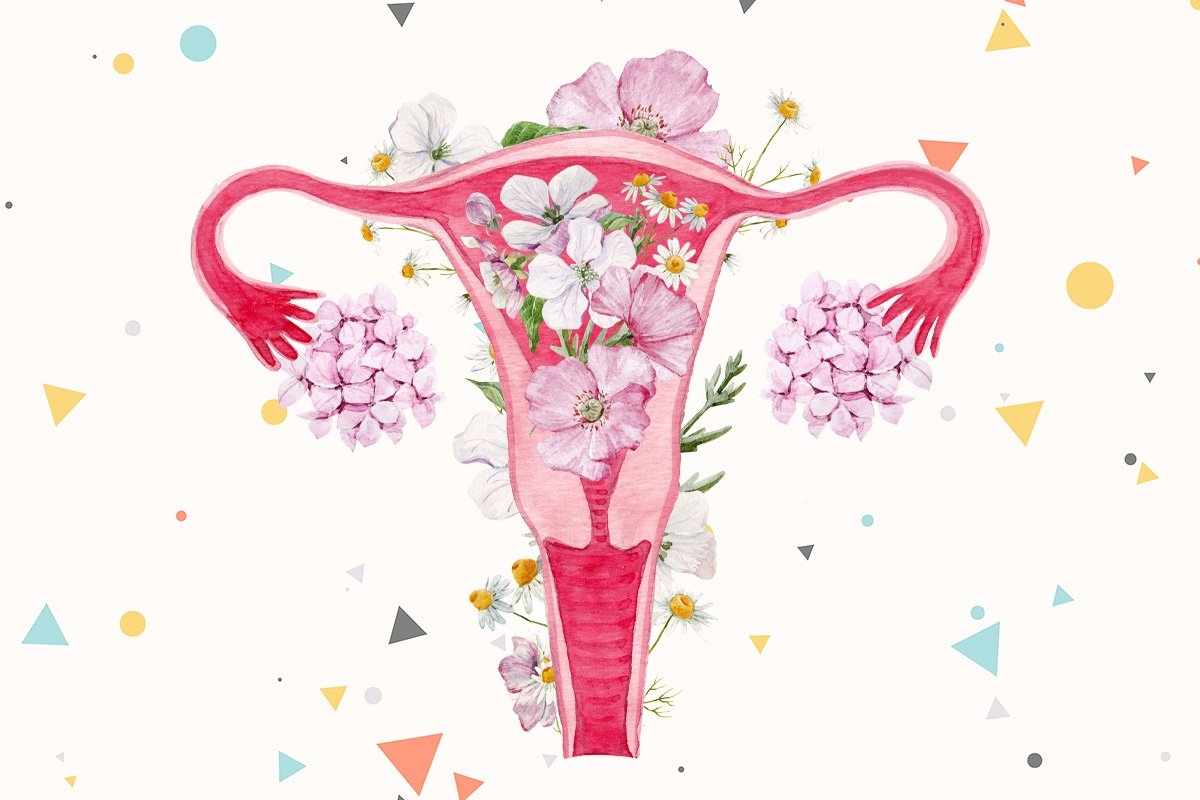
How to Balance Female Hormones in Ayurveda
Hormonal imbalance is arguably the most common complaint in modern gynecology. Ayurveda approaches it through a multi-layered protocol rather than a single herb or pill.
Dietary Recommendations by Dosha Type
| Dosha Imbalance | Foods to Favor | Foods to Avoid | Key Principle |
|---|---|---|---|
| Vata (irregular cycles, anxiety) | Warm, cooked, oily foods; ghee, sesame oil, root vegetables, whole grains | Raw salads, cold drinks, dry crackers, excessive caffeine | Nourish and ground |
| Pitta (heavy bleeding, inflammation) | Cooling foods; coconut, coriander, bitter greens, sweet fruits, milk | Spicy food, fermented foods, alcohol, sour fruits | Cool and soothe |
| Kapha (PCOS, weight gain, cysts) | Light, warm, spicy foods; barley, millet, green vegetables, honey | Dairy, sugar, fried foods, wheat, cold foods | Stimulate and lighten |
Lifestyle Modifications
- Yoga: Specific asanas like Baddha Konasana (Bound Angle Pose), Supta Virasana (Reclining Hero Pose), and Viparita Karani (Legs Up the Wall) improve pelvic blood flow. A 2017 study in the Journal of Alternative and Complementary Medicine found that 12 weeks of yoga practice reduced testosterone levels and improved menstrual regularity in women with PCOS (n=31).
- Pranayama: Nadi Shodhana (alternate nostril breathing) and Bhramari (bee breath) directly reduce cortisol. Since cortisol disrupts the hypothalamic-pituitary-ovarian axis, stress management is not optional — its essential.
- Sleep Hygiene: Ayurveda recommends sleeping by 10 PM to align with natural circadian rhythms. Late-night waking aggravates both Vata and Pitta, worsening hormonal disruption.
- Abhyanga (Self-Massage): Daily warm oil massage with sesame oil (Vata), coconut oil (Pitta), or mustard oil (Kapha) calms the nervous system and improves lymphatic drainage in the pelvic region.
The 80/20 Rule in Ayurveda
- You might have come across this phrase in Ayurvedic wellness circles.
- It refers to a practical dietary principle: eat until your stomach is about 80% full, leaving 20% space for digestive fire to work efficiently. When applied to gynecological health, this prevents Ama formation and keeps Agni strong — directly supporting hormonal metabolism. It's not a rigid rule but a helpful guideline that many practitioners emphasize for women with PCOS or sluggish digestion.
Ayurvedic Treatment for PCOS and PCOD
Polycystic Ovarian Syndrome is the most searched gynecological condition in India, and for good reason — it affects an estimated 20-25% of Indian women of reproductive age according to a 2020 meta-analysis published in Human Reproduction Update.
- Ayurveda views PCOS primarily as a Kapha-Vata disorder with Ama accumulation in the Artavavaha Srotas.
- The approach is threefold: detox, restore Agni, and balance hormones.
Key Herbs for PCOS with Dosages
| Herb | Dosage (General Adult) | Form | Primary Action | Evidence |
|---|---|---|---|---|
| Shatavari (Asparagus racemosus) | 500–1000 mg, twice daily | Powder/tablet | Estrogen modulation, follicular development | A 2018 study in Biomedicine & Pharmacotherapy showed antiandrogenic and ovarian-protective effects in PCOS animal models |
| Ashwagandha (Withania somnifera) | 300–600 mg standardized extract, once daily | Capsule | Cortisol reduction, thyroid support, improved insulin sensitivity | An 8-week RCT (n=52) in Journal of Ethnopharmacology (2019) showed significant reduction in serum cortisol and TSH |
| Turmeric / Curcumin | 500 mg curcumin with piperine, twice daily | Capsule | Anti-inflammatory, insulin sensitizing | A 2019 RCT (n=60) in Complementary Therapies in Medicine demonstrated reduced fasting blood sugar and CRP in PCOS women |
| Kanchanara (Bauhinia variegata) | 500 mg, twice daily | Tablet/decoction | Resolves cysts and growths, supports thyroid | Classical use in Kanchanara Guggulu for cystic conditions |
| Guduchi (Tinospora cordifolia) | 500 mg, twice daily | Tablet | Immunomodulator, detoxifier | Experimental studies show improved glucose metabolism |
| Triphala | 2–3 g at bedtime with warm water | Powder | Ama removal, bowel regulation | Widely documented antioxidant and gentle laxative properties |
> Important Note on Dosages: The dosages above are general guidelines from classical Ayurvedic practice and published clinical studies. Individual dosages must be adjusted based on your Prakriti (constitution), Vikriti (current imbalance), body weight, digestive strength, and concurrent medications. Always consult a qualified Ayurvedic practitioner before starting any protocol.
Panchakarma Therapies for PCOS
- Virechana (Therapeutic Purgation): Eliminates excess Pitta and Kapha from the GI tract. Particularly effective for PCOS with acne, heavy bleeding, or metabolic syndrome.
- Vasti / Basti (Medicated Enema): Yapana Basti with Dashamoola decoction addresses Vata disturbance, regulates Apana Vayu, and improves ovarian function. This is considered the most powerful intervention for reproductive disorders in Ayurveda.
- Uttara Vasti (Intra-uterine/Intra-vaginal administration): Medicated oils or decoctions administered directly to the uterus — used in chronic cases of PCOS, tubal blockage, and recurrent implantation failure.
Can Ayurveda Cure Female Infertility?
Let's be honest about this. Ayurveda may not "cure" every case of infertility, but it demonstrably improves fertility outcomes — especially in functional infertility, unexplained infertility, PCOS-related anovulation, and as a complement to IVF/IUI.
Classical Ayurveda calls infertility Vandhyatwa and identifies four essential factors for conception: healthy sperm (Shukra), healthy ovum and uterus (Artava, Kshetra), proper nutrition (Rasa), and a receptive mind (Atma). If any of these is compromised, conception doesn't occur.
Ayurvedic Fertility Protocols
Preconception Care (Pumsavana Karma): A structured 3-6 month protocol for both partners that includes:
- Shodhana (Panchakarma detox) to remove Ama from reproductive channels
- Vajikarana (aphrodisiac therapy) with herbs like Shatavari, Ashwagandha, Musli, and Kapikacchu
- Specific dietary regimen emphasizing milk, ghee, almonds, dates, and saffron
- Stress management through meditation and mantra practices
- Timed intercourse aligned with Ritu Kala (fertile window)
For Tubal Blockage: Uttara Vasti with medicated oils (e.g., Phala Ghrita, Shatapushpa Taila) has shown clinical benefit. A 2016 observational study at Gujarat Ayurved University reported improved tubal patency in 12 out of 18 women after 6 cycles of Uttara Vasti.
- As Adjunct to IVF/IUI: A growing body of evidence suggests Ayurvedic preparation improves IVF outcomes.
- The logic is straightforward — a well-nourished, detoxified, hormonally balanced body responds better to assisted reproduction. Several Indian Ayurvedic hospitals now offer integrated fertility programs combining ART with Panchakarma.
When Ayurveda Alone Is Not Enough
- This is something most competitor articles won't tell you.
- Ayurveda may have limited efficacy in:
- Structural abnormalities (severe tubal damage, absent uterus, significant Müllerian anomalies)
- Severe male factor infertility (azoospermia, severe oligospermia — though Vajikarana may help mild cases)
- Age-related diminished ovarian reserve (especially after 40, when follicular pool is critically low)
- Genetic conditions affecting reproduction
In these cases, an integrative approach — Ayurveda for body preparation combined with modern reproductive medicine for intervention — often yields the best results.
Ayurvedic Management of Menstrual Disorders
Menstrual disorders represent the broadest category of Stri Roga. Classical texts describe them with remarkable precision.
Dysmenorrhea (Rajah Kruchrata — Painful Periods)
- Vata is the primary culprit. The Apana Vayu gets obstructed, causing spasmodic pain.
- Ayurvedic management includes:
- Dashamoola decoction: 15-20 ml twice daily, starting 5 days before expected menses. Dashamoola (ten roots) is the premier Vata-pacifying formula for pelvic pain.
- Warm oil abdominal massage: Sesame oil infused with Dashamoola applied to the lower abdomen, followed by warm compress.
- This is remarkably effective — many women report significant pain reduction within 2-3 cycles.
- Shatavari + Ashoka combination: 500 mg each, twice daily, throughout the cycle. Ashoka (Saraca asoca) is the most celebrated uterine tonic in Ayurveda — its very name means "remover of sorrow."
- Ginger tea: Fresh ginger decoction during menses. A 2009 RCT in the Journal of Alternative and Complementary Medicine (n=150) showed that 250 mg ginger capsules taken 4 times daily during the first 3 days of menses were as effective as ibuprofen for pain relief.
Amenorrhea and Oligomenorrhea (Artava Kshaya — Scanty or Absent Periods)
- Typically a Vata disorder with depletion of Rasa and Rakta Dhatu.
- Treatment focuses on nourishment:
- Phala Ghrita — 10 ml with warm milk, twice daily
- Shatavari Kalpa — traditional rejuvenative preparation
- Kumari (Aloe vera) — 10 ml juice, morning, empty stomach
- Nutritive diet rich in iron, healthy fats, and protein
Menorrhagia (Asrugdar — Excessive Bleeding)
A Pitta-Rakta disorder.
The approach is cooling and hemostatic:
- Ashoka bark decoction: 20-30 ml, twice daily. A 2012 study published in Ancient Science of Life demonstrated significant reduction in menstrual blood loss with Ashoka bark extract over 3 cycles.
- Praval Pishti (Coral calcium) + Mukta Pishti (Pearl calcium): 250 mg each, twice daily — classical hemostatic and Pitta-pacifying minerals.
- Durva (Cynodon dactylon) juice: 10-15 ml twice daily — a potent herbal hemostatic.
- Avoid spicy, sour, and fermented foods during menses.
स्वयं दवा न लें और प्रतीक्षा न करें। अभी डॉक्टर से चैट शुरू करें
Endometriosis, Fibroids, and Leucorrhoea: Conditions Others Overlook
These three conditions are surprisingly undertreated in Ayurvedic online resources, despite being extremely common and well-addressed in classical practice.
Endometriosis and Adenomyosis
Ayurveda views endometriosis as a Vata-Kapha disorder with Ama and Rakta Dushti (blood vitiation). The endometrial tissue growing outside the uterus represents displaced Vata carrying Kapha (growth) and Pitta (inflammation).
Protocol:
- 1.Virechana followed by Basti — the foundational detox sequence
- 2.Shatavari + Guduchi + Turmeric — anti-inflammatory triad (500 mg each, twice daily)
- 3.Kanchanara Guggulu — 2 tablets, twice daily, for 3-6 months, to address growths and adhesions
- 4.Warm castor oil packs on lower abdomen — 3-4 times per week, outside of menses
- 5.Strict anti-inflammatory diet — avoid dairy, refined sugar, red meat, and alcohol
Uterine Fibroids (Garbhashaya Granthi)
Fibroids are Kapha-dominant growths with Vata providing the disruption that triggers abnormal cell proliferation:
- Kanchanara Guggulu — primary formulation, 2 tablets twice daily
- Shigru (Moringa oleifera) — 500 mg, twice daily — anti-tumorigenic properties
- Triphala Guggulu — for fibroids with associated constipation
- Virechana seasonally (every 3-4 months) to prevent Ama accumulation
A 2015 case series at Tilak Ayurved Mahavidyalaya, Pune, documented significant fibroid size reduction in 8 out of 15 patients treated with Kanchanara Guggulu and Uttara Vasti over 6 months.
Leucorrhoea (Shweta Pradara)
Excessive whitish vaginal discharge is one of the most common complaints in Indian gynecological practice. Ayurveda links it to Kapha aggravation and Rasa-Rakta Dhatu dysfunction:
- Pradarantak Churna — classical formulation
- Lodhra (Symplocos racemosa) — 500 mg, twice daily — astringent and uterine tonic
- Ashoka + Udumbara combination — decoction, 20 ml twice daily
- Pushyanuga Churna — 3-5 g with rice water or honey, twice daily — one of the most effective classical formulations for all types of Pradara
- Vaginal douche with Triphala decoction — once daily for 7-10 days in acute cases


Infertility Frigidity Leucorrhoea


Menopause Dysmenorrhoea Breast Pain and Lumps

Menopause, Prenatal, and Postnatal Care in Ayurveda
Managing Menopausal Symptoms
Menopause (Rajonivritti) typically occurs between 45-55 years and is primarily a Vata transition with Pitta flare-ups. Ayurveda excels here because it addresses the multi-system nature of menopausal symptoms:
- Shatavari — the premier menopausal herb, 1000 mg twice daily. Contains phytoestrogens that partially compensate for declining estrogen without the risks associated with HRT.
- Ashwagandha — for anxiety, insomnia, and fatigue
- Saraswatarishta — liquid formulation for mood swings and cognitive changes
- Praval Pishti + Mukta Pishti — for hot flashes and bone health
- Rasayana therapy — rejuvenative protocols using Chyawanprash, Brahma Rasayana, or Abhaya Amalaki Rasayana for overall vitality
Prenatal Care (Garbhini Paricharya)
Classical Ayurveda prescribes month-by-month pregnancy protocols — a concept remarkably similar to modern trimester-based care but far more detailed:
- Month 1-2: Cold milk with honey and ghee; light, sweet, liquid diet
- Month 3-4: Milk with ghee and butter; Shatavari supplementation
- Month 5-6: Medicated ghee (Phala Ghrita, Kalyanaka Ghrita); increased protein
- Month 7-8: Basti with mild medicated oils to facilitate delivery; special abdominal oil massage
- Month 9: Light diet, gentle walking, Dashamoola decoction to prepare the birth canal
Postnatal Care (Sutika Paricharya)
- The first 45 days after delivery (Sutika Kala) are critical.
- Ayurveda prescribes:
- Dashamoola decoction — for uterine involution and pain
- Warm oil massage (Abhyanga) — daily, with Bala Taila
- Special diet — easily digestible, warm foods; ghee, ajwain water, dry ginger, garlic
- Gradual return to normal activity — no heavy work for 6 weeks
This is one area where traditional Indian practices and Ayurveda beautifully align with what modern evidence recommends.
Ayurveda vs Modern Medicine for Gynecological Conditions: An Honest Comparison
| Condition | Ayurveda Strengths | Modern Medicine Strengths | Best Approach |
|---|---|---|---|
| PCOS | Root-cause treatment, sustainable weight loss, no side effects from metformin/OCP | Rapid symptom control, insulin sensitizers for severe IR | Integrative — Ayurveda as primary, modern medicine for monitoring |
| Infertility (functional) | Excellent for unexplained infertility, mild-moderate ovulatory dysfunction | IVF/IUI for tubal factor, severe male factor, or after Ayurvedic prep | Integrative — Ayurveda for preparation, ART if needed |
| Dysmenorrhea | Comparable efficacy to NSAIDs without GI side effects | Rapid pain relief, OCP for severe cases | Ayurveda first-line for mild-moderate; integrative for severe |
| Fibroids | May reduce size over time; prevents recurrence | Surgery (myomectomy, hysterectomy) for large symptomatic fibroids | Ayurveda for small/asymptomatic; surgery for large/complicated |
| Endometriosis | Reduces inflammation and pain; slows progression | Laparoscopy for diagnosis and excision; GnRH agonists | Integrative — surgery for advanced disease, Ayurveda for management |
| Menopause | Holistic symptom management without HRT risks | HRT highly effective for severe vasomotor symptoms, bone loss | Ayurveda for most women; HRT for severe cases under supervision |
| Leucorrhoea | Excellent — classical formulations highly effective | Antibiotics/antifungals for infectious causes | Ayurveda for non-infectious; culture-guided antibiotics for infection |
Contraindications and Drug Interactions
No Ayurvedic article should ignore this.
Here's what you need to know:
- Shatavari may interact with diuretics and lithium. Avoid in estrogen-receptor-positive cancers.
- Ashwagandha can potentiate sedatives, thyroid medications, and immunosuppressants. Contraindicated in hyperthyroidism.
- Turmeric/Curcumin may interact with blood thinners (warfarin, aspirin) and diabetes medications. Avoid high-dose supplementation before surgery.
- Guggulu-based formulations can affect thyroid hormone levels and interact with beta-blockers.
- During pregnancy: Most herbs are contraindicated in the first trimester unless specifically prescribed by an experienced practitioner. Shatavari and Ashwagandha are generally considered safe in pregnancy, but dosage must be supervised.
Always inform both your Ayurvedic practitioner and allopathic doctor about all medications and supplements you are taking.
Frequently Asked Questions
What is Prasuti Tantra in Ayurveda?
Prasuti Tantra is the Ayurvedic branch dealing with obstetrics — everything from preconception (Pumsavana Karma) through pregnancy care (Garbhini Paricharya), delivery, and postnatal recovery (Sutika Paricharya). It is one of the eight major specializations (Ashtanga Ayurveda) and includes detailed month-by-month pregnancy management protocols that are remarkably sophisticated for their era.
Is there scientific evidence supporting Ayurveda for gynecological conditions?
- Yes, and growing. A 2022 systematic review published in Cureus analyzed studies on six major Ayurvedic herbs (Shatavari, Cardamom, Turmeric, Tulsi, Ginger, Ashwagandha) and found evidence supporting their use in PCOS, dysmenorrhea, menopausal symptoms, and hormonal regulation.
- Individual RCTs — like the 2019 curcumin trial (n=60) for PCOS and the 2009 ginger trial (n=150) for dysmenorrhea — show efficacy comparable to conventional first-line treatments. However, more large-scale, multi-center RCTs are needed.
How long does Ayurvedic treatment for gynecological problems take?
Expect a minimum of 3-6 months for meaningful results in chronic conditions like PCOS, endometriosis, or infertility. Acute conditions like dysmenorrhea or leucorrhoea may respond within 1-3 cycles. Panchakarma treatments typically involve intensive courses of 7-21 days, repeated seasonally.
Can I take Ayurvedic medicines along with my allopathic prescriptions?
In many cases, yes — but only under professional guidance. Ayurvedic medicines can complement conventional treatment, but some combinations carry interaction risks (see Contraindications section above). An integrative approach with both practitioners communicating is ideal.
Where can I find a qualified Ayurvedic gynecologist?
Look for practitioners with a BAMS (Bachelor of Ayurvedic Medicine and Surgery) degree and preferably an MD/MS in Prasuti Tantra & Stri Roga. Major Ayurvedic hospitals in cities like Ahmedabad, Jaipur, Coimbatore, Kottakkal, and Pune have dedicated gynecology departments. You can also consult certified Ayurvedic doctors online through verified platforms.
Final Thoughts: A Path Forward for Women's Health
Ayurveda for gynecology is not about rejecting modern medicine. It's about reclaiming a holistic understanding of the female body — one that sees hormonal imbalance, menstrual disorders, and reproductive challenges as signals from a system asking for attention, not just symptoms to be silenced.
The best outcomes we see in clinical practice come from women who are informed, proactive, and willing to integrate the best of both systems. Start with understanding your dosha, clean up your diet, prioritize sleep and stress managment, and work with a qualified practitioner who can tailor herbal and Panchakarma protocols to your specific constitution and condition.
Ready to begin your Ayurvedic healing journey? Consult with our verified Ayurvedic doctors to get personalized guidance for your specific gynecological concerns — backed by classical wisdom and modern understanding.
Scientific Sources
- Medicinal and therapeutic properties of garlic, garlic essential oil, and garlic-based snack food: An updated review — Verma T et al., 2023, Frontiers in nutrition
- Exploring the potential of Moringa oleifera Lam in skin disorders and cosmetics: nutritional analysis, phytochemistry, geographical distribution, ethnomedicinal uses, dermatological studies and cosmetic formulations — Garg P et al., 2024, Naunyn-Schmiedeberg's archives of pharmacology
- A Comprehensive Review with Future Prospects on the Medicinal Properties and Biological Activities of Curcuma caesia Roxb — Ibrahim NNA et al., 2023, Evidence-based complementary and alternative medicine : eCAM
- Personalized medicine: a confluence of traditional and contemporary medicine — Jafari S et al., 2014, Alternative therapies in health and medicine
- Health benefits of ghee: Review of Ayurveda and modern science perspectives — Kataria D et al., 2024, Journal of Ayurveda and integrative medicine
- Piperlongumine and its derivatives against cancer: A recent update and future prospective — Swain SS et al., 2024, Archiv der Pharmazie
- Alternative and Complementary Therapies: A Review Exploring the Role of Yoga and Ayurveda-based Herbal Medicines in Alleviating Hypothyroidism and Its Neuropsychiatric Manifestations — Jaglan G et al., 2026, Annals of neurosciences
- An endocrinological perspective on polycystic ovarian syndrome — Basak S et al., 2025, Molecular and cellular endocrinology
- Adenylyl Cyclase Activator: Forskolin Mediates CREB ser133 Phosphorylation in the Hippocampus, Alleviates Autism-Like Deficits in a Valproic Acid Model of Wistar Rats — Jain A et al., 2025, Journal of neuroscience research
- Addressing clinical practice variability in Ayurveda: An urgent need for developing clinical practice guidelines — Ashwathykutty V et al., 2025, Journal of Ayurveda and integrative medicine
- Phytochemistry, pharmacological applications, and therapeutic effects of green synthesized nanomaterials using Cichorium species-a comprehensive review — Sishu NK et al., 2024, Naunyn-Schmiedeberg's archives of pharmacology
- Ayurvedic research, wellness and consumer rights — Chandra S, 2016, Journal of Ayurveda and integrative medicine
- A Systematic and Ethnobotanical Review of Ashwagandha's (Withania Somnifera) Teratogenic and Abortifacient Potentials — Tallon MJ et al., 2025, Phytotherapy research : PTR
- Bone Health and Natural Products- An Insight — Suvarna V et al., 2018, Frontiers in pharmacology
- Global uses of traditional herbs for hepatic diseases and other pharmacological actions: A comprehensive review — Choudhary A et al., 2023, Polimery w medycynie
- Mucuna pruriens Treatment for Parkinson Disease: A Systematic Review of Clinical Trials — Hammoud F et al., 2025, Parkinson's disease
- Chemotherapeutic potential of cow urine: A review — Randhawa GK et al., 2015, Journal of intercultural ethnopharmacology
- Safety of 12-Months Administration of Ashwagandha (Withania somnifera) Standardized Root Extract in Healthy Adults: A Prospective, Observational Study — Salve J et al., 2025, Phytotherapy research : PTR
- Botanical influences on cardiovascular disease — Miller AL, 1998, Alternative medicine review : a journal of clinical therapeutic
- Traditional Nutritional and Health Practices Targeting Lifestyle Behavioral Changes in Humans — Singh A et al., 2020, Journal of lifestyle medicine
उपयोगकर्ताओं के प्रश्न
How long does it take for Ayurvedic treatments to relieve menstrual symptoms?
Client_7b85ea
27 दिनों पहले
Ayurvedic treatments for menstrual symptoms like dysmenorrhea typically take 1-3 menstrual cycles to show noticeable relief. This time frame can vary depending on the severity of symptoms and individual response to treatment. Herbs like Ashoka and Shatavari, dietary adjustments, and practices such as yoga can help manage symptoms. It's crucial to work with a certified Ayurvedic practitioner to ensure safe and effective treatment. If symptoms persist or worsen, consult a healthcare professional to rule out underlying conditions.
How can ginger help with menstrual pain relief?
Client_a95948
37 दिनों पहले
Ginger can significantly alleviate menstrual pain, as research shows. A 2009 study found that taking 250 mg ginger capsules four times daily during the first three days of your period can be as effective as ibuprofen in managing pain. This approach works by reducing inflammation and muscle spasms associated with dysmenorrhea. Generally, ginger is well-tolerated, but if symptoms persist or worsen, or if you experience severe menstrual pain regularly, consult a healthcare professional.
Can Ayurvedic diet changes improve hormonal balance in women?
Client_f8e235
46 दिनों पहले
Ayurvedic diet changes may help support hormonal balance in women, though concrete scientific evidence is limited. A diet rich in whole foods, healthy fats, and phytoestrogens can potentially support the endocrine system. Implementing lifestyle changes like regular exercise and stress management is often more effective. Improvements can take a few months, depending on individual health, hormonal issues, and overall lifestyle. Consult a healthcare provider before making significant dietary changes, especially if symptoms persist or worsen. Ayurveda can provide supportive practices, but it should not replace evidence-based medical treatments.
How to choose the right Ayurvedic practitioner for women's health issues?
Client_b452e1
56 दिनों पहले
To choose the right Ayurvedic practitioner for women's health issues, look for someone with a Bachelor of Ayurvedic Medicine and Surgery (BAMS) degree and specialized training in Prasuti Tantra and Stri Roga. These qualifications ensure expertise in Ayurvedic gynecology. Check if they have an MD or MS in the field for added assurance. Verify their experience, particularly in the specific health issues you're facing. Be cautious with herbal treatments during pregnancy, as most are contraindicated in the first trimester unless prescribed by a qualified practitioner. If symptoms persist or worsen, consult a healthcare professional.
Is it safe to use Ashwagandha during pregnancy while taking other medications?
Client_115fe8
66 दिनों पहले
Using Ashwagandha during pregnancy can be ok but the dosage and frequency must be carefully monitored by your healthcare provider. Always inform both your Ayurvedic and allopathic practitioners about it, especially when you're on other meds. They can help ensure there's no interaction or imbalance affecting your health.
What causes spasmodic pelvic pain and how can Ayurveda help with treatment?
Client_5ea1ad
75 दिनों पहले
Spasmodic pelvic pain typically comes from an obstruction of Apana Vayu, a vital energy in Ayurveda. It could be due to Vata imbalance, influencing irregular movements. To help, Ayurveda suggests Dashamoola decoction and warm oil massages to balance Vata. Try adding Shatavari and Ashoka supplements too. For professional help, seek someone with a BAMS degree in Ayurveda.
What is Shatavari and how does it help improve fertility in Ayurveda?
Client_98c4e3
84 दिनों पहले
Shatavari is a fantastic herb in Ayurveda known for supporting reproductive health. It helps improve fertility by balancing hormones and nourishing the reproductive tissues. Shatavari's cooling properties balance Vata and Pitta doshas, supporting healthy cycles and boosting fertility, especially for women. It also strengthens Shukra dhatu (related to the reproductive system).
What is Ashoka and how does it support women's reproductive health in Ayurveda?
Client_3e563a
93 दिनों पहले
Ashoka, or Saraca asoca, is often hailed in Ayurveda as a great uterine tonic—it's like the best friend you didn't know your uterus needed! It supports reproductive health by balancing menstrual cycles, easing heavy bleeding and cramps, and soothing emotions tied to hormonal changes. Its balancing effect on Pitta dosha is really what's at work here.
What is the role of doshas in managing women's gynecological health in Ayurveda?
Client_d8cc39
104 दिनों पहले
In Ayurveda, doshas (Vata, Pitta, Kapha) play a big role in managing gynecological health. Balancing these energies help address menstrual issues, hormonal imbalances, or fertility concerns. For example, excess Vata might cause irregular periods, so grounding and warming practices are suggested to balance it. It's all about customizing care based on your unique doshic makeup.
What is the connection between emotional well-being and gynecological health in Ayurveda?
Client_bf3ded
113 दिनों पहले
In Ayurveda, emotional well-being is deeply connected to gynecological health. Stress and emotions can imbalance your doshas, affecting hormones and overall reproductive health. Practices like meditation, yoga, and a nourishing diet can help balance your mind and body, promoting wellness in both areas. Keeping agni strong and ama low helps too.
संबंधित आलेख

Gynecology and Obstetrics
क्या हम गर्भावस्था के दौरान मक्का खा सकते हैं?
क्या प्रेग्नेंसी के दौरान स्वीट कॉर्न खाना सुरक्षित है? जानिए प्रेग्नेंसी के पहले, दूसरे और तीसरे ट्राइमेस्टर में कॉर्न खाने के फायदे, जोखिम और सही समय ताकि आपकी प्रेग्नेंसी स्वस्थ रहे।
20,751

Gynecology and Obstetrics
गर्भावस्था के दौरान माँ और बच्चे की सेहत के लिए सुरक्षित आयुर्वेदिक दवाएं
गर्भावस्था के दौरान सुरक्षित आयुर्वेदिक दवाओं के उपयोग के बारे में जानें, इसके फायदे, खुराक के दिशा-निर्देश, सुरक्षा सावधानियाँ, और समग्र प्रीनेटल केयर पर वैज्ञानिक दृष्टिकोण।
7,774

Gynecology and Obstetrics
Indukantham Kashayam Benefits Dosage Ingredients Side Effects Reference
Exploration of Indukantham Kashayam Benefits Dosage Ingredients Side Effects Reference
3,674

Gynecology and Obstetrics
आयुर्वेदिक गर्भनिरोधक गोलियां: एक समग्र जीवनशैली के लिए प्राकृतिक परिवार नियोजन!
प्राकृतिक परिवार नियोजन को आयुर्वेदिक गर्भनिरोधक गोलियों के साथ एक्सप्लोर करें। जानें कि ये हर्बल फॉर्मुलेशन कैसे हार्मोन को संतुलित करते हैं और प्रजनन स्वास्थ्य को सपोर्ट करते हैं।
5,937

Gynecology and Obstetrics
गर्भावस्था में शुगर लेवल कैसे कम करें: घरेलू उपाय
गर्भावस्था में शुगर लेवल कैसे कम करें, जानें सुरक्षित घरेलू उपाय। गर्भावस्था के दौरान ब्लड शुगर लेवल को कंट्रोल करने के लिए डाइट टिप्स और प्राकृतिक तरीके खोजें।
3,518

Gynecology and Obstetrics
Rajah Pravartini Vati Uses – Natural Ayurvedic Remedy for Women’s Health
Explore the powerful uses of Rajah Pravartini Vati, an Ayurvedic remedy designed to balance menstrual health, regulate hormones, and promote overall well-being in women.
4,312

Gynecology and Obstetrics
Abdominal Binder After Delivery: A Deep-Dive into Ayurvedic Wisdom
In Ayurveda, the phase after delivery is sacred — it’s called Sutika Kala, and the body is seen as vulnerable yet highly responsive to healing. The abdominal area, especially, is considered a seat of Vata dosha, which tends to go haywire after childbirth
4,321

Gynecology and Obstetrics
What Causes Lower Abdominal Pain in Females: Ayurvedic Diagnosis and Relief
What causes lower abdominal pain in females? Discover Ayurvedic insights into left and right lower belly pain, root causes, and natural ways to restore balance
2,256
Gynecology and Obstetrics
How to Manage Your Gynaecological Disorders with Ayurveda
In today’s fast-paced world, women often find themselves juggling multiple roles, leaving little time for self-care.
3,265
विषय से संबंधित परामर्श
अतिरिक्त दस्तावेज़
© 2024 Ask Ayurveda. सर्वाधिकार सुरक्षित।