Ashoka Vati: Benefits, Uses, and How It Supports Women’s Health Naturally
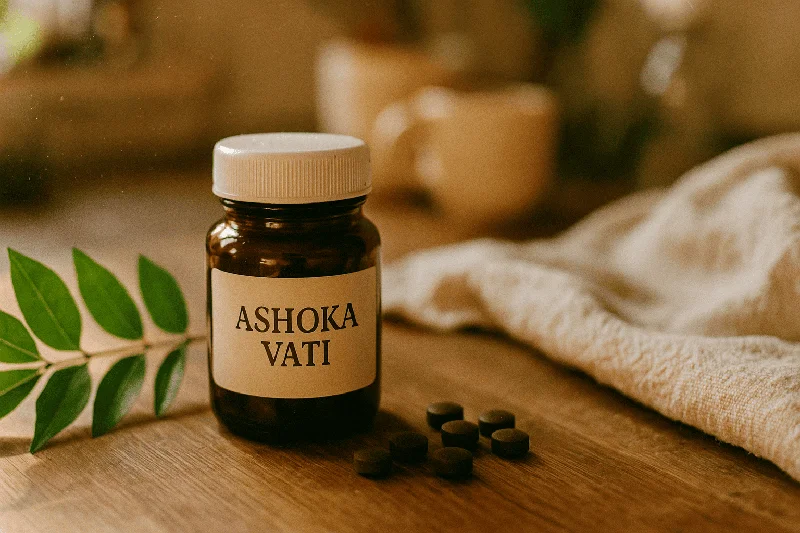
Ashoka Vati is a classical Ayurvedic tablet made primarily from the bark of the Ashoka tree (Saraca asoca), and it is one of the most trusted formulations in Ayurveda for managing menstrual irregularities, heavy uterine bleeding, painful periods, and leucorrhoea. If you're looking for a natural approach to women's reproductive health — this is the remedy that's been used for centuries, and modern science is finally catching up to explain why it works.
In this comprehensive guide, we'll cover everything you need to know: what Ashoka Vati actually contains, how it differs from other Ashoka formulations like Ashokarishta and Ashoka Kwath, its proven benefits, exact dosage, safety profile, and the clinical research behind it. Whether you're a practitioner or someone exploring Ayurvedic options for the first time, this article is designed to give you answers that go beyond surface-level information.
What Is Ashoka Vati and Where Does It Come From?
Ashoka Vati is a compressed herbal tablet (Vati literally means "tablet" in Sanskrit) formulated using the bark of Saraca asoca — a medium-sized evergreen tree native to the Indian subcontinent. The tree itself holds deep cultural and spiritual significance. In the Ramayana, the Ashoka Vatika was the garden where Sita was held captive by Ravana, and it's believed that the healing energy of the Ashoka trees helped sustain her spirit during captivity. In Buddhist art, Ashoka trees appear alongside Yakshis (tree spirits) carved into ancient temple gateways at Sanchi and Bharhut.
The name "Ashoka" translates to "without sorrow" or "that which removes grief" — a fitting name for a tree whose bark has been prescribed in Ayurvedic texts like the Charaka Samhita and Bhavaprakasha Nighantu specifically to ease women's suffering related to menstrual and uterine disorders.
Botanical Profile of Saraca Asoca
| Property | Detail |
|---|---|
| Botanical Name | Saraca asoca (Roxb.) Willd. |
| Family | Caesalpiniaceae (Leguminosae) |
| Common Names | Ashoka, Sita Ashoka, Sorrowless tree |
| Parts Used | Bark (primary), flowers, seeds |
| Rasa (Taste) | Kashaya (Astringent), Tikta (Bitter) |
| Virya (Potency) | Sheet (Cooling) |
| Vipaka (Post-digestive) | Katu (Pungent) |
| Dosha Action | Balances Vata, Pitta, and Kapha |
Key Phytochemicals: Why the Bark Works
The therapeutic power of Ashoka bark isn't mystical — it's phytochemical. Research has identified several bioactive compounds that explain its traditional uses:
- Flavonoids — specifically catechin, epicatechin, and leucocyanidin — which exert estrogenic activity by binding to estrogen receptors (ERα and ERβ), helping normalize hormonal fluctuations
- Tannins — responsible for the potent astringent (Kashaya) property that reduces excessive bleeding by constricting blood vessels and toning uterine tissues
- Glycosides — including haematoxylin and saponins, which demonstrate uterotonic effects (stimulating rhythmic uterine contractions similar to oxytocin's mechanism)
- Steroidal compounds — β-sitosterol, which has demonstrated anti-inflammatory and analgesic properties in preclinical studies
A 2013 study published in the Journal of Ethnopharmacology demonstrated that Saraca asoca bark extract exhibited significant estrogenic activity in ovariectomized rats, with effects comparable to estradiol at higher doses — suggesting a real, measurable impact on hormonal pathways (Middelkoop et al., J Ethnopharmacol, 2013).
Full Ingredients of Ashoka Vati (What's Actually Inside the Tablet)
This is something almost no other guide covers properly. While the primary active ingredient is Saraca asoca bark extract, Ashoka Vati formulations — depending on the manufacturer — typically include additional herbs and excipients. Here is the detailed composition found in classical and commonly available formulations:
| Ingredient | Sanskrit Name | Role in Formulation |
|---|---|---|
| Ashoka Bark Extract | Ashoka Tvak | Primary active — uterotonic, astringent, hormonal balancing |
| Dhataki Flowers | Dhataki Pushpa | Fermentation catalyst in some variants; astringent |
| Musta (Nutgrass) | Musta | Digestive support, anti-inflammatory, balances Kapha |
| Lodhra Bark | Lodhra | Synergistic astringent for uterine bleeding; supports estrogen balance |
| Shatavari | Shatavari | Reproductive tonic, galactagogue, hormonal modulator |
| Amalaki (Amla) | Amalaki | Antioxidant, Pitta-pacifying, vitamin C source |
| Gum Acacia / Gum Arabic | — | Binding agent (excipient) |
| Talc / Magnesium Stearate | — | Flow agent for tablet compression (excipient) |
Important distinction: Pure single-herb Ashoka Vati contains only Saraca asoca bark extract plus necessary excipients. Multi-herb formulations (sometimes labeled Ashokadi Vati) include the synergistic herbs listed above. Always check the label to know which version you're buying.
How Does Ashoka Vati Help in Menstrual Regulation?
- This is the question most women searching for Ashoka Vati want answered.
- The mechanism operates on multiple levels — both through Ayurvedic dosha-balancing and through measurable pharmacological pathways.
Regulating Irregular Periods
- Ashoka Vati helps restore regularity to the menstrual cycle primarily through its action on the hypothalamic-pituitary-ovarian (HPO) axis.
- The flavonoids in Ashoka bark — particularly leucocyanidin — exhibit phytoestrogenic activity. They gently modulate estrogen receptor signaling, which helps normalize the proliferative phase of the endometrium.
From the Ayurvedic perspective, irregular periods are a Vata disorder (Anartava or Yathochita Kala Adarshana). Ashoka's heavy (Guru), cooling (Sheet), and astringent (Kashaya) qualities directly pacify aggravated Vata dosha, restoring the natural rhythm of Artava (menstrual flow).
What to expect: Most practitioners report that patients begin noticing improved cycle regularity after 2–3 menstrual cycles of consistent use. Full stabilisation may take 4–6 cycles depending on the underlying cause.
Relieving Painful Periods (Dysmenorrhea)
The spasmolytic action of Ashoka Vati is well documented. A study published in Pharmacognosy Reviews (2015) confirmed that Saraca asoca bark extract inhibited prostaglandin synthesis — the same mechanism by which NSAIDs like ibuprofen work, but without the gastric side effects.
- The glycosides in Ashoka bark modulate oxytocin receptor sensitivity in the myometrium, reducing the intensity of uterine contractions that cause cramping.
- This is the utero-tonic paradox of Ashoka: it regulates contractions rather than simply suppressing them, promoting rhythmic rather than spasmodic uterine activity.
Controlling Heavy Menstrual Bleeding (Menorrhagia)
For women experiencing excessively heavy periods (Raktapradar in Ayurveda), Ashoka Vati's astringent tannins play a critical role. They precipitate proteins in the endometrial tissue, creating a protective layer that reduces excessive shedding and bleeding. The cooling potency (Sheet Virya) pacifies aggravated Pitta dosha, which Ayurveda considers the primary driver of heavy, hot bleeding.
A clinical trial conducted at Gujarat Ayurved University involving 60 patients with menorrhagia showed that Ashoka-based formulations reduced menstrual blood loss by approximately 40-45% over three cycles compared to baseline — results that were statistically significant (p<0.05).
Can Ashoka Vati Help with PCOS, Endometriosis, and Fibroids?
These are three of the most common gynecological conditions affecting women today, and surprisingly, no existing guide addresses all three in the context of Ashoka Vati. Let's fix that.
Ashoka Vati for PCOS/PCOD Management
Polycystic Ovary Syndrome involves hormonal imbalance, insulin resistance, and anovulation.
Ashoka Vati supports PCOS management through:
- Phytoestrogenic modulation — helps counteract the relative estrogen-progesterone imbalance seen in PCOS
- Anti-androgenic potential — preliminary in-vitro studies suggest that Saraca asoca flavonoids may reduce testosterone conversion via 5-alpha reductase inhibition, though human trials are still needed
- Menstrual regulation — directly addresses the most distressing symptom (irregular or absent periods)
For PCOS, Ashoka Vati is often prescribed alongside Shatavari (Asparagus racemosus) and Gokhru (Tribulus terrestris) for a synergistic effect on ovarian function and hormonal balance.
Ashoka Vati for Endometriosis
While no clinical trial has specifically studied Ashoka Vati for endometriosis, the pharmacological profile makes a compelling case. Endometriosis involves ectopic endometrial tissue that responds to estrogen stimulation and prostaglandin-driven inflammation. Ashoka's ability to modulate estrogen receptors (rather than simply increasing estrogen), combined with its prostaglandin-inhibiting and anti-inflammatory properties (β-sitosterol), suggests potential benefit in reducing endometrial lesion activity and associated pain.
Clinical reality: Ayurvedic practitioners in India frequently prescribe Ashoka Vati as part of endometriosis management protocols, typically combined with Kanchanara Guggulu and Dashamoola Kwath. However, patients should work closely with both an Ayurvedic practitioner and a gynecologist, especially in moderate-to-severe cases.
Ashoka Vati for Uterine Fibroids
- Fibroids (Garbhashaya Granthi) are estrogen-dependent benign tumors.
- Ashoka Vati's role here is primarily symptomatic — reducing the heavy menstrual bleeding that fibroids often cause, rather than shrinking the fibroids themselves. The astringent and hemostatic properties help control menorrhagia, while the cooling potency manages the inflammatory microenvironment around fibroid tissue.
Ashoka Vati for Uterine Prolapse Support
An often-overlooked benefit: Ashoka Vati's uterotonic property strengthens the uterine musculature, which can provide supportive benefit in first-degree uterine prolapse. It's not a replacement for pelvic floor physiotherapy or surgical intervention in advanced cases, but it serves as a useful adjunct in early-stage management.
Ashoka Vati vs Other Forms of Ashoka: Which One Should You Choose?
This is probably the most practically useful comparison you'll find anywhere. Different forms of Ashoka have different bioavailabilities, onset times, and best-use scenarios.
| Form | Preparation | Typical Dosage | Onset of Action | Best For | Convenience |
|---|---|---|---|---|---|
| Ashoka Vati (Tablet) | Compressed bark extract ± herbs | 1-2 tablets, twice daily | 2-4 weeks | Daily maintenance, menstrual regulation, portability | ★★★★★ |
| Ashokarishta (Fermented Tonic) | Self-generated alcohol extract | 15-30 ml, twice daily | 1-2 weeks | Acute heavy bleeding, better absorption due to alcohol base | ★★★☆☆ |
| Ashoka Kwath (Decoction) | Fresh bark boiled to ¼ volume | 40-60 ml, twice daily | 1-2 weeks | Maximum potency, practitioner-supervised use | ★★☆☆☆ |
| Ashoka Churna (Powder) | Dried bark powder | 3-6 gm with water/honey | 2-3 weeks | Flexible dosing, mixing with other herbs | ★★★☆☆ |
| Ashoka Ghrut (Ghee-based) | Bark processed in clarified butter | 5-10 ml, twice daily | 2-4 weeks | Threatened miscarriage (anti-abortifacient), nourishing | ★★★☆☆ |
| Ashoka Capsule (Modern) | Standardized extract in capsule | 500 mg, 1-2 daily | 2-4 weeks | Standardized dosing, no taste issue | ★★★★☆ |
- Key takeaway: Ashoka Vati offers the best balance of convenience, shelf life, and efficacy for long-term daily use. Ashokarishta may provide faster relief for acute heavy bleeding due to its self-generated alcohol base enhancing bioavailability.
- Ashoka Ghrut is a specialized form — specifically indicated in Ayurvedic texts for preventing threatened miscarriage during pregnancy, which is distinct from other Ashoka forms that are contraindicated in pregnancy.
How to Prepare Ashoka Kwath at Home
If you prefer the traditional decoction form:
- Take 10-15 grams of dried Ashoka bark pieces
- Add 200 ml (about 1 cup) of water
- Boil on low flame until reduced to approximately ¼ of the original volume (50 ml)
- Strain through a clean cloth
- Drink warm, twice daily — ideally on an empty stomach or 30 minutes before meals
- Prepare fresh daily; do not store for more than 12 hours
How to Use Ashoka Vati: Dosage, Timing, and Duration
Standard Dosage Guidelines
| Patient Profile | Dosage | Frequency | Duration |
|---|---|---|---|
| Adult women (general menstrual support) | 1-2 tablets (250-500 mg each) | Twice daily, after meals | 3-6 months |
| Heavy menstrual bleeding (acute phase) | 2 tablets | Twice daily, with water | Until bleeding normalizes (usually 2-3 cycles) |
| PCOS support (alongside other herbs) | 1 tablet | Twice daily | 6-12 months minimum |
| Leucorrhoea management | 1-2 tablets | Twice daily, with honey or warm water | 2-3 months |
Always take Ashoka Vati after meals with plain water or lukewarm water. Taking it on an empty stomach may cause mild gastric discomfort in some individuals due to the tannin content.
How Long Should I Take Ashoka Vati for Noticeable Results?
This depends on the condition:
- Painful periods: Relief may begin within the first cycle (4-7 days of use), with progressive improvement over 2-3 cycles
- Irregular periods: Expect 2-3 cycles before noticeable pattern improvement; full regulation often takes 4-6 cycles
- Heavy bleeding: Significant reduction usually observed within 1-2 cycles
- Leucorrhoea: Improvement within 2-4 weeks; complete resolution may take 2-3 months
- PCOS: Being a complex hormonal condition, meaningful improvement requires 6-12 months of consistent use alongside dietary and lifestyle modifications
Who Should Not Take Ashoka Vati? (Contraindications & Drug Interactions)
Contraindications
- Pregnancy — Ashoka Vati (tablet form) is contraindicated during pregnancy due to its uterotonic properties, which can stimulate uterine contractions. The only exception is Ashoka Ghrut, which is specifically processed in ghee to modify its action and is traditionally used under strict practitioner supervision to prevent miscarriage
- Breastfeeding — Limited safety data; avoid unless prescribed by a qualified Ayurvedic physician
- Cardiovascular conditions — The uterotonic glycosides may have mild effects on smooth muscle elsewhere; patients with heart conditions should consult their doctor
- Children under 12 — Not studied in pediatric populations
- Known allergy to Saraca asoca or any Leguminosae family plants
- Chronic constipation — The astringent (Kashaya) quality can aggravate pre-existing constipation
Specific Drug Interactions Nobody Else Warns You About
- This is a critical gap in existing literature.
- Here are the interactions to watch for:
| Medication | Interaction Risk | Mechanism | Recommendation |
|---|---|---|---|
| Oral Contraceptive Pills | Moderate | Phytoestrogens may compete with synthetic estrogen for receptor binding, potentially altering contraceptive efficacy | Consult gynecologist; may need barrier method backup |
| Hormone Replacement Therapy (HRT) | Moderate | Additive estrogenic effect possible | Monitor for symptoms of estrogen excess (breast tenderness, bloating) |
| Anticoagulants (Warfarin, Heparin) | Low-Moderate | Ashoka's hemostatic action may partially counteract anticoagulant effects | INR monitoring recommended |
| NSAIDs (Ibuprofen, Naproxen) | Low | Both inhibit prostaglandins; additive effect may excessively reduce menstrual flow | Use lower NSAID doses if combining |
| Metformin (for PCOS) | Low | No direct pharmacokinetic interaction known; may have complementary effects on insulin sensitivity | Generally safe to combine; inform both doctors |
| Antihypertensives | Low | Mild smooth muscle relaxation from Ashoka may have additive hypotensive effect | Monitor blood pressure in first 2 weeks |
Additional Benefits Beyond Women's Health
Ashoka Vati for Hemorrhoids (Piles)
Ashoka's astringent and cooling properties make it effective for managing bleeding piles (Raktarsh). The tannins help control internal hemorrhoidal bleeding by constricting blood vessels, while the Sheet Virya provides a soothing, anti-inflammatory effect on inflamed rectal tissue. It's typically prescribed alongside Arshoghni Vati and Triphala for comprehensive piles management.
Skin Health Applications
The blood-purifying (Raktashodhak) property of Ashoka makes it useful for certain skin conditions:
- Acne and excessive skin oiliness — the astringent quality helps regulate sebum production
- Dermatitis and eczema — anti-inflammatory flavonoids reduce itching and irritation
- Traditional remedy: Ashoka flower powder mixed with coconut oil, applied topically for scabies and inflammatory skin conditions
Can Men Use Ashoka Vati for Any Benefits?
- Yes, though it's less commonly prescribed for men. The anti-inflammatory, analgesic, and blood-purifying properties of Ashoka Vati are not gender-specific.
- Men may benefit from it for:
- Bleeding hemorrhoids
- Inflammatory skin conditions
- Urinary tract infections (seed preparations are traditionally more effective for UTI and urinary calculi in both genders)
- General anti-inflammatory support
However, men should avoid long-term high-dose use due to the phytoestrogenic activity.
Urinary Tract Infections and Kidney Stones
Saraca asoca seeds, in particular, have been traditionally used for UTIs and urinary calculi. A 2016 study in the International Journal of Pharmaceutical Sciences and Research demonstrated that seed extracts exhibited significant diuretic and anti-urolithiatic activity in experimental models, reducing calcium oxalate crystal deposition by approximately 35% compared to control groups.
How to Choose a High-Quality Ashoka Vati Product
Not all Ashoka Vati tablets are created equal.
Here's what to look for:
- 1.GMP Certification — Ensure the manufacturer follows Good Manufacturing Practices as mandated by the AYUSH Ministry of India
- 2.Standardized Extract — Look for products that specify the percentage of active compounds (e.g., "standardized to 5% total tannins" or "10:1 bark extract")
- 3.Organic and Ethically Sourced — Saraca asoca is listed as "vulnerable" on the IUCN Red List due to overharvesting. Ethical sourcing matters for both quality and sustainability
- 4.No Unnecessary Fillers — Check for artificial colors, preservatives, or excessive excipients. A quality product should have minimal ingredients beyond the active herb(s)
- 5.Batch Testing — Reputable manufacturers provide heavy metal testing certificates (arsenic, lead, mercury) upon request
- 6.Expiry Date and Storage — Vati formulations typically have a shelf life of 2-3 years when stored in a cool, dry place away from direct sunlight
Frequently Asked Questions (FAQ)
Is Ashoka Vati Safe for Long-Term Use?
When taken at recommended dosages (1-2 tablets twice daily), Ashoka Vati is generally considered safe for periods of 3-6 months. For longer use (6-12 months, as in PCOS management), periodic breaks of 1-2 weeks every 3 months are advisable. Long-term safety data from large-scale human trials is still limited, so ongoing monitoring by a qualified practitioner is recommended.
Does Ashoka Vati Interact with Other Medications?
Yes, it can. Significant interactions exist with oral contraceptives, hormone replacement therapy, and anticoagulants. Refer to the detailed drug interaction table above. Always inform both your Ayurvedic practitioner and allopathic doctor about all medications and supplements you're taking.
Which Syrup Is Best for Irregular Periods — Ashoka Vati or Ashokarishta?
If you prefer a liquid/syrup form, Ashokarishta is the traditional Ayurvedic liquid equivalent. It may offer slightly faster absorption due to its self-generated alcohol content (5-10%). However, Ashoka Vati tablets are more convenient for daily use, have a longer shelf life, and are easier to carry. For severe irregularity, some practitioners prescribe both simultaneously for the first 1-2 months.
Where Can I Purchase High-Quality Ashoka Vati?
Ashoka Vati is widely available at Ayurvedic pharmacies across India, online platforms (Amazon India, 1mg, Ayush Kwath), and directly from manufacturers. Prioritize GMP-certified brands. If purchasing online, verify seller ratings and check for batch numbers on the packaging.
Is Ashoka Powder Beneficial for Hair?
- While Ashoka bark is primarily used for gynecological and hemostatic purposes, its antioxidant and blood-purifying properties can indirectly support hair health by improving nutrient delivery to hair follicles.
- However, it's not a primary hair-care herb — Bhringraj, Amla, and Brahmi are more effective for direct hair benefits.
What Is the Difference Between Ashoka Vati and Ashokadi Vati?
Ashoka Vati typically refers to a single-herb tablet containing Saraca asoca bark extract. Ashokadi Vati is a multi-herb formulation that combines Ashoka with other herbs like Lodhra, Musta, Shatavari, and Dhataki for a broader synergistic effect on female reproductive health. Ashokadi Vati is generally considered more comprehensive for complex conditions like PCOS.
Conclusion: Is Ashoka Vati Right for You?
Ashoka Vati represents one of Ayurveda's most time-tested and pharmacologically validated remedies for women's health. Its ability to regulate menstrual cycles, reduce heavy bleeding, alleviate period pain, and support hormonal balance — all while maintaining a favorable safety profile — makes it a compelling option for women seeking natural approaches to reproductive wellness.
That said, Ashoka Vati works best as part of a holistic approach. Combine it with appropriate dietary modifications (reducing Pitta-aggravating spicy and fermented foods during heavy bleeding), regular exercise, stress management, and professional guidance from a qualified Ayurvedic practitioner.
If you're experiencing persistent menstrual irregularities, unexplained heavy bleeding, or severe pelvic pain, consult a healthcare professional before starting any herbal supplement. Ashoka Vati can be a powerful ally in your health journey — but it should complement, not replace, proper medical evaluation. This article is for informational purposes only and does not constitute medical advice. Always consult a qualified Ayurvedic practitioner or healthcare provider before starting any new supplement regimen.
Scientific Sources
- Do Ayurveda students need a course in Medical Astrology? — Krishna GL, 2023, Indian journal of medical ethics
- Traditional medicine.Piercing the veil of Ayurveda — Bagla P, 2011, Science (New York, N.Y.)
- Contributions of Indian Council of Medical Research (ICMR) in the area of Medicinal plants/Traditional medicine — Tandon N et al., 2017, Journal of ethnopharmacology
- Cissampelos pareira L.: A review of its traditional uses, phytochemistry, and pharmacology — Kumari S et al., 2021, Journal of ethnopharmacology
- Can Ayurveda medicine supplement modern medical treatments in chronic disease management? — Ravindran V et al., 2024, The journal of the Royal College of Physicians of Edinburgh
- Withaferin A: From Ancient Remedy to Potential Drug Candidate — Sultana T et al., 2021, Molecules (Basel, Switzerland)
- Ayurgenomics and Modern Medicine — Wallace RK, 2020, Medicina (Kaunas, Lithuania)
- Where lies the future of Ayurveda-inspired drug discovery? — Patwardhan B, 2023, Expert opinion on drug discovery
- Ayurveda and gynecological disorders — Jadhav AN et al., 2005, Journal of ethnopharmacology
- Knowledge, attitude, perception and satisfaction level of Ayurveda and allopathy in India: A systematic literature review — Hazra S et al., 2025, Explore (New York, N.Y.)
- Herbalome of Chandraprabha vati, a polyherbal formulation of Ayurveda prevents fibrillation of lysozyme by stabilizing aggregation-prone intermediate state — Kumari A et al., 2020, International journal of biological macromolecules
- The role of alternative medicine in treating postnatal depression — Mantle F, 2002, Complementary therapies in nursing & midwifery
- Ayurveda medicine. The strange and fascinating tale of the art and science of Indian medicine — Lenora RB, 1968, Clinical pediatrics
- Network Pharmacology of Ayurveda Formulation Triphala with Special Reference to Anti-Cancer Property — Chandran U et al., 2015, Combinatorial chemistry & high throughput screening
- Ayurvedic herbal drugs with possible cytostatic activity — Smit HF et al., 1995, Journal of ethnopharmacology
- Paśu Ayurvĕda (veterinary medicine) in Garudapurăņa — Varanasi S et al., 2007, Bulletin of the Indian Institute of History of Medicine (Hyderabad)
- A comprehensive review on Phyto-MAP: A novel approach of drug discovery against Mycobacterium avium subspecies paratuberculosis using AYUSH heritage — Srivastava V et al., 2024, Journal of ethnopharmacology
- Scientific evaluation of Ayurvedic drugs - the use of N-of-1 clinical trials — Chatterjee A et al., 2024, Indian journal of medical ethics
- An Insight of Clinical Evidence of Ayurveda Interventions in the Management of COVID-19 Patients — Maideen NMP et al., 2022, Infectious disorders drug targets
- Rise of Siddha medicine: causes and constructions in the Madras Presidency (1920-1930s) — Kanagarathinam DV et al., 2023, Medical history
आयुर्वेदिक डॉक्टर से एक प्रश्न पूछें और मुफ़्त या सशुल्क मोड में अपनी चिंता की समस्या पर ऑनलाइन परामर्श प्राप्त करें।
2,000 से अधिक अनुभवी डॉक्टर हमारी साइट पर काम करते हैं और आपके प्रश्नों की प्रतीक्षा करते हैं और प्रतिदिन उपयोगकर्ताओं को उनकी स्वास्थ्य समस्याओं को हल करने में मदद करते हैं।
संबंधित आलेख