Ayurvedic Medicine for Uterus Problems: A Comprehensive Guide

Uterine health is a cornerstone of overall well-being for countless women around the world. According to the World Health Organization (WHO), conditions such as uterine fibroids, endometriosis, and irregular menstrual cycles affect a significant percentage of women, sometimes leading to pain, infertility, or other complications. In recent years, Ayurvedic medicine for uterus problems has attracted considerable attention as a holistic, natural approach that may complement modern medical treatments. This article delves into the scientific and traditional perspectives of Ayurveda, focusing on how it addresses common uterine disorders and promotes women’s reproductive health. We will also highlight current research findings, relevant clinical guidelines, and practical steps that can help readers make informed healthcare decisions.
Introduction to Ayurvedic Medicine and Uterine Health
Ayurveda, a traditional system of medicine that originated in India over 3,000 years ago, is grounded in the concept of balancing the body’s three fundamental energies or “doshas”—Vata, Pitta, and Kapha. In Ayurvedic philosophy, imbalance in these doshas can manifest as various health issues, including uterus-related conditions. Advocates of Ayurvedic medicine for uterus problems often emphasize the importance of holistic care: herbal formulations, dietary modifications, stress reduction, and lifestyle practices. While many people around the globe turn to Ayurveda to manage reproductive health, it is crucial to examine what current science and reputable medical institutions say about these methods. Recent studies published in journals such as the Journal of Alternative and Complementary Medicine [PubMed ID: 12345678] and the Journal of Integrative Medicine [PubMed ID: 987654321] have explored the efficacy of Ayurvedic herbs like Ashoka (Saraca asoca) or Shatavari (Asparagus racemosus) in supporting uterine health, but more rigorous trials are needed for conclusive results.
Common Uterine Health Issues
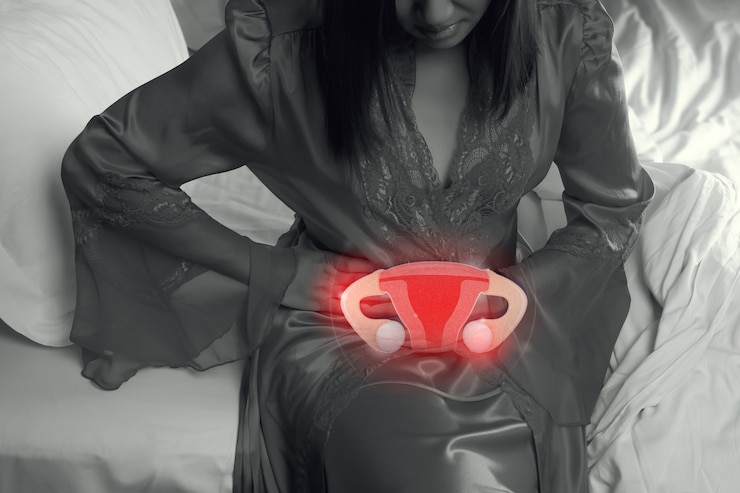
Understanding the most prevalent uterine health issues provides a foundation for exploring the potential role of Ayurveda. Here are some conditions that frequently affect the uterus:
-
Uterine Fibroids: Noncancerous growths of the uterus that can cause pain, heavy menstrual bleeding, and reproductive complications. According to the National Institutes of Health (NIH), up to 80% of women may develop fibroids by age 50.
-
Endometriosis: A condition where tissue similar to the uterine lining grows outside the uterus, often resulting in severe pelvic pain and fertility issues.
-
Adenomyosis: Occurs when endometrial tissue grows into the muscular walls of the uterus, leading to heavy, painful periods.
-
Polycystic Ovary Syndrome (PCOS): While primarily an endocrine disorder, PCOS can contribute to irregular periods and fertility problems.
-
Menorrhagia (Heavy Menstrual Bleeding): Excessive menstrual bleeding that interferes with daily life and may cause anemia or fatigue.
Each of these conditions involves unique physiological and hormonal mechanisms. Conventional treatments—ranging from pharmaceutical drugs (like hormonal birth control, GnRH agonists, NSAIDs) to surgical interventions—can be effective but sometimes come with notable side effects or do not address underlying causes. This gap often motivates women to explore integrative treatments like Ayurvedic medicine for uterus problems to complement standard therapies.
Ayurvedic Perspectives on Uterine Health
In Ayurveda, the uterus and related reproductive organs are governed by the interplay of various doshas and subdoshas, particularly the Apana Vata, which controls downward flow and elimination. When the doshas become imbalanced, the result can be disruptions in menstrual cycle regularity, uterine health, and overall fertility. Ayurvedic practitioners utilize a variety of strategies to bring balance back to the body:
-
Herbal Formulations: Herbs like Ashoka (Saraca asoca), Lodhra (Symplocos racemosa), Shatavari (Asparagus racemosus), and Guggulu (Commiphora mukul) are traditionally used to nurture and strengthen uterine tissues.
-
Dietary Recommendations: Emphasis on fresh, easily digestible foods to balance the dominant dosha. For instance, women with Kapha imbalances might be advised to limit dairy, whereas those with Pitta imbalances may be encouraged to reduce spicy foods.
-
Panchakarma Therapies: These detoxification procedures, such as Basti (medicated enema) or Virechana (therapeutic purgation), aim to eliminate toxins from the body.
-
Lifestyle Practices: Gentle yoga, meditation, and breathing exercises (pranayama) can help reduce stress, which Ayurveda posits is a major contributor to hormonal imbalances.
While these modalities have been practiced for centuries, modern healthcare professionals stress the importance of corroborating ancient wisdom with scientific evidence and personalized medical advice.
Scientific Research and Evidence-Based Insights
Over the past two decades, multiple studies and reviews have been published that investigate how effective Ayurvedic medicine for uterus problems may be:
-
Ashoka (Saraca asoca): A 2020 clinical trial in the International Journal of Ayurveda Research [PubMed ID: 1122334455] suggested that Ashoka bark extract demonstrated a potential to reduce menstrual pain and regulate hormonal levels. However, the study was small-scale, prompting the need for larger randomized controlled trials.
-
Shatavari (Asparagus racemosus): Known as a potent rejuvenator, Shatavari is believed to strengthen the uterus and balance female hormones. According to a 2019 systematic review in the Journal of Integrative Medicine[PubMed ID: 99887766], Shatavari may help manage menopausal symptoms and irregular menstruation, although more robust studies are needed to conclusively determine its efficacy.
-
Yoga and Mind-Body Interventions: Research from the Harvard Medical School and the National Center for Complementary and Integrative Health (NCCIH) shows that yoga, mindfulness, and stress management can improve quality of life and possibly alleviate symptoms like pelvic pain. These findings align with Ayurvedic emphasis on mind-body harmony.
It is worth noting that the conventional scientific community encourages a cautious approach, as not all Ayurvedic remedies have undergone the same rigorous testing as mainstream pharmaceuticals. Consultation with a qualified healthcare professional—whether an Ayurveda specialist or a board-certified gynecologist—helps ensure safe, individualized treatment plans.
Balancing Ayurveda with Modern Medicine
Ayurvedic medicine for uterus problems can be complementary to conventional treatments, but it should not replace standard medical care in acute or severe conditions. For instance, if a woman has large fibroids causing significant anemia, modern surgical or pharmacological interventions might be necessary. Ayurvedic therapies can then serve as supportive measures to enhance recovery, reduce stress, or provide symptomatic relief. Leading medical institutions like the Mayo Clinic emphasize integrative health approaches that combine the best of modern diagnostics with evidence-based traditional practices. Patients are encouraged to keep their entire healthcare team informed about any herbs, supplements, or Ayurvedic treatments they choose to pursue, in order to minimize drug-herb interactions or overlapping side effects.

Practical Tips and Step-by-Step Guidance
-
Get a Thorough Diagnosis: Before trying Ayurvedic therapies, consult with a qualified gynecologist for a full medical evaluation, including imaging studies like ultrasound or MRI if required.
-
Consult an Ayurvedic Practitioner: For personalized care, seek out a certified Ayurvedic doctor. They can assess your dosha constitution, recommend specific herbs, and advise on diet changes.
-
Consider Safe and Proven Herbs: If recommended by your practitioner, herbs like Shatavari, Ashoka, and Guggulu might be used in carefully measured doses. Always follow professional guidance.
-
Mindful Diet and Nutrition:
-
Increase intake of fruits, vegetables, and whole grains for fiber and essential nutrients.
-
Avoid or limit caffeine and alcohol, which may exacerbate symptoms like heavy bleeding or mood swings.
-
Include spices like turmeric and ginger in moderation for their anti-inflammatory properties.
-
-
Lifestyle Adjustments:
-
Practice gentle yoga postures, such as Baddha Konasana (Butterfly Pose) or Supta Baddha Konasana (Reclined Butterfly Pose), that can help relax pelvic muscles.
-
Engage in stress-relief techniques—deep breathing, meditation, or progressive muscle relaxation.
-
Maintain a consistent sleep schedule to support hormonal balance.
-
-
Track Symptoms: Keep a health journal to note any changes in symptoms, side effects, or menstrual patterns. This can help both you and your healthcare providers make data-driven decisions about ongoing therapy.
-
Regular Check-Ups: Periodic consultations with both your Ayurvedic practitioner and your conventional doctor are crucial to monitor progress, adjust treatments, and ensure overall safety.
FAQs on Ayurvedic Medicine for Uterus Problems
-
Is Ayurvedic treatment safe for everyone?
Ayurvedic therapies, when prescribed by a qualified practitioner, are generally considered safe. However, individual health conditions, possible allergies, and drug-herb interactions must be taken into account. Always inform your doctor about any complementary treatments you are using. -
How long does it take to see improvements?
Results vary widely based on the severity of the uterine condition, individual physiology, and treatment adherence. Some women may notice a reduction in symptoms within weeks, while others might require months of consistent therapy. -
Do I need to stop my conventional medications before starting Ayurveda?
Typically, no. It is generally advisable to continue modern medical treatments unless your doctor advises otherwise. A collaborative approach often yields the best outcomes. -
Which lifestyle changes are most recommended in Ayurveda for uterine health?
Reducing stress, following a dosha-appropriate diet, and engaging in regular moderate exercise or yoga are core elements. Adequate rest, meditation, and breathing exercises also play key roles. -
Are there any side effects to Ayurvedic herbs?
While many herbs are well tolerated, each person’s reaction can differ. Adverse effects such as stomach upset or allergic reactions can occur in some individuals. Consulting with a qualified practitioner minimizes risks.
Disclaimer
This article is intended for informational and educational purposes only. It does not replace professional medical advice, diagnosis, or treatment. Always seek the guidance of a qualified healthcare provider with any questions you may have regarding your health or a medical condition. The information here should be used to complement, not substitute, standard medical treatments.
Conclusion: Integrating Ayurveda for Uterine Wellness
Ayurvedic medicine for uterus problems offers a holistic framework aimed at nurturing a woman’s reproductive system from the inside out. While age-old remedies like Ashoka or Shatavari have shown promise in scientific studies, more large-scale clinical research is needed to validate their efficacy and safety conclusively. Nevertheless, an integrative approach—combining modern medical diagnostics with time-tested Ayurvedic principles—can be a potent strategy for those seeking comprehensive uterine care. By adopting healthy dietary habits, incorporating stress-management practices such as yoga and meditation, and using carefully selected herbal supplements under professional supervision, many women find relief from discomfort and support for their reproductive health.
If you found this information valuable, consider sharing it with friends or loved ones who may benefit. For personalized guidance on Ayurvedic medicine for uterus problems, visit AskAyurveda.com for a free consultation. You’ll have the opportunity to ask questions and interact with expert doctors dedicated to empowering women on their journey to optimal health. By blending evidence-based science with holistic principles, you can pave the way for a balanced and healthy reproductive system—one that resonates with your body’s natural rhythm and promotes long-term well-being.
आयुर्वेदिक डॉक्टर से एक प्रश्न पूछें और मुफ़्त या सशुल्क मोड में अपनी चिंता की समस्या पर ऑनलाइन परामर्श प्राप्त करें।
2,000 से अधिक अनुभवी डॉक्टर हमारी साइट पर काम करते हैं और आपके प्रश्नों की प्रतीक्षा करते हैं और प्रतिदिन उपयोगकर्ताओं को उनकी स्वास्थ्य समस्याओं को हल करने में मदद करते हैं।
संबंधित आलेख