
आयुर्वेदिक डॉक्टर से प्रश्न पूछें और निःशुल्क या भुगतान मोड में अपनी चिंता की समस्या पर ऑनलाइन परामर्श प्राप्त करें। 2,000 से अधिक अनुभवी डॉक्टर हमारी साइट पर काम करते हैं और आपके प्रश्नों का इंतजार करते हैं और उपयोगकर्ताओं को उनकी स्वास्थ्य समस्याओं को हल करने में प्रतिदिन मदद करते हैं।


Body DetoxEar, Nose, and Throat DisordersGeriatrics & RejuvenationImmunodeficiencyInfertility TreatmentNutritionOrthopedic DisordersPediatricsRespiratory DisordersSexually Transmitted Diseases (STDs)Surgery RecoveryUrological DisordersVascular DisordersDental DisordersEndocrinological DisordersGastrointestinal DisordersYoga TherapyGeneral MedicineAllergic DisordersCardio DisordersGynecology and ObstetricsCosmetologySkin and Hair DisordersEye DisordersInfectious DiseasesMental DisordersNeurological DisordersOncologyPanchakarmaSexual Health & DisordersSports Medicine
पर प्रकाशित 01/31/25
(को अपडेट 08/08/26)
6,436
Fibroadenoma Ayurvedic Treatment – Natural Remedies & Holistic Healing
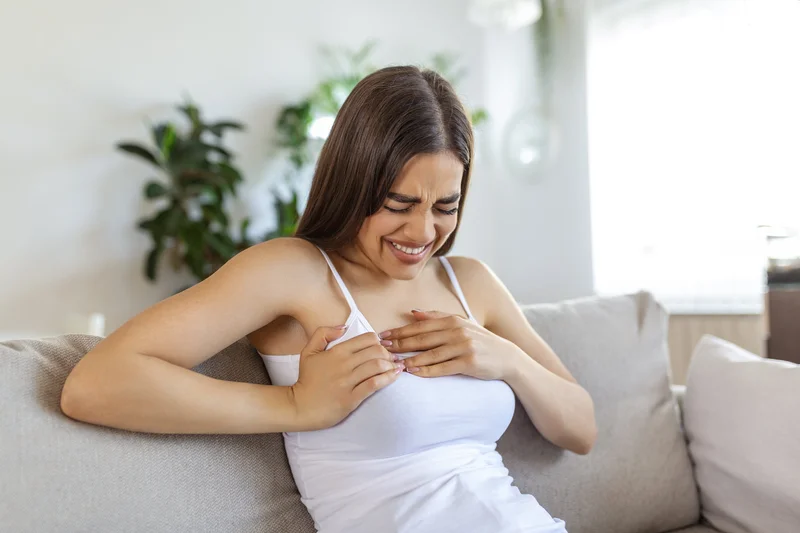
- Fibroadenoma ayurvedic treatment can help shrink or even resolve benign breast lumps without surgery — when applied correctly, under proper medical guidance, and with realistic expectations. Ayurveda views fibroadenoma as Stana Granthi (a glandular swelling of the breast) primarily driven by Kapha dosha imbalance, and addresses it through a combination of internal herbal formulations like Kanchanar Guggulu, bio-purification therapies (Panchakarma), dietary corrections, and lifestyle modifications.
- Published case reports — including a 2023 study in the Journal of Ayurveda and Integrated Medical Sciences — have documented complete resolution of fibroadenomas within 6–12 months of systematic Ayurvedic treatment, confirmed by ultrasound imaging.
But here's what most articles won't tell you: Ayurvedic treatment is not a universal replacement for surgery in every case. Understanding when it works, when it doesn't, and how to integrate it safely with modern diagnostics is what separates genuine healing from wishful thinking. This comprehensive guide covers all of it.
What Is Fibroadenoma? Understanding the Condition
A fibroadenoma is a solid, benign (noncancerous) breast tumor made up of both glandular tissue and stromal (connective) tissue. It typically presents as a painless, firm, smooth, rubbery lump that moves easily under the skin — often described as feeling like a marble in the breast.
Fibroadenomas are the most common benign breast tumors in women, accounting for approximately 50% of all breast biopsies. They predominantly affect women of reproductive age, with peak incidence between 20–30 years.
Key Characteristics and Symptoms
Most fibroadenomas share these features:
- Painless — though some women report mild tenderness before menstruation
- Mobile — slides under the fingers during palpation (sometimes called "breast mouse")
- Well-defined borders — clearly distinguishable from surrounding tissue
- Size typically under 3 cm — though giant fibroadenomas can exceed 5 cm
- Usually unilateral — occurring in one breast, often in the upper outer quadrant
- Hormone-responsive — may enlarge during pregnancy, with oral contraceptive use, or before periods; tends to shrink after menopause
Types of Fibroadenoma: Why It Matters for Treatment
Not all fibroadenomas are the same, and the type directly influences whether Ayurvedic treatment is appropriate as a primary approach.
| Type | Characteristics | Size | Ayurvedic Suitability |
|---|---|---|---|
| Simple Fibroadenoma | Uniform, well-defined, low risk | 1–3 cm | Highly suitable — responds well to herbal therapy |
| Complex Fibroadenoma | Contains cysts, calcifications, sclerosing adenosis | Variable | Moderate — requires close monitoring with ultrasound |
| Giant Fibroadenoma | Exceeds 5 cm, may distort breast shape | >5 cm | Limited suitability — surgical consultation recommended |
| Juvenile Fibroadenoma | Occurs in adolescents, rapid growth | Often >5 cm | Needs integrative approach — Ayurveda + modern supervision |
Simple vs Complex: Different Risk Profiles
Simple fibroadenomas carry virtually no increased risk of breast cancer. Complex fibroadenomas, however, are associated with a slightly elevated risk (approximately 1.5–2 times the general population risk), according to a long-term follow-up study published in the New England Journal of Medicine (Dupont et al., 1994). This distinction matters because it determines how aggressively you should monitor while pursuing Ayurvedic treatment.
Fibroadenoma in Ayurveda: The Concept of Stana Granthi
Ayurveda does not use the term "fibroadenoma" but describes a remarkably similar condition under Stana Granthi — a benign glandular swelling (Granthi) occurring in the breast (Stana). Classical Ayurvedic texts, particularly Sushruta Samhita and Madhava Nidana, describe Granthi as encapsulated, rounded swellings that develop when vitiated doshas lodge in the mamsa dhatu (muscle tissue) and medo dhatu (adipose tissue).
The Dosha Connection: Why Fibroadenoma Develops
According to Ayurvedic pathology, fibroadenoma primarily involves Kapha dosha — the dosha governing structure, growth, and fluid balance. When Kapha becomes aggravated and combines with disturbed Vata and Pitta, it leads to abnormal tissue growth.
The Samprapti (pathogenesis) unfolds like this:
- 1.Nidana (causative factors) — hormonal imbalance, excessive Kapha-aggravating diet (dairy, sugar, cold foods), sedentary lifestyle, suppressed emotions
- 2.Dosha Prakopa — primarily Kapha vitiation, with Vata contributing to displacement and Pitta to inflammatory changes
- 3.Dushya (affected tissues) — Rakta dhatu (blood), Mamsa dhatu (muscle/glandular tissue), Medo dhatu (fat tissue)
- 4.Sthana Samshraya — localization in breast tissue
- 5.Vyakti — manifestation as a palpable lump (Granthi)
Samprapti Vighatana: Breaking the Chain of Disease
The therapeutic principle of Samprapti Vighatana — systematically breaking the pathogenic chain — is central to Ayurvedic management. Rather than just addressing the lump, treatment targets each stage: removing causative factors, pacifying aggravated doshas, purifying affected tissues, and preventing recurrence.
This is fundamentally different from simply excising a lump surgically, which doesn't address the underlying doshic imbalance and may explain why recurrence after surgery occurs in 15–20% of cases.
Can Fibroadenoma Be Cured by Ayurveda?
Yes — documented evidence shows that Ayurvedic treatment can lead to complete resolution of fibroadenomas, particularly simple fibroadenomas under 3 cm. However, "cure" requires careful qualification.
A case report published in the Journal of Phytopharmacology (2024) documented a 28-year-old woman with multiple fibroadenomas (measuring 10×6 mm, 9.4×5.4 mm, and 7×7 mm, classified as BIRADS-III) who achieved complete resolution of all lumps within 12 months of systematic Ayurvedic treatment, confirmed by repeat ultrasonography. No surgery was performed.
Similarly, a study published in the International Journal of AYUSH documented regression of fibroadenomas using Lekhana (scraping/reducing) and Shothahara (anti-inflammatory) Ayurvedic approaches.
What the Evidence Actually Shows
Let's be honest about where the evidence stands:
- Strong anecdotal and case-report evidence — multiple published case studies showing complete or significant reduction
- Classical textual support — well-established treatment protocols in Ayurvedic canon
- No large randomized controlled trials (RCTs) yet — this is a genuine limitation
- Biological plausibility — ingredients like Guggul and Turmeric have independently validated anti-proliferative and anti-inflammatory properties in laboratory studies
A 2012 study in Molecular Nutrition & Food Research demonstrated that curcumin (the active compound in turmeric) inhibits breast tumor cell proliferation through multiple molecular pathways. And a 2016 review in Phytomedicine confirmed guggulsterone's anti-tumor activity in breast cancer cell lines. While these studies weren't specific to fibroadenoma, they do support the pharmacological rationale behind Ayurvedic herb selection.
How Long Does Ayurvedic Treatment Take to Show Results?
Set realistic expectations. Based on published case reports and clinical practice patterns:
| Timeline | Expected Progress |
|---|---|
| Month 1–2 | Reduction in breast tenderness, improved digestion, general well-being |
| Month 3–4 | Noticeable softening of the lump, possible slight size reduction on palpation |
| Month 5–8 | Measurable reduction on ultrasound (30–60% decrease in size) |
| Month 9–12 | Complete resolution in favorable cases; significant reduction in most |
| 12+ months | Continued monitoring for recurrence prevention |
These timelines apply to simple fibroadenomas under 3 cm. Larger or complex fibroadenomas may take considerably longer or may not respond adequately to Ayurvedic treatment alone.
Ayurvedic Treatment for Fibroadenoma: Complete Protocol
Ayurvedic treatment of fibroadenoma follows a two-pronged approach: Shodhana (bio-purification) and Shamana (palliative therapy), supplemented by dietary and lifestyle modifications. The treatment should always be personalized based on the patient's Prakriti (constitution), current doshic imbalance, and specific characteristics of the fibroadenoma.
Shodhana Chikitsa: Panchakarma for Deep Detoxification
Panchakarma serves as a "deep reset" for the body, clearing accumulated toxins (ama) and re-establishing doshic balance. For fibroadenoma, the following Panchakarma procedures are most relevant:
- Snehana (oleation therapy) — internal and external oil application to mobilize deep-seated toxins; warm sesame oil or medicated oils are used for breast massage
- Swedana (herbal steam therapy) — induces sweating to open channels (srotas) and facilitate toxin elimination
- Virechana (therapeutic purgation) — the primary Shodhana procedure for Kapha-Pitta conditions; clears toxins from the liver and blood, helping regulate estrogen metabolism
- Vamana (therapeutic emesis) — specifically indicated for Kapha-dominant conditions; helps clear excessive Kapha from the upper body including breast tissue
Panchakarma is typically administered as an initial intensive phase (7–14 days) under direct supervision of an Ayurvedic physician, followed by transition to long-term Shamana therapy.
Shamana Chikitsa: Internal Herbal Medicines
- These are the core formulations used in fibroadenoma management, with general dosage guidelines.
- Note: exact dosages must be personalized by your Ayurvedic practitioner.
Kanchanar Guggulu — The Primary Formulation
Kanchanar Guggulu is considered the cornerstone of Ayurvedic treatment for all types of Granthi (encapsulated growths). It combines Kanchanar (Bauhinia variegata) bark with Guggul resin and Trikatu (ginger, black pepper, long pepper).
- Typical dosage: 2 tablets (500 mg each) twice or thrice daily
- Timing: 30 minutes before meals with warm water
- Duration: Minimum 3–6 months, often continued for 12 months
- Mechanism: Lekhana (scraping/reducing) action that gradually breaks down abnormal tissue accumulation; Kapha-hara properties reduce tissue overgrowth
Other Important Formulations
| Formulation | Primary Action | Typical Dosage | Key Benefit |
|---|---|---|---|
| Triphala Churna | Detoxification, mild laxative | 3–5 g at bedtime with warm water | Clears ama, supports digestion |
| Chandraprabha Vati | Anti-inflammatory, hormonal regulation | 2 tablets twice daily | Balances Kapha-Vata, reduces swelling |
| Arogyavardhini Vati | Liver detoxification | 1–2 tablets twice daily | Supports estrogen metabolism via liver |
| Gandhak Rasayana | Blood purification | 2 tablets twice daily | Purifies Rakta dhatu |
| Varunadi Kashayam | Anti-cystic, channel clearing | 15 ml twice daily before meals | Breaks down abnormal tissue accumulation |
External Therapies: Topical Applications
External treatments provide direct action on the breast tissue and can enhance the effect of internal medicines.
Castor Oil Compress (Eranda Taila Lepa):
- Warm pure, cold-pressed castor oil slightly (not hot — just lukewarm)
- Soak a clean cotton cloth in the oil
- Place over the affected breast area
- Cover with plastic wrap, then a warm towel
- Leave for 20–30 minutes
- Practice 4–5 times per week
Castor oil has documented anti-inflammatory and lymphatic-stimulating properties. A 2011 study in Evidence-Based Complementary and Alternative Medicine showed castor oil packs increased lymphocyte counts, suggesting enhanced immune and lymphatic function.
Turmeric-Neem Paste:
- Mix 1 tsp turmeric powder with neem leaf paste and a few drops of warm water
- Apply gently over the lump
- Leave for 20 minutes, then wash with lukewarm water
- Practice 3–4 times per week
How to Reduce Fibroadenoma of Breast Naturally
- Beyond formal Ayurvedic treatment, several natural strategies can support fibroadenoma reduction.
- These work best as complements to — not replacements for — systematic Ayurvedic therapy.
Dietary Recommendations (Pathya-Apathya)
Diet plays a crucial role in managing Kapha-dominant conditions. The Ayurvedic dietary approach for fibroadenoma aligns remarkably well with modern nutritional science, particularly regarding estrogen balance.
Foods to Include (Pathya):
- Cruciferous vegetables — broccoli, cauliflower, cabbage, Brussels sprouts, kale. These contain indole-3-carbinol (I3C), which promotes healthy estrogen metabolism. A 1997 study in the Journal of the National Cancer Institute showed I3C shifts estrogen metabolism toward less proliferative pathways
- Warm, cooked foods — vegetable soups, cooked lentils (dal), brown rice, steamed vegetables
- Spices — turmeric, ginger, black pepper, cumin (jeera), fenugreek (methi). These are Kapha-pacifying and improve digestion
- Flaxseeds — contain lignans that modulate estrogen activity; 1–2 tablespoons ground flaxseed daily
- Green leafy vegetables — spinach, moringa (drumstick leaves), amaranth
Foods to Avoid (Apathya):
- Excessive dairy products (highly Kapha-aggravating)
- Refined sugar and processed foods
- Cold, heavy, and oily foods
- Red meat and excessive animal proteins
- Caffeine and alcohol
- Canned and preservative-rich foods
Yoga Asanas for Breast Health
Specific yoga poses that open the chest and stimulate lymphatic flow in the breast region can support treatment:
- Ustrasana (Camel Pose) — deep chest opener that stretches the entire front body
- Matsyasana (Fish Pose) — opens the thoracic region, improves circulation to breast tissue
- Bhujangasana (Cobra Pose) — gentle chest opener, stimulates abdominal organs
- Dhanurasana (Bow Pose) — full-body stretch with emphasis on chest opening
Practice these gently, 3–5 times per week. Avoid aggressive or forceful movements directly over the lump.
The Role of Stress and Emotional Health
This is often overlooked, but it matters significantly. Chronic stress elevates cortisol levels, which directly disrupts the hypothalamic-pituitary-gonadal axis, leading to estrogen dominance — a key driver of fibroadenoma growth.
Ayurveda recognizes that suppressed emotions, particularly grief and anxiety, vitiate Vata dosha and disturb Manovaha srotas (mental channels), indirectly aggravating Kapha accumulation.
Therapeutic practices:
- Pranayama — especially Nadi Shodhana (alternate nostril breathing) and Bhramari (humming bee breath), 10–15 minutes daily
- Meditation — even 10 minutes of daily mindful meditation has been shown to reduce cortisol by 25% over 8 weeks (Turakitwanakan et al., 2013, Journal of the Medical Association of Thailand)
- Adequate sleep — 7–8 hours in alignment with circadian rhythm; sleeping before 10 PM (Kapha time) is specially important
स्वयं दवा न लें और प्रतीक्षा न करें। अभी डॉक्टर से चैट शुरू करें
Can We Remove a Fibroadenoma Without Surgery?
For many women, the answer is yes. Simple fibroadenomas under 3 cm, particularly in women under 35, can often be managed conservatively — with either watchful waiting or active Ayurvedic treatment.
Ayurvedic Treatment vs Surgery vs Observation: A Comparison
| Factor | Ayurvedic Treatment | Surgical Excision | Watchful Waiting |
|---|---|---|---|
| Invasiveness | Non-invasive | Invasive (local/general anesthesia) | Non-invasive |
| Time to results | 6–12 months | Immediate removal | N/A (monitoring only) |
| Recurrence rate | Low if doshic balance maintained | 15–20% | N/A |
| Scarring | None | Surgical scar | None |
| Cost | Moderate (ongoing herbs) | Higher (one-time surgical) | Low (periodic imaging) |
| Addresses root cause | Yes (doshic correction) | No (removes symptom only) | No |
| Best for | Simple fibroadenomas <3 cm | Giant, rapidly growing, or suspicious lumps | Stable, small lumps with confirmed benign biopsy |
| Evidence level | Case reports, classical texts | Strong surgical evidence | Established clinical practice |
When Surgery Is Non-Negotiable: Red Flags
Ayurvedic treatment is not appropriate as the sole approach when:
- Rapid growth — lump increasing >20% in size over 6 months
- BIRADS 4 or higher — imaging suggests suspicious features
- Phyllodes tumor suspicion — can mimic fibroadenoma but has malignant potential
- Size exceeding 5 cm — giant fibroadenomas may compromise breast architecture
- Patient over 40 with new lump — higher index of suspicion for malignancy
- Core biopsy showing atypical cells — even if labeled "benign," atypia warrants surgical excision
- Significant psychological distress — if the lump causes severe anxiety impacting quality of life, surgical removal may be the best option
Never refuse or delay conventional evaluation to pursue Ayurvedic treatment alone. The safest approach is always integrative.
Integrative Approach: Combining Ayurveda with Modern Medicine
This is perhaps the most important section of this article — and it's something no competitor has adequately addressed.
The ideal management of fibroadenoma combines Ayurvedic treatment with modern diagnostic monitoring.
Here's how that looks in practice:
Recommended Integrative Protocol
- 1.Initial evaluation — clinical breast examination + ultrasound (and/or mammography if >35 years) + FNAC/core biopsy if needed. Establish baseline BIRADS classification.
- 2.Begin Ayurvedic treatment — if BIRADS I-III and confirmed benign on biopsy. Start with Panchakarma if feasible, then transition to Shamana therapy.
- 3.Follow-up ultrasound at 3 months — assess initial response. If lump is stable or reducing, continue protocol.
- 4.6-month ultrasound — measurable reduction expected. If growing instead, reconsider surgical options.
- 5.12-month comprehensive review — ultrasound + clinical examination. Document outcome. If resolved, transition to maintenance and prevention.
- 6.Ongoing annual screening — clinical exam + imaging annually for 3–5 years minimum.
Contraindications and Safety Considerations
No article in the top search results discusses this — but it's essential.
Who should NOT rely solely on Ayurvedic treatment:
- Pregnant or lactating women (many herbs are contraindicated)
- Women on hormonal therapy (potential interactions)
- Patients on blood thinners (Guggul and Turmeric have anticoagulant properties)
- Those with liver or kidney disease (impaired herb metabolism)
- Children and adolescents without specialized pediatric Ayurvedic guidance
Potential herb-drug interactions to be aware of:
- Guggul may interfere with thyroid medications and oral contraceptives
- Turmeric in high doses may interact with anticoagulants (warfarin, aspirin)
- Triphala may increase the absorption of certain medications
- Kanchanar Guggulu should be used cautiously alongside thyroid medications
- Always inform both your Ayurvedic practitioner and allopathic doctor about all treatments you're receiving.
- This isn't optional — it's a patient safety issue.
Personalized Treatment: The Role of Prakriti
One-size-fits-all protocols don't work well in Ayurveda. The treatment should be tailored to your individual Prakriti (innate constitution):
- Kapha-dominant Prakriti — higher predisposition to fibroadenoma. Treatment emphasizes stronger Lekhana (reducing) therapy, vigorous exercise, strict dietary control. Longer treatment durations typically needed.
- Pitta-dominant Prakriti — fibroadenomas may present with more tenderness and inflammatory changes. Treatment includes cooling herbs alongside standard protocol. Virechana particularly effective.
- Vata-dominant Prakriti — fibroadenomas less common but may present with more anxiety and pain. Treatment includes grounding, nourishing approach alongside Granthi-specific herbs.
This is exactly why self-treatment with over-the-counter Ayurvedic products — without proper Prakriti assessment and pulse diagnosis — often yields poor results.
Fibroadenoma and Breast Cancer: Clearing the Confusion
Many women discover a breast lump and immediately fear cancer.
Let's be precise about the data:
- Simple fibroadenomas do not increase breast cancer risk
- Complex fibroadenomas carry a modestly elevated risk (1.5–2x baseline), mostly due to associated proliferative changes
- Fibroadenomas extremely rarely undergo malignant transformation — estimated at less than 0.1%
- The presence of a fibroadenoma does not mean you will develop cancer
- However, regular monitoring remains important because a new malignant lump could develop in the same or opposite breast independently
Ayurvedic treatment, by addressing systemic Kapha imbalance and promoting healthy tissue metabolism, may actually provide some protective benefit — though this remains an area needing formal research.
Frequently Asked Questions
Can Ayurveda dissolve fibroids?
- Fibroids (uterine leiomyomas) and fibroadenomas (breast) are different conditions, though Ayurveda classifies both under Granthi pathology.
- The same principles — Kapha reduction, Lekhana therapy, Kanchanar Guggulu — are applied to both. Published case reports support Ayurvedic management for small-to-moderate uterine fibroids as well, though the evidence base for fibroadenomas is currently somewhat stronger given recent publications.
What is the best Ayurvedic medicine for fibroadenoma?
Kanchanar Guggulu is widely considered the primary formulation. However, "best" depends on your individual constitution and doshic imbalance. A combination of Kanchanar Guggulu + Triphala + Chandraprabha Vati, along with appropriate external therapies, typically delivers the most consistent results. Always consult a qualified Ayurvedic physician for personalized prescription.
Can fibroadenoma come back after Ayurvedic treatment?
Recurrence is possible if the underlying doshic imbalance is not maintained after initial resolution. This is why Ayurvedic treatment includes long-term dietary and lifestyle modifications — not just a temporary course of medicines. Maintenance therapy with lighter doses of Triphala and periodic Panchakarma (1–2 times per year) significantly reduces recurrence risk.
Is it safe to take Ayurvedic medicines alongside allopathic treatment?
Generally yes, but with proper medical supervision. Some Ayurvedic formulations can interact with pharmaceutical drugs. Guggul may affect thyroid medication levels, and high-dose turmeric can potentiate blood thinners. Always disclose all treatments to both your Ayurvedic and allopathic doctors.
How is fibroadenoma diagnosed?
Diagnosis typically involves clinical breast examination (palpation), ultrasound imaging (the primary tool for women under 35), mammography (more useful for women over 35), and fine-needle aspiration cytology (FNAC) or core biopsy for histological confirmation. The BIRADS classification system grades findings from 1 (negative) to 6 (known malignancy). Fibroadenomas typically fall under BIRADS II or III.
Take the First Step Toward Holistic Healing
- Fibroadenoma ayurvedic treatment offers a genuine, evidence-supported pathway to managing breast lumps naturally — especially for simple fibroadenomas under 3 cm in women of reproductive age.
- The key lies in a systematic, personalized approach: proper diagnosis first, tailored Ayurvedic protocol second, and consistent modern monitoring throughout.
Don't navigate this journey alone. Whether you're considering Ayurvedic treatment for a newly diagnosed fibroadenoma or exploring alternatives to recommended surgery, getting personalized guidance from a qualified Ayurvedic practitioner makes all the difference. Start by asking your specific question to our verified Ayurvedic doctors — they can help you understand whether Ayurvedic treatment is right for your particular situation and guide you through every step of the process.
Scientific Sources
- Can Ashwagandha Benefit the Endocrine System?-A Review — Wiciński M et al., 2023, International journal of molecular sciences
- Pharmacological evaluation of Ashwagandha highlighting its healthcare claims, safety, and toxicity aspects — Mandlik Ingawale DS et al., 2021, Journal of dietary supplements
- Clinician guidelines for the treatment of psychiatric disorders with nutraceuticals and phytoceuticals: The World Federation of Societies of Biological Psychiatry (WFSBP) and Canadian Network for Mood and Anxiety Treatments (CANMAT) Taskforce — Sarris J et al., 2022, The world journal of biological psychiatry : the official journal of the World Federation of Societies of Biological Psychiatry
- Effects of Withania somnifera (Ashwagandha) on Stress and the Stress- Related Neuropsychiatric Disorders Anxiety, Depression, and Insomnia — Speers AB et al., 2021, Current neuropharmacology
- Plant-derived nootropics and human cognition: A systematic review — Lorca C et al., 2023, Critical reviews in food science and nutrition
- Ayurvedic Herbal Medicines: A Literature Review of Their Applications in Female Reproductive Health — Patibandla S et al., 2024, Cureus
- Efficacy and Safety of Shatavari Root Extract for the Management of Menopausal Symptoms: A Double-Blind, Multicenter, Randomized Controlled Trial — Gudise VS et al., 2024, Cureus
- Wild Asparagus — 2006
- Shatavari supplementation in postmenopausal women alters the skeletal muscle proteome and pathways involved in training adaptation — O'Leary MF et al., 2024, European journal of nutrition
- A Standardized Asparagus Racemosus Root Extract Improves Hormonal Balance and Menstrual Health and Reduces Vasomotor Symptoms in Perimenopausal Women: A Randomized, Double-Blind, Placebo-Controlled Study — Yadav P et al., 2025, Journal of the American Nutrition Association
- Ulcerative colitis: molecular insights and intervention therapy — Liang Y et al., 2024, Molecular biomedicine
- Turmeric and Curcumin: From Traditional to Modern Medicine — Akaberi M et al., 2021, Advances in experimental medicine and biology
- Curcumin (Turmeric) and cancer — Unlu A et al., 2016, Journal of B.U.ON. : official journal of the Balkan Union of Oncology
- The Essential Medicinal Chemistry of Curcumin — Nelson KM et al., 2017, Journal of medicinal chemistry
- Neuroprotective Herbs for the Management of Alzheimer's Disease — Gregory J et al., 2021, Biomolecules
उपयोगकर्ताओं के प्रश्न
What lifestyle habits could worsen fibroadenomas despite Ayurvedic treatment?
Client_3e83dc
12 घंटे पहले
Lifestyle habits that could worsen fibroadenomas include consuming a high-fat diet, excessive alcohol intake, and smoking. Stress and lack of exercise might also exacerbate these benign breast lumps. It's important to maintain a balanced diet, engage in regular physical activity, and manage stress effectively through relaxation techniques. If a fibroadenoma grows or changes in any way, it's crucial to consult a healthcare provider. Regular check-ups and monitoring should accompany any treatment approach, including Ayurvedic options as they are not standalone cures.
Is there specific exercise that improves outcomes of Ayurvedic treatment for fibroadenoma?
Client_1d11eb
5 दिनों पहले
There is no specific exercise proven to improve the effectiveness of Ayurvedic treatment for fibroadenoma. However, general guidelines for fibroadenoma suggest incorporating regular physical activity like brisk walking, yoga, or swimming to maintain overall hormonal balance and breast health. Exercise may help to reduce stress and improve circulation, which can be beneficial during any treatment. Always consult with your healthcare provider to ensure any exercise program is safe for you, especially if you experience pain or changes in breast tissue. If any new lumps or discomfort develop, see your doctor immediately.
What herbal remedies are recommended in Ayurveda for fibroadenoma treatment?
Client_616289
10 दिनों पहले
Ayurveda recommends herbal remedies like turmeric (curcumin), guggul, and ashwagandha for supporting treatment of fibroadenoma, but it's crucial to tailor any treatment approach to individual needs and under professional guidance. These remedies may help manage symptoms by potentially reducing inflammation and balancing hormonal levels. However, outcomes vary, with months possibly needed to notice changes. Since herbal supplements can interact with medications, it's essential to consult a healthcare provider before starting any new remedy. If a fibroadenoma is rapidly growing or causing significant discomfort, it is important to see a doctor to explore other treatment options.
What are the possible side effects of Ayurvedic treatments for fibroadenoma?
Client_0bfb63
15 दिनों पहले
The side effects of Ayurvedic treatments for fibroadenoma can vary based on the specific herbs and therapies used, as well as the individual's health condition. Potential side effects might include digestive issues, allergic reactions, or interactions with other medications. Ayurvedic herbs like turmeric or guggul, often used in these treatments, can sometimes cause gastrointestinal upset or an increase in bleeding risk if taken in large doses. Always consult a healthcare provider to ensure safety, particularly if symptoms worsen or new symptoms arise. See a doctor if unexplained breast changes occur.
What dietary changes can support Ayurvedic treatment for fibroadenoma?
Client_5bb3ea
20 दिनों पहले
To support Ayurvedic treatment for fibroadenoma, focus on a balanced diet rich in whole foods. Increase your intake of fruits, vegetables, whole grains, and lean proteins to boost overall health and potentially support the body's natural healing processes. Reduce intake of processed foods, alcohol, and caffeine, as these can potentially exacerbate symptoms by affecting hormonal balance. While Kanchanar Guggulu is noted in Ayurveda for fibroadenoma support, dietary changes should complement medical advice. Consult a healthcare provider for personalized advice, especially if new symptoms develop or existing ones worsen.
Can I combine Ayurvedic treatment with conventional medicine for fibroadenoma?
Client_5c9665
30 दिनों पहले
Yes, you can combine Ayurvedic treatment with conventional medicine for fibroadenoma, but it must be done carefully under medical supervision. Fibroadenomas are benign breast tumors that often do not require treatment unless they cause discomfort or grow significantly. Ayurvedic therapies like herbal formulations (e.g., Kanchanar Guggulu) and lifestyle changes may support wellness but are not a replacement for conventional medical evaluations and treatments. Be cautious with interactions: some Ayurvedic herbs, like guggul and turmeric, can interfere with medications such as thyroid drugs and blood thinners. Ensure close communication with your healthcare provider to monitor the fibroadenoma, especially if there are changes in size or symptoms, which might necessitate a conventional treatment route. Regular check-ups, usually every 6-12 months, and diagnostic imaging can track progress. If you experience pain, rapid growth, or any new symptoms, consult a doctor promptly.
What types of tests are recommended to monitor fibroadenoma after treatment?
Client_b42804
40 दिनों पहले
After fibroadenoma treatment, follow-up tests such as regular breast ultrasounds are typically recommended to monitor for changes or recurrence. A follow-up ultrasound is usually advised at 3 months post-treatment, and potentially at further intervals, based on initial results and the advice of a healthcare provider. It's important to keep an eye on any changes in the breast tissue, and report any new lumps or changes to your doctor immediately. While Ayurveda may offer supplementary dietary guidance for overall health, it's crucial to prioritize regular medical evaluations and imaging to ensure continued breast health.
Can Ayurvedic treatment for fibroadenoma affect fertility or hormonal health?
Client_4fe6c1
49 दिनों पहले
Ayurvedic treatment for fibroadenoma, mainly involving herbal formulations like Kanchanar Guggulu, does not have a well-documented impact on fertility or hormonal health. However, ensuring treatment is tailored and monitored by a healthcare professional is crucial. Most studies focus on its role in reducing benign breast lumps rather than on hormonal effects. Generally, results can take several months to manifest, with progress needing regular assessment. If you experience any unusual symptoms, or are concerned about fertility or hormonal balance, consult your doctor for guidance and to explore additional treatment options if necessary.
How long does it take to see results from Ayurveda for fibroadenoma?
Client_234758
59 दिनों पहले
Results from Ayurvedic treatment for fibroadenoma can vary significantly, but measurable changes are often expected by the 6-month mark. This typically involves a reduction in lump size as monitored through ultrasound. It's crucial to maintain regular follow-ups to assess progress and adjust treatments as needed. Emotional health and stress levels can play a role, potentially extending treatment duration. If a lump grows or becomes more painful, it is important to consult with a healthcare provider to explore alternative treatments, possibly including surgical options.
What is Kanchanar Guggulu and how does it work for treating fibroadenoma?
Client_852851
69 दिनों पहले
Kanchanar Guggulu is an Ayurvedic formulation often used for fibroadenomas. It's believed to help by promoting healthy lymphatic drainage and balancing hormones. Specifically, it's supposed to support metabolism of estrogens which can contribute to these growths. Always good to consult a practitioner since it works differently depending on your unique body constitution!
संबंधित आलेख
Gynecology and Obstetrics
Tips for Regular Periods: Real Talk with an Ayurvedic Twist
That’s where Ayurveda comes in. Not as a quick fix, but as this quietly powerful system that’s been around for, oh, a few thousand years? I used to think it was all turmeric and oil massages, but wow, I was wrong. The Ayurvedic approach to regular periods
2,318

Gynecology and Obstetrics
Ashoka Vati: Benefits, Uses, and How It Supports Women’s Health Naturally
Discover the proven benefits, proper dosage, side effects, and scientific research behind Ashoka Vati, the powerful Ayurvedic remedy for women's health.
5,207

Gynecology and Obstetrics
Kulathadi Kashayam: Traditional Remedy Meets Modern Science
Learn about Kulathadi Kashayam, its Ayurvedic roots, health benefits, scientific findings, and safe usage to support holistic wellness.
2,860

Gynecology and Obstetrics
Saptasaram Kashayam Uses: A Comprehensive Guide
Discover the top Saptasaram Kashayam uses, backed by scientific insights and Ayurvedic expertise. Learn benefits, research findings, and safety tips here.
4,305

Gynecology and Obstetrics
गर्भावस्था में शुगर लेवल कैसे कम करें: घरेलू उपाय
गर्भावस्था में शुगर लेवल कैसे कम करें, जानें सुरक्षित घरेलू उपाय। गर्भावस्था के दौरान ब्लड शुगर लेवल को कंट्रोल करने के लिए डाइट टिप्स और प्राकृतिक तरीके खोजें।
3,515

Gynecology and Obstetrics
Rajah Pravartini Vati Uses – Natural Ayurvedic Remedy for Women’s Health
Explore the powerful uses of Rajah Pravartini Vati, an Ayurvedic remedy designed to balance menstrual health, regulate hormones, and promote overall well-being in women.
4,307

Gynecology and Obstetrics
Ayurvedic Postpartum Wellness Guide and Recovery Tips
Childbirth is a significant event for both body and mind. Childbirth brings a new soul into the world and starts the journey for two others.
4,035

Gynecology and Obstetrics
Ayurvedic Medicine for Endometrial Thickness – Natural Remedies for Healthy Uterine Lining
Discover Ayurvedic solutions to improve endometrial thickness, using natural herbs and treatments to support uterine health, enhance fertility, and promote overall wellness.
4,924

Gynecology and Obstetrics
Lactin Tablet – Ayurvedic Supplement for Enhanced Lactation
Discover Lactin Tablet, an Ayurvedic lactation supplement designed to boost breast milk production in nursing mothers. Featuring herbs like fenugreek, shatavari, and ashwagandha, it supports overall maternal well-being.
3,951

Gynecology and Obstetrics
मेनोसान टैबलेट
मेनोसान टैबलेट की खोज
3,713
विषय से संबंधित परामर्श
अतिरिक्त दस्तावेज़
© 2024 Ask Ayurveda. सर्वाधिकार सुरक्षित।