Ayurvedic Medicine for Eosinophilia: An Evidence-Based Approach
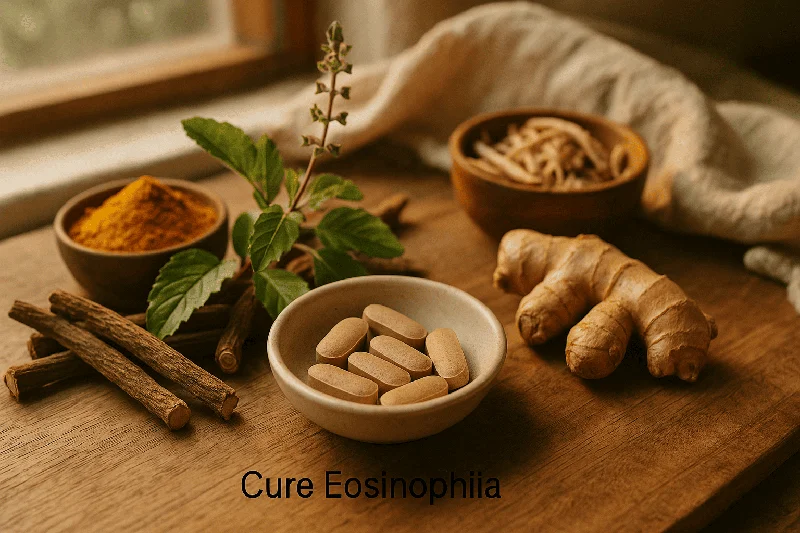
Eosinophilia is a medical condition characterized by an elevated level of eosinophils, a type of white blood cell, in the bloodstream. Although it often presents with respiratory symptoms such as wheezing or chronic cough, eosinophilia can affect various body systems and manifest in multiple ways, including skin rashes and gastrointestinal issues. Over the years, conventional medicine has made strides in diagnosing and managing eosinophilia through corticosteroids and other immunomodulatory treatments. However, there is a growing interest in holistic and complementary approaches, including Ayurvedic medicine for eosinophilia. This article will delve into the science behind eosinophilia, discuss the Ayurvedic perspective, review the current research, and offer practical lifestyle modifications for those seeking a more integrative healthcare strategy.
Table of Contents
- Understanding Eosinophilia
1.1 What Is Eosinophilia?
1.2 Symptoms and Diagnosis - Ayurveda and Eosinophilia: Conceptual Overview
2.1 Ayurvedic Principles in Immune Regulation - Scientific Research on Ayurvedic Treatments
3.1 Key Herbal Formulations
3.2 Clinical Evidence and Studies - Practical Tips and Lifestyle Modifications
4.1 Dietary Recommendations
4.2 Yoga and Pranayama - Benefits, Limitations, and Precautions
5.1 Possible Risks and When to Seek Conventional Care - Frequently Asked Questions
- Disclaimer
- Conclusion
Understanding Eosinophilia
What Is Eosinophilia?
Eosinophils are specialized white blood cells that play a critical role in the body’s immune response, particularly against parasites and allergens. A typical healthy individual has fewer than 500 eosinophils per microliter of blood. Eosinophiliais generally diagnosed when the eosinophil count exceeds this threshold. According to the U.S. National Library of Medicine and clinical guidelines, causes of eosinophilia include:
- Allergic diseases such as asthma, eczema, or allergic rhinitis
- Parasitic infections
- Autoimmune disorders
- Certain medications, including some antibiotics
- Specific malignancies (rare cases)
Eosinophilia can be further classified as mild, moderate, or severe based on the percentage of eosinophils in the total white blood cell count. Prompt diagnosis is crucial because untreated eosinophilia can potentially damage vital organs—such as the heart or lungs—when it becomes chronic.
Symptoms and Diagnosis
Symptoms of eosinophilia may vary widely depending on its underlying cause. Common symptoms include:
- Respiratory Issues: Wheezing, coughing, shortness of breath.
- Skin Conditions: Rashes, redness, itching.
- Gastrointestinal Problems: Diarrhea, abdominal pain.
- General Malaise: Fatigue, fever, and muscle pains.
Diagnosis typically involves a complete blood count (CBC) with differential to quantify eosinophil levels. Additional tests may include chest X-rays, pulmonary function tests, or stool examinations to rule out parasitic infections. Once an underlying cause is identified—be it allergy, infection, or autoimmune disease—treatment usually targets that specific cause, often including corticosteroids or immunosuppressive agents.

Ayurveda and Eosinophilia: Conceptual Overview
Ayurvedic Principles in Immune Regulation
Ayurveda, an ancient system of medicine originating from India, operates on the principle of balance among three fundamental energies—or doshas—known as Vata, Pitta, and Kapha. Imbalances in these doshas are thought to predispose individuals to various health conditions.
In Ayurveda, eosinophilia-like symptoms are often correlated with imbalances in Kapha (associated with mucus and lubrication) and Pitta (related to inflammation). Ayurvedic texts discuss how improper digestion (“Agni”) and inadequate elimination of toxins (“Ama”) can weaken the immune system. Hence, the Ayurvedic approach to managing eosinophilia typically involves:
- Balancing Kapha and Pitta: Through dietary modifications, lifestyle changes, and herbal remedies.
- Detoxification (Panchakarma): Ayurveda emphasizes removing accumulated toxins from the body to restore equilibrium.
- Boosting Immunity (Ojas): Focuses on strengthening the body’s innate defense mechanisms.
Scientific Research on Ayurvedic Treatments
Key Herbal Formulations
Several Ayurvedic herbs are known for their immunomodulatory and anti-inflammatory effects. Though more robust, large-scale clinical trials are needed to conclusively determine their efficacy in eosinophilia, preliminary research and anecdotal clinical reports suggest potential benefits. Commonly cited Ayurvedic herbs include:
-
Tulsi (Ocimum tenuiflorum)
- Often regarded as an adaptogen that supports respiratory health.
- Some studies indicate it may help modulate inflammatory pathways.
-
Turmeric (Curcuma longa)
- Contains curcumin, a compound noted for strong anti-inflammatory properties.
- Clinical trials have shown curcumin’s potential in alleviating allergy symptoms and improving lung function.
-
Ashwagandha (Withania somnifera)
- Known for its adaptogenic and immunomodulatory effects.
- May support overall immune balance, although more targeted research for eosinophilia is needed.
-
Mulethi (Glycyrrhiza glabra)
- Popular for its respiratory benefits and possible anti-allergic properties.
- Excessive or prolonged use should be monitored due to potential side effects like elevated blood pressure.
-
Ginger (Zingiber officinale)
- Often used to soothe inflammation and reduce symptoms in respiratory conditions.
- Shown to have antioxidant and anti-inflammatory benefits in several laboratory studies.
Clinical Evidence and Studies
- A study published in the Journal of Ayurveda and Integrative Medicine (2020) looked at the role of polyherbal Ayurvedic formulations in reducing respiratory allergy symptoms. The results indicated a modest improvement in immune markers and inflammation, though the sample size was limited.
- Another small-scale trial in Ancient Science of Life (2019) evaluated an Ayurvedic herbal blend containing turmeric and ginger for chronic allergic rhinitis. Participants reported fewer episodes of nasal congestion and sneezing, hinting at potential synergy between these herbs in modulating allergy-related eosinophil activity.
- Some case reports indexed in PubMed suggest that Panchakarma procedures (like Virechana for detoxification) might improve immune balance. However, these are individual case studies or pilot projects, emphasizing the need for larger, controlled clinical trials.
While these studies are promising, it’s essential to note that no universal consensus or large-scale, high-quality clinical trials definitively confirm Ayurveda’s role in managing eosinophilia. Researchers generally recommend combining Ayurvedic therapies with conventional medicine, alongside close clinical monitoring.
Practical Tips and Lifestyle Modifications
Dietary Recommendations
Ayurveda places significant importance on diet, especially when dealing with inflammation and immune-related conditions like eosinophilia. Key dietary suggestions include:
- Warm, Easy-to-Digest Foods: Soups, stews, and lightly cooked vegetables can support the digestive fire (Agni).
- Spices and Herbs: Incorporate turmeric, ginger, cumin, and black pepper to aid digestion and reduce mucus buildup.
- Avoid Known Allergens: Common triggers—such as dairy products, nuts, or shellfish—can exacerbate inflammation if one is sensitive.
- Hydration: Sipping warm water or herbal teas (like tulsi or ginger tea) throughout the day can help clear respiratory passages.
- Limit Cold Foods: Ice-cold drinks and frozen foods may aggravate Kapha and slow down digestive processes.
Yoga and Pranayama
- Yoga: Certain postures (like the bridge pose or cobra pose) may improve lung capacity and reduce stress, which can, in turn, support healthy immune function.
- Pranayama: Breathing exercises—such as Kapalabhati (skull-shining breath) or Anulom Vilom (alternate nostril breathing)—can help clear nasal passages and stabilize internal energy.
- Meditation: Chronic stress can worsen or trigger inflammatory responses. Regular meditation practices have been shown to modulate the stress axis and indirectly support immune balance.

Benefits, Limitations, and Precautions
Ayurvedic medicine can offer a more holistic lens for those managing eosinophilia. Potential advantages include:
- Holistic Perspective: Addresses diet, lifestyle, mental health, and spiritual well-being simultaneously.
- Customized Approaches: Ayurveda tailors treatments to individual constitution (Prakriti), potentially leading to personalized care.
- Potentially Fewer Side Effects: Many Ayurvedic remedies use natural ingredients, which, if used correctly, may have fewer adverse effects compared to long-term corticosteroid use.
However, there are notable limitations:
- Insufficient Large-Scale Data: The body of research specifically targeting “ayurvedic medicine for eosinophilia” is limited.
- Quality Control: Herbal supplements are not universally regulated, so potency and purity can vary.
- Delayed Onset of Action: Ayurvedic treatments often work gradually, requiring consistent follow-ups and lifestyle adjustments.
Possible Risks and When to Seek Conventional Care
Despite the potential benefits, eosinophilia can have serious underlying causes that demand medical intervention. Seek conventional care if:
- Your symptoms worsen or do not improve over time, especially if you experience breathing difficulties.
- You suspect an autoimmune disorder or parasitic infection.
- Corticosteroids or immunosuppressants are prescribed by your healthcare provider based on severe or life-threatening conditions.
Always consult with a qualified healthcare professional to create a cohesive treatment plan that may integrate Ayurvedic principles safely alongside conventional treatments.
Frequently Asked Questions
-
Is Ayurvedic medicine safe for everyone with eosinophilia?
Ayurvedic medicine can be safe when tailored to individual needs. However, the underlying causes of eosinophilia vary. Consult a qualified Ayurvedic practitioner and your primary healthcare provider for personalized advice. -
How long does it take to see results with Ayurvedic treatments?
Results vary based on individual constitution, the severity of eosinophilia, and treatment adherence. While some people notice improvements in a few weeks, others may require months of consistent therapy. -
Can I stop my conventional medication if I start Ayurvedic remedies?
It is not advisable to discontinue any prescribed medication without professional guidance. Integrative care often involves using Ayurvedic treatments alongside conventional medications, particularly if your eosinophilia is severe. -
Are there any side effects to Ayurvedic herbs for eosinophilia?
While most Ayurvedic herbs are well-tolerated, potential side effects (e.g., digestive upset or allergic reactions) can occur, especially if the dosage is not monitored. Quality of the product is also crucial. Always purchase herbs from reputable suppliers. -
What role does diet play in managing eosinophilia from an Ayurvedic perspective?
Ayurveda highly emphasizes a balanced diet to support immune function and reduce inflammation. Avoiding cold, heavy, or allergenic foods and opting for warm, easy-to-digest meals can be beneficial.
Disclaimer
The information provided in this article is for general educational purposes and should not replace medical advice. Eosinophilia can have serious underlying causes, and it is crucial to consult a qualified healthcare professional or an experienced Ayurvedic practitioner for individualized treatment. Refer to reputable sources such as the
Conclusion
Ayurvedic medicine for eosinophilia offers a promising complementary approach by focusing on overall immune balance, dietary adjustments, and targeted herbal remedies. Although preliminary studies and anecdotal evidence suggest benefits, robust scientific trials are still needed to confirm Ayurveda’s efficacy in treating eosinophilia. Individuals seeking holistic methods should consider an integrative plan that includes regular medical evaluations, ensuring that any severe or rapidly progressing symptoms receive prompt conventional care. By combining Ayurvedic practices, a balanced lifestyle, and conventional treatments under professional guidance, people with eosinophilia can potentially achieve better immune regulation and enhanced quality of life.
Call to Action
If you found this article helpful, please share it with others who might benefit! Feel free to leave a comment below about your experiences or subscribe for more integrative health insights. Your feedback helps us continue to create comprehensive, evidence-based content for our readers.
आयुर्वेदिक डॉक्टर से एक प्रश्न पूछें और मुफ़्त या सशुल्क मोड में अपनी चिंता की समस्या पर ऑनलाइन परामर्श प्राप्त करें।
2,000 से अधिक अनुभवी डॉक्टर हमारी साइट पर काम करते हैं और आपके प्रश्नों की प्रतीक्षा करते हैं और प्रतिदिन उपयोगकर्ताओं को उनकी स्वास्थ्य समस्याओं को हल करने में मदद करते हैं।
संबंधित आलेख