आयुर्वेदिक डॉक्टर से प्रश्न पूछें और निःशुल्क या भुगतान मोड में अपनी चिंता की समस्या पर ऑनलाइन परामर्श प्राप्त करें। 2,000 से अधिक अनुभवी डॉक्टर हमारी साइट पर काम करते हैं और आपके प्रश्नों का इंतजार करते हैं और उपयोगकर्ताओं को उनकी स्वास्थ्य समस्याओं को हल करने में प्रतिदिन मदद करते हैं।


Body DetoxEar, Nose, and Throat DisordersGeriatrics & RejuvenationImmunodeficiencyInfertility TreatmentNutritionOrthopedic DisordersPediatricsRespiratory DisordersSexually Transmitted Diseases (STDs)Surgery RecoveryUrological DisordersVascular DisordersDental DisordersEndocrinological DisordersGastrointestinal DisordersYoga TherapyGeneral MedicineAllergic DisordersCardio DisordersGynecology and ObstetricsCosmetologySkin and Hair DisordersEye DisordersInfectious DiseasesMental DisordersNeurological DisordersOncologyPanchakarmaSexual Health & DisordersSports Medicine
पर प्रकाशित 10/14/24
(को अपडेट 08/07/26)
3,238
Liver & Gall
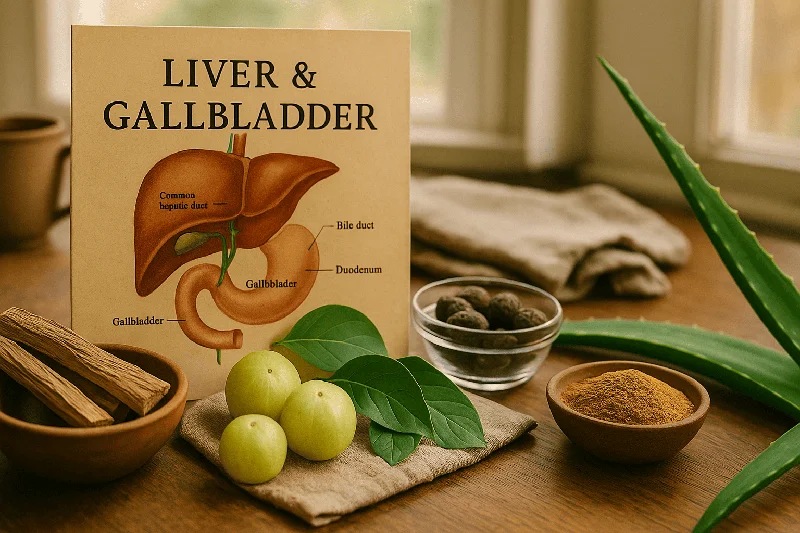
The liver and gallbladder are two deeply interconnected organs that form the core of your biliary system — yet most people don't realize just how tightly their fates are linked. The liver, your body's largest internal organ, produces bile, detoxifies blood, synthesizes proteins, and stores essential vitamins. The gallbladder, a small pear-shaped sac tucked beneath the liver, stores and concentrates that bile until your body needs it for fat digestion. When one organ struggles, the other almost always suffers. This article covers their anatomy, functions, diseases, and the critical synergy between them — something most medical resources fail to explain as a unified system.
What Is the Liver and What Is the Gallbladder?
Understanding these two organs individually is the first step before exploring how they operate as a team.
The Liver — Your Body's Chemical Factory
- The liver sits in the right upper quadrant of the abdomen, just beneath the diaphragm. It weighs roughly 1.4–1.5 kg in adults, making it the largest solid organ in the human body.
- Anatomically, the liver has two main lobes — the larger right lobe and the smaller left lobe — separated by the falciform ligament. On its visceral (inferior) surface, two additional lobes are visible: the caudate lobe and the quadrate lobe.
- A critical landmark is the porta hepatis, the gateway on the liver's underside where the portal vein, hepatic artery, and common hepatic duct enter and exit.
- The liver has a unique dual blood supply: approximately 75–80% of its blood comes from the portal vein (nutrient-rich blood from the intestines), while the remaining 20–25% arrives via the hepatic artery (oxygen-rich blood). This arrangement makes the liver ideally positioned to process nutrients and filter toxins immediately after absorption from the gut.
At the cellular level, the functional units of the liver are hepatic lobules — hexagonal clusters of hepatocytes arranged around a central vein. Each lobule contains sinusoidal capillaries lined with Kupffer cells (specialized immune cells) and receives bile canaliculi that drain bile toward the bile ducts. The canals of Hering connect these tiny canaliculi to the larger intrahepatic bile duct system.
One truly remarkable feature: the liver can regenerate. Studies show that even after surgical removal of up to 70% of liver tissue, the organ can regrow to its original functional capacity within weeks. No other internal organ possesses this ability to such an extent.
The Gallbladder — A Small Organ With a Big Role
The gallbladder is a hollow, pear-shaped organ approximately 7–10 cm long, sitting in a shallow fossa on the liver's visceral surface. It has a capacity of about 30–50 mL of bile and is anatomically divided into three parts: the fundus (the rounded bottom), the body (the main portion), and the neck (the narrow end that connects to the cystic duct).
The gallbladder wall has distinctive layers — a mucosal lining with extensive folds (rugae) covered in microvilli for absorption, a muscular layer for contraction, and a serosal outer covering. Unlike many parts of the GI tract, the gallbladder lacks a true submucosa. Its blood supply comes primarily from the cystic artery, usually a branch of the right hepatic artery.
Innervation involves both divisions of the autonomic nervous system: sympathetic fibers from the celiac and superior mesenteric plexuses and parasympathetic fibers from the vagus nerve. This dual innervation controls both bile storage during fasting and bile ejection after meals.
Liver and Gallbladder Difference — A Quick Comparison
| Feature | Liver | Gallbladder |
|---|---|---|
| Size | ~1.4–1.5 kg, largest internal organ | 7–10 cm long, ~30–50 mL capacity |
| Location | Right upper abdomen, under diaphragm | Inferior surface of right liver lobe |
| Primary Function | Bile production, detoxification, metabolism | Bile storage and concentration |
| Blood Supply | Portal vein (75–80%) + hepatic artery (20–25%) | Cystic artery |
| Regeneration | Can regenerate up to 70% of lost tissue | Cannot regenerate |
| Can You Live Without It? | No — liver failure is fatal | Yes — bile drains directly into intestine |
| Common Diseases | Hepatitis, cirrhosis, fatty liver, liver cancer | Gallstones, cholecystitis, gallbladder cancer |
How Do the Liver and Gallbladder Function Together?
This is where most resources fall short. They treat the liver and gallbladder as seperate topics. In reality, they function as a single, integrated biliary system.
Bile Production and Storage
Hepatocytes in the liver continuously produce 800–1,000 mL of bile per day. This golden-green fluid contains water, bile salts (synthesized from cholesterol), bilirubin (a breakdown product of hemoglobin), cholesterol, phospholipids (mainly lecithin), and electrolytes.
Between meals, the sphincter of Oddi — a muscular valve at the junction where the common bile duct meets the duodenum — remains closed. This forces bile to back up into the cystic duct and fill the gallbladder. Inside the gallbladder, bile is concentrated by up to 5–10 fold through active absorption of water and electrolytes by the mucosal epithelium.
The Bile Ejection Mechanism
- When fatty food enters the duodenum, enteroendocrine cells (I-cells) release cholecystokinin (CCK).
- This hormone triggers two simultaneous events:
- 1.Gallbladder contraction — smooth muscle in the gallbladder wall contracts, squeezing concentrated bile into the cystic duct
- 2.Sphincter of Oddi relaxation — the valve opens, allowing bile to flow into the duodenum
The vagus nerve (parasympathetic) also contributes to gallbladder contraction during the cephalic phase of digestion — meaning just the sight or smell of food can initiate mild bile release.
Enterohepatic Circulation — The Recycling Loop
Here's something fasinating: your body doesn't waste bile acids. After bile salts help emulsify fats in the duodenum and jejunum, approximately 95% are reabsorbed in the terminal ileum through specialized sodium-dependent transporters. These recycled bile acids travel via the portal vein back to the liver, where hepatocytes re-secrete them into bile. This enterohepatic circulation cycles bile salts 6–8 times per day, allowing the body to maintain an adequate bile acid pool (~3–5 grams) despite producing only about 0.5 grams of new bile acids daily.
The Biliary Tract — Connecting the System
The biliary ductal system is the highway connecting liver, gallbladder, and intestine:
- Right and left hepatic ducts → merge to form the common hepatic duct
- Cystic duct (from the gallbladder) joins the common hepatic duct → forming the common bile duct (CBD)
- The CBD descends behind the duodenum and often merges with the main pancreatic duct at the ampulla of Vater (hepatopancreatic ampulla)
- The sphincter of Oddi controls flow into the duodenum
This shared anatomy between the biliary and pancreatic systems explains why gallstone complications can trigger pancreatitis — a stone impacted at the ampulla of Vater can block both bile and pancreatic juice drainage.
Liver Functions Beyond Bile — Why It's Called the Body's Powerhouse
- While bile production is the liver's most direct link to the gallbladder, the liver performs over 500 different functions.
- Here are the major ones:
Metabolic and Synthetic Functions
- Protein synthesis: the liver produces albumin (maintains blood osmotic pressure), clotting factors (fibrinogen, prothrombin), and complement proteins
- Carbohydrate metabolism: stores glucose as glycogen (~100g stored), performs gluconeogenesis during fasting
- Lipid metabolism: synthesizes cholesterol, lipoproteins (VLDL, HDL), and converts excess carbohydrates to triglycerides
- Vitamin storage: stores fat-soluble vitamins A, D, and K, plus vitamin B12 and iron (as ferritin)
Detoxification and Drug Metabolism
The liver is the primary site of first-pass metabolism — drugs absorbed from the gut pass through the liver via the portal vein before reaching systemic circulation. Cytochrome P450 enzymes in hepatocytes chemically modify these substances, making them water-soluble for excretion. This is why liver disease can dramatically alter drug dosing requirements.
Bile acids themselves influence drug bioavailability — some medications require bile for proper absorption, while others are excreted through bile (enterohepatic cycling of drugs). This is a connection between liver, gallbladder, and pharmacology that few resources mention.
Endocrine and Immune Roles
The liver produces insulin-like growth factor 1 (IGF-1) in response to growth hormone, converts thyroxine (T4) to the more active triiodothyronine (T3), and synthesizes angiotensinogen (part of blood pressure regulation). Kupffer cells in the liver sinusoids act as resident macrophages, filtering bacteria and debris from portal blood — an important immune defense against gut-derived pathogens.
What Are Common Issues That Affect the Liver and Gallbladder?
Gallstones (Cholelithiasis) — Types and Risk Factors
- Gallstones affect approximately 10–15% of adults in Western countries, with prevalence rising in India due to dietary changes.
- There are two main types:
Cholesterol Stones
- Account for about 80% of gallstones.
- They form when bile becomes supersaturated with cholesterol — meaning more cholesterol is present than bile salts and lecithin can keep in solution. Risk factors include obesity, rapid weight loss (losing >1.5 kg/week), female sex, pregnancy, age over 40, and certain medications (estrogen therapy, fibrates).
A 2012 study published in Hepatology confirmed that obesity increases hepatic cholesterol secretion, directly contributing to bile supersaturation and stone formation.
Pigment Stones
These are either black (associated with hemolytic anemias, cirrhosis, and chronic liver disease — formed in the gallbladder) or brown (associated with biliary infections and stasis — often formed in the bile ducts). Black pigment stones are composed primarily of calcium bilirubinate, while brown stones contain bacterial degradation products.
Biliary Sludge — The Precursor
Biliary sludge is a thick mixture of mucus, cholesterol crystals, and calcium bilirubinate granules that accumulates in the gallbladder during prolonged fasting, pregnancy, or parenteral nutrition. It's considered a precursor to gallstone formation and can itself cause biliary pain. Sludge resolves spontaneously in some patients but progresses to stones in roughly 5–15% of cases.
What Are the First Signs of a Bad Gallbladder?
The most common early symptom is biliary colic — episodic pain in the right upper quadrant (RUQ) or epigastric area, often radiating to the right shoulder blade. This pain typically occurs 30–60 minutes after a fatty meal and can last several hours.
Other warning signs include:
- Nausea and vomiting during pain episodes
- Bloating and intolerance of fatty foods
- Indigestion that doesn't respond to antacids
If infection develops, you may notice fever, persistent pain lasting more than 6 hours, and tenderness on pressing the RUQ (positive Murphy's sign). Jaundice (yellowing of skin and eyes) suggests a stone has migrated into the common bile duct.
Cholecystitis — When the Gallbladder Becomes Inflamed
Acute cholecystitis develops when a gallstone obstructs the cystic duct, causing gallbladder distension, inflammation, and sometimes bacterial infection. If untreated, it can progress to gallbladder perforation, abscess, or gangrene. Chronic cholecystitis involves repeated episodes of inflammation that scar and stiffen the gallbladder wall.
Gallstone Ileus — A Rare but Serious Complication
In elderly patients, a large gallstone can erode through the gallbladder wall into the adjacent small intestine (forming a cholecystoenteric fistula) and then travel down to obstruct the narrowest part of the small bowel — usually the ileocecal valve. This is called gallstone ileus and, though uncommon, carries significant mortality if not surgically treated.
Gallbladder Cancer
- Gallbladder cancer is rare globally but notably more common in certain populations, including Northern India. It's often discovered incidentally during cholecystectomy.
- Symptoms — when present — mimic chronic cholecystitis (RUQ pain, weight loss, jaundice), making early detection challanging. Porcelain gallbladder (calcification of the wall) and large polyps (>1 cm) are considered risk factors.


Hepatitis Jaundice Fatty liver disease


स्वयं दवा न लें और प्रतीक्षा न करें। अभी डॉक्टर से चैट शुरू करें
Liver disease Biliary dyskinesia
How to Tell If It's Liver or Gallbladder Pain?
This is one of the most commonly searched questions — and understandably so, since both organs occupy the same anatomical neighborhood.
| Feature | Liver Pain | Gallbladder Pain |
|---|---|---|
| Location | Diffuse RUQ, may extend across upper abdomen | Focused RUQ or epigastric, radiates to right shoulder |
| Character | Dull, aching, persistent | Sharp, colicky, comes in waves |
| Timing | Constant, worsens over weeks | Episodic, often after fatty meals |
| Associated Symptoms | Fatigue, itching, spider angiomas, ascites | Nausea, vomiting, food intolerance |
| Jaundice Pattern | Hepatic (elevated ALT/AST) | Obstructive (elevated ALP, direct bilirubin) |
| Key Diagnostic Test | Liver function tests + ultrasound/FibroScan | Abdominal ultrasound (gold standard for stones) |
Diagnostic Approaches
- Ultrasound: first-line for gallstones (sensitivity >95%) and liver abnormalities
- CT scan: better for complications like perforation, abscess, or tumors
- MRCP (Magnetic Resonance Cholangiopancreatography): non-invasive imaging of the bile ducts
- ERCP (Endoscopic Retrograde Cholangiopancreatography): both diagnostic and therapeutic — can remove stones from the common bile duct
- Endoscopic ultrasound (EUS): detects small stones and sludge missed by standard ultrasound
- FibroScan: assesses liver fibrosis non-invasively
Are Gallbladder and Liver Problems Related? The Synergy Nobody Explains
- This is perhaps the biggest gap in existing medical content online.
- The liver and gallbladder don't just share plumbing — diseases of one organ directly cause or worsen diseases of the other.
How Liver Disease Affects the Gallbladder
- Cirrhosis increases the prevalence of pigment gallstones by 2–5 times. Portal hypertension alters bile composition and gallbladder motility, creating conditions ripe for stone formation
- Non-alcoholic fatty liver disease (NAFLD) changes bile acid metabolism, increasing cholesterol saturation of bile. A 2012 study in BMC Gastroenterology found that gallstone disease was associated with more severe liver damage in patients with NAFLD
- Hepatitis (viral or alcoholic) disrupts bilirubin metabolism, potentially increasing unconjugated bilirubin in bile and promoting pigment stone formation
How Gallbladder Disease Affects the Liver
- Choledocholithiasis (stones in the common bile duct) causes obstructive jaundice — backed-up bile damages hepatocytes and, if prolonged, leads to secondary biliary cirrhosis
- Ascending cholangitis occurs when bacteria travel up the obstructed bile duct, causing life-threatening infection. It can lead to hepatic abscesses
- Mirizzi syndrome: a gallstone impacted in the cystic duct or gallbladder neck compresses the common hepatic duct externally, mimicking a bile duct tumor
Understanding Jaundice Through This Lens
Jaundice — the yellowing of skin and sclerae due to elevated bilirubin — can be classified by origin:
- Pre-hepatic: excess bilirubin production (hemolysis) — unconjugated hyperbilirubinemia
- Hepatic: liver dysfunction (hepatitis, cirrhosis) — mixed hyperbilirubinemia
- Post-hepatic (obstructive): bile duct blockage (gallstones, tumors) — conjugated hyperbilirubinemia with pale stools and dark urine
Differentiating these types is essential because treatment differs dramatically — medical therapy for hepatic causes versus surgical or endoscopic intervention for obstructive causes.
Treatment — Cholecystectomy and Life Without a Gallbladder
Surgical Options
Laparoscopic cholecystectomy is the gold standard treatment for symptomatic gallstones — performed through 3–4 small incisions, with most patients going home the same day. Recovery typically takes 1–2 weeks. Open cholecystectomy is reserved for complicated cases (severe inflammation, unclear anatomy, suspected cancer). Robotic-assisted cholecystectomy is gaining traction in some centers, offering enhanced dexterity and visualization.
For patients unfit for surgery, ERCP with sphincterotomy can remove common bile duct stones, and oral dissolution therapy with ursodeoxycholic acid (UDCA) may slowly dissolve small cholesterol stones over 6–24 months — though recurrence rates are high.
Can You Live Without a Gallbladder?
- Absolutely. After cholecystectomy, bile flows directly from the liver into the duodenum through the common bile duct. However, without the gallbladder's concentrating function, bile is delivered in a more dilute, continuous stream rather than in concentrated bursts.
- This can cause:
- Postcholecystectomy diarrhea in about 10–15% of patients (due to excess bile acids reaching the colon)
- Temporary fat malabsorption and bloating
Diet After Cholecystectomy
- Limit dietary fat to approximately 30% of total calories for the first 4–6 weeks
- Introduce high-fiber foods gradually to avoid bloating
- Eat smaller, more frequent meals rather than large ones
- Most patients return to a completely normal diet within 2–3 months
What Foods Trigger Gallbladder Issues?
- Diet plays a significant role in both preventing and managing gallbladder problems.
- Foods and habits that increase risk include:
- High-fat foods: fried foods, full-fat dairy, fatty cuts of meat, butter, and cream-based sauces trigger strong CCK release and gallbladder contraction — painful if stones are present
- Refined carbohydrates: white bread, pastries, and sugary drinks increase hepatic cholesterol secretion
- Rapid weight loss: crash diets or bariatric surgery can mobilize large amounts of cholesterol into bile. Losing more than 1.5 kg per week significantly increases gallstone risk
- Prolonged fasting: gallbladder stasis promotes sludge and stone formation
Protective factors include regular physical activity, gradual weight management, adequate fiber intake, moderate coffee consumption (studies suggest 2–3 cups daily may reduce gallstone risk by up to 25%), and healthy fats like olive oil and omega-3 fatty acids.
Liver and Gallbladder Supplements — Do They Help?
- Many people search for supplements to "cleanse" or support the liver and gallbladder.
- Here is what evidence actually supports:
- Milk thistle (silymarin): the most studied liver supplement. A 2017 meta-analysis in Phytotherapy Research showed modest reductions in liver enzymes (ALT, AST) in patients with NAFLD, but evidence remains limited for other liver conditions
- Artichoke leaf extract: may stimulate bile flow (choleretic effect) and has shown some benefit for dyspeptic symptoms in clinical trials
- Ursodeoxycholic acid (UDCA): technically a medication, not a supplement — used to dissolve small cholesterol gallstones and treat primary biliary cholangitis
- Turmeric (curcumin): anti-inflammatory properties may benefit liver health, but bioavailability is poor without piperine. Some evidence suggests curcumin stimulates gallbladder contraction
- "Liver cleanses" and "gallbladder flushes": typically involving olive oil and lemon juice — no credible evidence supports these. The "stones" passed are usually saponified oil, not actual gallstones
> Important: Always consult a qualified healthcare provider before starting any supplement, especially if you have existing liver or gallbladder disease.
FAQ — Liver and Gallbladder
Where is the liver and gallbladder located in the body?
Both are in the right upper quadrant of the abdomen. The liver sits directly beneath the diaphragm, spanning across the midline slightly into the left upper quadrant. The gallbladder is nestled on the undersurface of the liver's right lobe, in a small depression called the gallbladder fossa.
How does the gallbladder help other organs?
- The gallbladder supports the small intestine by delivering concentrated bile for fat emulsification and absorption of fat-soluble vitamins (A, D, E, K).
- It indirectly supports the pancreas — bile and pancreatic juice enter the duodenum at the same location (ampulla of Vater), and proper bile flow helps prevent pancreatic duct obstruction.
What does liver and gallbladder pain look like in a picture?
Pain from both organs is felt in the right upper quadrant, but gallbladder pain classically radiates to the right shoulder or between the shoulder blades (referred pain via the phrenic nerve). Liver pain tends to be more diffuse and may be accompanied by abdominal distension if ascites is present.
Can liver problems cause gallstones?
Yes. Cirrhosis increases gallstone prevalence by 2–5 times. Fatty liver disease alters bile composition, and chronic liver disease can impair gallbladder motility — all of which promote stone formation.
What is the role of the liver and gallbladder in drug metabolism?
The liver performs first-pass metabolism of orally ingested drugs using cytochrome P450 enzymes. Some metabolized drugs are excreted into bile and may undergo enterohepatic recirculation — being reabsorbed in the intestine and returning to the liver. The gallbladder's role in concentrating bile can affect the timing and intensity of biliary drug excretion.
Can the liver regenerate after damage?
Yes. The liver is the only internal organ capable of substantial regeneration. After partial hepatectomy (removal of up to 70%), the remaining liver tissue undergoes compensatory hyperplasia, typically restoring full functional capacity within 8–15 days in animal models and several weeks in humans.
Final Thoughts — Protect Both Organs Together
The liver and gallbladder are not two seperate stories — they are chapters in the same book. What harms one almost inevitably impacts the other, and understanding this connection is essential for prevention, early diagnosis, and effective treatment.
Practical steps to protect both organs: maintain a healthy weight without crash dieting, eat a balanced diet rich in fiber and healthy fats, stay physically active, limit alcohol consumption, avoid unnecessary medications, and don't ignore persistent upper abdominal pain. Early diagnosis through simple blood tests (liver function panel) and abdominal ultrasound can catch problems before they become emergencies.
If you're experiencing symptoms like right upper quadrant pain, unexplained fatigue, jaundice, or changes in stool color — don't wait. Consult a qualified healthcare provider who can evaluate both your liver and gallbladder as the interconnected system they truly are.
Scientific Sources
- Ginsenoside Rg1 alleviates ANIT-induced cholestatic liver injury by inhibiting hepatic inflammation and oxidative stress via SIRT1 activation — Gao Q et al., 2024, Journal of ethnopharmacology
- Cholesterol and Immune Microenvironment: Path Towards Tumorigenesis — Saad EE et al., 2024, Current nutrition reports
- Promising traditional Chinese medicine for the treatment of cholestatic liver disease process (cholestasis, hepatitis, liver fibrosis, liver cirrhosis) — Wei C et al., 2022, Journal of ethnopharmacology
- Liver and gall bladder channel parallels in the Hippocratic Corpus and Huang Di Nei Jing with theoretical considerations — Paulo RF et al., 2022, Journal of traditional and complementary medicine
- The Genus Rumex: Review of traditional uses, phytochemistry and pharmacology — Vasas A et al., 2015, Journal of ethnopharmacology
- Study on preparation technology of Qi Yu constitution Yangsheng granules — Zhong F et al., 2024, Technology and health care : official journal of the European Society for Engineering and Medicine
- Integrated metabolomics and network pharmacology to explore the mechanism of Huzhang Erjin Decoction against ANIT-induced cholestatic hepatitis — Li S et al., 2025, Journal of ethnopharmacology
- Investigating therapeutic effects and the underlying mechanisms of jia-wei-yin-chen-hao-tang in non-alcoholic fatty liver disease based on network pharmacology analysis and experimental validation — Zhou RY et al., 2025, Journal of ethnopharmacology
- Pomegranate seeds: a comprehensive review of traditional uses, chemical composition, and pharmacological properties — Wang J et al., 2024, Frontiers in pharmacology
- Research Progress of Eucommia ulmoides Oliv and Predictive Analysis of Quality Markers Based on Network Pharmacology — Zhao X et al., 2024, Current pharmaceutical biotechnology
- Helichrysum italicum: from traditional use to scientific data — Antunes Viegas D et al., 2014, Journal of ethnopharmacology
- Curcumae Radix: a review of its botany, traditional uses, phytochemistry, pharmacology and toxicology — Ao M et al., 2022, The Journal of pharmacy and pharmacology
- The therapeutic potential of milk thistle in diabetes — Kazazis CE et al., 2014, The review of diabetic studies : RDS
- Quality Markers' Discovery and Quality Evaluation of Jigucao Capsule Using UPLC-MS/MS Method — He Y et al., 2023, Molecules (Basel, Switzerland)
- Pharmacological Activities and Synthesis of Esculetin and Its Derivatives: A Mini-Review — Liang C et al., 2017, Molecules (Basel, Switzerland)
- Prunella vulgaris L. attenuates gut dysbiosis and endotoxin leakage against alcoholic liver disease — Rao PL et al., 2024, Journal of ethnopharmacology
- Swertia L.: A comprehensive review of its genetic relationship, chemical compositions, pharmacological effects, toxicities, and applications — Guo S et al., 2023, Phytotherapy research : PTR
- Prunella vulgaris L. - A Review of its Ethnopharmacology, Phytochemistry, Quality Control and Pharmacological Effects — Pan J et al., 2022, Frontiers in pharmacology
- [[Scientific connotation of Zangfu theory in traditional Chinese medicine from modern biological research on "organ crosstalk"]](https://pubmed.ncbi.nlm.nih.gov/39701695/) — Wang WY et al., 2024, Zhongguo Zhong yao za zhi = Zhongguo zhongyao zazhi = China journal of Chinese materia medica
- MrgX2-targeted ligand screening from Artemisia capillaris Thunb. extract and receptor-ligand interaction analysis based on MrgX2-HALO-tag/CMC — Jiang Y et al., 2024, Journal of chromatography. B, Analytical technologies in the biomedical and life sciences
उपयोगकर्ताओं के प्रश्न
What are the potential complications of untreated chronic cholecystitis?
Client_f9a561
1 दिन पहले
Untreated chronic cholecystitis can lead to several complications, including the formation of gallstones, which may cause recurrent pain and inflammation. One serious complication is gallstone ileus, where a large gallstone erodes through the gallbladder wall, creating a fistula to the small intestine and causing bowel obstruction. Other risks include the development of acute cholecystitis, pancreatitis, or sepsis if bacteria enter the bloodstream. If symptoms like severe abdominal pain, fever, or jaundice occur, it's crucial to see a doctor promptly.
What dietary changes can support healthy gallbladder function?
Client_ada819
6 दिनों पहले
To support healthy gallbladder function, focus on a balanced diet rich in fruits, vegetables, whole grains, and lean proteins while limiting refined carbohydrates and saturated fats. Foods high in fiber, such as legumes and oats, can be beneficial, as they help regulate bile flow and reduce the risk of gallstones. Including healthy fats like those found in fish, nuts, and seeds can promote gallbladder contraction and bile formation. Maintaining a healthy weight and regular meal patterns also supports gallbladder health. If symptoms like recurrent abdominal pain occur, consult a doctor, as these can indicate gallbladder issues requiring medical evaluation.
How effective is ERCP in removing common bile duct stones?
Client_ec257f
11 दिनों पहले
ERCP, or endoscopic retrograde cholangiopancreatography, is highly effective for removing common bile duct stones, with success rates often exceeding 85-90%. This procedure involves using an endoscope to access the bile duct through the mouth and employs instruments to extract or break down stones. Recovery is generally swift, often taking just a few days to a week. Watch for symptoms like severe abdominal pain or fever, which may indicate complications. For persistent or recurrent issues, consulting with a gastroenterologist or surgeon is advised to explore further treatment options.
How does cirrhosis increase the risk of gallstones?
Client_e68424
16 दिनों पहले
Cirrhosis increases the risk of gallstones, particularly pigment gallstones, due to its effects on liver function and bile composition. In cirrhosis, the liver's ability to process and clear bilirubin is impaired, leading to an excess that can precipitate into pigment gallstones. Symptoms often include pain after eating fatty meals, nausea, vomiting, and bloating. Severe cases may involve fever and persistent pain. Consulting a doctor is advised if symptoms worsen or if there are signs of infection, such as a fever or significant abdominal tenderness.
What are the signs that your gallbladder may be malfunctioning?
Client_e789e7
21 दिनों पहले
If your gallbladder is malfunctioning, you might experience symptoms such as abdominal pain (especially in the upper right side), nausea, vomiting, bloating, and possibly even fever or jaundice. These signs indicate issues like gallstones or inflammation, commonly referred to as cholecystitis. Some people might notice pain after consuming fatty foods, as the gallbladder's role is to store bile for fat digestion. If symptoms persist or are severe, it's essential to see a doctor for a proper diagnosis and treatment, as complications can include infections or pancreatitis.
How does fatty liver disease affect bile production and function?
Client_0d0538
31 दिनों पहले
Fatty liver disease can impair bile production by altering its composition, leading to inefficient digestion and increased risk of gallstone formation. The liver plays a crucial role in producing bile, essential for digesting fats. When fatty liver disease alters bile composition and liver health, it not only affects fat digestion but can also disrupt gallbladder motility. This makes the gallbladder less effective, possibly causing pain or discomfort. If you experience persistent abdominal pain or digestive issues, consult a healthcare professional for a thorough evaluation.
What role does bile play in liver and digestive health?
Client_2707a4
41 दिनों पहले
Bile, produced by the liver, plays a crucial role in digestion and liver health by breaking down dietary fats and facilitating the absorption of fat-soluble vitamins such as A, D, E, and K. It also helps eliminate waste products, including bilirubin and excess cholesterol, from the body. The bile's flow and recycling between the intestine and liver, known as the enterohepatic cycle, maintain efficient digestion. Disruptions in bile production or secretion can lead to digestive issues, gallstones, and liver dysfunction, so persistent symptoms like jaundice or severe abdominal pain should warrant a doctor's visit.
What are the best lifestyle changes to prevent liver disease?
Client_f5bfc7
50 दिनों पहले
To prevent liver disease, key lifestyle changes include maintaining a healthy weight, eating a balanced diet, limiting alcohol intake, avoiding illicit drug use, and getting vaccinated against hepatitis A and B. Regular exercise supports liver function by improving metabolism and reducing fatty liver risk. Overuse of medications, particularly acetaminophen, should be avoided due to potential liver harm. Consulting a doctor is important if you experience symptoms like jaundice, chronic fatigue, or abdominal pain, as these can signal liver problems. While Ayurveda may offer supportive diet tips, always prioritize evidence-based practices.
How long does it take to recover from gallbladder surgery?
Client_79cf8e
60 दिनों पहले
Recovery from gallbladder surgery, known as a cholecystectomy, typically takes about 1 to 2 weeks for laparoscopic procedures. Patients who undergo open cholecystectomy, usually due to complications like severe inflammation, may need 4 to 6 weeks for full recovery. Key factors in recovery include resting, following dietary changes, and avoiding heavy lifting. Watch for signs of infection such as fever or severe pain, and contact a doctor if these occur. Seek medical advice if experiencing unusual symptoms post-surgery, such as persistent pain or digestive issues.
What is biliary sludge and how does it affect gallbladder health?
Client_180711
70 दिनों पहले
Biliary sludge is this thick, gooey stuff in the gallbladder made up of mucus, cholesterol crystals, and calcium bilirubinate. It's like a pre-stone, often forming due to things like fasting or pregnancy. It can lead to gallstones and cause inflammation (cholecystitis) if it blocks ducts. Keep an eye on symptoms, like jaundice, which suggests a blockage.
संबंधित आलेख
Gastrointestinal Disorders
Aam Pachak Vati Uses: Benefits, Dosage, and Ayurvedic Insights
Discover the uses, benefits, and proper dosage of Aam Pachak Vati. Learn how this Ayurvedic remedy supports digestion and overall wellness.
10,096

Gastrointestinal Disorders
Pancreatitis Ayurveda: Natural Treatments for Pancreatic Health
Discover Ayurvedic treatments for pancreatitis, focusing on natural remedies to reduce inflammation, support digestion, and promote healing of the pancreas.
6,833

Gastrointestinal Disorders
How to Get Rid of a Stomach Ache in 5 Minutes: Quick Ayurvedic Relief
Get rid of a stomach ache in 5 minutes: discover Ayurvedic remedies, yoga poses, essential oils, and quick tips for gas pain, IBS, and stomach cramps relief
4,001
Gastrointestinal Disorders
Effective Ayurvedic Treatment for BPH: Natural Remedies and Solutions
Discover effective ayurvedic treatment for BPH methods, natural remedies, and holistic approaches to manage benign prostatic hyperplasia using ancient wisdom.
4,110
Gastrointestinal Disorders
Indukantham Kwatham Tablets Uses: Benefits & Research Insights
Explore Indukantham Kwatham tablets uses, benefits, research-backed insights, and expert tips on dosage, safety, and real-world applications.
3,846

Gastrointestinal Disorders
महाधन्वंतरम गुलिका – समग्र उपचार के लिए प्राचीन उपाय
महाधन्वंतरम गुलिका का अन्वेषण करें, जो एक आयुर्वेदिक फॉर्मूलेशन है। इसके फायदों, उपयोग, खुराक, सावधानियों और समग्र स्वास्थ्य के लिए वैज्ञानिक दृष्टिकोण के बारे में जानें।
3,112

Gastrointestinal Disorders
Madiphala Rasayanam – Uses, Dose, Ingredients, Side Effects
Exploration of Madiphala Rasayanam – Uses, Dose, Ingredients, Side Effects
4,255

Gastrointestinal Disorders
Is Coconut Water Good for Acid Reflux and Acidity? Ayurvedic Insights
Exploration of Exploring the Benefits of Coconut Water for Acid Reflux Relief
21,295

Gastrointestinal Disorders
कृमि कुठार रस के फायदे, खुराक, सामग्री, साइड इफेक्ट्स
कृमी कुठार रस के फायदे, खुराक, सामग्री, और साइड इफेक्ट्स की जानकारी
7,059
Gastrointestinal Disorders
Best Ayurvedic Medicine for Weight Gain: Comprehensive Guide
Discover the best Ayurvedic medicine for weight gain, backed by research and expert insights. Learn how natural remedies can support healthy, sustainable gains.
5,957
विषय से संबंधित परामर्श
अतिरिक्त दस्तावेज़
© 2024 Ask Ayurveda. सर्वाधिकार सुरक्षित।